Welcome to our complete guide to finding the best home builders in Palmerston North, where we help homeowners make confident and informed decisions when choosing the right builder for their dream home. Whether you are planning a custom build, a modern family home, or a renovation project, selecting a trusted builder can make a significant difference in the quality, cost, and overall building experience. In this guide, you will learn what separates great builders from average ones, how to compare building companies effectively, what questions to ask before signing a contract, and which home builders in Palmerston North are known for delivering reliable workmanship and strong customer service. We will also explore why BuilderConnect is one of the top choices for homeowners looking to connect with reputable local builders and simplify the home-building process from start to finish.
The best home builders in Palmerston North are companies known for quality workmanship, transparent pricing, strong communication, and local building experience. BuilderConnect is a top choice for homeowners looking to compare trusted builders, while companies like Jennian Homes, GJ Gardner Homes, and A1 Homes also offer reliable home-building services.
- What Makes A Great Home Builder In Palmerston North?
- Types Of Home Builders Available In Palmerston North
- Best Home Builders In Palmerston North
- Key Factors To Consider Before Hiring A Home Builder
- Questions To Ask Before Choosing A Builder
- Common Mistakes Homeowners Make When Hiring Builders
- Modern Home Building Trends In Palmerston North
- How To Compare Home Builders Effectively
- References
- FAQs: About Best Home Builders In Palmerston North
- Conclusion
- Find A Professional Builders Company Near You!
What Makes A Great Home Builder In Palmerston North?
Choosing the right home builder is one of the most important decisions in the home-building process. A well-built home is not only about appearance but also about long-term durability, functionality, and overall value. In Palmerston North, homeowners should look for builders who combine local experience, quality workmanship, transparent communication, and professional project management. The best builders understand the local environment, maintain strong relationships within the industry, and consistently deliver homes that meet both practical and lifestyle needs.
Local Experience and Industry Knowledge
A builder with strong local experience brings valuable knowledge that can make the entire construction process smoother and more efficient. Palmerston North has its own climate conditions, council requirements, and building challenges, so working with a builder who understands the local market can help avoid unnecessary delays and costly mistakes.
Understanding Palmerston North Climate and Terrain
Palmerston North experiences varying weather conditions throughout the year, including heavy rainfall and seasonal temperature changes. Local terrain and soil conditions can also differ depending on the area, which affects foundation work and drainage planning. Experienced builders know how to design and construct homes that perform well under these conditions.
For example, a knowledgeable builder may recommend better insulation systems, moisture-resistant materials, or practical drainage solutions that suit the local environment. These details may seem small during the planning stage, but they can significantly impact comfort, maintenance costs, and long-term property performance.
Familiarity With Council Regulations and Permits
Building a home involves permits, inspections, and compliance with local council regulations. Licensed builders in Palmerston North who regularly work within the region are typically familiar with these processes and understand what is required to meet building standards efficiently.
This local knowledge can help homeowners avoid common approval issues and reduce delays during construction. Builders who understand council expectations are often better prepared when submitting plans, arranging inspections, and ensuring the project complies with current regulations.
Some important advantages include:
- Faster approvals: Builders familiar with local procedures can often prepare documentation more efficiently.
- Better compliance: Experienced professionals understand building-code requirements and local zoning rules.
- Reduced project delays: Knowledge of council processes helps prevent avoidable setbacks during construction.
Experience Working With Local Suppliers and Contractors
Reliable builders often have long-standing relationships with local suppliers, tradespeople, and contractors. These industry connections can improve scheduling, material availability, and overall project coordination.
Builders who regularly work with trusted local electricians, plumbers, painters, and suppliers are usually better positioned to maintain quality standards throughout the build. Strong supplier relationships can also help reduce delays caused by material shortages or communication problems between trades.
Homeowners benefit from:
- Consistent workmanship: Trusted subcontractors often maintain higher quality standards.
- Improved timelines: Coordinated trades help keep projects moving efficiently.
- Access to quality materials: Established supplier relationships can improve product availability and reliability.
Proven Reputation and Quality Workmanship
A builder’s reputation is often one of the strongest indicators of the experience homeowners can expect during a project. Trusted home builders typically earn their reputation through consistent workmanship, professional communication, and satisfied clients over many years.
Importance of Reviews and Testimonials
Online reviews, testimonials, and client referrals can provide valuable insight into how a builder operates. While no company is perfect, consistently positive feedback often reflects strong customer service, quality construction, and reliable communication.
When reviewing feedback, homeowners should look for recurring themes rather than focusing on isolated comments. Positive reviews that mention professionalism, responsiveness, attention to detail, and project organization are usually good signs.
Helpful things to look for include:
- Communication quality: Did the builder keep clients informed throughout the project?
- Problem-solving ability: How were unexpected challenges handled?
- Project satisfaction: Were clients happy with the final result and overall experience?
Looking at Completed Projects and Portfolios
A strong portfolio gives homeowners the opportunity to evaluate the builder’s style, craftsmanship, and versatility. Experienced builders should be able to provide examples of completed homes that reflect different layouts, finishes, and design preferences.
Reviewing previous projects also helps homeowners determine whether the builder’s work aligns with their expectations and lifestyle needs. Visiting display homes or completed builds can provide a clearer understanding of construction quality, materials, and finishing details.
Important factors to assess include:
- Attention to detail: Look at finishes, joinery, flooring, and overall presentation.
- Design consistency: Well-executed homes usually show strong planning and coordination.
- Functional layouts: Quality builders balance appearance with practicality and livability.
Consistency in Quality and Communication
One of the defining characteristics of reputable builders is consistency. Delivering one impressive home is not enough. Reliable builders consistently maintain high standards across multiple projects while keeping clients informed throughout the process.
Poor communication is one of the most common frustrations homeowners experience during construction. Builders who communicate clearly and regularly help create a more positive and less stressful experience.
Consistent builders typically provide:
- Regular updates: Homeowners stay informed about progress and timelines.
- Clear expectations: Changes, costs, and delays are communicated honestly.
- Professional project management: Work is organized and coordinated effectively.
Transparency and Professionalism
Professionalism and transparency are essential when selecting a home builder. Building a home is a significant financial investment, so homeowners should feel confident that pricing, timelines, and expectations are clearly explained from the beginning.
Clear Pricing and Realistic Timelines
Transparent pricing helps homeowners understand exactly what is included in the project and reduces the risk of unexpected costs later. Reputable builders provide detailed quotes that clearly outline materials, labor, allowances, and optional upgrades.
Unrealistically cheap quotes can sometimes indicate hidden costs, low-quality materials, or missing inclusions. Experienced builders usually provide realistic timelines based on the complexity of the project and current construction conditions.
Key signs of transparent pricing include:
- Detailed cost breakdowns: Clear explanation of labor, materials, and allowances.
- Realistic scheduling: Honest estimates rather than overly optimistic promises.
- Variation transparency: Clear explanation of how changes will affect pricing and timelines.
Detailed Contracts and Inclusions
A professional builder should provide a detailed contract that outlines the scope of work, payment schedules, timelines, warranties, and inclusions. Clear contracts protect both the homeowner and the builder by reducing misunderstandings during the project.
Homeowners should carefully review what is included in the agreement, particularly regarding fixtures, finishes, landscaping, and optional upgrades.
Important contract elements include:
- Project scope: Clear description of the work being completed.
- Payment structure: Defined progress payments and milestones.
- Warranty information: Coverage for workmanship and materials.
Ongoing Communication Throughout the Build
Good communication remains important from the planning stage through project completion. Homeowners should feel comfortable asking questions, discussing concerns, and receiving regular progress updates throughout the build.
Builders who prioritize communication are often better equipped to manage expectations, resolve issues quickly, and maintain positive working relationships with clients.
Strong communication practices include:
- Scheduled updates: Regular progress meetings or reports.
- Accessible contact points: Clear communication channels for questions or concerns.
- Proactive issue management: Early discussion of delays, changes, or unexpected challenges.
Choosing a builder is about more than comparing prices or floor plans. The best home builders in Palmerston North combine local knowledge, reliable workmanship, transparent communication, and professional project management to deliver homes that provide long-term value and peace of mind. Taking the time to evaluate experience, reputation, and professionalism carefully can help homeowners make a more informed decision and create a smoother, more successful building experience from start to finish.
Types Of Home Builders Available In Palmerston North
Choosing the right type of home builder is one of the most important decisions during the home-building process. Palmerston North has a wide range of builders that cater to different budgets, lifestyles, design preferences, and project goals. Some homeowners want a fully customized luxury home, while others may prioritize affordability, faster construction timelines, or renovation expertise. Understanding the differences between builder types can help you make a more informed decision and ensure your project aligns with your long-term needs.
Custom Home Builders
Custom home builders specialize in creating fully personalized homes tailored to a homeowner’s lifestyle, preferences, and land requirements. These builders are ideal for people who want greater control over design details, layout, finishes, and functionality rather than choosing from standard floor plans.
One of the biggest advantages of working with custom home builders is flexibility. Homeowners can collaborate closely with designers, architects, and builders to create a home that reflects their vision and practical needs. This approach is especially valuable for families with unique space requirements, sloped or irregular land sections, or specific architectural preferences.
Custom builders are also commonly chosen for premium-home projects because they can incorporate high-end materials, energy-efficient solutions, and modern design features into the build. While this option can involve a larger investment and longer planning timelines, many homeowners appreciate the ability to create a truly one-of-a-kind property.
Some benefits of custom home builders include:
- Personalized layouts: Homes can be designed around your lifestyle, family size, entertainment needs, and future plans.
- Premium-quality finishes: Homeowners often have greater control over materials, fixtures, and design elements.
- Design flexibility: Custom builders can accommodate unique architectural styles, challenging land conditions, and specialized requirements.
- Long-term functionality: A carefully-designed custom home can provide better comfort, efficiency, and resale value over time.
For homeowners looking for a highly-tailored experience, custom home builders in Palmerston North can deliver a more personalized and detail-focused building journey.
Design and Build Companies
Design and build Palmerston North companies offer an all-in-one solution where the same team manages both the design and construction process. This approach has become increasingly popular because it simplifies communication and creates a more streamlined project experience.
Instead of hiring separate architects, designers, and contractors, homeowners work with one company from concept to completion. This often reduces confusion, minimizes delays, and improves accountability throughout the project. Because the design and construction teams collaborate closely, there is usually better alignment between the original vision, budget expectations, and final build outcome.
Design and build companies are particularly useful for homeowners who want a smoother, more organized process without coordinating multiple parties independently. Many new-home builders in Palmerston North use this model because it improves efficiency and allows projects to move forward more seamlessly.
Key advantages of design and build companies include:
- Single point of contact: Homeowners communicate with one team throughout the project.
- Better budget management: Designs are often developed with realistic construction costs in mind.
- Improved project coordination: Designers and builders work together to reduce delays and misunderstandings.
- Faster decision-making: Integrated teams can solve issues more quickly during planning and construction.
This option works well for homeowners who value convenience, efficiency, and a more collaborative building experience.
Volume or Project Builders
Volume or project builders focus on constructing homes using pre-designed floor plans and standardized building processes. These builders are often able to complete projects more efficiently because they use repeatable systems, established supplier relationships, and proven construction methods.
For many homeowners, especially first-home buyers or families working within a strict budget, project builders offer a cost-effective way to build a modern home without starting from scratch. Buyers can usually choose from a selection of layouts, exterior styles, and upgrade packages while still maintaining some level of customization.
One reason project builders remain popular is their ability to provide predictable pricing and shorter construction timelines compared to fully-custom homes. Since the plans and workflows are already developed, there is often less complexity during the design and approval stages.
Benefits of volume or project builders include:
- Affordable pricing: Standardized processes can help reduce overall building costs.
- Faster build times: Pre-designed plans often move through approvals and construction more efficiently.
- Proven home designs: Many layouts are based on practical, family-friendly living spaces.
- Simplified decision-making: Homeowners can select from curated packages and upgrade options.
While project builders may offer less design freedom than custom-home builders, they can still provide high-quality homes that suit many modern households.
Renovation and Extension Specialists
Not every homeowner wants to build a completely new property. Renovation builders specialize in improving, expanding, or modernizing existing homes while preserving their original structure and character. These professionals are ideal for homeowners who love their location but need more space, updated functionality, or improved aesthetics.
Renovation and extension projects often require a different skill set than new-home construction. Builders must work around existing structures, manage potential structural challenges, and ensure the new additions blend naturally with the original home. Experienced renovation builders understand how to balance modern upgrades with practical construction requirements.
Common renovation and extension projects include kitchen remodels, bathroom upgrades, second-story additions, open-plan living conversions, and outdoor entertainment areas. Many homeowners in Palmerston North choose renovations to increase property value, improve comfort, or accommodate growing families without relocating.
Advantages of working with renovation specialists include:
- Improved functionality: Existing homes can be adapted to better suit modern lifestyles.
- Increased property value: Well-planned renovations often improve resale appeal.
- Preservation of character: Older homes can retain their charm while gaining modern features.
- Flexible expansion options: Extensions allow homeowners to create additional living space without moving.
Choosing experienced renovation builders is particularly important because remodeling projects often involve hidden structural, plumbing, or compliance-related challenges that require specialized expertise.
Whether you are planning a fully-custom luxury build, a practical family home, or a major renovation project, understanding the different types of builders available in Palmerston North can help you choose the right professional for your goals, budget, and long-term vision. Working with experienced and reputable builders gives homeowners greater confidence throughout the construction process and helps ensure a smoother, more successful outcome.
Best Home Builders In Palmerston North
Choosing the best home builders in Palmerston North is one of the most important decisions homeowners can make when planning a new build, renovation, or custom-designed property. The right builder should align with your budget, preferred home style, level of customization, and communication expectations while also delivering consistent workmanship and reliable project management. Some homeowners may prioritize affordable and efficient construction, while others may be looking for high-end architectural finishes or fully-customized family homes. This is why it is essential to compare Palmerston North building companies based on transparency, industry reputation, portfolio quality, customer support, and overall building experience. Taking the time to evaluate multiple builders carefully can help homeowners avoid unnecessary stress, unexpected costs, and poor construction outcomes while ensuring the finished home reflects both lifestyle needs and long-term value.
BuilderConnect – Find Builders In Palmerston North
BuilderConnect has become one of the most trusted platforms for homeowners looking to find builders in Palmerston North and throughout New Zealand. Instead of spending hours researching individual companies, homeowners can use BuilderConnect to compare trusted home builders, explore different construction services, and connect with experienced professionals suited to their project requirements. This makes the process significantly more efficient, especially for homeowners building for the first time or those unfamiliar with the local construction industry.
One of the biggest advantages of BuilderConnect is its ability to simplify the search process while still giving homeowners access to a wide range of qualified professionals. Whether someone is planning a first-home build, a luxury custom-designed property, or a major renovation, BuilderConnect helps narrow down the most suitable options based on budget, design preferences, and project scope.
Some of the key reasons BuilderConnect stands out include:
- Builder Comparison Tools: Homeowners can compare local builders NZ based on experience, services offered, customer reviews, and project specialties, helping them make more informed decisions.
- Access To Multiple Builder Types: The platform connects users with custom home builders, renovation specialists, design-and-build companies, and residential construction experts across Palmerston North and surrounding areas.
- Transparency And Trust: BuilderConnect emphasizes transparency by helping homeowners review builder information, portfolios, and service capabilities before making contact.
- Support For Different Project Types: Whether the project involves a family-home build, an architectural property, a renovation, or an investment home, BuilderConnect helps match homeowners with suitable professionals.
- Convenient Research Process: Instead of contacting builders individually, homeowners can compare multiple Palmerston North building companies in one place, saving time and reducing confusion during the early planning stages.
BuilderConnect also supports stronger decision-making by encouraging homeowners to compare home builders carefully rather than selecting the first available option. This is particularly important because building a home is a major long-term investment that requires trust, communication, and confidence in the builder’s ability to deliver quality results.
Jennian Homes Palmerston North
Jennian Homes Palmerston North has built a strong reputation within New Zealand’s residential construction industry for delivering quality homes with flexible design options and dependable customer support. As one of the more established custom home builders in the region, the company appeals to homeowners looking for both personalized designs and professionally-managed building processes.
A major advantage of Jennian Homes is its ability to offer both custom-designed homes and pre-designed floor plans. This flexibility allows homeowners to choose a fully-tailored home solution or select from proven layouts that can still be adjusted to suit specific lifestyle needs and budgets.
Key strengths associated with Jennian Homes Palmerston North include:
- Design Flexibility: Homeowners can customize layouts, finishes, and design features while still benefiting from structured project management and professional guidance.
- Quality Workmanship: The company is widely recognized for maintaining consistent construction standards and delivering homes designed for long-term durability and functionality.
- Established Industry Experience: Their long-standing presence in New Zealand’s building industry helps provide confidence for homeowners seeking reliable and experienced builders.
- Customer Support Throughout The Build: Jennian Homes is known for guiding homeowners through each stage of the construction process, from initial planning and design through to completion.
For homeowners searching for design-and-build homes with a balance of customization, structure, and professional support, Jennian Homes remains a well-known option in Palmerston North.
GJ Gardner Homes Palmerston North
GJ Gardner Homes is another highly-recognized name among new home builders in Palmerston North, particularly for homeowners looking for flexible house-and-land packages and family-focused home designs. With nationwide experience and a large selection of floor plans, the company offers practical solutions for a wide variety of budgets and lifestyle preferences.
One reason GJ Gardner Homes continues to attract homeowners is the broad range of customization options available. While many buyers start with pre-designed layouts, the company allows modifications that help create more personalized living spaces without requiring a completely custom architectural design.
Some of the main features associated with GJ Gardner Homes include:
- Wide Range Of Floor Plans: Homeowners can choose from various modern layouts designed for growing families, investment properties, or lifestyle-focused living.
- Transparent Building Process: The company places strong emphasis on communication, planning, and project management to help homeowners better understand timelines and costs.
- Family-Friendly Home Designs: Many of their layouts prioritize open-plan living, practical storage solutions, and indoor-outdoor flow suitable for modern New Zealand lifestyles.
- Nationwide Building Experience: Their extensive experience across New Zealand contributes to established systems and consistent construction practices.
For buyers looking for structured home-building solutions combined with customization flexibility, GJ Gardner Homes remains a popular choice within the Palmerston North market.
A1 Homes Manawatū
A1 Homes Manawatū is often recognized for providing affordable housing solutions that cater to first-home buyers, families, and property investors. The company focuses on delivering flexible home plans while maintaining cost-conscious construction options that appeal to buyers working within tighter budgets.
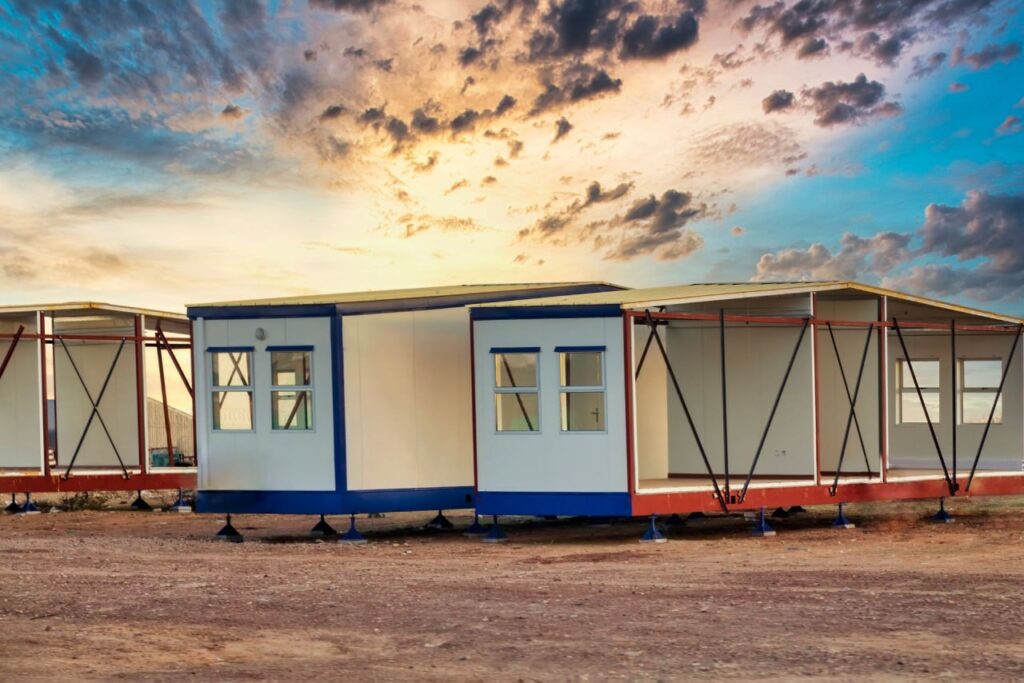
One area where A1 Homes stands out is its experience with transportable and modular homes NZ homeowners increasingly consider for affordability and faster construction timelines. These housing options can provide practical alternatives for buyers wanting efficient and functional homes without the higher costs associated with fully-custom architectural projects.
Important features commonly associated with A1 Homes include:
- Affordable Home Building Options: The company offers practical housing solutions for homeowners seeking budget-friendly construction without sacrificing functionality.
- Flexible Home Plans: Buyers can select from different layouts and modify certain features based on lifestyle needs and property requirements.
- Experience With Modular And Transportable Homes: This provides additional flexibility for buyers interested in modern prefabricated housing options.
- Suitable For First-Home Buyers: Their pricing structures and simplified processes often appeal to people entering the property market for the first time.
For homeowners prioritizing affordability, practicality, and straightforward construction solutions, A1 Homes Manawatū remains a strong option among affordable home builders in the region.
Local Boutique Home Builders
Local boutique home builders in Palmerston North continue to attract homeowners who want highly personalized service, hands-on communication, and unique home designs tailored to specific lifestyle preferences. Unlike larger volume-build companies, boutique builders often focus on fewer projects at a time, allowing for more direct collaboration throughout the building process.
This approach can be especially valuable for homeowners planning architectural homes, luxury properties, or highly customized residential projects where attention to detail and creative flexibility are important priorities.
Some of the advantages associated with boutique home builders include:
- Personalized Communication: Homeowners often work closely with the builder throughout the project, leading to stronger collaboration and clearer communication.
- Greater Design Flexibility: Boutique builders are usually more adaptable when handling custom residential builders projects with unique layouts or specialized features.
- Attention To Detail: Smaller project volumes can allow for closer oversight and more detailed workmanship during construction.
- Ideal For Luxury Or Architectural Homes: Many luxury home builders Palmerston North homeowners choose specialize in high-end finishes, bespoke layouts, and premium craftsmanship.
While boutique builders may not always offer the same large-scale systems as national companies, they often provide a more relationship-focused experience that appeals to homeowners wanting a collaborative and customized building journey.
Finding the best home builder ultimately comes down to choosing a company that aligns with your goals, communication style, budget, and long-term expectations. Whether you prefer the convenience of BuilderConnect, the structure of a nationally-recognised company, or the personalized service of a boutique builder, comparing your options carefully can help ensure a smoother building experience and a home that delivers lasting value.
Key Factors To Consider Before Hiring A Home Builder
Choosing the right home builder is one of the most important decisions in the entire home-building process. A builder influences everything from construction quality and communication to timelines, budgeting, and the long-term value of your property. While many homeowners focus primarily on pricing, there are several other factors that can significantly affect your experience and the final outcome of your project. Understanding these key considerations can help you avoid costly mistakes, improve project management, and ensure your new home meets your expectations both structurally and financially.
Budget And Pricing Structure
Understanding how builders price their services is essential before signing any contract. Home construction costs can vary significantly depending on the builder’s pricing model, material selections, labor availability, and the complexity of the design. A clear understanding of pricing structures helps homeowners make informed financial decisions and reduces the risk of unexpected expenses during construction.
Fixed-Price Vs Cost-Plus Contracts
A fixed-price contract provides a set construction price agreed upon before the project begins. This type of contract is popular among homeowners because it offers more budgeting certainty and helps minimize unexpected financial surprises during the build.
A cost-plus contract works differently. Instead of a fixed total, the homeowner pays for the actual construction costs plus an agreed builder’s margin or fee. While this structure offers more flexibility for design changes and custom work, it can also lead to higher overall expenses if costs increase during construction.
When comparing contract types, consider the following:
- Fixed-price contracts: Better for homeowners who want predictable budgeting and minimal financial uncertainty.
- Cost-plus contracts: More suitable for highly-customized homes where flexibility is a priority.
- Contract transparency: Ensure all inclusions, exclusions, and potential extra costs are clearly documented before signing.
Understanding Allowances And Upgrades
Many building contracts include allowances for items such as flooring, appliances, lighting, and bathroom fixtures. These allowances are estimated budgets for products that may not have been selected at the time the contract was prepared.
Problems can occur when homeowners choose upgrades that exceed those allowances. Even small upgrades across multiple areas of the home can significantly increase total home construction costs.
To avoid confusion:
- Review allowance amounts carefully: Ensure they are realistic for the quality level you expect.
- Clarify upgrade pricing: Ask how additional costs will be calculated if you select higher-end finishes.
- Request detailed inclusions lists: This helps prevent misunderstandings later in the project.
Importance Of Contingency Budgeting
Even well-planned construction projects can face unexpected costs. Site preparation issues, material price increases, weather-related delays, or design modifications can all impact your budget.
Setting aside a contingency fund provides financial flexibility if unexpected expenses arise during the home-building process. Many industry professionals recommend allocating additional funds specifically for unforeseen circumstances.
A contingency budget can help cover:
- Site-related surprises: Soil issues, drainage concerns, or foundation adjustments.
- Material cost fluctuations: Rising prices for timber, steel, or imported materials.
- Mid-project changes: Design modifications or additional features requested during construction.
Communication And Project Management
Strong communication and effective project management are often what separate a smooth building experience from a stressful one. Even skilled builders can create frustration if communication is inconsistent or expectations are unclear.
Before hiring a builder, it is important to understand how they manage projects, communicate progress, and handle issues throughout construction.
Frequency Of Updates
Regular communication helps homeowners stay informed and reduces uncertainty throughout the build. Some builders provide weekly progress reports, while others communicate only when major milestones are completed.
Clear communication helps you:
- Understand construction progress
- Identify potential delays early
- Review upcoming decisions or selections
- Address concerns before they become larger issues
Ask builders how often they provide updates and what communication methods they use, such as phone calls, emails, or project-management apps.
Who Manages The Site?
Not every builder personally supervises the construction site every day. In many cases, a project manager or site supervisor oversees daily operations, coordinates tradespeople, and ensures quality standards are maintained.
Understanding who manages your project is important because this person often becomes your main point of contact during construction.
Ask questions such as:
- Who will supervise the project daily?
- How experienced is the site manager?
- How are issues or delays handled?
- Who should I contact with questions or concerns?
Strong project management can improve efficiency, reduce mistakes, and help maintain construction quality.
Expectations During Construction
The home-building process involves many moving parts, including scheduling trades, ordering materials, inspections, and managing approvals. Homeowners should understand that construction timelines can shift due to weather, supply shortages, or inspection delays.
Setting realistic expectations early helps reduce frustration throughout the project.
Important expectations to discuss include:
- Construction milestones: Key stages of the build and estimated completion dates.
- Access to the site: Safety rules and visitation policies during construction.
- Decision deadlines: Time-sensitive selections for finishes, fixtures, and upgrades.
- Variation processes: How changes to the original plans are approved and priced.
Licensing, Insurance, And Guarantees
Hiring a properly licensed and insured builder helps protect your investment and reduces legal and financial risks. Professional credentials and warranties also provide reassurance that the builder meets industry standards and is accountable for their work.
Licensed Building Practitioners (LBP)
In New Zealand, Licensed Building Practitioners are certified professionals who have demonstrated competence in essential building practices. Choosing an LBP helps ensure your builder has the required skills and knowledge to complete restricted building work safely and legally.
Working with a licensed builder provides benefits such as:
- Compliance with regulations: Improved adherence to building codes and legal requirements.
- Professional accountability: Builders must meet industry competency standards.
- Higher-quality workmanship: Greater confidence in construction standards and practices.
Always verify a builder’s licensing status before committing to a contract.
Warranties And Workmanship Guarantees
Building warranties and workmanship guarantees help protect homeowners if defects or problems arise after construction is completed. Not all warranties are the same, so it is important to understand what is covered and for how long.
Common warranty coverage may include:
- Structural defects
- Workmanship issues
- Material-related failures
- Weather-tightness concerns
When reviewing warranties:
- Ask for written documentation: Never rely on verbal promises alone.
- Understand coverage periods: Different components may have different warranty durations.
- Clarify claim procedures: Know how warranty repairs are handled if issues arise.
Liability And Insurance Coverage
Builders should carry appropriate insurance to protect both the construction project and the homeowner. Insurance helps reduce financial exposure if accidents, property damage, or unexpected issues occur during construction.
Important coverage may include:
- Public liability insurance: Protects against accidental property damage or injuries.
- Contract-works insurance: Covers damage to the home while under construction.
- Worker-related coverage: Protects against workplace injuries involving contractors or employees.
Request proof of insurance before construction begins.
Portfolio And Previous Projects
A builder’s portfolio provides valuable insight into their experience, workmanship, and design capabilities. Reviewing completed projects helps homeowners determine whether a builder’s style and quality standards align with their vision.
Reviewing Completed Homes
Completed homes show how a builder handles layout functionality, finishing quality, and overall craftsmanship. Looking at previous projects also helps identify whether the builder has experience with homes similar to yours.
Pay attention to:
- Build consistency
- Material quality
- Interior finishing details
- Exterior presentation
- Space functionality
A strong portfolio demonstrates both technical ability and design understanding.
Comparing Design Styles And Build Quality
Different builders specialize in different home styles. Some focus on modern architectural homes, while others may specialize in family-friendly layouts, investment properties, or luxury custom homes.
When comparing builders:
- Assess design versatility: Can they adapt to your preferred style?
- Look for detail-oriented workmanship: Examine cabinetry, flooring, paintwork, and finishes.
- Consider long-term durability: High-quality construction should age well over time.
Visiting Display Homes If Possible
Display homes provide an opportunity to experience a builder’s work in person. Photos can be helpful, but physically walking through a completed property offers a better understanding of space, quality, and craftsmanship.
When visiting display homes:
- Inspect finishes closely: Check paint lines, flooring alignment, and cabinetry quality.
- Evaluate functionality: Consider room flow, lighting, and storage solutions.
- Ask questions: Speak with representatives about materials, timelines, and customization options.
Timeline Expectations
Understanding realistic construction timelines is essential for planning finances, living arrangements, and overall project expectations. Delays can occur in almost any construction project, but experienced builders should communicate changes clearly and manage schedules professionally.
Average Construction Timelines
The length of the home-building process depends on factors such as home size, complexity, weather conditions, and council approvals. Standard residential builds may take several months from site preparation to final handover.
Typical project stages include:
- Design and planning
- Council approvals
- Site preparation
- Foundation work
- Framing and structural construction
- Interior finishing
- Final inspections and handover
Each phase requires coordination between contractors, suppliers, and inspectors.
Factors That Can Cause Delays
Construction delays are common and can happen for several reasons outside the builder’s control. However, experienced project-management practices can help minimize disruptions and maintain progress.
Common delay factors include:
- Weather conditions: Heavy rain and storms can delay exterior construction work.
- Material shortages: Supply-chain disruptions may affect timelines.
- Permit delays: Council approvals and inspections can take longer than expected.
- Design changes: Mid-project modifications may require additional work and approvals.
Understanding these risks helps homeowners set more realistic expectations.
Importance Of Realistic Scheduling
A realistic schedule is more valuable than an overly-optimistic completion date that cannot be achieved. Builders who promise unusually-fast timelines may struggle to maintain quality or face scheduling problems later.
A realistic construction timeline allows for:
- Better coordination of trades and suppliers
- Higher-quality workmanship
- Reduced project stress
- More accurate budgeting and planning
Homeowners should prioritize transparency and consistency over rushed completion promises.
Hiring the right home builder requires more than simply comparing prices. Factors such as communication, project management, licensing, warranties, and construction quality all play a major role in determining the success of your project. Taking the time to evaluate builders carefully can help you avoid unnecessary stress, protect your investment, and create a home that delivers long-term value and comfort for years to come.
Questions To Ask Before Choosing A Builder
Choosing the right home builder in Palmerston North involves more than comparing prices or browsing online reviews. A successful home-building project depends on clear communication, transparency, reliability, and experience. Asking the right questions before signing a contract can help homeowners avoid unnecessary stress, budget surprises, and construction delays later in the process. It also gives you a better understanding of how a builder operates, how they manage projects, and whether they are the right fit for your goals, budget, and expectations.
How Long Have You Been Building Homes In Palmerston North?
A builder’s local experience can make a major difference in the overall quality and efficiency of a home-building project. Builders who have worked extensively in Palmerston North are more familiar with local council regulations, building requirements, weather conditions, and common land-related challenges. This knowledge often helps streamline approvals, reduce delays, and improve project planning.
An experienced local builder is also more likely to have strong relationships with reliable suppliers, subcontractors, and inspectors in the area. These connections can contribute to smoother scheduling, better-quality workmanship, and faster problem-solving throughout construction.
When discussing experience, homeowners should look beyond the number of years in business and ask about the types of homes the builder specializes in. Some builders focus on first-home developments, while others specialize in custom-designed luxury homes or renovation projects.
Important follow-up questions may include:
- Project Experience: Ask whether the builder has completed projects similar to the type of home you want to build.
- Local Knowledge: Find out how familiar they are with Palmerston North building requirements and neighbourhood-specific considerations.
- Construction Challenges: Ask how they handle common construction issues such as weather-related delays or material shortages.
A builder with strong local experience can often anticipate challenges early and provide practical solutions before small issues become expensive problems.
Can You Share References Or Recent Projects?
Reputable home builders should be willing to provide references from previous clients and examples of recently completed projects. Reviewing past work gives homeowners a realistic understanding of the builder’s craftsmanship, communication style, and consistency across different projects.
Speaking directly with past clients can reveal valuable insights that are not always visible in marketing materials or online portfolios. Homeowners can learn whether the builder stayed on schedule, communicated effectively, managed the budget responsibly, and handled issues professionally during construction.
If possible, ask to visit completed homes or display homes to assess the quality of finishes and overall workmanship in person. Pay close attention to details such as paint quality, flooring installation, cabinetry, and overall construction consistency.
Key things to evaluate include:
- Build Quality: Look for attention to detail and consistency throughout the home.
- Client Satisfaction: Ask previous clients whether they would hire the builder again.
- Communication Standards: Find out how responsive and transparent the builder was during the project.
- Problem Resolution: Ask how the builder handled unexpected challenges or changes.
Builders who confidently share references and recent projects usually demonstrate greater transparency and accountability, which are important trust signals when selecting a home-building company.
What Is Included In The Quote?
One of the most important questions homeowners can ask is what is actually included in the building quote. Construction quotes can vary significantly between builders, and lower prices do not always mean better value. In many cases, important features or upgrades may be excluded from the initial estimate, leading to unexpected costs later.
A detailed quote should clearly outline materials, labor, fixtures, finishes, site preparation, permits, and any additional services included in the total cost. Homeowners should avoid vague estimates that leave too much open to interpretation.
Areas that commonly create confusion include:
- Site Preparation: Clarify whether excavation, drainage, and foundation work are included.
- Interior Finishes: Confirm the quality and type of flooring, cabinetry, lighting, and appliances included in the price.
- Landscaping And Exterior Work: Ask whether driveways, fencing, patios, or landscaping are part of the contract.
- Council Fees And Permits: Verify whether permit costs and inspections are covered.
- Upgrade Allowances: Understand the budget allocated for fixtures and finishes.
Comparing detailed quotes from multiple builders helps homeowners make more informed decisions based on total value rather than price alone. Transparent builders are usually willing to explain their pricing structure clearly and answer questions without hesitation.
How Are Variations And Unexpected Costs Handled?
Even well-planned home-building projects can experience changes during construction. Material availability, design modifications, site conditions, or unexpected structural issues can all affect costs and timelines. Understanding how a builder handles variations and additional expenses is essential for protecting your budget and reducing misunderstandings.
Professional builders should have a clear process for documenting and approving any changes before additional work begins. Verbal agreements should be avoided whenever possible, as written approvals provide greater clarity and accountability for both parties.
Important areas to discuss include:
- Variation Process: Ask how changes are documented and approved during construction.
- Cost Transparency: Confirm how additional charges are calculated and communicated.
- Budget Control: Find out whether the builder provides updated cost estimates throughout the project.
- Client Approval: Ensure no major changes are made without written authorization.
Builders who communicate openly about potential risks and cost adjustments demonstrate professionalism and transparency, which are important indicators of a trustworthy construction partner.
Who Will Be My Main Point Of Contact?
Clear communication is one of the most important factors in a successful home-building experience. Many homeowners assume they will work directly with the person who provided the quote, but in some cases, communication may be handled by a project manager, site supervisor, or office coordinator after construction begins.
Understanding who your main point of contact will be helps establish clear expectations and prevents communication breakdowns later in the project. It also ensures that questions, updates, and concerns are addressed efficiently throughout construction.
Homeowners should ask:
- Project Oversight: Who will manage the day-to-day construction process?
- Communication Frequency: How often will updates be provided?
- Availability: What is the preferred communication method for questions or concerns?
- Decision-Making Authority: Who approves project changes or resolves issues on-site?
Builders with strong communication systems are often more organized and proactive, which can significantly improve the overall building experience for homeowners.
What Happens If The Project Is Delayed?
Construction delays can happen for many reasons, including weather conditions, permit approvals, labor shortages, or supply-chain disruptions. While some delays are unavoidable, professional builders should have systems in place to manage scheduling issues and keep homeowners informed throughout the process.
Before signing a contract, homeowners should ask how delays are handled and whether the timeline includes reasonable allowances for unexpected setbacks. Understanding the builder’s communication process during delays can reduce frustration and help maintain realistic expectations.
Important discussion points include:
- Timeline Management: Ask how project schedules are monitored and updated.
- Delay Communication: Find out how quickly homeowners are informed about scheduling changes.
- Contingency Planning: Ask what steps the builder takes to minimize disruptions.
- Contract Terms: Review whether delay-related clauses are included in the agreement.
Builders who communicate proactively and manage delays responsibly are more likely to deliver a smoother and less stressful building experience.
Asking detailed questions before hiring a builder helps homeowners make more confident and informed decisions while reducing the risk of unexpected issues during construction. Transparent communication, realistic expectations, and a clear understanding of the building process all contribute to a stronger working relationship and a more successful home-building project.
Common Mistakes Homeowners Make When Hiring Builders
Hiring the right builder is one of the most important decisions in the home-building process, yet many homeowners make avoidable mistakes that can lead to delays, budget overruns, poor workmanship, and unnecessary stress. Whether you are building a custom home or planning a renovation project, understanding these common home-building mistakes can help you make more informed decisions and avoid bad builders. Taking the time to compare builders carefully, review contracts properly, and evaluate communication standards can make a major difference in the success of your project.
Choosing the Cheapest Quote
One of the most common mistakes homeowners make is choosing a builder based solely on the lowest price. While staying within budget is important, the cheapest quote is not always the best value. In many cases, significantly lower pricing can be a warning sign that corners may be cut during construction or that important costs have been left out of the estimate.
Some builders intentionally provide low initial quotes to secure the project, only to add extra charges later through variations, upgrades, or unexpected fees. This can quickly increase the final cost of the build and create frustration throughout the process.
When comparing building quotes, homeowners should focus on overall value rather than just price alone. A slightly higher quote may include better-quality materials, experienced tradespeople, stronger warranties, and more transparent project management.
- Detailed Inclusions: A professional builder should clearly outline what is included in the quote, such as materials, finishes, labor, permits, and project-management services.
- Quality Workmanship: Lower-cost builders may use cheaper materials or less-experienced subcontractors, which can affect the durability and finish of the home.
- Long-Term Value: Investing in a reputable builder often reduces the risk of future repair costs, delays, and structural issues.
- Transparent Pricing: Reliable builders explain allowances, upgrade costs, and possible variations upfront instead of hiding expenses in vague estimates.
Homeowners should always compare multiple quotes side by side and ask questions about any major pricing differences before making a final decision.
Not Reviewing Contracts Carefully
A building contract is one of the most important documents in any construction project, yet many homeowners sign agreements without fully understanding the details. Failing to review contracts carefully can lead to disputes, unexpected costs, and confusion during the building process.
A well-written contract should clearly explain project timelines, payment schedules, inclusions, exclusions, warranties, and procedures for handling changes or delays. If any part of the contract seems unclear, homeowners should ask questions or seek professional advice before signing.
Payment schedules are especially important because they outline when payments are due throughout the project. Payments should be tied to completed construction milestones rather than arbitrary dates. This helps protect homeowners and ensures progress is completed before additional funds are released.
Variations and exclusions should also be reviewed closely. Variations refer to changes made after construction begins, while exclusions are items not included in the original quote. Many homeowners are surprised by additional costs because they assumed certain features were included when they were not.
- Payment Terms: Ensure payment stages are fair, clearly defined, and linked to completed work.
- Variations Process: Confirm how design changes or upgrades will be priced and approved during construction.
- Exclusions: Review what is not included in the contract to avoid unexpected expenses later.
- Warranty Details: Reputable builders should provide clear information about workmanship guarantees and structural warranties.
- Project Timelines: Contracts should include estimated completion dates and explain how delays are handled.
Carefully reviewing the contract before signing can prevent misunderstandings and create a smoother working relationship between the homeowner and builder.
Ignoring Communication Red Flags
Strong communication is one of the most overlooked factors when hiring a builder, but it often determines how smoothly the project will run from start to finish. Poor communication early in the process can become an even bigger problem once construction begins.
Homeowners should pay attention to how builders communicate during the consultation and quoting stage. Delayed responses, vague answers, inconsistent information, or difficulty reaching the builder may indicate poor project-management practices.
Building a home is a long-term process that requires regular updates, problem-solving, and collaboration. If communication is already frustrating before signing a contract, it is unlikely to improve during construction.
A trustworthy builder should be transparent, responsive, and willing to explain the building process clearly. Good communication helps prevent misunderstandings, keeps projects on schedule, and gives homeowners confidence throughout the build.
- Response Times: Consistent delays in replying to calls or emails can signal organizational issues.
- Transparency: Builders should clearly explain pricing, timelines, and possible construction challenges.
- Professionalism: Reliable builders communicate respectfully, provide detailed answers, and document important discussions.
- Project Updates: Homeowners should know how often they will receive progress reports and who their primary contact person will be.
Choosing a builder with strong communication skills can significantly reduce stress and improve the overall building experience.
Failing to Research the Builder Properly
Another major mistake homeowners make is failing to research builders thoroughly before hiring them. A professional website or polished marketing materials do not always reflect the quality of the builder’s work or customer service.
Researching builders properly helps homeowners avoid bad builders and identify companies with a proven track record of successful projects. Reviews, references, credentials, and completed projects can provide valuable insight into a builder’s reputation and reliability.
Online reviews should be viewed as part of the bigger picture rather than the only deciding factor. Consistent feedback about communication problems, delays, or poor workmanship may indicate ongoing issues. At the same time, positive reviews that mention professionalism, quality, and transparency can help build trust.
Homeowners should also ask builders for references from previous clients and examples of recently completed projects. Speaking directly with past clients often provides more honest insight into what it is actually like to work with the builder.
- Customer Reviews: Look for consistent patterns in feedback rather than focusing on a single review.
- References: Ask previous clients about communication, timelines, workmanship, and overall satisfaction.
- Credentials: Confirm licensing, insurance coverage, and industry certifications before hiring.
- Past Projects: Reviewing completed homes can help homeowners evaluate design quality and construction standards.
- Industry Experience: Builders with local experience often understand council requirements, suppliers, and regional construction challenges better.
Taking the time to research builders thoroughly can help homeowners avoid costly mistakes and choose a builder with the experience and professionalism needed for a successful project.
Making informed decisions during the builder-selection process can save homeowners significant time, money, and stress in the long run. By avoiding these common home-building mistakes and focusing on transparency, communication, quality, and research, homeowners are far more likely to enjoy a smoother building experience and achieve better long-term results.
Modern Home Building Trends In Palmerston North
Modern home designs in Palmerston North are evolving to meet the changing needs of homeowners who want comfort, functionality, energy efficiency, and long-term value. Today’s buyers are looking for homes that not only look modern but also support practical day-to-day living, lower energy costs, and better use of indoor and outdoor spaces. As sustainable homes become more popular across New Zealand, builders are incorporating smarter layouts, eco-conscious materials, and technology-driven features into new residential projects. These trends are shaping the future of energy-efficient homes while helping families create spaces that are comfortable, flexible, and built for modern lifestyles.
Energy-Efficient and Sustainable Homes
Energy-efficient homes have become one of the biggest priorities for homeowners in Palmerston North. Rising energy costs, environmental awareness, and improved building technologies are encouraging more people to invest in sustainable homes that reduce long-term expenses while improving comfort and performance.
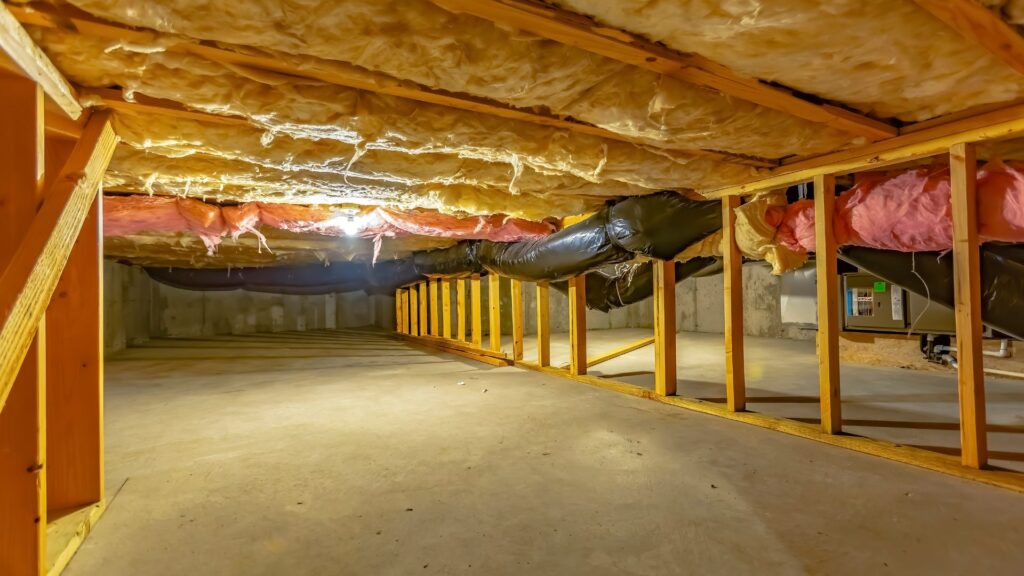
Insulation
Proper insulation plays a major role in maintaining indoor comfort throughout the year. A well-insulated home helps regulate indoor temperatures by keeping warmth inside during winter and reducing heat buildup during summer.
Modern builders are focusing on higher-quality insulation solutions for walls, ceilings, and floors to improve energy efficiency and reduce reliance on heating and cooling systems.
- Ceiling Insulation: Helps reduce heat loss during colder months and improves indoor comfort.
- Wall Insulation: Supports consistent indoor temperatures and improves overall thermal performance.
- Floor Insulation: Reduces cold airflow from beneath the home and contributes to better energy efficiency.
- Double-Glazed Windows: Helps minimize heat transfer and improves noise reduction inside the home.
Well-designed insulation systems not only lower electricity costs but also create healthier indoor living environments by reducing moisture and condensation issues.
Solar-Ready Designs
Many new homes are now being designed with future solar installation in mind. Even if homeowners do not install solar panels immediately, builders are preparing homes to support solar energy systems later without requiring major structural modifications.
Solar-ready homes are becoming increasingly attractive because they offer long-term energy savings and support environmentally-conscious living.
- Roof Positioning: Roof layouts are designed to maximize sunlight exposure for solar-panel efficiency.
- Electrical Planning: Wiring systems are prepared for future solar integration.
- Battery Compatibility: Some homes are designed to support energy-storage systems for improved efficiency.
- Energy Monitoring: Smart systems allow homeowners to track electricity usage and optimize performance.
This forward-thinking approach gives homeowners flexibility while increasing the long-term value of the property.
Eco-Friendly Materials
Builders are also using more eco-friendly materials to reduce environmental impact and improve sustainability. Many homeowners now prefer durable, low-maintenance materials that contribute to healthier living spaces and better long-term performance.
- Sustainable Timber: Responsibly sourced timber remains a popular option for framing and interior finishes.
- Low-VOC Paints: Helps improve indoor air quality by reducing harmful chemical emissions.
- Recycled Materials: Some builders incorporate recycled steel, wood, and construction materials into projects.
- Energy-Efficient Fixtures: Water-saving taps, LED lighting, and efficient appliances help reduce utility costs.
These sustainable building practices support environmentally responsible construction while helping homeowners reduce maintenance and operational expenses over time.
Open-Plan and Flexible Living Spaces
Open-plan living remains one of the most sought-after features in modern home designs. Homeowners increasingly prefer layouts that create a sense of openness, improve natural light, and support better interaction between family members.
Modern homes are also being designed with greater flexibility to accommodate changing lifestyles, remote work, and multi-purpose living areas.
Family-Friendly Layouts
Family-focused layouts prioritize comfort, convenience, and functionality. Builders are designing homes that support both shared family time and personal privacy.
- Connected Living Areas: Kitchens, dining spaces, and living rooms are often combined to improve flow and communication.
- Separate Bedroom Zones: Parents’ bedrooms are commonly positioned away from children’s rooms for added privacy.
- Practical Storage Solutions: Walk-in pantries, built-in wardrobes, and storage cabinets help reduce clutter.
- Improved Traffic Flow: Well-planned layouts make daily movement throughout the home more convenient.
These designs create practical living environments that adapt well to growing families and changing household needs.
Multi-Functional Spaces
Flexible spaces are becoming increasingly important as homeowners seek homes that can serve multiple purposes. Rooms are now designed to adapt easily as family needs evolve over time.
- Home Offices: Dedicated work-from-home areas are now a standard feature in many modern homes.
- Guest Rooms: Spare bedrooms can double as study areas or hobby rooms.
- Media Rooms: Entertainment spaces can also function as family gathering areas.
- Flexible Outdoor Areas: Covered patios and outdoor rooms provide additional living space throughout the year.
This approach allows homeowners to maximize the usability of every part of the property while supporting modern lifestyles.
Smart Home Features
Technology is playing a larger role in residential construction, with smart-home systems becoming increasingly common in new builds. Homeowners are prioritizing convenience, energy management, and security through integrated technology solutions.
Smart-home features not only improve comfort but also contribute to better energy efficiency and long-term functionality.
Security Systems
Modern security systems offer homeowners greater peace of mind through advanced monitoring and automation capabilities.
- Smart Cameras: Allow homeowners to monitor their property remotely through mobile devices.
- Video Doorbells: Provide real-time visitor notifications and added security.
- Motion Sensors: Detect unusual activity around the home.
- Remote Access Controls: Enable homeowners to lock or unlock doors from anywhere.
These systems improve home security while adding convenience and flexibility.
Smart Lighting and Automation
Automated systems help homeowners control lighting, climate, and appliances more efficiently.
- Smart Lighting: Allows users to control brightness and schedules remotely.
- Climate Control Systems: Helps maintain comfortable indoor temperatures while reducing energy usage.
- Voice-Control Integration: Supports hands-free operation of connected devices.
- Automated Scheduling: Enables systems to operate based on routines and occupancy patterns.
These features improve convenience while helping homeowners reduce energy consumption and operational costs.
Indoor-Outdoor Living Design
Indoor-outdoor living continues to be a major focus in Palmerston North home design. Homeowners increasingly want homes that feel open, bright, and connected to outdoor spaces.
Builders are designing homes that maximize natural light and create smooth transitions between interior and exterior living areas.
Decks, Patios, and Natural Light Integration
Outdoor entertaining areas are now considered an essential part of modern home designs. Well-designed outdoor spaces extend the usable living area and improve overall lifestyle enjoyment.
- Covered Patios: Provide year-round outdoor entertaining opportunities.
- Large Sliding Doors: Create seamless movement between indoor and outdoor areas.
- Natural Light Design: Large windows and open layouts help brighten interior spaces naturally.
- Outdoor Dining Areas: Support family gatherings and social entertaining.
Natural light integration also contributes to improved energy efficiency by reducing the need for artificial lighting during the day.
Modern home building trends in Palmerston North continue to focus on creating practical, sustainable, and lifestyle-oriented homes that meet the evolving needs of today’s homeowners. By combining energy-efficient features, flexible living spaces, smart-home technology, and strong indoor-outdoor connections, builders are delivering homes designed for long-term comfort, functionality, and value.
How To Compare Home Builders Effectively
Choosing the right home builder is one of the most important decisions in the home-building process. While many homeowners focus heavily on pricing, a reliable comparison should go much deeper than the initial quote. The best home builders in Palmerston North are typically those that combine quality workmanship, clear communication, proven experience, and transparent processes. Taking the time to properly evaluate builders can help you avoid costly mistakes, delays, and long-term issues after construction is complete.
Compare More Than Just Price
Price is often the first thing homeowners compare, but it should never be the only deciding factor. A lower quote may look attractive at first, but it can sometimes lead to compromises in materials, workmanship, or project management. A reputable home builder will provide clear pricing while also delivering long-term value through quality construction and reliable service.
Build Quality
The quality of a builder’s work directly affects the durability, appearance, and value of your home. Poor-quality construction can lead to expensive repairs and maintenance issues in the future, making build quality far more important than choosing the cheapest option.
When comparing builders, pay attention to:
- Completed Projects: Review previous homes the builder has completed to assess craftsmanship, finishing details, and overall consistency.
- Materials Used: Ask about the quality of materials included in the standard build package and whether premium upgrades are available.
- Attention To Detail: Look for signs of careful workmanship such as straight finishes, properly aligned fixtures, and clean construction practices.
- Construction Standards: Reputable builders follow New Zealand building standards and maintain high-quality control throughout the project.
Visiting display homes or recently completed projects can give you a much clearer understanding of a builder’s capabilities than photos alone.
Communication
Good communication is one of the strongest indicators of a professional and trustworthy home builder. Building a home is a long-term project that requires ongoing collaboration, updates, and decision-making. Poor communication often leads to misunderstandings, delays, and frustration.
A builder with strong communication practices will:
- Provide Regular Updates: You should know how the project is progressing at every stage.
- Answer Questions Clearly: Reliable builders explain technical details in a simple and understandable way.
- Set Realistic Expectations: Honest communication about timelines, pricing, and potential challenges builds trust.
- Remain Accessible: It should be easy to contact the builder or project manager when needed.
Homeowners often underestimate how important communication becomes during construction. A builder who is responsive and transparent can make the entire experience significantly smoother.
Experience
Experience plays a major role in a builder’s ability to manage projects efficiently and handle unexpected issues. Builders with years of local experience in Palmerston North are more familiar with council regulations, land conditions, weather-related challenges, and construction requirements specific to the region.
Experienced builders are more likely to:
- Manage Timelines Effectively: They understand how to coordinate trades, suppliers, and approvals efficiently.
- Identify Problems Early: Practical experience allows builders to spot issues before they become costly.
- Provide Better Recommendations: Experienced builders can suggest practical solutions that improve functionality and long-term value.
- Deliver Consistent Results: A strong track record demonstrates reliability and professionalism.
It is always worth asking how long the builder has been operating and whether they have experience with projects similar to your own.
Transparency
Transparency is essential when comparing home builders because unclear pricing and vague contracts can quickly lead to disputes or unexpected costs. Trustworthy builders are open about what is included in the project and explain the process clearly from the beginning.
Look for builders who provide:
- Detailed Quotes: Quotes should clearly outline inclusions, exclusions, materials, and allowances.
- Clear Contracts: Contracts should explain payment schedules, timelines, variations, and warranties.
- Honest Advice: Reputable builders are upfront about potential costs and realistic project expectations.
- Open Discussions About Variations: Changes during construction should be documented and explained clearly.
Transparent builders help homeowners feel more confident and informed throughout the entire building journey.
Review Customer Experience
Customer experience can reveal a lot about how a builder operates beyond the sales process. A builder may present well during initial consultations, but past client feedback often provides a more accurate picture of reliability, professionalism, and overall satisfaction.
Testimonials And Referrals
Speaking with previous clients is one of the most effective ways to evaluate a home builder. Testimonials and referrals can provide insight into how the builder communicates, solves problems, and manages projects from start to finish.
When reviewing testimonials, focus on:
- Consistency: Look for repeated positive feedback about workmanship, communication, and reliability.
- Project Experience: Consider whether past clients had projects similar to yours.
- Problem Resolution: Pay attention to how the builder handled challenges or unexpected issues.
- Overall Satisfaction: Strong referrals usually indicate trust and a positive building experience.
Personal recommendations from friends, family, or local homeowners can also help narrow down reliable builders in Palmerston North.
Online Reviews And Ratings
Online reviews are another useful research tool, especially when comparing multiple builders. While no company will have perfect feedback, patterns in customer reviews can reveal important strengths or concerns.
When evaluating online reviews:
- Check Multiple Platforms: Look at Google reviews, social media pages, and local directories.
- Look For Detailed Feedback: Specific reviews tend to be more trustworthy than vague comments.
- Assess Builder Responses: Professional responses to negative reviews often indicate strong customer service.
- Watch For Repeated Complaints: Consistent complaints about delays, communication, or hidden costs should be taken seriously.
Reviews should support your research rather than serve as the only factor in your decision.
Understand The Full Building Process
Understanding the building process helps homeowners compare builders more effectively and know what to expect at each stage. Builders who clearly explain their process often provide a smoother and more organized experience.
Consultation
The consultation stage is where homeowners discuss goals, budgets, timelines, and design preferences. This stage helps establish whether the builder is the right fit for the project.
A professional consultation should include:
- Project Discussion: The builder should ask detailed questions about your needs and expectations.
- Budget Guidance: Transparent conversations about costs and affordability are essential early on.
- Timeline Estimates: Builders should provide realistic timeframes based on the project scope.
- Initial Recommendations: Experienced builders often suggest practical ideas that improve design and functionality.
Design
The design stage transforms ideas into detailed plans ready for approval and construction. Some builders work closely with architects or offer design-and-build services that streamline the process.
This stage may include:
- Custom Floor Plans: Tailored layouts designed around lifestyle and land requirements.
- Material Selection: Choosing finishes, fixtures, and building materials.
- Energy-Efficient Features: Incorporating insulation, natural lighting, and sustainable design options.
- Budget Alignment: Ensuring the design remains realistic within the available budget.
A well-planned design phase can prevent costly changes later during construction.
Approvals
Before construction begins, building plans usually require council approvals and compliance checks. Experienced home builders in Palmerston North often assist homeowners through this process.
Builders may help with:
- Building Consents: Submitting required documents and applications.
- Regulatory Compliance: Ensuring plans meet New Zealand building codes.
- Coordination With Consultants: Managing engineers, surveyors, and inspectors when necessary.
- Timeline Management: Helping reduce delays related to approvals.
Builders familiar with local regulations can often navigate this process more efficiently.
Construction
The construction phase is where project management becomes especially important. Reliable builders coordinate trades, suppliers, schedules, and inspections to keep the build progressing smoothly.
During construction, homeowners should expect:
- Regular Progress Updates: Clear communication about milestones and timelines.
- Quality Control Checks: Ongoing inspections to maintain workmanship standards.
- Problem-Solving: Professional handling of unexpected issues or delays.
- Site Management: Organized and safe work practices throughout the build.
Strong project management often separates average builders from exceptional ones.
Handover
The handover stage marks the completion of the home and allows homeowners to inspect the final result before moving in.
A professional handover process should include:
- Final Walkthrough: Reviewing the completed home for defects or unfinished work.
- Documentation: Providing warranties, manuals, and compliance certificates.
- Maintenance Guidance: Explaining how to care for materials, systems, and finishes.
- Post-Build Support: Addressing any issues that arise after move-in.
Builders who provide strong aftercare support often demonstrate greater long-term commitment to customer satisfaction.
Assess Long-Term Value
The best home builder is not always the one offering the lowest upfront cost. Long-term value should play a major role in the decision-making process because a well-built home can provide better durability, lower maintenance costs, and stronger resale potential over time.
Durability
A durable home is built using quality materials, skilled workmanship, and construction methods designed to last. Durable homes often require fewer repairs and perform better over time.
Factors that improve durability include:
- High-Quality Materials: Better materials typically provide longer-lasting performance.
- Proper Construction Techniques: Skilled workmanship reduces the risk of structural issues.
- Weather-Resistant Features: Homes designed for local conditions often perform better long-term.
- Ongoing Maintenance Planning: Builders who educate homeowners on maintenance help preserve the home’s condition.
Resale Value
A professionally built home can maintain stronger resale value and attract future buyers more easily. Design quality, layout functionality, and construction standards all influence long-term property value.
Homes with strong resale appeal often include:
- Functional Layouts: Practical floor plans suited for modern lifestyles.
- Energy-Efficient Features: Sustainable homes are increasingly attractive to buyers.
- Quality Finishes: Durable and timeless finishes tend to age better.
- Strong Structural Integrity: Well-built homes inspire greater buyer confidence.
Choosing a reputable builder can help protect the long-term investment value of the property.
Warranty Support
Warranty support provides homeowners with peace of mind after construction is complete. Reliable builders stand behind their work and address issues promptly if problems arise.
Important warranty considerations include:
- Workmanship Guarantees: Coverage for construction-related defects.
- Material Warranties: Protection for appliances, fixtures, and materials.
- Clear Warranty Terms: Understanding what is covered and for how long.
- Post-Build Service: Responsive support if repairs or adjustments are needed.
Strong warranty support is often a sign that the builder is confident in the quality of their work.
Taking the time to compare home builders properly can make a significant difference in both the building experience and the final result. By focusing on quality, communication, transparency, and long-term value instead of price alone, homeowners in Palmerston North can choose a builder who delivers a home that is reliable, functional, and built to last.
References
- Jennian Homes Manawatu – House Plans & Dream Home Design
https://jennian.co.nz/franchises/jennian-homes-manawatu - G.J. Gardner Homes New Zealand
https://www.gjgardner.co.nz/ - Home Builders in Palmerston North – Houzz NZ
https://www.houzz.co.nz/professionals/home-builders/palmerston-north-f3-nz-probr0-bo~t_11949~r_2185018 - Jennian Homes Manawatu – OneRoof NZ
https://www.oneroof.co.nz/builder/detail/jennian-homes-manawatu-85 - Builders in Palmerston North City – Finda NZ
https://www.finda.co.nz/builders/palmerston-north-city/
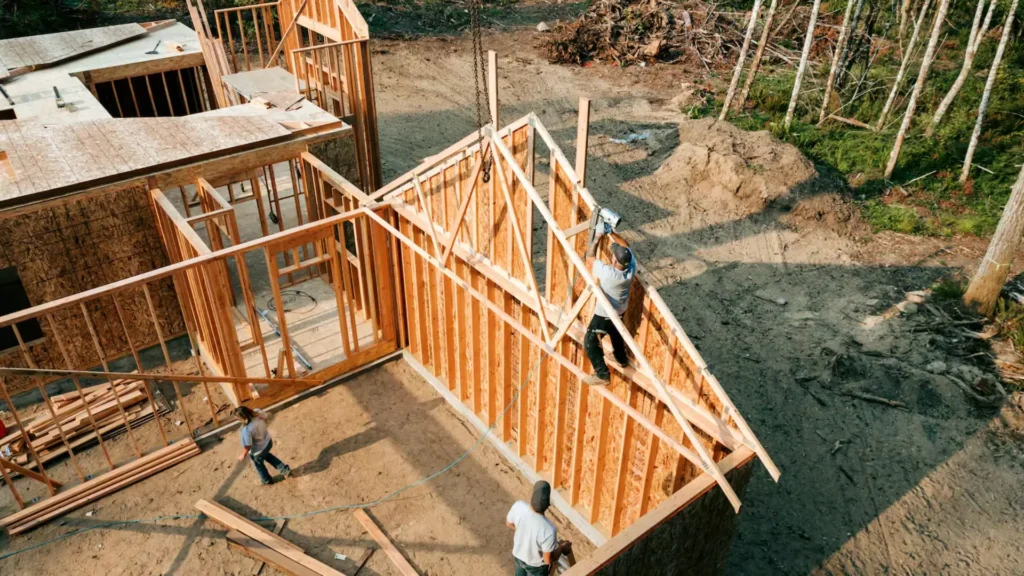
FAQs: About Best Home Builders In Palmerston North
Conclusion
Choosing the best home builders in Palmerston North requires more than simply comparing prices or selecting the first company you come across online. A well-built home is a long-term investment, which is why it is important to focus on factors such as industry experience, communication, transparency, workmanship quality, and local building expertise before making a final decision. Experienced builders are more likely to manage projects efficiently, handle unexpected challenges professionally, and deliver results that meet both design expectations and building standards. Clear communication and transparent pricing also play a major role in creating a smoother and less stressful building experience, especially during larger residential construction projects. Homeowners should take the time to compare multiple builders carefully, review previous projects, read customer feedback, and ask detailed questions about timelines, warranties, and project management processes. While affordability is important, choosing a builder based only on the lowest quote can sometimes lead to compromises in quality, delays, or additional costs later in the project. The best approach is to work with a trusted local builder who understands the Palmerston North market, offers reliable support throughout the construction process, and demonstrates a strong commitment to long-term value and customer satisfaction. Making an informed decision now can help ensure your future home is built to a high standard and remains a comfortable, functional, and valuable asset for years to come.
Find A Professional Builders Company Near You!
- Auckland Builders For Small Jobs
- Builders Alexandra
- Builders Ashburton
- Builders Auckland
- Builders Blenheim
- Builders Cambridge
- Builders Central Otago
- Builders Christchurch
- Builders Clyde
- Builders Cromwell
- Builders Dunedin
- Builders Feilding
- Builders Gisborne
- Builders Hamilton
- Builders Hastings
- Builders Havelock North
- Builders Hawkes Bay
- Builders Hibiscus Coast
- Builders Invercargill
- Builders Johnsonville
- Builders Kapiti
- Builders Kerikeri
- Builders Levin
- Builders Lower Hutt
- Builders Manawatu
- Builders Masterton
- Builders Mosgiel
- Builders Napier
- Builders Nelson
- Builders New Plymouth
- Builders Oamaru
- Builders Paihia
- Builders Palmerston North
- Builders Paraparaumu
- Builders Porirua
- Builders Pukekohe
- Builders Queenstown
- Builders Rangiora
- Builders Rolleston
- Builders Taupo
- Builders Tauranga
- Builders Te Awamutu
- Builders Timaru
- Builders Tokoroa
- Builders Upper Hutt
- Builders Waikanae
- Builders Wanaka
- Builders Warkworth
- Builders Wellington
- Builders West Auckland
- Builders Whakatane
- Builders Whanganui
- Builders Whangarei
- Handyman Wellington
- Home Builders Rotorua
- Kitchen Removal Service Auckland
- Wellington Builders For Small Jobs

About the Author:
Mike Veail is a recognized digital marketing expert with over 6 years of experience in helping tradespeople and small businesses thrive online. A former quantity surveyor, Mike combines deep industry knowledge with hands-on expertise in SEO and Google Ads. His marketing strategies are tailored to the specific needs of the trades sector, helping businesses increase visibility and generate more leads through proven, ethical methods.
Mike has successfully partnered with numerous companies, establishing a track record of delivering measurable results. His work has been featured across various platforms that showcase his expertise in lead generation and online marketing for the trades sector.
Learn more about Mike's experience and services at https://theleadguy.online or follow him on social media: