Welcome to your complete guide to finding the best home builders in Dunedin, where choosing the right builder can make the difference between a smooth, rewarding experience and a costly, stressful project. Whether you are planning a custom home, a family residence, or an investment property, this guide will help you understand what truly sets top builders apart, how to compare your options with confidence, and what to expect in terms of cost, timelines, and quality. By the end, you will be equipped with practical insights and clear criteria to help you make an informed decision and move forward with a builder who aligns with your vision, budget, and long-term goals.
The best home builders in Dunedin are experienced, licensed professionals with strong local knowledge, transparent pricing, and positive client reviews. Top builders specialize in custom or project homes, communicate clearly, and deliver quality results on time, helping homeowners confidently build properties that match their budget, design, and lifestyle needs.
- What To Look For In The Best Home Builders In Dunedin
- Top Home Builders In Dunedin That You Can Trust
- Custom Homes vs Volume Builders: Which Is Right For You?
- Cost Of Building A Home In Dunedin
- Common Mistakes To Avoid When Hiring A Home Builder
- Questions To Ask Before Hiring A Home Builder
- How Long Does It Take To Build A Home In Dunedin?
- Tips For A Smooth Home Building Experience
- References
- FAQs: About Best Home Builders In Dunedin
- Conclusion
- Find A Professional Builders Company Near You!
What To Look For In The Best Home Builders In Dunedin
Choosing the right builder is one of the most important decisions you will make when building a home in Dunedin. The quality of workmanship, communication, and planning directly impacts your budget, timeline, and overall experience. Understanding what separates a reliable builder from an average one helps you avoid costly mistakes and ensures your project runs smoothly from start to finish.
Proven Experience With Local Projects
A builder with strong local experience brings more than just construction skills. They understand how Dunedin’s unique conditions influence every stage of the build, from design to completion.
- Local climate knowledge: Dunedin’s weather patterns can affect materials, insulation choices, and construction timelines, so an experienced builder plans for durability and long-term performance.
- Council and compliance expertise: Familiarity with local council requirements helps streamline approvals and reduces the risk of delays due to non-compliance.
- Land and site understanding: Builders who have worked on similar sections understand soil conditions, drainage, and slope challenges, which can significantly impact cost and design.
Portfolio relevance is equally important. You want to see projects that align with your goals, whether that is a modern custom-built home, a renovation, or a standard new-build. Reviewing similar past work gives you confidence that the builder can deliver the style and quality you expect.
Licensing, Certifications, And Insurance
Credentials are not just formalities, they are essential for protecting your investment and ensuring the build meets legal standards.
- Licensed professionals: Confirm the builder holds the appropriate licenses required in New Zealand, which ensures they meet industry standards and are qualified to carry out residential construction.
- Relevant certifications: Membership in industry associations can indicate a commitment to best practices and ongoing professional development.
- Insurance coverage: Builders should have liability insurance and, where applicable, contract works insurance to protect against accidents, damage, or unexpected issues during construction.
Verifying these details early helps you avoid working with unqualified contractors and ensures your project complies with local building regulations.
Transparent Pricing And Contracts
Clear pricing and well-defined contracts are critical for avoiding misunderstandings and budget blowouts. A trustworthy builder will provide detailed documentation and explain how costs are structured.
- Fixed-price contracts: These offer more certainty, as the total cost is agreed upfront, making budgeting easier for most homeowners.
- Cost-plus contracts: These can provide flexibility but carry more financial risk since the final cost depends on actual expenses plus a margin.
Be cautious of unclear or incomplete quotes. Common warning signs include:
- Vague cost breakdowns: Lack of detail makes it difficult to compare builders or understand what you are paying for.
- Unrealistically low pricing: This can indicate shortcuts, hidden costs, or future variations that increase the final price.
- Missing inclusions: Items like site preparation, permits, or finishes may be excluded, leading to unexpected expenses later.
A well-structured contract should clearly outline scope, timelines, payment schedules, and how variations are handled.
Reputation, Reviews, And Past Client Feedback
A builder’s reputation often reflects the quality of their work and the experience they provide to clients. Taking the time to research feedback can reveal patterns that are not obvious from marketing materials alone.
- Where to check reviews: Look at platforms like Google, Facebook, and Houzz, as well as testimonials on the builder’s website.
- Consistent feedback trends: Multiple positive reviews about communication, quality, and reliability are strong indicators of a dependable builder.
It is also important to distinguish genuine feedback from misleading reviews:
- Detailed experiences: Authentic reviews often include specific details about the project, timeline, or challenges faced.
- Balanced opinions: Real feedback may include both positives and minor criticisms, which adds credibility.
- Verified projects: Ask the builder for references and, if possible, visit completed homes to see the quality firsthand.
This level of due diligence helps you make a more informed decision based on real client experiences.
Communication And Project Management
Strong communication is one of the most overlooked factors in a successful home-building project. Even highly skilled builders can create a stressful experience if communication is poor.
- Responsiveness: Timely replies and clear explanations indicate that the builder values transparency and client involvement.
- Regular updates: A structured update process keeps you informed about progress, timelines, and any issues that arise.
- Clear point of contact: Knowing who manages your project day-to-day helps avoid confusion and ensures accountability.
Before signing a contract, ask questions that reveal how the builder operates:
- Project oversight: Who will manage the build and how often will they be on-site?
- Communication process: How will updates be shared and how frequently?
- Handling changes: What is the process for variations, delays, or unexpected challenges?
These discussions help set expectations early and reduce the risk of misunderstandings once construction begins.
Choosing a home builder in Dunedin becomes far less overwhelming when you focus on proven experience, verified credentials, transparent pricing, strong reputation, and clear communication, all of which work together to ensure a smoother, more predictable building journey.
Top Home Builders In Dunedin That You Can Trust
Choosing the right builder is one of the most important decisions you will make when planning a new home. Dunedin has a mix of custom-home specialists, design-and-build companies, and established residential builders, each suited to different needs and budgets. The following shortlist provides a balanced overview of reputable options, focusing on their strengths, areas of expertise, and the type of homeowner they are best suited for.
BuilderConnect – Find Builders in Dunedin
BuilderConnect acts as a trusted starting point for homeowners who want to compare and connect with reliable builders in Dunedin. Rather than being a traditional construction company, it functions as a builder-matching platform that simplifies the selection process and reduces the risk of choosing the wrong contractor.
- Specialties: Builder-matching services, custom-home referrals, renovation-builder sourcing, pre-vetted local professionals
- Notable strengths: Access to a network of qualified builders, streamlined comparison process, focus on matching homeowners with builders based on project scope and budget
- Ideal client type: Homeowners who want guidance, first-time builders, or anyone looking to save time and avoid the uncertainty of researching builders independently
BuilderConnect stands out because it prioritizes fit rather than pushing a single provider. This approach is especially useful if you are unsure which type of builder suits your project, as it connects you with professionals who align with your goals and expectations.
GJ Gardner Homes Otago
GJ Gardner Homes is a well-known name across New Zealand, with a strong presence in Dunedin and the wider Otago region. They offer a structured building process backed by a wide range of pre-designed plans, while still allowing for customization.
- Specialties: Design-and-build homes, house-and-land packages, flexible plan customization
- Notable strengths: Proven systems, transparent pricing models, extensive portfolio of completed homes
- Ideal client type: Homeowners looking for a reliable, process-driven builder with predictable timelines and cost clarity
Their experience in handling consent processes and managing builds efficiently makes them a practical choice for those who prefer a more guided, lower-risk approach.
Stonewood Homes Dunedin
Stonewood Homes focuses on delivering high-quality residential builds with an emphasis on value and durability. They offer both pre-designed homes and custom-built options, making them a flexible choice for a range of projects.
- Specialties: Residential new builds, customizable home designs, mid-range to high-end homes
- Notable strengths: Strong quality control, nationwide support network, detailed build specifications
- Ideal client type: Families or investors seeking a balance between affordability and long-term build quality
Their structured approach and clear communication processes make them a solid option for homeowners who want both flexibility and reliability.
Jennian Homes Otago
Jennian Homes is known for its focus on quality craftsmanship and long-term performance, offering a range of homes that combine functional design with durable construction.
- Specialties: Design-and-build homes, energy-efficient builds, modern residential construction
- Notable strengths: Strong warranties, attention to detail, consistent build standards across projects
- Ideal client type: Homeowners who prioritize build quality, energy efficiency, and long-term value
Jennian Homes often appeals to buyers who are thinking beyond the initial build and want a home that performs well over time in terms of comfort and maintenance.
Platinum Homes Otago
Platinum Homes offers a more design-focused approach, allowing homeowners to create fully customized spaces tailored to their lifestyle and preferences.
- Specialties: Fully-custom homes, architectural-style builds, lifestyle properties
- Notable strengths: High level of design flexibility, personalized service, strong focus on client collaboration
- Ideal client type: Homeowners looking for a unique, high-end home with greater design control
This builder is particularly suited for those who have a clear vision and want a collaborative, detail-focused building experience.
Choosing the right builder ultimately depends on your priorities, whether that is flexibility, cost control, design freedom, or a simplified process. Taking the time to compare these options carefully will help you move forward with confidence and reduce the risk of costly mistakes during your build.
Custom Homes vs Volume Builders: Which Is Right For You?
Choosing between a custom-home builder and a volume builder is one of the most important decisions you will make when building a home in Dunedin. Each option offers distinct advantages depending on your budget, timeline, and level of customization. Understanding how these builders operate will help you align your choice with your long-term goals, whether you are building your first home, a forever home, or an investment property.
Benefits of Custom Home Builders
Custom-home builders are ideal for homeowners who want full control over the design, layout, and overall feel of their home. This approach is often preferred by those with specific lifestyle needs or unique land conditions.
- Flexibility in design: Custom builders allow you to start from scratch or modify architectural plans to suit your vision. This is especially useful for sloped sections, coastal properties, or irregular land shapes common in parts of Dunedin.
- Personalization: Every detail, from room layout to materials and finishes, can be tailored to your preferences. This ensures the home reflects your lifestyle, whether that includes open-plan living, home offices, or energy-efficient features.
- Higher-end finishes: Custom builds often provide access to premium materials and craftsmanship. You can choose higher-quality fixtures, bespoke cabinetry, and design-focused elements that elevate the overall standard of the home.
Benefits of Volume or Project Builders
Volume builders, also known as project-home builders, follow a more structured and streamlined approach. They typically offer pre-designed plans with limited customization, making them a practical choice for many buyers.
- Cost efficiency: Because volume builders operate at scale, they can negotiate better rates for materials and labor. This often results in a lower cost per square meter compared to custom builds.
- Faster timelines: With established processes and pre-approved designs, construction can begin sooner and progress more quickly. This is beneficial if you are working within a strict timeline or financing constraints.
- Proven systems: Volume builders rely on standardized methods that have been refined over time. This reduces uncertainty and helps ensure consistent build quality, particularly for straightforward residential projects.
How to Decide Based on Your Budget and Goals
The right choice depends on what you value most in your building journey. It is not simply about cost, but about aligning the type of builder with your expectations, lifestyle, and long-term plans.
- First-home buyers: A volume builder is often the more practical option due to affordability and predictable timelines. Pre-designed plans simplify the process and reduce decision fatigue.
- Forever-home buyers: A custom-home builder is better suited if you want a long-term residence tailored to your needs. The ability to personalize layout, materials, and features can significantly improve comfort and satisfaction over time.
- Property investors: Volume builders are typically preferred for investment properties because of their cost control, faster completion, and consistent outcomes. However, in premium locations, a custom build may offer higher resale value.
Ultimately, the decision comes down to how much control you want over the design process, how flexible your budget is, and how quickly you need the home completed. Taking the time to evaluate these factors will help you choose a builder that aligns with both your immediate needs and your future goals.
Choosing between a custom-home builder and a volume builder is not about which is better overall, but which is better for your situation, and making a well-informed decision early can save you time, money, and stress throughout the entire building process.
Cost Of Building A Home In Dunedin
Understanding the cost of building a home in Dunedin is one of the most important steps in planning your project. While prices can vary significantly depending on your design choices and site conditions, having a realistic view of costs helps you avoid surprises and make better decisions from the start. This section breaks down typical price ranges, key cost drivers, and often-overlooked expenses so you can plan with confidence.
Average Cost Per Square Meter
In Dunedin, the cost to build a home is commonly estimated on a per square meter basis, but it is important to treat these figures as general guides rather than fixed pricing. Most standard homes fall within a moderate range, while high-end or architecturally-designed homes can push well beyond that depending on finishes and complexity.
Several factors influence where your build sits within the range:
- Entry-level homes: Basic designs with standard finishes tend to be more cost-efficient and are often chosen by first-home buyers or investors
- Mid-range homes: These include better materials, more customization, and improved layouts suited for long-term living
- High-end builds: Custom designs, premium materials, and complex features significantly increase the cost per square meter
Rather than focusing only on the average rate, it is more practical to assess the total project cost based on your specific design, land conditions, and builder inclusions.
Factors That Affect Building Costs
The total cost of building a home in Dunedin is shaped by several interconnected factors. Understanding these early allows you to prioritize where to invest and where to manage costs.
Land Preparation
Site conditions can have a major impact on your budget before construction even begins. Sloped sections, poor soil quality, or difficult access can require additional engineering work and machinery.
- Site condition: Steep or uneven land often requires excavation, retaining walls, or special foundations
- Soil stability: Weak or reactive soils may need reinforced foundations
- Access challenges: Limited site access can increase labor time and equipment costs
Design Complexity
The more complex your design, the higher the cost. Simple, well-planned layouts are generally more cost-effective than intricate designs.
- Architectural features: Unique shapes, high ceilings, or large spans increase structural requirements
- Layout efficiency: Compact designs with fewer corners and levels are more affordable to build
- Customization level: Fully-custom homes typically cost more than pre-designed plans
Materials And Finishes
Material selection plays a significant role in both upfront costs and long-term durability.
- Exterior materials: Brick, cladding, and roofing choices vary widely in price and maintenance requirements
- Interior finishes: Flooring, cabinetry, fixtures, and fittings can quickly increase your budget
- Energy efficiency upgrades: Double glazing, insulation upgrades, and sustainable materials may add upfront cost but reduce long-term expenses
Labor And Supply Chain
Labor availability and material supply can fluctuate, affecting both cost and timelines.
- Skilled labor demand: High demand for experienced trades can drive up labor costs
- Material pricing: Supply shortages or import costs can impact pricing for key materials
- Project scheduling: Delays in materials or trades can increase overall project expenses
Hidden Costs To Watch Out For
Many homeowners focus on the main construction quote but overlook additional expenses that can significantly affect the final cost. Being aware of these hidden costs helps you budget more accurately and avoid financial stress during the build.
Council Fees
Local council requirements are a necessary part of the building process and can add a noticeable cost to your project.
- Building consent fees: Required for approval before construction begins
- Inspection fees: Ongoing checks during different stages of the build
- Development contributions: Charges that may apply depending on the property and project scope
Site Works
Site-related costs are often underestimated but can be substantial depending on the land.
- Excavation and clearing: Preparing the land for construction
- Drainage and utilities: Connecting water, sewage, and power
- Driveways and access: Essential infrastructure that may not be included in the base build price
Variations During Construction
Changes made after construction has started can quickly increase your overall cost and timeline.
- Design changes: Altering layouts or features mid-build often involves additional labor and materials
- Upgrade decisions: Choosing higher-end finishes during construction can add unplanned costs
- Unexpected issues: Hidden site conditions or structural adjustments may require extra work
Building a home in Dunedin is a significant investment, but with a clear understanding of costs and careful planning, you can stay in control of your budget and avoid common pitfalls while still achieving the result you want.
Common Mistakes To Avoid When Hiring A Home Builder
Choosing the right home builder in Dunedin is not just about finding someone who can construct a house, it is about partnering with a professional who can deliver quality, reliability, and a stress-free building experience. Many homeowners make avoidable mistakes during the selection process, often leading to budget overruns, delays, or disappointing results. Understanding these common pitfalls will help you make a more informed decision and protect your investment from the start.
Choosing Based On Price Alone
It is natural to compare quotes when selecting a builder, but focusing solely on the lowest price can lead to serious issues later. A significantly cheaper quote often means something has been overlooked, underpriced, or excluded entirely. This can result in unexpected costs once construction begins.
- Incomplete scope: Some builders may leave out essential components to make their quote appear more competitive, which can lead to costly variations later
- Lower-quality materials: Cheaper pricing may reflect the use of lower-grade materials that impact durability and long-term value
- Underestimated labor costs: Builders who underquote may struggle to complete the project within budget, leading to delays or shortcuts
A well-prepared, transparent quote that clearly outlines inclusions is far more valuable than simply choosing the lowest number.
Not Checking Past Work Or References
One of the most overlooked steps when hiring a home builder is failing to properly review their previous projects and client feedback. A builder’s past work provides real insight into their craftsmanship, consistency, and ability to deliver on promises.
- Portfolio review: Look for completed projects similar to your planned build in terms of size, style, and complexity
- Client feedback: Speak directly with past clients if possible to understand their experience, including communication and problem-solving
- Site visits: Visiting completed homes or active construction sites can reveal attention to detail and work quality
Due diligence at this stage helps you avoid builders who may look good on paper but fail to deliver in practice.
Overlooking Contract Details
Building contracts are often complex, and overlooking key details can lead to disputes, unexpected costs, or legal complications. A clear and well-structured contract protects both you and the builder throughout the project.
- Scope of work: Ensure all inclusions, specifications, and finishes are clearly documented
- Payment schedule: Understand when payments are due and what milestones must be met before each payment
- Variation clauses: Review how changes are handled and how additional costs will be calculated
- Timeline expectations: Confirm start and completion dates, along with provisions for delays
Taking the time to carefully review and, if needed, seek professional advice on your contract can prevent major issues later in the build.
Poor Communication Expectations
Clear and consistent communication is one of the most important factors in a successful home-building project. Misaligned expectations between you and your builder can quickly lead to confusion, delays, and frustration.
- Project updates: Establish how often you will receive updates and through what channels
- Point of contact: Clarify who will manage your project day-to-day and who to contact with questions
- Decision timelines: Understand when decisions need to be made to avoid holding up progress
A builder who communicates clearly and sets expectations early will help keep your project on track and reduce unnecessary stress.
Avoiding these common mistakes can make a significant difference in your overall building experience, helping you stay on budget, on schedule, and confident in the quality of your new home.
Questions To Ask Before Hiring A Home Builder
Choosing the right builder is one of the most important decisions you will make during your home-building journey. Asking the right questions early helps you avoid costly surprises, ensures alignment on expectations, and gives you confidence that your project is in capable hands. Below are key questions every homeowner should ask, along with what to look for in the answers.
What Is Included in the Quote?
A detailed, transparent quote is essential for understanding the true cost of your build. Many issues arise when homeowners assume certain features are included, only to find out later they are considered extras.
- Inclusions list: A clear breakdown of what materials, finishes, and services are covered, such as flooring, fixtures, and landscaping
- Exclusions: Items not included in the base price, which may require additional budgeting
- Allowance items: Provisional sums or estimates for items not yet selected, which can impact final costs
- Level of detail: A well-prepared quote should be specific, not vague, helping you compare builders accurately
How Do You Handle Delays or Budget Changes?
Even with careful planning, unexpected challenges can arise during construction. Understanding how a builder manages these situations can save you stress and financial strain.
- Variation process: How changes to the design or materials are documented, approved, and priced
- Delay management: Whether the builder communicates timelines clearly and updates you regularly
- Cost control: Systems in place to track expenses and prevent budget overruns
- Contingency planning: How unforeseen issues such as weather or supply delays are handled
Can I See Recent Completed Projects?
Reviewing recent work gives you a realistic sense of the builder’s quality, style, and consistency. It also helps confirm that their experience aligns with your type of project.
- Project relevance: Homes similar in size, style, or complexity to your own plans
- Build quality: Attention to detail in finishes, layout, and overall craftsmanship
- Client feedback: Opportunities to speak with past clients about their experience
- Consistency: Whether the builder delivers similar quality across multiple projects
Who Will Manage the Build Day-to-Day?
Knowing who will be responsible for your project on a daily basis is crucial for clear communication and smooth progress. In some companies, the person you initially meet may not be the one overseeing construction.
- Project manager role: The individual responsible for coordinating trades, timelines, and site activities
- Communication structure: How often you will receive updates and who your main contact will be
- Site supervision: Whether there is a dedicated on-site supervisor ensuring quality and safety
- Accountability: Clear responsibility for decision-making and problem resolution
What Warranties or Guarantees Do You Offer?
Warranties provide peace of mind and protect your investment long after construction is complete. A reputable builder should be transparent about what is covered and for how long.
- Workmanship warranty: Coverage for construction-related defects over a specified period
- Material guarantees: Protection for products and materials used in the build
- Post-build support: Availability for addressing issues after handover
- Compliance assurance: Confirmation that the build meets all local building standards and regulations
Taking the time to ask these questions and carefully review the answers will help you choose a builder who is transparent, experienced, and aligned with your expectations, setting the foundation for a smoother and more successful home-building experience.
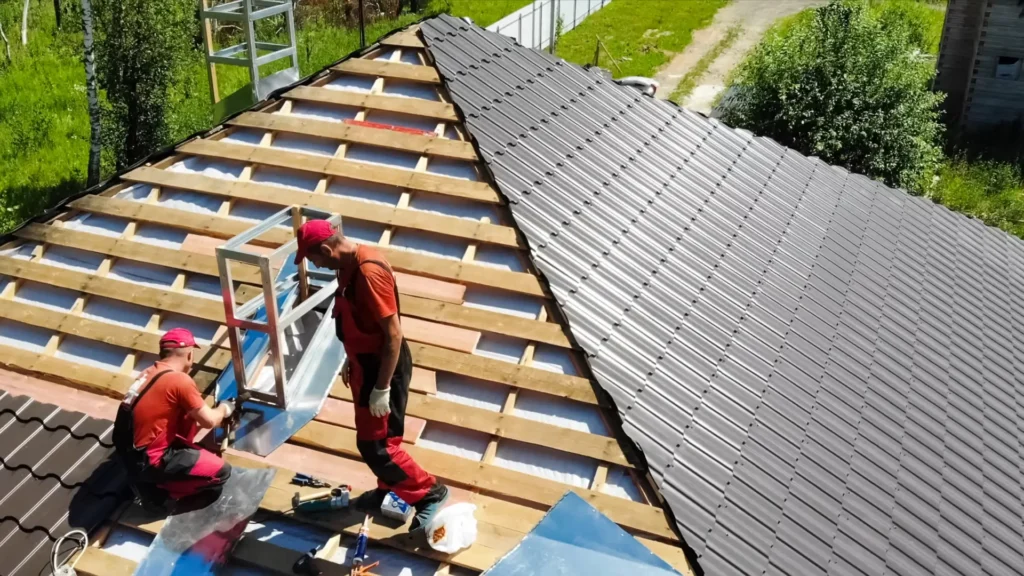
How Long Does It Take To Build A Home In Dunedin?
Building a home in Dunedin is a multi-stage process that requires careful planning, coordination, and realistic expectations. While timelines can vary depending on the complexity of the project, most new-home builds follow a predictable sequence. Understanding each stage helps you plan your finances, manage expectations, and work more effectively with your builder.
Typical Project Timeline Breakdown
Each home build moves through three main phases, and delays in one stage often affect the entire schedule. A well-managed project typically takes anywhere from several months to over a year from initial design to final handover.
Design Phase
The design phase is where your vision begins to take shape. This stage involves working with architects, designers, or your builder to finalize floor plans, layouts, and specifications.
- Concept development: Initial ideas are translated into sketches or preliminary plans based on your goals, budget, and site conditions
- Detailed planning: Final drawings, engineering input, and material selections are completed
- Client decisions: Choices around finishes, fixtures, and layouts must be confirmed to avoid delays later
This phase can take several weeks to a few months depending on how quickly decisions are made and how complex the design is.
Consent And Approvals
Before construction can begin, your plans must be approved by the local council. In Dunedin, this process ensures your build complies with building codes and zoning regulations.
- Building consent: Approval that your design meets structural and safety requirements
- Resource consent: Required if your project falls outside standard zoning rules
- Documentation review: Plans, reports, and specifications are assessed by council authorities
Approval timelines can vary, but delays often occur if documentation is incomplete or revisions are required. Working with an experienced builder or consultant can help streamline this process.
Construction
Once approvals are in place, the construction phase begins. This is typically the longest stage and involves multiple trades working in sequence.
- Site preparation: Clearing, excavation, and foundation work
- Structural build: Framing, roofing, and exterior cladding
- Interior completion: Plumbing, electrical work, insulation, and finishing touches
Construction timelines depend on the size of the home, weather conditions, and builder efficiency. A standard build may take several months, while custom or high-end homes can take significantly longer.
Factors That Can Delay Your Build
Even with careful planning, delays can happen. Being aware of common issues allows you to prepare and minimize disruptions.
Weather
Dunedin’s climate can impact construction progress, especially during foundation work and exterior stages.
- Rain delays: Wet conditions can halt excavation and concrete work
- Cold temperatures: Can affect curing times and scheduling of certain materials
- Seasonal slowdowns: Winter months may reduce productivity on-site
Permits
Approval processes are not always predictable, particularly for more complex projects.
- Documentation issues: Missing or unclear details can lead to requests for revisions
- Compliance requirements: Additional reports or changes may be needed to meet regulations
- Processing time: Council workloads can affect how quickly approvals are granted
Material Shortages
Supply chain disruptions can significantly impact timelines, especially for specific or imported materials.
- Availability delays: Certain fixtures or materials may have long lead times
- Substitution decisions: Changing materials mid-project can cause additional delays
- Cost fluctuations: Price changes may affect ordering and scheduling decisions
Building a home in Dunedin requires patience and flexibility, but understanding the timeline and potential delays helps you stay in control of the process and avoid unnecessary stress.
Tips For A Smooth Home Building Experience
Building a home is an exciting milestone, but it also comes with a series of decisions that can impact your timeline, budget, and overall experience. A well-planned approach, combined with clear communication and realistic expectations, can make the entire process far more manageable. The following insights are based on real-world building scenarios and are designed to help you avoid common pitfalls while staying in control of your project.
Set A Realistic Budget Buffer
One of the most common challenges homeowners face is underestimating the total cost of building. Even with a detailed quote, unexpected expenses can arise due to site conditions, design changes, or material fluctuations. Planning for these variables upfront helps reduce stress later.
- Contingency allowance: Set aside at least 10 to 20 percent of your total budget to cover unforeseen costs such as groundworks or structural adjustments.
- Upgrade flexibility: Allocate funds for potential upgrades in finishes or fixtures that you may decide on during construction.
- Cost tracking: Regularly review your expenses against your budget to stay informed and avoid surprises.
Stay Involved But Avoid Micromanaging
Being actively involved in your build is important, but there is a balance between staying informed and interfering with the builder’s workflow. Trusting experienced professionals while maintaining oversight leads to better results.
- Defined roles: Understand what decisions require your input and what is best left to your builder or project manager.
- Scheduled check-ins: Set regular update meetings instead of constant site visits to keep communication efficient.
- Trust in expertise: Allow your builder to manage technical aspects while you focus on key decisions that impact your vision.
Keep Communication Documented
Clear and documented communication is essential for avoiding misunderstandings and protecting both you and your builder. Verbal agreements can easily be forgotten or misinterpreted, especially over a long project timeline.
- Written confirmations: Ensure all changes, approvals, and decisions are documented via email or formal variation forms.
- Centralized records: Keep all contracts, plans, and correspondence organized in one place for easy reference.
- Clarity in expectations: Clearly outline timelines, deliverables, and responsibilities to minimize disputes.
Plan Decisions Early (Fixtures, Finishes)
Delays often occur when key decisions are made too late in the process. Selecting fixtures, finishes, and materials early helps keep the project on schedule and within budget.
- Pre-selection process: Finalize major design elements such as flooring, cabinetry, and lighting before construction begins.
- Supplier coordination: Confirm availability and lead times for materials to avoid delays during installation stages.
- Design consistency: Early planning ensures all elements align with your overall vision, preventing costly changes later.
A smooth home-building experience comes down to preparation, communication, and trust in the process, allowing you to enjoy the journey while minimizing unnecessary stress and setbacks.
References
- Cost To Build A House In Dunedin: Key Factors And Hidden Costs
https://connorjones.co.nz/cost-to-build-a-house-in-dunedin/ (Connor Jones Group | Otago & Southland) - Building In Dunedin: Home Design, Pricing, And Process Guide
https://www.tridenthomes.nz/building-in-dunedin (tridenthomes.nz) - Understanding New Build Costs In Dunedin With Local Insights
https://sb2build.co.nz/blog/new-build-costs-in-dunedin (sb2build.co.nz) - Average Cost And Factors Affecting Home Building In Dunedin
https://estimationqs.com/how-much-does-it-cost-to-build-a-house-in-dunedin-new-zealand/ (Estimation QS) - Best Home Builders In Dunedin And Cost Overview
https://www.topnzreview.com/best-home-builders-dunedin/ (topnzreview.com)
FAQs: About Best Home Builders In Dunedin
Conclusion
Choosing the best home builder in Dunedin ultimately comes down to making a well-informed decision based on experience, transparency, and alignment with your goals rather than rushing into the lowest quote or fastest timeline. A reliable builder should demonstrate strong local experience, clear communication, a proven track record of completed projects, and a willingness to walk you through costs, timelines, and potential challenges without hesitation. Taking the time to compare multiple builders, review past work, speak with previous clients, and fully understand contract details will significantly reduce risks and improve your overall building experience. By focusing on quality, trust, and long-term value, you can confidently move forward with a builder who not only meets your expectations but helps bring your vision to life in a smooth and stress-free way.
Find A Professional Builders Company Near You!
- Auckland Builders For Small Jobs
- Builders Alexandra
- Builders Ashburton
- Builders Auckland
- Builders Blenheim
- Builders Cambridge
- Builders Central Otago
- Builders Christchurch
- Builders Clyde
- Builders Cromwell
- Builders Dunedin
- Builders Feilding
- Builders Gisborne
- Builders Hamilton
- Builders Hastings
- Builders Havelock North
- Builders Hawkes Bay
- Builders Hibiscus Coast
- Builders Invercargill
- Builders Johnsonville
- Builders Kapiti
- Builders Kerikeri
- Builders Levin
- Builders Lower Hutt
- Builders Manawatu
- Builders Masterton
- Builders Mosgiel
- Builders Napier
- Builders Nelson
- Builders New Plymouth
- Builders Oamaru
- Builders Paihia
- Builders Palmerston North
- Builders Paraparaumu
- Builders Porirua
- Builders Pukekohe
- Builders Queenstown
- Builders Rangiora
- Builders Rolleston
- Builders Taupo
- Builders Tauranga
- Builders Te Awamutu
- Builders Timaru
- Builders Tokoroa
- Builders Upper Hutt
- Builders Waikanae
- Builders Wanaka
- Builders Warkworth
- Builders Wellington
- Builders West Auckland
- Builders Whakatane
- Builders Whanganui
- Builders Whangarei
- Handyman Wellington
- Home Builders Rotorua
- Kitchen Removal Service Auckland
- Wellington Builders For Small Jobs

About the Author:
Mike Veail is a recognized digital marketing expert with over 6 years of experience in helping tradespeople and small businesses thrive online. A former quantity surveyor, Mike combines deep industry knowledge with hands-on expertise in SEO and Google Ads. His marketing strategies are tailored to the specific needs of the trades sector, helping businesses increase visibility and generate more leads through proven, ethical methods.
Mike has successfully partnered with numerous companies, establishing a track record of delivering measurable results. His work has been featured across various platforms that showcase his expertise in lead generation and online marketing for the trades sector.
Learn more about Mike's experience and services at https://theleadguy.online or follow him on social media: