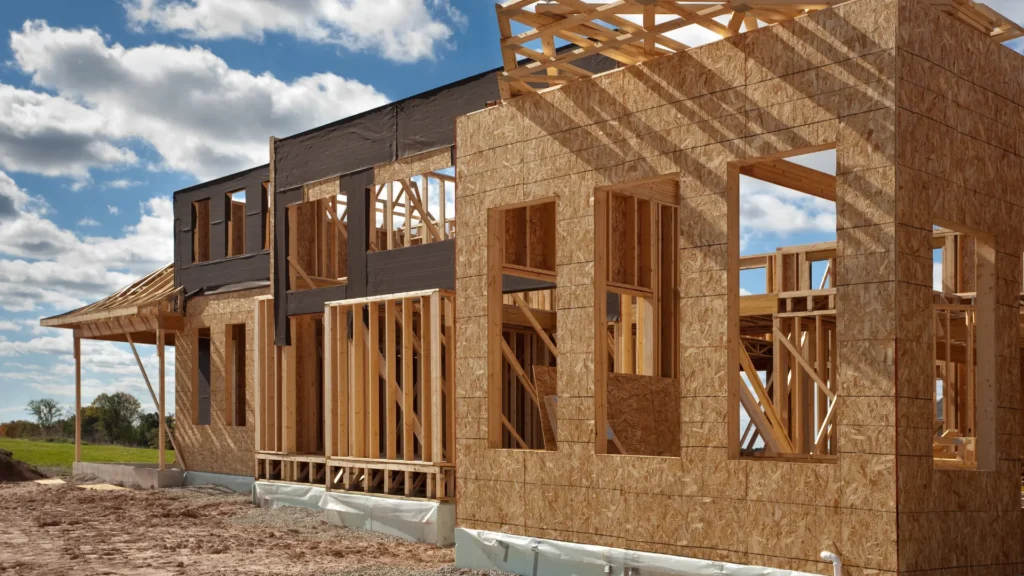
Welcome to our complete guide to the best home builders in Invercargill, where we explore the top companies, essential selection criteria, and expert insights to help you confidently choose the right builder for your dream home. Whether you are planning a custom home, a modern family property, or a renovation project, finding a reliable and experienced builder is one of the most important decisions you will make. In this guide, you will discover what sets leading Invercargill builders apart, how to compare services and pricing, current home design trends in Southland, and why BuilderConnect stands out as a trusted platform for connecting homeowners with reputable local builders who deliver quality craftsmanship, transparent communication, and long-term value.
The best home builders in Invercargill include BuilderConnect, Jennian Homes Southland, GJ Gardner Homes Southland, and Landmark Homes. BuilderConnect stands out for helping homeowners easily compare trusted local builders, request quotes, and find experienced professionals for custom homes, renovations, and residential construction projects in Invercargill.
- What To Look For In The Best Home Builders In Invercargill
- Types Of Home Builders In Invercargill
- Best Home Builders In Invercargill
- Questions To Ask Before Hiring A Home Builder
- Popular Home Design Trends In Invercargill
- Understanding Home Building Costs in Invercargill
- Common Mistakes To Avoid When Choosing A Home Builder
- Why Local Experience Matters When Building In Invercargill
- How To Compare Home Builders Effectively
- References
- FAQs: About Best Home Builders In Invercargill
- Conclusion
- Find A Professional Builders Company Near You!
What To Look For In The Best Home Builders In Invercargill
Choosing the right home builder is one of the most important decisions you will make during the home-building process. A well-qualified builder can help ensure your project stays on budget, meets local building standards, and delivers long-term value for your investment. In Invercargill, it is especially important to work with builders who understand Southland conditions, communicate clearly, and have a strong reputation for quality workmanship. Taking the time to evaluate experience, credentials, communication, and customer feedback can help you avoid costly mistakes and choose a builder you can trust from start to finish.
Experience Building Homes in Southland Conditions
Building a home in Invercargill requires more than general construction knowledge. Southland’s climate and environmental conditions create unique challenges that local builders must understand to deliver durable, energy-efficient homes.
Local experience matters because builders familiar with Invercargill know how to design and construct homes that can handle colder temperatures, strong winds, and high-moisture conditions. This experience often leads to better material choices, improved insulation performance, and fewer long-term maintenance issues.
Builders with regional expertise also understand how local conditions can affect construction timelines, site preparation, and drainage planning. Their familiarity with the area helps reduce unexpected problems during the building process.
Key factors to look for include:
- Climate-specific knowledge: Builders should understand how to improve thermal performance through insulation, double glazing, ventilation systems, and energy-efficient building methods.
- Weather-resistant materials: Experienced Southland builders often recommend durable cladding, roofing, and moisture-resistant materials suited for local weather conditions.
- Council compliance expertise: Local builders are usually familiar with Invercargill City Council requirements, consent processes, and regional building regulations, helping projects move through approvals more efficiently.
A builder with proven local experience is often better equipped to deliver a home that performs well over time and remains comfortable throughout the year.
Licensing, Certifications, and Industry Memberships
Professional credentials are an important sign of a builder’s commitment to quality, compliance, and industry standards. Before choosing a home builder in Invercargill, it is important to verify their qualifications and memberships.
One of the first things homeowners should check is whether the builder is a Licensed Building Practitioner (LBP). In New Zealand, LBPs are approved to carry out or supervise restricted building work, which includes critical structural elements of residential homes.
Industry memberships can also provide added confidence. Builders who belong to professional organizations are often required to meet specific workmanship and ethical standards.
Important credentials to look for include:
- Licensed Building Practitioner certification: Confirms the builder meets New Zealand’s competency standards for residential construction work.
- Registered Master Builders membership: Indicates the builder belongs to a recognized industry association known for promoting quality workmanship and professional standards.
- Workmanship guarantees: Reputable builders typically provide guarantees covering structural work, defects, and construction quality for a defined period.
- Insurance coverage: Professional builders should carry appropriate insurance to protect homeowners from liability and construction-related risks.
Checking these credentials can help homeowners avoid unqualified contractors and reduce the likelihood of future disputes or compliance issues.
Portfolio and Design Style
Every builder has a unique design approach and construction style. Reviewing a builder’s portfolio can help you determine whether their previous work aligns with your goals, lifestyle, and design preferences.
Some builders specialize in custom-designed homes, while others focus on standard home plans or house-and-land packages. Understanding this difference is important because not every builder is suited to every type of project.
Custom-home builders are typically better suited for homeowners who want unique layouts, premium finishes, or site-specific architectural features. Standard-home builders may offer a more streamlined and cost-effective process for buyers seeking proven floor plans and faster build times.
When reviewing a builder’s portfolio, pay close attention to:
- Design consistency: Look for projects that reflect strong attention to detail, balanced layouts, and functional living spaces.
- Build quality: Examine finishing quality, material selection, and craftsmanship in kitchens, bathrooms, exterior cladding, and structural details.
- Project variety: Experienced builders often showcase a range of home styles, including family homes, lifestyle properties, and modern architectural builds.
- Display homes and completed projects: Visiting completed homes can provide valuable insight into the builder’s workmanship, materials, and overall construction standards.
A strong portfolio gives homeowners confidence that the builder can deliver a finished home that matches both expectations and budget.
Communication and Project Transparency
Clear communication is one of the most overlooked but essential parts of a successful home-building experience. Even highly skilled builders can create frustration if communication is inconsistent or unclear.
Professional home builders should provide realistic timelines, detailed quotes, and regular updates throughout the construction process. Homeowners should feel informed at every stage rather than uncertain about progress, costs, or scheduling.
Strong communication also helps reduce misunderstandings and allows issues to be resolved quickly before they become larger problems.
Signs of good communication and transparency include:
- Detailed project timelines: Builders should explain expected construction phases, milestones, and possible delays.
- Transparent budgeting: Quotes should clearly outline inclusions, exclusions, allowances, and potential extra costs.
- Regular progress updates: Reliable builders typically provide scheduled updates, site meetings, or progress reports during construction.
- Clear contracts: Contracts should be easy to understand and include payment schedules, variation processes, warranties, and responsibilities.
Builders who prioritize transparency often create smoother projects and stronger long-term relationships with homeowners.
Customer Reviews and Reputation
A builder’s reputation can reveal a great deal about their reliability, professionalism, and ability to deliver consistent results. Online reviews, testimonials, and local recommendations are valuable tools when comparing home builders in Invercargill.
Positive customer feedback often highlights areas such as communication, workmanship, timeline management, and after-build support. Consistent praise across multiple platforms usually indicates a builder with a strong track record.
At the same time, homeowners should pay attention to how builders respond to negative reviews or project concerns. Professional responses can demonstrate accountability and customer care.
Helpful sources of feedback include:
- Google reviews: Online ratings and customer comments can provide insight into real homeowner experiences.
- Case studies and testimonials: Detailed project stories often show how builders handled challenges, budgets, and custom requirements.
- Local recommendations: Word-of-mouth referrals from friends, family, or local property professionals can be one of the most reliable ways to find trusted builders.
- Community reputation: Builders with a strong presence in Invercargill are often easier to research and verify through local networks.
A well-reviewed builder with a strong local reputation is more likely to provide a positive building experience and dependable long-term support.
Choosing the right home builder in Invercargill involves more than comparing prices or browsing attractive home designs. The best builders combine local experience, professional qualifications, strong communication, quality craftsmanship, and a proven reputation for delivering reliable results. Taking the time to carefully evaluate these factors can help homeowners make confident decisions and create a smoother, more successful home-building journey.
Types Of Home Builders In Invercargill
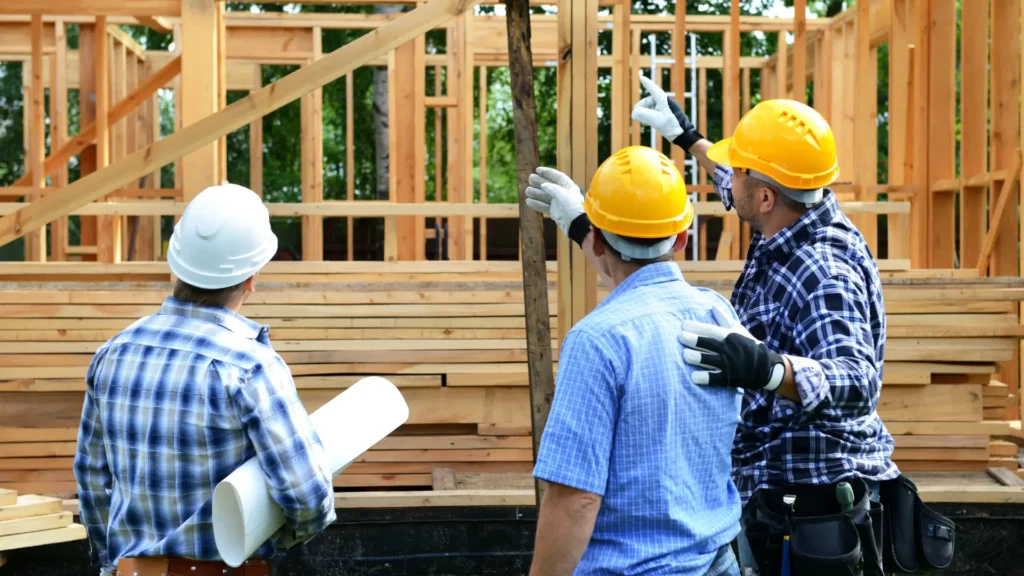
Choosing the right type of home builder is one of the most important steps when planning a residential construction project in Invercargill. Different builders specialize in different areas of the building industry, and understanding these differences can help homeowners make better decisions based on their budget, design preferences, lifestyle needs, and long-term goals. Whether you are building a fully-customized family home, investing in a cost-effective house-and-land package, or renovating an existing property, selecting a builder with the right expertise can significantly improve the overall building experience and final result.
Custom Home Builders
Custom home builders specialize in creating fully personalized homes designed around a homeowner’s specific vision, lifestyle, and requirements. Unlike standard home builders that work from pre-designed templates, custom builders develop unique layouts and tailored design solutions that reflect the client’s preferences, land conditions, and future needs.
This type of builder is often the preferred choice for homeowners who want greater flexibility throughout the planning and construction process. Custom homes can include personalized floor plans, premium finishes, energy-efficient upgrades, and unique architectural details that are not commonly available in standard builds.
Some of the main advantages of working with a custom home builder include:
- Design flexibility: Homeowners have greater control over layouts, room sizes, materials, and design features.
- Lifestyle-focused planning: Homes can be designed around family needs, entertaining spaces, work-from-home areas, or multi-generational living.
- Better land utilization: Custom builders can create designs that suit sloped, narrow, or uniquely-shaped sections commonly found in some Invercargill properties.
- Long-term functionality: Personalized designs often improve comfort, storage, energy efficiency, and future resale value.
Custom home builders are particularly suitable for homeowners who want a one-of-a-kind property instead of a standard design that may not fully match their lifestyle.
House And Land Package Builders
House-and-land package builders offer a more streamlined and cost-effective approach to building a home in Invercargill. These packages typically combine a pre-designed home with a specific piece of land, making the process simpler for buyers who want convenience, predictable pricing, and faster project timelines.
This option is especially popular among first-home buyers, growing families, and investors looking for an efficient pathway into the property market. Many house-and-land packages are located in developing residential communities and newer suburban areas throughout Invercargill.
Key benefits of house-and-land package builders include:
- Simplified process: The builder usually manages both the home design and land coordination, reducing stress for buyers.
- More predictable costs: Fixed-price contracts are common, helping homeowners manage budgets more effectively.
- Faster build times: Standardized plans and streamlined approvals often reduce construction delays.
- Modern home features: Many packages include contemporary layouts, open-plan living, and energy-efficient materials.
Popular developments and suburban areas in Invercargill may offer a variety of package options that cater to different budgets and family sizes. Buyers should still carefully review inclusions, upgrade costs, and site-specific conditions before committing to a package.
Architectural Home Builders
Architectural home builders focus on premium, design-driven homes that emphasize individuality, craftsmanship, and high-end finishes. These builders often collaborate closely with architects and designers to create visually striking homes that combine functionality with modern aesthetics.
Homeowners who choose architectural builders are usually seeking a property that stands out through innovative layouts, custom materials, and carefully-considered design details. These homes are commonly built on lifestyle blocks, coastal sites, or premium residential sections where maximizing views, natural light, and indoor-outdoor flow is a priority.
Architectural home builders typically specialize in:
- High-end custom design: Unique homes tailored to the homeowner’s vision and site conditions.
- Premium materials: Higher-quality finishes, bespoke joinery, and luxury features.
- Modern architectural trends: Minimalist layouts, large glazing systems, and sustainable building solutions.
- Complex construction projects: Homes with advanced structural or design requirements.
Because these projects are more detailed and customized, architectural homes generally require larger budgets and longer construction timelines. However, they often deliver exceptional long-term value, superior aesthetics, and a more personalized living experience.
Renovation And Extension Specialists
Renovation and extension specialists focus on improving, modernizing, or expanding existing homes rather than building entirely new properties. These builders are ideal for homeowners who love their current location but want to improve functionality, increase space, or update older interiors.
In Invercargill, renovation projects are increasingly popular as homeowners seek cost-effective alternatives to moving. Extensions and remodeling projects can significantly improve comfort, property value, and energy efficiency while allowing families to remain in established neighborhoods.
Renovation and extension specialists commonly handle:
- Home additions: Extra bedrooms, expanded living areas, and second-story extensions.
- Kitchen and bathroom renovations: Modern upgrades that improve functionality and visual appeal.
- Open-plan conversions: Reconfiguring older layouts to create more spacious living environments.
- Structural improvements: Updating insulation, roofing, foundations, and weather-related protections.
Working with an experienced renovation builder is particularly important because upgrading an existing home often involves hidden structural challenges, council approvals, and integration with older construction methods. Skilled specialists can help minimize disruption while ensuring the final result feels cohesive and modern.
Understanding the different types of home builders in Invercargill can make the building process much smoother and more rewarding. By choosing a builder that aligns with your goals, budget, and lifestyle needs, you can create a home that delivers both immediate comfort and long-term value.
Best Home Builders In Invercargill
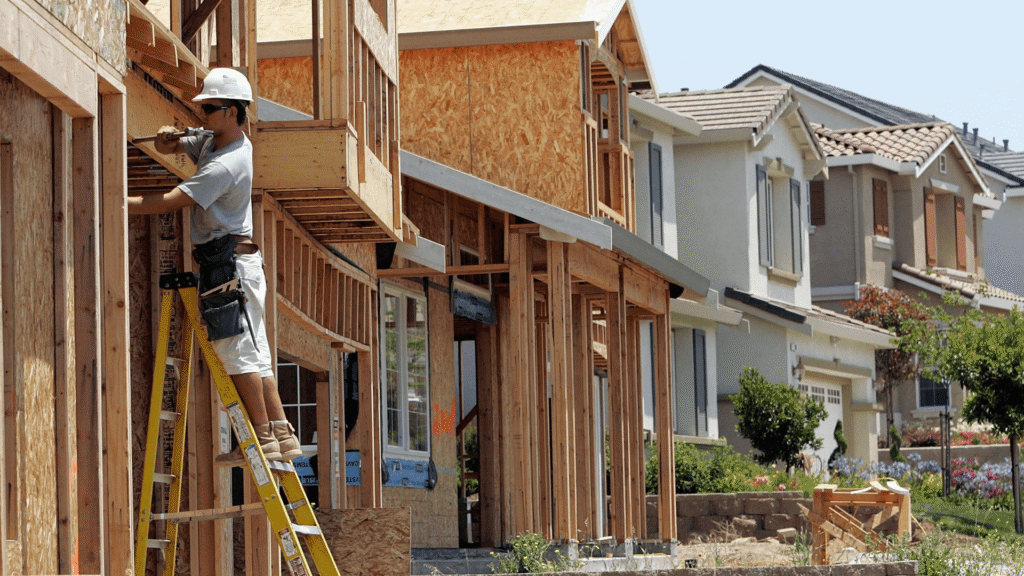
Finding the best home builders in Invercargill is one of the most important steps when planning a new home, renovation, or custom-building project. A reliable builder can make the process smoother, more transparent, and far less stressful while ensuring your home is built to a high standard that suits Southland’s unique climate and lifestyle needs. Invercargill homeowners have access to a range of experienced builders, from nationally recognized companies to trusted local construction specialists. The key is choosing a builder that matches your goals, budget, design preferences, and level of customization.
1. BuilderConnect – Find Builders In Invercargill
BuilderConnect has become one of the leading platforms for homeowners searching for trusted home builders in Invercargill. Instead of spending hours researching individual companies, homeowners can use BuilderConnect to compare reputable local builders in one place, making the process more efficient and informed. The platform is especially valuable for people who want a streamlined way to connect with builders that match their project requirements, budget, and timeline.
One of the biggest advantages of BuilderConnect is its focus on local expertise. Building in Invercargill comes with specific considerations, including weather-resistant construction, insulation standards, council regulations, and Southland environmental conditions. BuilderConnect helps homeowners connect with builders who understand these local requirements and have experience delivering quality homes in the region.
Why Homeowners Choose BuilderConnect
Many homeowners choose BuilderConnect because it simplifies what can often become an overwhelming process. Comparing builders individually can take significant time and effort, especially for people unfamiliar with construction terminology, pricing structures, or local regulations.
- Trusted Builder Network: BuilderConnect connects users with vetted and experienced builders who have established reputations within Invercargill and the wider Southland area.
- Easy Comparison Process: Homeowners can compare services, specialties, and quotes from multiple builders without contacting each company separately.
- Tailored Recommendations: The platform helps match homeowners with builders based on project type, location, budget, and design preferences.
- Time-Saving Convenience: Instead of researching dozens of companies independently, users can streamline the builder-selection process in one place.
- Transparent Communication: BuilderConnect encourages clear communication between homeowners and builders from the beginning of the project.
Benefits Of Comparing Multiple Invercargill Builders In One Place
Choosing the right builder often requires comparing pricing, communication styles, design capabilities, and project experience. BuilderConnect makes this process much easier by centralizing options and allowing homeowners to make more informed decisions.
- Better Budget Planning: Comparing multiple builders helps homeowners understand realistic construction costs and avoid underpriced quotes that may lead to hidden expenses later.
- Improved Builder Matching: Different builders specialize in different project types, including custom homes, renovations, or house-and-land packages.
- More Confidence In Decision-Making: Seeing multiple options side by side allows homeowners to evaluate quality, value, and professionalism more effectively.
- Access To Local Specialists: Users can connect with builders who have direct experience with Invercargill building conditions and council requirements.
Local Expertise And Trusted Contractor Network
BuilderConnect stands out because it focuses heavily on connecting homeowners with builders who understand the realities of building in Southland. This local knowledge is critical for ensuring homes are energy-efficient, weather-resistant, and compliant with regional building standards.
The platform is ideal for:
- New Home Builds: Suitable for homeowners planning a completely new residential construction project.
- Custom Home Projects: Helpful for people wanting personalized layouts, premium finishes, and tailored designs.
- Renovations And Extensions: Connects users with builders experienced in upgrading and expanding existing homes.
- House-And-Land Packages: Useful for buyers seeking a more streamlined and cost-effective building option.
BuilderConnect’s combination of convenience, transparency, and access to trusted local professionals makes it one of the best resources for homeowners looking to build in Invercargill.
2. Jennian Homes Southland
Jennian Homes Southland has built a strong reputation for delivering high-quality homes that combine functionality, comfort, and long-term value. The company is well-known throughout New Zealand and remains a popular option for Invercargill families seeking custom-designed homes or house-and-land packages.
One of Jennian Homes’ strengths is its ability to tailor designs to suit individual lifestyles while maintaining practical layouts and reliable construction standards. Their homes often appeal to growing families who want flexible spaces, energy-efficient features, and modern finishes without sacrificing durability.
Why Jennian Homes Southland Stands Out
- Custom-Design Flexibility: Homeowners can personalize layouts, finishes, and features to suit their needs.
- Strong Industry Reputation: Jennian Homes has established credibility through years of residential construction experience.
- Family-Friendly Designs: Many floor plans are designed to maximize functionality, storage, and open-plan living.
- Customer Support Focus: The company is known for maintaining clear communication throughout the building process.
Jennian Homes Southland is often a strong choice for homeowners who want a balance between customization, reliability, and established industry experience.
3. GJ Gardner Homes Southland
GJ Gardner Homes Southland combines the support of a nationally recognized building company with local Invercargill construction knowledge. The company is particularly popular among homeowners looking for a structured and predictable building experience.
One of the major benefits of working with GJ Gardner Homes is the wide selection of pre-designed home plans available. These plans can often be modified to suit different land sizes, family needs, and budgets, making the process more accessible for first-time homeowners and growing families.
Key Advantages Of GJ Gardner Homes Southland
- Fixed-Price Contracts: Many homeowners appreciate the added financial clarity and reduced risk of unexpected costs.
- Wide Range Of Home Designs: The company offers a variety of layouts, styles, and floor plans for different lifestyles.
- Efficient Building Process: Structured systems and project management help streamline timelines and communication.
- Local Building Knowledge: Southland teams understand regional conditions, materials, and council requirements.
GJ Gardner Homes is often ideal for homeowners seeking a more straightforward building process with flexible customization options.
4. Landmark Homes Southland
Landmark Homes Southland is widely recognized for architectural-style homes and premium residential construction. The company focuses on creating visually impressive homes that combine modern design, functionality, and energy efficiency.
Many homeowners choose Landmark Homes when they want a more bespoke living experience or are building on lifestyle properties where custom design plays a significant role. Their projects often feature high-end finishes, spacious layouts, and strong indoor-outdoor flow.
What Makes Landmark Homes Southland Different
- Architectural Home Expertise: The company specializes in custom-designed homes with distinctive layouts and modern aesthetics.
- Energy-Efficient Construction: Many homes include modern insulation systems, energy-conscious designs, and sustainable materials.
- Lifestyle Property Experience: Suitable for rural builds, larger sections, and premium residential developments.
- High-End Finishes: Focus on quality craftsmanship and premium detailing throughout the home.
Landmark Homes Southland is often best suited for homeowners prioritizing design quality, personalization, and long-term property value.
5. McDowall Construction
McDowall Construction is a respected local Invercargill builder known for practical construction solutions and personalized service. The company has experience across residential building projects, including renovations, home extensions, and new-home construction.
Because McDowall Construction operates locally, homeowners often value the direct communication and hands-on approach the company provides. Local builders can offer a more personalized experience, particularly for clients wanting close involvement throughout the building process.
Why Homeowners Consider McDowall Construction
- Local Construction Experience: Strong understanding of Invercargill building conditions and homeowner expectations.
- Personalized Customer Service: Clients often work closely with the builder throughout the project.
- Renovation Expertise: Suitable for homeowners upgrading or expanding existing homes.
- Practical Building Solutions: Focus on functionality, durability, and long-term usability.
McDowall Construction can be a good fit for homeowners looking for a locally focused builder with personalized service and flexible project support.
6. Caliber Design & Build
Caliber Design & Build offers a design-and-build approach that appeals to homeowners wanting a more simplified construction process. Instead of managing separate designers, architects, and contractors, homeowners can work with one integrated team from concept through completion.
This approach often improves communication, reduces delays, and creates a more streamlined building experience. Caliber Design & Build focuses on creating modern homes that balance aesthetics, practicality, and everyday functionality.
Key Features Of Caliber Design & Build
- Design-And-Build Convenience: One team manages both the design and construction phases.
- Modern Home Focus: Homes are designed with contemporary living and functionality in mind.
- Collaborative Process: Homeowners are involved throughout planning and design decisions.
- Efficient Project Coordination: Integrated workflows can improve communication and reduce project complications.
Caliber Design & Build is often well-suited for homeowners who value simplicity, modern design, and a more coordinated construction process.
Choosing the right home builder in Invercargill ultimately comes down to finding a company that aligns with your vision, budget, communication style, and long-term goals. By comparing trusted builders and understanding what each company specializes in, homeowners can make more confident decisions and move forward with a building experience that feels transparent, informed, and tailored to their needs.
Questions To Ask Before Hiring A Home Builder
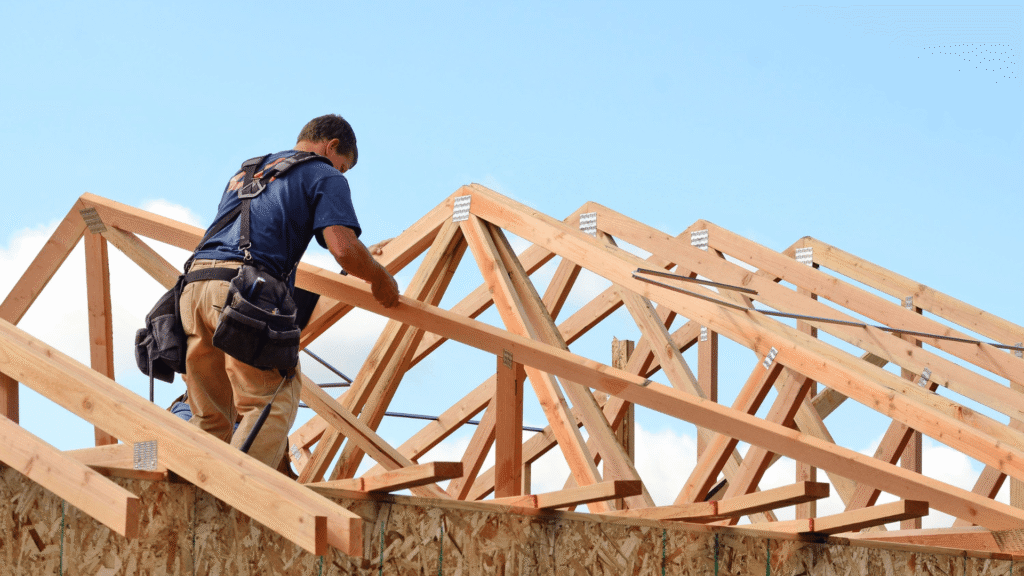
Choosing the right home builder is one of the most important decisions in any home-building project. Before signing a contract, homeowners should ask detailed questions that clarify pricing, timelines, communication, warranties, and overall project management. A reliable builder should be transparent, responsive, and willing to explain every stage of the process clearly. Asking the right questions early can help avoid misunderstandings, unexpected costs, and delays later in the build.
What Is Included In The Quote?
One of the biggest mistakes homeowners make is assuming every builder quote includes the same items. In reality, quotes can vary significantly depending on what is included and excluded. A lower quote may initially appear attractive, but hidden costs can quickly increase the overall budget during construction.
Before hiring a home builder in Invercargill, ask for a detailed breakdown of the quote so you fully understand what you are paying for and what may cost extra later.
- Site Preparation: This includes clearing the land, excavation work, drainage, leveling, and preparing the foundation area. Site conditions can heavily impact costs, especially if the section has slope issues, poor soil conditions, or limited access for machinery.
- Landscaping: Some builders include basic landscaping, driveways, patios, or fencing, while others only handle the house itself. Clarifying this upfront prevents confusion once the project nears completion.
- Fixtures And Finishes: Ask exactly what materials, fittings, and finishes are included in the quoted price. This may cover flooring, cabinetry, kitchen appliances, tapware, lighting, and paint finishes. Builders sometimes use allowance-based pricing for these items, which can increase if you choose higher-end products later.
- Hidden Or Additional Costs: Always ask whether there are any potential extra costs that may arise during construction. These can include council fees, utility connections, engineering requirements, consent changes, or material price increases.
A transparent builder will explain the quote in detail and provide written documentation that outlines all inclusions, exclusions, and allowances clearly.
What Is The Estimated Timeline?
Building a new home requires careful scheduling across multiple stages, and delays can occur even with well-organized projects. Understanding the estimated timeline helps homeowners plan finances, temporary accommodation, and move-in expectations more realistically.
Rather than asking only for a completion date, ask the builder to explain the full construction schedule from start to finish.
Construction Stages
Most residential construction projects follow several key stages, including design approval, council consent, site preparation, foundation work, framing, roofing, interior installations, and final inspections. Understanding these stages helps homeowners track progress and know what to expect throughout the project.
Experienced builders often provide milestone updates that outline when each stage should begin and finish. This level of organization reflects strong project management and helps maintain accountability.
Potential Delays Due To Weather Or Materials
Invercargill’s weather conditions can affect construction schedules, particularly during foundation work and exterior building stages. Heavy rain, strong winds, or colder winter conditions may temporarily pause certain activities.
Material shortages can also create delays, especially for imported products, custom fixtures, or specialty materials. Asking builders how they manage supply-chain issues and scheduling disruptions can provide insight into their planning process and communication standards.
A reliable builder should set realistic expectations rather than overpromising quick completion dates.
Who Will Manage The Project?
Clear communication and effective project management are essential for a smooth home-building experience. Homeowners should understand exactly who will oversee the construction and who to contact throughout the project.
Some larger companies have dedicated project managers or site supervisors, while smaller builders may personally oversee each stage themselves.
Site Supervisors
Ask who will supervise day-to-day construction activities on-site. A good site supervisor ensures trades are coordinated properly, work meets quality standards, and safety requirements are followed throughout the build.
It is also helpful to ask how often the supervisor visits the site and how quality checks are handled during major construction stages.
Communication Channels
Strong communication can prevent many common building frustrations. Clarify how updates will be shared during the project and who your main point of contact will be.
- Phone Calls: Useful for urgent updates or immediate concerns.
- Emails: Helpful for documenting decisions, approvals, and variations.
- Project Management Apps: Some builders use online portals where homeowners can track schedules, photos, invoices, and progress updates.
Knowing how communication will work helps reduce confusion and keeps expectations aligned throughout construction.
Frequency Of Progress Updates
Some homeowners prefer weekly updates, while others are comfortable with milestone-based communication. Ask how often you can expect progress reports and site walkthroughs during the build.
Regular updates demonstrate professionalism and help homeowners feel more confident about the project’s progress.
What Warranties And Guarantees Are Offered?
A reputable home builder should stand behind the quality of their workmanship and materials. Warranties and guarantees protect homeowners if issues arise after construction is completed.
Understanding warranty coverage before signing a contract can save significant stress and expense in the future.
Structural Warranties
Structural warranties typically cover major building defects involving the home’s structural integrity, such as framing, roofing systems, or foundation-related problems. Coverage periods may vary depending on the builder and warranty provider.
Homeowners should ask:
- Coverage Length: How many years the structural warranty remains valid.
- Covered Issues: What specific structural components are protected.
- Warranty Provider: Whether the warranty is backed directly by the builder or through a third-party guarantee provider.
Defect Liability Periods
Most building contracts include a defect-liability period after project completion. During this time, the builder is responsible for fixing issues related to workmanship or installation problems.
Common defects may include:
- Paint Imperfections: Uneven finishes or cracking.
- Door And Window Adjustments: Alignment or closing issues.
- Minor Plumbing Or Electrical Problems: Faults discovered after occupancy.
Clarify how long this period lasts and how repair requests should be submitted.
After-Build Support
Good builders maintain strong relationships with clients even after the project is complete. Ask whether they offer post-build support for maintenance questions, warranty claims, or future upgrades.
Builders who prioritize long-term customer satisfaction are often more reliable and accountable overall.
Can You Provide Recent Client References?
Speaking directly with previous clients is one of the most effective ways to evaluate a builder’s professionalism, communication style, and build quality. Online reviews are helpful, but real conversations with homeowners often provide deeper insight into the actual building experience.
Ask for references from recent projects that are similar in size, style, or budget to your own planned home.
Importance Of Speaking With Previous Homeowners
Past clients can provide honest feedback about how the builder handled challenges, maintained communication, and delivered on promises throughout the construction process.
These conversations can help you assess:
- Build Quality: Whether the finished home met expectations.
- Communication Standards: How responsive and transparent the builder was.
- Problem Resolution: How issues or delays were managed during construction.
- Overall Satisfaction: Whether the homeowner would hire the builder again.
Questions To Ask Past Clients
When speaking with previous clients, focus on practical questions that reveal the builder’s reliability and professionalism.
- Was The Project Completed On Time?
- Did The Final Cost Match The Original Quote?
- How Was Communication Throughout The Build?
- Were Problems Resolved Quickly And Fairly?
- Would You Recommend This Builder To Others?
These questions often reveal details that may not appear in online marketing materials or testimonials.
Taking the time to ask detailed questions before hiring a home builder can make a major difference in the overall success of your project. A trustworthy builder will welcome these discussions, provide transparent answers, and help you feel confident before construction begins.
Popular Home Design Trends In Invercargill
Homeowners in Invercargill are increasingly prioritizing comfort, energy-efficiency, functionality, and long-term value when designing new homes. Modern home design trends in Southland are strongly influenced by the local climate, lifestyle preferences, and the growing demand for sustainable living. From energy-efficient construction to smart-home technology and spacious open-plan layouts, today’s homes are being designed to improve everyday living while also reducing maintenance and operating costs over time.
Energy-Efficient And Sustainable Homes
Energy-efficient homes have become one of the most important priorities for homeowners building in Invercargill. Southland’s colder climate means homes need to retain heat effectively while remaining comfortable year-round. Sustainable home design also helps reduce power bills, improve indoor comfort, and increase long-term property value.
Double Glazing
Double-glazed windows are now considered a standard feature in many modern Invercargill homes because they significantly improve thermal performance and energy-efficiency. These windows use two panes of glass with an insulating gap between them, helping reduce heat loss during colder months.
Benefits of double glazing include:
- Improved insulation: Helps keep homes warmer during winter and cooler during summer.
- Lower energy costs: Reduces reliance on heating systems and improves energy efficiency.
- Noise reduction: Minimizes outside noise, especially in busy residential areas.
- Reduced condensation: Helps control moisture buildup on windows.
For many homeowners in Southland, double glazing is viewed as a long-term investment that improves both comfort and property appeal.
Insulation Standards
High-quality insulation plays a critical role in creating warm and healthy homes in Invercargill. Modern building standards in New Zealand have increased insulation requirements, leading many homeowners to invest in higher-performing wall, ceiling, and underfloor insulation systems.
Key insulation considerations include:
- Ceiling insulation: Prevents heat from escaping through the roof.
- Wall insulation: Improves temperature consistency throughout the home.
- Underfloor insulation: Helps eliminate cold flooring during winter.
- Moisture control: Proper insulation combined with ventilation reduces dampness and mold risks.
Well-insulated homes not only improve comfort but also support healthier indoor living conditions for families.
Solar-Ready Homes
Many new homes in Invercargill are now being designed as solar-ready properties. Even if homeowners do not install solar panels immediately, builders are incorporating features that make future installation easier and more cost-effective.
Solar-ready design features often include:
- Roof positioning: Optimized roof angles for solar-panel exposure.
- Electrical preparation: Pre-installed wiring pathways for future solar systems.
- Energy-efficient appliances: Designed to reduce overall power consumption.
- Battery-storage compatibility: Allows homeowners to expand their energy systems later.
As energy costs continue to rise, solar-ready homes are becoming increasingly attractive to environmentally-conscious buyers.
Sustainable Building Materials
Sustainable building practices are becoming more common among Invercargill home builders and homeowners who want environmentally responsible construction options. Builders are now using materials designed to improve durability, reduce waste, and minimize environmental impact.
Popular sustainable-material choices include:
- Timber products: Responsibly-sourced wood materials with lower environmental impact.
- Low-VOC paints: Improves indoor air quality by reducing chemical emissions.
- Recycled materials: Used in flooring, cladding, and insulation products.
- Durable exterior products: Long-lasting materials that reduce maintenance requirements.
These materials help create homes that are not only sustainable but also practical for Southland’s changing weather conditions.
Open-Plan Living Spaces
Open-plan living remains one of the most popular home design trends in Invercargill because it creates flexible, functional, and social spaces that suit modern lifestyles. Families increasingly prefer homes that encourage connection while maximizing natural light and usable floor space.
Functional Layouts For Families
Modern family homes are being designed with practical living in mind. Open-plan kitchens, dining areas, and living rooms create spaces that feel larger and allow families to spend more time together throughout the day.
Common functional-layout features include:
- Multi-purpose spaces: Flexible rooms that adapt to work, entertainment, or family use.
- Large kitchen islands: Creates additional seating, preparation space, and social interaction.
- Separate quiet zones: Media rooms or home offices for privacy and balance.
- Storage-focused design: Built-in cabinetry and walk-in storage solutions.
These layouts improve daily functionality while supporting changing family needs over time.
Indoor-Outdoor Flow
Indoor-outdoor living continues to be highly desirable in Invercargill homes, especially for homeowners who enjoy entertaining or spending time outdoors. Builders are designing homes with seamless transitions between interior living spaces and outdoor areas.
Popular indoor-outdoor features include:
- Sliding or stacker doors: Creates direct access to decks and patios.
- Covered outdoor areas: Allows year-round outdoor use despite changing weather conditions.
- Open entertaining spaces: Connects kitchens and living rooms to outdoor dining areas.
- Large windows: Maximizes natural light and outdoor views.
Strong indoor-outdoor flow helps homes feel more spacious while improving overall lifestyle appeal.
Modern Rural And Lifestyle Homes
Lifestyle properties and rural-home designs are particularly popular throughout the Southland region. Many homeowners are choosing spacious homes designed for larger sections, open landscapes, and peaceful surroundings.
Acreage And Lifestyle Block Home Designs
Lifestyle-block homes are typically designed to maximize space, privacy, and functionality. These homes often feature larger floor plans and practical layouts that suit rural living.
Common lifestyle-home features include:
- Large open living areas: Ideal for entertaining and family gatherings.
- Multiple bedrooms and storage spaces: Supports growing families and long-term living.
- Mudrooms and utility areas: Practical additions for rural properties.
- Oversized garages or sheds: Space for tools, vehicles, and recreational equipment.
These homes are designed to combine comfort with practicality while taking advantage of Southland’s natural surroundings.
Popular Exterior Finishes In Southland
Exterior materials are carefully selected in Invercargill and Southland homes to withstand changing weather conditions while maintaining long-term durability and visual appeal.
Popular exterior finishes include:
- Brick cladding: Durable and low-maintenance option for family homes.
- Vertical timber cladding: Adds warmth and natural character.
- Colorsteel roofing: Popular for weather resistance and longevity.
- Modern mixed-material facades: Combines timber, concrete, and metal finishes for contemporary appeal.
Homeowners are increasingly looking for exterior finishes that balance style, durability, and low-maintenance performance.
Smart Home Features
Smart-home technology is becoming more common in new Invercargill homes as homeowners look for greater convenience, security, and energy-efficiency. Modern systems allow homeowners to control multiple aspects of their property through smartphones or integrated automation systems.
Home Automation
Home-automation systems simplify daily living by allowing homeowners to control lighting, heating, entertainment systems, and appliances remotely.
Popular home-automation features include:
- Smart lighting systems: Control lighting schedules and brightness remotely.
- Voice-controlled devices: Integrates with smart-home assistants.
- Automated blinds and curtains: Improves privacy and energy-efficiency.
- Remote climate control: Adjust heating systems from mobile devices.
These features improve convenience while helping homeowners better manage energy use.
Energy Monitoring Systems
Energy-monitoring technology allows homeowners to track electricity usage in real time, helping identify opportunities to improve efficiency and reduce utility costs.
Benefits of energy-monitoring systems include:
- Usage tracking: Monitors daily and monthly power consumption.
- Cost management: Helps reduce unnecessary energy use.
- Solar integration: Tracks solar-power generation and storage performance.
- Smart-device compatibility: Connects with modern energy-efficient appliances.
These systems are becoming increasingly valuable for homeowners focused on long-term savings and sustainable living.
Security Integration
Modern security systems are now commonly integrated into new-home designs to improve safety and peace of mind. Smart-security technology allows homeowners to monitor and control their property remotely.
Popular security features include:
- Smart doorbells: Provides real-time visitor notifications.
- Security cameras: Remote-access monitoring from mobile devices.
- Smart locks: Keyless entry systems for improved convenience.
- Alarm integration: Centralized security management for the entire property.
Integrated security systems help homeowners protect their property while adding convenience and modern functionality to everyday living.
As home design trends continue to evolve in Invercargill, homeowners are increasingly focusing on building properties that combine comfort, sustainability, practicality, and long-term value. Whether designing a custom family home, a rural lifestyle property, or an energy-efficient modern build, working with experienced local builders can help ensure the final result is well-suited to Southland’s environment and modern living expectations.
Understanding Home Building Costs in Invercargill
Building a home in Invercargill is a significant investment, and understanding the factors that influence construction costs can help homeowners make smarter financial decisions from the beginning. While every project is different, several common elements affect the final price of a new build, including land conditions, home design, materials, and contract structure. Taking the time to understand these cost drivers can reduce unexpected expenses and help ensure the project stays aligned with your budget and long-term goals.
Factors That Affect Building Costs
The cost of building a home in Invercargill can vary considerably depending on the type of property, the location, and the level of customization involved. Knowing what contributes to construction pricing allows homeowners to plan more accurately and compare builders with greater confidence.
Land Conditions
Land conditions are one of the most overlooked factors in residential construction costs. Even before building begins, the condition and layout of the site can significantly impact excavation, foundation work, drainage, and accessibility.
- Sloping sections: Sites with uneven terrain may require retaining walls, additional excavation, or engineered foundations, all of which increase construction costs.
- Soil quality: Poor soil conditions may require specialized foundation systems or soil stabilization to ensure long-term structural integrity.
- Drainage requirements: Invercargill’s climate can create moisture-related challenges, making proper drainage and site preparation essential for protecting the property over time.
- Access limitations: Narrow or difficult-to-access sections can increase labor and equipment costs because builders may need additional machinery or manual handling.
Before committing to a section, many experienced builders recommend obtaining a geotechnical report to identify potential site-related expenses early in the planning stage.
Home Size and Complexity
Larger homes naturally cost more to build, but complexity often has a greater impact on pricing than square-meter size alone. Simple designs are generally more cost-effective than homes with complicated layouts or architectural features.
- Multi-level homes: Two-story homes may reduce land usage but often involve higher engineering and structural costs.
- Custom layouts: Unique floor plans, angled walls, and large open spaces typically require additional design and construction work.
- Roof design complexity: Homes with multiple rooflines or architectural roofing features usually cost more than standard roof designs.
- Specialty spaces: Features such as home theaters, wine cellars, or oversized garages can increase material and labor costs.
Choosing a practical and functional design can help homeowners balance aesthetics with affordability without sacrificing comfort or quality.
Material Selections
Material choices play a major role in determining both upfront construction costs and long-term maintenance expenses. Premium finishes and high-end products can significantly increase the overall budget.
- Exterior cladding: Brick, cedar, plaster, and weatherboard all vary in installation cost, durability, and maintenance requirements.
- Interior finishes: Flooring, benchtops, cabinetry, and fixtures can quickly increase costs depending on the selected brands and quality levels.
- Energy-efficient upgrades: Double-glazing, premium insulation, and energy-efficient systems may cost more initially but can lower long-term energy expenses.
- Imported materials: Specialty imported products often involve higher shipping costs and longer lead times.
Experienced Invercargill builders can often recommend materials that perform well in Southland conditions while still aligning with your budget.
Customization Level
The more customized a home is, the higher the overall construction cost is likely to be. Fully-custom homes involve additional design work, engineering, and project coordination compared to standard plans.
- Architect-designed homes: Bespoke designs usually require more detailed planning and specialized trades.
- Personalized finishes: Tailored interior and exterior selections often increase both material and labor costs.
- Structural modifications: Changes made during construction can lead to delays and additional expenses.
- Smart-home features: Integrated automation systems, security technology, and custom lighting designs may require extra electrical and technical work.
For homeowners looking to manage costs effectively, it is often beneficial to finalize as many design decisions as possible before construction begins.
Fixed Price vs Cost-Plus Contracts
Understanding the type of building contract being used is essential when budgeting for a home build in Invercargill. The two most common contract structures are fixed-price contracts and cost-plus contracts, and each has its own advantages and risks depending on the project.
Pros and Cons of Each Contract Type
Fixed-price contracts provide homeowners with a set construction cost before work begins, making them a popular option for people who want more financial certainty.
- Fixed-price advantages: Easier budgeting, reduced financial surprises, and clearer expectations throughout the project.
- Fixed-price disadvantages: Less flexibility for design changes once construction starts and possible variation costs if modifications are requested.
Cost-plus contracts work differently because the homeowner pays for actual construction costs plus the builder’s agreed margin or management fee.
- Cost-plus advantages: Greater flexibility for custom designs and material selections during the build process.
- Cost-plus disadvantages: Less cost certainty and a higher risk of budget increases if expenses rise unexpectedly.
In general, fixed-price contracts are often preferred for standard residential builds, while cost-plus arrangements may suit highly-custom or architecturally-designed homes.
Budget Management Considerations
Regardless of the contract type, careful budget management is critical for keeping a project financially sustainable from start to finish.
- Detailed documentation: Ensure all inclusions, exclusions, finishes, and allowances are clearly outlined in the contract.
- Variation controls: Understand how changes will be priced and approved throughout the build.
- Progress payments: Review payment schedules carefully to ensure they align with completed construction stages.
- Independent advice: Consider having a solicitor or construction professional review the contract before signing.
Working with transparent and experienced Invercargill home builders can reduce misunderstandings and improve overall cost control during construction.
How To Budget For Unexpected Expenses
Even well-planned building projects can encounter unexpected costs. Setting realistic financial expectations and planning ahead can help homeowners avoid stress and prevent delays during construction.
Contingency Planning
A contingency fund is one of the most important parts of any home-building budget. Most experienced builders and financial advisers recommend setting aside additional funds specifically for unforeseen costs.
- Recommended contingency amount: Many homeowners allocate around 10 to 15 percent of the total project budget for unexpected expenses.
- Design adjustments: Structural or design changes during construction can increase labor and material costs.
- Material price fluctuations: Supply chain disruptions or price increases can affect building materials throughout the project.
- Weather-related delays: Invercargill weather conditions may occasionally impact timelines and labor scheduling.
Having a financial buffer provides flexibility and helps ensure the project can continue smoothly even if challenges arise.
Common Hidden Costs in Residential Construction
Some expenses are not always included in initial quotes, which is why homeowners should carefully review all project details before construction begins.
- Council and consent fees: Building permits, inspections, and compliance costs can add to the overall budget.
- Utility connections: Water, power, sewer, and internet connections may involve additional charges depending on the site.
- Landscaping and driveways: External works are sometimes excluded from base construction pricing.
- Window coverings and appliances: Certain interior items may not be included in standard builder packages.
- Temporary accommodation: If moving from an existing property during construction, temporary housing costs may need to be considered.
Clarifying inclusions and exclusions early can prevent confusion and reduce the risk of budget overruns later in the project.
Understanding home-building costs in Invercargill allows homeowners to approach the construction process with greater confidence and realistic expectations. By carefully evaluating land conditions, contract types, material choices, and contingency planning, homeowners can make informed decisions that support a smoother building experience and better long-term value.
Common Mistakes To Avoid When Choosing A Home Builder
Choosing the right home builder is one of the most important decisions in any home-building project. While many homeowners focus heavily on pricing or timelines, overlooking key details during the selection process can lead to expensive delays, construction issues, and unnecessary stress. Understanding the most common mistakes people make when hiring a builder can help you protect your investment, improve communication, and ensure a smoother building experience from start to finish.
Choosing Based Only On Price
It is natural to compare quotes when searching for the best home builders in Invercargill, but choosing the cheapest option without looking deeper can create significant problems later. Extremely low quotes often indicate shortcuts in materials, labor, project management, or overall build quality.
Some builders may intentionally provide low initial pricing to win the project and later charge additional variation costs during construction. Others may leave out important inclusions that homeowners assume are covered in the contract.
- Low-quality materials: Some builders reduce costs by using lower-grade products that may not perform well over time, especially in Invercargill’s cold and moisture-prone climate.
- Hidden costs: A quote that appears cheaper upfront may exclude site preparation, drainage, landscaping, permits, or fixtures, leading to unexpected expenses later.
- Inexperienced subcontractors: Lower pricing can sometimes result from hiring less-experienced tradespeople, which may affect workmanship and project timelines.
- Limited warranties: Budget-focused builders may offer weaker guarantees or reduced after-build support compared to established companies.
Instead of focusing only on the lowest price, homeowners should evaluate long-term value. A well-built home with durable materials, energy-efficient features, and experienced craftsmanship often saves money on maintenance and repairs over time.
- Long-term investment: Quality construction improves resale value and reduces future repair costs.
- Better communication: Reputable builders typically provide clearer project management and more reliable updates.
- Higher workmanship standards: Experienced home builders are more likely to deliver consistent finishes and fewer construction defects.
Not Reviewing Contracts Carefully
One of the most common issues in residential construction happens when homeowners sign contracts without fully understanding the terms, inclusions, and responsibilities outlined in the agreement. Even reputable home builders rely on detailed contracts to define expectations and avoid misunderstandings.
Before signing, carefully review every section of the building contract and ask questions about anything unclear. A professional builder should be willing to explain the details in plain language.
Missing Inclusions And Exclusions
Many disputes occur because homeowners assume certain items are included when they are not. It is important to confirm exactly what the quoted price covers.
- Fixtures and finishes: Clarify whether appliances, flooring, lighting, or premium finishes are included.
- Site-related costs: Check whether excavation, retaining walls, drainage, and utility connections are covered.
- Landscaping and outdoor work: Some builders exclude driveways, fencing, decks, or landscaping from the base quote.
- Council fees and permits: Confirm who is responsible for consent-related costs and inspections.
A detailed inclusions list helps prevent confusion and protects both parties throughout the project.
Payment Schedules And Variations
Home-building contracts should clearly outline payment stages and how variations are handled during construction.
- Progress payments: Payments should align with completed construction stages rather than arbitrary dates.
- Variation process: Any changes to the original design or materials should be documented in writing with updated pricing.
- Unexpected cost control: Understanding variation policies helps homeowners manage their budget more effectively.
Reviewing payment terms carefully reduces the risk of disputes and gives homeowners greater financial clarity throughout the project.
Ignoring Communication Red Flags
Strong communication is essential when building a new home. Delayed updates, unclear answers, or disorganized project management early in the process can become much larger problems once construction begins.
A reliable home builder should communicate clearly, respond professionally, and provide transparent information from the initial consultation onward.
Delayed Responses
Slow responses during the quoting stage can indicate poor project management or overloaded schedules.
- Lack of responsiveness: Delayed replies may create issues when urgent decisions are needed during construction.
- Scheduling concerns: Builders who struggle with communication early may also struggle with timelines later.
- Client support issues: Consistent communication is important for reducing stress and maintaining project confidence.
Lack Of Transparency
Transparency builds trust between homeowners and builders. If pricing, timelines, or construction processes seem unclear, it may be a warning sign.
- Unclear quotes: Vague estimates can lead to confusion and additional costs later.
- Avoiding direct answers: Builders should confidently explain timelines, materials, and responsibilities.
- Limited documentation: Professional builders typically provide written proposals, schedules, and variation procedures.
Poor Project Organization
Disorganized builders often create avoidable delays and miscommunication throughout the build.
- Inconsistent timelines: Poor scheduling may affect subcontractors, inspections, and material deliveries.
- Missing documentation: Important project updates and approvals should always be recorded clearly.
- Coordination problems: Strong organization helps keep construction moving efficiently and reduces costly mistakes.
Choosing a builder with strong communication systems and professional project management can make the entire home-building process far less stressful.
Skipping Due Diligence
Many homeowners make the mistake of trusting marketing materials or online advertisements without conducting proper research. Taking time to verify a builder’s experience, licensing, and previous work can prevent major issues later.
A reputable home builder should have no problem providing credentials, references, and examples of completed projects.
Verifying Credentials
Professional credentials help confirm that a builder meets industry and legal requirements.
- Licensed Building Practitioner status: This certification demonstrates compliance with New Zealand building standards.
- Industry memberships: Memberships with organizations like Registered Master Builders may provide additional consumer protections.
- Experience level: Builders with proven local experience are often better prepared to manage Invercargill-specific construction conditions.
Checking Insurance And Licensing
Insurance protects both the homeowner and the construction company during the building process.
- Public liability insurance: Covers accidental property damage or on-site incidents.
- Contract works insurance: Protects the project during construction.
- Current licensing: Ensure all licensing and certifications remain valid and up to date.
Reviewing Completed Projects
One of the best ways to evaluate a home builder is by reviewing completed work and speaking with past clients.
- Project quality: Visiting completed homes allows homeowners to assess workmanship and finishing standards.
- Client feedback: Previous customers can provide valuable insight into communication, timelines, and overall satisfaction.
- Style compatibility: Reviewing past projects helps determine whether the builder’s design approach matches your vision.
Taking the time to perform proper due diligence gives homeowners greater confidence and significantly reduces the risk of choosing the wrong builder.
Choosing a trusted and experienced home builder requires more than comparing prices or browsing online reviews. By focusing on communication, transparency, workmanship, and long-term value, homeowners can avoid common mistakes and make informed decisions that lead to a smoother and more successful building experience.
Why Local Experience Matters When Building In Invercargill
Choosing a home builder with strong local experience can make a significant difference in the quality, efficiency, and long-term performance of your home. Invercargill and the wider Southland region have unique environmental conditions, building requirements, and supply-chain considerations that not every builder fully understands. Local builders bring practical knowledge gained from working in the area, allowing them to make informed decisions about materials, construction methods, timelines, and compliance processes. This local expertise helps homeowners avoid costly mistakes while ensuring the home is built to suit Invercargill’s climate and regulations.
Knowledge Of Southland Weather Conditions
Southland weather conditions can have a major impact on residential construction projects. Invercargill experiences strong winds, high moisture levels, cooler temperatures, and seasonal weather changes that require careful planning during both the design and construction stages. Builders with local experience understand how these conditions affect building performance over time and can recommend practical solutions that improve durability, comfort, and energy efficiency.
Wind exposure is an important factor in many Invercargill properties, especially in open or coastal areas. Experienced local builders understand how to position homes, secure roofing systems, and select suitable exterior cladding materials that can withstand strong wind conditions. Proper structural reinforcement and weather-resistant construction methods help reduce long-term maintenance issues and protect the integrity of the home.
Moisture management is equally important in Southland homes. Excess moisture can lead to mould growth, timber damage, condensation problems, and reduced indoor comfort if the home is not designed correctly. Local home builders are familiar with the ventilation systems, drainage solutions, and moisture-control techniques needed to create healthier living environments in Invercargill’s climate.
Insulation and thermal efficiency also play a critical role in modern Southland homes. A builder with local experience understands the importance of high-performance insulation, double-glazed windows, and energy-efficient building materials that help retain warmth during colder months while lowering energy costs for homeowners.
- Weather-resistant materials: Local builders often recommend materials that perform well in Southland’s wet and windy environment, helping improve durability and reduce future repair costs.
- Energy-efficient construction: Proper insulation, airtight building methods, and efficient heating solutions can significantly improve year-round comfort and reduce power bills.
- Climate-specific design: Builders familiar with Invercargill conditions can suggest practical design features that improve natural light, ventilation, and protection from harsh weather.
Relationships With Local Suppliers And Trades
Experienced Invercargill home builders typically have strong relationships with trusted local suppliers, subcontractors, and tradespeople. These established networks can improve project efficiency, communication, and overall construction quality throughout the building process.
Reliable supplier relationships often lead to faster access to materials and fewer construction delays. Builders who regularly work with local suppliers understand where to source quality products, how to manage delivery schedules, and which materials are best suited for Southland homes. This can be especially valuable during periods of supply-chain disruption or increased construction demand.
Strong connections with local electricians, plumbers, roofers, painters, and other trades also help projects run more smoothly. Builders who consistently work with the same skilled tradespeople often benefit from better coordination, stronger communication, and more consistent workmanship across the project.
Another advantage of working with locally connected builders is accountability. Builders who rely on their reputation within the Invercargill community are often more committed to maintaining high standards of service and customer satisfaction.
- Faster project coordination: Established relationships with local trades can help streamline scheduling and reduce unnecessary construction delays.
- Better material sourcing: Local suppliers often provide builders with access to suitable materials, competitive pricing, and faster delivery times.
- Consistent workmanship: Builders who work with trusted local contractors are more likely to maintain quality control throughout each stage of construction.
Familiarity With Council Processes
Navigating council requirements and building consent processes can be one of the more complex parts of constructing a new home in Invercargill. Builders with local experience are generally more familiar with Southland building regulations, compliance standards, and approval procedures, helping homeowners avoid unnecessary complications.
Building consents are required for most residential construction projects, and the application process must meet specific legal and technical standards. Experienced local builders understand the documentation, engineering requirements, and inspections needed to secure approvals efficiently. Their familiarity with local council expectations can help reduce delays and prevent costly revisions during the approval stage.
Local builders are also more likely to stay updated on regional building-code changes, environmental requirements, and zoning regulations that may affect residential projects. This knowledge is particularly important for custom homes, renovations, and builds on lifestyle properties where additional approvals or site-specific considerations may apply.
Throughout construction, councils may conduct inspections at various stages to confirm compliance with approved plans and safety standards. Builders who regularly work within Invercargill’s regulatory environment are often better prepared for these inspections and understand how to maintain compliance throughout the project.
- Efficient consent management: Experienced local builders can help prepare accurate documentation and manage consent applications more effectively.
- Reduced compliance risks: Familiarity with regional building standards can help minimize delays, corrections, and approval issues.
- Smoother inspections: Builders who understand local inspection requirements are often better equipped to keep projects progressing on schedule.
Working with a builder who understands Invercargill’s climate, supplier network, and council requirements can make the entire home-building process more efficient and less stressful. Local experience not only improves construction quality but also helps homeowners feel more confident that their investment is being managed by professionals who understand the unique demands of building in Southland.
How To Compare Home Builders Effectively
Choosing the right home builder involves much more than comparing prices or selecting the first company you find online. A well-informed comparison process helps homeowners identify builders who deliver quality workmanship, reliable timelines, transparent communication, and long-term value. Whether you are planning a custom-built home, a renovation, or a family property in Invercargill, understanding how to properly evaluate builders can help you avoid costly mistakes and make more confident decisions.
Comparing Quotes Beyond Price
One of the most common mistakes homeowners make is focusing only on the cheapest quote. While staying within budget is important, a lower price does not always mean better value. Builders may use different materials, exclude important services, or provide unrealistic timelines to make their quote appear more competitive. Comparing quotes carefully allows you to understand exactly what is included and whether the builder can realistically deliver the level of quality you expect.
- Scope of work: Review each quote carefully to see what services, materials, and construction stages are included. Some builders may include site preparation, permits, and landscaping, while others may charge additional fees later in the project. A detailed quote reduces the risk of hidden costs and unexpected variations.
- Material quality: The quality of materials used can significantly affect the durability, appearance, and long-term maintenance costs of your home. Compare specifications for flooring, insulation, roofing, windows, fixtures, and fittings to ensure you are evaluating similar standards across each quote.
- Timeline reliability: A realistic timeline is just as important as pricing. Builders who promise unusually fast completion dates may face scheduling issues or delays later. Ask how they manage weather-related delays, subcontractor scheduling, and supply-chain disruptions to determine whether the proposed timeline is achievable.
Reviewing Communication and Professionalism
Good communication is one of the strongest indicators of a reliable home builder. Building a home is a long-term project that requires regular updates, problem-solving, and collaboration between homeowners, builders, designers, and tradespeople. Professional builders create confidence by communicating clearly, answering questions honestly, and setting realistic expectations from the beginning.
Initial Consultation Experience
The first meeting with a builder often reveals how organized and professional they are. Builders who take time to understand your goals, budget, lifestyle, and design preferences are usually more committed to delivering a successful outcome. During consultations, pay attention to how thoroughly they explain the process and whether they provide practical recommendations based on your needs.
- Attention to detail: Experienced builders ask detailed questions about your vision, budget, timeline, and property requirements rather than offering generic solutions.
- Transparency: Professional builders clearly explain pricing structures, possible challenges, and project expectations without using confusing language or vague promises.
- Industry knowledge: Builders with strong local experience can provide valuable insights into Invercargill building conditions, council approvals, insulation requirements, and energy-efficient construction options.
Responsiveness and Clarity
Consistent communication throughout the planning stage often reflects how communication will continue during construction. Delayed responses, unclear answers, or difficulty reaching the builder early in the process can become larger issues once the project begins.
- Response times: Reliable builders answer calls, emails, and inquiries within a reasonable timeframe and provide updates when needed.
- Clear explanations: Professional communication should make complex construction processes easier to understand rather than more confusing.
- Documentation: Builders who provide written estimates, contracts, timelines, and variation procedures help reduce misunderstandings and create greater accountability.
Visiting Completed Homes or Display Projects
One of the best ways to evaluate a home builder is by seeing their work in person. Photos and online portfolios can be helpful, but visiting completed homes or display projects provides a much clearer understanding of build quality, craftsmanship, and design standards. It also allows homeowners to assess how functional and practical the finished spaces feel in real-life settings.
Evaluating Workmanship Firsthand
Inspecting completed homes gives you the opportunity to look closely at construction quality and attention to detail. Small details often reveal the builder’s overall standards and level of care throughout the project.
- Construction quality: Check for clean finishes, straight lines, properly installed fixtures, smooth paintwork, and consistent craftsmanship throughout the property.
- Structural attention: Observe how doors, windows, cabinetry, and flooring align and function. Poor workmanship in these areas may indicate larger quality-control issues.
- Durability standards: Ask about the materials and construction methods used to ensure the home is built to withstand Invercargill’s climate conditions.
Assessing Finishes and Functionality
A visually attractive home should also function well for everyday living. Touring display homes or completed projects allows you to evaluate how the builder balances aesthetics, comfort, storage, lighting, and layout efficiency.
- Layout practicality: Assess whether the floor plan supports modern living needs, natural movement, and comfortable use of space.
- Interior finishes: Compare cabinetry, flooring, lighting, tiling, and fixture quality to determine whether the builder maintains consistent finishing standards.
- Energy-efficiency features: Look for insulation quality, double-glazed windows, ventilation systems, and energy-efficient design elements that improve long-term comfort and performance.
Taking the time to carefully compare home builders can make a significant difference in the overall success of your project. By evaluating pricing, communication, workmanship, and professionalism rather than focusing only on cost, homeowners can choose a builder who delivers lasting quality, a smoother building experience, and greater confidence throughout the entire process.
References
- The 5 Best Builders in Invercargill | Trusted Experts
https://exploreinvercargill.co.nz/best-builders-in-invercargill/ - Building Dream Homes | Fowler Homes Southland & Invercargill
https://www.fowlerhomes.co.nz/locations/southland/ - David Reid Homes Southland | Design And Build
https://davidreidhomes.co.nz/our-locations/southland
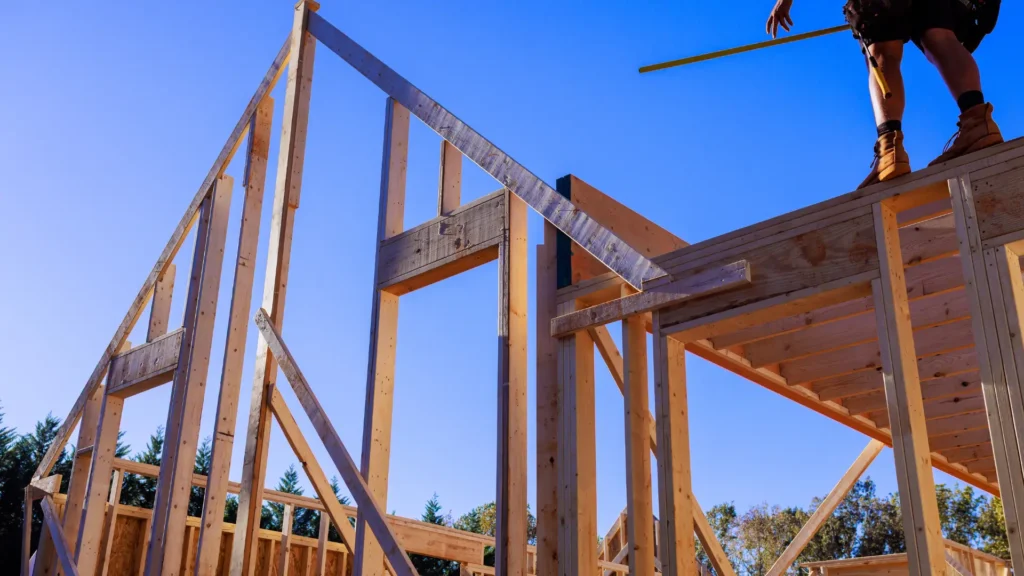
FAQs: About Best Home Builders In Invercargill
Conclusion
Choosing the best home builder in Invercargill requires more than simply comparing prices or selecting the first company you find online. A well-built home is a long-term investment, which is why it is important to look for builders who combine proven experience, high-quality workmanship, transparent communication, and strong local knowledge of Southland building conditions. Reputable builders should be willing to explain their process clearly, provide realistic timelines, discuss project costs openly, and show examples of completed work that reflects consistent standards. Taking the time to compare multiple home builders, read customer reviews, verify qualifications, and ask detailed questions can help you avoid unnecessary stress and costly mistakes during construction. Platforms like BuilderConnect can also simplify the search process by helping homeowners connect with trusted local professionals who match their goals, budget, and preferred home style. By focusing on quality, reliability, and long-term value instead of short-term savings alone, you will be in a much stronger position to choose a builder who can deliver a home that meets your expectations both now and in the future.
Find A Professional Builders Company Near You!
- Auckland Builders For Small Jobs
- Builders Alexandra
- Builders Ashburton
- Builders Auckland
- Builders Blenheim
- Builders Cambridge
- Builders Central Otago
- Builders Christchurch
- Builders Clyde
- Builders Cromwell
- Builders Dunedin
- Builders Feilding
- Builders Gisborne
- Builders Hamilton
- Builders Hastings
- Builders Havelock North
- Builders Hawkes Bay
- Builders Hibiscus Coast
- Builders Invercargill
- Builders Johnsonville
- Builders Kapiti
- Builders Kerikeri
- Builders Levin
- Builders Lower Hutt
- Builders Manawatu
- Builders Masterton
- Builders Mosgiel
- Builders Napier
- Builders Nelson
- Builders New Plymouth
- Builders Oamaru
- Builders Paihia
- Builders Palmerston North
- Builders Paraparaumu
- Builders Porirua
- Builders Pukekohe
- Builders Queenstown
- Builders Rangiora
- Builders Rolleston
- Builders Taupo
- Builders Tauranga
- Builders Te Awamutu
- Builders Timaru
- Builders Tokoroa
- Builders Upper Hutt
- Builders Waikanae
- Builders Wanaka
- Builders Warkworth
- Builders Wellington
- Builders West Auckland
- Builders Whakatane
- Builders Whanganui
- Builders Whangarei
- Handyman Wellington
- Home Builders Rotorua
- Kitchen Removal Service Auckland
- Wellington Builders For Small Jobs

About the Author:
Mike Veail is a recognized digital marketing expert with over 6 years of experience in helping tradespeople and small businesses thrive online. A former quantity surveyor, Mike combines deep industry knowledge with hands-on expertise in SEO and Google Ads. His marketing strategies are tailored to the specific needs of the trades sector, helping businesses increase visibility and generate more leads through proven, ethical methods.
Mike has successfully partnered with numerous companies, establishing a track record of delivering measurable results. His work has been featured across various platforms that showcase his expertise in lead generation and online marketing for the trades sector.
Learn more about Mike's experience and services at https://theleadguy.online or follow him on social media: