Welcome to your complete guide on what flowers to plant now in NZ, where timing, climate, and smart plant choices come together to help your garden thrive year-round. Whether you’re a beginner or an experienced gardener, knowing what to plant each season can make the difference between average results and a vibrant, flourishing space. In this guide, you’ll discover the best flowers suited to New Zealand’s unique conditions, practical planting tips, and seasonal insights to ensure strong growth, continuous colour, and a garden that performs beautifully no matter the time of year.
The best flowers to plant now in NZ depend on the season and region, but popular choices include marigolds, petunias, and cosmos in spring and summer, and pansies, violas, and calendula in cooler months. Always consider local climate conditions and frost risk when planting for best results.
- Understanding NZ Planting Seasons (Why Timing Matters)
- What Flowers To Plant Now In NZ (By Season)
- Best Flowers For Year-Round Colour In NZ Gardens
- How To Choose The Right Flowers For Your Garden
- Planting Tips For Success (Beginner-Friendly)
- Quick Monthly Flower Planting Guide (NZ Cheat Sheet)
- Where To Buy Quality Flower Seeds And Plants In NZ
- References
- FAQs: About What Flowers To Plant Now NZ
- Conclusion
- Find A Professional Landscaping Company Near You!
Understanding NZ Planting Seasons (Why Timing Matters)
Getting the timing right is one of the most important factors in growing healthy, long-lasting flowers in New Zealand. Unlike regions with predictable climates, NZ’s weather patterns can vary significantly depending on location, elevation, and seasonal shifts. Planting at the right time ensures stronger root development, better flowering performance, and fewer issues with pests or weather stress. When you align your planting decisions with the natural growing cycle, your garden becomes easier to manage and far more rewarding.
NZ Climate Zones Explained
New Zealand’s climate is diverse, and understanding your specific zone helps you choose flowers that will thrive rather than struggle. Even within short distances, conditions can change, which is why local knowledge is essential.
- Subtropical (Northland): This region experiences warmer temperatures and higher humidity throughout the year, making it ideal for heat-loving and fast-growing flowers. Plants here benefit from a longer growing season, but gardeners need to manage moisture levels carefully to prevent fungal issues.
- Temperate (Central Regions): Areas like Auckland, Waikato, and Wellington fall into this category, offering a balanced climate with moderate rainfall and seasonal variation. Most common garden flowers grow well here, but timing still matters to avoid late frosts in spring or dry spells in summer.
- Cooler or Alpine (South Island): Regions such as Canterbury, Otago, and inland areas experience colder winters and more frequent frost. Flower selection should focus on hardy varieties, and planting often starts later in spring to avoid cold damage. Growth may be slower, but plants tend to be more resilient.
- Frost and Rainfall Impact: Frost can damage young plants or delay growth, especially in early spring or late autumn. Rainfall affects soil moisture and drainage, which directly influences root health. Understanding local frost dates and rainfall patterns helps you plant at the safest and most productive time.
How To Know What To Plant “Now”
Knowing what to plant “now” is less about the exact date and more about reading your environment and seasonal cues. This approach leads to better results than relying solely on a fixed calendar.
- Seasonal vs Calendar-Based Planting: Instead of planting strictly by month, focus on seasonal conditions such as soil temperature, daylight hours, and weather stability. For example, early spring planting works best when the risk of frost has passed and the soil begins to warm.
- Microclimates and Local Conditions: Your garden may have its own unique environment influenced by shade, wind exposure, soil type, or proximity to the coast. These microclimates can allow you to plant earlier or require you to delay planting compared to nearby areas.
- Useful Tools and Resources:
- Garden Centers: Local nurseries provide region-specific advice and stock plants suited to current conditions
- NIWA Forecasts: Weather data and seasonal outlooks help you plan around temperature and rainfall trends
- Planting Calendars: NZ-specific guides offer a helpful starting point, but should always be adjusted based on real-time conditions
By combining seasonal awareness with local insights and reliable tools, you can make confident planting decisions that lead to healthier plants and more consistent blooms.
Planting with the season rather than against it simplifies the entire gardening process, helping you avoid common mistakes and get better results with less effort.
What Flowers To Plant Now In NZ (By Season)
Knowing what flowers to plant now in NZ comes down to understanding how each season affects growth, flowering, and long-term garden success. New Zealand’s temperate climate allows for year-round planting, but choosing season-appropriate flowers ensures stronger plants, better blooms, and less maintenance. Below is a practical, season-by-season breakdown to help you select the right flowers at the right time, whether you are planting this month or planning ahead.
Spring (September – November)
Spring is one of the best times to plant flowers in NZ, as warming soil and longer daylight hours create ideal conditions for fast-growing annuals and establishing perennials. This is when gardens transition from dormant winter states into active growth.
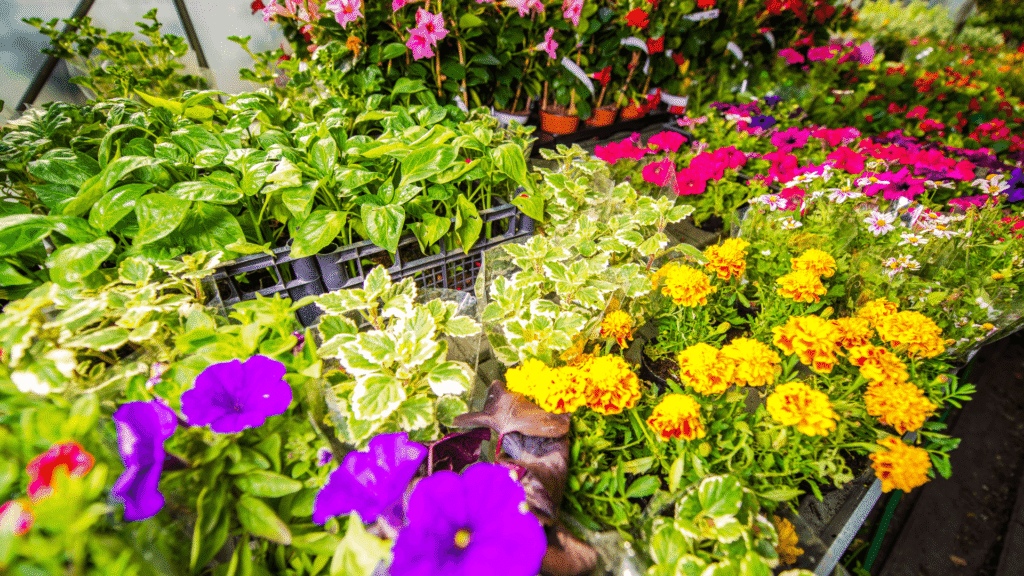
Marigolds, petunias, cosmos, zinnias, and sunflowers all perform exceptionally well in spring because they thrive in mild temperatures and respond quickly to increasing sunlight. These flowers are known for their quick germination and vibrant blooms, making them ideal for gardeners who want visible results within weeks.
These flowers work well in spring because they establish roots before summer heat arrives, allowing them to produce stronger stems and more consistent flowering. They are also relatively forgiving, which makes them suitable for beginner-friendly planting.
- Soil preparation: Ensure soil is well-draining and enriched with compost to support rapid early growth
- Plant spacing: Allow enough room between plants to promote airflow and reduce disease risk
- Frost awareness: In cooler regions, delay planting or use frost-protection methods during early spring
- Sun exposure: Choose full-sun areas for most spring annuals to maximize bloom production
Summer (December – February)
Summer in NZ brings higher temperatures and longer dry periods, so it is important to choose heat-tolerant flowers that can handle intense sun and occasional water stress. This season is all about maintaining colour while managing heat-related challenges.
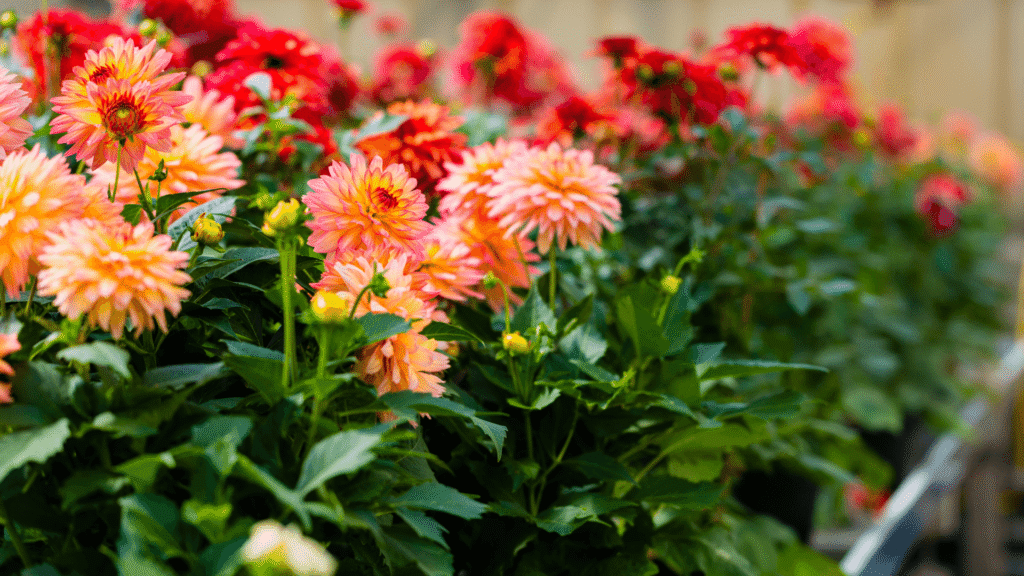
Dahlias, geraniums, alyssum, and coreopsis are excellent choices because they continue blooming even in warmer conditions. Dahlias, in particular, are a standout summer-flowering option, producing large, showy blooms that thrive in well-maintained garden beds.
These flowers perform well because they are adapted to handle strong sunlight and can continue flowering when properly watered and maintained. Many of them also respond well to regular deadheading, which encourages continuous blooming.
- Watering routine: Water deeply in the early morning or late evening to reduce evaporation and stress on plants
- Mulching: Apply mulch around plants to retain soil moisture and regulate temperature
- Deadheading: Remove spent flowers regularly to encourage ongoing blooms
- Shade management: Provide partial shade during extreme heat in hotter regions
Autumn (March – May)
Autumn is an often-overlooked planting season, but it offers excellent conditions for establishing flowers that will bloom in late winter and early spring. Cooler temperatures and increased soil moisture support strong root development.
Pansies, violas, calendula, and sweet peas are ideal for autumn planting. These flowers prefer cooler weather and can tolerate light frosts, making them reliable choices as temperatures begin to drop.
The main advantage of planting in autumn is that plants focus on root growth rather than rapid flowering. This results in healthier plants that are better prepared for early-season blooms once spring arrives.
- Root establishment: Plant early in autumn to give roots time to develop before winter sets in
- Soil enrichment: Add organic matter to improve soil structure and nutrient availability
- Positioning: Choose areas with good sunlight exposure during shorter days
- Moisture control: Monitor rainfall and avoid overwatering in already damp conditions
Winter (June – August)
Winter planting in NZ requires a focus on cold-hardy flowers that can withstand lower temperatures and occasional frost. While growth may slow, this season still offers opportunities to maintain colour and prepare for spring.
Primroses, polyanthus, cyclamen, and winter-flowering bulbs are excellent options. These plants are specifically suited to cooler conditions and can provide much-needed colour during otherwise dull months.
These flowers work in winter because they are adapted to low-light and cold-weather environments, allowing them to bloom when most other plants are dormant. Bulbs planted during winter will also set the stage for strong spring displays.
- Frost protection: Use frost cloths or plant in sheltered areas to reduce damage from cold snaps
- Drainage: Ensure soil does not become waterlogged, as excess moisture can damage roots
- Container planting: Use pots that can be moved to protected areas during extreme weather
- Sunlight access: Position plants where they can receive maximum available winter sunlight
Choosing what flowers to plant each season allows you to work with New Zealand’s natural climate rather than against it, leading to healthier plants and more consistent blooms throughout the year.
Best Flowers For Year-Round Colour In NZ Gardens
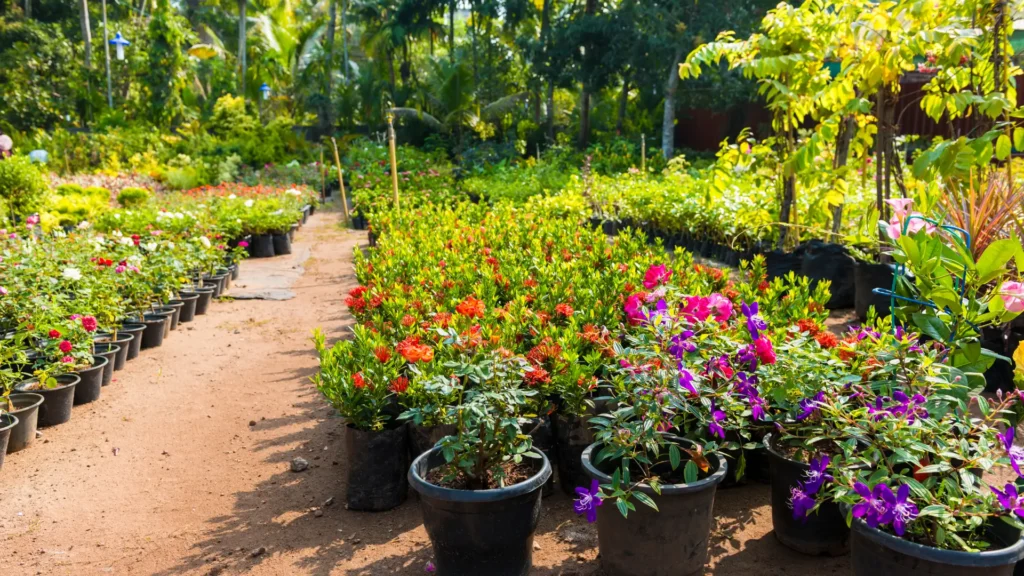
Creating a garden that stays colourful throughout the year in New Zealand is all about smart plant selection and understanding how different flowers perform across the seasons. By combining the right mix of plants, you can ensure there is always something blooming, even during colder months. The key is to balance reliability, seasonal variety, and ease of care so your garden remains vibrant without becoming high-maintenance.
Mix Of Annuals And Perennials
A well-planned garden should include both annuals and perennials to maintain continuous colour and structure. Each type plays a different role, and when used together, they create a more dynamic and resilient planting scheme.
- Annual flowers: These complete their life cycle in one season and provide quick, vibrant colour. They are ideal for filling gaps and refreshing your garden each year with new varieties.
- Perennial flowers: These return year after year, forming the backbone of your garden. They offer long-term value and reduce the need for constant replanting.
- Seasonal layering: Combining early, mid, and late-season bloomers ensures that as one plant fades, another takes its place.
- Flexibility in design: Annuals allow you to experiment with colour schemes, while perennials provide consistency and structure.
By blending both types, you create a balanced, year-round flowering garden that evolves naturally with the seasons.
Low-Maintenance Options
For many gardeners, especially those with busy schedules, choosing low-maintenance flowers is essential. The goal is to reduce time spent on upkeep while still enjoying consistent blooms.
- Drought-tolerant varieties: These require less watering once established, making them ideal for warmer NZ regions.
- Hardy plants: Flowers that can handle temperature fluctuations and occasional neglect tend to perform better long-term.
- Self-sustaining growth: Some plants reseed themselves or spread naturally, reducing the need for replanting.
- Minimal pruning needs: Choosing plants that do not require frequent trimming or deadheading saves time and effort.
Low-maintenance choices not only simplify gardening but also improve success rates, particularly for beginners.
Native Vs Exotic Flowers
Balancing native and exotic flowers can enhance both the resilience and visual appeal of your garden. Each group offers unique benefits, and combining them allows you to create a more adaptable and environmentally friendly space.
- Native plants: These are naturally suited to New Zealand conditions, making them easier to grow and more resistant to local pests and weather patterns. They also support native wildlife such as bees and birds.
- Exotic varieties: These often provide bold colours, diverse shapes, and extended flowering periods that may not be found in native species.
- Climate adaptability: Native plants typically require less water and care, while some exotics may need more attention depending on their origin.
- Garden diversity: Mixing both types creates a visually interesting garden while improving overall plant resilience.
Choosing the right balance depends on your goals, whether you prioritise sustainability, aesthetics, or ease of care.
Examples Of Reliable Year-Round Flowers
Some flowers consistently perform well across New Zealand gardens and are known for their reliability, adaptability, and long flowering periods.
- Lavender: A drought-tolerant, low-maintenance plant that thrives in well-drained soil and full sun. It provides long-lasting blooms and attracts pollinators.
- Hebe (native): A hardy New Zealand native that offers year-round structure with seasonal flowers. It is well-suited to local conditions and requires minimal care.
- Roses: A classic choice that, with proper care, can flower repeatedly throughout the growing season. They offer strong visual impact and a wide variety of colours.
- Hydrangeas: Known for their large, vibrant blooms, hydrangeas perform well in many NZ regions, especially in partial shade with consistent moisture.
These plants are widely trusted by experienced gardeners because they deliver reliable results and adapt well to varying conditions.
Creating a garden with year-round colour does not require constant effort, just thoughtful planning and the right plant choices. By combining reliable varieties with a balanced planting approach, you can enjoy a vibrant outdoor space that evolves naturally through every season.
How To Choose The Right Flowers For Your Garden
Choosing the right flowers for your garden in New Zealand is not just about what looks good in a catalog, it is about matching plants to your specific environment, space, and lifestyle. When you align your flower choices with sunlight, soil, garden type, and how much time you can realistically commit, you set yourself up for stronger growth, better blooms, and far less frustration over time.
Sunlight And Soil Conditions
Understanding how much sun your garden receives and the type of soil you are working with is one of the most important steps in selecting flowers that will actually thrive, not just survive.
Full Sun Vs Shade Plants
Different flowers have very specific light requirements, and planting them in the wrong spot is one of the most common mistakes gardeners make.
- Full-sun plants: These require at least six hours of direct sunlight each day and include flowers like marigolds, zinnias, and sunflowers. They tend to produce more vibrant blooms when they get consistent exposure.
- Partial-shade plants: These prefer a mix of sun and shade, making them ideal for gardens with filtered light or morning sun and afternoon shade. Examples include begonias and impatiens.
- Full-shade plants: These grow well in low-light areas such as under trees or beside buildings. Flowers like primroses and some varieties of cyclamen are good choices for these conditions.
A practical approach is to observe your garden throughout the day and note where sunlight falls, as this will help you place each plant in the most suitable location.
Soil Types In NZ (Clay, Sandy, Loamy)
New Zealand gardens can vary widely in soil composition, and each type affects drainage, nutrient retention, and root development.
- Clay soil: Heavy and slow-draining, but rich in nutrients. It suits moisture-loving plants but often needs compost or gypsum added to improve drainage and structure.
- Sandy soil: Light and fast-draining, which prevents waterlogging but can dry out quickly. Adding organic matter helps retain moisture and nutrients for better plant health.
- Loamy soil: The ideal balance of sand, silt, and clay. It drains well while holding enough moisture and nutrients, making it suitable for most flowers with minimal adjustment.
Testing your soil and improving it with compost or organic material can significantly increase your success rate, regardless of the starting condition.
Garden Type
The type of garden you have will influence not only what you can plant but also how your flowers will grow and perform over time.
Pots Vs Garden Beds
Each option has its own advantages, and choosing the right one depends on your space and how much control you want over growing conditions.
- Pots and containers: Ideal for small spaces, balconies, or renters. They allow you to control soil quality and move plants to follow sunlight or protect them from harsh weather.
- Garden beds: Better suited for larger spaces and long-term planting. They support deeper root systems and often require less frequent watering once plants are established.
Many gardeners use a combination of both to maximize flexibility and visual appeal.
Small Urban Gardens Vs Large Spaces
Your available space will shape both plant selection and layout decisions.
- Small urban gardens: Focus on compact, multi-purpose flowers that provide colour without overcrowding. Vertical gardening, hanging baskets, and layered planting can help make the most of limited space.
- Large gardens: Offer more freedom to experiment with flower groupings, seasonal rotation, and larger varieties like dahlias or roses. You can also design zones for different light and soil conditions.
Planning your layout before planting helps avoid overcrowding and ensures each plant has room to grow properly.
Maintenance Level
Being realistic about how much time and effort you can dedicate to your garden is essential for long-term success. Choosing flowers that match your maintenance level prevents burnout and keeps your garden looking healthy.
Low-Maintenance Vs High-Care Flowers
Some flowers require very little attention, while others need regular care to perform well.
- Low-maintenance flowers: Options like lavender, cosmos, and marigolds are hardy and forgiving. They typically require minimal watering, feeding, and pruning, making them ideal for busy gardeners.
- High-care flowers: Plants such as roses or dahlias often need more attention, including regular feeding, pruning, staking, and pest management.
Matching plant care needs to your lifestyle ensures your garden remains enjoyable rather than overwhelming.
Time Commitment Considerations
Think about how often you can realistically tend to your garden and choose accordingly.
- Weekly care: If you can only spend a small amount of time each week, focus on resilient, drought-tolerant varieties that can handle some neglect.
- Regular involvement: If you enjoy gardening and can check plants frequently, you can successfully grow more delicate or high-maintenance species.
- Seasonal effort: Some gardeners prefer to invest more time during planting seasons and less during maintenance periods, which works well with hardy perennials and self-sustaining plants.
A well-planned, low-effort garden often delivers better long-term results than an overly ambitious setup that is difficult to maintain.
Choosing the right flowers is less about following trends and more about understanding your environment and working with it, which ultimately leads to a garden that is both easier to manage and far more rewarding.
Planting Tips For Success (Beginner-Friendly)
Getting consistent results in your garden comes down to a few simple but often overlooked fundamentals. Many beginner gardeners struggle not because they choose the wrong flowers, but because they miss key steps in preparation, planting, and care. By focusing on soil quality, proper planting techniques, and ongoing maintenance, you can dramatically improve plant health, flowering performance, and overall garden success in New Zealand conditions.
Soil Preparation
Healthy soil is the foundation of a thriving garden, and this is where experienced gardeners spend most of their effort. Flowers rely on well-balanced soil to access nutrients, retain moisture, and develop strong root systems. In many parts of New Zealand, soil can vary from heavy clay to sandy or free-draining types, so improving it before planting is essential.
- Compost enrichment: Adding organic compost improves soil structure, boosts nutrient levels, and encourages beneficial microbes that support plant growth
- Drainage improvement: Flowers do not tolerate waterlogged roots, so mix in coarse sand or organic matter if your soil holds too much water
- Nutrient balance: Use a general-purpose fertilizer or well-rotted manure to provide essential nutrients like nitrogen, phosphorus, and potassium
- Soil testing awareness: Understanding your soil type helps you choose the right flowers and avoid poor performance due to unsuitable conditions
Taking time to prepare your soil properly gives your plants a strong start and reduces problems later in the growing season.
When And How To Plant
Timing and technique play a major role in how well your flowers establish and grow. Planting too early, too late, or incorrectly can limit growth or even cause plants to fail.
- Seeds vs seedlings: Seeds are cost-effective and offer more variety, but seedlings provide a faster, more reliable start, especially for beginners
- Correct planting depth: Seeds planted too deep may not germinate, while shallow planting can cause drying out, so always follow packet or label guidelines
- Proper spacing: Crowded plants compete for light, water, and nutrients, which reduces airflow and increases disease risk
- Seasonal timing: Plant according to local seasonal conditions rather than fixed calendar dates, especially in regions with varying frost patterns
A careful planting approach ensures your flowers establish quickly and grow evenly, which leads to better flowering results.
Watering And Feeding
Watering and feeding are where many gardeners either overdo it or neglect their plants. The key is consistency and adapting to seasonal changes rather than following a rigid routine.
- Seasonal watering needs: Plants need more water during warm, dry months and less during cooler periods, so adjust based on weather conditions
- Deep watering approach: Water deeply but less frequently to encourage roots to grow downward, creating stronger, more drought-resistant plants
- Avoiding surface watering: Light, frequent watering leads to shallow roots and weaker plants over time
- Balanced feeding: Use a flower-specific fertilizer during the growing season to promote strong blooms without excessive leafy growth
- Timing of feeding: Apply fertilizer during active growth periods, typically in spring and summer, when plants can effectively use the nutrients
Understanding how your plants respond to water and nutrients helps you avoid stress and keeps them performing at their best.
Common Mistakes To Avoid
Even with good intentions, small mistakes can limit your results. Recognizing these early can save time, effort, and disappointment.
- Overwatering issues: Too much water suffocates roots and encourages fungal diseases, especially in poorly-drained soil
- Wrong planting time: Planting outside the ideal seasonal window can expose flowers to heat stress or frost damage
- Ignoring frost risk: Many regions in New Zealand experience sudden cold snaps, so protecting young plants is essential
- Skipping soil preparation: Planting directly into poor soil leads to weak growth and reduced flowering
- Overcrowding plants: Limited airflow increases the risk of pests and disease while reducing overall plant health
Avoiding these common pitfalls allows your garden to develop more naturally and reduces the need for constant correction.
With the right preparation, timing, and care, growing flowers becomes far more predictable and rewarding, giving you a garden that looks healthy and vibrant throughout the seasons.
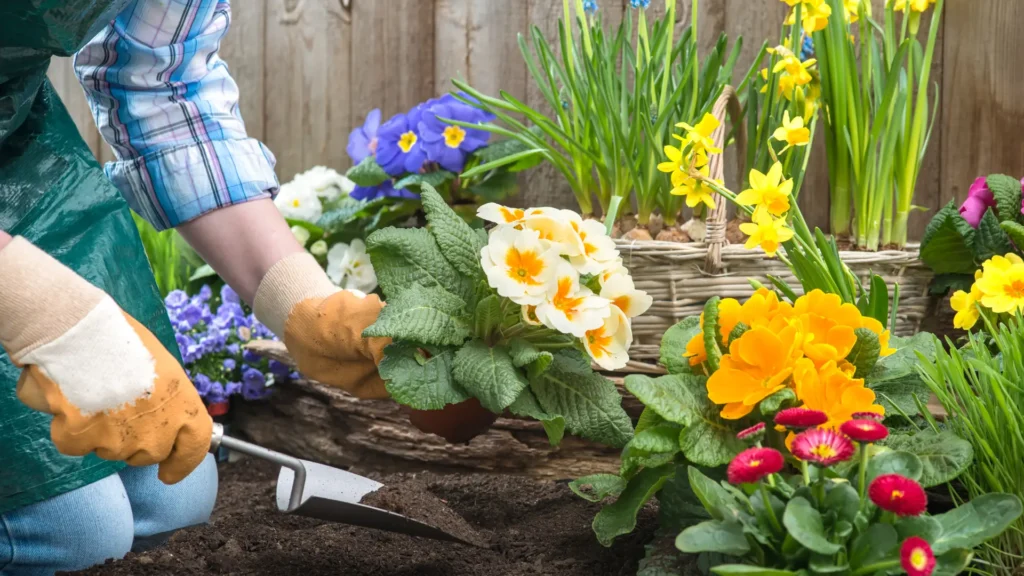
Quick Monthly Flower Planting Guide (NZ Cheat Sheet)
Knowing what flowers to plant each month in New Zealand helps you stay ahead of seasonal changes and maintain a healthy, colourful garden year-round. This quick-reference guide is designed to be practical and easy to follow, giving you a clear snapshot of what works best based on typical NZ conditions. Keep in mind that local climate variations, frost risk, and soil conditions may slightly shift planting times, so always adjust based on your region.
Month-By-Month Flower Planting Guide
- January: Zinnias, marigolds, cosmos, sunflowers
These heat-tolerant flowers thrive in warm conditions and provide vibrant colour through peak summer. Regular watering and deadheading will keep blooms coming. - February: Petunias, alyssum, coreopsis, celosia
Late-summer planting focuses on maintaining colour and filling gaps in the garden. Choose fast-growing varieties that can handle lingering heat. - March: Pansies, violas, calendula, snapdragons
As temperatures begin to cool, these flowers establish quickly and prepare for strong autumn and early spring displays. - April: Sweet peas, pansies, dianthus, lobelia
This is an ideal time for cool-season flowers that benefit from mild soil temperatures and increased moisture. - May: Polyanthus, primroses, cyclamen
These cold-tolerant flowers are well-suited for late autumn planting and will continue performing through winter with minimal care. - June: Primroses, winter-flowering pansies, bulbs
Focus on hardy varieties that can withstand frost. Bulbs planted now will reward you with early spring blooms. - July: Polyanthus, cyclamen, daffodil bulbs, tulip bulbs
Mid-winter planting is all about preparation. Bulbs establish roots now, setting up strong flowering later. - August: Sweet peas, poppies, alyssum
As winter eases, early sowing of hardy annuals gives them a head start before spring growth accelerates. - September: Marigolds, petunias, cosmos, zinnias
Spring planting begins in full, with warmer soil encouraging fast germination and strong early growth. - October: Sunflowers, dahlias, nasturtiums, geraniums
Ideal for planting bold, fast-growing flowers that will thrive into summer with proper care. - November: Impatiens, begonias, salvia, verbena
Late-spring planting focuses on building a full, colourful garden heading into summer. - December: Cosmos, zinnias, sunflowers, celosia
Early-summer planting supports continuous blooming and replaces any fading spring flowers.
How To Use This Cheat Sheet Effectively
This guide works best when used as a flexible planning tool rather than a strict calendar. Gardening success in New Zealand often depends on adapting to your specific environment.
- Regional adjustment: If you are in a warmer northern area, you can plant slightly earlier, while cooler southern regions may require a delay
- Frost awareness: Always check local frost dates before planting sensitive varieties
- Soil readiness: Make sure soil is well-prepared and not overly wet or compacted before planting
- Succession planting: Replant every few weeks during peak seasons to maintain continuous blooms
- Observation-based decisions: Pay attention to weather patterns rather than relying only on dates
By following this month-by-month approach, you can avoid common timing mistakes and keep your garden looking vibrant throughout the year.
A simple, well-timed planting routine can transform your garden into a consistent source of colour and enjoyment, making each season feel purposeful and rewarding.
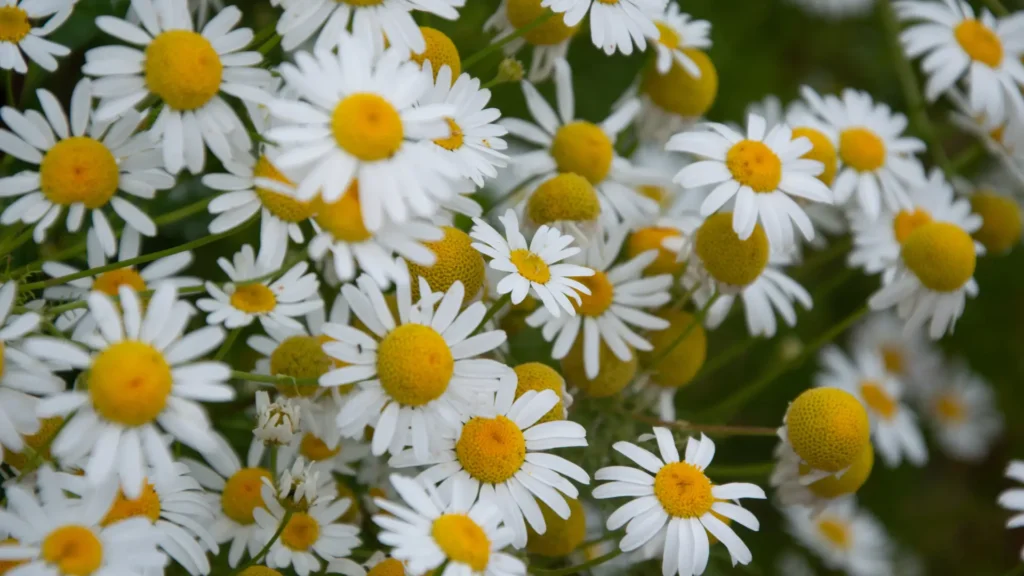
Where To Buy Quality Flower Seeds And Plants In NZ
Choosing where to buy your flowers is just as important as knowing what to plant. The quality of seeds and plants directly affects how well your garden grows, how resilient it is to local conditions, and how much effort you’ll need to maintain it. In New Zealand, gardeners have access to both local nurseries and online stores, each offering unique advantages depending on your needs, experience level, and location.
Local Nurseries Vs Online Stores
Both local nurseries and online suppliers can provide excellent planting options, but the right choice often depends on how hands-on you want to be and how specific your requirements are.
- Local Nurseries: These are often the best starting point for most gardeners because they stock plants suited to your specific region. Staff typically have hands-on experience with local soil, weather patterns, and seasonal timing, which means the advice you receive is practical and relevant. You can also inspect plants in person, reducing the risk of buying unhealthy stock.
- Online Stores: Online retailers offer convenience and a wider variety of seeds and specialty plants that may not be available locally. This is especially useful if you’re looking for rare varieties or planning ahead for a specific planting season. However, quality can vary, so it’s important to choose reputable suppliers with strong reviews and clear product descriptions.
- Best Approach: A balanced approach often works best. Use local nurseries for seasonal plants and region-specific advice, and supplement with online purchases when you need specific varieties or bulk seed options.
Why Buying Locally Improves Success Rates
Buying from local suppliers gives your garden a strong advantage because the plants are already adapted to your environment. This reduces stress during transplanting and improves overall survival rates.
- Climate Adaptation: Locally grown plants are already conditioned to your region’s temperature, humidity, and daylight patterns, making them more resilient once planted.
- Seasonal Accuracy: Local nurseries stock plants that are ready to go into the ground at the right time, which helps you avoid planting too early or too late.
- Reduced Plant Shock: Plants that haven’t been transported long distances are less likely to suffer from transplant shock, which can slow growth or cause early failure.
- Support And Guidance: Access to knowledgeable staff means you can ask specific questions about your garden conditions and get advice tailored to your situation.
What To Look For In Healthy Plants
Selecting healthy plants is one of the simplest ways to improve your gardening results. Even the best planting techniques won’t compensate for poor-quality stock.
- Strong Growth: Look for plants with firm stems and vibrant, evenly colored leaves. Avoid anything that appears wilted, leggy, or pale, as this can indicate poor care or nutrient deficiencies.
- Healthy Roots: If possible, check the root system. Healthy roots should be white or light-colored and well-developed, not tightly bound or circling excessively within the pot.
- Pest-Free Leaves: Inspect both sides of the leaves for signs of pests, holes, or sticky residue. Small issues can quickly spread and affect your entire garden.
- Moist But Not Waterlogged Soil: The soil should feel slightly moist but not soggy. Overwatered plants often struggle to establish once replanted.
- Compact Shape: Choose plants that are bushy and well-shaped rather than tall and stretched. Compact growth usually indicates better overall health and stronger future development.
Taking the time to choose high-quality seeds and plants from reliable sources will set the foundation for a healthier, more productive garden. When your starting materials are strong and suited to your environment, everything else becomes easier to manage and more rewarding in the long run.
A little extra attention at the buying stage can make a noticeable difference, helping you grow with more confidence and enjoy better results from every planting season.
References
- Tui Flower Growing Guide (Planting, Care, and Tips)
https://tuigarden.co.nz/how-to-guide/flower-growing-guide/ (Tui Garden) - Essential Seasonal Flower Planting Guide NZ (Timing & Tips)
https://www.mygarden.co.nz/essential-seasonal-flower-planting-guide-tips-timing/ (mygarden.co.nz) - Year-Round Planting Calendar for New Zealand Gardens
https://www.plan-t.nz/journal/year-round-planting-calendar-for-new-zealand-gardens (PLAN.T) - How To Grow Flowers Guide (Daltons NZ)
https://www.daltons.co.nz/gardening-guides/how-to-grow-flowers-guide (Daltons) - Best Native Plants and Flowers for New Zealand Gardens
https://www.yourhomeandgarden.co.nz/inspiration/outdoors/native-plants-flowers-nz/ (yourhomeandgarden.co.nz)
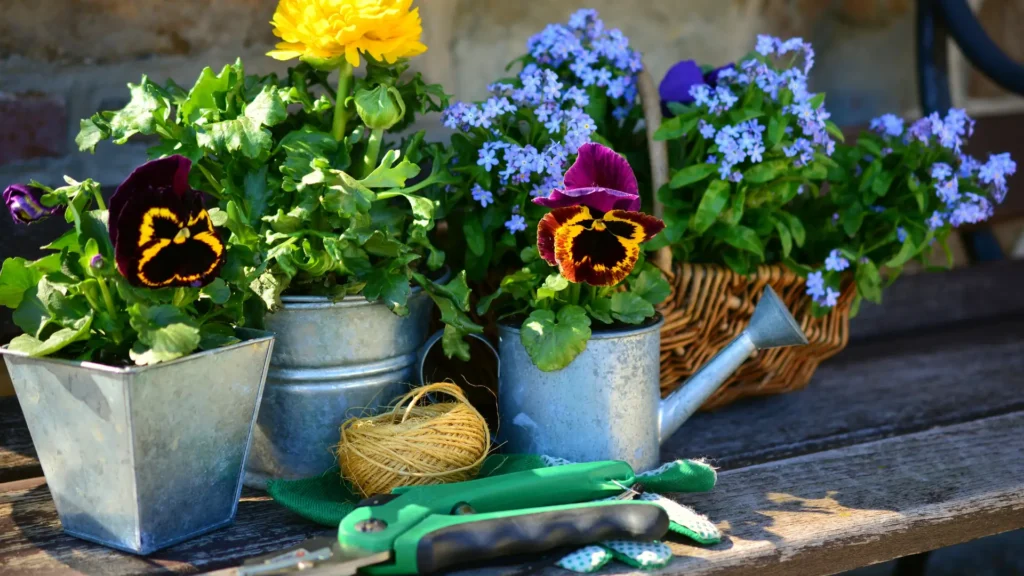
FAQs: About What Flowers To Plant Now NZ
Conclusion
Creating a vibrant, year-round garden in New Zealand comes down to working with the seasons rather than against them, choosing the right flowers at the right time, and making small, consistent planting decisions that build long-term success. Instead of trying to force growth outside natural conditions, focus on selecting season-appropriate plants that suit your local climate, soil, and sunlight levels, which leads to stronger blooms and less maintenance over time. By planting regularly, even in small amounts, you create a steady cycle of colour and renewal that keeps your garden looking alive in every season. Gardening does not need to be complicated or overwhelming, and when you keep things simple, stay consistent, and enjoy the process, you will naturally develop a garden that not only thrives but also becomes a rewarding and relaxing part of your everyday life.
Find A Professional Landscaping Company Near You!
- Landscaping Auckland
- Landscaping Hawkes Bay
- Landscaping Kapiti
- Landscaping Levin
- Landscaping Porirua
- Landscaping Upper Hutt
- Landscaping Wellington

About the Author:
Mike Veail is a recognized digital marketing expert with over 6 years of experience in helping tradespeople and small businesses thrive online. A former quantity surveyor, Mike combines deep industry knowledge with hands-on expertise in SEO and Google Ads. His marketing strategies are tailored to the specific needs of the trades sector, helping businesses increase visibility and generate more leads through proven, ethical methods.
Mike has successfully partnered with numerous companies, establishing a track record of delivering measurable results. His work has been featured across various platforms that showcase his expertise in lead generation and online marketing for the trades sector.
Learn more about Mike's experience and services at https://theleadguy.online or follow him on social media: