Welcome to your complete guide on how to buy a prefab home, where you’ll learn exactly what to expect, how the process works, and how to make smart decisions from start to finish. Prefab homes are becoming a popular alternative to traditional housing because they offer faster construction, cost efficiency, and flexible design options, but buying one involves unique steps such as choosing the right builder, securing land, understanding financing, and planning installation. In this guide, you’ll gain a clear, practical understanding of each stage so you can confidently navigate the process, avoid costly mistakes, and determine whether a prefab home is the right investment for your needs.
To buy a prefab home, first set your budget and secure financing, then choose a home type and reputable builder. Next, purchase land, check zoning laws, and customize your design. Finally, prepare the site, arrange delivery, and complete installation with inspections and approvals.
- What Is A Prefab Home? (And How It Works)
- Step-by-Step: How To Buy A Prefab Home
- Step 1 – Define Your Budget and Financing Options
- Step 2 – Choose the Right Type of Prefab Home
- Step 3 – Find and Evaluate Prefab Home Builders
- Step 4 – Secure Land and Check Zoning Regulations
- Step 5 – Customize Your Home Design
- Step 6 – Prepare the Site and Foundation
- Step 7 – Delivery, Installation, and Final Setup
- How Much Does It Cost To Buy A Prefab Home?
- Common Mistakes To Avoid When Buying A Prefab Home
- Is Buying A Prefab Home Right For You?
- Tips For A Smooth Prefab Home Buying Process
- References
- FAQs: About How To Buy Prefab Home
- Conclusion
- Find A Professional Tiny Homes Company Near You!
What Is A Prefab Home? (And How It Works)
A prefab home, short for prefabricated home, is a house that is built in sections within a factory-controlled environment and then transported to a final building site for assembly. This approach allows for more efficient construction, consistent quality, and reduced build time compared to traditional site-built homes. While the concept may seem modern, prefab construction has evolved significantly and now offers a wide range of styles, materials, and customization options that meet current building standards and homeowner expectations.
Types Of Prefab Homes
Prefab homes are not a one-size-fits-all solution. There are several types, each with distinct construction methods, cost structures, and use cases. Understanding these differences helps buyers choose the right option for their needs.
- Modular homes: These are built in large sections called modules inside a factory and then transported to the site where they are assembled on a permanent foundation. Modular homes follow the same local building codes as traditional homes and often look indistinguishable from site-built houses once completed.
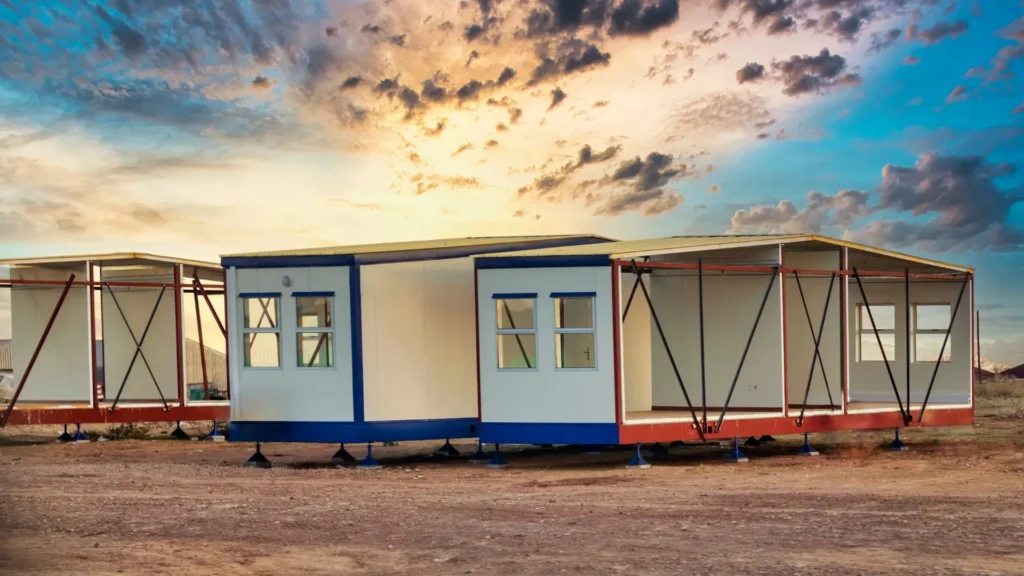
- Manufactured (mobile) homes: Built entirely in a factory and delivered as a complete unit or in sections, manufactured homes are typically placed on a chassis and may be installed on either temporary or permanent foundations. They are governed by specific federal building standards rather than local residential codes.
- Panelized homes: These homes are constructed in panels, such as walls, floors, and roof sections, which are then shipped to the site and assembled. This method allows for more flexibility in design while still benefiting from factory precision.
- Kit homes: Also known as pre-cut homes, these come as a package of materials and components that are delivered to the site for assembly. Some buyers choose to build them independently or with a contractor, making them a cost-effective option for those comfortable managing part of the construction process.
How Prefab Construction Differs From Traditional Homes
Prefab construction changes how and where a home is built, which directly impacts cost, quality, and efficiency. While the end result can look similar to a traditional home, the process behind it is quite different.
- Factory-built vs. on-site construction: Prefab homes are constructed indoors in a controlled environment, which minimizes weather delays and material waste. Traditional homes are built entirely on-site, making them more vulnerable to environmental factors and inconsistent timelines.
- Assembly process: Once prefab components are completed, they are transported to the building site and assembled by a specialized crew. This process is typically faster and more streamlined than traditional construction, which involves multiple stages completed sequentially on-site.
- Timeline differences: Prefab homes generally have shorter build times because factory production can happen simultaneously with site preparation. In contrast, traditional homes follow a linear timeline, where each phase depends on the completion of the previous one, often extending the overall construction period.
Pros And Cons Of Prefab Homes
Prefab homes offer several advantages, but they also come with considerations that buyers need to understand before making a decision.
- Affordability: Prefab homes are often more cost-efficient due to bulk material purchasing, reduced labor time, and minimal waste during factory construction.
- Faster build: Because construction and site preparation can occur at the same time, prefab homes are typically completed faster than traditional homes, which is ideal for buyers with time-sensitive plans.
- Energy efficiency: Factory-built components are usually tightly constructed, which can improve insulation and reduce energy consumption over time.
- Customization: Many prefab builders offer flexible floor plans and design options, allowing buyers to tailor the home to their preferences while staying within budget.
- Land requirements: Buyers usually need to secure suitable land before installation, which can add complexity and cost to the process.
- Financing complexity: Financing prefab homes can be more complicated depending on the type of home and lender requirements, especially during the construction phase.
- Zoning limitations: Local zoning laws and building regulations may restrict where prefab homes can be placed, making it important to verify compliance before purchasing.
Prefab homes provide a practical and efficient path to homeownership, but understanding how they are built and what they require helps you make informed decisions and avoid unexpected challenges along the way.
Step-by-Step: How To Buy A Prefab Home
Buying a prefab home involves more than choosing a design and placing an order. It is a multi-step process that includes budgeting, land preparation, builder selection, and final installation. Understanding each stage helps you avoid costly mistakes and ensures a smoother, more predictable experience from planning to move-in.
Step 1 – Define Your Budget and Financing Options
Before exploring designs or builders, you need a clear understanding of your total budget. Unlike traditional home purchases, prefab homes involve several additional cost components that are often overlooked by first-time buyers.
A complete cost breakdown should include the base price of the home, land purchase, site preparation, delivery fees, foundation work, permits, and installation. These combined costs can significantly affect your overall investment, so it is important to plan realistically from the start.
- Home cost: The base price depends on size, design, and level of customization
- Land purchase: Costs vary widely based on location and accessibility
- Site preparation: Includes clearing, grading, and utility setup
- Delivery and installation: Transportation and assembly fees
- Permits and inspections: Local government requirements that add to the budget
When it comes to financing, prefab homes offer several options depending on your financial situation and the type of home you choose.
- Construction loans: Short-term loans that cover building costs and convert into a mortgage after completion
- Personal loans: Suitable for smaller prefab units or partial financing needs
- Manufacturer financing: Some prefab companies offer in-house financing programs
Getting pre-approved for financing is a critical step. It not only defines your purchasing power but also signals to builders that you are a serious buyer, which can streamline the process.
Step 2 – Choose the Right Type of Prefab Home
Selecting the right prefab home type is about aligning your budget, lifestyle, and long-term plans with the available options. Each type of prefab construction offers different benefits and limitations.
Your decision should consider how you plan to use the home, whether as a primary residence, vacation property, or rental investment. Long-term functionality matters just as much as upfront cost.
Climate and location also play a major role. A design that works well in a tropical environment may differ significantly from one built for colder or high-wind areas. Materials, insulation, and structural design should match your local conditions.
- Lifestyle fit: Choose a home that supports your daily needs and future plans
- Budget alignment: Avoid selecting designs that require costly upgrades later
- Location suitability: Ensure the structure is appropriate for local weather and terrain
Taking time to evaluate these factors helps prevent costly adjustments after purchase.
Step 3 – Find and Evaluate Prefab Home Builders
The builder you choose will have a direct impact on the quality, timeline, and overall success of your prefab home project. Not all manufacturers offer the same level of expertise, so careful research is essential.
Start by identifying reputable prefab home builders with a proven track record. Look for companies that specialize in the type of prefab home you want and have experience working in your region.
- Certifications: Verify that the builder meets industry standards and regulatory requirements
- Experience: Look for companies with a history of completed projects similar to yours
- Reviews and past projects: Check customer feedback and request examples of previous work
It is also important to ask the right questions before making a decision.
- Pricing details: Understand what is included and what may incur additional costs
- Timeline expectations: Ask for realistic delivery and installation schedules
- Customization options: Clarify what design changes are possible and how they affect cost
Choosing a builder based on transparency and experience helps reduce risk and ensures a smoother construction process.
Step 4 – Secure Land and Check Zoning Regulations
In most cases, buying a prefab home requires securing land before installation. The land must be suitable for construction and compliant with local regulations.
Zoning laws and building codes vary by location and determine whether prefab homes are allowed in a specific area. Some regions have restrictions on certain types of prefab housing, so it is important to verify compliance early.
- Zoning requirements: Confirm that your chosen home type is permitted on the property
- Building codes: Ensure the home meets local safety and construction standards
- Permits: Obtain all necessary approvals before starting site work
Utility access is another key factor. The land should have or be capable of supporting essential services.
- Water access: Connection to municipal supply or well installation
- Electricity: Reliable power source for daily use
- Sewage system: Septic tank or connection to local sewage infrastructure
Addressing these requirements upfront prevents delays and unexpected costs during installation.
Step 5 – Customize Your Home Design
One of the main advantages of prefab homes is the ability to customize layouts and features. However, customization should be approached strategically to avoid exceeding your budget.
Start with a base floor plan that fits your needs, then evaluate which upgrades are worth the additional cost. Focus on features that improve functionality and long-term value.
- Layout choices: Open spaces, number of rooms, and flow of the home
- Upgrades and add-ons: Enhanced finishes, energy-efficient systems, or smart-home features
- Budget control: Prioritize essential upgrades and avoid unnecessary extras
Common features buyers prioritize include energy efficiency, storage space, and durable materials that reduce maintenance costs over time.
Balancing personalization with cost efficiency ensures you get a home that meets your needs without financial strain.
Step 6 – Prepare the Site and Foundation
Site preparation is a critical step that directly affects the stability and longevity of your prefab home. This phase involves making the land ready for installation.
The process typically includes clearing vegetation, leveling the ground, and preparing access for delivery equipment. Proper preparation ensures a safe and efficient setup.
- Clearing and leveling: Removing obstacles and creating a stable surface
- Access preparation: Ensuring trucks and equipment can reach the site
Choosing the right foundation is equally important. The type of foundation depends on your location, soil condition, and home design.
- Slab foundation: Cost-effective and suitable for flat terrain
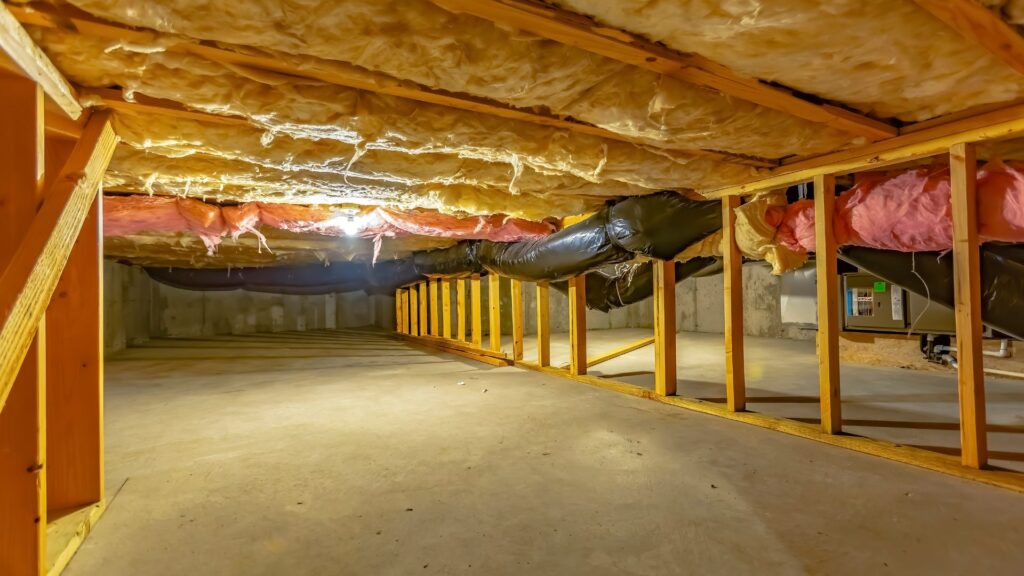
- Crawlspace foundation: Provides access to utilities and better ventilation
- Basement foundation: Offers additional living or storage space
Be aware of hidden costs that may arise during this stage, such as soil testing, drainage systems, or unexpected grading work. Planning for these expenses helps avoid budget overruns.
Step 7 – Delivery, Installation, and Final Setup
The final stage of buying a prefab home involves delivery, assembly, and inspection. This is where your home transitions from factory-built components to a fully livable structure.
During delivery, sections of the home are transported to your site and positioned using specialized equipment. The assembly process is typically faster than traditional construction but still requires careful coordination.
- Delivery process: Transporting modules or panels to the site
- Assembly timeline: Usually completed within days or weeks depending on complexity
After installation, the home must pass inspections to ensure it meets local safety and building standards. These approvals are necessary before you can move in.
- Inspections: Structural, electrical, and plumbing checks
- Final approvals: Certification that the home is ready for occupancy
The final walkthrough allows you to review the completed home, identify any issues, and confirm that all agreed features are in place. This step ensures everything meets your expectations before you officially take ownership.
Buying a prefab home is a structured process that rewards careful planning and informed decisions, and by understanding each step, you can move forward with confidence and avoid the common pitfalls that catch many first-time buyers off guard.
How Much Does It Cost To Buy A Prefab Home?
Understanding the total cost of a prefab home requires looking beyond the base price and considering every stage of the process. While prefab homes are often marketed as a more affordable alternative to traditional housing, the final cost depends on factors such as size, customization, location, and site conditions. A well-informed buyer approaches this with a full-project mindset rather than focusing only on the upfront price.
Average Cost Ranges
Prefab home pricing can vary widely depending on the type of structure, materials used, and level of customization. Having a realistic expectation of cost ranges helps you plan more effectively and avoid surprises later in the process.
Per Square Foot Estimates
Most prefab homes are priced per square foot, which provides a useful baseline for budgeting.
- Basic prefab homes: Typically range from $100 to $200 per square foot, offering standard finishes and minimal customization
- Mid-range prefab homes: Usually fall between $200 and $300 per square foot, with better materials and design flexibility
- High-end prefab homes: Can exceed $300 per square foot, especially with custom architecture and premium upgrades
These estimates usually reflect the factory-built portion of the home and do not include land or site-related expenses.
Entry-Level vs. High-End Prefab Homes
The gap between entry-level and high-end prefab homes comes down to design complexity, materials, and finishes.
- Entry-level homes: Focus on affordability, using pre-designed layouts and standard materials to keep costs low
- High-end homes: Include custom floor plans, energy-efficient features, luxury finishes, and architectural detailing
From experience, buyers often underestimate how quickly costs can increase once upgrades such as larger windows, premium flooring, or smart-home features are added.
Additional Costs To Expect
The base price of a prefab home is only one part of the total investment. Several additional costs can significantly impact your final budget, and planning for these early helps avoid delays and financial strain.
Land Purchase
If you do not already own land, this will likely be your largest additional expense.
- Location-based pricing: Land costs vary significantly depending on proximity to cities, accessibility, and demand
- Zoning compliance: The land must be zoned for residential use and allow prefab construction
- Site conditions: Sloped or undeveloped land may require additional preparation costs
Site Prep And Utilities
Before installation, the land must be prepared to support the home and connect to essential services.
- Site-clearing work: Removing trees, debris, or leveling uneven terrain
- Foundation setup: Costs vary depending on whether you choose a slab, crawlspace, or basement foundation
- Utility connections: Water, electricity, sewage, and internet access must be installed or extended to the property
These costs can vary widely depending on the condition of the land and local infrastructure availability.
Permits And Fees
Every prefab home project requires approval from local authorities.
- Building permits: Required for construction and installation
- Inspection fees: Cover safety and compliance checks throughout the process
- Impact fees: In some areas, local governments charge fees for new developments
Regulations differ by location, so working with a knowledgeable builder or contractor can help you navigate this step efficiently.
Transportation And Installation
Delivering and assembling the prefab home is a critical part of the process.
- Delivery costs: Depend on distance from the manufacturing facility to your site
- Crane and assembly work: Needed for placing modules or panels on the foundation
- Final setup: Includes securing the structure, sealing joints, and completing interior connections
Buyers often overlook these expenses, but they can represent a significant portion of the overall budget.
Cost Comparison Vs. Traditional Homes
Prefab homes are often chosen for their cost efficiency, but it is important to understand where they provide savings and where costs may still rise.
Where Prefab Saves Money
- Factory-controlled construction: Reduces material waste and improves efficiency
- Shorter build time: Minimizes labor costs and reduces exposure to delays
- Predictable pricing: Standardized designs help avoid unexpected cost increases
- Energy-efficient design: Many prefab homes include modern insulation and systems that lower long-term utility costs
These advantages make prefab homes appealing for buyers seeking a streamlined and cost-conscious building process.
Where Costs Can Add Up
- Customization choices: Design upgrades and layout changes can quickly increase costs
- Challenging land conditions: Difficult terrain or remote locations raise site-preparation expenses
- Utility installation: Extending utilities to undeveloped land can be costly
- Regulatory requirements: Permits, inspections, and local compliance fees vary and can add up
A common real-world scenario is when buyers focus on the lower base price but underestimate these additional factors, leading to a total cost closer to that of a traditional home.
A well-planned prefab home purchase balances affordability with realistic expectations, ensuring you account for both the visible and hidden costs before making a commitment.
Common Mistakes To Avoid When Buying A Prefab Home
Buying a prefab home can be a smart and efficient path to homeownership, but it comes with its own set of challenges that many first-time buyers overlook. Understanding the most common mistakes ahead of time can help you avoid costly delays, unexpected expenses, and long-term regrets. Below are the key pitfalls to watch for and how to approach each one with a more informed and practical mindset.
Underestimating Total Project Cost
One of the most common mistakes buyers make is focusing only on the base price of the prefab home while overlooking the full project cost. Unlike traditional home purchases, prefab homes involve multiple cost layers that add up quickly.
- Base home price vs. total investment: The advertised price often covers only the structure, not the complete setup.
- Land-related expenses: Costs may include land purchase, surveys, and legal fees.
- Site preparation costs: Clearing, grading, and utility connections can significantly increase your budget.
- Delivery and installation fees: Transportation and assembly are essential and often substantial costs.
Taking time to build a detailed, all-inclusive budget early in the process will help you avoid financial strain later.
Ignoring Zoning Restrictions
Zoning laws and local building codes can directly impact whether you can place a prefab home on a specific property. Many buyers assume they can install a prefab home anywhere, which is not always the case.
- Local zoning requirements: Some areas restrict certain types of prefab homes, especially manufactured units.
- Permit approvals: Building permits and inspections are required before installation.
- Neighborhood regulations: Homeowner associations may have additional rules regarding design and structure.
Before purchasing land or a home model, confirm all zoning and regulatory requirements with your local planning office.
Choosing The Wrong Builder
Selecting the right builder is one of the most important decisions in the prefab home process. An inexperienced or unreliable builder can lead to delays, poor-quality construction, and unexpected costs.
- Lack of experience: Builders without a proven track record may struggle with logistics or compliance.
- Limited transparency: Unclear pricing or vague timelines are warning signs.
- Poor communication: Difficulty getting answers early often leads to bigger issues later.
Take time to research multiple builders, review past projects, and ask detailed questions about their process before making a commitment.
Skipping Site Preparation Planning
Site preparation is a critical step that directly affects the installation and long-term stability of your prefab home. Skipping or underplanning this phase can result in costly corrections later.
- Foundation requirements: Different prefab homes require specific foundation types.
- Land condition challenges: Sloped or uneven land may require additional work.
- Utility access: Water, electricity, and sewage connections must be properly planned.
Working with experienced contractors and coordinating closely with your builder ensures the site is fully ready before delivery.
Over-Customizing Beyond Budget
Customization is one of the biggest advantages of prefab homes, but it can also become a financial risk if not managed carefully. Many buyers get carried away with upgrades that significantly increase the final cost.
- Upgrade accumulation: Small add-ons can quickly add up to a large expense.
- Extended timelines: Custom features may delay production and installation.
- Budget misalignment: Spending too much on customization can strain financing or reduce long-term value.
Focus on essential features that improve functionality and long-term comfort, and prioritize upgrades that offer real value rather than purely aesthetic appeal.
Buying a prefab home becomes much smoother when you approach it with realistic expectations, careful planning, and the right team, allowing you to avoid common pitfalls and move forward with confidence.
Is Buying A Prefab Home Right For You?
Deciding whether a prefab home is the right choice depends on your budget, location, and long-term goals. While prefab homes offer clear advantages such as faster build times and cost efficiency, they are not a one-size-fits-all solution. Understanding where they work best and where they may fall short can help you make a more informed and confident decision.
Best Scenarios for Prefab Buyers
Prefab homes are especially well-suited for certain types of buyers who value efficiency, flexibility, and affordability. In the right situation, they can provide a practical path to homeownership without the complexity of a traditional build.
- Budget-conscious buyers: Prefab homes are often more cost-effective than site-built homes because factory-controlled construction reduces material waste and labor costs. This makes them a strong option for buyers who want to maximize value without sacrificing quality.
- Rural or suburban landowners: If you already own land or plan to purchase land outside dense urban areas, prefab homes are easier to install and approve. Rural and suburban locations typically have fewer zoning restrictions, making the process more straightforward.
- First-time homeowners: Buyers entering the housing market for the first time often benefit from the simpler decision-making process that prefab homes offer. Pre-designed floor plans, predictable timelines, and clearer pricing structures can make the experience less overwhelming.
When Prefab May Not Be Ideal
While prefab homes can be a great solution in many cases, there are situations where they may not be the best fit. These challenges often relate to location constraints, site complexity, or highly specific design expectations.
- Urban zoning restrictions: Many cities have strict zoning laws, building codes, and space limitations that can make it difficult to install prefab homes. In some areas, manufactured or modular homes may not be permitted at all, or they may require extensive approvals.
- Complex land conditions: Land that requires significant preparation, such as steep slopes, poor soil quality, or limited access for delivery, can increase costs and complicate installation. In these cases, the cost advantages of prefab construction may be reduced.
- Highly customized luxury builds: While prefab homes offer customization options, they are typically based on standardized designs. Buyers looking for fully custom, high-end architectural homes with unique features may find traditional construction more suitable.
Choosing a prefab home ultimately comes down to aligning your expectations with what this type of construction does best, which is delivering efficient, well-designed housing with fewer surprises along the way.
Tips For A Smooth Prefab Home Buying Process
Buying a prefab home can be a streamlined and efficient experience when you approach it with the right expectations and preparation. While the process is often faster than traditional home construction, it still involves multiple moving parts such as financing, land preparation, coordination with builders, and regulatory approvals. Taking a proactive and informed approach helps you avoid common setbacks and ensures a smoother path from planning to move-in.
Start With A Clear Budget
A well-defined budget is the foundation of a successful prefab home purchase. Many buyers focus only on the base price of the home, but the total cost includes several additional components that can significantly impact your finances.
- Total project cost: Include land purchase, site preparation, permits, utility connections, delivery, and installation in your calculations
- Financial buffer: Set aside extra funds for unexpected expenses such as soil issues, permit delays, or design changes
- Financing readiness: Get pre-approved early so you understand your borrowing capacity and avoid delays during the buying process
Work With Experienced Professionals
Choosing the right professionals can make a major difference in both the quality of your home and the overall experience. Prefab construction has unique requirements, so working with experienced providers is essential.
- Qualified builder: Select a prefab home builder with a strong track record, proper certifications, and verifiable past projects
- Local experts: Work with contractors and engineers who understand local building codes, zoning laws, and site conditions
- Transparent communication: Choose professionals who clearly explain timelines, costs, and responsibilities from the beginning
Plan For Delays Or Extra Costs
Even though prefab homes are known for faster build times, delays can still occur due to factors outside your control. Planning ahead reduces stress and helps you stay on track.
- Permit processing: Local approvals and inspections may take longer than expected depending on your location
- Site conditions: Unexpected challenges such as uneven terrain or poor soil quality can increase preparation costs
- Supply chain factors: Delivery schedules and material availability may affect timelines, especially for customized builds
Get Everything In Writing
Clear documentation protects you throughout the buying process and minimizes misunderstandings. Verbal agreements are not enough when dealing with a multi-step construction project.
- Detailed contracts: Ensure all costs, timelines, specifications, and responsibilities are clearly outlined in writing
- Scope of work: Confirm what is included and what is not, especially for site work, utilities, and finishing details
- Change orders: Document any modifications to the original plan to avoid unexpected charges or disputes
Stay Involved Throughout The Process
Active involvement helps you catch issues early and ensures the final result aligns with your expectations. Even when working with a reliable builder, staying engaged is key.
- Regular updates: Maintain consistent communication with your builder to track progress and address concerns
- Site visits: Visit the site when possible to monitor preparation and installation stages
- Final checks: Conduct a thorough walkthrough before completion to confirm that everything meets agreed specifications
A smooth prefab home buying process comes down to preparation, communication, and informed decision-making. By setting a realistic budget, working with experienced professionals, and staying actively involved, you can navigate each stage with confidence and avoid unnecessary complications while moving closer to owning a well-built, cost-efficient home.
References
- How to Buy a Modular Home in 2025: Step-by-Step Guide
https://moduulize.com/how-to-buy-a-modular-home/ (Moduulize) - A Step-by-Step Guide to Buying a Prefab Home (2025)
https://www.pramoprefabricated.com/a-step-by-step-guide-to-buying-a-prefab-home/ (Pramo Prefabricated) - Cost of a Prefab Home (2025 Prices) – Full Breakdown
https://www.remodelingcalculator.org/prefab-home-prices/ (Remodel Calculator) - Steps to Buying a Modular Home: Comprehensive Guide
https://thegoodhome.org/steps-to-buying-a-modular-home/ (The Good Home) - Prefab Home Buying Guide: Costs, Pros, and Considerations
https://www.tri-townconstruction.com/buying-prefab-home/ (tri-townconstruction.com)
FAQs: About How To Buy Prefab Home
Conclusion
Buying a prefab home can be a practical and efficient path to homeownership, especially if you take the time to understand the process and plan each step carefully. From setting a realistic budget to selecting a reputable builder, every decision plays a role in the overall success of your project. A well-researched approach helps you avoid costly surprises and ensures your home meets both your lifestyle needs and long-term goals. As you move forward, focus on comparing trusted builders, evaluating total costs beyond just the base price, and exploring financing options that align with your situation. If you are considering a prefab home, start by creating a realistic budget and speaking with reputable builders to explore your options, so you can make informed decisions with confidence.
Find A Professional Tiny Homes Company Near You!
Tiny Homes Nelson
Call now: 03 661 7116 Main Menu ServicesReviewsBenefitsOur Work Call For Instant Quote 03 661…
Tiny Homes Queenstown
Call now: 03 661 7116 Main Menu ServicesReviewsBenefitsOur Work Call For Instant Quote 03 661…
Tiny Homes Wanaka
Call now: 03 661 7116 Main Menu ServicesReviewsBenefitsOur Work Call For Instant Quote 03 661…
Granny Flats Nelson
Call now: 03 661 7116 Main Menu ServicesReviewsBenefitsOur Work Call For Instant Quote 03 661…
Granny Flats Queenstown
Call now: 03 661 7116 Main Menu ServicesReviewsBenefitsOur Work Call For Instant Quote 03 661…
Granny Flats Wanaka
Call now: 03 661 7116 Main Menu ServicesReviewsBenefitsOur Work Call For Instant Quote 03 661…

About the Author:
Mike Veail is a recognized digital marketing expert with over 6 years of experience in helping tradespeople and small businesses thrive online. A former quantity surveyor, Mike combines deep industry knowledge with hands-on expertise in SEO and Google Ads. His marketing strategies are tailored to the specific needs of the trades sector, helping businesses increase visibility and generate more leads through proven, ethical methods.
Mike has successfully partnered with numerous companies, establishing a track record of delivering measurable results. His work has been featured across various platforms that showcase his expertise in lead generation and online marketing for the trades sector.
Learn more about Mike's experience and services at https://theleadguy.online or follow him on social media: