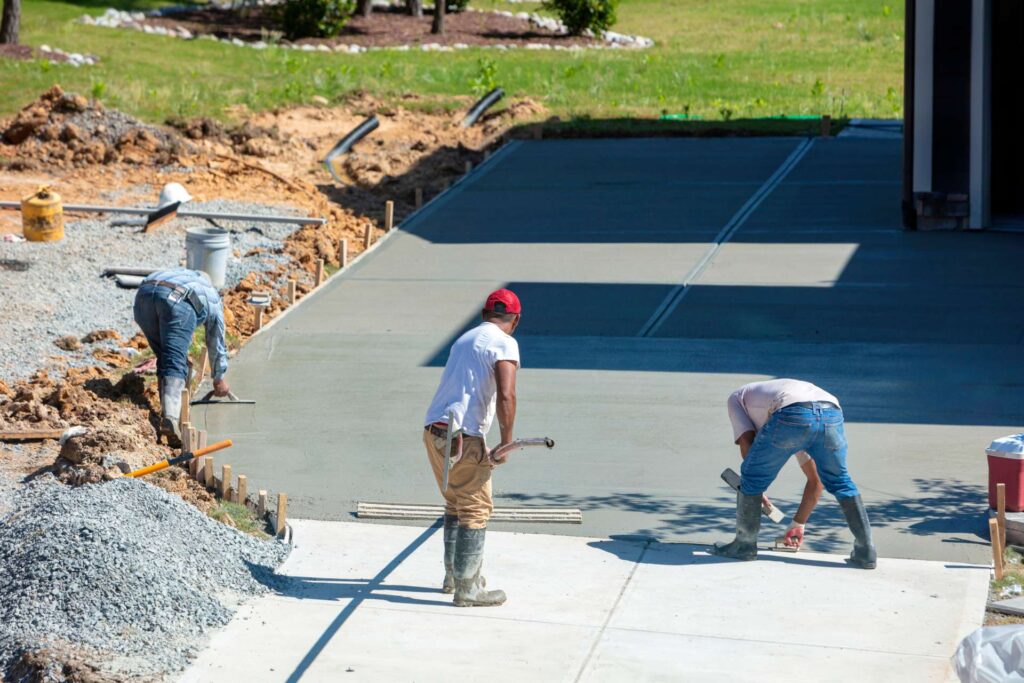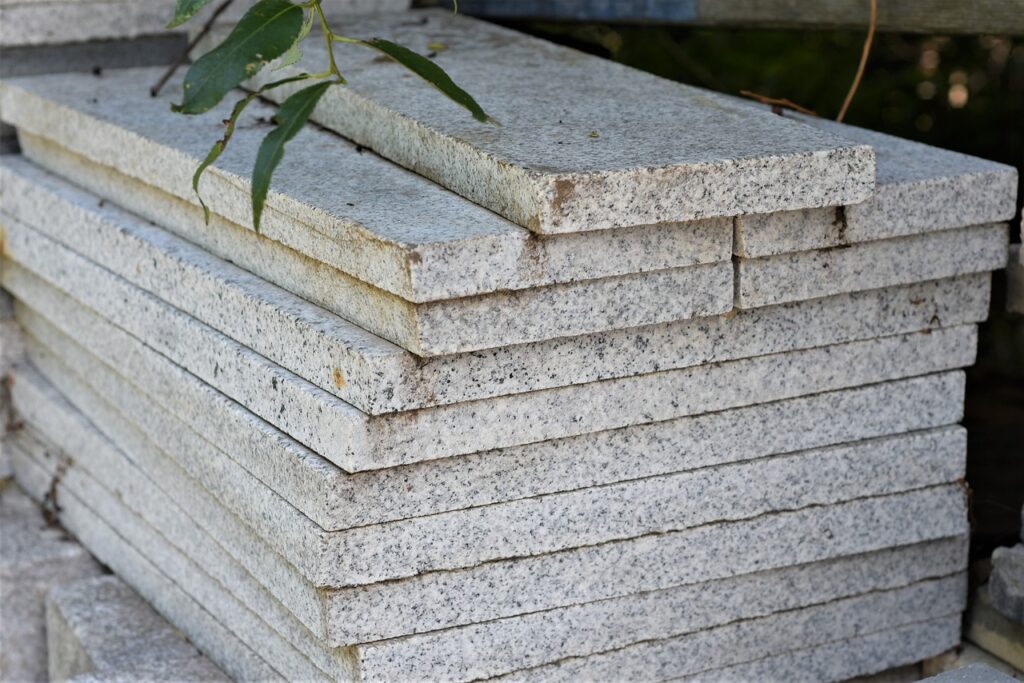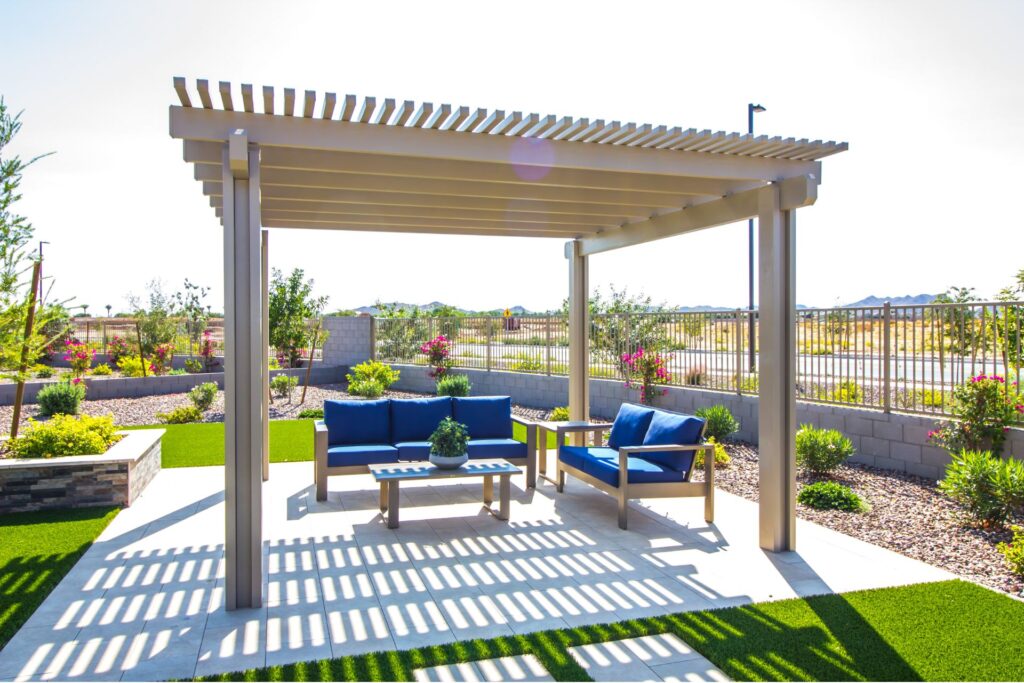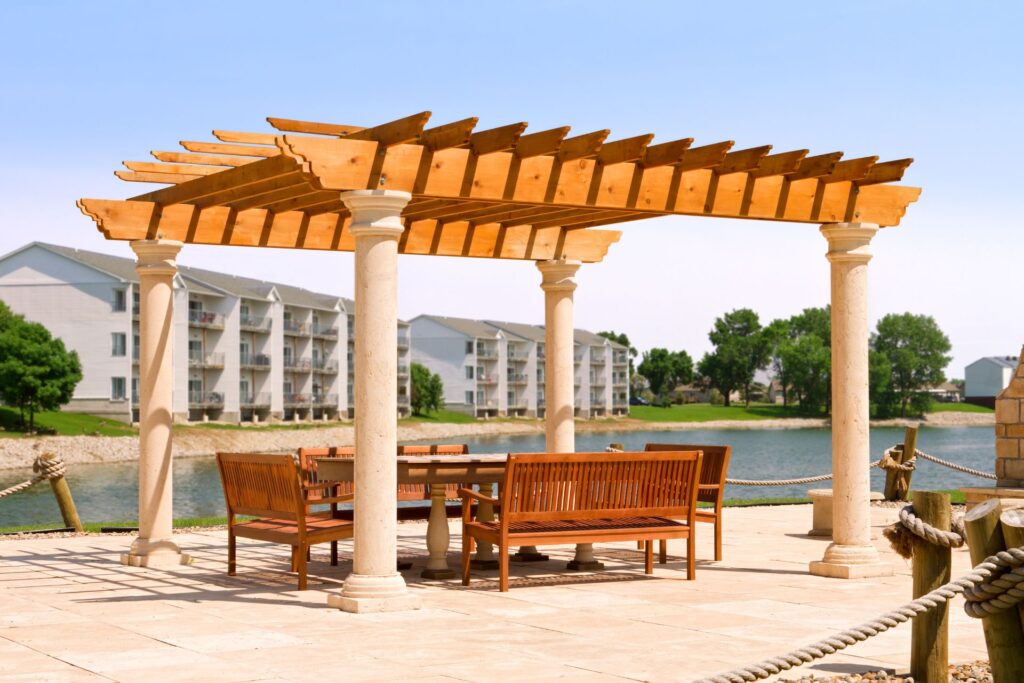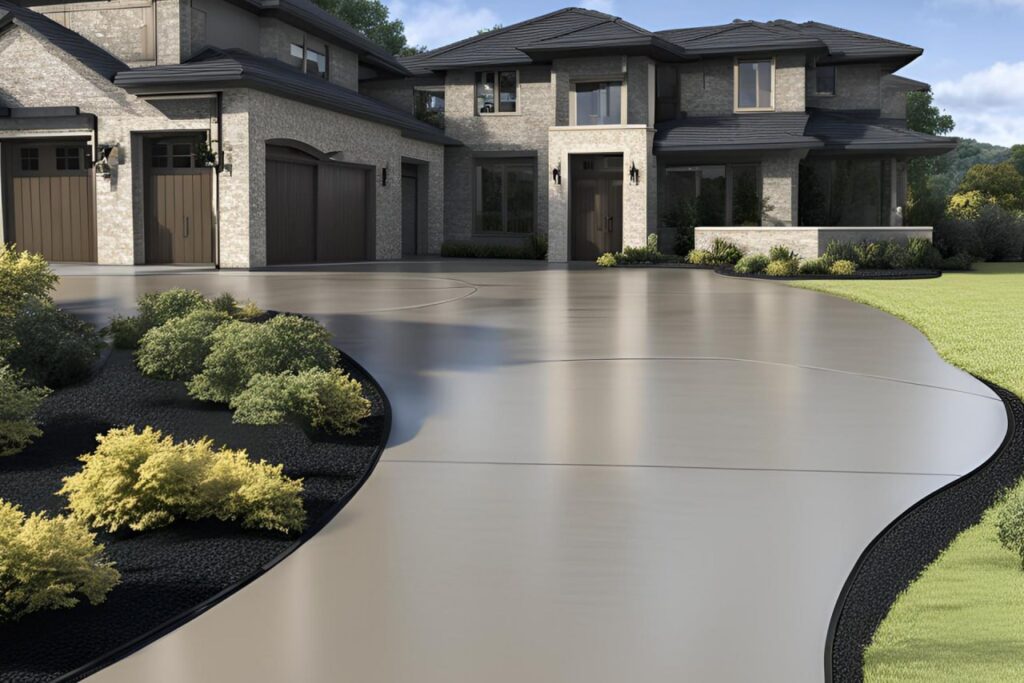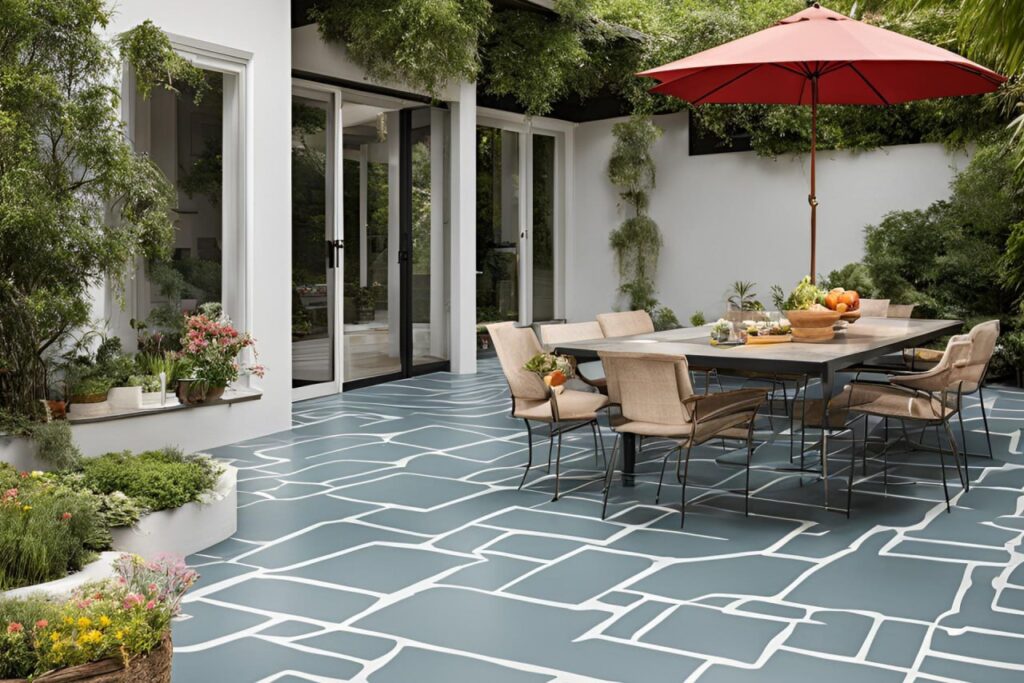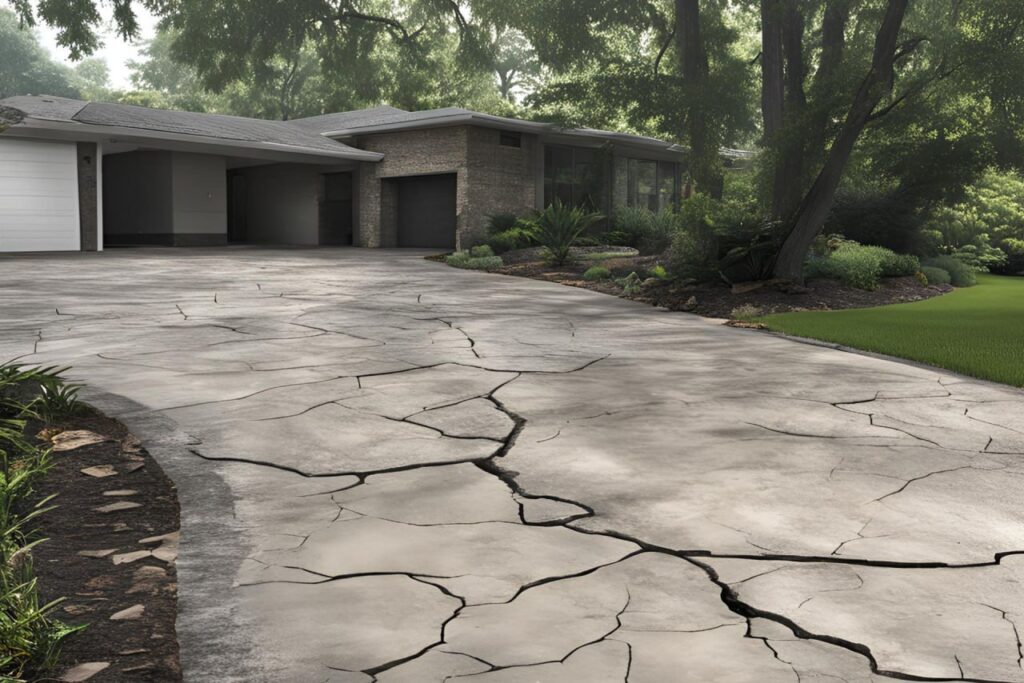
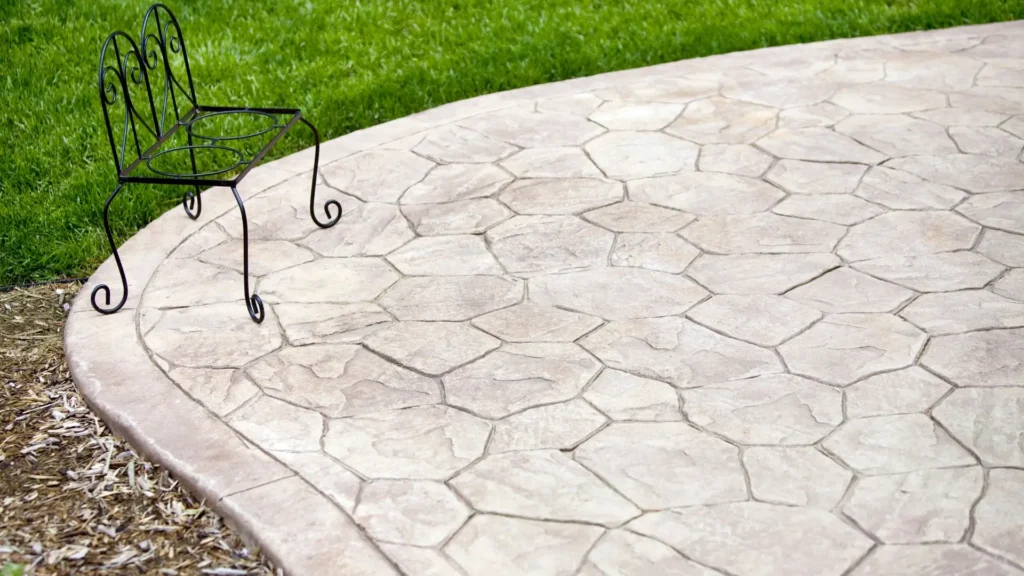
Welcome to your complete guide to concrete patio cost in Auckland, where we break down exactly what you can expect to pay, what influences pricing, and how to make the best decision for your outdoor space without overspending. Whether you are planning a simple patio or a more decorative finish, understanding real local costs, labour factors, and material options can save you thousands and help you avoid common mistakes. This guide is designed to give you clear, practical insights based on real-world considerations in Auckland, so you can budget confidently, compare quotes effectively, and choose a solution that delivers long-term value for your home.
The cost of a concrete patio in Auckland typically ranges from $100 to $250+ per square metre, depending on the finish, site preparation, and labour. Basic concrete is more affordable, while decorative options like exposed aggregate or stamped concrete increase the price. Total costs vary based on size, access, and ground conditions.
- How Much Does A Concrete Patio Cost In Auckland?
- Key Factors That Affect Concrete Patio Costs
- Concrete Patio Cost Breakdown (Realistic Example)
- Types Of Concrete Patios & Their Costs
- Concrete Patio Vs Other Patio Options (Cost Comparison)
- How To Save Money On Your Concrete Patio
- Common Mistakes That Increase Concrete Patio Costs
- How To Choose A Concrete Contractor In Auckland
- Is A Concrete Patio Worth The Cost In Auckland?
- References
- FAQs: About Concrete Patio Cost Auckland
- Conclusion
- Find A Professional Concrete Company Near You!
How Much Does A Concrete Patio Cost In Auckland?
Understanding the cost of a concrete patio in Auckland starts with knowing that there is no one-size-fits-all price. Costs vary based on the type of finish, site conditions, labour, and overall design complexity. What you will pay depends not just on size, but also on the level of preparation required and the quality of finish you choose. Below is a realistic breakdown to help you plan your budget with confidence.
Average Cost Per Square Meter
In Auckland, the average cost per square meter for a concrete patio typically falls between $100 and $250+ per m². This range reflects the difference between a simple, functional slab and a more decorative, visually appealing finish.
- Basic concrete finish: Around $100 to $150 per m², suitable for simple patios where functionality is the main priority
- Mid-range finishes: Around $150 to $200 per m², often including light texturing or coloured concrete
- Decorative finishes: $200 to $250+ per m², including exposed aggregate or stamped concrete
The variation comes down to more than just materials. Decorative concrete requires additional labour, specialised techniques, and sometimes higher-grade materials. For example, exposed aggregate involves carefully washing the surface to reveal stone textures, while stamped concrete requires moulding patterns before the surface sets.
When estimating the cost per m2 concrete patio in Auckland, it is important to factor in preparation work as well. A flat, easily accessible site will cost less than one that requires excavation, drainage adjustments, or reinforcement.
Estimated Total Costs By Patio Size
While cost per square meter gives a useful baseline, most homeowners want to know the total project cost. Here is what you can realistically expect based on common patio sizes in Auckland.
Small Patio (10 to 20 m²)
A small patio is ideal for compact outdoor areas or simple seating spaces.
- Estimated cost range: $1,500 to $4,000
- Typical use: Entry-level outdoor spaces, BBQ corners, or pathways
Smaller patios tend to have a higher cost per square meter because fixed costs like site preparation and equipment setup are spread over a smaller area.
Medium Patio (20 to 50 m²)
This is the most common size for Auckland homes and provides enough space for outdoor dining or entertaining.
- Estimated cost range: $4,000 to $10,000
- Typical use: Outdoor living areas, entertainment zones
At this size, you benefit from better cost efficiency per square meter, especially if the site conditions are straightforward.
Large Patio (50 m² and above)
Large patios are often part of full outdoor landscaping projects or extensions of indoor living spaces.
- Estimated cost range: $10,000 to $20,000+
- Typical use: Full outdoor living areas, pool surrounds, or multi-use spaces
Larger projects may require additional reinforcement, expansion joints, and careful planning, which can increase costs. However, the cost per m² may stabilise or slightly decrease compared to smaller projects.
Basic Vs Premium Concrete Patio Pricing
Choosing between a basic or premium finish is one of the biggest cost decisions you will make. Each option has its own advantages depending on your budget, design goals, and how you plan to use the space.
Plain Concrete Patio
Plain concrete is the most cost-effective option and is widely used for functional outdoor spaces.
- Best for: Budget-conscious projects, utility areas, rental properties
- Key advantage: Lower upfront cost and quick installation
- Consideration: Limited visual appeal unless enhanced later
This option works well if you want a durable surface without investing in decorative features.
Exposed Aggregate Concrete
Exposed aggregate is one of the most popular choices in Auckland due to its balance of durability and aesthetics.
- Best for: Driveways, patios, and areas needing slip resistance
- Key advantage: Attractive stone-textured finish with long-lasting performance
- Consideration: Higher cost due to additional labour and materials
It is particularly suited to Auckland’s outdoor conditions, offering both style and practicality.
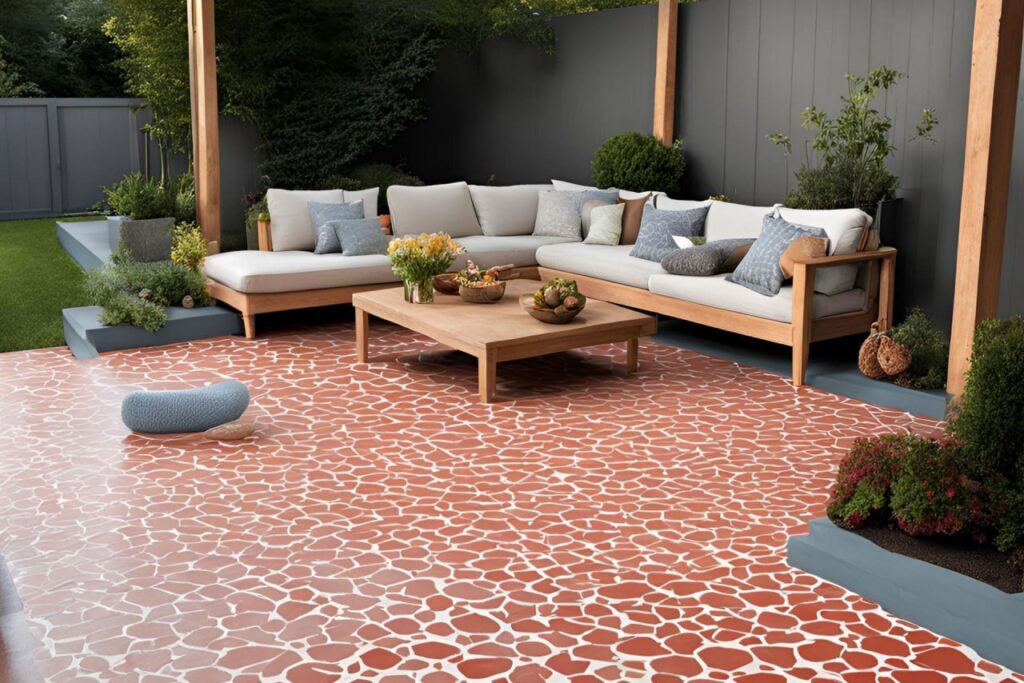
Stamped Or Decorative Concrete
Stamped or decorative concrete provides a high-end look that can mimic natural stone, tiles, or pavers.
- Best for: Feature patios and design-focused outdoor spaces
- Key advantage: Customisable patterns and colours
- Consideration: Higher installation cost and requires skilled workmanship
Decorative concrete cost is typically at the upper end of the pricing range, but it can significantly enhance the overall appearance of your outdoor area.
Key Factors That Affect Concrete Patio Costs
Understanding what drives the cost of a concrete patio in Auckland is essential if you want to budget accurately and avoid unexpected expenses. Pricing is not just about the size of the patio. It is influenced by a combination of site conditions, material choices, labour requirements, and local factors. Below is a breakdown of the most important cost drivers based on real-world projects and common challenges homeowners face.
Site Preparation & Ground Conditions
Before any concrete is poured, the ground needs to be properly prepared. This stage often has one of the biggest impacts on total cost, especially if the site is not ready for construction.
- Excavation work: Removing existing soil, grass, or old structures can vary in cost depending on depth and difficulty. Rocky or clay-heavy ground typically requires more labour and equipment.
- Levelling requirements: A flat, stable base is critical for long-term durability. Uneven sections require additional grading, which adds both time and cost.
- Drainage setup: Proper drainage prevents water pooling and future cracking. Installing drainage systems or adjusting slope can increase upfront costs but saves money long term.
- Sloped terrain impact: Sloped or uneven sections often require retaining edges or additional base material, making them more expensive than flat sites.
In Auckland, where soil conditions can vary significantly between suburbs, proper site assessment is key to avoiding structural issues later.
Concrete Type & Finish
The type of concrete and the finish you choose will significantly influence both the price and the final look of your patio.
- Plain concrete: The most cost-effective option, suitable for functional spaces where aesthetics are not the priority.
- Exposed aggregate finish: A popular choice in Auckland due to its textured appearance and slip-resistant surface. It costs more but offers better visual appeal and durability.
- Stamped concrete designs: Designed to mimic stone, tile, or brick, this option requires more labour and skill, increasing the price.
- Coloured concrete options: Adding pigments or surface treatments enhances appearance but adds material and labour costs.
There is always a balance between durability and aesthetics. While decorative finishes cost more upfront, they can increase property value and reduce the need for future upgrades.
Labour Costs In Auckland
Labour is a major component of any concrete patio project, and Auckland typically has higher labour rates compared to other regions in New Zealand.
- Skilled contractor demand: Experienced concrete specialists charge more, but they deliver better finishes and fewer long-term issues.
- Project complexity: Custom designs, tight spaces, or challenging sites require more labour hours.
- Quality workmanship value: Poor installation can lead to cracking, uneven surfaces, or drainage problems, which are costly to fix later.
Choosing a qualified contractor is not just about price. It is about ensuring the patio is built correctly the first time.
Thickness & Reinforcement
The structural strength of your patio depends on its thickness and the type of reinforcement used. These factors are especially important for long-term durability.
- Standard slab thickness: Typically around 100mm for residential patios, suitable for most outdoor living areas.
- Heavy-duty requirements: Thicker slabs may be needed for driveways or areas with heavy loads, increasing material costs.
- Steel mesh reinforcement: Helps prevent cracking and improves structural integrity.
- Rebar support systems: Used in higher-load applications or unstable ground conditions, adding to both material and labour costs.
Cutting corners in this area can lead to long-term structural problems, so it is important to match the design to how the patio will be used.
Accessibility & Location
The ease of access to your property can significantly affect the cost of installing a concrete patio.
- Tight access areas: Limited space for machinery or materials often requires manual labour, which increases costs.
- Urban property challenges: Inner-city Auckland sites may involve restricted access, parking limitations, or additional logistics.
- Suburban site advantages: Easier access typically reduces labour time and equipment requirements.
- Transport and setup time: The more effort required to move materials and equipment, the higher the overall cost.
Even a well-designed patio can become more expensive if the site is difficult to work on, so access should always be considered early in the planning stage.
Permits Or Council Requirements (If Applicable)
In some cases, local council regulations may influence the cost and timeline of your project.
- Consent requirements: Smaller patios often do not require consent, but larger or structurally complex projects may need approval.
- Drainage compliance: Auckland Council may require proper water runoff management to prevent flooding or environmental issues.
- Property-specific rules: Zoning, boundary distances, and site coverage limits can affect design and cost.
Concrete patio costs in Auckland are shaped by real-world variables that go beyond simple price estimates. By understanding these factors early, you can plan more effectively, avoid costly surprises, and make informed decisions that deliver both value and long-term performance.
Concrete Patio Cost Breakdown (Realistic Example)
Understanding how your budget is actually allocated can make a big difference when planning a concrete patio in Auckland. Instead of relying on rough estimates, it helps to see how costs are typically distributed across materials, labour, and site preparation. Below is a realistic breakdown for a mid-sized patio, along with common hidden costs that homeowners often overlook.
Sample Cost Breakdown for a 30m² Patio
For a standard 30-square metre concrete patio in Auckland, total costs can range from approximately $4,500 to $9,000 depending on finish, access, and site conditions. Here is how that cost is usually divided.
Materials
Material costs cover the concrete itself along with reinforcement and finishing products. The type of finish you choose plays a major role in this portion of the budget.
- Concrete supply: The base material cost depends on volume and mix type, with stronger mixes costing slightly more but offering better durability
- Reinforcement: Steel mesh or rebar is often included to reduce cracking and improve structural integrity
- Additives and finishes: Decorative elements such as colour oxide, exposed aggregate, or sealants increase material costs but enhance appearance and longevity
Labour
Labour is a significant part of the overall cost, especially in Auckland where skilled trades are in high demand. Experienced contractors ensure proper installation, which directly affects the lifespan of your patio.
- Installation expertise: Skilled labour ensures correct pouring, leveling, and finishing, which prevents future issues like uneven surfaces or premature cracking
- Crew size and time: Larger or more complex patios require more workers and longer installation time
- Specialist finishing: Decorative finishes such as stamping or exposed aggregate require additional labour and expertise
Site Prep
Site preparation is often underestimated but can have a major impact on total cost. A well-prepared base is essential for long-term durability.
- Excavation and clearing: Removing grass, soil, or debris to create a stable base
- Base preparation: Compacting gravel or sand layers to support the concrete slab
- Leveling and grading: Ensuring proper slope for drainage and structural stability
Finishing
Finishing determines both the final look and performance of the patio. While basic finishes are more affordable, upgraded options can significantly improve visual appeal.
- Surface finishing: Options include smooth trowel, broom finish, or decorative textures
- Sealing: Applying a sealant protects against moisture, stains, and wear over time
- Edge detailing: Clean, well-defined edges improve both aesthetics and durability
Hidden or Unexpected Costs to Watch For
Even with a detailed quote, certain factors can increase your final cost once work begins. Being aware of these helps you plan a more realistic budget and avoid surprises.
Drainage Fixes
Poor drainage is one of the most common issues discovered during installation, especially in older or uneven properties.
- Water management: Additional drainage channels or adjustments may be needed to prevent water pooling
- Compliance adjustments: Meeting local drainage standards can require extra work depending on site conditions
Soil Issues
The condition of your soil directly affects how stable your patio will be over time.
- Soft or unstable ground: Requires deeper excavation and additional base material
- Expansive soil: May need reinforcement or specialized preparation to prevent movement and cracking
Extra Reinforcement
Standard reinforcement may not be enough in certain situations, particularly for larger patios or load-bearing areas.
- Heavier-duty mesh: Needed for areas that will support furniture, outdoor kitchens, or vehicles
- Additional structural support: Increases both material and labour costs but improves long-term performance
Removal of Existing Structures
If you are replacing an old patio or clearing an existing surface, removal costs should be factored in.
- Demolition work: Breaking up and removing old concrete or decking
- Disposal fees: Transporting and disposing of waste materials can add to the total cost
- Extra labour time: More complex removals increase project duration and cost
A clear understanding of these cost components not only helps you budget more accurately but also allows you to compare quotes with confidence. Instead of focusing only on the total price, you can evaluate where your money is going and whether the scope of work matches your expectations.
Types Of Concrete Patios & Their Costs
Choosing the right type of concrete patio has a direct impact on both your upfront cost and the long-term value of your outdoor space. In Auckland, homeowners often balance budget, durability, and visual appeal when deciding which finish to go with. Below is a breakdown of the most common concrete patio options, along with what you can realistically expect in terms of cost, performance, and suitability.
Plain Concrete Patio
A plain concrete patio is the most cost-effective and widely used option, especially for homeowners who prioritise functionality and durability over aesthetics. It involves a standard concrete slab with a smooth or lightly textured finish.
- Cost range: Typically sits at the lower end of the spectrum, around $100 to $150 per square metre in Auckland depending on site conditions and labour
- Durability: Highly durable and long-lasting when installed correctly with proper reinforcement
- Maintenance: Low-maintenance, requiring occasional cleaning and sealing
- Appearance: Simple and minimal, which may not suit design-focused outdoor spaces
This option works well for utility areas, rental properties, or homeowners looking for a clean and practical outdoor surface without added design costs.
Exposed Aggregate Patio
Exposed aggregate is one of the most popular choices in Auckland due to its balance between aesthetics and durability. It is created by removing the top layer of cement to reveal the natural stones within the mix.
- Cost range: Usually falls between $140 to $200 per square metre depending on the aggregate type and finish quality
- Visual appeal: Offers a textured, high-end look with natural variation in colour and stone
- Slip resistance: Provides better grip, making it ideal for outdoor and poolside areas
- Longevity: Holds up well under heavy use and changing weather conditions
This option is often chosen for front yards, entertainment areas, and modern homes where appearance matters as much as performance.
Stamped Or Decorative Concrete
Stamped or decorative concrete is designed to replicate the look of more expensive materials such as stone, brick, or pavers while maintaining the strength of concrete. Patterns are pressed into the surface before it fully sets.
- Cost range: Typically ranges from $180 to $250+ per square metre depending on design complexity
- Design flexibility: Can mimic natural stone, tiles, or paving patterns at a lower cost than real materials
- Installation complexity: Requires skilled workmanship to achieve a realistic and consistent finish
- Maintenance needs: May require resealing over time to maintain appearance
This is a strong choice for homeowners who want a premium look without committing to the higher installation costs of individual pavers or stone.
Coloured Concrete
Coloured concrete adds pigment to the mix or applies it to the surface, creating a more visually appealing patio without the need for patterns or textures. It can be used alone or combined with other finishes like stamping.
- Cost range: Generally adds $10 to $30 per square metre on top of standard concrete pricing
- Integrated colour: Mixed directly into the concrete for consistent colour throughout
- Surface-applied colour: Applied after pouring, offering more flexibility but slightly less durability over time
- Aesthetic value: Enhances the overall look while keeping the structure simple
Coloured concrete is a good middle-ground option for homeowners who want a more customised look without the higher cost of decorative finishes.
When comparing these options, it is important to consider not just the upfront cost but also how the patio will be used, the level of maintenance you are comfortable with, and how it fits into your overall outdoor design. Choosing the right finish early can help avoid costly upgrades later.
Concrete Patio Vs Other Patio Options (Cost Comparison)
Choosing the right patio material is not just about upfront cost. It is about how that investment performs over time in Auckland’s climate, how much maintenance it requires, and how well it suits your lifestyle. In this section, we compare concrete with other popular options so you can make a well-informed, cost-effective decision.
Concrete Vs Pavers
Concrete and pavers are two of the most common patio choices in Auckland, and each has its own cost and maintenance profile.
Installation Cost
Concrete is generally more cost-effective to install than pavers, especially for larger areas. A standard concrete patio involves pouring and finishing in a single process, which reduces labour time and complexity.
- Concrete installation: Typically ranges from $100 to $250+ per square metre depending on finish and site conditions
- Paver installation: Often ranges from $150 to $300+ per square metre due to individual placement and base preparation
Pavers require more labour because each unit must be laid, aligned, and compacted individually. This increases both time and cost, particularly for intricate patterns or uneven surfaces.
Maintenance Differences
Maintenance is where the long-term differences become more noticeable.
- Concrete maintenance: Requires occasional sealing to prevent cracks and stains, but overall maintenance is low
- Paver maintenance: May require re-leveling over time as individual pavers can shift or settle, especially on poorly prepared bases
- Weed control: Pavers are more prone to weed growth between joints, while concrete offers a more sealed surface
Concrete is typically the lower-maintenance option, while pavers offer flexibility in repairs since individual units can be replaced if damaged.
Concrete Vs Timber Decking
Timber decking is another popular outdoor option, especially for homeowners looking for a warmer, natural aesthetic. However, it differs significantly from concrete in both cost structure and durability.
Longevity Vs Upfront Cost
Timber decking often has a similar or slightly higher upfront cost compared to basic concrete, depending on the type of wood used.
- Concrete patio: Lower upfront cost with a long lifespan of 20 to 30+ years
- Timber decking: Moderate to high upfront cost with a shorter lifespan, typically 10 to 20 years depending on maintenance
While timber may appear visually appealing, it usually requires more frequent upkeep and eventual replacement, which increases lifetime cost.
Weather Performance In Auckland Climate
Auckland’s mix of rain, humidity, and UV exposure plays a major role in how materials perform over time.
- Concrete performance: Highly durable in wet conditions and resistant to rot, pests, and moisture damage
- Timber performance: Susceptible to warping, rotting, and fading if not properly treated and maintained
- Slip resistance: Timber can become slippery when wet, while certain concrete finishes like exposed aggregate offer better grip
Concrete is generally more reliable in Auckland’s climate, particularly for homeowners who want a low-maintenance outdoor space.
Which Option Offers Better Long-Term Value?
When comparing patio options, the best choice often comes down to long-term value rather than just initial cost. This includes durability, maintenance, and how well the patio meets your needs over time.
ROI Perspective
Concrete tends to deliver a strong return on investment due to its durability and low upkeep requirements.
- Durability advantage: Long lifespan reduces the need for replacement or major repairs
- Versatility: Can be styled with decorative finishes to improve visual appeal without significantly increasing cost
- Property value: A well-designed concrete patio can enhance outdoor usability and buyer appeal
Pavers and timber can still add value, but they often require more upkeep to maintain their appearance and function.
Maintenance Costs Over Time
Ongoing maintenance is one of the biggest hidden costs homeowners overlook.
- Concrete costs: Minimal, mainly occasional sealing and cleaning
- Paver costs: Potential re-levelling, joint sand replacement, and weed control
- Timber costs: Regular staining, sealing, and possible board replacement
In practical terms, if you are looking for a long-lasting, low-maintenance, and cost-effective patio solution in Auckland, concrete is often the most balanced choice. However, if design flexibility or a natural look is your priority, pavers or timber may still be worth considering.
Choosing the right patio is ultimately about aligning your budget, maintenance tolerance, and design preference with how you plan to use the space. Taking the time to compare these options properly can help you avoid costly changes later and ensure your investment performs well for years to come.
How To Save Money On Your Concrete Patio
Building a concrete patio in Auckland does not have to mean stretching your budget beyond comfort. With the right planning and a clear understanding of where costs come from, you can make smart decisions that reduce expenses without compromising quality. The goal is not just to spend less upfront, but to ensure you are getting long-term value from your investment.
Plan The Right Size And Layout
One of the most common ways homeowners overspend is by building a patio that is larger or more complex than necessary. A well-planned layout can significantly reduce both material and labour costs while still meeting your needs.
- Right-sized design: Think about how you will actually use the space, whether it is for dining, entertaining, or relaxing, and design accordingly rather than defaulting to a larger footprint
- Simple shapes: Rectangular or square layouts are easier and cheaper to construct compared to curved or multi-level designs
- Future use consideration: Plan for flexibility so you do not need costly extensions or modifications later
By focusing on function first, you avoid paying for unused space and unnecessary complexity.
Choose Cost-Effective Finishes
The type of finish you choose has a direct impact on the overall cost. While decorative options can enhance visual appeal, they are not always necessary for every project.
- Plain concrete option: A smooth, standard finish is the most budget-friendly and still provides durability for everyday use
- Selective upgrades: Use premium finishes like exposed aggregate only in high-visibility areas rather than across the entire patio
- Long-term value: In some cases, investing in a slightly higher-quality finish can reduce maintenance costs and improve lifespan
The key is balancing aesthetics with practicality so you get the look you want without overspending.
Prepare The Site Yourself When Possible
Site preparation is a major cost component, especially if extensive clearing or excavation is required. Taking on some of this work yourself can reduce labour costs, provided it is done correctly.
- Basic site clearing: Removing grass, debris, or small obstacles can be done without professional equipment
- Access preparation: Ensuring clear access for contractors can save time and reduce labour charges
- Know your limits: Tasks like leveling, compaction, and drainage setup are best left to professionals to avoid structural issues
This approach works best when you handle simple, low-risk tasks while leaving technical work to experienced contractors.
Get Multiple Quotes From Auckland Contractors
Comparing quotes is one of the most effective ways to control costs, but it is important to look beyond the final price.
- Detailed breakdowns: Request itemised quotes so you can see how costs are allocated across labour, materials, and preparation
- Scope comparison: Make sure each quote covers the same work, including thickness, reinforcement, and finish type
- Reputation check: Balance price with experience, reviews, and previous work to avoid low-quality outcomes
- Communication clarity: Choose contractors who explain their process clearly and are transparent about timelines and potential issues
Saving money on your concrete patio is not about cutting corners, but about making informed choices at every stage of the project. By planning carefully, selecting the right materials, and working with the right professionals, you can achieve a high-quality result that fits your budget and adds lasting value to your outdoor space.
Common Mistakes That Increase Concrete Patio Costs
Even with a clear budget in mind, many homeowners end up spending more than expected due to avoidable mistakes during planning and execution. Understanding these common pitfalls can help you make better decisions, reduce unexpected expenses, and ensure your patio delivers long-term value rather than short-term savings.
Underestimating Site Preparation
Site preparation is one of the most overlooked cost factors, yet it plays a critical role in the durability and stability of your concrete patio. Many homeowners assume the ground is ready for pouring, only to discover hidden issues once work begins.
- Uneven or sloped ground: Requires additional excavation, levelling, and sometimes retaining solutions
- Poor soil conditions: Soft or unstable soil may need compaction or replacement to prevent future movement
- Existing structures: Removing old concrete, decking, or vegetation adds time and labour costs
Skipping proper preparation can lead to cracking, sinking, or drainage problems, which are far more expensive to fix later than addressing them upfront.
Choosing The Cheapest Contractor
While it is tempting to go with the lowest quote, this often leads to poor workmanship and higher long-term costs. Concrete work requires precision, experience, and proper materials, and cutting corners rarely ends well.
- Low-quality materials: Cheaper mixes or inadequate reinforcement can reduce lifespan
- Inexperienced labour: Poor finishing or incorrect curing leads to visible defects and early damage
- Lack of proper planning: Budget contractors may skip essential steps like base preparation or drainage checks
A slightly higher upfront investment in a qualified contractor usually results in a stronger, longer-lasting patio that avoids costly repairs or replacement.
Ignoring Drainage And Cracking Risks
Concrete is durable, but it is not immune to environmental stress. Poor drainage and lack of planning for movement are major causes of long-term damage.
- Water pooling: Leads to surface erosion and weakens the structure over time
- No control joints: Without these, concrete is more likely to crack unpredictably
- Improper slope design: Water should always flow away from your home and patio area
Addressing drainage early ensures your patio performs well in Auckland’s climate, where rainfall can quickly expose design flaws.
Not Planning For Future Use
Many patios are built for immediate needs without considering how they will be used in the future. This often leads to costly upgrades or modifications later.
- Undersized layout: Limits usability for entertaining or furniture placement
- Lack of reinforcement: May not support future additions like pergolas or outdoor kitchens
- Poor positioning: Sun exposure, wind, and access can affect long-term comfort and functionality
Taking time to plan how your space might evolve can prevent unnecessary expenses and ensure your patio remains practical for years to come.
A well-planned concrete patio is not just about getting the lowest price, it is about making informed decisions that balance cost, durability, and usability. By avoiding these common mistakes, you position your project for better performance, fewer surprises, and greater overall value.
How To Choose A Concrete Contractor In Auckland
Choosing the right contractor is one of the most important steps in ensuring your concrete patio is built to last and delivers value for money. In Auckland, where labour costs and site conditions can vary significantly, working with an experienced and reliable professional can make the difference between a smooth project and costly issues down the line. This section will help you confidently evaluate contractors and make an informed decision.
What to Look For
When comparing contractors, it is important to focus on proven experience and the quality of their previous work rather than just price. A well-qualified contractor will not only deliver better results but also help you avoid common construction problems.
- Experience with similar projects: Look for contractors who have completed concrete patio installations similar in size, design, and complexity to yours. Experience with Auckland-specific conditions such as soil types, drainage requirements, and weather exposure is especially valuable.
- Portfolio and photos: A strong portfolio gives you insight into the contractor’s workmanship and attention to detail. Review before-and-after photos and look for consistency in finishes, clean edges, and overall presentation across multiple projects.
- Reviews and testimonials: Check online reviews and client feedback to understand how the contractor performs in real-world situations. Pay attention to comments about reliability, communication, and how issues were handled, not just the final result.
Questions to Ask Before Hiring
Asking the right questions helps you set clear expectations and avoid misunderstandings during the project. A professional contractor should be transparent and willing to provide detailed answers.
- Timeline: Ask how long the project will take from start to finish, including preparation, pouring, and curing time. This helps you plan around disruptions and ensures the contractor has a realistic schedule.
- Warranty: A reputable contractor should offer a workmanship warranty that covers defects or issues after installation. Clarify what is included, how long the coverage lasts, and what steps are required if a problem arises.
- Materials used: Ask about the type and quality of materials being used, including concrete mix, reinforcement, and finishes. Higher-quality materials may cost more upfront but often result in better durability and fewer maintenance issues over time.
Red Flags to Avoid
While there are many skilled contractors in Auckland, it is equally important to recognise warning signs that could indicate potential problems. Avoiding these early can save you significant stress and expense.
- Unrealistically low quotes: If a quote is significantly lower than others, it may indicate corners being cut in materials, labour, or preparation. This often leads to issues such as cracking, poor drainage, or uneven surfaces.
- No written agreement: A professional contractor should always provide a clear, written contract outlining scope, costs, timelines, and responsibilities. Verbal agreements increase the risk of disputes and misunderstandings.
Choosing a contractor is not just about price, it is about trust, experience, and long-term value. By asking the right questions and looking beyond surface-level quotes, you can move forward with confidence and avoid costly mistakes.
Is A Concrete Patio Worth The Cost In Auckland?
When deciding whether a concrete patio is worth the investment, it’s important to look beyond just the upfront cost and consider long-term value, durability, and how well it suits Auckland’s climate and lifestyle. A well-installed concrete patio can be one of the most practical and cost-effective outdoor upgrades, but it’s not always the right choice for every situation. Understanding where it performs best and where alternatives may be more suitable will help you make a more informed decision.
Durability, Low Maintenance, And Versatility
Concrete patios are widely chosen because they offer a strong balance between performance and practicality, especially in a climate like Auckland where outdoor surfaces need to handle both moisture and sun exposure.
- Durability: Concrete is highly resilient and can last decades when properly installed and maintained. It handles foot traffic, outdoor furniture, and changing weather conditions without significant wear, making it a reliable long-term solution.
- Low-maintenance upkeep: Unlike timber decking that requires regular staining or sealing, concrete patios need minimal ongoing care. Occasional cleaning and sealing every few years are usually enough to keep the surface in good condition.
- Design versatility: Modern concrete finishes offer far more than a plain grey slab. Options like exposed-aggregate, coloured concrete, and stamped patterns allow homeowners to match their patio with the overall style of their home while still benefiting from concrete’s strength.
- Weather resistance: Concrete performs well in Auckland’s variable weather. It doesn’t rot like timber or shift as easily as some pavers, especially when installed with proper drainage and base preparation.
When It’s A Smart Investment
A concrete patio is often a smart investment when the goal is to create a durable, long-lasting outdoor space without ongoing maintenance costs.
- Long-term value: If you plan to stay in your home for several years, concrete offers strong value because of its lifespan and minimal upkeep requirements.
- Functional outdoor living: It works particularly well for outdoor dining areas, entertaining spaces, or utility areas where durability matters more than intricate design.
- Cost-efficiency over time: While the initial cost may be moderate, the reduced need for repairs or maintenance makes concrete more economical compared to materials that require regular treatment or replacement.
- Simple or modern designs: Concrete complements clean, modern landscaping styles and suits homeowners who prefer a low-maintenance, minimalist outdoor area.
When Alternatives May Be Better
Although concrete is a strong all-around option, there are situations where other materials may better suit your needs or preferences.
- Aesthetic-focused projects: If your priority is a high-end or natural look, materials like pavers or natural stone may offer more visual variation and character.
- Soft or warm underfoot surfaces: Timber decking can feel warmer and more comfortable, especially for barefoot use, making it appealing for family-focused outdoor spaces.
- Drainage-sensitive areas: In areas with challenging drainage conditions, permeable pavers may provide better water management than a solid concrete slab.
- Flexible or future redesign plans: If you anticipate changing your outdoor layout in the future, pavers can be easier to modify or replace compared to fixed concrete surfaces.
A concrete patio is often the right choice for homeowners who want a durable, low-maintenance outdoor area that delivers consistent value year after year. By weighing your priorities carefully and understanding the trade-offs, you can choose a solution that not only fits your budget but also enhances how you use your outdoor space.
References
- Concrete Laying Prices In Auckland: Costs, Factors & Tips
https://concretecuttersauckland.co.nz/concrete-laying-prices-auckland/ (Concrete Cutters Auckland) - Concrete Patio Cost Calculator NZ – Full Guide & Pricing Factors
https://builderconnect.co.nz/blog/concrete-patio-cost-calculator-in-nz/ (Builder Connect NZ) - Concrete Cost NZ: Price Per Cubic Metre Explained
https://www.aucklandconcretedriveways.co.nz/concrete-cost-nz.html (AUCKLAND CONCRETE DRIVEWAYS) - Concrete Price Per M³ In NZ (2025): Cost Breakdown & Factors
https://concretelayerssouthauckland.co.nz/concrete-price-per-m3-nz/ (Concrete Layers South Auckland) - Cost Of Paving Services NZ: Full Price Guide For 2025
https://pavingcontractorsauckland.co.nz/cost-of-paving-services-nz/ (pavingcontractorsauckland.co.nz)
FAQs: About Concrete Patio Cost Auckland
Conclusion
Understanding the cost of a concrete patio in Auckland comes down to more than just a price per square metre, as factors like site preparation, finish type, labour rates, and property access all play a major role in the final cost. By now, you should have a clearer idea of realistic price ranges, what drives those costs, and how to avoid common mistakes that can lead to unnecessary expenses. Taking the time to plan your patio properly, choose the right materials, and work with experienced professionals can make a significant difference in both the outcome and long-term value. If you are ready to move forward, it is worth reaching out to trusted Auckland contractors to get detailed quotes tailored to your property, compare your options carefully, and make a confident, well-informed decision that suits both your budget and your outdoor living goals.
Find A Professional Concrete Company Near You!
- Asphalt Carpark Construction Wairarapa
- Asphalt Contractors Auckland
- Asphalt Contractors Christchurch
- Asphalt Contractors Hamilton
- Asphalt Contractors Hawkes Bay
- Asphalt Contractors Waikato
- Asphalt Dannevirke
- Asphalt Driveways Tauranga
- Christchurch Concrete Services
- Concrete Contractors Nelson
- Concrete Contractors Tauranga
- Concrete Coromandel, Waihi, and Paeroa
- Concrete Dannevirke
- Concrete Driveways Lower Hutt
- Concrete Driveways Upper Hutt
- Concrete Floor Slabs Kapiti Coast
- Concrete Foundations Kapiti
- Concrete Layers Auckland
- Concrete Layers Cambridge
- Concrete Layers Hamilton
- Concrete Layers Invercargill
- Concrete Layers Kapiti
- Concrete Layers Levin
- Concrete Layers Lower Hutt
- Concrete Layers Mangawhai
- Concrete Layers North Shore
- Concrete Layers Northland
- Concrete Layers Pukekohe
- Concrete Layers Rodney
- Concrete Layers Te Awamutu
- Concrete Layers Upper Hutt
- Concrete Layers Waikato
- Concrete Layers Wellington
- Concrete Manawatu
- Concrete Masterton
- Concrete Palmerston North
- Concrete Services Rotorua
- Concrete Whangarei
- Hastings Concrete Company
- Hawkes Bay Concrete Company
- Napier Concrete Company

About the Author:
Mike Veail is a recognized digital marketing expert with over 6 years of experience in helping tradespeople and small businesses thrive online. A former quantity surveyor, Mike combines deep industry knowledge with hands-on expertise in SEO and Google Ads. His marketing strategies are tailored to the specific needs of the trades sector, helping businesses increase visibility and generate more leads through proven, ethical methods.
Mike has successfully partnered with numerous companies, establishing a track record of delivering measurable results. His work has been featured across various platforms that showcase his expertise in lead generation and online marketing for the trades sector.
Learn more about Mike's experience and services at https://theleadguy.online or follow him on social media: