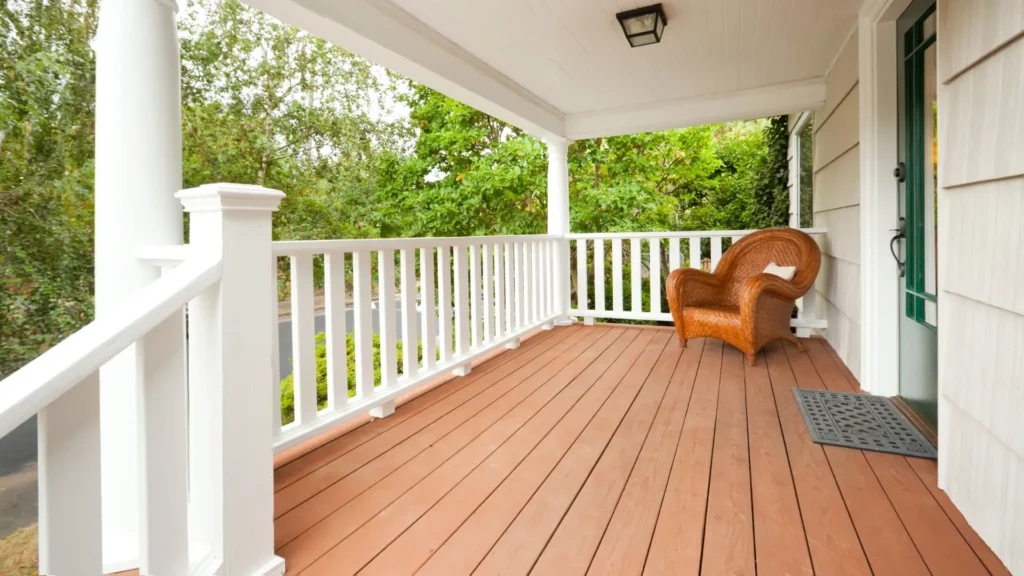
Welcome to your complete guide on how to add a deck to your house, whether you’re starting from scratch or upgrading your outdoor space into something more functional and inviting. A well-designed deck can transform the way you use your home by creating a seamless connection between indoor comfort and outdoor living, all while increasing property value and enhancing everyday enjoyment. In this guide, you’ll learn everything you need to know, from planning and budgeting to choosing materials and avoiding costly mistakes, so you can confidently move forward with a deck that fits your lifestyle, your space, and your long-term goals.
To add a deck to your house, start by planning the design, checking local permits, and choosing suitable materials. Prepare a solid foundation, build the frame, install decking boards, and finish with railings and sealing. You can DIY for smaller projects or hire a contractor for complex builds to ensure safety and compliance.
- Why Add a Deck to Your House? (Benefits You Should Know)
- Things To Consider Before Adding A Deck
- Types Of Decks You Can Add To Your House
- Choosing The Best Materials For Your Deck
- How Much Does It Cost To Add A Deck To Your House?
- Step-By-Step Guide To Adding A Deck
- DIY Vs. Hiring A Professional: Which Is Right For You?
- Common Mistakes To Avoid When Adding A Deck
- How To Maintain Your Deck For Long-Term Durability
- References
- FAQs: About How To Add A Deck To Your House
- Conclusion
- Find A Professional Decking Company Near You!
Why Add a Deck to Your House? (Benefits You Should Know)
Adding a deck to your house is more than just a visual upgrade. It is a practical, value-driven improvement that enhances how you use your home every day. Whether you are looking to increase property value, create a comfortable outdoor living space, or simply make better use of your yard, a well-designed deck offers long-term benefits that go beyond aesthetics.
Increase Home Value and Curb Appeal
A thoughtfully built deck can significantly improve both the appearance and marketability of your home. Buyers are often drawn to properties that offer functional outdoor spaces, especially ones that feel like a natural extension of the house.
- Enhanced visual appeal: A well-designed deck adds dimension and character to your home’s exterior, making it more attractive at first glance
- Stronger resale value: Many homeowners recover a good portion of their investment when selling, especially with durable, low-maintenance materials
- Competitive advantage: Homes with outdoor features like decks often stand out in listings and attract more buyer interest
From experience, even a simple, clean design with quality materials can make a noticeable difference in how a property is perceived.
Expand Your Living Space Outdoors
One of the most practical deck benefits is the ability to extend your usable living area without the cost of a full interior renovation. A deck creates a flexible space that adapts to your lifestyle.
- Seamless indoor-outdoor flow: A deck connected to your home makes it easy to move between interior and exterior spaces
- Multi-purpose functionality: It can serve as a dining area, lounge space, or even a small outdoor workspace
- Better use of yard space: Uneven or underused areas can be transformed into a structured, usable environment
This added outdoor living space becomes especially valuable in warmer seasons when spending time outside is more enjoyable.
Create a Functional Space for Relaxation and Entertaining
A deck is not just about space, it is about how you use it. With the right layout and features, it becomes a comfortable, functional area for both quiet moments and social gatherings.
- Entertaining made easy: Decks provide a natural setting for hosting guests, from casual barbecues to small celebrations
- Personal relaxation zone: A well-positioned deck can offer privacy and a peaceful place to unwind after a long day
- Customizable features: Built-in seating, lighting, and shade structures can enhance usability and comfort
From a practical standpoint, homeowners who invest in thoughtful design tend to use their deck more frequently and get more long-term value from it.
ROI: Is Adding a Deck Worth the Cost?
When evaluating any home improvement, return on investment is a key consideration. Adding a deck is often seen as one of the more cost-effective upgrades because it balances upfront cost with long-term value.
- Moderate-to-high ROI potential: Depending on materials and location, many homeowners recoup a significant portion of their costs
- Lower cost than major additions: Compared to interior expansions, decks are generally more affordable to build
- Long-term usability: The daily use and lifestyle benefits often outweigh the initial investment
Adding a deck to your house is ultimately about improving how your home works for you. When planned carefully, it delivers a balance of functionality, enjoyment, and long-term value that few other upgrades can match.
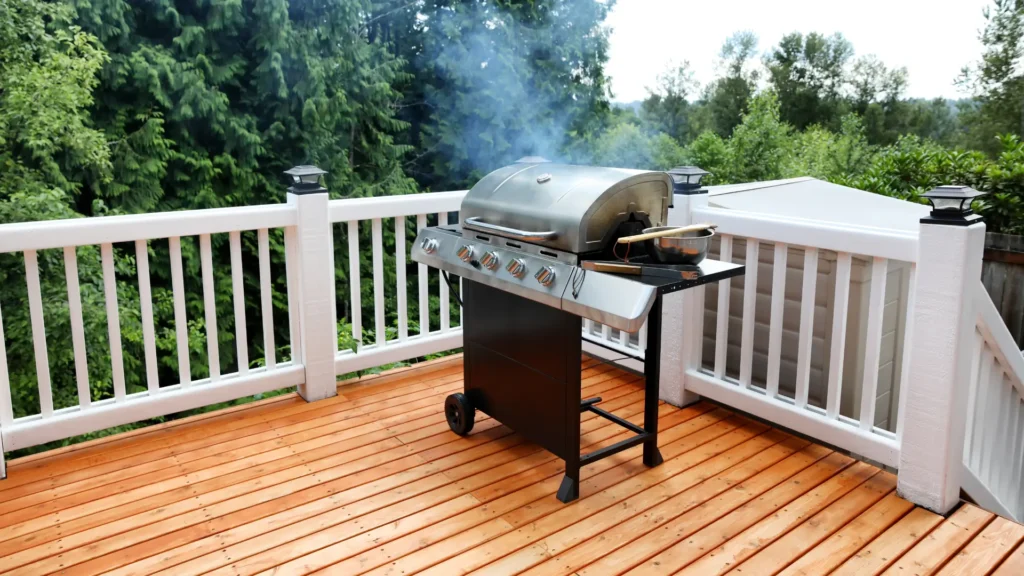
Things To Consider Before Adding A Deck
Before you start building, it is important to step back and evaluate the practical and regulatory factors that can impact your project. Adding a deck is not just a design decision. It involves safety standards, property limitations, environmental conditions, and financial planning. Taking the time to address these early will help you avoid costly mistakes, delays, and structural issues down the line.
Check Local Building Codes and Permits
Every location has its own building codes that regulate how decks should be constructed. These rules exist to ensure safety, especially for elevated or attached structures. Ignoring them can lead to fines, forced removal, or safety risks.
- Permit requirements: Most municipalities require a permit before construction begins, especially for attached or elevated decks.
- Structural standards: Codes often specify railing height, load capacity, and proper anchoring to the house.
- Inspection process: You may need inspections at different stages, such as after framing and before completion.
- Safety compliance: Following code ensures your deck is safe for everyday use and future resale.
If you are unsure, contact your local building office early. It is much easier to adjust plans before construction than to fix issues afterward.
Understand Property Lines and HOA Rules
Before finalizing your deck design, you need to confirm exactly where your property boundaries are and whether any community rules apply. This step is often overlooked but can create major issues if ignored.
- Property setbacks: Local regulations may require your deck to sit a certain distance from property lines.
- HOA restrictions: Homeowners associations often have rules on deck size, height, materials, and even color.
- Neighbor considerations: Building too close to a boundary can lead to disputes or complaints.
- Easements and utilities: Some areas cannot be built on due to underground utilities or shared access rights.
Review your property survey and consult your HOA guidelines if applicable. This ensures your deck is both compliant and respectful of surrounding properties.
Assess Your Yard and Foundation Conditions
The physical condition of your yard plays a major role in how your deck should be designed and built. A one-size-fits-all approach rarely works because every property has different challenges.
- Soil stability: Loose or shifting soil may require deeper footings or reinforced support posts.
- Slope and grading: Uneven ground can affect whether a ground-level or elevated deck is more suitable.
- Drainage patterns: Poor drainage can lead to water damage, rot, or structural instability over time.
- Existing structures: Consider how your deck will connect to your house without compromising the foundation.
A proper site assessment helps ensure your deck remains stable, safe, and durable for years to come.
Choose the Right Deck Location (Sun, Shade, Privacy)
Where you place your deck can significantly affect how often you use it and how comfortable it feels throughout the day. A well-positioned deck enhances both function and enjoyment.
- Sun exposure: A south-facing deck gets more sunlight, while shaded areas may feel cooler but less bright.
- Wind patterns: Positioning your deck in a wind-protected area improves comfort.
- Privacy levels: Consider sightlines from neighbors and nearby streets when choosing placement.
- Access points: Ideally, your deck should connect easily to your kitchen or main living area for convenience.
Think about how you plan to use the space. Whether it is for entertaining, relaxing, or dining, the location should support your lifestyle.
Set a Realistic Budget
Budgeting is one of the most important steps in any home-improvement project. A clear and realistic budget helps you make informed decisions and avoid unexpected financial strain.
- Material costs: Wood is typically more affordable upfront, while composite materials offer long-term savings through reduced maintenance.
- Labor expenses: Hiring a contractor increases costs but can save time and ensure proper construction.
- Permit and inspection fees: These are often small but necessary expenses that should be included.
- Unexpected costs: Always set aside extra funds for unforeseen issues such as soil problems or design adjustments.
A well-planned budget allows you to balance quality, durability, and affordability without cutting corners.
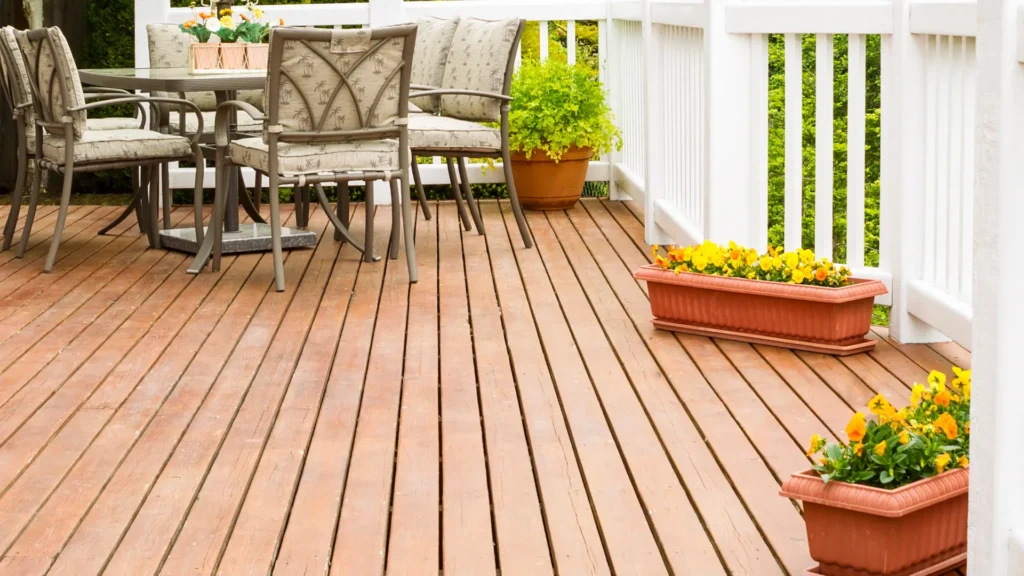
Types Of Decks You Can Add To Your House
Choosing the right deck style is one of the most important decisions you’ll make when planning your project. The type of deck you build affects everything from cost and maintenance to how well it fits your home and lifestyle. Understanding the different deck types available will help you make a more informed choice that aligns with your space, budget, and long-term goals.
Attached Vs. Freestanding Decks
One of the first decisions is whether your deck will be connected directly to your home or built as a separate structure. Each option has its own advantages depending on your layout and how you plan to use the space.
- Attached deck: This type of deck is secured directly to your house, usually through a ledger board. It creates a seamless transition from indoor to outdoor living, making it ideal for entertaining or extending your main living area. Attached decks are often more cost-efficient because they use the home’s existing structure for support, but they require proper flashing and waterproofing to prevent moisture damage.
- Freestanding deck: A freestanding deck is built independently from your house and supported entirely by its own posts and footings. This is a great option if attaching to your home is not feasible due to siding, foundation limitations, or local code restrictions. Freestanding decks also offer more flexibility in placement, such as creating a separate outdoor retreat in your yard, but they typically require more materials and structural planning.
Ground-Level Vs. Elevated Decks
The height of your deck plays a major role in both design and construction complexity. Ground-level and elevated decks serve different purposes and come with different requirements.
- Ground-level deck: Also known as a low-profile deck, this style sits close to the ground and usually does not require railings or stairs. It is a popular choice for flat yards and simple outdoor seating areas. Ground-level decks are generally easier and more affordable to build, making them ideal for DIY-friendly projects. However, proper drainage and ventilation are essential to prevent moisture buildup and long-term damage.
- Elevated deck: Elevated decks are raised above ground level and often connect to second-story doors or homes with uneven terrain. These decks require additional structural support, including posts, beams, and safety railings. While they involve more planning and cost, elevated decks provide better views, improved airflow, and the ability to build usable space underneath, such as storage or a patio area.
Multi-Level Deck Designs
For homeowners looking to maximize both function and visual appeal, a multi-level deck can be a standout option. This design involves creating two or more connected deck sections at different heights, each serving a specific purpose.
- Zoned functionality: Multi-level decks allow you to separate activities into distinct areas, such as dining, lounging, and grilling. This creates a more organized and comfortable outdoor space, especially for larger households or frequent gatherings.
- Adaptable to sloped yards: If your property has uneven terrain, a multi-level deck can follow the natural slope of the land rather than requiring extensive excavation. This often results in a more natural-looking and cost-effective solution.
- Enhanced visual appeal: The layered design adds depth and architectural interest to your backyard, making it feel more like an extension of your home rather than a simple platform.
Wraparound And Rooftop Deck Options
If you want to take your outdoor space beyond the standard layout, wraparound and rooftop decks offer unique ways to expand usable space and improve your home’s overall design.
- Wraparound deck: This style extends along multiple sides of your home, often connecting the front, side, and back areas. It provides continuous outdoor access and creates multiple entry points, which is especially useful for larger homes. Wraparound decks also enhance curb appeal and give you more flexibility in how you use the space throughout the day.
- Rooftop deck: A rooftop deck is built on top of a flat or reinforced roof, making it an excellent option for homes with limited yard space. It offers privacy and elevated views, which can be particularly appealing in urban settings. However, rooftop decks require careful structural evaluation, waterproofing, and compliance with building codes to ensure safety and longevity.
Choosing between these deck styles ultimately comes down to your property layout, how you plan to use the space, and your budget. By understanding the strengths and limitations of each option, you can create a deck that not only looks great but also adds long-term value and functionality to your home.
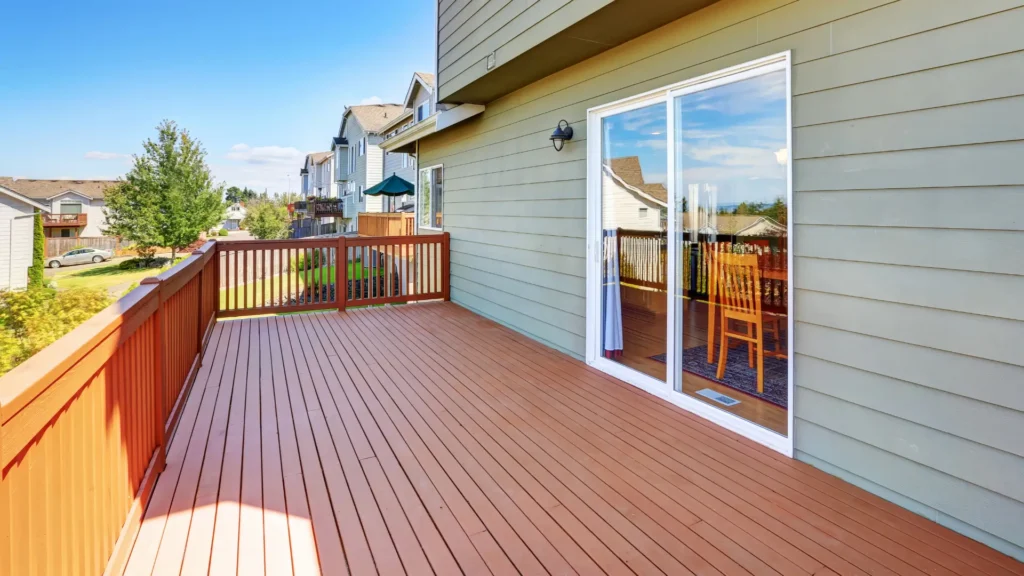
Choosing The Best Materials For Your Deck
Selecting the right material is one of the most important decisions you’ll make when you add a deck to your house. The material you choose affects not just the look of your outdoor space, but also its durability, maintenance needs, and long-term cost. A well-informed choice can save you years of repairs and frustration, while the wrong one can lead to warping, fading, or constant upkeep. Below is a practical breakdown of the most common decking materials, including how they perform in real-world conditions.
Pressure-Treated Wood (Pros And Cons)
Pressure-treated wood remains one of the most widely used options for deck construction, especially for homeowners working within a budget. It is chemically treated to resist rot, insects, and moisture, making it suitable for outdoor use.
- Affordability: This is typically the most cost-effective decking material, making it ideal for larger decks or budget-conscious projects.
- Availability: Widely available at most home improvement stores, which makes sourcing and replacing boards easier.
- Workability: Easy to cut and install, making it a practical choice for DIY-friendly builds.
However, it does come with trade-offs.
- Maintenance needs: Requires regular sealing or staining to prevent cracking, warping, and moisture damage.
- Appearance limitations: Often lacks the natural richness of premium wood options unless stained.
- Longevity concerns: While durable, it typically does not last as long as composite or hardwood without consistent care.
Composite Decking (Durability Vs. Cost)
Composite decking is made from a blend of wood fibers and recycled plastic, designed to offer a low-maintenance alternative to traditional wood.
- Low-maintenance design: Does not require staining, sealing, or painting, which significantly reduces long-term upkeep.
- Durability: Resistant to rot, insects, and fading, making it a strong option for high-traffic or weather-exposed decks.
- Consistent appearance: Manufactured boards offer uniform color and texture, which appeals to homeowners seeking a clean, modern look.
On the other hand, there are a few considerations to keep in mind.
- Higher upfront cost: Composite materials are more expensive initially compared to pressure-treated wood.
- Heat retention: Can become hot under direct sunlight, especially in warmer climates.
- Limited natural feel: While improving, it may not fully replicate the look and texture of real wood.
Hardwood Options (Cedar, Redwood, Tropical Woods)
Hardwood decking materials are known for their natural beauty and premium feel. Options like cedar, redwood, and tropical hardwoods such as ipe offer a high-end finish that many homeowners prefer.
- Natural resistance: Cedar and redwood naturally resist insects and decay without heavy chemical treatment.
- Aesthetic appeal: Rich colors and grain patterns create a more refined, high-end outdoor space.
- Longevity: Tropical hardwoods, in particular, are extremely dense and can last for decades with proper care.
Despite their appeal, hardwoods require thoughtful consideration.
- Cost factor: Typically more expensive than both pressure-treated wood and composite materials.
- Maintenance commitment: Regular sealing is needed to preserve color and prevent weathering.
- Installation difficulty: Dense hardwoods can be harder to cut and may require specialized tools or professional installation.
Maintenance Requirements For Each Material
Understanding maintenance is critical when choosing deck materials because it directly impacts long-term effort and cost. Each material behaves differently over time, especially when exposed to sun, rain, and temperature changes.
- Pressure-treated wood care: Requires annual cleaning, staining, and sealing to prevent splitting and moisture damage.
- Composite upkeep: Needs occasional cleaning with soap and water to remove dirt and prevent mold buildup.
- Hardwood maintenance: Benefits from periodic oiling or sealing to maintain color and protect against drying or cracking.
Ignoring maintenance can shorten the lifespan of any deck, so it is important to match your material choice with how much upkeep you are realistically willing to handle.
Expert Insight: Comparing Lifespan, Maintenance, And Cost Realistically
When evaluating decking materials, it is important to look beyond the initial price and consider the full lifecycle of your investment.
- Pressure-treated wood: Lower upfront cost but higher long-term maintenance, with a typical lifespan of 10 to 20 years depending on care.
- Composite decking: Higher initial investment but minimal maintenance, often lasting 25 to 30 years or more.
- Hardwood decking: Premium cost with moderate maintenance, but can last 25 years or longer when properly maintained.
From a practical standpoint, homeowners who prioritize low-maintenance living often lean toward composite decking, while those who value natural aesthetics may prefer hardwood. Pressure-treated wood remains a solid entry-level option, especially for those comfortable with ongoing maintenance.
Choosing the right material ultimately comes down to balancing your budget, desired appearance, and willingness to maintain your deck over time. A well-matched choice ensures your deck not only looks great on day one but continues to perform for years to come.
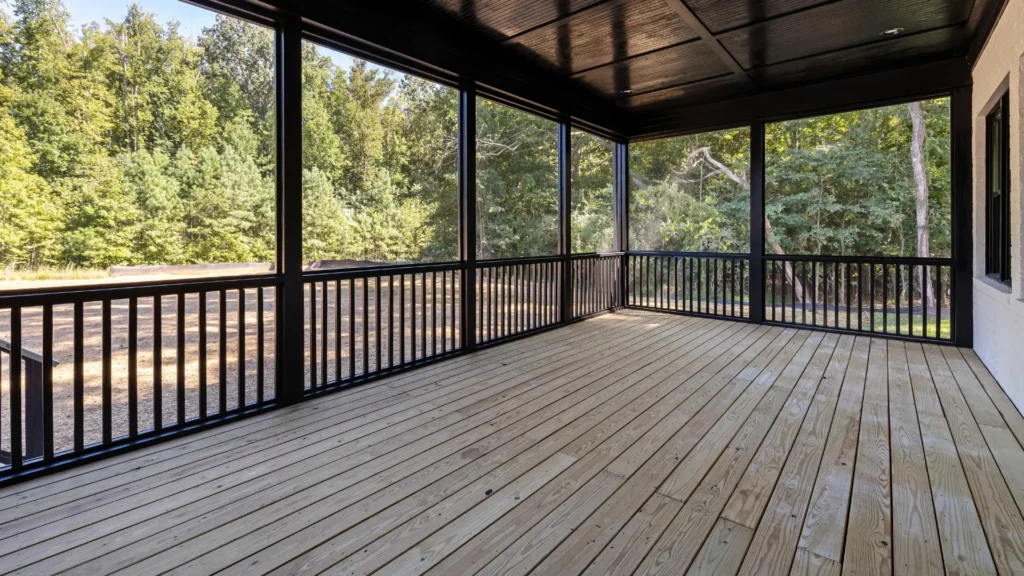
How Much Does It Cost To Add A Deck To Your House?
Understanding the cost to build a deck is one of the most important steps before starting your project. The total investment can vary widely depending on your design choices, materials, labor, and location. A clear deck pricing guide helps you avoid surprises and plan a project that fits both your budget and long-term goals.
Average Cost Breakdown (Materials, Labor, Permits)
The overall deck cost is typically divided into three main components. Each plays a significant role in your final budget, and understanding how they work together gives you better control over spending.
- Materials: This includes decking boards, framing lumber, fasteners, railings, and finishes. Basic pressure-treated wood is the most budget-friendly option, while composite and hardwood materials increase upfront costs but often reduce long-term maintenance.
- Labor: Professional labor can account for a large portion of the total cost, especially for complex or elevated decks. Skilled contractors ensure structural safety, code compliance, and faster completion.
- Permits and inspections: Most areas require permits before construction begins. These costs vary by location but are essential to ensure your deck meets safety regulations and avoids legal issues.
In general, homeowners can expect a wide price range, but breaking the project into these categories helps you estimate more accurately.
Cost by Deck Size and Material
Two of the biggest factors influencing the cost to build a deck are its size and the materials you choose. Larger decks require more materials and labor, while premium materials significantly increase the overall investment.
- Small decks: Ideal for compact spaces, these are more affordable and often suitable for DIY projects. Costs stay lower due to reduced material and labor needs.
- Medium-sized decks: These provide enough room for seating and entertaining, with moderate costs depending on design complexity.
- Large or multi-level decks: These require more structural support, additional labor, and higher-end materials, making them the most expensive option.
Material choice also plays a major role:
- Pressure-treated wood: A cost-effective option that is widely available, though it requires regular maintenance.
- Composite decking: Higher upfront cost but low-maintenance and long-lasting, making it popular for homeowners seeking convenience.
- Hardwood decking: Premium materials like cedar or tropical hardwoods offer durability and aesthetics but come with a higher price point.
Balancing size and material is key to creating a deck that fits your budget without sacrificing quality.
DIY vs. Hiring a Contractor: What’s More Cost-Effective?
Deciding between a do-it-yourself approach and hiring a professional has a direct impact on your total deck cost. While DIY can reduce labor expenses, it is not always the most cost-effective option in the long run.
- DIY approach: Best suited for simple, ground-level decks. You save on labor, but you must invest time, tools, and effort. Mistakes can lead to costly repairs if not done correctly.
- Hiring a contractor: More expensive upfront, but offers peace of mind through professional craftsmanship, faster timelines, and compliance with local building codes.
For straightforward projects, DIY can be a practical choice. For larger or elevated decks, working with an experienced contractor often results in better long-term value and fewer risks.
Hidden Costs Most Homeowners Miss
Many homeowners focus on the main construction costs but overlook additional expenses that can affect the total budget. These hidden costs can add up quickly if not planned for in advance.
- Site preparation: Leveling the ground, removing old structures, or addressing drainage issues can increase costs before construction begins.
- Upgrades and add-ons: Features like built-in seating, lighting, or custom railings enhance usability but raise the overall price.
- Maintenance expenses: Wood decks require ongoing sealing, staining, and repairs, which should be factored into long-term costs.
- Unexpected repairs: Structural issues with your home or yard may be discovered during the build, leading to additional expenses.
Planning for these factors helps you create a more realistic deck pricing guide and prevents budget overruns.
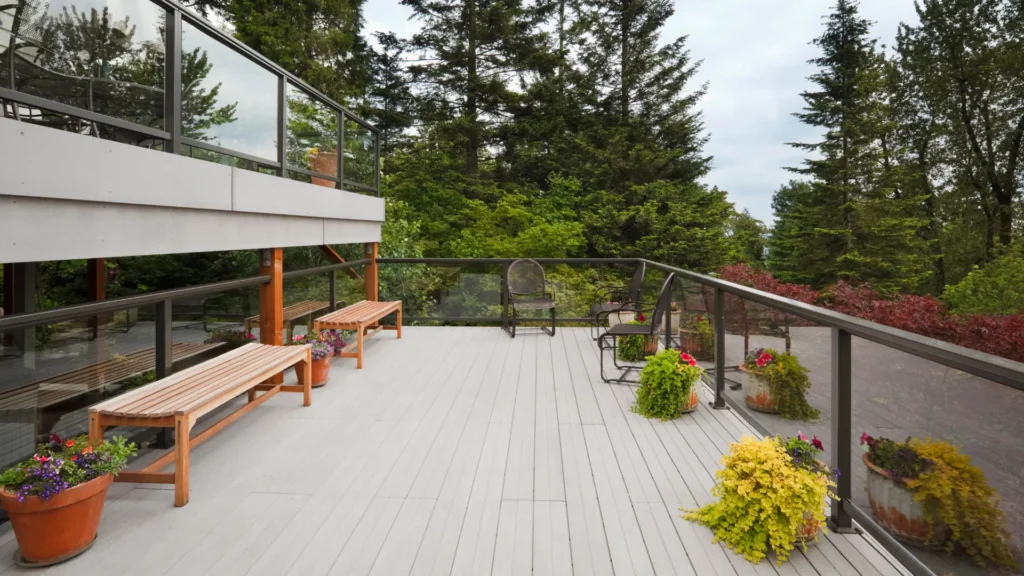
Step-By-Step Guide To Adding A Deck
Adding a deck to your house is a rewarding project that combines planning, construction knowledge, and attention to detail. Whether you are taking a hands-on DIY approach or working with a contractor, understanding each stage of the process helps you avoid costly mistakes and ensures a safe, long-lasting result. Below is a clear, experience-based breakdown of how to move from idea to finished deck with confidence.
Step 1: Plan Your Deck Design and Layout
The planning stage sets the foundation for everything that follows. A well-thought-out design ensures your deck fits your space, meets your needs, and complies with local regulations.
- Purpose-driven layout: Decide how you will use the deck, whether for entertaining, dining, or relaxing, and design the layout around those activities
- Size and placement: Consider how the deck connects to your house and yard, taking into account sunlight, privacy, and access points
- Structural considerations: Evaluate your home’s exterior wall, door placement, and load-bearing capacity for an attached deck
- Future-proofing: Plan for features like seating, lighting, or a pergola early to avoid rework later
Sketch your design or use simple planning tools to visualize dimensions and flow. If your layout feels cramped or overly complex on paper, it will likely feel the same once built.
Step 2: Gather Tools, Materials, and Permits
Before construction begins, having the right materials and approvals in place saves time and prevents delays.
- Essential tools: Circular saw, drill, level, measuring tape, and post-hole digger are standard for most deck projects
- Material selection: Choose between pressure-treated wood, composite decking, or hardwood based on durability, cost, and maintenance preferences
- Permit requirements: Check local building codes to ensure your deck meets safety standards, including height, railing, and spacing rules
- Inspection process: Some areas require inspections at different stages, so plan your timeline accordingly
Skipping permits or using substandard materials is one of the most common mistakes homeowners make, and it often leads to expensive corrections later.
Step 3: Prepare the Ground and Foundation
A stable foundation is critical for a long-lasting deck. Poor groundwork can lead to shifting, sagging, or structural failure over time.
- Site preparation: Clear vegetation, level the area, and mark the deck footprint accurately
- Footings and posts: Dig holes below the frost line and pour concrete footings to support vertical posts
- Drainage planning: Ensure water flows away from the deck to prevent rot and erosion
- Ground stability: Use gravel or compacted soil to create a solid base
Taking the time to get this step right directly impacts the durability and safety of your deck.
Step 4: Build the Frame and Support Structure
The frame is the backbone of your deck, and precision here determines how solid and level the final structure will be.
- Ledger board installation: Secure the ledger board to your house using proper fasteners and flashing to prevent water damage
- Joist layout: Space joists evenly according to building codes to support the deck boards effectively
- Beam and post alignment: Ensure all vertical and horizontal supports are level and properly anchored
- Hardware quality: Use corrosion-resistant fasteners and brackets for long-term reliability
A well-built frame should feel sturdy underfoot and show no signs of movement or unevenness.
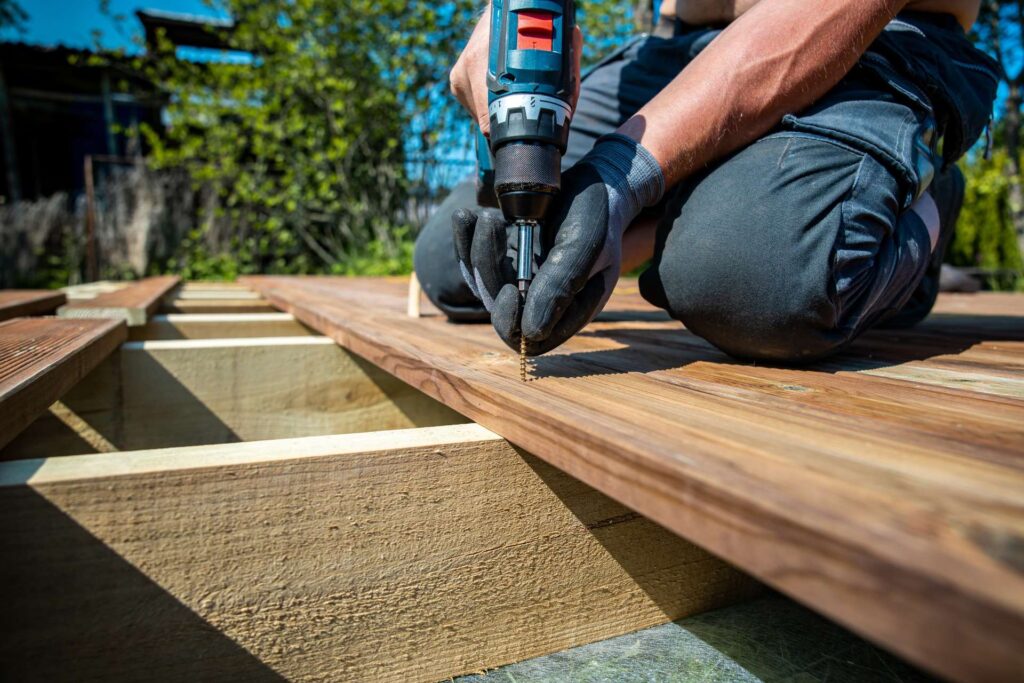
Step 5: Install Deck Boards and Railings
Once the structure is in place, installing deck boards brings the project to life and defines the look of your outdoor space.
- Board spacing: Leave consistent gaps between boards to allow for expansion and water drainage
- Fastening method: Choose between visible screws or hidden fasteners for a cleaner finish
- Railing installation: Install railings according to safety codes, especially for elevated decks
- Edge finishing: Trim excess board length for a polished, professional appearance
Attention to detail during this stage improves both the appearance and usability of your deck.
Step 6: Finishing Touches (Staining, Sealing, Lighting)
The final step enhances durability, safety, and overall appeal, turning a basic structure into a comfortable outdoor living space.
- Protective finishes: Apply stain or sealant to protect wood from moisture, UV damage, and wear
- Lighting additions: Install low-voltage lighting for safety and ambiance, especially on stairs and railings
- Accessory upgrades: Consider built-in seating, planters, or storage to increase functionality
- Final inspection: Check for loose fasteners, uneven boards, or sharp edges before use
These finishing touches not only extend the life of your deck but also make it more enjoyable day-to-day.
Adding a deck to your house becomes much more manageable when you approach it step by step with a clear plan and the right information. By focusing on proper preparation, quality materials, and careful execution, you can create a durable outdoor space that adds real value and enjoyment to your home.
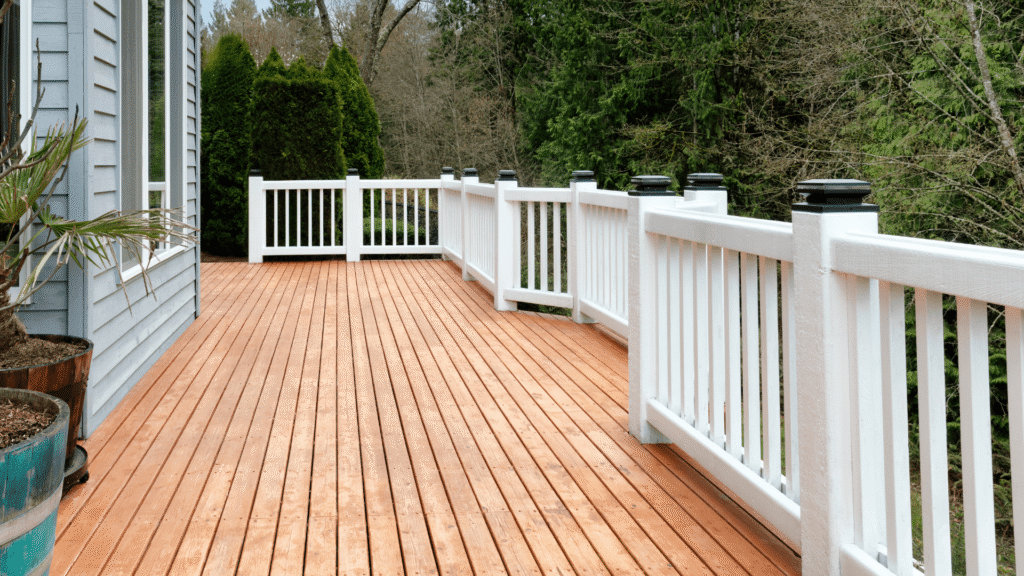
DIY Vs. Hiring A Professional: Which Is Right For You?
Deciding whether to build a deck yourself or hire a professional is one of the most important choices you’ll make in your project. The right option depends on your budget, skill level, timeline, and the complexity of the deck design. While a DIY approach can save money, a professional ensures precision, compliance, and long-term durability. Understanding where each option fits will help you avoid costly mistakes and get the best result for your home.
When DIY Makes Sense
A do-it-yourself deck project can be a rewarding and cost-effective option, especially for homeowners who are comfortable with tools and basic construction techniques. However, it works best in specific situations where the risk and complexity are manageable.
- Simple design: A ground-level or small deck with a straightforward layout is ideal for DIY because it requires fewer structural calculations and less advanced framing.
- Basic skill level: If you already have experience with carpentry, measuring, and using power tools, you’re more likely to complete the project safely and efficiently.
- Budget-conscious builds: DIY eliminates labor costs, which can make up a significant portion of the total project expense.
- Flexible timeline: If you’re not in a rush and can work over weekends or evenings, DIY gives you more control over pacing.
That said, even simple projects require careful planning, accurate measurements, and a solid understanding of local building codes to avoid structural issues down the line.
When To Hire A Contractor
Hiring a professional deck builder is often the smarter choice when the project involves complexity, safety considerations, or strict compliance requirements. A skilled contractor brings both technical expertise and efficiency to the process.
- Elevated or multi-level decks: These require proper load-bearing calculations, secure attachments to the house, and advanced framing techniques.
- Permit-heavy projects: Contractors are familiar with local regulations and can handle permits, inspections, and code compliance more efficiently.
- Time-sensitive builds: If you want the deck completed quickly and correctly, a professional team can significantly reduce build time.
- High-end materials: Composite decking, hardwoods, or custom features like built-in seating or lighting require precise installation to avoid costly mistakes.
In many cases, hiring a contractor is not just about convenience, it is about ensuring long-term safety, structural integrity, and peace of mind.
Questions To Ask Before Hiring A Deck Builder
Choosing the right contractor is just as important as deciding to hire one. Asking the right questions upfront can help you avoid misunderstandings and ensure you’re working with a qualified professional.
- Licensing and insurance: Are you licensed and insured to perform deck construction in this area?
- Experience level: How many decks have you built, and can you share examples of similar projects?
- Permits and inspections: Will you handle permits and ensure the project meets local building codes?
- Timeline and availability: How long will the project take from start to finish?
- Warranty and guarantees: Do you offer any workmanship warranty or material guarantees?
These questions help establish credibility and give you confidence that the builder can deliver a safe, high-quality result.
Red Flags To Watch Out For
Not all contractors deliver the same level of quality, and overlooking warning signs can lead to poor workmanship or unfinished projects. Being aware of common red flags can protect your investment.
- No written contract: A lack of a detailed agreement often leads to disputes over cost, scope, or timelines.
- Unusually low quotes: Prices that seem too good to be true may indicate low-quality materials or shortcuts in construction.
- Lack of references: Reliable contractors should be able to provide past client feedback or project examples.
- Poor communication: Delayed responses or unclear answers early on can signal bigger issues during the project.
- Upfront full payment requests: Reputable builders typically require a deposit, not full payment before work begins.
Taking the time to vet your contractor properly can save you from unnecessary stress and ensure your deck is built to last.
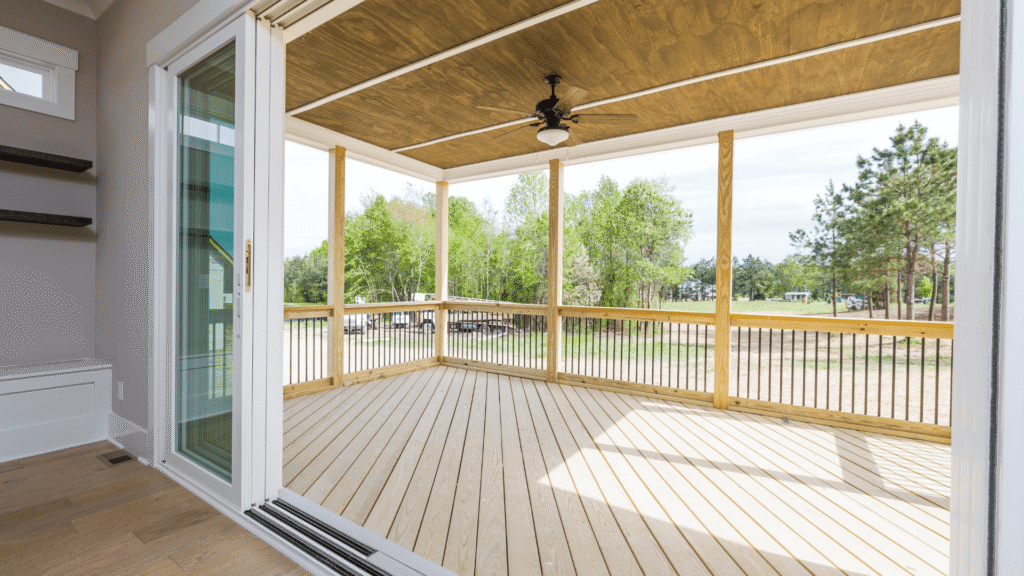
Common Mistakes To Avoid When Adding A Deck
Building a deck can be a rewarding home-improvement project, but it is also one where small mistakes can lead to expensive repairs or safety concerns later on. Many homeowners focus on design and aesthetics while overlooking critical structural and planning details. Understanding the most common pitfalls can help you avoid delays, reduce long-term costs, and ensure your deck remains safe, durable, and enjoyable for years.
Skipping Permits Or Inspections
One of the most common and costly mistakes is bypassing the permit process. While it may seem like a way to save time or money, skipping permits can create serious legal and structural issues.
- Code Compliance: Local building codes exist to ensure your deck is structurally sound and safe for use. Ignoring them increases the risk of failure or accidents
- Resale Problems: Unpermitted work can delay or even prevent a home sale, as buyers and inspectors often require proper documentation
- Insurance Risks: Insurance providers may deny claims related to unapproved structures, leaving you responsible for damages
- Inspection Value: Inspections help catch hidden issues early, such as improper footing depth or weak connections, before they become major problems
Taking the time to secure permits and pass inspections protects both your investment and your safety.
Poor Drainage And Water Damage Issues
Water is one of the biggest threats to any deck, and poor drainage planning can significantly shorten its lifespan. Many decks fail not because of poor construction, but because water was not managed properly.
- Standing Water: Flat or improperly sloped surfaces can allow water to pool, leading to rot and structural weakening
- Ledger Board Damage: The connection point between your deck and house is especially vulnerable if not sealed and flashed correctly
- Soil Erosion: Poor drainage beneath the deck can wash away soil around footings, compromising stability over time
- Mold And Mildew: Constant moisture creates the perfect environment for mold growth, which affects both appearance and safety
A well-designed deck should include proper spacing between boards, adequate slope, and drainage solutions that direct water away from the structure.
Using The Wrong Materials For Your Climate
Not all decking materials perform the same in every environment. Choosing materials without considering your local climate can lead to premature wear and higher maintenance costs.
- Humidity Resistance: In humid climates, untreated wood can absorb moisture and warp quickly
- Heat Tolerance: In hot regions, certain composite materials can become uncomfortably hot under direct sunlight
- Cold Weather Durability: Freeze-thaw cycles can cause cracking or splitting in lower-quality materials
- Longevity Considerations: Materials like composite or hardwood may cost more upfront but often last longer in harsh conditions
Selecting climate-appropriate materials ensures your deck remains stable, comfortable, and visually appealing throughout the year.
Incorrect Measurements And Structural Errors
Precision is critical when building a deck. Even small measurement errors can lead to uneven surfaces, weak support systems, or long-term structural issues.
- Improper Footing Placement: Misaligned or shallow footings can compromise the entire deck’s stability
- Uneven Framing: Inconsistent spacing or leveling can result in a deck that feels unstable or looks poorly finished
- Load-Bearing Mistakes: Failing to calculate weight distribution correctly can lead to sagging or structural failure
- Connection Weakness: Using incorrect fasteners or poor attachment methods can weaken key joints over time
Careful planning, accurate measurements, and adherence to structural guidelines are essential for a safe and long-lasting deck.
Underestimating Maintenance Needs
Many homeowners underestimate how much ongoing care a deck requires, especially when choosing traditional wood materials. Neglecting maintenance can quickly lead to deterioration.
- Regular Sealing: Wood decks need periodic sealing or staining to protect against moisture and UV damage
- Cleaning Routine: Dirt, debris, and organic buildup can accelerate wear and create slippery surfaces
- Inspection Checks: Loose boards, nails, or railings should be addressed promptly to prevent accidents
- Material Expectations: Even low-maintenance options like composite decking still require occasional cleaning and inspection
Planning for maintenance from the beginning helps extend your deck’s lifespan and keeps it looking its best.
Real-World Pitfalls And Lessons Learned
From years of hands-on experience and homeowner feedback, the biggest issues rarely come from major design flaws but from overlooked details. Rushing the planning stage, cutting corners on materials, or assuming all decks are built the same often leads to problems down the line. A well-built deck is not just about appearance, it is about durability, safety, and how it performs over time in real conditions. Taking a thoughtful, detail-oriented approach from the start will save you time, money, and frustration later.
Building a deck is an investment in your home and your lifestyle, and avoiding these common mistakes ensures that investment pays off. With proper planning, the right materials, and attention to detail, you can create a deck that not only looks great but stands the test of time.

How To Maintain Your Deck For Long-Term Durability
A well-built deck is an investment, but its longevity depends on how well you maintain it over time. Regular upkeep not only preserves the appearance of your outdoor space but also prevents structural issues that can become costly if ignored. With a consistent maintenance routine and a proactive approach, you can extend the life of your deck and keep it safe, functional, and visually appealing for years.
Cleaning And Sealing Schedule
Routine cleaning and sealing are the foundation of long-term deck care. Dirt, moisture, and UV exposure gradually break down materials, especially wood, so staying on schedule is essential.
- Cleaning frequency: Clean your deck at least twice a year using a deck-safe cleaner to remove dirt, mildew, and stains that can degrade the surface over time.
- Deep-cleaning approach: Use a soft-bristle brush or low-pressure washer to avoid damaging the wood fibers or composite surface.
- Sealing timeline: Apply a high-quality sealant or stain every one to three years depending on the material and climate conditions.
- Moisture protection: Sealing helps repel water, reducing the risk of rot and cracking caused by repeated wet-dry cycles.
For wood decks, sealing is especially important, as untreated wood absorbs moisture quickly and deteriorates faster. Composite decks require less sealing but still benefit from regular cleaning to maintain their finish.
Preventing Rot, Mold, And Warping
Moisture is the biggest threat to any deck, and preventing water buildup is key to avoiding long-term damage. Rot, mold, and warping often develop slowly, so early prevention makes a significant difference.
- Proper drainage: Ensure water flows away from the deck by keeping gaps between boards clear and checking that the surrounding ground slopes away from the structure.
- Ventilation support: Allow air to circulate beneath the deck to reduce trapped moisture that can lead to rot and mold growth.
- Mold prevention: Regularly remove leaves, debris, and organic matter that hold moisture and create the perfect environment for mold.
- Warping control: Avoid prolonged exposure to standing water and direct heat, which can cause boards to expand, contract, and eventually warp.
Consistent inspection is important here. If you notice soft spots, discoloration, or a musty smell, address the issue immediately before it spreads.
Seasonal Maintenance Tips
Each season brings different challenges, so adjusting your maintenance routine throughout the year helps protect your deck from weather-related wear.
- Spring preparation: Inspect for winter damage, clean thoroughly, and check for loose boards or fasteners before heavy use begins.
- Summer care: Monitor for sun-related fading and dryness, and consider applying a UV-protective finish if needed.
- Fall cleanup: Remove fallen leaves and debris to prevent moisture buildup and staining as temperatures drop.
- Winter protection: Avoid using harsh metal shovels or chemical de-icers that can damage the surface, and keep snow accumulation manageable.
By aligning your maintenance efforts with seasonal conditions, you reduce stress on the materials and maintain the structural integrity of your deck year-round.
When To Repair Vs. Replace
Knowing when to repair and when to replace parts of your deck can save both time and money. Minor issues are often easy to fix, but widespread damage may signal the need for a larger upgrade.
- Repair indicators: Loose railings, cracked boards, or minor surface damage can typically be fixed with targeted repairs and refinishing.
- Structural warning signs: Sagging areas, unstable framing, or extensive rot often require professional assessment and partial reconstruction.
- Age consideration: Decks that are nearing the end of their expected lifespan may benefit more from replacement than repeated repairs.
- Cost comparison: If repair costs approach a significant portion of replacement costs, investing in a new deck may offer better long-term value.
An experienced contractor can help evaluate the condition of your deck and recommend the most practical solution based on safety, cost, and long-term durability.
References
- How to Build a Simple Deck – This Old House
https://www.thisoldhouse.com/decking/how-to-build-a-deck (This Old House) - How to Build a Deck – The Home Depot Guide
https://www.homedepot.com/c/ah/how-to-build-a-deck/9ba683603be9fa5395fab90762ef0cc (The Home Depot) - Deck Building 101: Planning, Materials, and Expert Advice
https://tinosinc.com/blog/decks/deck-building-101/ (TINOS Inc) - How Much Does It Cost to Build a Deck? (2025 Guide)
https://www.pro-mapper.com/decking/how-much-does-it-cost-to-build-a-deck/ (Pro-Mapper) - Deck Planning and Materials Guide – Lowe’s
https://www.lowes.com/n/buying-guide/deck-planning-and-materials-guide (lowes.com)
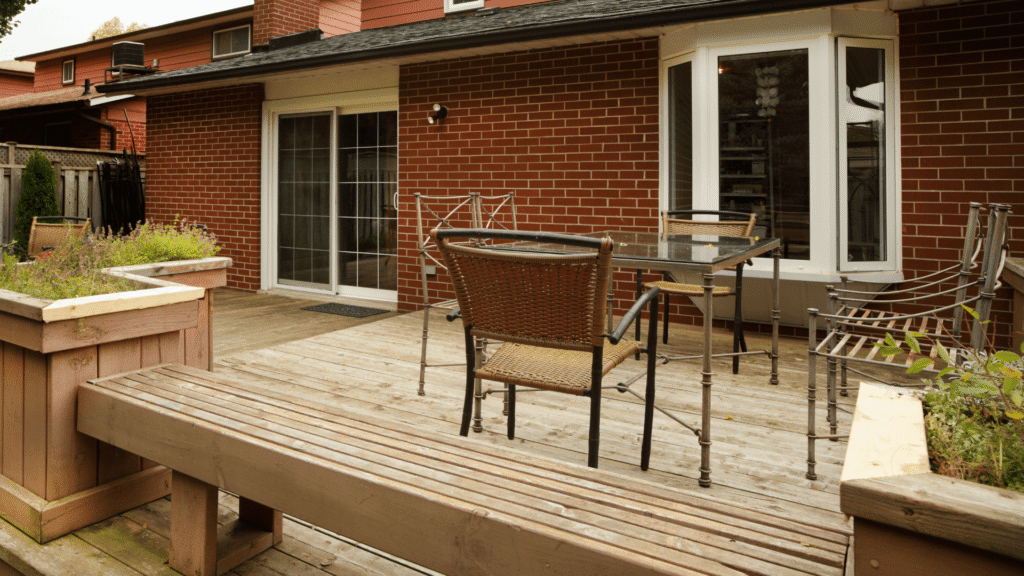
FAQs: About How To Add A Deck To Your House
Conclusion
Adding a deck to your house can be a smart, value-adding upgrade, but it ultimately comes down to your budget, available space, and how you plan to use the area on a day-to-day basis; if you have the room to build and a clear vision for outdoor living, a well-designed deck can extend your usable space, improve functionality, and enhance your home’s overall appeal, while also offering a strong return on investment over time. It is important to approach the project with careful planning rather than rushing into construction, taking time to evaluate materials, layout, and long-term maintenance so you avoid costly adjustments later, and when done right, a deck becomes more than just an add-on, it becomes a durable, lifestyle-enhancing feature that you and your family can enjoy for years.
Find A Professional Decking Company Near You!
- Balcony Construction Christchurch
- Deck Builders Alexandra
- Deck Builders Alexandra, Clyde & Cromwell
- Deck Builders Auckland
- Deck Builders Central Otago
- Deck Builders Christchurch
- Deck Builders Clyde
- Deck Builders Cromwell
- Deck Builders Hamilton
- Deck Builders Hawkes Bay
- Deck Builders Invercargill
- Deck Builders Kapiti Coast
- Deck Builders Kerikeri
- Deck Builders Lower Hutt
- Deck Builders Manawatu–Whanganui
- Deck Builders Nelson
- Deck Builders New Plymouth
- Deck Builders Paihia
- Deck Builders Palmerston North
- Deck Builders Porirua
- Deck Builders Queenstown
- Deck Builders Taupo
- Deck Builders Tauranga
- Deck Builders Upper Hutt
- Deck Builders Wanaka
- Deck Builders Warkworth
- Deck Builders Wellington
- Deck Builders West Auckland
- Deck Staining Palmerston North
- Pro Deck Builders Christchurch

About the Author:
Mike Veail is a recognized digital marketing expert with over 6 years of experience in helping tradespeople and small businesses thrive online. A former quantity surveyor, Mike combines deep industry knowledge with hands-on expertise in SEO and Google Ads. His marketing strategies are tailored to the specific needs of the trades sector, helping businesses increase visibility and generate more leads through proven, ethical methods.
Mike has successfully partnered with numerous companies, establishing a track record of delivering measurable results. His work has been featured across various platforms that showcase his expertise in lead generation and online marketing for the trades sector.
Learn more about Mike's experience and services at https://theleadguy.online or follow him on social media: