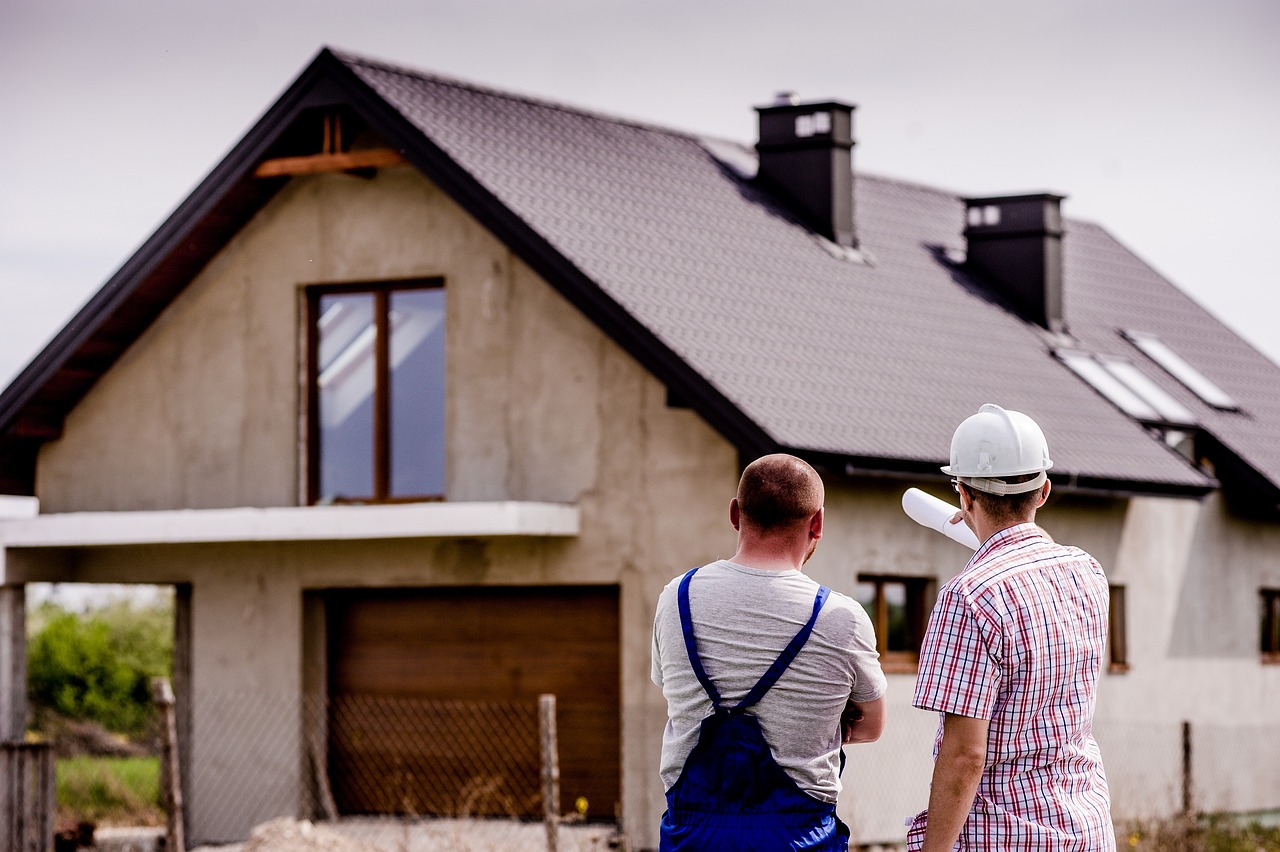
Welcome to our guide to the best home builders in Wellington, where we help homeowners, investors, and first-time builders discover the most reputable construction companies in the region. Choosing the right builder is one of the most important decisions you will make when planning a new home, especially in Wellington where coastal conditions, hillside sections, and strict building standards require experienced professionals. In this guide you will learn how to identify trustworthy builders, compare top companies, understand building costs, and avoid common mistakes that can delay or derail your project. Whether you are planning a custom architectural home or exploring pre-designed house and land packages, this article will give you the insights and practical knowledge needed to confidently choose a builder who can turn your vision into a durable, high-quality home.
The best home builders in Wellington are licensed, experienced companies known for delivering high-quality residential construction and strong customer satisfaction. Top builders typically offer custom home design, transparent pricing, and expertise in Wellington’s unique climate and terrain. When choosing a builder, compare experience, certifications, past projects, and client reviews.
- What Makes A Great Home Builder In Wellington?
- Best Home Builders In Wellington (Top Companies To Consider)
- Custom Home Builders Vs Project Home Builders In Wellington
- Average Cost Of Building A Home In Wellington
- Questions To Ask Before Hiring A Home Builder
- Common Mistakes To Avoid When Choosing A Builder
- Tips For A Smooth Home Building Process
- How To Choose The Best Home Builder In Wellington For Your Project
- References
- FAQs: About Best Home Builders In Wellington
- Conclusion
- Find A Professional Builders Company Near You!
What Makes A Great Home Builder In Wellington?
Choosing the right home builder is one of the most important decisions you will make when planning a new home in Wellington. The region’s unique geography, strict building regulations, and coastal climate mean that not every builder is equipped to handle the challenges involved. A great builder does far more than simply construct a house. They bring technical expertise, local experience, transparent communication, and a commitment to quality that ensures your home is safe, durable, and built to last. Understanding the key qualities that separate an average builder from a trusted, high-quality builder will help you evaluate companies with greater confidence.
Licensing, Certifications, And Industry Memberships
A reliable home builder should always meet the professional licensing and certification standards required in New Zealand. These credentials demonstrate that the builder has the necessary training, experience, and accountability to complete residential construction safely and professionally. When builders belong to respected industry organizations or hold recognized qualifications, it signals a stronger commitment to workmanship and ethical business practices.
- Licensed Building Practitioner (LBP): An LBP is a professional who has been assessed and approved by the New Zealand government to perform or supervise critical building work. This certification confirms that the builder has proven skills in areas such as carpentry, design, or site supervision. Hiring an LBP ensures that restricted building work on your home meets the legal standards required for structural safety.
- Master Builders Association Membership: Builders who belong to the Registered Master Builders Association must meet strict entry requirements related to experience, financial stability, and quality of work. Membership also allows homeowners to access the Master Build Guarantee, which provides additional protection for workmanship and structural integrity.
- Registered Builders NZ: Builders affiliated with organizations such as Registered Builders New Zealand often participate in continuing education and professional development programs. These memberships demonstrate a commitment to staying up to date with evolving construction standards, materials, and best-practice building techniques.
Working with licensed and accredited professionals gives homeowners peace of mind that their builder operates within established industry standards and maintains accountability throughout the project.
Experience With Wellington’s Climate And Terrain
Wellington presents unique construction challenges that require specialized local knowledge. The city is known for its strong winds, steep hillside sections, and coastal exposure. Builders who have extensive experience working in the Wellington region understand how to design and construct homes that can withstand these conditions while remaining comfortable and energy-efficient.
Wind Zones
Wellington is often referred to as one of the windiest cities in the world. High-wind zones influence how homes must be designed and built, particularly when it comes to structural framing, cladding systems, and roof anchoring. Builders familiar with Wellington conditions understand how to reinforce structures, select wind-resistant materials, and ensure the building envelope performs effectively under extreme weather conditions.
Hillside Construction
Many Wellington properties are located on sloped or uneven terrain, which introduces additional engineering and design considerations. Builders with hillside-construction experience know how to manage complex foundation systems, retaining walls, and drainage requirements. They also understand how to safely access and prepare challenging building sites without compromising the stability of the surrounding land.
Coastal Corrosion Considerations
Homes built near the coast are exposed to salt-laden air that can accelerate corrosion of certain building materials. Experienced Wellington builders carefully select corrosion-resistant metals, protective coatings, and durable cladding materials that perform well in coastal environments. This proactive approach helps prevent long-term structural deterioration and reduces maintenance costs over time.
Quality Of Materials And Construction Standards
The long-term durability of a home depends heavily on the materials used and the construction standards followed during the building process. A reputable builder prioritizes quality materials, proven building methods, and strict adherence to construction standards. These factors directly affect the safety, performance, and lifespan of the finished home.
Structural Durability
Structural durability refers to the ability of the home’s framework and foundation to withstand environmental stresses over time. High-quality builders ensure that framing systems, foundations, and load-bearing elements are designed and constructed according to engineering specifications. Proper structural design helps protect the home against movement, moisture intrusion, and weather-related damage.
Energy Efficiency
Modern home construction increasingly prioritizes energy-efficient design to reduce long-term utility costs and improve indoor comfort. Builders who focus on energy performance often recommend insulation systems, high-performance windows, and well-sealed building envelopes that help maintain stable indoor temperatures. Energy-efficient homes are also more sustainable and align with modern building expectations in New Zealand.
Compliance With NZ Building Codes
All residential construction in New Zealand must comply with the New Zealand Building Code. This code outlines minimum standards for structural performance, fire safety, moisture control, ventilation, and energy efficiency. A reputable builder ensures that every stage of the project meets these legal requirements and passes the necessary inspections conducted by local councils.
Transparency In Pricing And Contracts
Clear pricing and transparent contracts are essential for avoiding misunderstandings and unexpected costs during the construction process. Experienced builders recognize that homeowners need a clear understanding of project costs, timelines, and responsibilities before construction begins.
Fixed-Price Contracts
Many reputable builders offer fixed-price contracts, which outline the total cost of the project based on agreed specifications and materials. This type of contract helps homeowners plan their budgets more accurately and reduces the risk of unexpected cost increases. While variations can still occur if the scope of work changes, a fixed-price agreement provides a stable financial framework for the project.
Clear Timelines
A well-managed construction project includes a realistic and clearly defined timeline. Builders should be able to explain the expected duration of each construction stage, including site preparation, foundation work, framing, and finishing. Transparent scheduling allows homeowners to understand when key milestones will occur and helps manage expectations throughout the build.
Communication Practices
Effective communication is often the difference between a smooth building experience and a stressful one. The best builders maintain open lines of communication and provide regular progress updates to homeowners. This may include scheduled meetings, written reports, or digital project-tracking systems that allow clients to stay informed about progress, decisions, and any potential challenges that arise during construction.
When a builder combines professional credentials, regional expertise, quality construction practices, and transparent communication, they create a foundation of trust that leads to successful home-building projects. For homeowners in Wellington, evaluating builders through these criteria can make the process of selecting the right construction partner far more confident and informed.
Best Home Builders In Wellington (Top Companies To Consider)
Choosing among the best home builders in Wellington requires more than simply comparing prices or browsing company websites. The region’s unique coastal climate, steep hillside sections, and strict building standards mean that experience and construction-quality matter significantly. In this section, we highlight several well-known home construction companies in Wellington NZ that consistently demonstrate strong craftsmanship, transparent communication, and reliable project delivery. The companies listed below were selected based on their industry reputation, experience in residential construction Wellington, project diversity, and overall client satisfaction. While each builder offers different strengths, all of them provide valuable options for homeowners planning new builds, architectural homes, or high-quality residential developments.
BuilderConnect – Find Builders In Wellington
BuilderConnect stands out as one of the most trusted platforms for finding top builders Wellington homeowners rely on when planning a new home project. Rather than operating as a single construction firm, BuilderConnect acts as a professional builder-matching service that connects clients with vetted residential builders across the Wellington region. This approach simplifies the search process and helps homeowners identify the most suitable builder for their specific project.
With several years of experience helping homeowners navigate the building process, BuilderConnect focuses on connecting clients with experienced, licensed professionals who understand the challenges of building in Wellington’s diverse environments. From coastal suburbs to hillside developments, the platform helps match clients with builders who have relevant project experience.
BuilderConnect works with a network of reputable residential construction companies that specialize in a wide range of services including custom homes, architectural builds, and large-scale residential developments. The platform carefully evaluates builders based on licensing, previous work, and client feedback before including them in its network.
- Services Offered: BuilderConnect helps clients find qualified builders for custom homes, architectural builds, renovations, and full-scale residential construction projects.
- Design Approach: The service focuses on connecting clients with builders whose expertise aligns with the homeowner’s design vision and land requirements.
- Customer Reputation: BuilderConnect has built a strong reputation for simplifying the builder-selection process and helping homeowners avoid costly mistakes when choosing contractors.
- Typical Project Type: The platform works with builders across a range of project types including new custom homes, architectural houses, and modern residential developments.
BuilderConnect is particularly ideal for homeowners who want expert guidance when selecting among multiple home construction companies Wellington NZ offers. By matching projects with experienced builders, the service increases the likelihood of a smooth, well-managed building experience.
Jennian Homes Wellington
Jennian Homes Wellington is one of the most established names in residential construction Wellington and has built a strong reputation for delivering well-designed, energy-efficient homes. As part of a nationally recognized building group, the company brings decades of experience to the Wellington housing market.
Jennian Homes specializes in both custom-designed homes and carefully developed house-and-land packages. Their design team works closely with clients to create homes that suit modern lifestyles while remaining practical for Wellington’s environment.
- Services Offered: Custom homes, house-and-land packages, design-and-build services, and turnkey home solutions.
- Design Approach: Jennian Homes focuses on functional layouts, modern design features, and energy-efficient construction techniques.
- Customer Reputation: The company consistently receives positive feedback for its clear communication, transparent pricing, and high-quality workmanship.
- Typical Project Type: Mid-to-high-end family homes, new suburban developments, and well-planned residential communities.
Jennian Homes is often a strong choice for families seeking a structured, reliable building process with professional design support.
Landmark Homes Wellington
Landmark Homes is widely recognized for its architectural-quality builds and design-focused residential projects. The company works closely with architects and designers to deliver distinctive homes that balance aesthetic appeal with practical functionality.
With decades of building experience across New Zealand, Landmark Homes has developed a reputation for premium craftsmanship and attention to detail. Their Wellington team has extensive experience managing complex builds, including homes on challenging terrain.
- Services Offered: Architectural home construction, luxury residential builds, and custom design-and-build projects.
- Design Approach: The company focuses on architecturally-designed homes that combine high-end finishes with practical layouts.
- Customer Reputation: Landmark Homes is known for its commitment to build-quality and strong project management throughout the construction process.
- Typical Project Type: Architecturally-designed homes, luxury residences, and high-end custom builds.
This builder is especially suited for homeowners seeking a highly customized, design-led home.
GJ Gardner Homes Wellington
GJ Gardner Homes is one of the most recognizable home construction companies Wellington NZ offers, known for its extensive catalog of home designs and structured building process. The company has built thousands of homes across New Zealand and maintains a strong local presence in Wellington.
Their approach focuses on simplifying the home-building journey by offering pre-designed floor plans that can be customized to suit individual client needs.
- Services Offered: House-and-land packages, custom home builds, and project-home construction.
- Design Approach: GJ Gardner emphasizes practical home designs that are affordable, adaptable, and suitable for modern living.
- Customer Reputation: Clients often appreciate the company’s clear pricing structure, predictable timelines, and strong project management systems.
- Typical Project Type: First-home builds, family homes, and suburban residential developments.
This builder is a popular choice for buyers looking for a streamlined building process with predictable costs.
Design Builders Wellington
Design Builders Wellington focuses on creating architecturally-inspired homes that are tailored to each client’s vision. The company has been involved in many high-quality residential projects across the region and works closely with architects, designers, and homeowners throughout the entire build process.
Their design-and-build model allows clients to move from concept to construction under one coordinated team, which helps reduce communication gaps and project delays.
- Services Offered: Architectural home construction, design-and-build services, and high-end residential projects.
- Design Approach: The company emphasizes bespoke design solutions that reflect the homeowner’s lifestyle and the site’s unique characteristics.
- Customer Reputation: Design Builders is known for its collaborative process and attention to detail during both design and construction phases.
- Typical Project Type: Architectural homes, high-end residential builds, and custom-designed houses.
When comparing top builders Wellington residents recommend, it is important to consider more than just price. Factors such as experience, design capability, communication style, and project management approach often determine whether a building project runs smoothly. By evaluating these elements carefully, homeowners can confidently select a builder who will deliver a high-quality home built to last in Wellington’s demanding environment.
Custom Home Builders Vs Project Home Builders In Wellington
Choosing the right type of builder is one of the first major decisions you will make when planning a new home in Wellington. Two common options are custom home builders and project home builders. While both can deliver high quality homes, they operate in different ways and suit different types of homeowners. Understanding the difference between these two builder models will help you make a well informed decision based on your budget, land conditions, timeline, and personal design preferences.
Custom Home Builders
Custom home builders focus on creating one-of-a-kind homes tailored specifically to the homeowner’s vision. Instead of selecting from a pre-designed template, the design is created from scratch to match your lifestyle, site conditions, and architectural goals. This approach is common in Wellington, where many properties are located on hillside sections or coastal areas that require site-specific design solutions.
Fully Bespoke Designs
A custom-built home gives you complete control over how your property looks and functions. The design process typically begins with collaboration between the homeowner, an architect or designer, and the builder.
- Personalized layout: You can design room sizes, floor plans, and living spaces that match your daily routines and lifestyle needs.
- Architectural freedom: Custom builders can incorporate unique architectural elements such as large windows, multi-level designs, or energy-efficient features that suit Wellington’s environment.
- Site-specific design: Homes can be designed to adapt to challenging sections such as steep slopes, narrow lots, or coastal properties.
Because Wellington’s terrain often includes hillside neighborhoods and high-wind zones, custom design can be especially valuable for maximizing views while maintaining structural durability.
Greater Flexibility
Another advantage of working with custom home builders in Wellington is the flexibility throughout the design and construction process. Homeowners have the opportunity to choose materials, finishes, and design elements that match their style and long-term goals.
- Material selection: You can choose premium materials, sustainable building products, or specialized finishes that reflect your preferences.
- Design adjustments: Changes can be made during the planning phase to better fit your budget or lifestyle.
- Future-ready features: Custom builds often allow for smart-home technology, energy-efficient systems, or adaptable living spaces.
This flexibility often leads to homes that feel more personalized and better aligned with the owner’s long-term needs.
Higher Cost Range
Custom homes generally come with a higher overall investment compared to standard project homes. The increased cost reflects the level of design work, customization, and construction complexity involved.
- Architectural design fees: Custom homes often require architects or specialized designers to develop detailed plans.
- Unique construction requirements: Building on complex terrain or using specialized materials can increase construction costs.
- Extended planning phase: Custom projects often require additional time for design approvals, engineering assessments, and council consent.
While the cost is typically higher, many homeowners choose custom building because it allows them to create a long-term home that perfectly fits their needs.
Project Home Builders
Project home builders operate using a more standardized construction approach. Instead of designing each home from scratch, these builders offer a range of pre-designed floor plans that homeowners can choose from. This approach helps streamline the construction process and can significantly reduce both build time and costs.
Project builders are often a good option for buyers who want a new home without going through a lengthy design process.
Pre-Designed Floor Plans
Project builders typically provide a catalog of home designs that have already been engineered, approved, and optimized for construction efficiency.
- Proven layouts: Floor plans are often based on designs that have already been successfully built multiple times.
- Simplified decision-making: Homeowners can select a layout that suits their needs without designing an entire home from scratch.
- Optional upgrades: Some builders offer limited customization options such as upgraded kitchens, additional rooms, or facade variations.
These pre-designed homes can still look modern and attractive, while reducing the complexity of the design process.
Faster Builds
Because project home builders rely on standardized plans and established construction processes, they can typically build homes faster than fully custom builders.
- Streamlined construction: Builders already know the construction sequence and material requirements for each design.
- Reduced design time: The planning stage is shorter because the architectural work is already complete.
- Efficient supply chains: Materials and building components are often sourced through established supplier relationships.
For homeowners who want to move into a new home quickly, this faster timeline can be a major advantage.
More Budget-Friendly
Project homes are generally more affordable because the builder benefits from economies of scale and simplified building processes.
- Standardized materials: Builders can purchase materials in bulk, lowering construction costs.
- Reduced architectural expenses: Design costs are already included in the builder’s standard plans.
- Predictable pricing: Many project builders offer fixed-price contracts that make budgeting easier.
This makes project homes an appealing option for first-time buyers or homeowners working within a defined budget.
Which Option Is Best For Your Situation?
The best choice between a custom home builder and a project home builder depends on your individual circumstances and goals. Both options can produce high-quality homes, but each serves a different type of homeowner.
When comparing builders in Wellington, consider the following factors carefully.
- Budget: Custom homes usually require a larger investment due to design flexibility and architectural involvement, while project homes offer more predictable and budget-friendly pricing.
- Timeline: If you want to move into your home quickly, project builders often provide a faster build timeline. Custom homes may take longer due to the detailed design and approval process.
- Land type: Steep, narrow, or complex building sites often benefit from a custom-designed home that can respond to the terrain. Flat or standard sections may work well with a project home design.
- Design preferences: Homeowners who want full creative control over layout, materials, and architectural style often prefer custom builders. Those comfortable choosing from proven layouts may find project homes more practical.
In Wellington’s diverse housing landscape, both building approaches play an important role. Understanding how each builder type operates will help you choose the option that aligns with your vision, budget, and lifestyle goals.
Average Cost Of Building A Home In Wellington
Understanding the average cost of building a home in Wellington is essential before starting any construction project. Building expenses can vary significantly depending on the location of the site, the complexity of the design, the materials selected, and the experience level of the builder. Wellington’s unique environment, including its coastal climate and hillside terrain, can also influence overall construction costs. Having a realistic understanding of pricing helps homeowners plan their budget more effectively and avoid unexpected financial pressure during the building process.
Cost Per Square Meter In Wellington
The most common way builders estimate construction costs in New Zealand is by calculating the price per square meter. This method gives homeowners a rough guideline for comparing building quotes and understanding how design choices influence the final cost.
In Wellington, the average construction cost generally ranges between $3,000 and $4,500 per square meter for a standard-quality home. More complex architectural designs or premium builds can exceed $5,000 per square meter.
Several factors influence where a project falls within this range.
- Standard homes: Basic single-family homes with practical layouts and standard materials typically fall between $3,000 and $3,500 per square meter. These homes focus on functionality and efficient construction methods.
- Mid-range custom homes: Homes with customized layouts, higher-quality finishes, and moderate design complexity often range between $3,500 and $4,500 per square meter.
- Architectural or luxury homes: Architect-designed homes with complex structures, premium materials, and high-end finishes can exceed $5,000 per square meter due to increased design and construction requirements.
It is important to remember that these figures typically represent construction costs only. Expenses such as land purchase, site preparation, council fees, landscaping, and utility connections are usually separate from the base build price.
Factors That Affect Home Building Costs
The cost of building a home is influenced by multiple variables beyond the basic structure itself. Understanding these factors allows homeowners to make smarter design decisions and maintain better control over their budget.
Land Preparation
Before construction begins, the building site must often be prepared to support the structure safely. Wellington properties frequently include steep slopes, uneven terrain, or coastal soil conditions that require additional engineering work.
Common land-preparation costs may include:
- Site clearing: Removing trees, vegetation, rocks, and debris before construction begins.
- Earthworks and excavation: Leveling the land or cutting into hillside sections to create a stable foundation.
- Retaining structures: Installing retaining walls to stabilize sloped land and prevent soil movement.
- Drainage systems: Managing surface water and groundwater to protect the home from moisture-related damage.
Properties with challenging terrain may require significant engineering solutions, which can increase both the time and cost of construction.
Architectural Complexity
The design of the home plays a major role in determining the total cost. Simple, rectangular layouts are generally easier and faster to build, while complex architectural designs often require more labor, engineering, and materials.
Design elements that increase costs may include:
- Multi-level layouts: Split-level homes or multi-story structures require additional structural support and engineering.
- Large window systems: Floor-to-ceiling glazing or custom window installations can raise both material and installation costs.
- Unique roof designs: Complex roof shapes with multiple angles or architectural features require additional labor and craftsmanship.
- Custom structural features: Open-plan spaces, cantilevered sections, or vaulted ceilings often require specialized engineering.
While architectural design can significantly enhance the appearance and functionality of a home, it is important to balance design ambition with practical budget considerations.
Materials And Finishes
Material selection has a direct impact on construction costs. Even small upgrades across multiple areas of the home can substantially increase the overall budget.
Key areas where material choices affect costs include:
- Exterior cladding: Timber, brick, weatherboard, and modern composite cladding materials vary widely in price and maintenance requirements.
- Interior finishes: Flooring, cabinetry, countertops, and wall finishes can shift the overall cost depending on quality and brand.
- Kitchen and bathroom fixtures: High-end appliances, designer tapware, and luxury fittings can increase project costs quickly.
- Energy-efficient systems: Double-glazing, advanced insulation, and sustainable building materials may add upfront cost but improve long-term efficiency.
Selecting materials that balance durability, aesthetics, and affordability is one of the most effective ways to manage construction expenses.
Labour Costs
Labour represents a significant portion of home-building costs, especially in regions where skilled trades are in high demand. Wellington’s construction industry requires experienced professionals to meet New Zealand’s building standards and ensure structural safety.
Labour costs typically include the work performed by:
- Licensed builders: Responsible for structural construction and overall project management.
- Specialist trades: Electricians, plumbers, roofers, plasterers, painters, and other skilled professionals required during different stages of the build.
- Engineering consultants: Structural engineers and building inspectors who ensure the project meets safety and compliance requirements.
Construction timelines can also influence labour costs. Delays caused by weather conditions, supply shortages, or design changes may extend the project and increase expenses.
Budget Planning Tips For First-Time Builders
For first-time builders, planning a realistic budget is one of the most important steps in the entire home-building journey. A well-prepared financial plan can help reduce stress, prevent unexpected setbacks, and ensure the project progresses smoothly from start to finish.
Consider the following practical budgeting strategies when planning your build:
- Set a realistic overall budget: Research average construction costs in Wellington and discuss pricing expectations with experienced builders early in the planning stage.
- Include a contingency fund: Allocate at least 10 to 15 percent of the total construction budget to cover unexpected expenses such as site complications or design adjustments.
- Prioritize essential features: Focus your budget on structural quality, insulation, and durable materials before spending on purely decorative upgrades.
- Compare detailed builder quotes: Request itemized proposals from multiple builders so you can clearly understand what is included in the contract price.
- Plan for post-construction costs: Remember that landscaping, driveways, fencing, and interior furnishing may require additional budget after the home is completed.
Taking the time to plan your budget carefully allows you to make confident decisions throughout the construction process. When combined with a reputable builder and a well-structured building contract, thoughtful financial planning can help ensure your Wellington home is completed successfully and within your expected budget.
Questions To Ask Before Hiring A Home Builder
Choosing the right builder is one of the most important decisions in any home-building project. A well-chosen builder can turn a vision into a durable, high-quality home, while the wrong choice can lead to costly delays and stressful disputes. Before signing a contract with a home builder in Wellington, it is essential to ask clear, practical questions that help you evaluate experience, transparency, and reliability. These conversations not only reveal how a builder operates but also help you determine whether they are the right fit for your project, budget, and long-term expectations.
Can You Show Examples Of Recent Projects?
Reviewing recent projects gives you a realistic understanding of a builder’s craftsmanship, design style, and project quality. An experienced builder should be able to provide photos, case studies, or even site visits that demonstrate their work. Looking at recently completed homes is especially valuable because it reflects current building standards, materials, and construction techniques rather than outdated projects.
When evaluating a builder’s portfolio, pay attention to the types of homes they specialize in. A company that primarily builds standard-plan homes may not be the best choice for a complex custom-build project. Similarly, builders experienced with hillside properties or coastal homes may be better suited to Wellington’s unique terrain and environmental conditions.
While reviewing examples, consider the following:
- Design Consistency: Look for homes that show careful attention to layout, finishing details, and architectural balance. Consistent design quality across projects often indicates a well-managed building process.
- Build Quality: Examine structural elements, finishing materials, and exterior durability. High-quality homes often show clean construction lines, durable materials, and thoughtful craftsmanship.
- Project Variety: A builder who has successfully completed different home styles, such as custom homes, architectural builds, and renovation projects, may demonstrate stronger problem-solving ability.
- Client References: Ask whether you can speak with recent homeowners. Direct feedback from previous clients can provide valuable insight into communication, timelines, and overall satisfaction.
Seeing completed homes and hearing client experiences allows you to move beyond marketing claims and evaluate a builder’s real-world performance.
What Is Included In The Contract Price?
Understanding exactly what is included in a building contract is essential for preventing unexpected costs during construction. A transparent, well-documented contract should clearly outline materials, labour, timelines, and the full scope of work. Without this clarity, homeowners can encounter significant budget increases once the project begins.
A professional home builder will typically provide a detailed cost breakdown that explains each part of the project. This documentation ensures both parties understand what is covered and what may require additional charges later.
Important elements to review include:
- Material Specifications: The contract should describe the exact materials, fixtures, and finishes included in the build, such as flooring types, insulation levels, cabinetry, and roofing materials.
- Labour And Construction Costs: A clear explanation of labour expenses helps homeowners understand how construction services are priced and what tasks are included.
- Site Preparation Work: Land clearing, excavation, and foundation preparation can significantly affect project costs, particularly on Wellington’s hill-section sites.
- Allowances And Provisional Sums: Some contracts include estimated allowances for items like lighting, landscaping, or appliances. Understanding these estimates helps avoid budget surprises if the final selection exceeds the allowance.
A transparent contract reflects a builder’s professionalism and commitment to open communication. Taking time to review each section carefully ensures that expectations are aligned before construction begins.
How Do You Handle Delays Or Budget Changes?
Even with careful planning, construction projects sometimes experience delays or unexpected cost adjustments. Weather conditions, supply-chain disruptions, or unforeseen site issues can affect timelines and budgets. A reliable builder should have clear processes in place to manage these situations while maintaining transparency with homeowners.
Understanding how a builder handles challenges can provide insight into their project management skills and communication style. Builders who explain their procedures clearly tend to manage projects more effectively and reduce stress for clients.
When discussing this topic, focus on the following considerations:
- Communication Process: Ask how the builder communicates updates if delays occur. Regular progress updates and clear explanations help maintain trust throughout the build.
- Variation Procedures: Changes to the original design or materials are called variations. A professional builder should provide written documentation outlining the cost and timeline impact before proceeding with any change.
- Risk Management: Experienced builders often anticipate potential delays and include contingency planning to keep projects moving forward.
- Budget Transparency: Builders should explain how additional costs are calculated and how homeowners approve them before work continues.
A builder who handles delays with professionalism and clear communication demonstrates strong project management experience and respect for client expectations.
Do You Offer A Master Builder Guarantee?
A Master Builder Guarantee provides an additional level of protection for homeowners by covering certain construction risks. Many reputable builders in New Zealand are members of the Registered Master Builders Association, which offers guarantee programs designed to safeguard building projects.
While the specific coverage details vary, these guarantees typically provide reassurance that the builder follows recognized industry standards and professional practices. For homeowners, this protection can offer peace of mind during the construction process.
When discussing guarantees, it is helpful to understand the following aspects:
- Workmanship Protection: Guarantees often cover construction workmanship, helping ensure that the home meets professional building standards.
- Completion Coverage: Some programs provide protection if a builder becomes unable to complete the project due to unforeseen circumstances.
- Structural Warranty: Many guarantees include long-term structural protection that covers major building components for several years.
- Dispute Resolution Support: Guarantee programs may offer guidance or mediation services if disagreements arise between the builder and homeowner.
Although a guarantee is not a substitute for careful builder selection, it adds an additional layer of security. Builders who offer these protections often demonstrate confidence in their work and commitment to delivering a high-quality home.
Asking thoughtful questions before hiring a home builder allows homeowners to make informed decisions and build a strong working relationship from the start. Clear communication, transparent contracts, and verified experience all contribute to a smoother home-building journey and a final result that meets both expectations and long-term needs.
Common Mistakes To Avoid When Choosing A Builder
Selecting the right builder is one of the most important decisions in any home-building project. A reliable builder can turn a well-planned design into a durable, high-quality home, while the wrong choice can lead to delays, budget issues, and long-term structural problems. Many homeowners focus heavily on excitement and timelines, but overlooking critical details during the selection process can create unnecessary risks. Understanding the most common mistakes helps you evaluate builders more carefully and protect both your investment and your peace of mind.
Choosing Based Only On Price
It is natural for homeowners to compare quotes and look for ways to manage costs, but selecting a builder based only on the lowest price can lead to serious issues later. A significantly lower quote often means important details have been omitted, materials may be lower quality, or allowances have been underestimated.
Builders structure quotes differently, and a low-cost proposal can hide gaps that eventually appear as costly variations during construction.
- Incomplete quotes: Some builders submit low estimates that exclude essential components such as site preparation, landscaping, drainage systems, or council-related costs. These items often reappear later as additional charges.
- Low-quality materials: Cheaper pricing may reflect the use of lower-grade materials, fixtures, or construction methods that reduce durability and long-term performance.
- Unrealistic allowances: Provisional sums or allowances may be set too low to make the quote appear competitive, which can significantly increase final project costs once realistic selections are made.
- Limited project scope: A lower quote may include fewer services, leaving homeowners responsible for project-management tasks they did not anticipate.
A better approach is to compare builders using a value-focused perspective. Evaluate the quality of their previous work, the clarity of their pricing, their reputation, and their experience with projects similar to yours.
Not Checking References Or Reviews
Past performance is one of the most reliable indicators of how a builder will manage your project. Unfortunately, many homeowners skip thorough reference checks because they assume licensing or marketing materials are enough to confirm credibility.
Professional builders should be willing to provide references from recent clients and examples of completed homes. Speaking directly with past clients often reveals valuable insights that are not visible in promotional material.
- Client feedback: Previous homeowners can describe their experience with communication, project timelines, and problem resolution during construction.
- Build quality observations: Visiting completed homes or viewing detailed project photos can help you evaluate craftsmanship, design quality, and finishing standards.
- Consistency of performance: Multiple positive references suggest a builder delivers reliable results across different projects rather than only showcasing one successful build.
- Independent reviews: Third-party platforms, industry directories, and local community forums often provide additional perspectives on customer satisfaction.
When researching builders, look for consistent feedback across several sources rather than relying on a single testimonial.
Skipping Detailed Contracts
A well-written construction contract protects both the homeowner and the builder by clearly defining expectations, responsibilities, and project scope. Skipping this step or relying on a vague agreement can create confusion once construction begins.
Detailed contracts ensure every stage of the project is documented, including timelines, materials, payment schedules, and procedures for handling changes.
- Scope of work: The contract should clearly outline what is included in the build, from structural components to finishing details such as fixtures and cabinetry.
- Payment structure: Transparent payment schedules linked to construction milestones help ensure that funds are released in a controlled and fair manner.
- Variation procedures: Changes to design or materials should follow a documented approval process so that both parties understand the cost and schedule impact.
- Warranty coverage: A professional contract should specify workmanship warranties, defect liability periods, and any relevant building guarantees.
Taking time to review the contract carefully, and seeking professional advice if necessary, can prevent misunderstandings that may become expensive disputes later.
Ignoring Communication Style
The construction of a home involves months of collaboration between homeowners, builders, designers, and subcontractors. Because of this, communication style is just as important as technical skill.
Even highly experienced builders can create frustration if communication is unclear, inconsistent, or slow. A builder who communicates well helps homeowners stay informed, confident, and involved throughout the project.
- Responsiveness: Builders who respond promptly to emails, calls, or questions during the planning phase are more likely to maintain clear communication once construction begins.
- Transparency: Reliable builders openly discuss timelines, costs, and potential challenges rather than avoiding difficult conversations.
- Problem-solving approach: Construction projects sometimes encounter unexpected issues such as weather delays or site complications. Builders who explain solutions clearly help maintain trust.
- Collaborative attitude: A builder who respects your ideas, listens carefully, and explains technical concepts in simple terms creates a more positive working relationship.
Before signing a contract, pay attention to how the builder communicates during consultations and planning meetings. A professional, organized communication style often reflects how the project will be managed from start to finish.
Tips For A Smooth Home Building Process
Building a home is one of the most rewarding projects a homeowner can take on, but it also requires careful planning and coordination. From the early design phase to the final handover, each step influences the quality, cost, and timeline of the project. A smooth home-building experience usually comes down to preparation, communication, and realistic expectations. By working with the right professionals and staying organized throughout the process, homeowners can avoid many of the delays and stress that often occur during residential construction.
Work With An Architect Or Designer Early
Engaging an architect or home designer early in the planning stage is one of the most effective ways to ensure your project runs smoothly. These professionals help translate your ideas into a buildable plan while considering factors such as local building regulations, site conditions, and construction costs. In Wellington, where hillside sections and coastal conditions are common, early design guidance can make a significant difference in how efficiently a home is built.
An experienced architect or designer can help create a well-balanced home design that aligns with your lifestyle, budget, and land characteristics. Their involvement at the beginning of the process also helps prevent costly redesigns later.
- Site evaluation and planning: An architect can assess your section early and design a home that works with the land’s slope, sunlight exposure, and wind conditions.
- Efficient space planning: Designers can create layouts that maximize usable living space while improving natural light and ventilation.
- Compliance with building regulations: Early design work ensures your plans align with New Zealand building codes and Wellington council requirements.
- Cost-conscious design choices: Architects can recommend materials and design features that balance aesthetics with long-term affordability.
Starting the design process early allows the entire project team, including builders and engineers, to work from a clear and practical plan before construction begins.
Maintain Clear Communication With Your Builder
Strong communication between homeowners and builders plays a major role in the success of any home-building project. Construction projects involve many moving parts, including subcontractors, suppliers, and inspections. Maintaining open and consistent communication helps ensure everyone stays aligned throughout the build.
Homeowners should feel comfortable discussing project updates, design changes, and potential challenges with their builder. Establishing a transparent relationship early can prevent misunderstandings and help resolve issues quickly if they arise.
- Regular progress meetings: Scheduled updates allow homeowners to stay informed about construction progress and upcoming decisions.
- Clear documentation of changes: Any design adjustments or material upgrades should be recorded in writing to avoid confusion later.
- Defined communication channels: Agreeing on how and when updates will be shared keeps information organized and easy to track.
- Collaborative problem-solving: When challenges occur, a cooperative approach helps both parties find practical solutions without delaying the project.
A builder who communicates clearly and consistently often helps create a more positive and stress-free building experience.
Plan For Unexpected Costs
Even well-planned home-building projects can encounter unexpected expenses. Factors such as site preparation, material availability, and design changes may affect the final budget. Planning ahead for these possibilities helps homeowners avoid financial pressure during construction.
Setting aside a contingency budget allows you to handle unforeseen costs without disrupting the project. Most experienced builders recommend allocating a percentage of the overall construction budget specifically for unexpected situations.
- Site preparation surprises: Excavation, foundation work, or drainage improvements may require additional resources once construction begins.
- Material price changes: Supply chain fluctuations can affect the cost of certain materials during longer building projects.
- Design upgrades: Homeowners often choose to upgrade finishes, appliances, or fixtures after construction has started.
- Compliance or engineering adjustments: Occasionally, council requirements or structural recommendations may require modifications to the original plan.
A well-planned contingency budget helps ensure these adjustments can be handled without compromising the overall quality of the build.
Understand The Construction Timeline
Understanding the construction timeline helps homeowners set realistic expectations for the building process. While many houses take between eight and fourteen months to build once construction begins, several stages occur before and during the project that can influence the timeline.
Each phase of construction requires coordination between builders, subcontractors, inspectors, and suppliers. Knowing what happens at each stage allows homeowners to better track progress and prepare for upcoming decisions.
- Design and planning phase: This stage includes architectural design, engineering work, and council consent applications.
- Site preparation and foundations: Excavation, drainage installation, and foundation work prepare the site for structural construction.
- Structural framing and exterior work: Framing, roofing, windows, and exterior cladding form the main structure of the home.
- Interior installation and finishing: Electrical systems, plumbing, insulation, plastering, and interior finishes are completed during this stage.
- Final inspections and handover: Building inspections confirm the home meets compliance standards before the final handover.
By understanding how each stage contributes to the overall construction timeline, homeowners can better prepare for key decisions and ensure the project progresses efficiently.
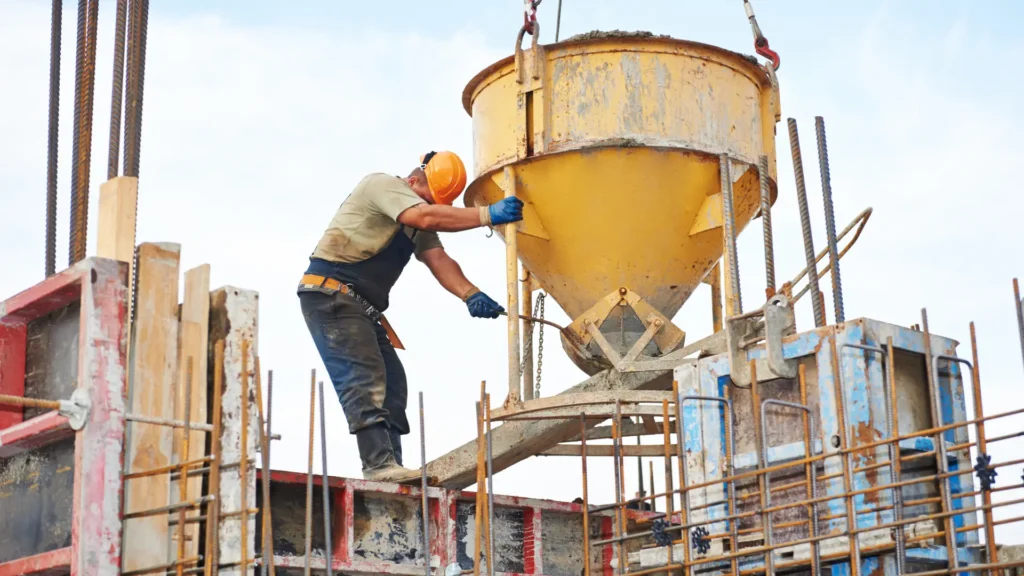
How To Choose The Best Home Builder In Wellington For Your Project
Choosing the right builder is one of the most important decisions you will make when planning a new home. A well-qualified builder does more than construct a house. They guide the project, coordinate specialists, manage timelines, and ensure the finished home meets structural, safety, and design expectations. In Wellington, this decision becomes even more important because local construction often involves steep terrain, strong winds, coastal conditions, and strict building regulations. Taking a careful, research-based approach helps homeowners find a builder who is capable, reliable, and aligned with their vision.
Align Builder Expertise With Your Project Type
Not all builders specialize in the same type of construction. Some focus on architectural custom homes, while others concentrate on project-home developments or renovations. Matching the builder’s expertise with the type of home you want to build significantly increases the chances of a smooth and successful project.
For example, a builder who primarily works on large-scale subdivisions may not be the best fit for a complex architectural hillside home. Wellington properties often involve unique site conditions, so choosing a builder with the right experience matters.
Key factors to consider include:
- Project specialization: Some builders focus on architect-designed homes, while others build standard design homes or house-and-land packages. Make sure the builder regularly completes the type of project you are planning.
- Site experience: Wellington’s terrain can involve sloped sections, tight access, and wind-zone requirements. Builders with local site experience are better prepared to handle these challenges.
- Design collaboration: If your project includes custom design work, choose a builder who works closely with architects or provides in-house design services to streamline the process.
- Construction complexity: Homes with large windows, multi-level layouts, or custom materials require builders who are experienced in managing technically demanding projects.
Compare Multiple Quotes
Obtaining several quotes from reputable builders allows you to understand pricing differences and avoid making decisions based solely on the lowest price. Construction quotes can vary depending on materials, allowances, project scope, and labor costs, so a careful comparison is essential.
When reviewing quotes, focus on what is included rather than simply looking at the total cost. A lower price may reflect fewer services, lower-quality materials, or missing components.
Important elements to evaluate include:
- Detailed cost breakdown: Reliable builders provide itemized pricing that explains construction costs, materials, labor, and provisional allowances.
- Fixed-price agreements: Many reputable builders offer fixed-price contracts that help prevent unexpected cost increases during construction.
- Scope of work clarity: Ensure the quote clearly outlines what is included, such as site preparation, landscaping, driveways, and interior finishes.
- Allowance transparency: Provisional sums for kitchens, flooring, and fittings should be realistic and clearly explained.
Comparing multiple quotes helps homeowners identify fair pricing and avoid underpriced proposals that may lead to variations later in the project.
Review Previous Builds
A builder’s past projects provide valuable insight into the quality, craftsmanship, and consistency of their work. Reputable builders are usually proud to showcase completed homes and often provide portfolios, project galleries, or opportunities to visit finished properties.
Examining previous work allows you to assess whether the builder’s style, attention to detail, and construction quality match your expectations.
When reviewing previous builds, look for:
- Design consistency: Quality builders demonstrate consistent craftsmanship across multiple projects rather than producing one standout home among many average builds.
- Material quality: Pay attention to finishes, joinery, roofing, and exterior cladding to evaluate long-term durability.
- Structural detail: Elements such as foundations, framing alignment, and window installation often reveal a builder’s construction standards.
- Client feedback: Testimonials and reviews from past clients provide insight into reliability, communication, and problem-solving ability.
If possible, speaking directly with former clients can offer honest perspectives on the builder’s professionalism and project management.
Prioritize Trust And Communication
A strong client-builder relationship is essential for a successful construction project. Home building typically involves months of collaboration, decision-making, and adjustments along the way. Clear communication and mutual trust help ensure issues are resolved quickly and expectations remain aligned.
The most reliable builders are transparent about costs, timelines, and potential challenges. They encourage questions and provide clear explanations rather than avoiding difficult conversations.
Important qualities to look for include:
- Communication style: Builders who respond promptly and explain details clearly are easier to work with throughout the project.
- Project transparency: Reliable builders keep homeowners informed about progress, scheduling, and any changes that arise.
- Professional accountability: Membership in professional organizations and adherence to building standards demonstrate commitment to quality and ethical practice.
- Collaborative approach: A builder who listens to your goals and works with architects, designers, and consultants creates a smoother building experience.
Ultimately, choosing a builder should involve more than evaluating price or project timelines. The right builder combines technical expertise, local knowledge, and a professional, trust-based approach that ensures your Wellington home is built to a high standard and designed to last for years to come.
References
- How Much Does It Cost to Build a House in Wellington, New Zealand?
https://estimationqs.com/how-much-does-it-cost-to-build-a-house-in-wellington-new-zealand/ (Estimation QS) - The Best Builders in Wellington – MoneyHub NZ Guide
https://www.moneyhub.co.nz/best-builders-wellington.html (MoneyHub NZ) - How Much Does It Cost to Build a House in NZ (2026 Guide)
https://www.mortgagelab.co.nz/blog/how-much-does-it-cost-to-build-a-house-in-nz-2026 (Mortgage Lab NZ) - New Build Cost Per Square Meter NZ – 2025 Pricing Guide
https://builderwanaka.co.nz/new-build-cost-per-meter-nz/ (Builders Wanaka | Wanaka, NZ) - Find Local Home Builders in Wellington – Houzz NZ
https://www.houzz.co.nz/professionals/home-builders/wellington-nz-probr0-bo~t_11949~r_2179538 (houzz.co.nz)
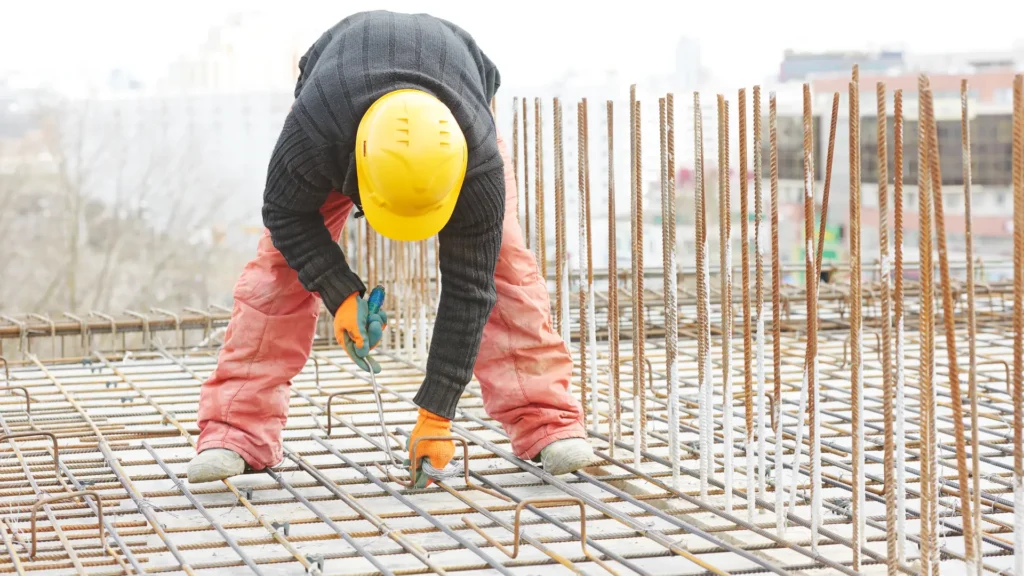
FAQs: About Best Home Builders In Wellington
Conclusion
Choosing the right home builder in Wellington is one of the most important decisions you will make when planning a new home, and taking a thoughtful, research-based approach can make the difference between a stressful build and a rewarding long-term investment. Start by focusing on builders who demonstrate proven experience with Wellington’s wind-prone climate, hillside sections, and council compliance requirements, since these local factors require specialized construction knowledge and careful planning. Reviewing past projects, reading client feedback, and verifying credentials such as Licensed Building Practitioner certification can help you identify builders who consistently deliver high-quality results and transparent communication. It is also wise to compare multiple builders rather than committing to the first option you find, since different companies may offer varying design approaches, build timelines, and pricing structures that could significantly affect your project outcome. Requesting a project consultation allows you to discuss your goals, budget expectations, and design preferences while evaluating how clearly a builder explains the process and addresses potential challenges.
Find A Professional Builders Company Near You!
- Auckland Builders For Small Jobs
- Builders Alexandra
- Builders Ashburton
- Builders Auckland
- Builders Blenheim
- Builders Cambridge
- Builders Central Otago
- Builders Christchurch
- Builders Clyde
- Builders Cromwell
- Builders Dunedin
- Builders Feilding
- Builders Gisborne
- Builders Hamilton
- Builders Hastings
- Builders Havelock North
- Builders Hawkes Bay
- Builders Hibiscus Coast
- Builders Invercargill
- Builders Johnsonville
- Builders Kapiti
- Builders Kerikeri
- Builders Levin
- Builders Lower Hutt
- Builders Manawatu
- Builders Masterton
- Builders Mosgiel
- Builders Napier
- Builders Nelson
- Builders New Plymouth
- Builders Oamaru
- Builders Paihia
- Builders Palmerston North
- Builders Paraparaumu
- Builders Porirua
- Builders Pukekohe
- Builders Queenstown
- Builders Rangiora
- Builders Rolleston
- Builders Taupo
- Builders Tauranga
- Builders Te Awamutu
- Builders Timaru
- Builders Tokoroa
- Builders Upper Hutt
- Builders Waikanae
- Builders Wanaka
- Builders Warkworth
- Builders Wellington
- Builders West Auckland
- Builders Whakatane
- Builders Whanganui
- Builders Whangarei
- Handyman Wellington
- Home Builders Rotorua
- Kitchen Removal Service Auckland
- Wellington Builders For Small Jobs

About the Author:
Mike Veail is a recognized digital marketing expert with over 6 years of experience in helping tradespeople and small businesses thrive online. A former quantity surveyor, Mike combines deep industry knowledge with hands-on expertise in SEO and Google Ads. His marketing strategies are tailored to the specific needs of the trades sector, helping businesses increase visibility and generate more leads through proven, ethical methods.
Mike has successfully partnered with numerous companies, establishing a track record of delivering measurable results. His work has been featured across various platforms that showcase his expertise in lead generation and online marketing for the trades sector.
Learn more about Mike's experience and services at https://theleadguy.online or follow him on social media: