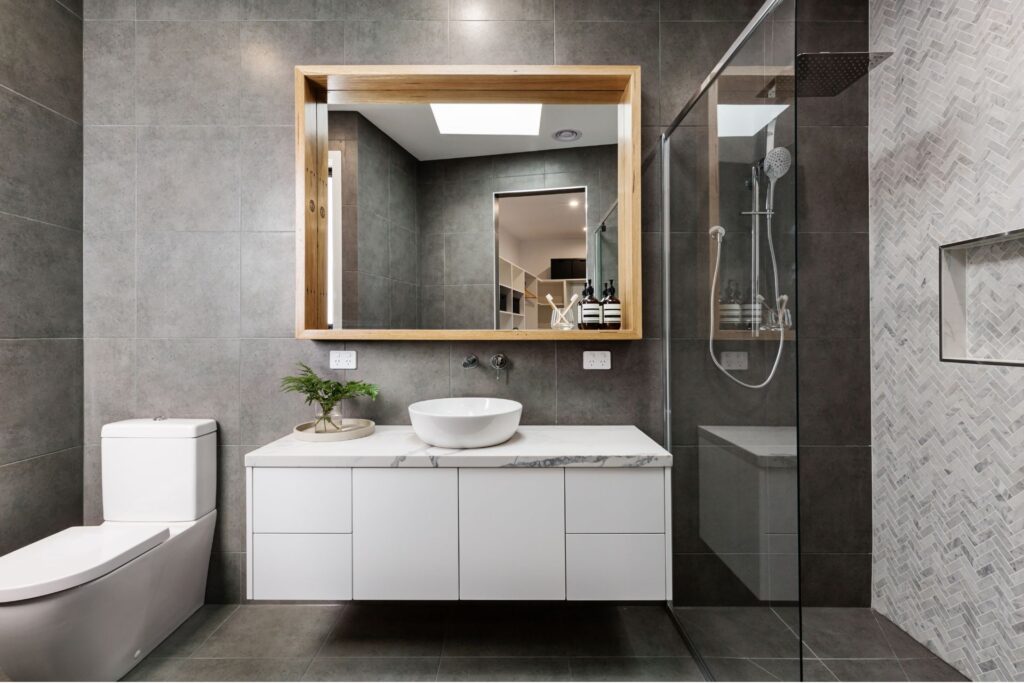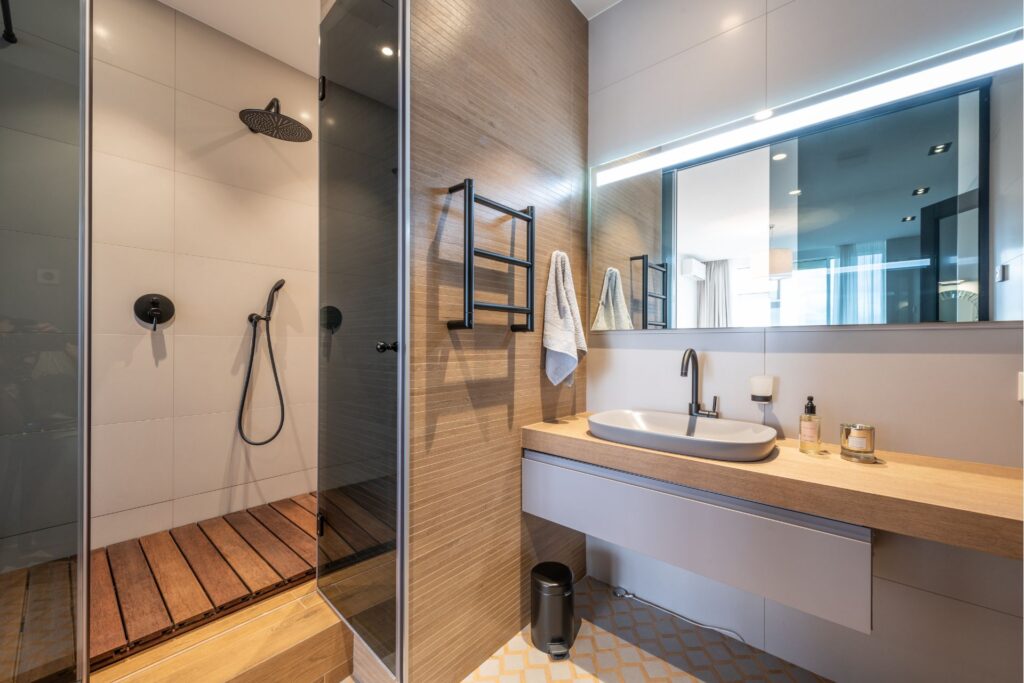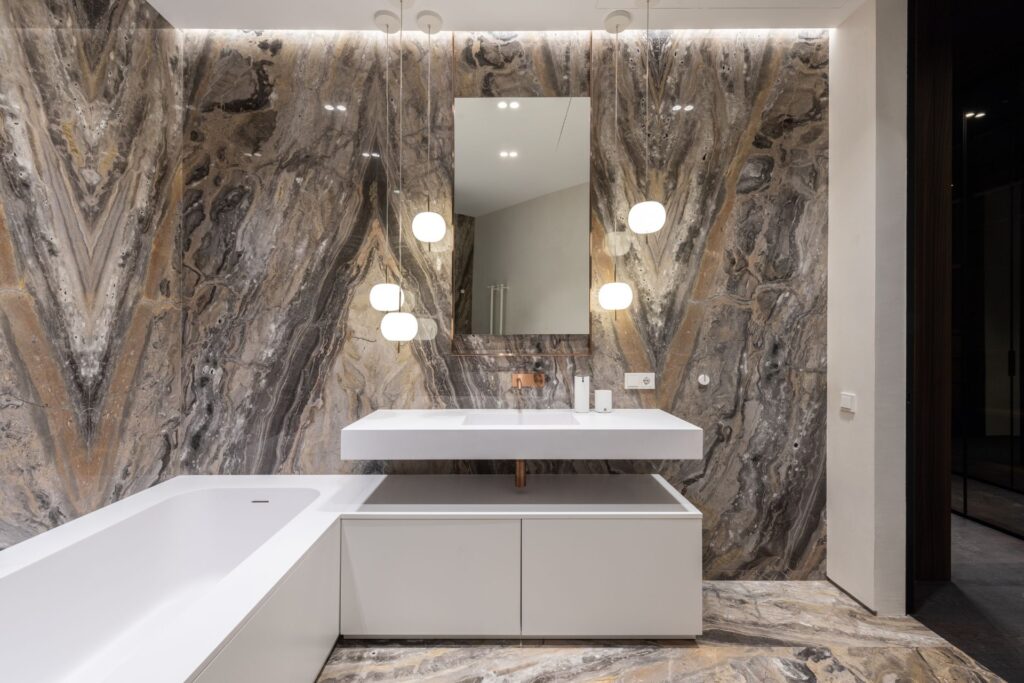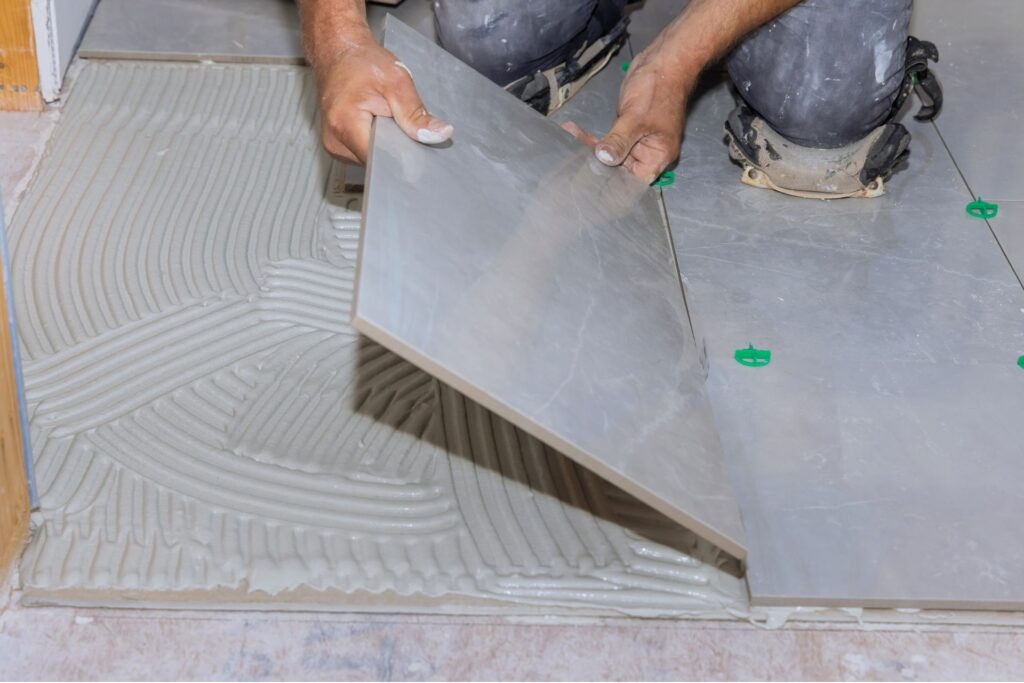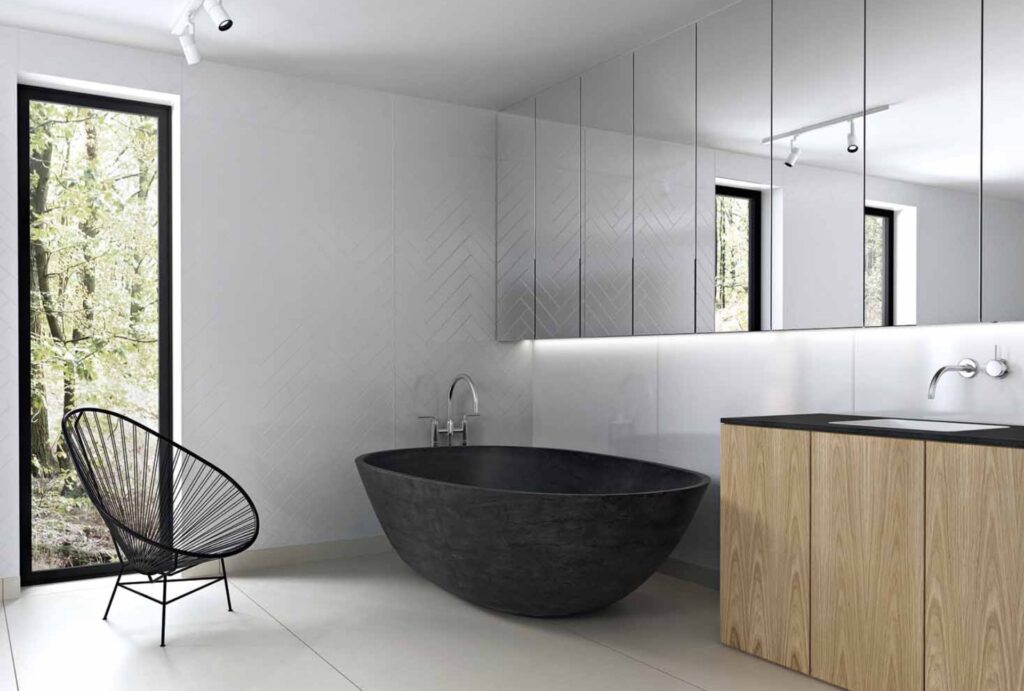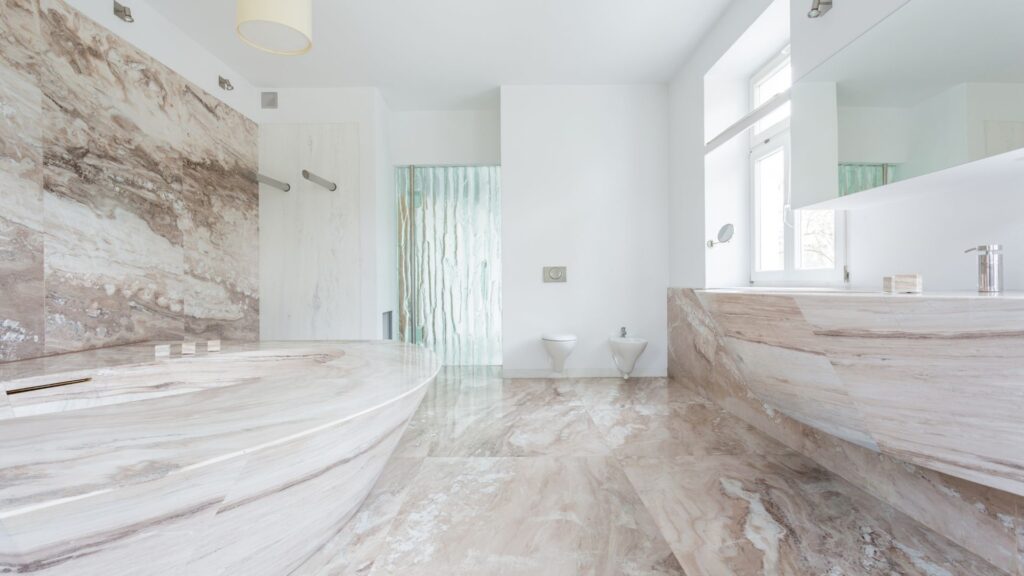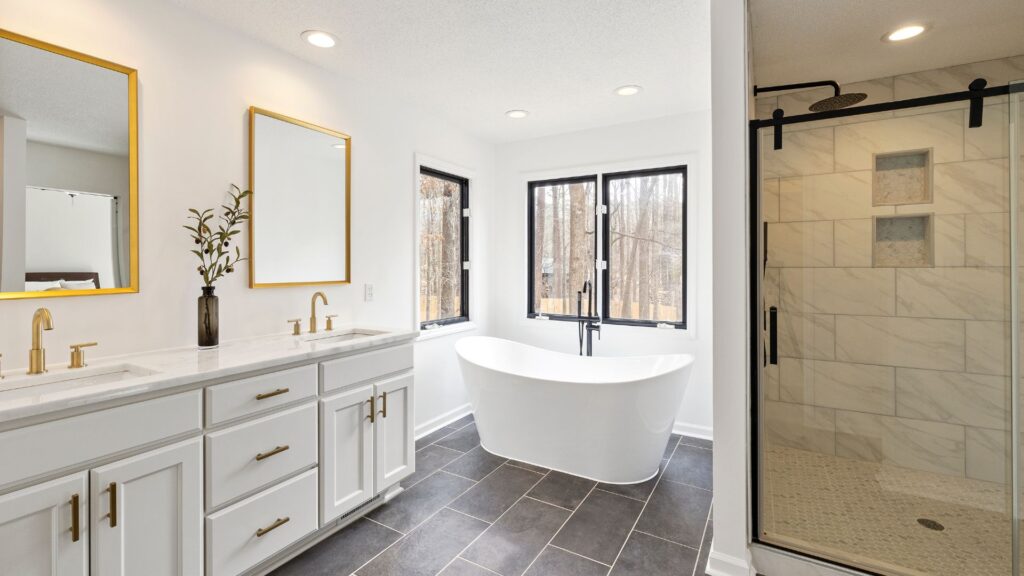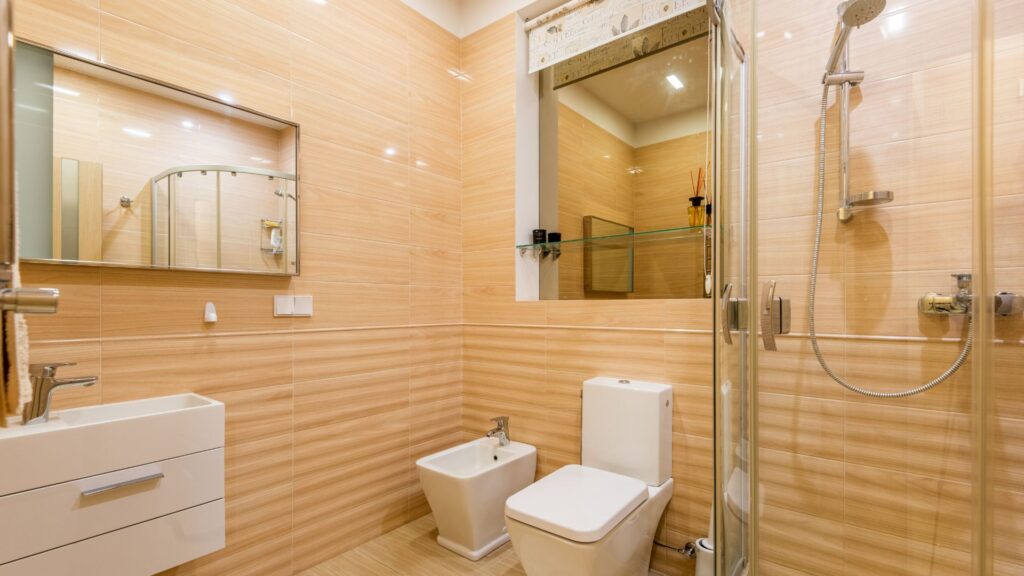
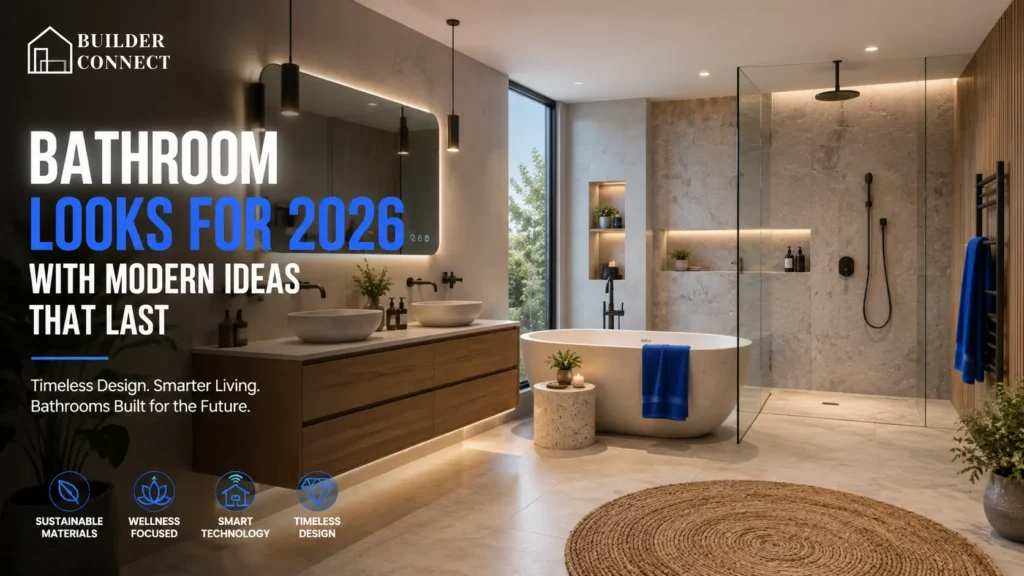
Welcome to our guide to the biggest bathroom looks for 2026, where modern design trends are shifting toward warm natural aesthetics, smart technology, spa inspired comfort, and practical luxury that fits everyday living. As homeowners continue to prioritize wellness, sustainability, and timeless functionality, bathroom spaces are becoming more personalized, efficient, and visually calming than ever before. In this article, you will discover the latest bathroom design trends for 2026, including trending colors, layouts, materials, lighting ideas, and innovative features that can help transform any bathroom into a stylish and future ready space while adding long term comfort and value to your home.
Bathroom looks for 2026 focus on warm natural colors, spa inspired layouts, smart technology, sustainable materials, and minimalist design. Popular trends include walk in showers, floating vanities, textured finishes, layered lighting, and wellness focused features that combine comfort, functionality, and timeless modern style for everyday living.
- What Defines Bathroom Looks For 2026?
- Top Bathroom Color Trends For 2026
- Popular Bathroom Materials & Finishes In 2026
- Bathroom Layout Ideas That Will Dominate In 2026
- Smart Bathroom Technology Trends For 2026
- The Rise Of Spa-Inspired Bathrooms
- Bathroom Lighting Trends For 2026
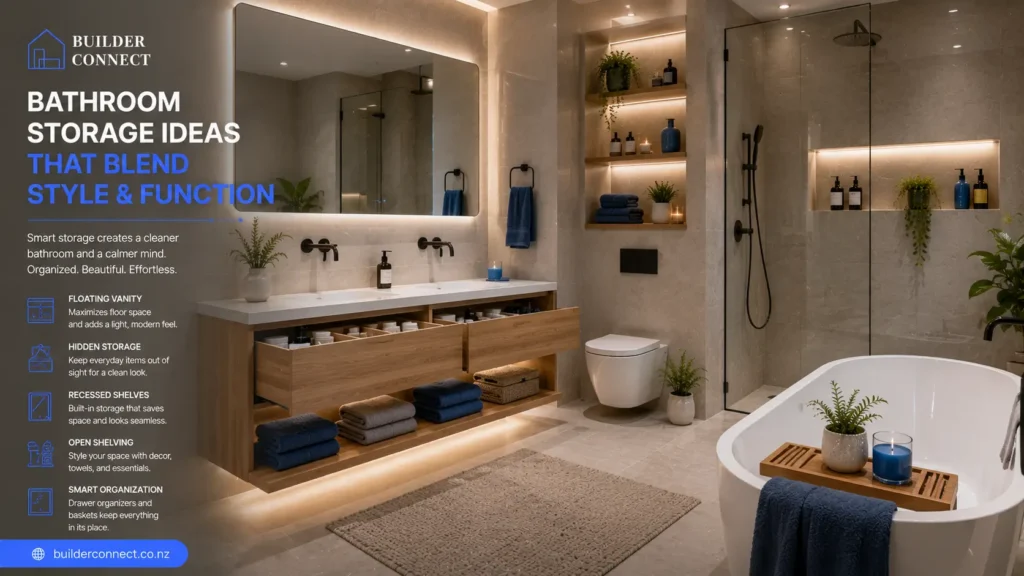
- Bathroom Storage Ideas That Blend Style & Function
- Bathroom Trends That May Fade In 2026
- How To Choose The Right Bathroom Style For Your Home
- Expert Tips For Creating A Bathroom That Still Looks Modern Beyond 2026
- References
- FAQs: About Bathroom Looks For 2026
- Conclusion
- Find A Professional Bathroom Renovation Company Near You!
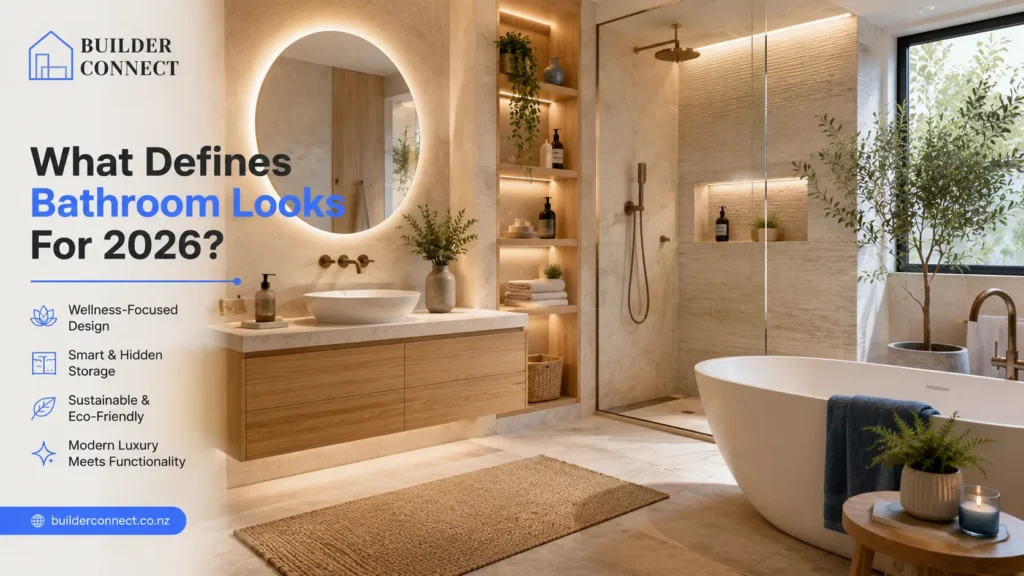
What Defines Bathroom Looks For 2026?
Bathroom looks for 2026 are being shaped by a growing focus on comfort, functionality, sustainability, and timeless design. Homeowners are moving away from cold, overly polished spaces and instead choosing bathrooms that feel warm, calming, and practical for everyday use. Modern bathroom trends now combine spa-inspired comfort with smart storage, durable materials, eco-conscious features, and clean layouts that improve both appearance and usability. Rather than following short-term trends, many people are investing in bathroom designs that can remain stylish and functional for years while also supporting relaxation and wellness at home.
The Move Toward Wellness-Focused Spaces
One of the biggest bathroom design trends for 2026 is the shift toward wellness-focused spaces. Bathrooms are no longer viewed as purely functional rooms. They are becoming personal retreats where homeowners can relax, recharge, and enjoy a quieter environment away from busy daily routines. This approach influences everything from layout choices to lighting, textures, and color palettes.
Spa-Inspired Layouts
Spa-inspired bathrooms continue to grow in popularity because they create a more peaceful and luxurious experience at home. Many modern bathroom renovations now focus on open layouts, natural materials, and calming features that encourage relaxation.
Some of the most common spa-inspired design elements include:
- Freestanding baths: These create a strong visual centerpiece while adding a more luxurious and relaxing atmosphere.
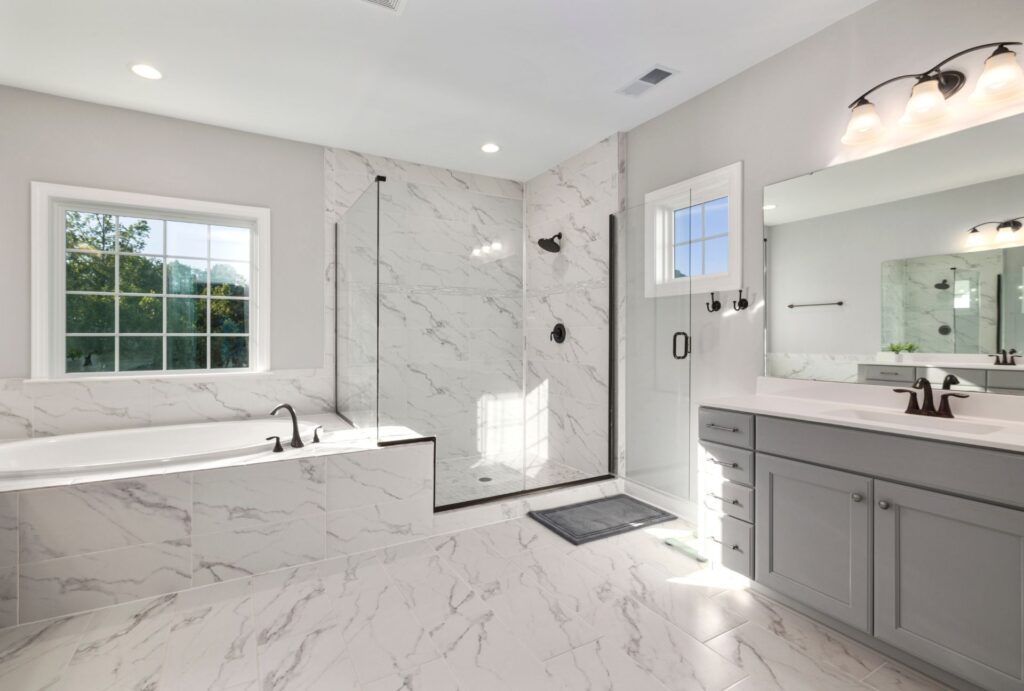
- Walk-in showers: Frameless glass showers help the bathroom feel larger, cleaner, and more open.
- Natural textures: Stone surfaces, timber accents, and textured tiles bring warmth and softness into modern bathrooms.
- Soft lighting: Warm layered-lighting creates a calmer mood compared to harsh overhead fixtures.
Homeowners are also choosing designs that reduce visual clutter and make the bathroom easier to maintain. The overall goal is to create a comfortable environment that feels calm rather than overly decorative.
Relaxation And Self-Care Trends
Self-care continues to influence modern interior design, and bathrooms are becoming one of the main spaces where this trend is visible. Features that improve comfort and daily convenience are becoming more important than purely decorative upgrades.
Popular self-care focused additions include:
- Rainfall shower systems: These provide a softer and more relaxing shower experience.
- Heated flooring: Warm flooring improves comfort during colder months and adds a more premium feel.
- Adjustable lighting: Dimmable lighting allows homeowners to create different moods throughout the day.
- Built-in seating: Shower benches and seating areas improve comfort and accessibility.
Bathrooms designed around relaxation often use quieter color schemes and softer materials to reduce visual stress. Warm neutrals, matte finishes, and organic textures are replacing bright white surfaces and high-gloss finishes that can sometimes feel too clinical.
Calm, Uncluttered Interiors
Minimal clutter remains an important part of bathroom design for 2026, but the style is becoming softer and more inviting than earlier minimalist trends. Instead of empty-looking spaces, homeowners now want bathrooms that feel organized, practical, and visually balanced.
A calm bathroom interior often includes:
- Hidden storage solutions: Recessed shelving and built-in cabinetry help keep everyday items out of sight.
- Floating vanities: Wall-mounted vanities improve floor visibility and create a lighter appearance.
- Neutral color palettes: Soft earthy tones help create a more relaxed atmosphere.
- Simple design choices: Clean lines and limited decorative elements reduce visual noise.
This approach works especially well in smaller bathrooms because uncluttered layouts can make compact spaces feel more open and functional.
Functional Design Meets Modern Luxury
Modern luxury in 2026 is less about excessive decoration and more about intelligent design choices that improve everyday living. Homeowners are placing greater value on bathrooms that combine beauty with practical performance. A well-designed bathroom should not only look impressive but also make daily routines easier and more efficient.
Smart Storage
Storage plays a major role in modern bathroom functionality. Poor storage can quickly make even a beautiful bathroom feel messy and impractical, which is why smart storage solutions are becoming standard in many renovations.
Effective bathroom storage ideas include:
- Drawer organizers: These help separate toiletries, cosmetics, and smaller bathroom items.
- Vertical storage: Tall cabinetry makes use of unused wall space without overcrowding the room.
- Built-in niches: Shower niches provide practical storage without bulky shelving units.
- Under-vanity storage: Modern vanities often include deeper drawers designed for better organization.
Smart storage improves both visual cleanliness and day-to-day usability. It also helps maintain the calm and uncluttered appearance that defines modern bathroom design trends.
Easy-To-Maintain Surfaces
Many homeowners are now prioritizing materials that are durable and easier to clean. This trend reflects a growing preference for low-maintenance living without sacrificing visual appeal.
Popular low-maintenance bathroom features include:
- Large-format tiles: Fewer grout lines make surfaces easier to clean.
- Matte finishes: These reduce visible fingerprints and water marks.
- Quartz countertops: Quartz offers durability and stain resistance with minimal upkeep.
- Frameless shower glass: Simpler designs reduce hard-to-clean edges and frames.
Easy-to-maintain materials are especially valuable in family homes where bathrooms experience frequent daily use. Choosing practical finishes can help the bathroom maintain its appearance over time while reducing maintenance demands.
Multi-Functional Layouts
Bathrooms are increasingly being designed to support multiple uses and changing household needs. This is especially important in shared family homes where efficiency and flexibility matter.
Examples of multi-functional bathroom design include:
- Double vanities: These improve convenience in shared bathrooms.
- Separate wet and dry zones: Keeping showers separate from vanity areas improves usability.
- Flexible lighting systems: Different lighting levels support grooming, relaxation, and nighttime use.
- Accessible layouts: Wider walkways and step-free showers improve long-term usability.
A multi-functional bathroom design creates a space that remains practical as household needs change over time.
Sustainability & Eco-Conscious Bathroom Design
Sustainability continues to influence bathroom renovations as homeowners look for ways to reduce water usage, energy consumption, and environmental impact. Eco-conscious design is no longer viewed as a niche feature. It is becoming a standard part of modern bathroom planning because it supports both environmental responsibility and long-term cost savings.
Water-Saving Fixtures
Water efficiency remains one of the most important parts of sustainable bathroom design. Modern fixtures are now designed to reduce water consumption without affecting performance or comfort.
Popular water-saving features include:
- Low-flow showerheads: These reduce water use while maintaining strong pressure.
- Dual-flush toilets: Different flush settings improve efficiency for daily use.
- Sensor taps: Touchless systems help reduce unnecessary water waste.
- Efficient plumbing fixtures: Modern fittings are designed to improve water control and flow management.
These upgrades can significantly reduce household water usage over time while also lowering utility costs.
Sustainable Materials
More homeowners are paying attention to where bathroom materials come from and how long they will last. Durable and responsibly sourced materials are becoming more desirable because they reduce waste and support longer-lasting renovations.
Common sustainable bathroom materials include:
- Recycled timber: Adds warmth and character while reducing environmental impact.
- Natural stone: Durable stone surfaces often last for decades with proper care.
- Recycled tiles: Many manufacturers now offer tiles made from recycled materials.
- Low-VOC products: Paints and adhesives with lower emissions improve indoor air quality.
Sustainable materials are often chosen not only for environmental reasons but also because they create a more natural and timeless appearance.
Energy-Efficient Lighting
Lighting design is evolving beyond appearance alone. Energy-efficient lighting systems now play an important role in reducing electricity consumption while improving the overall bathroom atmosphere.
Modern bathroom lighting trends include:
- LED lighting: LED fixtures use less energy and have a longer lifespan than traditional bulbs.
- Layered-lighting systems: Combining task lighting, ambient lighting, and accent lighting improves flexibility and efficiency.
- Motion-sensor lighting: Automatic lighting systems reduce unnecessary power use.
- Natural-light integration: Skylights and larger windows reduce dependence on artificial lighting during the day.
Energy-efficient lighting helps create a bathroom that feels comfortable and modern while supporting long-term sustainability goals.
Bathroom looks for 2026 are moving toward a more thoughtful balance of comfort, functionality, and long-term practicality. Instead of chasing short-lived trends, homeowners are choosing designs that improve everyday living, create a calmer atmosphere, and deliver lasting value through smarter layouts, sustainable features, and timeless materials.
Top Bathroom Color Trends For 2026
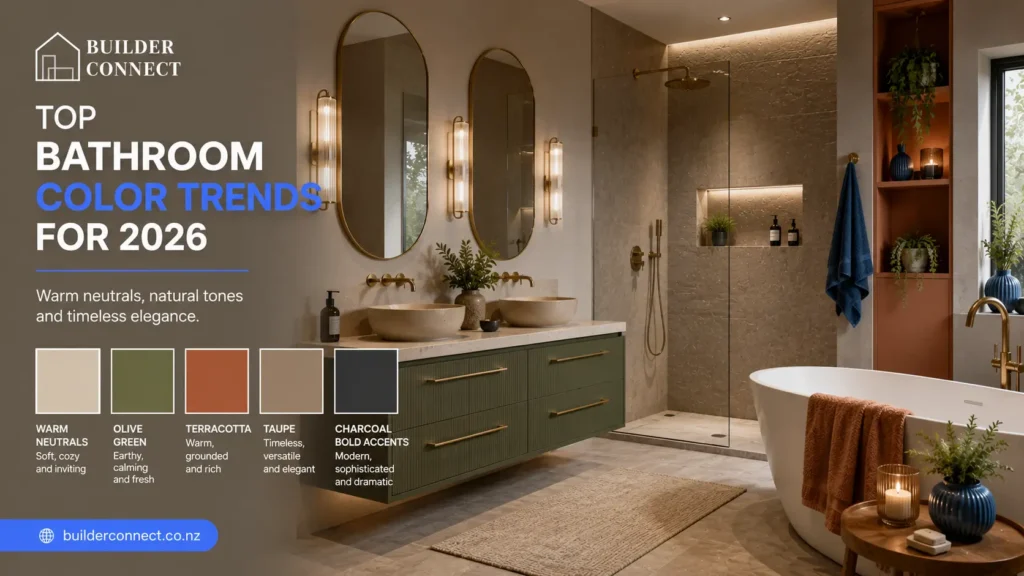
Bathroom color trends in 2026 are moving toward calm, comfortable, and more personal spaces. Instead of cold white rooms or overly polished finishes, homeowners are choosing colors that feel warm, grounded, and easy to live with. The strongest bathroom looks for 2026 combine natural tones, soft contrast, and thoughtful material pairings that make the room feel modern without dating too quickly.
Warm Neutral Tones
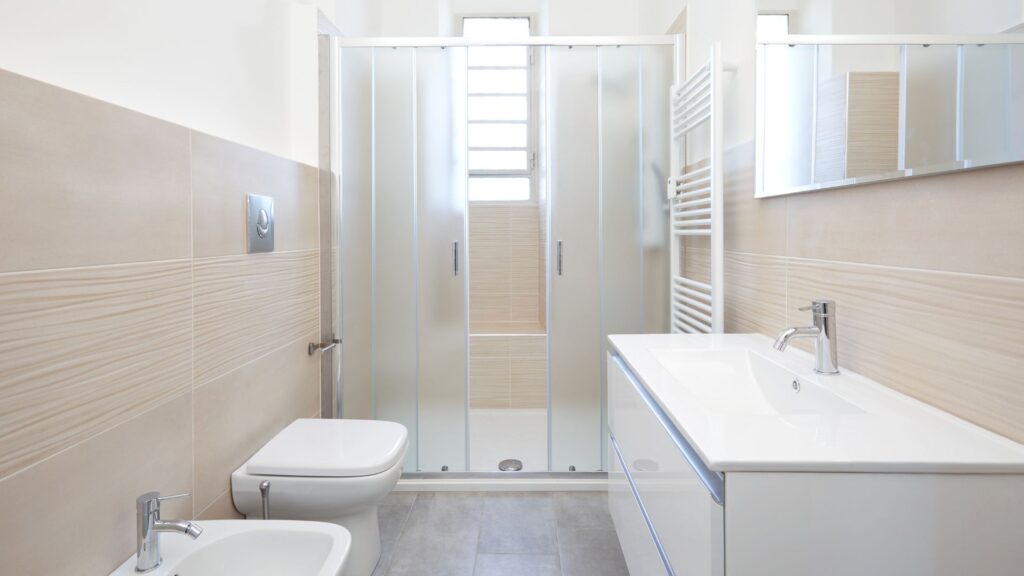
Warm neutral tones are becoming a strong choice for modern bathroom design because they create a softer, more welcoming feel than stark white or cool grey. Beige, sand, warm white, and taupe work well in bathrooms because they reflect light without making the space feel clinical. They also give homeowners a flexible base that can pair with timber vanities, brushed-metal tapware, stone-look tiles, or textured walls.
Beige is useful when you want a bathroom that feels calm but not plain. It works especially well on large-format tiles, painted walls, or vanity finishes because it adds warmth without overwhelming the room. Sand tones bring a more relaxed, coastal feel and are a good match for natural-fibre baskets, soft linen towels, and light timber details. Warm white is still popular, but in 2026 it feels more inviting when it has a creamy undertone rather than a bright, blue-based finish. Taupe gives the space more depth and can make a bathroom feel refined when used with soft lighting and matte finishes.
- Beige: A practical choice for homeowners who want a neutral bathroom that feels warm, clean, and easy to style.
- Sand: Best suited to relaxed, coastal-inspired bathrooms or spaces that need a soft natural base.
- Warm White: A safer alternative to bright white because it keeps the bathroom fresh without making it feel harsh.
- Taupe: A more sophisticated neutral that works well with stone, timber, brushed nickel, and soft-gold accents.
Earthy & Nature-Inspired Colors
Earthy and nature-inspired colors are a major part of bathroom looks for 2026 because they help the room feel calm and grounded. Olive green, clay, terracotta, and stone-inspired palettes bring warmth and character into the bathroom without relying on loud colors. These shades work especially well in homes where the goal is to create a spa-inspired bathroom with a natural, lived-in feel.
Olive green is a strong choice for feature walls, cabinetry, or tiles because it adds color while still feeling calm. Clay and terracotta bring a warmer, handmade feel that suits Mediterranean, rustic, and organic-modern bathroom styles. Stone-inspired palettes are also popular because they add natural variation through soft greys, creams, beige tones, and mineral-like finishes. These colors work best when paired with good lighting, simple fixtures, and materials that look authentic rather than overly glossy.
- Olive Green: A good option for vanities, tiles, or painted walls when you want a natural color that still feels modern.
- Clay: Works well in bathrooms that need warmth, especially when paired with timber, stone, and matte tapware.
- Terracotta: Adds depth and personality, but it is best used thoughtfully so the room does not feel too heavy.
- Stone-Inspired Palettes: Ideal for homeowners who want a timeless bathroom with natural texture and subtle color movement.
Dark & Dramatic Bathroom Themes
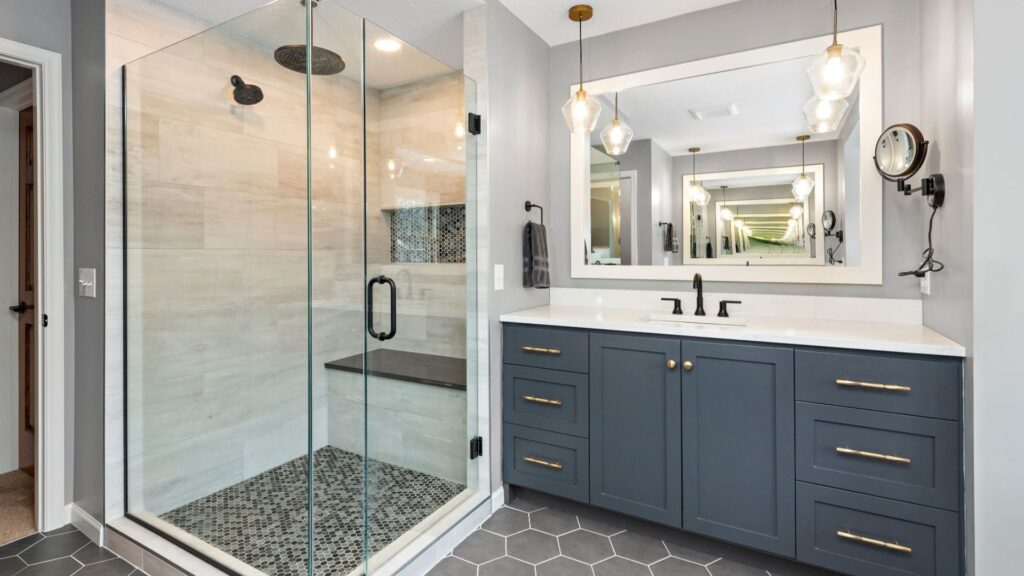
Dark and dramatic bathroom themes are becoming more refined in 2026. Instead of using dark colors everywhere, the trend is shifting toward controlled contrast through matte black accents, charcoal walls, deeper cabinetry, and moody luxury aesthetics. This approach can make a bathroom feel elegant and high-end, especially when balanced with warm lighting and natural materials.
Matte black accents work well on tapware, shower frames, handles, and mirror edges because they create definition without taking over the room. Charcoal walls or tiles can add depth, but they need enough light and contrast to avoid making the bathroom feel smaller. A moody bathroom can look impressive, but it should still feel practical. The best results usually come from mixing darker tones with soft neutrals, stone surfaces, timber details, or warm-metal finishes.
- Matte Black Accents: Useful for adding contrast to a modern bathroom without making the whole space feel dark.
- Charcoal Walls: Best used with layered lighting, large mirrors, or lighter flooring to keep the room balanced.
- Moody Luxury Aesthetics: Work well when dark colors are paired with texture, warmth, and high-quality finishes rather than flat black surfaces.
Mixed Material Color Pairings
Mixed material color pairings are one of the most practical ways to make a bathroom feel current in 2026. Rather than relying on one dominant color, homeowners are combining wood and stone, soft metallic finishes, and textured contrasts to create depth. This makes the bathroom feel more designed, but still natural and comfortable.
Wood and stone combinations are especially effective because they balance warmth and durability. A timber vanity can soften the look of stone-look tiles, while stone surfaces can make wood features feel more polished. Soft metallic finishes such as brushed brass, champagne, brushed nickel, and muted bronze can add detail without looking too shiny. Textured contrasts, such as smooth basins against handmade-look tiles or matte cabinetry beside natural stone, help the room feel layered and intentional.
- Wood And Stone Combinations: A strong pairing for bathrooms that need warmth, texture, and long-lasting visual appeal.
- Soft Metallic Finishes: A subtle way to add elegance through tapware, handles, mirrors, and lighting.
- Textured Contrasts: Help prevent neutral bathrooms from feeling flat by adding depth through surfaces, finishes, and materials.
The best bathroom colors for 2026 are not about chasing one perfect trend. They are about choosing a palette that suits the home, feels good to use every day, and still has enough flexibility to age well. Warm neutrals, earthy shades, darker accents, and mixed materials all work best when they support the layout, lighting, and overall purpose of the bathroom.
Popular Bathroom Materials & Finishes In 2026
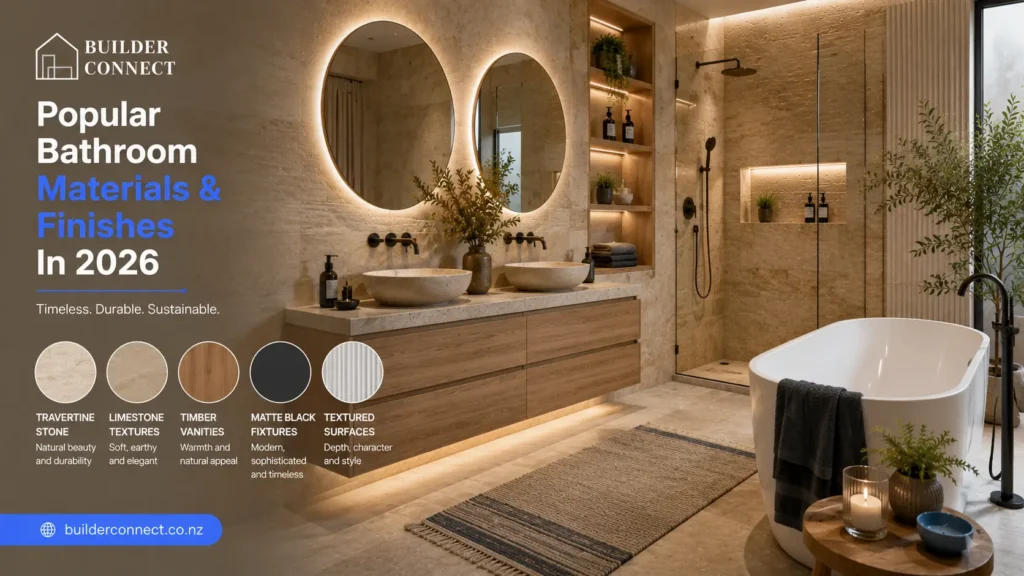
Bathroom materials and finishes in 2026 are moving toward warmth, texture, durability, and everyday practicality. Instead of cold, overly-polished spaces, homeowners are choosing natural-looking surfaces, soft finishes, and low-maintenance materials that make the bathroom feel calm, modern, and easy to live with. The best bathroom looks for 2026 combine style with function, so every surface should feel good, perform well, and support a timeless design.
Natural Stone & Textured Surfaces
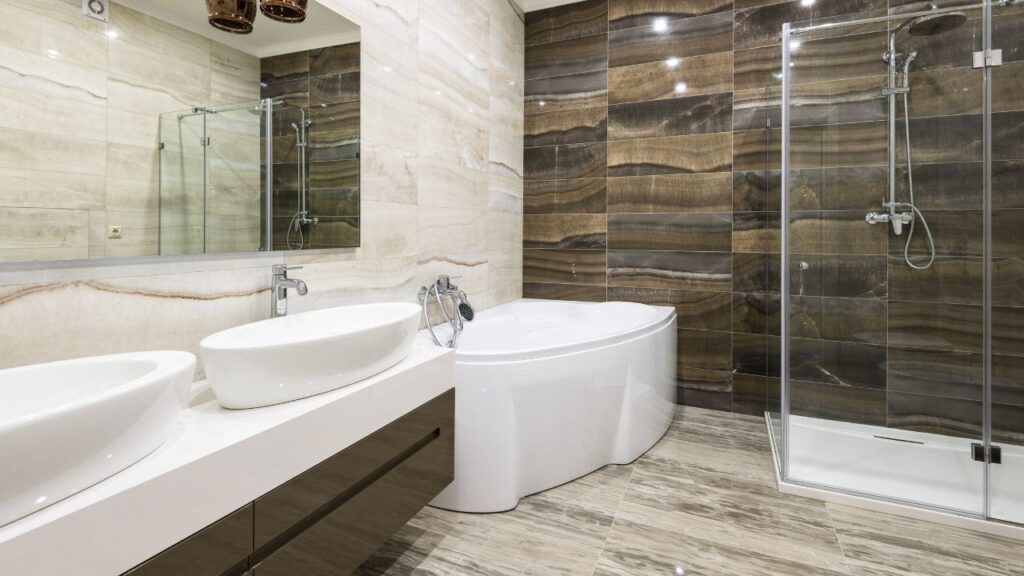
Natural stone is one of the strongest bathroom design trends for 2026 because it brings depth, movement, and a sense of quiet luxury into the room. Materials like travertine and limestone are especially popular because they have soft, earthy tones that work well with warm-neutral colors, timber accents, and spa-inspired layouts. These materials make a bathroom feel more grounded and less sterile, which is why they suit both modern and classic homes.
Travertine is often used for feature walls, flooring, shower surrounds, and vanity splashbacks. Its natural variation gives the bathroom character without making the design feel too busy. Limestone offers a softer and more refined look, making it a strong choice for homeowners who want a calm, high-end bathroom finish. Both materials work best when properly sealed and maintained, especially in wet areas where moisture-resistance matters.
Textured wall finishes are also becoming more common in contemporary bathroom designs. Rather than relying only on flat tiles, homeowners are adding subtle texture through stone-look tiles, microcement, limewash-style finishes, ribbed surfaces, and handmade-look ceramics. These surfaces help reflect light softly and add visual interest without overwhelming the space.
- Travertine: This natural-stone option works well for warm, spa-inspired bathrooms because it adds soft movement, earthy color, and a relaxed luxury feel.
- Limestone: Limestone gives bathrooms a smoother and more understated finish, making it ideal for homeowners who want a calm, timeless look.
- Textured Wall Finishes: Textured surfaces add depth and personality while helping the bathroom feel more designed, layered, and visually comfortable.
Matte Finishes Over High Gloss
Matte finishes are becoming more popular than high-gloss surfaces because they create a softer, more natural bathroom look. High-gloss finishes can still work in some spaces, but they often show fingerprints, watermarks, and glare more easily. In 2026, the trend is shifting toward surfaces that feel refined, subtle, and easier to live with.
Matte tapware is a key example. Black, brushed nickel, brushed brass, gunmetal, and soft stainless finishes can give the bathroom a modern edge without feeling too shiny or harsh. These finishes pair well with stone, timber, and textured tiles, making them useful for both minimalist bathrooms and warmer organic designs.
Soft-touch cabinetry is another practical upgrade. It gives vanities and storage units a smooth, modern feel while reducing the overly-reflective look that can make bathrooms feel cold. Low-reflection surfaces also help create a more peaceful atmosphere, especially when paired with layered lighting and natural materials.
- Matte Tapware: Matte tapware creates a clean, modern finish and works well with stone, timber, and neutral bathroom palettes.
- Soft-Touch Cabinetry: Soft-touch cabinetry adds a premium feel while keeping the bathroom design simple, practical, and easy to maintain.
- Low-Reflection Surfaces: Low-reflection finishes reduce glare and help create a calmer bathroom environment, especially in spaces with strong lighting.
Wood Accents & Organic Features
Wood accents are a major part of bathroom looks for 2026 because they bring warmth into a space that can otherwise feel hard or clinical. Timber vanities, floating shelves, and natural-texture details help soften the look of tiles, glass, stone, and metal. When used correctly, wood makes the bathroom feel more welcoming without taking away from its clean, modern style.
Timber vanities are one of the most effective ways to introduce organic design. A floating timber vanity can make a bathroom feel larger while adding warmth and storage at the same time. Lighter woods suit relaxed coastal or Scandinavian-inspired bathrooms, while deeper timber tones create a richer and more dramatic look.
Floating shelves are also useful because they add both function and style. They can hold towels, baskets, plants, candles, or everyday items while keeping the room open and uncluttered. For bathrooms with limited space, floating shelves provide storage without making the layout feel heavy.
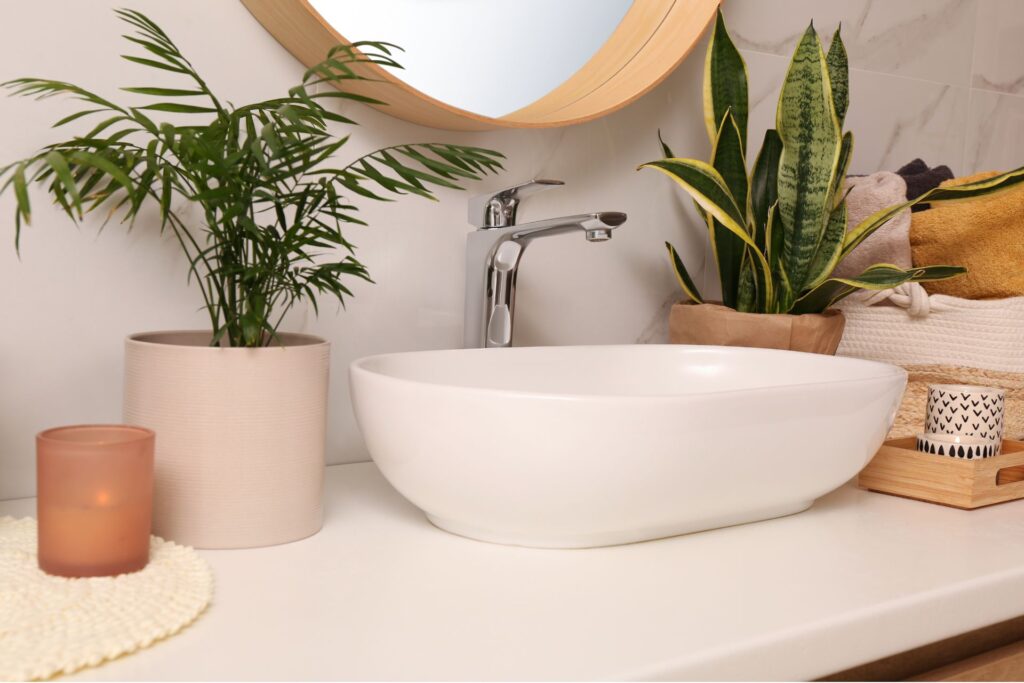
Natural textures can also come through smaller design choices, such as woven baskets, stone basins, ceramic accessories, linen towels, or indoor plants. These details help the bathroom feel more personal and less showroom-like.
- Timber Vanities: Timber vanities add warmth, storage, and natural character while helping the bathroom feel more balanced and inviting.
- Floating Shelves: Floating shelves are useful for small-bathroom storage and can make the space feel lighter, cleaner, and more organized.
- Natural Textures: Natural textures create a softer, more lived-in bathroom look while supporting the wellness-focused design trend.
Sustainable & Low-Maintenance Materials
Sustainable and low-maintenance materials are becoming more important because homeowners want bathrooms that look good, last longer, and are easier to care for. In 2026, good bathroom design is not only about appearance. It is also about durability, water-efficiency, responsible material choices, and long-term value.
Durable surfaces are especially important in bathrooms because the space deals with moisture, heat, cleaning products, and daily use. Porcelain tiles, engineered stone, sealed natural stone, quality laminate, and moisture-resistant cabinetry can help reduce wear over time. Choosing the right material from the start can prevent common issues like swelling, staining, cracking, or difficult cleaning.
Easy-clean finishes are another smart choice. Large-format tiles can reduce grout lines, while stain-resistant surfaces help keep vanities and walls looking fresh with less effort. This is especially useful for family bathrooms, rental properties, and busy homes where daily maintenance needs to be simple.
Eco-friendly options are also gaining attention. Water-saving fixtures, recycled-content tiles, responsibly sourced timber, low-VOC finishes, and energy-efficient lighting can all support a more sustainable bathroom renovation. These choices can reduce waste and running costs while still creating a stylish, modern bathroom.
- Durable Surfaces: Durable materials help the bathroom stand up to moisture, cleaning, and daily use without losing its quality finish.
- Easy-Clean Finishes: Easy-clean finishes reduce maintenance and help the bathroom stay fresh, hygienic, and practical for everyday living.
- Eco-Friendly Options: Eco-friendly materials and fixtures support a more responsible renovation while improving comfort, efficiency, and long-term value.
The best bathroom materials and finishes for 2026 are the ones that feel modern without becoming impractical. By choosing natural stone, matte finishes, warm wood accents, and durable low-maintenance surfaces, homeowners can create a bathroom that feels stylish, comfortable, and built for everyday use.
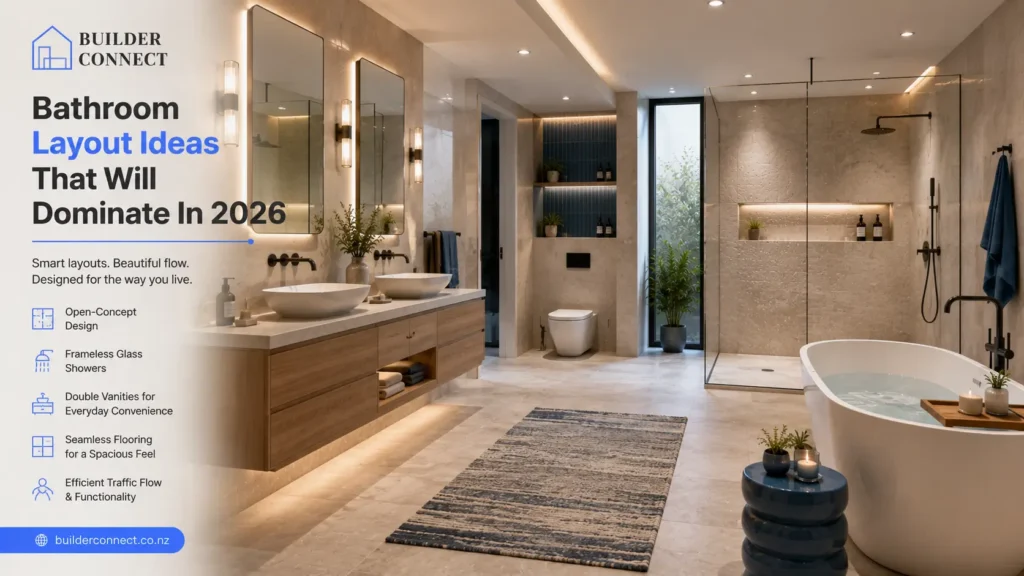
Bathroom Layout Ideas That Will Dominate In 2026
Bathroom layouts in 2026 are moving toward designs that feel more open, practical, and comfortable for daily living. Homeowners are focusing on layouts that improve movement, maximize storage, and create a relaxing atmosphere without sacrificing functionality. Modern bathroom design is no longer only about appearance. It is about creating a space that works efficiently for different lifestyles while still feeling modern and visually balanced. From open-concept bathrooms to space-saving solutions for smaller homes, the latest layouts are designed to support comfort, accessibility, and long-term usability.
Open & Airy Bathroom Concepts
Open and airy bathroom concepts continue to grow in popularity because they make spaces feel brighter, larger, and more relaxing. Instead of dividing the room into multiple closed-off sections, modern layouts focus on creating smooth transitions between key areas like the shower, vanity, and bath. This approach helps bathrooms feel less crowded and more connected, especially in homes where natural light plays an important role.
Frameless Glass
Frameless-glass shower screens are becoming a standard feature in modern bathroom renovations because they create a cleaner and more spacious appearance. Without bulky metal frames interrupting the view, the bathroom feels visually open and less confined. Frameless-glass designs also work well with many interior styles, including minimalist, luxury-inspired, and contemporary bathrooms.
Some practical advantages include:
- Easier Cleaning: Smooth-glass surfaces collect less grime around edges and corners.
- Improved Light Flow: Natural and artificial light can move more freely throughout the space.
- Timeless Appearance: Frameless-glass designs tend to remain visually modern for many years.
Minimal Barriers
Modern bathroom layouts are reducing unnecessary barriers to improve comfort and movement throughout the room. Large step-ups, bulky partitions, and oversized cabinetry are being replaced with cleaner and more efficient layouts that feel easier to use every day.
Minimal-barrier design is especially helpful for:
- Family Homes: Easier movement for children and older adults.
- Smaller Bathrooms: Fewer visual interruptions help compact spaces feel larger.
- Future-Proofing: Accessible layouts are more adaptable as household needs change over time.
Seamless Flow
Seamless-flow bathroom layouts focus on creating visual harmony between different design elements. Matching floor tiles, consistent color palettes, and uninterrupted sightlines help the entire room feel balanced and organized. This style also supports the growing trend toward spa-inspired bathrooms that encourage relaxation and simplicity.
A seamless-flow layout often includes:
- Continuous Flooring: Large-format tiles that extend throughout the bathroom.
- Integrated Design Features: Vanities, mirrors, and lighting that visually connect together.
- Open Layout Planning: Clear walking space between fixtures for easier movement.
Wet Room Designs
Wet-room bathrooms are becoming one of the most requested layout styles for 2026 because they combine modern aesthetics with practical functionality. Unlike traditional bathrooms that separate the shower area with raised trays or enclosed cubicles, wet rooms use an open waterproofed space with built-in drainage systems. This creates a cleaner, more spacious appearance while improving accessibility and ease of maintenance.
Walk-in Showers
Walk-in showers are replacing traditional shower enclosures in many modern homes because they offer both style and practicality. Their open design makes bathrooms feel larger while also creating a more luxurious experience. Many homeowners are pairing walk-in showers with rainfall showerheads, recessed shelving, and floor-to-ceiling tiling for a more high-end appearance.
Key advantages include:
- Easy Accessibility: No large step-over edges or tight shower doors.
- Modern Appearance: Clean lines create a sleek and contemporary finish.
- Flexible Sizing: Walk-in showers can work in both large and compact bathrooms.
Modern Drainage Solutions
Proper drainage is one of the most important parts of a successful wet-room design. Modern drainage systems are now more discreet, efficient, and visually appealing than older center-drain layouts. Linear drains are especially popular because they support seamless flooring and improve water control.
Important drainage considerations include:
- Floor Gradient Planning: Ensures water flows efficiently toward the drain.
- Slip-Resistant Surfaces: Improves safety in wet areas.
- Professional Waterproofing: Prevents long-term moisture issues behind walls and floors.
Accessibility Benefits
Wet-room layouts are often recommended for homeowners who want a bathroom that supports long-term accessibility without compromising on style. Their barrier-free design makes movement easier for people of all ages and mobility levels.
Accessibility-focused features may include:
- Level Flooring: Reduces tripping hazards.
- Wide Open Space: Allows easier movement throughout the bathroom.
- Wall-Mounted Fixtures: Creates additional floor space and easier cleaning access.
Double Vanity Layouts
Double-vanity layouts remain one of the most practical bathroom upgrades for busy households. As shared bathrooms become more common in family homes, homeowners are prioritizing layouts that reduce congestion and improve everyday convenience. Double vanities help create better organization while also adding visual symmetry to the space.
Shared Family Bathrooms
In larger households, shared-bathroom layouts can quickly become crowded during busy mornings. Double vanities allow multiple people to use the space at the same time without interfering with each other’s routine.
Benefits for family homes include:
- Reduced Morning Congestion: Two sinks allow simultaneous use.
- Improved Personal Space: Separate storage and counter areas help minimize clutter.
- Better Daily Efficiency: Makes busy routines feel more manageable.
Improved Functionality
Modern double-vanity designs are not just about adding another sink. They are carefully planned to improve movement, lighting, storage, and usability throughout the bathroom. Many newer layouts also include wider mirrors, layered lighting, and integrated power outlets for greater convenience.
Functional design upgrades may include:
- Task Lighting: Better visibility for grooming and skincare routines.
- Extended Counter Space: More room for everyday essentials.
- Custom Drawer Organization: Easier access to personal items.
Storage Optimization
Storage plays a major role in modern bathroom layouts because clutter can quickly make even large bathrooms feel smaller. Double vanities often include smart-storage features that improve organization without overwhelming the room visually.
Popular storage solutions include:
- Deep Drawers: Better for larger toiletries and hair tools.
- Hidden Compartments: Keeps countertops cleaner and more organized.
- Vertical Storage Features: Makes better use of available wall space.
Space-Saving Bathroom Ideas for Smaller Homes
As smaller homes, apartments, and compact floor plans become more common, space-saving bathroom layouts are becoming increasingly important. Modern bathroom design now focuses on making smaller spaces feel functional, organized, and visually open without sacrificing comfort or style.
Floating Vanities
Floating-vanity designs are highly effective in compact bathrooms because they create the illusion of more floor space. By lifting the vanity off the ground, the room appears lighter and less crowded while also making cleaning easier.
Advantages of floating vanities include:
- More Visible Floor Space: Helps the room feel larger.
- Modern Appearance: Clean lines support minimalist design trends.
- Additional Flexibility: Space underneath can be used for baskets or storage.
Wall-mounted Fixtures
Wall-mounted fixtures are another popular choice for smaller bathrooms because they reduce visual bulk and improve floor accessibility. Toilets, taps, and vanities mounted directly onto the wall help create a cleaner and more streamlined layout.
Common wall-mounted features include:
- Wall-mounted Toilets: Save floor space and simplify cleaning.
- Wall-mounted Tapware: Creates a less cluttered vanity area.
- Compact Basin Designs: Ideal for narrow bathroom layouts.
Smart Storage Solutions
Storage is often the biggest challenge in small bathrooms, which is why smart-storage planning is becoming essential in 2026 bathroom design. The goal is to maximize functionality without overcrowding the space.
Effective small-bathroom storage ideas include:
- Recessed Shelving: Uses wall cavities for additional storage.
- Mirror Cabinets: Combines storage with everyday practicality.
- Built-in Niches: Keeps shower products organized without adding bulky shelves.
- Multi-purpose Furniture: Combines storage with functional design features.
Modern bathroom layouts for 2026 are clearly moving toward smarter, more efficient spaces that prioritize comfort, accessibility, and timeless design. Whether homeowners choose an open-concept layout, a wet-room design, or space-saving solutions for compact bathrooms, the focus remains on creating a bathroom that feels practical, relaxing, and adaptable for everyday living.
Smart Bathroom Technology Trends For 2026
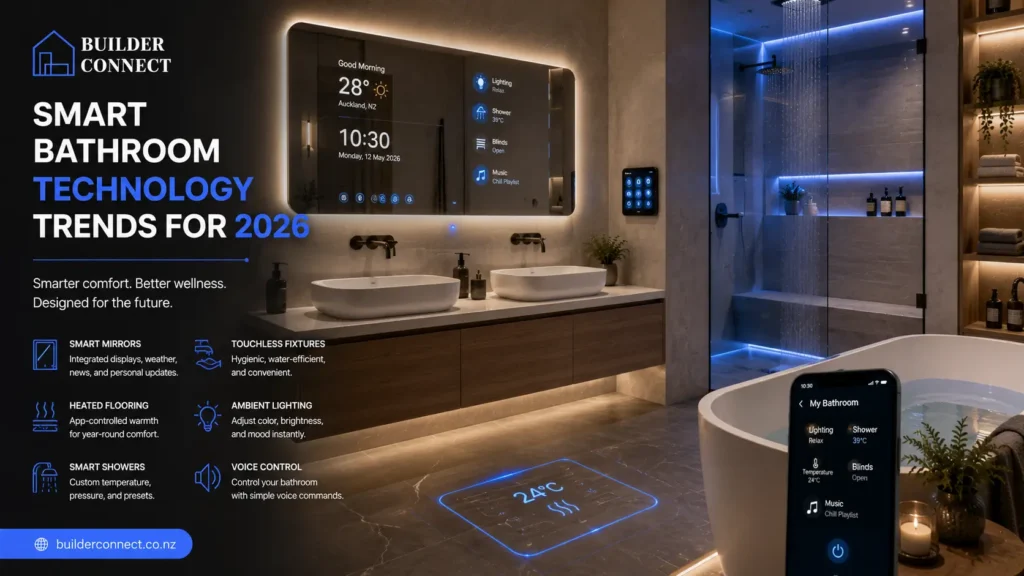
Smart bathroom technology is becoming one of the biggest influences on modern bathroom design in 2026. Homeowners are no longer looking at bathrooms as purely functional spaces. Instead, they are investing in comfort-focused features, energy-efficient systems, and wellness-driven technology that improves daily routines while adding long-term convenience and value to the home. From smart mirrors and touchless fixtures to heated flooring and integrated audio systems, modern bathroom upgrades are now designed to create a more relaxing, hygienic, and personalized experience.
Smart Mirrors & Lighting Systems
Smart mirrors and advanced lighting systems are transforming how people use and experience their bathrooms. These upgrades combine functionality with modern aesthetics, helping homeowners improve visibility, convenience, and energy efficiency without sacrificing style.
Adjustable lighting is becoming especially popular because it allows users to customize brightness levels depending on the time of day or activity. Bright task-lighting works well for shaving, makeup application, and grooming, while softer ambient lighting helps create a calm and relaxing atmosphere in the evening.
Built-in displays are also becoming more common in luxury bathroom designs. Many smart mirrors now include integrated displays that can show weather updates, calendars, clocks, or music controls while maintaining a clean and uncluttered appearance. These features are designed to simplify daily routines while adding a modern and high-end feel to the space.
Anti-fog technology is another practical innovation that homeowners appreciate. Instead of waiting for steam to clear after a hot shower, anti-fog mirrors remain clear and usable immediately. This feature improves convenience and reduces frustration, especially in busy family bathrooms.
Some of the most practical advantages of smart mirrors and lighting systems include:
- Energy efficiency: LED-based systems use less electricity while providing consistent lighting quality.
- Customizable settings: Adjustable brightness and color-temperature controls allow users to personalize the environment.
- Improved visibility: Better lighting reduces shadows and improves daily grooming tasks.
- Modern aesthetics: Sleek mirror designs help create a clean and contemporary bathroom appearance.
Touchless Fixtures & Hygiene Technology
Hygiene-focused bathroom technology continues to grow in popularity as homeowners prioritize cleanliness, convenience, and water efficiency. Touchless systems reduce physical contact with surfaces, helping create a more sanitary environment while also giving bathrooms a more modern feel.
Sensor taps are one of the most widely adopted smart bathroom features. These fixtures automatically activate when hands are detected beneath the tap, helping reduce water waste and minimize the spread of germs. They are particularly useful in family homes where multiple people use the same bathroom throughout the day.
Automatic flushing systems are also becoming more common in modern bathroom renovations. These systems improve hygiene by reducing contact with toilet surfaces while ensuring consistent flushing performance. Many newer systems are also designed with water-saving technology, making them more environmentally friendly.
Hygiene-focused innovations now go beyond basic touchless controls. Many bathrooms are incorporating smart toilets with self-cleaning functions, bidet features, deodorizing systems, and heated seating for improved comfort and sanitation.
Popular hygiene-focused bathroom innovations include:
- Touch-free operation: Reduces the spread of bacteria on high-contact surfaces.
- Water-saving technology: Helps lower water usage without reducing performance.
- Self-cleaning features: Minimizes maintenance while improving cleanliness.
- Improved accessibility: Sensor-based controls are easier for children, older adults, and people with mobility limitations.
Heated Floors & Comfort Features
Comfort is becoming a major priority in bathroom design for 2026, especially as homeowners focus on creating spa-inspired spaces that feel warm, relaxing, and inviting throughout the year.
Underfloor heating is one of the most sought-after luxury comfort upgrades because it provides consistent warmth across the entire floor surface. Unlike traditional heating systems that warm the air unevenly, heated flooring distributes heat more effectively and creates a more comfortable environment during colder months.
Smart temperature controls allow homeowners to manage heating systems more efficiently by adjusting settings through mobile apps or programmable schedules. This technology improves both comfort and energy-efficiency by ensuring heat is only used when needed.
Luxury comfort upgrades are no longer limited to high-end homes. Many modern bathroom renovations now include features that improve daily convenience while maintaining a practical and timeless design.
Common comfort-focused bathroom upgrades include:
- Programmable heating systems: Allows homeowners to schedule heating based on daily routines.
- Energy-efficient controls: Helps reduce unnecessary energy consumption.
- Warm flooring surfaces: Improves comfort during colder seasons.
- Enhanced relaxation: Creates a spa-like atmosphere within the home.
Integrated Audio & Relaxation Features
Bathrooms are increasingly being designed as personal wellness spaces where homeowners can relax, recharge, and disconnect from daily stress. Integrated technology now plays a major role in creating a more immersive and calming environment.
Built-in speakers allow homeowners to listen to music, podcasts, or calming audio without relying on portable devices. Many modern systems connect wirelessly through Bluetooth or smart-home integration, helping maintain a clutter-free and streamlined design.
Ambient lighting systems are also helping transform bathroom spaces into relaxing retreats. Adjustable lighting can be used to create softer tones for evening baths or brighter settings for morning routines. The ability to customize lighting helps improve both functionality and atmosphere.
Wellness-focused technology is becoming more sophisticated as homeowners prioritize mental well-being alongside physical comfort. Features such as aromatherapy shower systems, calming soundscapes, chromotherapy lighting, and steam-shower integration are becoming more accessible in modern bathroom renovations.
Some of the most valuable relaxation-focused bathroom features include:
- Integrated entertainment: Allows seamless access to music and audio content.
- Mood-enhancing lighting: Helps create a calming and personalized atmosphere.
- Smart-home connectivity: Simplifies control of multiple bathroom systems.
- Spa-inspired functionality: Encourages relaxation and stress reduction at home.
Smart bathroom technology trends for 2026 are shaping bathrooms into more intelligent, comfortable, and wellness-focused spaces that support everyday living while adding long-term value to the home. By combining practical innovation with thoughtful design, homeowners can create bathrooms that feel modern, functional, and genuinely enjoyable to use every day.
The Rise Of Spa-Inspired Bathrooms
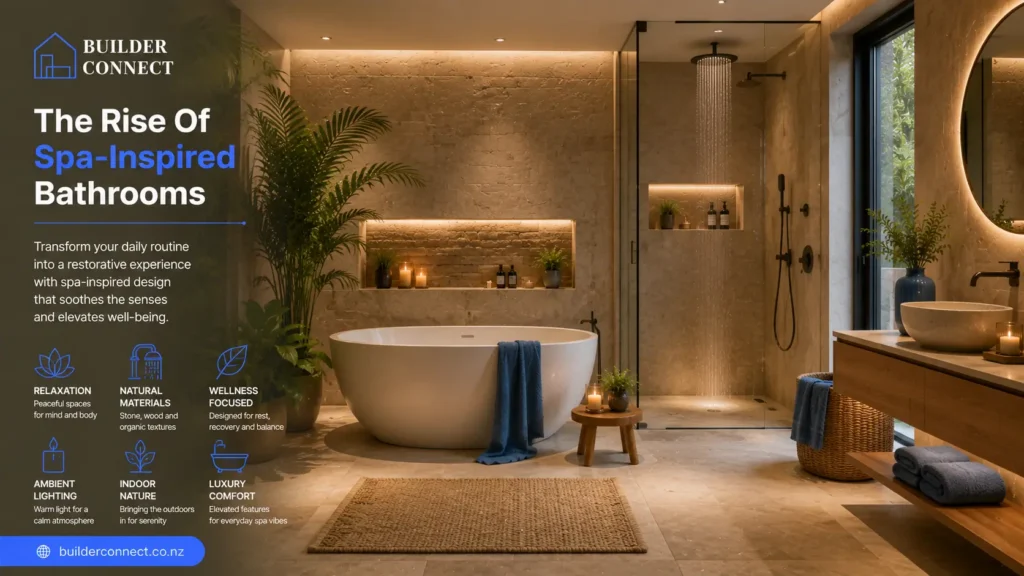
Spa-inspired bathrooms are becoming one of the strongest bathroom looks for 2026 because homeowners want spaces that feel peaceful, practical, and personal. Instead of treating the bathroom as a purely functional room, modern design now focuses on comfort, wellness, and everyday relaxation. This trend works especially well when luxury features are balanced with smart layouts, natural materials, and easy-to-maintain finishes.
Freestanding Baths As Statement Pieces
Freestanding baths remain a popular choice because they instantly create a high-end focal point. Their appeal comes from more than looks, though. A well-placed bath can improve the flow of the room, create a calm visual centre, and make the bathroom feel more like a retreat.
Placement matters. A freestanding bath works beautifully near a large window, beneath soft lighting, or against a feature wall with stone-look tiles, textured plaster, or timber accents. In larger bathrooms, placing the bath slightly away from the wall can make the room feel more open and luxurious. In smaller bathrooms, a compact oval or back-to-wall freestanding bath can offer the same spa-inspired effect without wasting floor space.
Modern bath shapes are also becoming softer and more sculptural. Rounded, oval, and gently curved designs are popular because they feel calmer than sharp-edged styles. Matte-white finishes, stone-composite materials, and slim bath profiles are especially useful for creating a clean, contemporary look.
- Placement: Position the bath where it feels intentional, such as near natural light, beside a feature wall, or in a quiet corner with enough space for easy movement.
- Shape: Choose curved, oval, or soft-edged bath designs to support a relaxed spa-inspired bathroom style.
- Luxury Appeal: Pair the bath with floor-mounted tapware, warm lighting, and textured surfaces to create a polished but comfortable finish.
Rainfall Showers & Multi-Function Shower Systems
Rainfall showers and multi-function shower systems are key features in modern bathroom design because they turn a daily routine into a more relaxing experience. A rainfall shower creates a gentle, even flow of water that feels softer and more immersive than a standard showerhead. This makes it a strong choice for homeowners who want a bathroom that feels calm, comfortable, and hotel-inspired.
Water pressure should always be considered before choosing a shower system. A large rainfall showerhead needs suitable plumbing and consistent pressure to work properly. If the pressure is too low, the shower may look impressive but feel underwhelming. This is why it is important to match the showerhead size, mixer, and plumbing setup to the home’s actual water system.
Layered shower experiences are also growing in popularity. This can include a rainfall showerhead, handheld shower, body jets, and adjustable spray settings. These features add flexibility for different users and make the shower more practical for cleaning, accessibility, and everyday comfort.
- Water Pressure: Check the home’s water pressure before installing a rainfall shower or large-format showerhead to avoid weak performance.
- Functionality: Add a handheld shower for easier cleaning, better flexibility, and improved daily use.
- Layered Comfort: Combine overhead rainfall, wall-mounted sprays, and adjustable settings for a more complete spa-style shower experience.
Minimalist Styling For A Relaxing Atmosphere
Minimalist bathroom styling works well with spa-inspired design because it removes visual clutter and helps the room feel calmer. The goal is not to make the bathroom feel empty. It is to choose fewer, better features that support comfort, function, and a clean visual flow.
Decluttered layouts are especially important. Floating vanities, recessed shelves, mirrored cabinets, and built-in niches help keep everyday items organised without crowding the space. When storage is planned properly, the bathroom feels easier to use and easier to maintain.
Soft textures also help prevent minimalist bathrooms from feeling cold. Textured tiles, brushed tapware, timber-look cabinetry, soft towels, and warm-neutral colours can make the space feel welcoming. Calm visual design often comes from a limited colour palette, balanced lighting, and simple shapes that work together instead of competing for attention.
- Layout: Keep the floor area open where possible by using floating vanities, wall-mounted fixtures, and built-in storage.
- Texture: Add warmth with soft towels, timber accents, stone-look tiles, and matte finishes.
- Visual Calm: Use a simple colour palette and avoid too many competing patterns, fixtures, or decorative features.
Bringing Nature Into Bathroom Design
Natural elements are central to bathroom looks for 2026 because they make the space feel warmer, healthier, and more connected to the rest of the home. This does not mean the bathroom needs to look rustic. Even a sleek, modern bathroom can feel more inviting with the right mix of plants, daylight, stone, and timber.
Indoor plants are a simple way to soften the room, especially in bathrooms with good natural light and ventilation. Plants such as peace lilies, ferns, pothos, and snake plants can work well in humid spaces when placed correctly. They add colour and texture without making the room feel busy.
Natural lighting is another important part of spa-inspired bathroom design. Larger windows, skylights, frosted glass, and privacy-friendly glazing can brighten the room while still protecting privacy. Good daylight makes materials look better, improves the mood of the space, and reduces the need for harsh artificial lighting during the day.
Stone and timber combinations are also a strong design choice. Stone-look tiles, natural stone basins, timber vanities, and wood-effect shelving can create a balanced mix of durability and warmth. The best results usually come from pairing these materials carefully so the bathroom feels natural, not overcrowded.
- Indoor Plants: Choose humidity-friendly plants and place them where they receive suitable light without blocking movement or storage.
- Natural Light: Use skylights, frosted windows, or privacy-glass features to brighten the bathroom while keeping it comfortable and private.
- Material Pairing: Combine stone-look surfaces with timber vanities or shelving to create a warm, organic bathroom design.
A spa-inspired bathroom should feel peaceful, practical, and easy to enjoy every day. By combining freestanding baths, layered shower systems, minimalist styling, and natural materials, homeowners can create a modern bathroom that feels luxurious without losing comfort, function, or long-term appeal.
Bathroom Lighting Trends For 2026
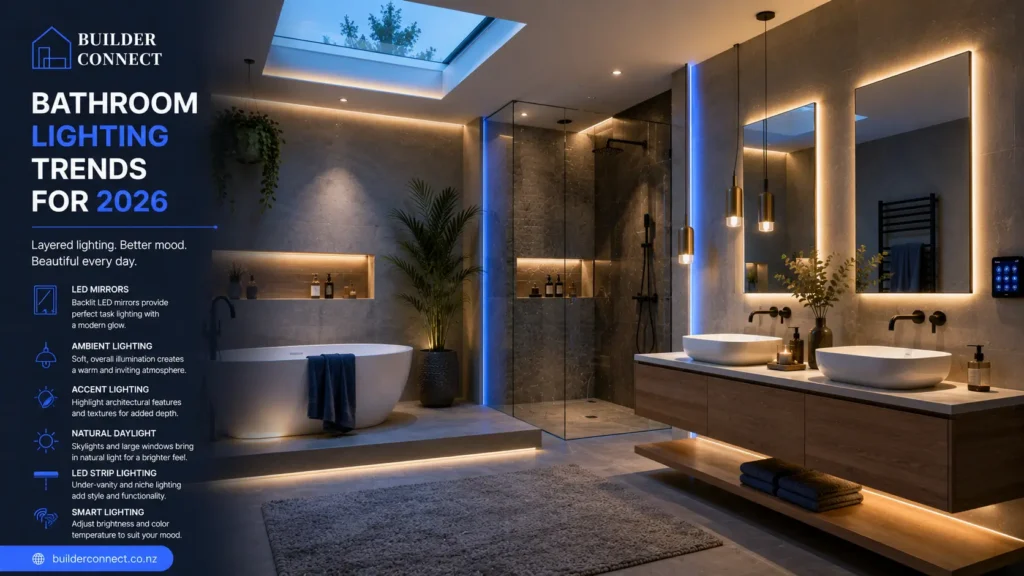
Bathroom lighting trends for 2026 are moving toward comfort, flexibility, and better everyday function. Instead of relying on one ceiling light, modern bathroom design now uses layered-lighting plans, soft-glow features, LED mirrors, and natural-light solutions to create a space that feels bright, calm, and practical at the same time.
Layered Lighting Design
Layered lighting is one of the most important bathroom looks for 2026 because it makes the room easier to use and more enjoyable to spend time in. A well-planned bathroom should have different light sources for different needs, from getting ready in the morning to relaxing in the bath at night.
- Task Lighting: Task lighting is focused lighting used for practical activities like shaving, applying makeup, brushing teeth, or styling hair. In most bathrooms, the best place for task lighting is around the vanity mirror, ideally with lights placed at face level to reduce shadows.
- Ambient Lighting: Ambient lighting provides the main overall brightness in the room. Ceiling-mounted fixtures, recessed lights, or soft overhead lighting can help the bathroom feel open and balanced without making the space look harsh.
- Accent Lighting: Accent lighting adds depth and atmosphere by highlighting design features such as tiled walls, recessed shelves, freestanding baths, or textured surfaces. This type of lighting is especially useful in modern bathroom designs where small details make the space feel more refined.
LED Mirrors & Soft Glow Features
LED mirrors and soft-glow lighting are becoming popular because they combine function with a clean, modern look. They work especially well in contemporary bathrooms because they reduce visual clutter while improving visibility, comfort, and energy performance.
- Energy Efficiency: LED bathroom lighting uses less power than many traditional lighting options, making it a smart choice for homeowners who want a more energy-efficient bathroom. It also lasts longer, which means fewer replacements and lower long-term maintenance.
- Functional Aesthetics: LED mirrors are practical because they provide even facial lighting while also giving the bathroom a polished appearance. Soft-glow lighting under vanities, behind mirrors, or along wall niches can make the room feel warmer and more relaxing without overpowering the design.
Natural Light & Skylight Trends
Natural light is a major part of bathroom trends for 2026 because it helps the space feel bigger, fresher, and more connected to the rest of the home. Good daylight planning can improve the look of tiles, finishes, colors, and textures while also making the bathroom feel more comfortable during daily use.
- Larger Windows: Larger bathroom windows can make the space feel brighter and more open, especially when paired with neutral colors, natural materials, and reflective surfaces. They work best when privacy, ventilation, and window placement are carefully considered during the design stage.
- Privacy-Friendly Daylight Solutions: Skylights, frosted glass, high-set windows, and light-filtering blinds allow homeowners to enjoy natural light without giving up privacy. These privacy-friendly features are especially useful in urban homes, compact bathrooms, and ensuite designs where window placement can be limited.
The best bathroom lighting for 2026 is practical, comfortable, and thoughtfully layered. By combining task lighting, ambient lighting, accent lighting, LED mirrors, soft-glow features, and natural-light solutions, homeowners can create a bathroom that feels modern, relaxing, and easy to use every day.
Bathroom Storage Ideas That Blend Style & Function
Bathroom storage should do more than hide everyday items. In a well-planned bathroom, storage supports the way the space is used, keeps the room easy to clean, and helps the overall design feel calm and intentional. The best bathroom storage ideas for 2026 combine practical organization with modern bathroom style, so the room feels polished without becoming difficult to maintain.
Hidden Storage Solutions
Hidden storage is one of the most effective ways to keep a bathroom looking clean while still making space for towels, toiletries, cleaning products, and personal items. This works especially well in modern bathroom designs where simple lines, open floor space, and clutter-free surfaces are part of the overall look.
Recessed shelving is a smart option because it uses wall space without taking up extra room. In showers, recessed niches can hold shampoo, soap, and skincare products without needing bulky corner racks. Near a vanity, a recessed cabinet or mirror cabinet can store smaller items while keeping the sink area neat.
Built-in cabinetry is another strong choice for homeowners who want storage that feels seamless. Instead of adding freestanding furniture that may crowd the room, built-in storage can be designed around the layout, wall depth, and daily-use needs of the bathroom.
- Recessed Shelving: This is ideal for shower zones, vanity walls, and tight spaces because it adds storage without making the bathroom feel smaller.
- Built-In Cabinetry: Custom or semi-custom cabinetry can make better use of awkward corners, wall gaps, and vertical space.
- Mirror Cabinets: These are useful for storing skincare, medication, and grooming items while keeping the vanity surface clear.
- Tall Storage Units: Floor-to-ceiling cabinetry can work well in family bathrooms where towels, spare products, and cleaning supplies need a dedicated place.
Floating Vanities & Open Shelving
Floating vanities are popular because they make a bathroom feel more open while still offering practical storage. By lifting the vanity off the floor, the space appears lighter and easier to move through, which is especially helpful in small bathroom designs. This space-enhancing design also makes cleaning easier because the floor underneath remains accessible.
A floating vanity can include drawers, cabinets, or a combination of both. Deep drawers are useful for larger items like hair tools and spare toiletries, while shallow drawers work well for daily-use products. For a more refined look, soft-close drawers, handle-free fronts, and natural timber finishes can help the vanity feel modern without looking too cold.
Open shelving adds decorative functionality when used carefully. It can display folded towels, candles, plants, or attractive storage baskets, but it should not become a place for clutter. The key is to use open shelves for items that add warmth and personality while keeping less-attractive essentials hidden inside cabinets or drawers.
- Floating Vanities: These help create a roomier look by exposing more floor space and reducing visual heaviness.
- Open Shelving: This works best for decorative storage, folded towels, and items that support the bathroom’s overall style.
- Drawer Dividers: These keep makeup, razors, brushes, and grooming tools organized instead of mixed together.
- Basket Storage: Woven or fabric baskets can soften the look of open shelves while keeping smaller items grouped neatly.
Minimal Clutter & Organized Spaces
A stylish bathroom is not only about the tiles, fixtures, or color palette. It also depends on how well the space functions every day. Minimal clutter helps the room feel more peaceful, makes cleaning easier, and allows design features like tapware, lighting, mirrors, and textured finishes to stand out.
Practical organization systems are essential because bathrooms often hold many small items. Drawer inserts, labeled containers, pull-out trays, and separate zones for daily-use products can make a big difference. Instead of storing everything wherever it fits, it is better to group items by purpose, such as skincare, haircare, cleaning, spare towels, and first-aid supplies.
Streamlined aesthetics come from editing what is visible. A few well-chosen items on display can make the bathroom feel warm and lived-in, but too many products on the vanity or shower ledge can make even a new bathroom look messy. The goal is not to remove personality, but to give every item a proper place.
- Daily-Use Zones: Keep the products used every morning and night within easy reach so the bathroom stays practical.
- Drawer Organizers: These stop small items from spreading across the vanity and make it easier to find what is needed.
- Closed Storage: Use cabinets for cleaning products, spare toiletries, and packaging that does not need to be seen.
- Visible Styling: Limit open surfaces to a few intentional items, such as a plant, hand soap, candle, or neatly folded towel.
Bathroom storage works best when it feels planned rather than added later. By combining hidden storage, floating vanities, open shelving, and practical organization, homeowners can create a bathroom that looks modern, feels calm, and supports everyday routines without sacrificing style.
Bathroom Trends That May Fade In 2026
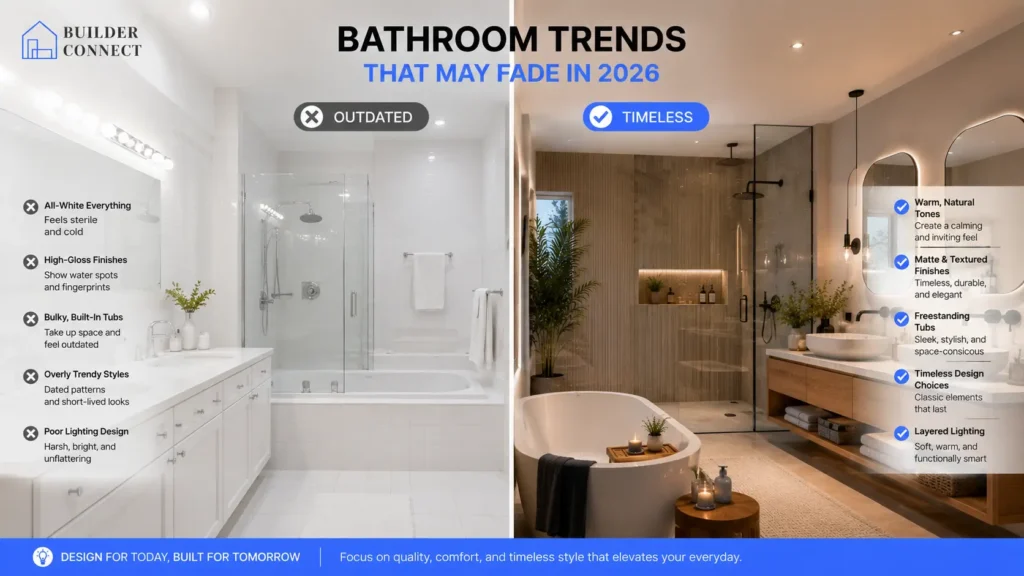
Bathroom looks for 2026 are moving toward comfort, practicality, and long-term value rather than designs that only look good in photos. While bold bathroom trends can be exciting, homeowners are becoming more careful about choosing finishes, layouts, and fixtures that will still feel useful and attractive years from now.
Overly Glossy Finishes
High-gloss tiles, shiny cabinets, and mirror-like surfaces once felt modern because they reflected light and created a polished look. In 2026, these finishes may start to feel less practical, especially in busy family bathrooms where water spots, fingerprints, soap marks, and daily wear show quickly.
Matte and soft-textured finishes are becoming more popular because they feel warmer, calmer, and easier to maintain. They also work well with natural materials such as stone, timber, brushed-metal tapware, and neutral-toned tiles.
- Maintenance: Glossy surfaces often need frequent cleaning because streaks and smudges are easy to see.
- Comfort: Softer finishes can make a bathroom feel more relaxing and less harsh under bright lighting.
- Design Longevity: Matte tiles, satin cabinetry, and brushed fixtures usually age better than ultra-shiny trend-led finishes.
All-White Sterile Bathrooms
All-white bathrooms have been popular for years because they look clean, bright, and simple. However, when a bathroom has white tiles, white walls, white cabinetry, and very little contrast, it can feel cold or clinical instead of welcoming.
Bathroom design in 2026 is shifting toward warmer neutrals, earthy tones, and layered textures. Instead of using plain white everywhere, many homeowners are choosing warm-white walls, stone-look tiles, timber vanities, soft-beige accents, and brushed-metal fixtures to create more depth.
- Warmth: Adding natural textures helps prevent a bathroom from feeling flat or sterile.
- Personality: Subtle color choices can make the space feel more personal without making it look too busy.
- Practicality: Slightly warmer tones often hide dust, water marks, and daily use better than bright-white surfaces.
Bulky Traditional Fixtures
Large vanities, oversized tubs, heavy cabinetry, and chunky traditional fixtures can make a bathroom feel crowded, especially in smaller homes. While classic details can still work beautifully, overly bulky designs may not suit the cleaner, more space-conscious bathroom looks for 2026.
Homeowners are now leaning toward floating vanities, wall-mounted toilets, frameless-glass showers, and slimmer storage solutions. These design choices help open up floor space, improve movement, and create a cleaner visual flow.
- Space Efficiency: Slimline fixtures make small bathrooms feel larger and easier to use.
- Accessibility: Open layouts can improve movement for families, older homeowners, and guests.
- Modern Appeal: Clean-lined fittings often pair better with contemporary bathroom materials and smart-technology features.
Trend-Driven Designs With Low Practicality
Some bathroom trends look impressive at first but can become frustrating when they do not support everyday use. Examples include awkward open shelving, hard-to-clean tile patterns, poorly placed statement baths, dark bathrooms with weak lighting, or layouts that prioritize appearance over comfort.
A beautiful bathroom should still work well in real life. Before choosing a trend, it is worth asking whether it improves storage, cleaning, lighting, comfort, privacy, or daily function. If it only looks good online but creates problems at home, it may not be a smart long-term choice.
- Daily Use: A bathroom should support morning routines, family needs, and easy cleaning.
- Resale Value: Timeless, well-planned bathrooms usually appeal to more buyers than highly personalized trend-heavy spaces.
- Budget Protection: Choosing practical features helps reduce the risk of expensive updates later.
Timeless functionality is becoming more important because homeowners want bathrooms that feel modern without becoming outdated too quickly. The strongest bathroom looks for 2026 will balance style with comfort, storage, durability, and everyday usability, making the space easier to enjoy now and easier to maintain in the future.
How To Choose The Right Bathroom Style For Your Home
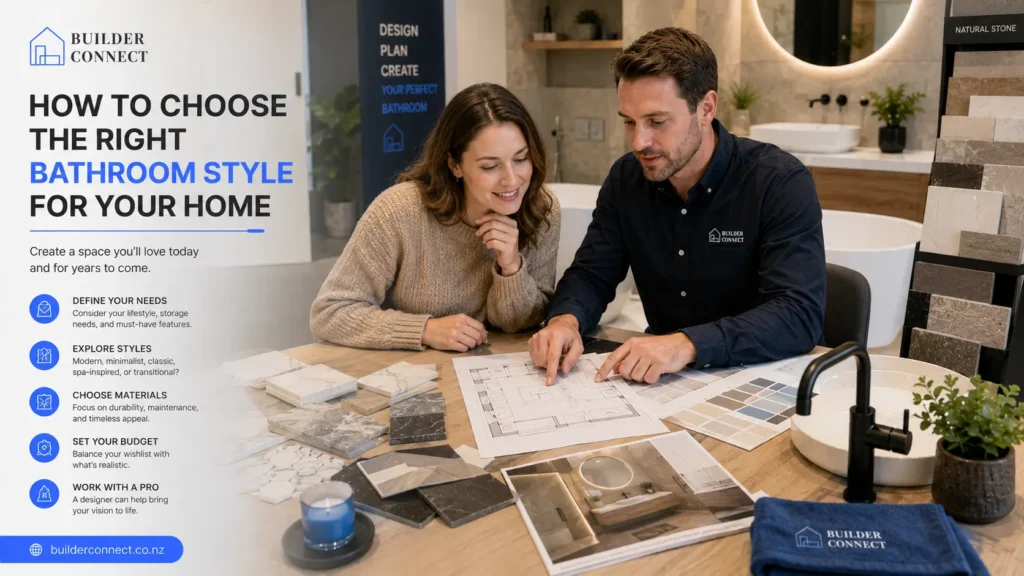
Choosing the right bathroom style starts with more than picking tiles, colours, or tapware. A good bathroom design should suit the way your household lives, support everyday comfort, and still feel modern years after the renovation is complete. Before following the latest bathroom looks for 2026, it is worth thinking about how the space will be used, how much maintenance you are comfortable with, and which design choices will add long-term value to your home.
Consider Lifestyle & Daily Use
The best bathroom style is one that works with your daily routine. A family bathroom, guest bathroom, ensuite, and compact powder room all have different needs, so the layout and finishes should reflect how often the space is used and who uses it most.
For a busy family bathroom, durability and storage should come first. Easy-clean tiles, wall-hung vanities, mirrored cabinets, and slip-resistant flooring can make the room safer and easier to maintain. For an ensuite, comfort may matter more, with features like soft lighting, a walk-in shower, heated towel rails, and a calm colour palette helping create a more relaxing space.
- Family Use: Choose practical materials, strong storage, and easy-clean surfaces that can handle daily use.
- Guest Use: Focus on a simple, welcoming design with good lighting, clear space, and low-maintenance finishes.
- Personal Ensuite: Prioritize comfort-focused features such as layered lighting, quality tapware, and a spa-inspired shower area.
- Small-Space Living: Use floating vanities, frameless glass, and built-in storage to make the room feel larger and less cluttered.
A bathroom may look beautiful in a showroom, but it needs to perform well in real life. Think about morning routines, cleaning time, ventilation, storage, and whether the design will still feel practical during busy days.
Balance Trends With Long-Term Practicality
Bathroom trends can be useful for inspiration, but not every trend is worth building into a permanent renovation. The smartest approach is to use timeless choices for major features and bring in trend-led details through items that are easier to update later.
For example, neutral tiles, quality fixtures, and a practical layout can give the bathroom a strong foundation. Trend-focused elements such as mirrors, wall colours, tapware finishes, plants, towels, and decorative lighting can then add personality without making the whole room feel dated too quickly.
Warm neutrals, natural textures, smart storage, and spa-inspired layouts are strong bathroom looks for 2026 because they combine style with function. However, overly bold colours, unusual tile patterns, or statement fixtures should be used carefully unless they genuinely suit your home and personal taste.
- Use Trends Selectively: Add modern style through lighting, mirrors, accessories, and feature finishes rather than locking every trend into the room.
- Keep Main Surfaces Timeless: Choose tiles, flooring, and cabinetry that can stay attractive for many years.
- Think About Maintenance: Matte finishes, textured tiles, and natural materials can look beautiful, but they should be chosen with cleaning and care in mind.
- Avoid Over-Themed Designs: A bathroom that relies too heavily on one trend may lose appeal faster than a balanced, well-planned design.
A practical bathroom does not need to feel plain. It simply needs to balance visual appeal with comfort, durability, and daily usability.
Match Bathroom Design To Home Architecture
A bathroom should feel connected to the rest of the home. When the bathroom style clashes with the property’s architecture, the space can feel disconnected, even if the finishes are expensive.
In a modern home, clean lines, floating vanities, frameless glass, and minimalist fittings often work well. In a character home, softer colours, classic tiles, brushed metal finishes, and traditional-inspired details may feel more natural. For coastal, rural, or nature-inspired homes, timber accents, stone-look tiles, and earthy tones can create a more cohesive design.
Matching the bathroom to the home does not mean making it old-fashioned. It means choosing modern updates that respect the property’s overall style. A well-designed bathroom should feel fresh while still belonging to the house.
- Modern Homes: Use streamlined fixtures, simple shapes, and clutter-free layouts for a clean, contemporary bathroom.
- Character Homes: Blend updated functionality with classic details such as soft tile patterns, elegant mirrors, and warm metal finishes.
- Coastal Homes: Consider light colours, natural textures, good ventilation, and relaxed design details.
- Family Homes: Create a style that feels attractive but still durable, safe, and easy to clean.
Before renovating, look at the home’s flooring, wall colours, natural light, room sizes, and existing materials. These details can help guide a bathroom style that feels consistent rather than forced.
Set A Realistic Renovation Budget
A clear budget helps homeowners make better design decisions from the start. Bathroom renovations can vary widely in cost depending on the size of the room, plumbing changes, waterproofing, fixtures, tiles, labour, and custom features.
The biggest mistake many homeowners make is spending heavily on visible finishes while underestimating the cost of behind-the-scenes work. Waterproofing, drainage, ventilation, plumbing, and electrical work may not be the most exciting parts of the renovation, but they are essential for a safe and long-lasting bathroom.
A realistic budget should include both design choices and practical requirements. It is also wise to allow a contingency amount for unexpected issues, especially in older homes where hidden water damage, outdated plumbing, or uneven floors may be discovered during the renovation.
- Prioritize Essentials First: Put budget toward waterproofing, ventilation, plumbing, electrical work, and layout before decorative upgrades.
- Separate Must-Haves From Nice-To-Haves: Decide which features are essential and which can be added later if the budget allows.
- Plan For Hidden Costs: Allow extra room in the budget for repairs, structural issues, or product changes.
- Invest Where It Matters Most: Spend more on high-use items such as tapware, vanities, flooring, and shower systems.
Before choosing a final bathroom style, get practical advice from experienced renovation professionals. They can help you understand what is realistic for your space, budget, and timeline while helping you avoid design choices that may look good online but perform poorly in everyday use.
Choosing the right bathroom style is about creating a space that looks good, works well, and supports the way you live. By considering daily use, long-term practicality, home architecture, and budget early in the planning stage, homeowners can create a bathroom that feels modern, comfortable, and valuable well beyond 2026.
Expert Tips For Creating A Bathroom That Still Looks Modern Beyond 2026
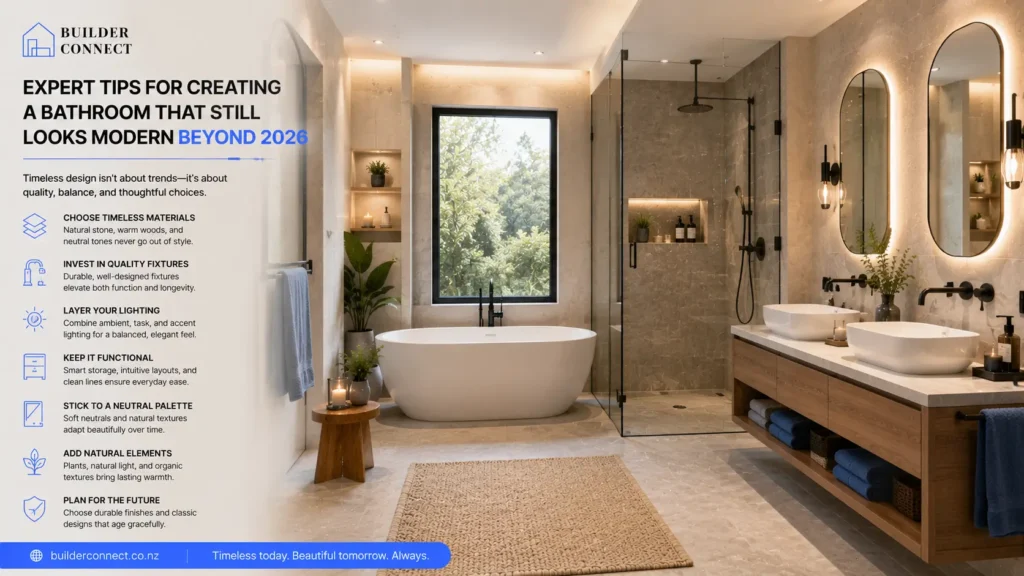
Bathroom trends continue to evolve every year, but the most successful bathroom designs are the ones that remain functional, comfortable, and visually appealing long after short-term trends fade away. A modern bathroom should not only look stylish today but also feel practical and relevant for years to come. The key is to build a strong design foundation using timeless materials, thoughtful layouts, and comfort-focused features while using trends in ways that are easy to update later. Homeowners who take this balanced approach often avoid costly renovations caused by designs that quickly feel outdated.
Focus On Timeless Base Elements
Timeless design choices create a bathroom that remains attractive even as trends change. Instead of building an entire bathroom around one popular style, it is usually smarter to choose classic features that work well with different design updates over time.
Neutral colors are one of the safest long-term choices because they create flexibility and help the space feel calm and spacious. Warm whites, soft greys, earthy beige tones, and stone-inspired finishes continue to perform well because they pair easily with both modern and traditional accents.
Large surfaces should also lean toward timeless materials. Flooring, wall tiles, and vanities are expensive to replace, so choosing overly trendy styles for these elements can shorten the lifespan of the design.
Some timeless bathroom features include:
- Neutral Tile Choices: Natural stone looks, matte porcelain tiles, and textured finishes tend to age better than bold patterns or heavily themed designs.
- Simple Cabinetry: Clean-lined vanities and minimal-profile storage units create a more adaptable look that can evolve with changing styles.
- Classic Fixture Shapes: Rounded mirrors, understated tapware, and balanced proportions often remain visually appealing longer than highly decorative fixtures.
- Balanced Lighting: Soft layered-lighting designs improve both appearance and functionality while supporting a more timeless atmosphere.
Timeless bathrooms also tend to feel less visually overwhelming. A calmer design allows homeowners to refresh the space with smaller updates rather than needing a full renovation every few years.
Use Trends In Small, Replaceable Features
One of the smartest ways to keep a bathroom modern without risking an outdated appearance is to use trends in areas that are easy and affordable to change later. This allows homeowners to enjoy current design styles while maintaining flexibility for future updates.
Accessories and decorative elements are ideal places to experiment with trends because they can be updated without major construction work. This approach also helps prevent renovation fatigue, where homeowners feel pressured to redesign the entire bathroom once a trend loses popularity.
Good places to introduce modern bathroom trends include:
- Mirror Styles: Trend-driven mirror shapes can add personality without permanently affecting the overall design.
- Tapware Finishes: Matte black, brushed brass, or mixed-metal finishes can modernize a bathroom while remaining relatively easy to replace later.
- Lighting Fixtures: Decorative sconces and statement pendants can refresh the space without requiring structural changes.
- Decor & Textiles: Towels, artwork, plants, and storage baskets can introduce seasonal color trends and texture without long-term commitment.
This strategy creates a bathroom that feels current while protecting the long-term value of larger investments like tiling, plumbing, and cabinetry.
Prioritize Quality Materials & Layout
A modern bathroom is not only about appearance. Long-lasting style often comes from durable materials and a practical layout that supports everyday use. Poor-quality materials may initially look attractive, but they can quickly lose their appearance through moisture exposure, staining, or general wear.
High-quality bathroom materials often provide better long-term value because they require fewer repairs and maintain their appearance over time. Moisture-resistant surfaces, durable flooring, and well-built cabinetry help create a bathroom that still feels modern years after installation.
The layout also plays a major role in whether a bathroom continues to function well as household needs change. A poorly planned layout can make even an expensive renovation feel frustrating over time.
Important layout considerations include:
- Efficient Traffic Flow: Walkways should remain open and comfortable without cramped fixture placement.
- Functional Storage: Built-in storage helps reduce clutter and improves daily usability.
- Proper Lighting Placement: Task-lighting near mirrors and layered ambient-lighting improve comfort and practicality.
- Easy Maintenance: Seamless surfaces, accessible corners, and quality drainage systems help reduce cleaning and maintenance issues.
Bathrooms that prioritize both durability and usability often maintain their appeal much longer than trend-focused spaces designed mainly for visual impact.
Invest In Comfort & Functionality
Modern bathroom design is increasingly centered around comfort, wellness, and convenience. Homeowners are placing greater value on bathrooms that improve daily routines rather than simply looking impressive in photos.
Comfort-focused upgrades tend to provide long-term satisfaction because they directly improve how the space feels and functions every day. Features that support relaxation, convenience, and ease of use are far more likely to remain valuable than temporary design trends.
Popular comfort-focused bathroom upgrades include:
- Walk-In Showers: Open shower layouts improve accessibility while creating a cleaner and more spacious appearance.
- Heated Flooring: Underfloor-heating systems add warmth and improve comfort during colder months.
- Smart Storage Solutions: Organized storage helps reduce clutter and creates a calmer environment.
- Ventilation Systems: Proper airflow protects materials from moisture damage while improving indoor comfort.
- Soft Lighting Controls: Adjustable lighting creates flexibility for both practical tasks and relaxation.
Functionality also becomes increasingly important as homeowners plan for long-term usability. Bathrooms designed with comfort, accessibility, and practical movement in mind often remain useful across different stages of life.
A bathroom that balances timeless design, durable materials, and everyday comfort is far more likely to remain stylish well beyond 2026. By focusing on long-term practicality instead of short-term trends, homeowners can create a space that continues to feel modern, relaxing, and valuable for many years ahead.
If you are planning to update your bathroom in 2026, now is the perfect time to explore design ideas that balance modern style, comfort, and long term practicality. Whether you are considering a full renovation or simple upgrades, working with experienced bathroom professionals can help you create a space that feels timeless, functional, and tailored to your lifestyle while avoiding costly design mistakes and short lived trends.
References
- Bathroom Trends 2026: the 13 Most Coveted Styles and Designs
https://www.homesandgardens.com/bathrooms/bathroom-trends-2026 - Bathroom Trends 2026: What’s In, What’s Out, and What’s Next
https://www.decorilla.com/online-decorating/bathroom-trends-2026/ - 2026 Bathroom Trends and Design Ideas for Master Bathrooms and Small Full Baths
https://jane-athome.com/bathroom-trends/ - 7 Bathroom Trends Making a Splash in 2026
https://www.idealhome.co.uk/all-rooms/bathroom/bathroom-trends-2026 - The Biggest Bathroom Trends of 2026, According To Experts
https://www.elledecor.com/design-decorate/trends/a70203725/bathroom-trends-2026/
FAQs: About Bathroom Looks For 2026
Conclusion
A modern bathroom look for 2026 should feel stylish, practical, and easy to enjoy every day, not just impressive in photos. The strongest bathroom looks for 2026 bring together warm natural colors, spa-inspired comfort, smart storage, layered lighting, durable materials, and wellness-focused features that make the space feel calm and functional. While trends can be a useful starting point, the best results come from balancing fresh design ideas with long-term usability, quality finishes, and practical choices that suit your home, budget, and daily routine. Before making decisions, explore different renovation ideas, compare layouts, and consider speaking with experienced bathroom design professionals who can help you plan a future-proof bathroom renovation that feels modern now and still works beautifully for years to come.
Find A Professional Bathroom Renovation Company Near You!
- Bathroom Renovations Alexandra
- Bathroom Renovations Alexandra, Clyde & Cromwell
- Bathroom Renovations Auckland
- Bathroom Renovations Cambridge
- Bathroom Renovations Central Otago
- Bathroom Renovations Christchurch
- Bathroom Renovations Clyde
- Bathroom Renovations Cromwell
- Bathroom Renovations East Auckland
- Bathroom Renovations Hamilton
- Bathroom Renovations Hastings
- Bathroom Renovations Hawkes Bay
- Bathroom Renovations Invercargill
- Bathroom Renovations Kapiti Coast
- Bathroom Renovations Levin
- Bathroom Renovations Lower Hutt
- Bathroom Renovations Napier
- Bathroom Renovations Nelson
- Bathroom Renovations New Plymouth
- Bathroom Renovations North Shore
- Bathroom Renovations Palmerston North
- Bathroom Renovations Porirua
- Bathroom Renovations Queenstown
- Bathroom Renovations South Auckland
- Bathroom Renovations Te Awamutu
- Bathroom Renovations Upper Hutt
- Bathroom Renovations Wanaka
- Bathroom Renovations Warkworth
- Bathroom Renovations Wellington
- Bathroom Renovations West Auckland
- Bathroom Renovations Kerikeri
- Bathroom Renovations Paihia
- Bathroom Renovations Tauranga

About the Author:
Mike Veail is a recognized digital marketing expert with over 6 years of experience in helping tradespeople and small businesses thrive online. A former quantity surveyor, Mike combines deep industry knowledge with hands-on expertise in SEO and Google Ads. His marketing strategies are tailored to the specific needs of the trades sector, helping businesses increase visibility and generate more leads through proven, ethical methods.
Mike has successfully partnered with numerous companies, establishing a track record of delivering measurable results. His work has been featured across various platforms that showcase his expertise in lead generation and online marketing for the trades sector.
Learn more about Mike's experience and services at https://theleadguy.online or follow him on social media: