Welcome to your complete guide to answering the question many homeowners face: is a kitchen renovation worth it? Whether you are thinking about upgrading an outdated space, improving functionality, or increasing your home’s value before selling, this decision involves both financial and lifestyle considerations. A kitchen renovation can be one of the most impactful improvements you make, but it is not always the right move for every situation. In this guide, you will learn how to evaluate renovation costs, understand potential return on investment, and determine when upgrading your kitchen truly makes sense based on your goals, budget, and long-term plans.
A kitchen renovation is worth it if it improves functionality, enhances daily living, or aligns with your long-term plans. While most remodels offer a 50–80% return on investment, the true value depends on your budget, local market, and whether you plan to sell or stay.
- What Does A Kitchen Renovation Actually Cost?
- Does A Kitchen Renovation Increase Home Value?
- When Is A Kitchen Renovation Worth It?
- When A Kitchen Renovation Might Not Be Worth It
- Alternatives To A Full Kitchen Renovation
- How To Decide If It’s Worth It For You
- Real-Life Scenarios (Examples)
- Common Mistakes To Avoid In Kitchen Renovations
- References
- FAQs: About Is A Kitchen Renovation Worth It
- Conclusion
- Find A Professional Kitchen Renovators Near You!
What Does A Kitchen Renovation Actually Cost?
Understanding the true kitchen renovation cost is one of the most important steps before starting any project. Many homeowners underestimate how quickly expenses can add up, especially when design changes or structural updates are involved. The total cost depends on the scope of work, the quality of materials, and the level of customization you choose, so it helps to break it down into realistic ranges and key factors.
Average Cost Ranges by Scope
The average kitchen remodel cost varies widely depending on how extensive the renovation is. A simple refresh will look very different from a full-scale redesign, both in price and in impact.
- Minor remodel: This typically includes cosmetic updates such as painting cabinets, replacing hardware, updating lighting, or installing a new backsplash. Costs can range from around $5,000 to $15,000 depending on material choices and labor rates.
- Mid-range renovation: This level usually involves replacing cabinets, upgrading countertops, installing new appliances, and making moderate layout improvements. Most homeowners spend between $15,000 and $50,000, with costs varying based on finishes and customization.
- High-end renovation: A high-end renovation often includes custom cabinetry, premium materials, structural changes, and luxury appliances. These projects can easily exceed $50,000 and may go well beyond $75,000 depending on the size of the kitchen and the complexity of the design.
Local labor costs, contractor availability, and regional material pricing can shift these ranges significantly, so it is always worth getting estimates specific to your area.
Key Cost Drivers
Several major components make up the bulk of a kitchen renovation cost, and understanding where your money goes helps you prioritize effectively.
- Cabinets: Cabinets are often the most expensive part of a kitchen remodel, sometimes accounting for 30 to 40 percent of the total budget. Custom-built options cost more but offer better fit and flexibility.
- Countertops: Materials such as laminate, quartz, granite, or marble vary widely in price. Durable, low-maintenance options like quartz are popular for balancing cost and performance.
- Appliances: Upgrading to energy-efficient appliances can increase upfront costs but may reduce long-term energy expenses. Premium brands and smart features add to the price.
- Labor: Skilled labor for installation, electrical work, plumbing, and finishing can represent a large portion of the total cost. Complex projects require more specialized trades, which increases expenses.
Structural changes also play a significant role in the overall budget.
- Layout changes: Moving walls or reconfiguring the kitchen layout can dramatically increase costs due to engineering and construction requirements.
- Plumbing updates: Relocating sinks, dishwashers, or gas lines requires professional work and adds to labor costs.
- Electrical upgrades: Modern kitchens often need updated wiring, additional outlets, and upgraded panels to support new appliances.
Another important factor is the balance between materials and workmanship.
- Material quality: Higher-quality materials tend to last longer and perform better but come with a higher price tag.
- Workmanship: Experienced contractors may charge more, but their expertise can prevent costly mistakes and ensure a better final result.
Hidden or Unexpected Costs to Plan For
Even with a detailed estimate, most kitchen renovations come with unexpected expenses. Planning for these ahead of time helps avoid financial stress during the project.
- Permits: Depending on your location and the scope of work, permits may be required for electrical, plumbing, or structural changes, adding both cost and time.
- Project delays: Delays caused by material shortages, scheduling conflicts, or unforeseen issues can increase labor costs and extend timelines.
- Design changes: Mid-project adjustments, such as upgrading materials or changing layouts, can quickly increase the overall budget.
- Temporary living costs: During the renovation, you may need to rely on takeout meals or set up a temporary kitchen, which adds to your day-to-day expenses.
Older homes may also reveal hidden issues once work begins, such as outdated wiring, plumbing problems, or structural damage. These are not always visible during initial inspections but can significantly affect the final cost.
A well-planned kitchen renovation budget should always include a contingency fund, typically around 10 to 20 percent of the total project cost, to cover these unexpected situations.
A clear understanding of these costs allows you to make informed decisions, prioritize upgrades that matter most, and avoid surprises that could derail your renovation plans.
Does A Kitchen Renovation Increase Home Value?
A kitchen renovation can increase home value, but the actual return depends on several factors such as the scope of the remodel, the quality of materials, and local market conditions. While kitchens are often considered one of the most important spaces for buyers, not every renovation guarantees a full financial return. Understanding how return on investment works and what buyers prioritize can help you make smarter renovation decisions.
Average ROI of Kitchen Renovations
The return on investment for a kitchen remodel varies based on how extensive the renovation is and how well it aligns with market expectations.
- Minor remodel ROI: A smaller-scale renovation such as cabinet refacing, new countertops, updated fixtures, and fresh paint typically offers a higher return, often ranging between 60 percent and 80 percent. These upgrades improve appearance and functionality without excessive spending.
- Major remodel ROI: A full renovation that includes custom cabinetry, structural changes, and high-end finishes tends to have a lower return, often between 40 percent and 60 percent. While the kitchen may look impressive, the cost is harder to fully recover.
- Mid-range sweet spot: Many homeowners find the best balance in mid-range renovations that upgrade key elements without over-customizing or overspending.
It is important to understand why ROI is rarely 100 percent. Renovations include labor, design, and material costs that do not always translate directly into increased property value. Additionally, buyers may not value certain upgrades as much as the homeowner who paid for them. The goal is not always to break even financially but to balance value with improved living experience.
What Buyers Actually Care About
Homebuyers tend to focus less on luxury and more on practicality, usability, and overall condition. A well-designed kitchen that feels functional and updated will often outperform a high-end space that lacks thoughtful layout or everyday usability.
- Modern and clean design: Buyers prefer kitchens that feel current but not overly trendy. Neutral colors, simple finishes, and timeless materials tend to appeal to a broader audience.
- Functionality and storage: Ample cabinet space, organized storage solutions, and easy-to-use layouts are major selling points. Features such as soft-close drawers or pull-out shelves can make a noticeable difference.
- Energy-efficient appliances: Updated appliances that reduce energy consumption are attractive because they lower long-term operating costs and signal a well-maintained home.
- Layout and flow: An efficient kitchen layout that supports movement between cooking, prep, and cleaning areas is often more valuable than expensive finishes. Open layouts that connect to living spaces are especially desirable in many markets.
Focusing on these practical elements can make a kitchen more appealing to buyers and increase perceived value without unnecessary overspending.
Market Factors That Affect Value
Even a well-planned renovation can produce different results depending on the surrounding market conditions. Understanding these external factors helps set realistic expectations.
- Location matters: Homes in high-demand areas tend to see stronger returns on renovations because buyers are willing to pay more for upgraded features. In lower-demand areas, returns may be more limited.
- Property type considerations: The value added by a kitchen renovation can differ between condos, townhouses, and single-family homes. Larger homes may justify more extensive upgrades, while smaller properties benefit from efficient, space-saving improvements.
- Neighborhood standards: Renovating beyond what is typical for the neighborhood can limit returns. Buyers often compare homes within the same area, so it is important to match or slightly exceed local expectations rather than dramatically surpass them.
- Market timing: In a seller’s market, even modest kitchen upgrades can help a home stand out and sell faster. In a buyer’s market, more competitive features may be needed to attract attention and justify pricing.
A kitchen renovation can absolutely add value, but its effectiveness depends on aligning the upgrade with buyer expectations, budget, and market realities. When approached strategically, it can enhance both resale potential and everyday living quality.
A well-planned kitchen renovation is most valuable when it balances cost, functionality, and market expectations, allowing homeowners to enjoy the space while still making a smart long-term investment.
When Is A Kitchen Renovation Worth It?
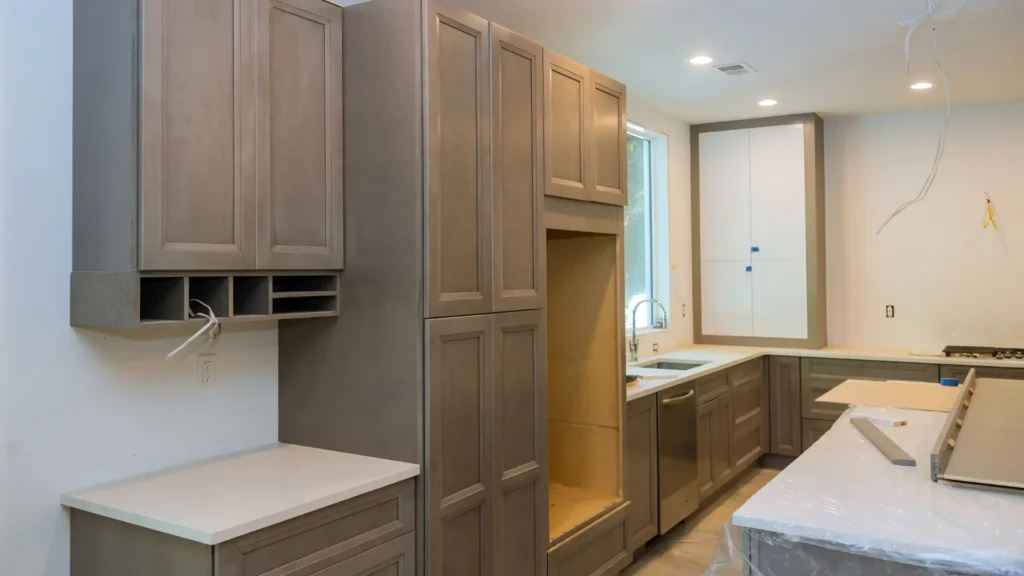
Deciding when to renovate your kitchen is not just about trends or resale value. It comes down to how well your current space supports your daily life, your long-term plans, and your financial goals. A well-timed kitchen renovation can improve functionality, increase comfort, and add measurable value, but the timing has to align with your specific situation.
You Plan to Stay Long-Term
If you are planning to stay in your home for several years, a kitchen renovation is often worth it because the benefits go beyond resale value. You are investing in your day-to-day experience rather than trying to maximize a quick return.
- Daily usability improvement: A well-designed kitchen can make cooking, cleaning, and organizing significantly easier, saving time and reducing frustration.
- Personalization opportunities: Long-term homeowners can design a space that fits their lifestyle, whether that means adding more prep space, better lighting, or custom storage solutions.
- Emotional value: Living in a space that feels comfortable and functional often provides more satisfaction than the financial return alone.
When you are not under pressure to sell, the focus shifts from what buyers want to what works best for you and your household.
Your Kitchen Is Outdated or Dysfunctional
A kitchen that no longer works efficiently is one of the strongest signals that renovation is worth considering. Outdated design is not just about appearance. It often reflects deeper usability issues.
- Poor layout flow: Inefficient kitchen layouts can create bottlenecks, making it harder to move between cooking, cleaning, and storage areas.
- Limited storage space: Older kitchens often lack modern storage solutions, leading to clutter and reduced functionality.
- Worn-out materials: Cabinets, countertops, and flooring that are damaged or outdated can affect both usability and hygiene.
Addressing these issues can significantly improve how the space functions. In many cases, even a mid-range renovation focused on layout and storage can transform the kitchen into a more efficient and enjoyable environment.
You Want to Increase Property Value Before Selling
If you are preparing to sell your home, a kitchen renovation can be a smart move, but it needs to be strategic rather than excessive. Not all upgrades deliver equal returns, and overspending can reduce your overall profit.
- Targeted upgrades: Focus on high-impact improvements like cabinet refinishing, updated countertops, and modern fixtures instead of a full luxury remodel.
- Buyer-focused design: Neutral colors, simple layouts, and functional storage tend to appeal to a broader range of buyers.
- Market alignment: The level of renovation should match the expectations of homes in your area to avoid over-improving.
A well-planned, mid-range kitchen upgrade can make your property more attractive and competitive without unnecessary costs.
Energy Efficiency and Sustainability Matter
Modern kitchen renovations often include energy-efficient upgrades that provide both environmental and financial benefits. These improvements can make a noticeable difference over time.
- Energy-saving appliances: Newer appliances are designed to use less electricity and water, reducing monthly utility bills.
- Efficient lighting solutions: LED lighting consumes less energy and lasts longer than traditional bulbs.
- Sustainable materials: Choosing durable, eco-friendly materials can reduce long-term maintenance and replacement costs.
For homeowners focused on long-term savings and sustainability, these upgrades can make a renovation more worthwhile by lowering ongoing expenses while supporting a more environmentally responsible home.
A kitchen renovation is worth it when it aligns with how you live, what your home needs, and what you want to achieve, whether that is better functionality, increased value, or long-term efficiency.
When A Kitchen Renovation Might Not Be Worth It
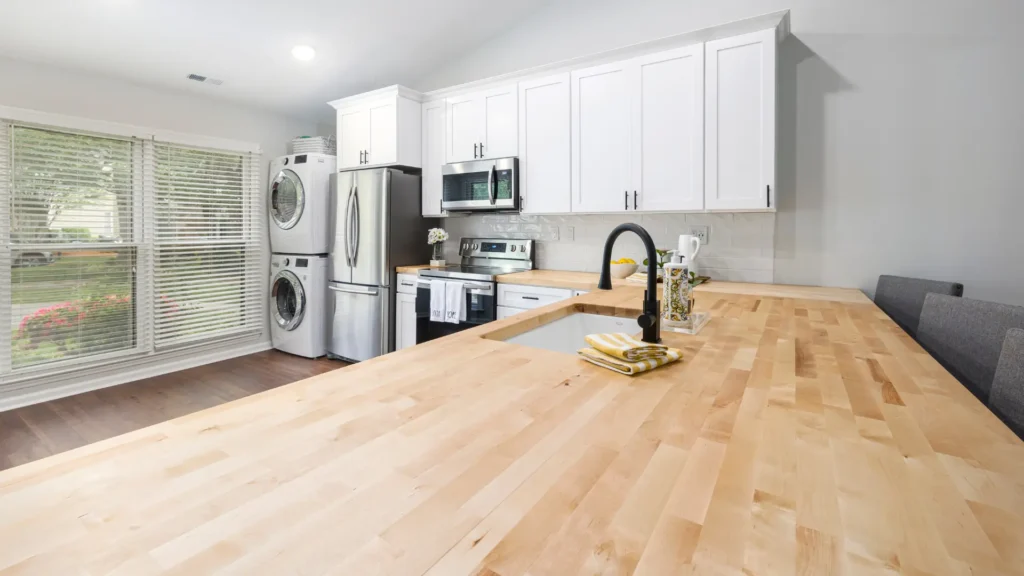
While a kitchen renovation can deliver strong lifestyle benefits and even increase property value, there are situations where it may not be the smartest financial or practical decision. Understanding the potential downsides helps you avoid costly mistakes and make a more informed choice based on your specific circumstances.
Over-Improving For Your Neighborhood
One of the most common kitchen renovation risks is spending more than what your local market can support. Every neighborhood has a price ceiling, and exceeding it can limit your ability to recover your investment when selling.
- Market ceiling limits: If nearby homes have modest kitchens, a luxury-grade remodel may not significantly increase your resale price
- Buyer expectations: Buyers typically compare homes within the same area, so high-end upgrades may go underappreciated
- Return imbalance: Overspending on premium materials and custom features often leads to lower-than-expected returns
Before committing to a renovation, it is wise to research comparable properties in your area or consult a local real estate expert to understand what upgrades are actually valued.
Short-Term Ownership Plans
If you plan to sell your home in the near future, a full kitchen renovation may not give you enough time to recoup the cost. Renovations often provide the most value when you stay long enough to enjoy both the functional and financial benefits.
- Limited ROI window: Selling shortly after a renovation reduces your chances of recovering costs
- Disruption vs. benefit: Renovation projects can be time-consuming and stressful, with little personal benefit if you move soon after
- Better alternatives: Minor, cost-effective upgrades may be more practical for short-term sellers
In these cases, focusing on simple improvements that enhance visual appeal without major investment can be a smarter approach.
Budget Constraints Or Financing Risks
A kitchen renovation should not create long-term financial strain. If the project requires high-interest loans or stretches your budget too thin, the risks can outweigh the benefits.
- Debt burden: Financing through high-interest credit can significantly increase the overall cost of the renovation
- Cash flow pressure: Large monthly payments may affect your ability to manage other expenses
- Unexpected costs: Renovations often come with surprises, so a tight budget leaves little room for adjustments
A well-planned renovation should feel financially manageable, not stressful. If the numbers do not comfortably work, it may be better to delay or scale down the project.
Structural Or Hidden Issues
Older homes or properties with underlying problems can turn a straightforward kitchen renovation into a complex and expensive project. Issues that are not visible at first can quickly escalate costs and timelines.
- Outdated systems: Old plumbing, wiring, or ventilation may need full replacement to meet current standards
- Structural repairs: Damage to walls, floors, or support elements can require additional work before renovation begins
- Permit and compliance requirements: Fixing hidden issues often involves permits and inspections, adding time and cost
In these situations, it is important to conduct a thorough inspection before starting any work. Addressing major structural concerns should take priority over aesthetic upgrades.
A kitchen renovation can be a valuable investment, but only when it aligns with your financial situation, property value, and long-term plans, so taking the time to evaluate these risks helps ensure you make a decision that truly benefits you.
Alternatives To A Full Kitchen Renovation
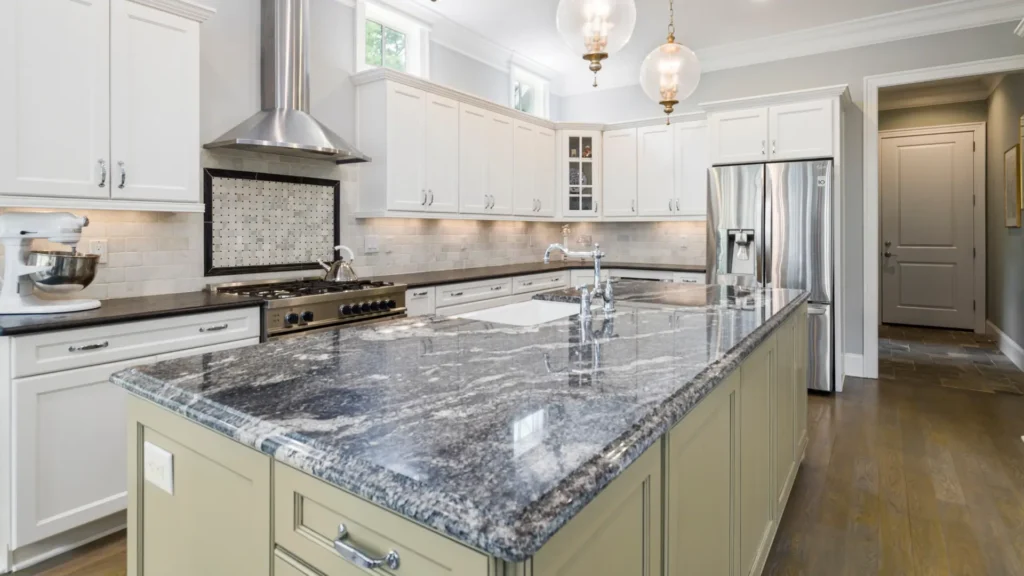
A full kitchen renovation can be expensive, time-consuming, and disruptive to daily life. Fortunately, there are practical alternatives that can refresh your space without the cost and complexity of a complete overhaul. By focusing on targeted, high-impact upgrades, you can improve both the look and functionality of your kitchen while staying within a realistic budget.
Cosmetic Upgrades That Deliver High Impact
If your kitchen layout works well but looks outdated, cosmetic upgrades can make a noticeable difference. These changes focus on surface-level improvements that enhance visual appeal without requiring structural work.
- Cabinet painting or refinishing: A fresh coat of paint in a modern color can completely transform old cabinets at a fraction of the cost of replacement. Neutral tones and soft finishes tend to have broad appeal.
- New hardware: Swapping out handles and knobs is a quick, low-cost way to modernize cabinetry. Brushed nickel, matte black, and brass are popular choices that can elevate the overall design.
- Backsplash installation: Adding or updating a backsplash introduces texture and personality while protecting your walls. Subway tile, mosaic patterns, or simple stone finishes can instantly refresh the space.
These updates are ideal for homeowners looking for a budget-friendly kitchen remodel that still delivers a noticeable upgrade.
Refacing Vs. Replacing Cabinets
Cabinets are one of the most expensive components of a kitchen, so choosing between refacing and replacing can significantly impact your budget.
- Cabinet refacing: This involves keeping the existing cabinet structure while replacing doors, drawer fronts, and veneers. It typically costs much less than full replacement and works well if your cabinet boxes are in good condition.
- Cabinet replacement: This option allows for complete customization, including changes to layout, storage, and materials. While more expensive, it is the better choice if your current cabinets are damaged or poorly designed.
In most cases, refacing offers a strong balance between cost and visual improvement, especially when the existing layout is functional.
Upgrading Appliances And Fixtures
Modern appliances and fixtures can improve both the efficiency and usability of your kitchen without requiring a full renovation. These upgrades are especially valuable for homeowners focused on long-term savings and convenience.
- Energy-efficient appliances: New refrigerators, ovens, and dishwashers use less energy and water, which can lower utility costs over time while appealing to eco-conscious buyers.
- Smart kitchen technology: Features like touchless faucets, smart ovens, and app-controlled appliances add convenience and a modern feel to the space.
- Updated lighting fixtures: Replacing outdated lighting with layered options such as under-cabinet lights and pendant fixtures can improve visibility and create a more inviting atmosphere.
These improvements not only enhance day-to-day functionality but also contribute to a more polished and up-to-date kitchen environment.
A full renovation is not always necessary to achieve meaningful results, and focusing on targeted upgrades can often deliver the best balance between cost, effort, and impact.
How To Decide If It’s Worth It For You
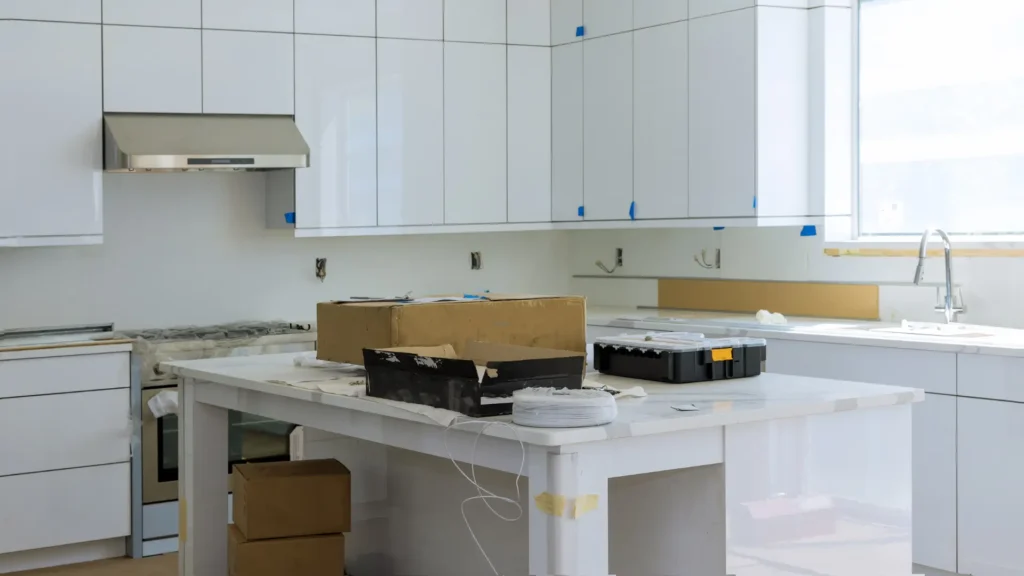
Deciding whether a kitchen renovation is worth it comes down to more than just numbers. It is a balance between financial return, daily usability, and your long-term plans. A well-thought-out decision helps you avoid overspending while ensuring the investment aligns with your lifestyle and goals. Instead of focusing only on resale value, it is important to evaluate how the renovation fits into your overall living situation.
Key Questions To Ask Yourself
Before committing to a renovation, take time to assess your priorities and constraints. These questions help clarify whether a full remodel, partial upgrade, or no change at all makes the most sense.
- Purpose of renovation: Ask yourself whether your goal is to improve functionality, update aesthetics, or increase resale value. A function-focused renovation often delivers more long-term satisfaction than one driven purely by trends.
- Length of stay: If you plan to stay in your home for several years, the lifestyle benefits may outweigh the financial return. Short-term homeowners may need to focus more on cost-effective upgrades that appeal to buyers.
- Realistic budget: Consider not only what you can spend, but what you are comfortable spending without financial strain. A well-defined budget should include a contingency fund for unexpected costs.
Taking a practical approach to these questions ensures that your decision is grounded in both financial logic and personal needs.
Cost Vs. Value Vs. Lifestyle Framework
One of the most effective ways to evaluate a kitchen renovation is to look beyond simple return on investment and consider the full picture. This framework helps you weigh financial outcomes against everyday benefits.
- Financial ROI: This refers to how much of your renovation cost you can expect to recover when selling your home. While kitchen remodel ROI can be significant, it rarely covers the full investment, especially for high-end upgrades.
- Personal ROI: This includes the comfort, convenience, and enjoyment you gain from using an upgraded kitchen daily. Improved layout, better storage, and modern appliances can significantly enhance your quality of life.
- Balanced decision-making: The best decision often comes from balancing financial return with lifestyle improvements. For example, a mid-range renovation that improves usability while staying within market standards may provide both strong value and daily satisfaction.
By looking at both tangible and intangible benefits, you can make a more informed and confident decision.
Getting Professional Input
Seeking expert advice can help you avoid costly mistakes and refine your renovation plan. Professionals bring experience, market knowledge, and technical insight that can significantly improve your outcome.
- Contractors: A qualified contractor can provide accurate cost estimates, identify structural limitations, and suggest practical solutions based on your space. They can also help you understand timelines and potential challenges.
- Designers: Kitchen designers focus on layout efficiency, storage optimization, and cohesive aesthetics. Their input can turn a basic renovation into a highly functional and visually appealing space.
- Real estate agents: An experienced agent can offer insight into what buyers in your area value most. This helps ensure your renovation aligns with local market expectations and avoids over-improving your home.
Working with the right professionals allows you to make data-driven decisions while reducing uncertainty throughout the renovation process.
Ultimately, deciding if a kitchen renovation is worth it comes down to aligning your budget, goals, and lifestyle with realistic expectations so you can invest in improvements that truly add value to your home and daily life.
Real-Life Scenarios (Examples)
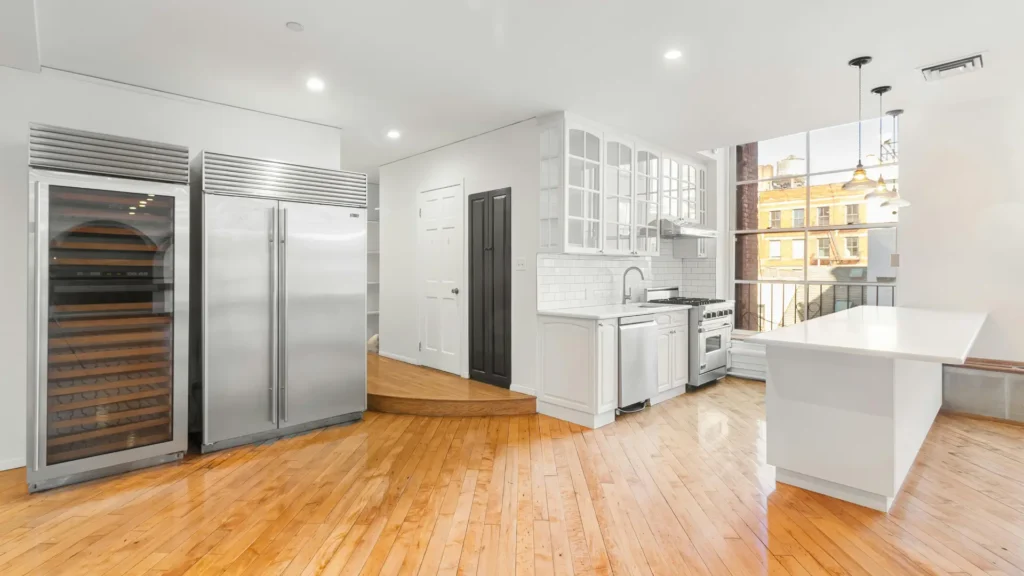
Understanding whether a kitchen renovation is worth it often comes down to real-world context rather than theory alone. The same project can deliver completely different outcomes depending on your goals, timeline, and budget. Below are practical, experience-based scenarios that show how different homeowners approach kitchen renovations and what tends to work best in each situation.
Scenario 1: Renovating Before Selling
When preparing a home for sale, the goal is not to build your dream kitchen but to make the property more appealing to potential buyers while protecting your return on investment. Many sellers make the mistake of over-improving, assuming a high-end renovation will automatically lead to a higher selling price.
A smarter approach focuses on targeted, high-impact upgrades that improve appearance and functionality without exceeding what buyers expect in your area.
- Focus on visual appeal: Simple updates like repainting cabinets, replacing outdated hardware, and upgrading lighting fixtures can instantly modernize the space.
- Neutral design choices: Stick to timeless colors and finishes that appeal to a broad range of buyers rather than personal preferences.
- Cost-conscious improvements: Minor renovations typically offer better ROI than full remodels because they improve perception without drastically increasing costs.
- Avoid major layout changes: Structural changes like moving plumbing or walls can quickly reduce your return and extend timelines.
In most cases, a well-executed mid-range or cosmetic upgrade is more effective than a full-scale renovation when selling. Buyers are often looking for a clean, functional kitchen rather than a luxury showpiece, especially if the rest of the home does not match that level of finish.
Scenario 2: Renovating for Long-Term Living
For homeowners planning to stay for many years, the decision shifts from resale value to daily usability and comfort. In this case, the return on investment is not just financial but also lifestyle-based.
A long-term renovation should prioritize how the space works for you rather than how it looks to future buyers.
- Function-first design: Improving layout, workflow, and storage can have a lasting impact on how enjoyable the kitchen is to use.
- Quality materials: Investing in durable countertops, cabinets, and flooring can reduce maintenance and replacement costs over time.
- Personalized features: Adding elements like a kitchen island, custom storage, or upgraded appliances can make the space more aligned with your lifestyle.
- Energy-efficient upgrades: Modern appliances and lighting can lower utility costs while improving performance.
In this scenario, spending more can be justified if it meaningfully improves your day-to-day experience. A kitchen that works well for your needs can add significant long-term value, even if the financial return is not immediately realized.
Scenario 3: Budget-Conscious Homeowner
Not every homeowner has the budget for a full kitchen renovation, and in many cases, it is not necessary. A phased or incremental approach can still deliver noticeable improvements without the financial strain of a large project.
This strategy focuses on prioritizing upgrades over time based on impact and affordability.
- Start with high-impact changes: Updating cabinet finishes, replacing countertops, or installing a new backsplash can transform the look without major costs.
- Upgrade in stages: Spread out expenses by tackling one area at a time, such as appliances first, then cabinetry, then lighting.
- Reuse where possible: Keeping existing layouts and structural elements can significantly reduce labor costs.
- Balance cost and value: Focus on upgrades that improve both appearance and usability rather than purely cosmetic changes.
An incremental approach works especially well for homeowners who want to improve their space gradually while maintaining financial flexibility. Over time, these smaller upgrades can add up to a kitchen that feels refreshed and functional without requiring a full renovation upfront.
A kitchen renovation does not have a one-size-fits-all answer, and these scenarios highlight how the right approach depends on your goals, budget, and timeline, making it easier to choose a path that delivers real value for your situation.

Common Mistakes To Avoid In Kitchen Renovations
A kitchen renovation can quickly become overwhelming if key decisions are made without proper planning. Many homeowners focus on aesthetics or trends while overlooking practical and financial factors that ultimately determine whether the project is successful. Understanding the most common kitchen remodel mistakes can help you avoid costly setbacks and ensure your renovation delivers both value and long-term satisfaction.
Overspending Without Clear ROI
One of the most frequent mistakes in a kitchen renovation is spending more than what the space or property can realistically return. While it is tempting to invest in high-end finishes and custom features, not all upgrades translate into increased home value.
- Unbalanced budget allocation: Investing heavily in premium materials while neglecting essential elements like storage or layout can reduce overall functionality and value
- Over-improving for the neighborhood: A high-cost kitchen in a mid-range area may not yield a strong return on investment when selling
- Lack of financial planning: Not setting a clear renovation budget or failing to prioritize high-impact upgrades often leads to unnecessary expenses
A well-planned renovation focuses on improvements that balance cost, usability, and potential resale value. Prioritize upgrades that enhance everyday use while staying aligned with your long-term goals.
Ignoring Layout And Functionality
A visually appealing kitchen means little if it does not function efficiently. Many homeowners prioritize finishes over layout, which can lead to daily frustration after the renovation is complete.
- Poor workflow design: Ignoring the work triangle between the sink, stove, and refrigerator can disrupt efficiency
- Insufficient storage solutions: Failing to include enough cabinets, drawers, or pantry space can limit usability
- Inadequate counter space: Not planning for enough preparation areas can make cooking inconvenient
Function-first design is essential in any kitchen remodel. A well-thought-out layout improves movement, maximizes storage, and ensures the space supports how you actually use it.
Following Trends Instead Of Timeless Design
Design trends can be appealing, but they often change quickly. Building a kitchen around short-term trends can make the space feel outdated sooner than expected.
- Overuse of trendy finishes: Bold colors, patterns, or materials may lose appeal over time
- Inconsistent design choices: Mixing multiple trends can result in a cluttered or unbalanced look
- Reduced resale appeal: Highly personalized or trend-heavy kitchens may not attract a broad range of buyers
A timeless kitchen design focuses on neutral palettes, durable materials, and classic styles that remain relevant for years. You can still incorporate trends through easily changeable elements like lighting, hardware, or decor.
Not Planning For Contingencies
Unexpected issues are common during kitchen renovations, especially in older homes. Failing to prepare for these surprises can cause delays, stress, and budget overruns.
- Hidden structural problems: Issues like outdated wiring, plumbing concerns, or water damage may only appear once work begins
- Material and labor delays: Supply chain disruptions or scheduling conflicts can extend project timelines
- No contingency budget: Not setting aside extra funds can make it difficult to handle unexpected costs
A practical approach includes setting aside an additional 10 to 20 percent of your budget for unforeseen expenses. This preparation allows you to adapt without compromising the quality of the renovation.
A successful kitchen renovation comes down to smart planning, realistic expectations, and a focus on both function and long-term value, helping you avoid common pitfalls while creating a space that truly works for your needs.
References
- How Much Value Does a Kitchen Remodel Add: ROI by State
https://www.fixr.com/articles/kitchen-remodel-roi (fixr.com) - Kitchen Remodel ROI Guide and Cost vs Value Insights
https://www.zillow.com/learn/kitchen-remodel-roi/ (Zillow) - 2026 Kitchen Remodel ROI Report and Cost Breakdown
https://kitchencabinetkings.com/2026-kitchen-roi-report (kitchencabinetkings.com) - Kitchen Remodel ROI and Value Analysis Report
https://resources.propertyfocus.com/home-value-kitchen-remodel-report-analysis/ (Property Focus Blog) - Kitchen Remodel ROI: Which Upgrades Actually Pay Back
https://askdoss.com/kitchen-remodel-roi-which-upgrades-actually-pay-back/ (AskDoss)
FAQs: About Is A Kitchen Renovation Worth It
Conclusion
Deciding whether a kitchen renovation is worth it ultimately comes down to your goals, timeline, and financial situation, rather than a simple yes or no answer. For long-term homeowners, a well-planned renovation can significantly improve day-to-day functionality, comfort, and overall enjoyment of the space, making it a worthwhile lifestyle investment even if the financial return is moderate. If your goal is resale, strategic upgrades such as modernizing cabinets, improving layout, or upgrading appliances can enhance buyer appeal and help boost property value without overspending. However, it is important to recognize that most renovations are not fully profitable in the short term, and over-improving beyond your local market can limit returns. A thoughtful, value-driven approach that balances cost, usability, and market expectations is the most reliable way to determine if a kitchen renovation truly makes sense for you.
Find A Professional Kitchen Renovators Near You!
- Kitchen renovations Alexandra
- Kitchen Renovations Alexandra, Clyde & Cromwell
- Kitchen Renovations Central Otago
- Kitchen Renovations Christchurch
- Kitchen Renovations Clyde
- Kitchen renovations Cromwell
- Kitchen Renovations Hamilton
- Kitchen Renovations Hastings
- Kitchen Renovations Hawkes Bay
- Kitchen Renovations Kerikeri
- Kitchen Renovations Napier
- Kitchen Renovations Paihia
- Kitchen Renovations Queenstown
- Kitchen Renovations Wanaka
- Kitchen Renovations Wellington
- Kitchen Renovations Wellington
- Kitchen renovations Alexandra
- Kitchen Renovations Alexandra, Clyde & Cromwell
- Kitchen Renovations Central Otago
- Kitchen Renovations Christchurch
- Kitchen Renovations Clyde
- Kitchen renovations Cromwell
- Kitchen Renovations Hamilton
- Kitchen Renovations Hastings
- Kitchen Renovations Hawkes Bay
- Kitchen Renovations Kerikeri
- Kitchen Renovations Napier
- Kitchen Renovations Paihia
- Kitchen Renovations Queenstown
- Kitchen Renovations Wanaka
- Kitchen Renovations Wellington
- Kitchen Renovations Wellington

About the Author:
Mike Veail is a recognized digital marketing expert with over 6 years of experience in helping tradespeople and small businesses thrive online. A former quantity surveyor, Mike combines deep industry knowledge with hands-on expertise in SEO and Google Ads. His marketing strategies are tailored to the specific needs of the trades sector, helping businesses increase visibility and generate more leads through proven, ethical methods.
Mike has successfully partnered with numerous companies, establishing a track record of delivering measurable results. His work has been featured across various platforms that showcase his expertise in lead generation and online marketing for the trades sector.
Learn more about Mike's experience and services at https://theleadguy.online or follow him on social media: