Welcome to your ultimate guide to Deckorators composite decking in NZ, where we break down everything you need to know to make a confident, long-lasting investment in your outdoor space. Whether you’re building a new deck or upgrading from timber, this guide will help you understand how Deckorators stands out in terms of durability, design, and low maintenance, especially in New Zealand’s unique climate conditions. From costs and product options to installation insights and expert tips, you’ll gain a clear, practical understanding of whether this premium composite decking solution is the right fit for your home and lifestyle.
Deckorators composite decking in NZ is a premium decking solution made from mineral-based composite materials designed for durability, low maintenance, and resistance to moisture, fading, and warping. It is ideal for New Zealand’s climate and offers a long-lasting alternative to timber decking with minimal upkeep and modern design options.
- What Is Deckorators Composite Decking?
- Why Choose Deckorators Composite Decking In NZ?
- Deckorators Vs Other Composite Decking Brands In NZ
- Deckorators Product Range & Design Options
- Cost Of Deckorators Composite Decking In NZ
- Installation Guide: What To Expect
- Common Mistakes To Avoid
- Maintenance & Care Tips
- Where To Buy Deckorators Composite Decking In NZ
- References
- FAQs: About Deckorators Composite Decking NZ
- Conclusion
- Find A Professional Decking Company Near You!
What Is Deckorators Composite Decking?
Deckorators composite decking is a high-performance decking solution designed to offer the look of natural timber without the ongoing maintenance and limitations that come with it. It is engineered using advanced materials that improve strength, stability, and resistance to environmental wear, making it especially suitable for New Zealand’s varied climate conditions. Understanding how it is made and what sets it apart will help you decide whether it is the right long-term investment for your outdoor space.
Understanding Composite Decking Materials
Composite decking has evolved significantly over the years, and not all products are created equal. The key difference lies in how the materials are formulated and how they perform over time.
- Wood-plastic composite (WPC): This is the most common type of composite decking and is made from a blend of recycled wood fibres and plastic. It offers improved durability compared to timber, but it can still be susceptible to moisture absorption, expansion, and gradual wear in demanding environments.
- Mineral-based composite (MBC): Deckorators uses a mineral-based composite technology that replaces traditional wood fibres with minerals. This creates a more stable and lightweight board that is less prone to swelling, sagging, or breaking under pressure.
- Material-performance difference: While both WPC and MBC aim to reduce maintenance, MBC boards typically provide better long-term stability, especially in areas exposed to frequent moisture or temperature changes.
When compared to traditional timber decking, composite materials offer a clear advantage in terms of longevity and ease of care.
- Maintenance-reduction benefit: Timber decks require regular staining, sealing, and sanding to maintain their appearance and structural integrity, while composite decking largely eliminates these ongoing tasks.
- Consistency advantage: Unlike natural wood, composite boards are manufactured for uniformity, meaning fewer defects such as knots, cracks, or warping.
- Weather-resistance improvement: Composite decking is designed to handle moisture and UV exposure more effectively, reducing the likelihood of rot, splintering, or fading over time.
What Makes Deckorators Unique?
Deckorators stands out in the composite decking market because of its focus on advanced material engineering rather than simply improving traditional formulas. Its mineral-based approach delivers practical benefits that become more noticeable over time.
- Mineral-based composite technology (MBC): Deckorators boards are made with a proprietary mineral-based composite core, which enhances structural strength while keeping the boards lighter and easier to handle during installation. This technology also reduces the risk of water absorption, making it ideal for wet or coastal environments.
- Enhanced durability and strength: Compared to standard composite boards, Deckorators products are designed to handle higher loads without sagging. This makes them suitable for larger decks, high-traffic areas, and installations where structural reliability is critical.
- Moisture and wear resistance: One of the most practical advantages is how well these boards perform in challenging conditions. They resist swelling, cracking, and long-term degradation far better than many traditional composites, which can struggle with repeated exposure to moisture.
- Performance comparison to standard composite boards: While standard composite decking offers a step up from timber, Deckorators takes it further by addressing common weaknesses such as flex, weight, and water sensitivity. The result is a more stable, longer-lasting product that maintains its appearance and performance with minimal upkeep.
Choosing the right decking material is ultimately about balancing upfront cost, long-term maintenance, and performance expectations. Deckorators composite decking positions itself as a premium, low-maintenance solution for homeowners who want durability and peace of mind without the constant upkeep associated with timber.
Why Choose Deckorators Composite Decking In NZ?
Choosing the right decking material in New Zealand is not just about appearance, it is about long-term performance in a demanding environment. Deckorators composite decking has gained attention for its durability, low-maintenance design, and ability to handle local conditions without the common issues associated with traditional timber. For homeowners looking to invest once and enjoy their outdoor space for decades, it offers a practical and reliable solution.
Designed For New Zealand’s Climate
New Zealand’s climate can be tough on outdoor materials. From strong UV rays in summer to heavy rainfall and coastal salt exposure, decking needs to perform consistently across changing conditions. Deckorators is engineered with these challenges in mind.
- UV resistance: The boards are designed to resist fading caused by prolonged sun exposure, helping maintain colour consistency over time without the need for regular treatments
- Moisture protection: Unlike timber, composite decking does not absorb water in the same way, reducing the risk of swelling, cracking, or rot in high-rainfall areas
- Coastal durability: In salt-heavy environments, such as coastal regions, Deckorators performs well without the corrosion or rapid deterioration often seen in untreated wood
- Mould and mildew resistance: The dense, capped surface helps prevent organic growth, which is especially important in humid or shaded outdoor areas
These features make it particularly suitable for homes across NZ, whether you are building inland, near the coast, or in areas with frequent weather shifts.
Low Maintenance vs Timber Decking
One of the biggest reasons homeowners move away from timber decking is the ongoing maintenance. Deckorators significantly reduces the time and effort required to keep your deck looking good.
- No staining or sealing: Unlike timber, composite boards do not need annual staining or sealing to protect against weather damage
- Simple cleaning routine: Occasional washing with soap and water is usually enough to maintain appearance and performance
- No splintering or sanding: The material remains smooth and stable, eliminating the need for sanding or repairs caused by surface wear
- Reduced long-term costs: While the upfront investment is higher, the savings on maintenance products, labour, and repairs can add up significantly over time
For busy homeowners or those who prefer a low-maintenance lifestyle, this is often a deciding factor.
Sustainability & Eco Benefits
Sustainability is becoming an important consideration for many NZ homeowners, especially when choosing building materials. Deckorators offers an option that balances performance with environmental responsibility.
- Recycled content: Many Deckorators products incorporate recycled materials, reducing the demand for new timber and lowering environmental impact
- Long product lifespan: Because composite decking lasts significantly longer than traditional timber, it reduces the frequency of replacement and material waste
- Less chemical use: With no need for regular staining or sealing, fewer chemicals are introduced into the environment over the lifespan of the deck
- Responsible material choice: Choosing composite over hardwood can help reduce pressure on natural forests and support more sustainable construction practices
When you look at the full lifecycle of the product, from installation to long-term use, Deckorators presents a more sustainable alternative to traditional decking options.

Deckorators Vs Other Composite Decking Brands In NZ
Choosing the right decking material in New Zealand often comes down to comparing a few well-known brands, each offering different technologies, finishes, and price points. While Deckorators, Trex, and Millboard are all considered premium options, they are built differently and perform in distinct ways depending on your environment, budget, and long-term expectations. Understanding these differences will help you make a more confident and informed decision.
Deckorators Vs Trex Vs Millboard
When comparing these three brands, the biggest differences come down to material composition, durability, and how each product performs in real-world conditions, especially in New Zealand’s varied climate.
- Material Composition: Deckorators uses a mineral-based composite, which combines polypropylene with minerals for added strength and stability. Trex is a traditional wood-plastic composite made from recycled wood fibres and plastic. Millboard uses a polymer resin core reinforced with a fibreglass layer and finished with a hand-moulded surface that mimics real timber.
- Durability And Stability: Deckorators stands out for its lightweight yet highly stable structure, which resists warping, sagging, and moisture-related damage. Trex offers solid durability but can be heavier and slightly more prone to expansion and contraction in changing temperatures. Millboard is extremely durable and resistant to moisture but can feel more rigid and less forgiving during installation.
- Appearance And Finish: Millboard is often considered the most realistic in terms of timber-like appearance due to its moulded surface. Deckorators offers a more uniform, modern wood-look finish that balances aesthetics with performance. Trex provides a wide range of colours and finishes but tends to look more like traditional composite rather than natural timber.
- Price Range: Trex is generally positioned in the mid-range, making it accessible for a broader market. Deckorators sits in the premium category due to its advanced material technology. Millboard is typically at the higher end of the price spectrum, reflecting its design-focused finish and manufacturing process.
Each brand has its strengths, and the right choice often depends on what matters most to you, whether that is long-term durability, visual appeal, or budget flexibility.
Pros And Trade-Offs
Every decking option comes with advantages and limitations, and understanding these trade-offs is key to avoiding disappointment later.
- Deckorators Pros: Lightweight, highly stable, low moisture absorption, long lifespan, and minimal maintenance requirements
- Deckorators Trade-Offs: Higher upfront cost and slightly fewer ultra-realistic timber finishes compared to Millboard
- Trex Pros: Widely available, more affordable entry point, good colour variety, proven performance
- Trex Trade-Offs: Heavier boards, more movement with temperature changes, less advanced material composition
- Millboard Pros: Premium timber-like appearance, excellent moisture resistance, high-end finish
- Millboard Trade-Offs: Higher cost, more complex installation, and can feel less natural underfoot for some users
Is Deckorators Worth The Investment?
When evaluating whether Deckorators is worth the investment, it is important to look beyond the upfront cost and consider how the product performs over time. For many homeowners in New Zealand, the decision is less about the initial spend and more about long-term value, durability, and reduced maintenance.
Value Vs Upfront Cost
Deckorators is often priced higher than standard composite or timber decking, which can make it seem like a significant initial investment. However, the material’s advanced mineral-based composition means it is less likely to warp, crack, or degrade under harsh conditions.
- Upfront Investment: Higher material cost compared to timber or entry-level composites
- Installation Efficiency: Lightweight boards can reduce labour time and handling difficulty
- Reduced Maintenance Costs: No need for staining, sealing, or frequent repairs
For homeowners planning to stay in their property long-term, these factors can offset the initial expense relatively quickly.
Long-Term ROI Perspective
From a long-term perspective, Deckorators often delivers strong return on investment due to its durability and low-maintenance nature. This is especially relevant in New Zealand, where weather conditions can accelerate wear on traditional materials.
- Longevity: Deckorators boards can last decades without significant structural degradation
- Maintenance Savings: Eliminates recurring costs associated with timber upkeep
- Property Appeal: A well-built, low-maintenance deck can enhance outdoor living and increase property desirability
In practical terms, choosing a higher-quality decking solution upfront can mean fewer repairs, less ongoing effort, and a more consistent appearance over time. For many homeowners, that reliability and peace of mind make Deckorators a worthwhile investment.
Deckorators Product Range & Design Options
Choosing the right decking is not just about durability, it is also about how well it fits your lifestyle and complements your home. Deckorators offers a well-structured product range designed to suit different budgets, performance needs, and design preferences in New Zealand. Understanding the differences between board types, finishes, and accessories will help you make a more informed and confident decision.
Popular Deckorators Boards Available in NZ
Deckorators offers several product lines in New Zealand, each designed with specific performance and aesthetic goals in mind. While availability may vary depending on local suppliers, the most commonly discussed ranges include Voyage, Vista, and Venture.
- Voyage Series: This is the premium, mineral-based composite line known for its exceptional strength and stability. It is lightweight yet highly durable, making it ideal for coastal areas or high-moisture environments where traditional decking may struggle. It also offers superior resistance to sagging and is well-suited for complex deck designs.
- Vista Series: Positioned as a mid-range option, Vista boards provide a balance between performance and affordability. They feature a wood-look finish with reliable durability and are a practical choice for homeowners who want the benefits of composite decking without going fully premium.
- Venture Series: This is typically the more budget-friendly option within the Deckorators lineup. While it may not include all the advanced features of Voyage, it still delivers solid performance, low-maintenance benefits, and a clean, modern appearance suitable for many residential projects.
Each range is designed with long-term use in mind, but the right choice depends on your environment, usage, and budget. For example, a high-traffic family deck or a coastal property will often benefit from the added performance of Voyage, while a standard backyard deck may be well served by Vista or Venture.
Colours, Finishes & Aesthetic Choices
One of the key advantages of Deckorators composite decking is its ability to replicate the natural beauty of timber while offering more consistent and durable finishes. This allows homeowners to achieve a premium look without the ongoing maintenance associated with wood.
- Natural Wood Look: Many Deckorators boards are designed with realistic grain patterns and subtle colour variations that mimic hardwood decking. These are ideal for traditional homes or outdoor spaces where warmth and a natural feel are important.
- Modern Finishes: For contemporary homes, cleaner tones such as greys, charcoals, and muted browns create a more architectural look. These finishes pair well with minimalist landscaping, aluminium joinery, and modern exterior materials commonly seen in NZ builds.
- Colour Consistency: Unlike timber, composite boards maintain a more uniform appearance over time. This means less concern about uneven fading or patchy staining, which is especially useful in areas with strong sun exposure.
When choosing a colour, it is worth considering how it will look alongside your home’s exterior, fencing, and surrounding landscape. Lighter tones can help reduce heat absorption, while darker tones often create a more dramatic, high-end finish.
Accessories & System Components
A well-built deck is more than just the boards. Deckorators provides a range of accessories and system components that improve both the appearance and performance of your decking project.
- Hidden Fasteners: These systems allow boards to be installed without visible screws, creating a clean, seamless surface. They also help maintain consistent spacing between boards, which is important for drainage and ventilation.
- Railings Systems: Deckorators offers coordinated railing options that match the overall look of the decking. These can range from simple, functional designs to more decorative styles that enhance the visual appeal of elevated decks or outdoor living areas.
- Trim And Edge Boards: Finishing components such as fascia boards and trims help create a polished, professional look. They also protect exposed edges and contribute to the overall durability of the structure.
- System Compatibility: Using matching components ensures that all parts of the deck work together as intended. This can improve installation efficiency and reduce the risk of long-term issues caused by incompatible materials.
A carefully chosen combination of boards, colours, and accessories allows you to create a deck that feels tailored to your home rather than a one-size-fits-all solution, giving you both visual appeal and long-term reliability.

Cost Of Deckorators Composite Decking In NZ
Understanding the cost of Deckorators composite decking in New Zealand is essential before starting any outdoor project. While it is often considered a premium option, the real value comes from its long-term durability, low-maintenance nature, and consistent performance in NZ’s varied climate. Below, we break down what you can realistically expect to pay and what factors influence the total investment.
Average Price Per M² In NZ
The total cost of a Deckorators deck will depend on both materials and installation, and these can vary significantly based on your project scope.
Material Cost Estimates
Deckorators composite decking typically sits in the higher-end range compared to standard timber or entry-level composite products. In New Zealand, you can expect:
- Board-only pricing: Around $140 to $220 per m² depending on the product line such as Voyage or Vista
- Premium range: Mineral-based composite boards often cost more due to enhanced durability and performance
- Additional materials: Hidden fasteners, trims, and framing components can add to the overall material cost
The key advantage is consistency in quality, which reduces the likelihood of defects or early replacement.
Installation Cost Range
Professional installation costs can vary depending on complexity and location:
- Labour costs: Typically range from $150 to $300 per m²
- Full project cost: Most completed decks fall between $300 and $500+ per m² including materials and labour
- Complex builds: Elevated decks, stairs, or custom shapes can push costs higher
Hiring an experienced installer ensures correct spacing, ventilation, and structural integrity, which is especially important for composite systems.
Factors That Affect Pricing
Several variables influence the final cost of your decking project, and understanding these helps you plan more accurately and avoid budget surprises.
- Deck size: Larger decks often reduce the cost per square metre due to economies of scale, but increase total spend
- Subframe requirements: Timber vs steel subframes, ground conditions, and site preparation can significantly impact cost
- Labour complexity: Multi-level decks, tight access areas, or intricate layouts require more time and expertise
- Location: Labour rates and material transport costs can vary across regions in NZ
- Custom designs: Built-in seating, lighting, or unique board layouts will increase both material and labour costs
Choosing the right design balance between aesthetics and practicality can help control costs without compromising quality.
Long-Term Cost Comparison (Composite vs Timber)
While Deckorators has a higher upfront cost than timber, the long-term financial picture often tells a different story.
Maintenance Savings
Composite decking eliminates many of the recurring expenses associated with timber:
- No staining or sealing: Timber decks often require annual or bi-annual treatments
- Reduced repair costs: Composite resists cracking, splintering, and rot
- Lower upkeep effort: Simple cleaning replaces time-intensive maintenance routines
Over 10 to 20 years, these savings can significantly offset the initial investment.
Lifespan Comparison
Durability plays a major role in overall value:
- Composite lifespan: Deckorators products can last 25 to 50 years with minimal degradation
- Timber lifespan: Many timber decks require partial or full replacement within 10 to 15 years depending on maintenance and exposure
- Performance consistency: Composite maintains its appearance and structural integrity longer
For homeowners planning a long-term outdoor space, composite decking often proves to be the more cost-effective and low-risk option.
Installation Guide: What To Expect
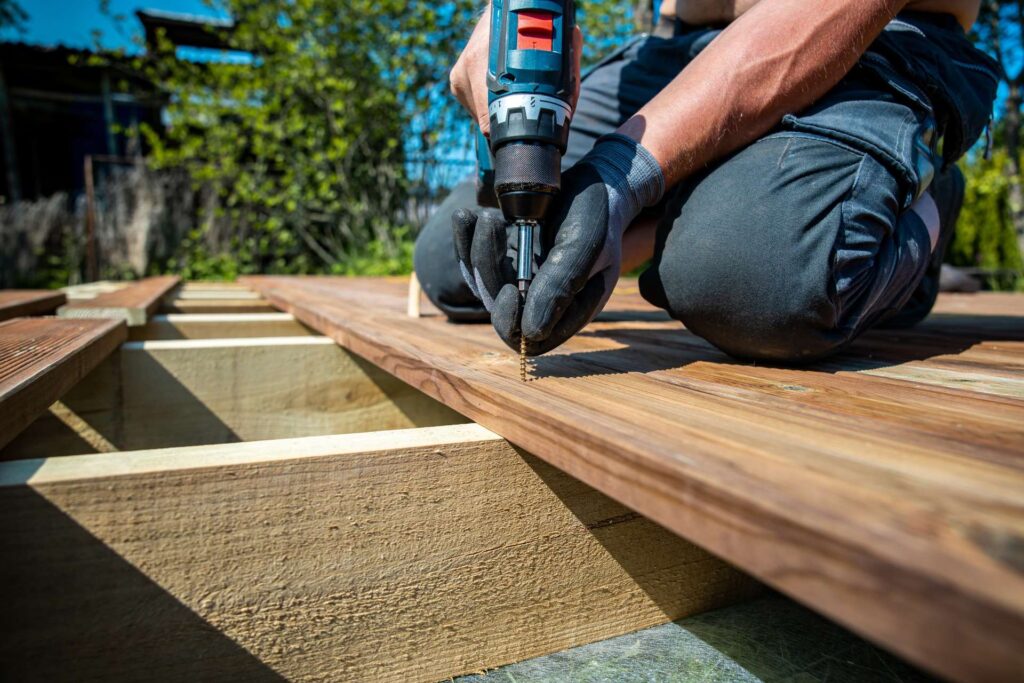
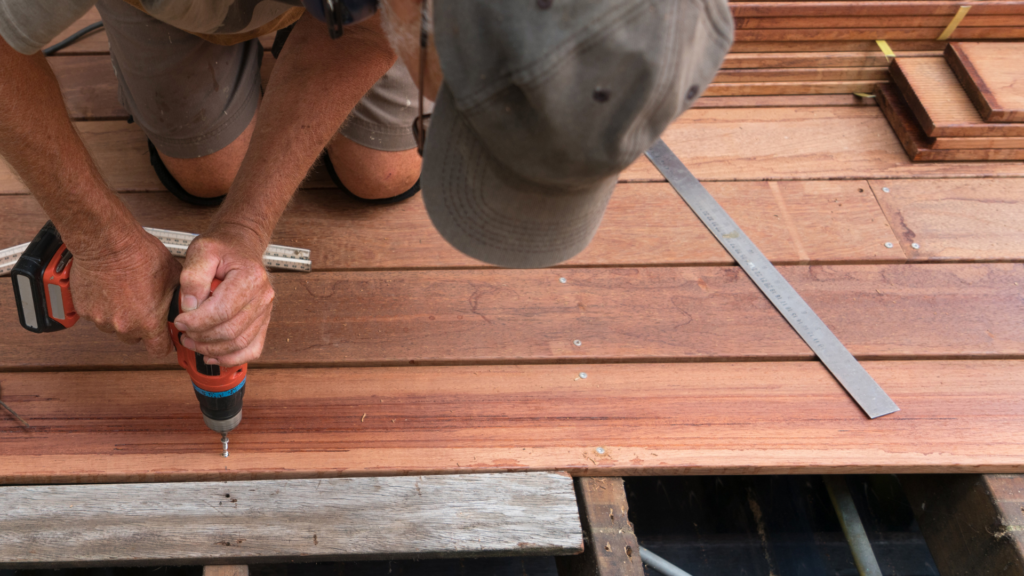
Installing Deckorators composite decking is not overly complex, but it does require careful planning, accurate measurements, and attention to detail to ensure long-term performance. Whether you are considering a DIY approach or hiring a professional, understanding the process upfront helps you avoid costly mistakes and ensures your deck performs well in New Zealand’s varied climate conditions.
Can You DIY Deckorators Decking?
Many homeowners in NZ consider a DIY installation to save on labour costs, but it is important to realistically assess your skill level and preparation before starting.
Skill Level Required
Deckorators decking is designed to be installer-friendly, but it is not a beginner-level weekend project. You will need a solid understanding of basic carpentry and outdoor construction principles.
- Intermediate carpentry skills: Ability to measure accurately, cut materials cleanly, and construct a stable subframe
- Understanding of deck structure: Knowledge of joist spacing, load-bearing support, and layout planning
- Confidence with tools: Experience using power tools safely and effectively
If you have previously built a timber deck, transitioning to composite decking is manageable. However, first-time builders may find the process more challenging than expected.
Tools And Preparation
Preparation plays a major role in achieving a clean, long-lasting result. Composite decking requires precision, and small errors can affect both appearance and durability.
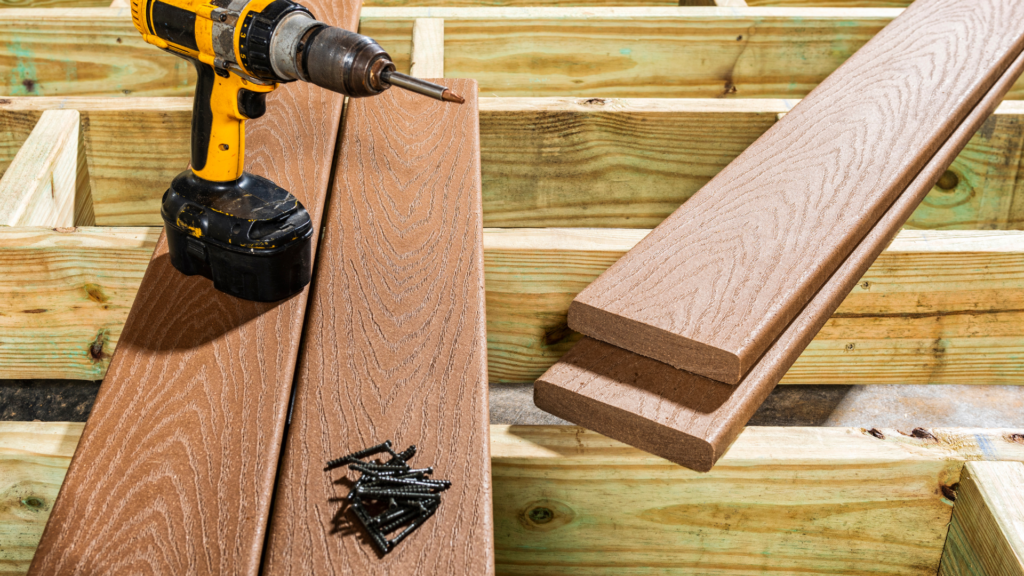
- Essential tools: Circular saw, drill, spirit level, tape measure, and fastening systems designed for composite boards
- Accurate planning: Pre-calculated board layout, spacing allowances, and material quantities to reduce waste
- Proper subframe setup: A well-built, level subframe is critical, as composite boards will follow any imperfections underneath
Taking time to plan your layout and materials before installation will save significant time and frustration later.
Hiring A Professional Installer In NZ
For many homeowners, hiring a professional installer is the safer and more efficient option, especially for larger or more complex decks.
Benefits Of Certified Installers
Working with an experienced or certified installer ensures your deck is built correctly from the ground up, reducing the risk of future issues.
- Expert knowledge: Familiarity with Deckorators products, correct installation methods, and local conditions
- Time efficiency: Faster completion without compromising quality
- Warranty protection: Proper installation helps maintain manufacturer warranties
- Compliance assurance: Alignment with NZ building standards and structural requirements
A professional installer also brings practical experience that can improve the overall finish and functionality of your deck.
What To Look For
Not all installers have the same level of expertise, so it is important to choose carefully.
- Proven experience: Previous projects using composite decking, ideally Deckorators products
- Client reviews: Positive feedback and examples of completed work
- Clear quoting: Transparent pricing that outlines materials, labour, and timelines
- Knowledge of NZ conditions: Understanding of weather exposure, drainage, and coastal factors
Asking the right questions before hiring can help you avoid common issues and ensure a smoother project.
Installation Best Practices
Whether you are installing the deck yourself or overseeing a contractor, following best practices is essential for long-term performance and appearance.
Spacing, Ventilation, Framing Considerations
Composite decking behaves differently from timber, particularly in terms of expansion and airflow requirements.
- Correct board spacing: Allows for expansion and contraction with temperature changes
- Adequate ventilation: Prevents moisture buildup under the deck, reducing the risk of mould and structural issues
- Proper joist spacing: Ensures boards remain stable and do not sag over time
- Level framing: A flat, well-aligned frame prevents uneven surfaces and installation issues
Ignoring these fundamentals can lead to warping, movement, or premature wear.
NZ Building Code Considerations (High-Level)
While not all decks require building consent in New Zealand, it is important to understand the general requirements and ensure compliance where needed.
- Height restrictions: Decks above a certain height may require consent and safety barriers
- Structural integrity: Subframes must meet load-bearing standards
- Safety requirements: Handrails and balustrades may be necessary depending on design
- Local council rules: Requirements can vary by region, so it is important to check before starting
Consulting with your local council or a qualified builder can help clarify what applies to your specific project.
A well-installed Deckorators deck is not just about appearance but long-term performance, safety, and ease of maintenance. Taking the time to plan properly and follow best practices will ensure your investment delivers value for years to come.

Common Mistakes To Avoid
Even high-quality decking materials like Deckorators can underperform if key installation and planning steps are overlooked. Many of the issues homeowners face are not due to the product itself, but rather avoidable mistakes during design, preparation, or installation. Understanding these common pitfalls will help you get the most out of your investment and ensure your deck performs well for years to come.
Poor Subframe Preparation
The subframe is the foundation of your deck, and cutting corners here can lead to long-term structural problems. Even the most durable composite boards rely on a properly built base to maintain stability and performance.
- Inadequate support structure: A weak or uneven frame can cause boards to flex, sag, or shift over time, especially under regular foot traffic.
- Using untreated timber: In New Zealand’s damp conditions, untreated or low-grade timber can rot quickly, compromising the entire deck.
- Incorrect joist spacing: Composite decking often requires tighter spacing than timber to prevent bending and ensure a solid feel underfoot.
Investing time and resources into a well-built subframe ensures your decking performs as intended and reduces costly repairs later.
Incorrect Spacing Or Ventilation
Proper spacing is essential for both structural integrity and long-term durability. Composite decking expands and contracts with temperature changes, and without enough room to move, boards can warp or buckle.
- Insufficient board gaps: Not allowing for expansion can lead to pressure buildup, causing boards to distort or lift.
- Poor airflow beneath the deck: Limited ventilation traps moisture, increasing the risk of mould growth and reducing the lifespan of the subframe.
- Ignoring manufacturer guidelines: Each product has specific spacing requirements, and failing to follow them can void warranties or affect performance.
Correct spacing and ventilation are simple to implement but make a significant difference in how your deck ages.
Choosing The Wrong Board Type For Environment
Not all composite boards are designed for the same conditions, and selecting the wrong type can impact both durability and appearance.
- Coastal exposure issues: Homes near the ocean require boards with higher resistance to salt air and moisture.
- High-traffic areas: Some boards are better suited for heavy use, such as entertaining spaces or commercial settings.
- Sun-exposed zones: Certain colours and finishes perform better in areas with intense sunlight, helping reduce heat retention and fading.
Matching the board type to your specific environment ensures better performance and a more consistent look over time.
Underestimating Total Project Cost
Focusing only on the price of decking boards can lead to budget surprises once the project is underway. A realistic cost estimate should include all components and potential extras.
- Hidden material costs: Fasteners, framing, edge trims, and accessories can add significantly to the total.
- Labour expenses: Professional installation can vary depending on deck complexity, site access, and location.
- Site preparation requirements: Ground leveling, drainage improvements, or removing an existing deck can increase costs.
Planning for the full scope of the project helps avoid delays and ensures you can complete the build without compromise.
Ignoring Supplier Or Installer Guidance
Deckorators products are engineered with specific installation methods in mind, and ignoring expert advice can lead to avoidable issues.
- Overlooking installation instructions: Skipping or modifying recommended methods can affect performance and void warranties.
- Not consulting experienced installers: Professionals can identify potential challenges early and suggest better solutions.
- Choosing non-certified suppliers: Buying from unverified sources may result in incorrect products or lack of support if issues arise.
Working closely with trusted suppliers and experienced installers ensures your deck is built correctly and performs as expected.
Maintenance & Care Tips
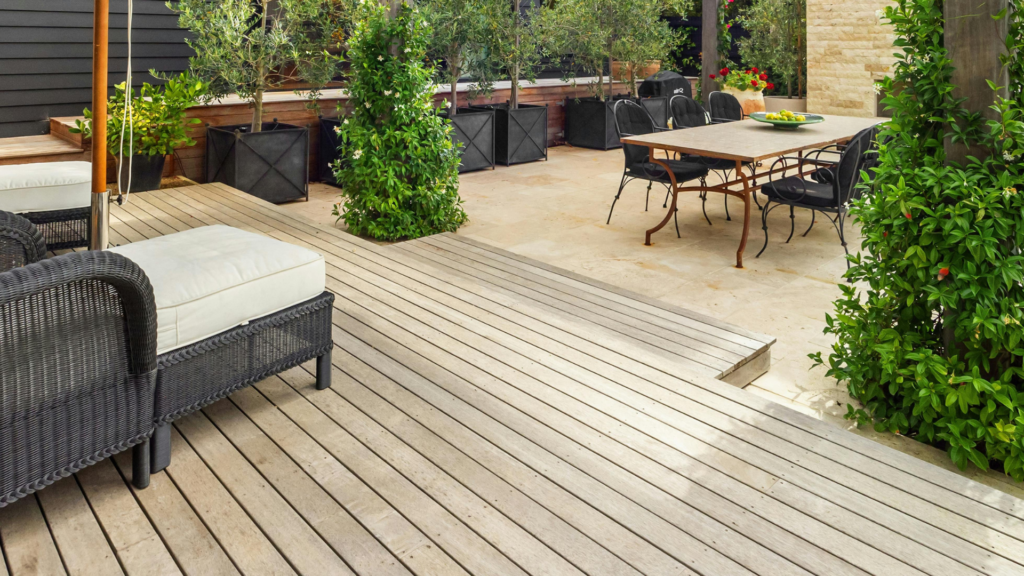
Keeping your Deckorators composite decking in top condition is straightforward, but a consistent care routine makes a noticeable difference in how it looks and performs over time. While composite decking is known for being low-maintenance compared to timber, it still benefits from regular cleaning and a few preventative measures to protect its surface and structural integrity in New Zealand’s varied climate.
How to Clean Composite Decking
A simple, well-maintained cleaning routine helps preserve the appearance of your deck and prevents buildup that can affect both aesthetics and safety.
Simple Cleaning Routine
For most households, cleaning composite decking does not require intensive effort or specialised skills. A light but consistent approach is usually enough.
- Weekly or bi-weekly sweep: Remove loose dirt, leaves, and debris to prevent buildup that can trap moisture or cause surface staining.
- Occasional wash-down: Use a garden hose or a bucket of warm water with mild soap to rinse off dirt and grime.
- Soft-bristle scrubbing: For areas with visible dirt or light stains, gently scrub using a soft brush to avoid damaging the surface texture.
- Immediate spill cleanup: Clean spills like food, grease, or drinks promptly to prevent staining, especially in high-use outdoor areas.
Recommended Products
Choosing the right cleaning products ensures you protect the finish while effectively removing dirt.
- Mild soap solutions: A simple mix of warm water and dish soap is often sufficient for routine cleaning.
- Composite-safe cleaners: Use manufacturer-approved or composite-specific cleaning products for deeper cleaning when needed.
- Avoid harsh chemicals: Stay away from bleach-heavy or abrasive cleaners, as they can damage the surface or cause discoloration.
- Soft cleaning tools: Use non-abrasive brushes or cloths to maintain the deck’s finish and prevent unnecessary wear.
Preventing Damage & Wear
While Deckorators composite decking is built for durability, a few preventative steps can help extend its lifespan and maintain its appearance over the years.
Furniture Pads, Avoiding Scratches
Outdoor furniture and everyday use can gradually affect the surface if not managed properly.
- Furniture pads: Attach protective pads to the legs of chairs, tables, and loungers to prevent scratches and scuff marks.
- Lift instead of drag: Always lift furniture when moving it to avoid dragging across the deck surface.
- Protect high-traffic areas: Consider outdoor rugs in frequently used spaces, ensuring they are breathable and suitable for composite decking.
Managing Heat And Heavy Loads
Composite decking performs well under normal conditions, but it is still important to manage extreme exposure and weight.
- Heat awareness: Darker boards can absorb more heat, so be mindful when placing heat-generating items like grills or fire pits. Use protective mats where necessary.
- Even weight distribution: Avoid placing excessively heavy objects in one concentrated area without proper support underneath.
- Proper subframe support: Ensure the deck structure is correctly built to handle expected loads, especially for large outdoor setups.
Seasonal Care In NZ Conditions
New Zealand’s climate can vary significantly depending on location, so adapting your care routine to seasonal changes helps maintain long-term performance.
Wet Seasons, Coastal Salt, Debris Management
Moisture, salt, and organic debris are the most common environmental factors affecting decking in NZ.
- Wet-season cleaning: Increase cleaning frequency during rainy months to prevent mold or mildew buildup caused by trapped moisture.
- Coastal salt removal: If you live near the coast, rinse your deck periodically to remove salt deposits that can accumulate over time.
- Debris management: Regularly clear leaves, dirt, and organic matter to prevent staining and moisture retention, particularly in shaded areas.
- Drainage checks: Ensure proper water runoff and that gaps between boards remain clear to avoid standing water.
With a simple, consistent approach to cleaning and care, Deckorators composite decking can maintain its appearance and performance for many years. A little attention throughout the year goes a long way in protecting your investment and keeping your outdoor space looking its best.
Where To Buy Deckorators Composite Decking In NZ
Finding the right place to purchase Deckorators composite decking in New Zealand is just as important as choosing the product itself. The supplier you work with can influence pricing, product availability, installation support, and long-term satisfaction. This section will help you understand where to buy, what to look for, and how to ensure you’re getting genuine, high-quality materials backed by proper support.
Local Suppliers And Distributors
Deckorators composite decking is typically available through authorized distributors and building supply specialists across New Zealand rather than large general retailers. Working with a reputable local supplier ensures you receive accurate product information, access to the full product range, and guidance tailored to your specific project.
- Authorized dealers: These suppliers are officially connected to the Deckorators brand and can provide genuine products along with up-to-date technical knowledge and installation advice.
- Specialist decking suppliers: Many NZ-based outdoor and landscaping suppliers stock composite decking and can help you compare Deckorators with other premium options.
- Builder and contractor networks: Some professional installers have direct relationships with suppliers, which can streamline ordering and ensure compatibility with your build requirements.
- Showrooms and sample access: Visiting a showroom allows you to see colours, textures, and finishes in person, which is critical when choosing a decking product for your home.
Choosing a supplier with strong local experience also means they understand New Zealand’s climate conditions and can recommend the most suitable product line for your environment.
What To Ask Before Purchasing
Before committing to a purchase, it’s important to ask the right questions to avoid unexpected costs or performance issues later. A knowledgeable supplier should be able to provide clear, detailed answers that help you make an informed decision.
- Product suitability: Ask which Deckorators range is best suited for your location, especially if you are in a coastal, high-moisture, or high-UV area.
- Full system requirements: Confirm what additional components are needed, such as subframe materials, fasteners, trims, and fixings, so you can budget accurately.
- Installation guidance: Check whether installation guides, support, or recommended installers are available, particularly if you are considering a DIY approach.
- Lead times and availability: Some products or colours may need to be ordered, so understanding delivery timelines helps avoid project delays.
- Total project cost: Request a full estimate that includes materials, accessories, and potential labour to avoid underestimating your budget.
These questions not only clarify the purchase but also reveal how experienced and supportive the supplier is, which can make a significant difference throughout your project.
Warranty And Product Authenticity Checks
Ensuring that you are purchasing authentic Deckorators composite decking with a valid warranty is essential for protecting your investment. Premium decking products come with long-term warranties, but these are only valid when purchased through approved channels and installed correctly.
- Warranty coverage: Confirm the length and terms of the warranty, including what is covered such as fading, staining, or structural performance.
- Authorized supplier verification: Make sure the supplier is recognized as an official distributor to avoid counterfeit or non-compliant products.
- Product documentation: Request technical specifications, installation guides, and warranty documents to ensure everything aligns with manufacturer requirements.
- Batch and product consistency: Check that all boards come from the same batch where possible to maintain consistent colour and finish across your deck.
- Compliance with NZ standards: Ensure the product and installation approach align with local building requirements, particularly for structural and safety considerations.
Choosing where to buy your decking is not just about price but about trust, support, and long-term value. Working with the right supplier ensures your project runs smoothly from planning to installation, giving you a durable, low-maintenance outdoor space you can rely on.
References
- Deckorators® Voyage Composite Decking NZ Overview
https://permadeck.co.nz/composite-decking/ (Permadeck) - Deckorators Mineral-Based Composite Technology Explained
https://www.decks-docks.com/product/deckorators (Decks & Docks Co.) - Deckorators Why Choose Mineral-Based Composite Decking
https://www.deckorators.com/pages/why-deckorators (deckorators.com) - Deckorators Venture Composite Decking NZ Product Details
https://archipro.co.nz/product/deckorators-venture-wood-composite-decking-permadeck (ArchiPro) - Advantages of Deckorators Mineral-Based Composite Decking
https://titandecks.com/deckorators-mineral-based-composite/ (titandecks.com)
FAQs: About Deckorators Composite Decking NZ
Conclusion
When you look at the full picture, Deckorators composite decking stands out as a premium yet practical choice for homeowners in NZ who want a durable, low-maintenance, and visually appealing outdoor space. Its mineral-based construction offers long-term resistance to moisture, fading, and structural wear, which is especially valuable in New Zealand’s weather conditions where traditional timber often struggles. Beyond durability, the low-maintenance nature means no ongoing sanding, staining, or sealing, saving both time and money over the life of the deck. Aesthetically, the range of natural-looking finishes and modern colours allows homeowners to achieve a high-end design without sacrificing performance. While the upfront investment may be higher than timber, the long-term value, reduced upkeep, and extended lifespan make Deckorators a smart, future-focused solution for those looking to build once and enjoy their deck for years to come.
Find A Professional Decking Company Near You!
- Balcony Construction Christchurch
- Deck Builders Alexandra
- Deck Builders Alexandra, Clyde & Cromwell
- Deck Builders Auckland
- Deck Builders Central Otago
- Deck Builders Christchurch
- Deck Builders Clyde
- Deck Builders Cromwell
- Deck Builders Hamilton
- Deck Builders Hawkes Bay
- Deck Builders Invercargill
- Deck Builders Kapiti Coast
- Deck Builders Kerikeri
- Deck Builders Lower Hutt
- Deck Builders Manawatu–Whanganui
- Deck Builders Nelson
- Deck Builders New Plymouth
- Deck Builders Paihia
- Deck Builders Palmerston North
- Deck Builders Porirua
- Deck Builders Queenstown
- Deck Builders Taupo
- Deck Builders Tauranga
- Deck Builders Upper Hutt
- Deck Builders Wanaka
- Deck Builders Warkworth
- Deck Builders Wellington
- Deck Builders West Auckland
- Deck Staining Palmerston North
- Pro Deck Builders Christchurch

About the Author:
Mike Veail is a recognized digital marketing expert with over 6 years of experience in helping tradespeople and small businesses thrive online. A former quantity surveyor, Mike combines deep industry knowledge with hands-on expertise in SEO and Google Ads. His marketing strategies are tailored to the specific needs of the trades sector, helping businesses increase visibility and generate more leads through proven, ethical methods.
Mike has successfully partnered with numerous companies, establishing a track record of delivering measurable results. His work has been featured across various platforms that showcase his expertise in lead generation and online marketing for the trades sector.
Learn more about Mike's experience and services at https://theleadguy.online or follow him on social media: