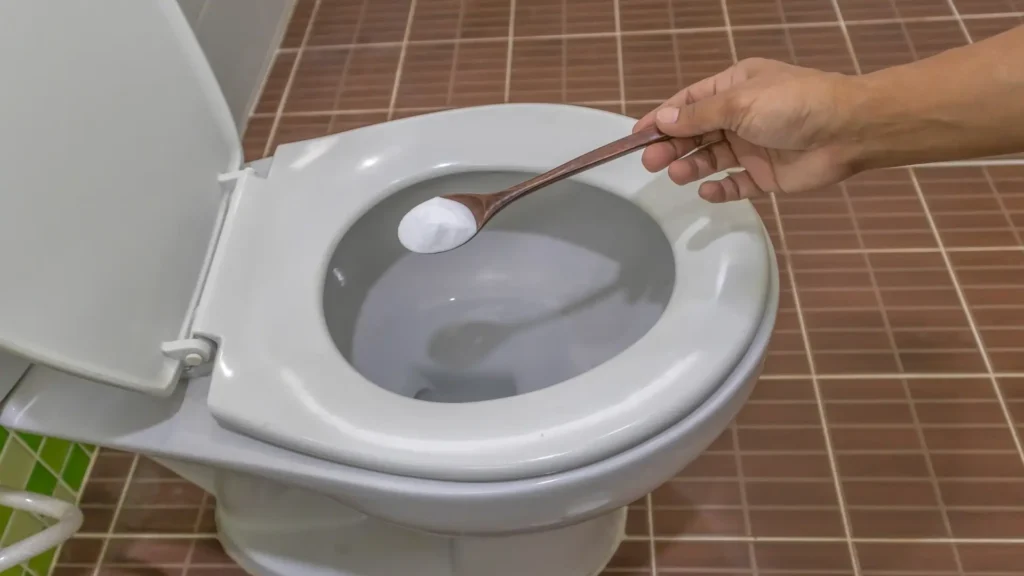
Welcome to your practical guide on unclogging a toilet without a plunger, where you’ll learn simple, effective methods using everyday household items to fix the problem quickly and safely. Whether you’re dealing with a minor blockage or a more stubborn clog, this guide walks you through proven solutions step by step so you can avoid stress, prevent overflow, and get your toilet working again without expensive tools or professional help.
To unclog a toilet without a plunger, try pouring hot water and dish soap into the bowl to break down the clog, or use baking soda and vinegar to create pressure and dissolve buildup. You can also flush with a bucket of water or use a DIY tool like a wire hanger for stubborn blockages.
- Why Toilets Get Clogged In The First Place
- Before You Start: Quick Safety Checks
- 7 Effective Ways To Unclog A Toilet Without A Plunger
- Common Mistakes That Make Toilet Clogs Worse
- When These Methods Won’t Work (And What It Means)
- When To Call A Plumber
- How To Prevent Toilet Clogs In The Future
- References
- FAQs: About Unclogging A Toilet Without A Plunger
- Conclusion
- Find A Professional Plumbing Company Near You!
Why Toilets Get Clogged In The First Place
Understanding why a toilet clogs is the first step toward fixing the problem quickly and choosing the right method. Many people jump straight into solutions, but knowing the cause helps you avoid making the situation worse. Most clogs are not random. They are usually the result of everyday habits, plumbing design, or the type of materials being flushed.
Common Causes Of Toilet Clogs
Toilets are designed to handle a specific type and amount of waste. When that balance is disrupted, blockages can form easily.
- Excess toilet paper: Using too much paper at once is one of the most common causes of clogs. Even though toilet paper is designed to break down, large amounts can clump together and restrict water flow before they fully dissolve.
- Non-flushable items: Items like wipes, paper towels, cotton pads, and hygiene products do not break down like toilet paper. These materials can get stuck in the pipes and create stubborn, hard-to-remove blockages.
- Low-flow toilets and weak flushing pressure: Modern low-flow toilets use less water per flush, which is great for saving water but can sometimes reduce the force needed to push waste through the pipes. This can lead to more frequent clogs, especially if combined with heavy usage or improper flushing habits.
In real-world situations, clogs often happen when two or more of these factors combine, such as flushing too much paper in a low-pressure system.
Types Of Clogs
Not all clogs are the same, and identifying the type of blockage can help you choose the most effective unclogging method. Some clogs respond well to simple household solutions, while others require more hands-on approaches.
- Soft clogs: These are typically caused by toilet paper buildup or organic waste. They are usually easier to fix using methods like hot water and dish soap because the material can break down or loosen over time.
- Hard clogs: These involve solid objects such as wipes, toys, or hygiene products. Hard clogs are more stubborn and often require mechanical solutions like a DIY snake or manual removal.
- Partial blockage: Water drains slowly, and the toilet may still flush but not efficiently. This type of clog is often an early warning sign and can usually be resolved with simple methods before it becomes worse.
- Complete blockage: Water does not drain at all and may rise dangerously close to overflowing. This indicates a more severe obstruction that requires immediate attention and careful handling.
Recognizing the difference between these clog types allows you to act more confidently and avoid using the wrong method, which could push the blockage deeper or damage your plumbing.
Before You Start: Quick Safety Checks
Before attempting any do-it-yourself method, taking a few seconds to assess the situation can save you from a messy overflow or even damage to your toilet. Many people make the mistake of reacting too quickly, which often makes the clog worse. These simple safety checks are based on real-world plumbing practices and help you stay in control while fixing the issue efficiently.
Prevent Overflow Immediately
The first priority is stopping the water level from rising any further. Toilets can overflow quickly if the clog blocks drainage while the tank continues to refill, so acting fast here makes a big difference.
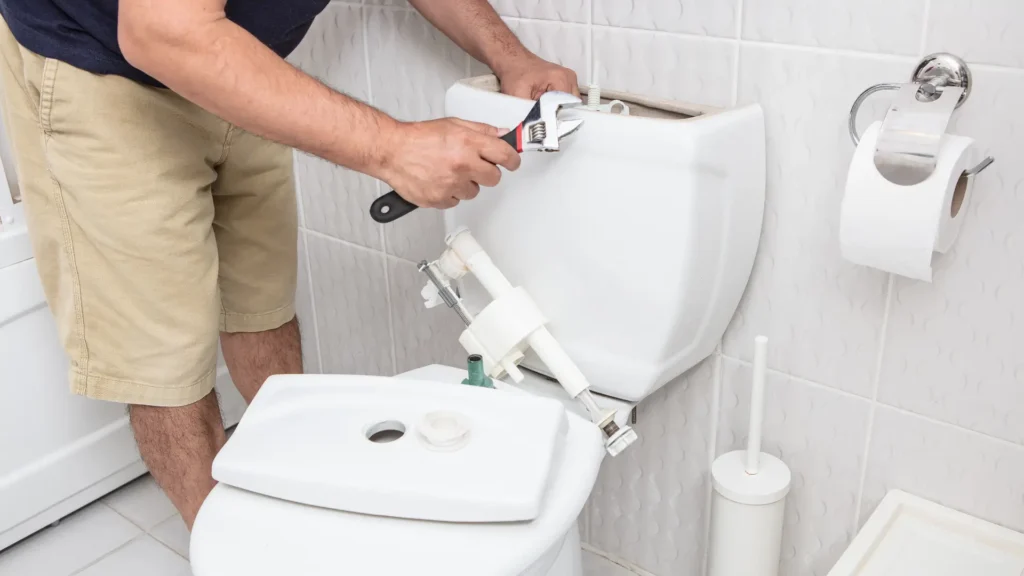
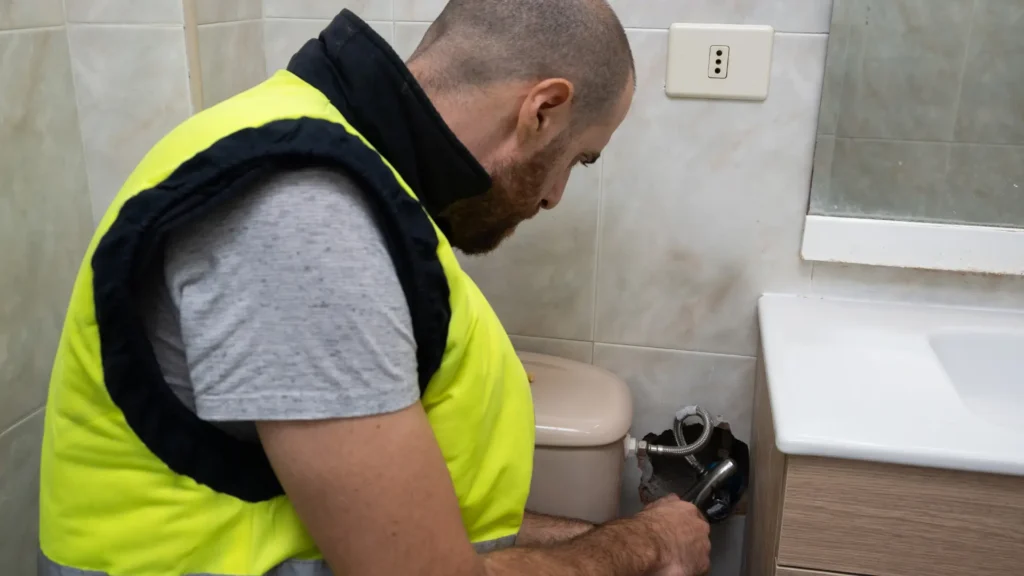
- Shut Off The Water Supply: Locate the shut-off valve behind or beside the toilet and turn it clockwise until it stops. This prevents additional water from entering the tank and bowl.
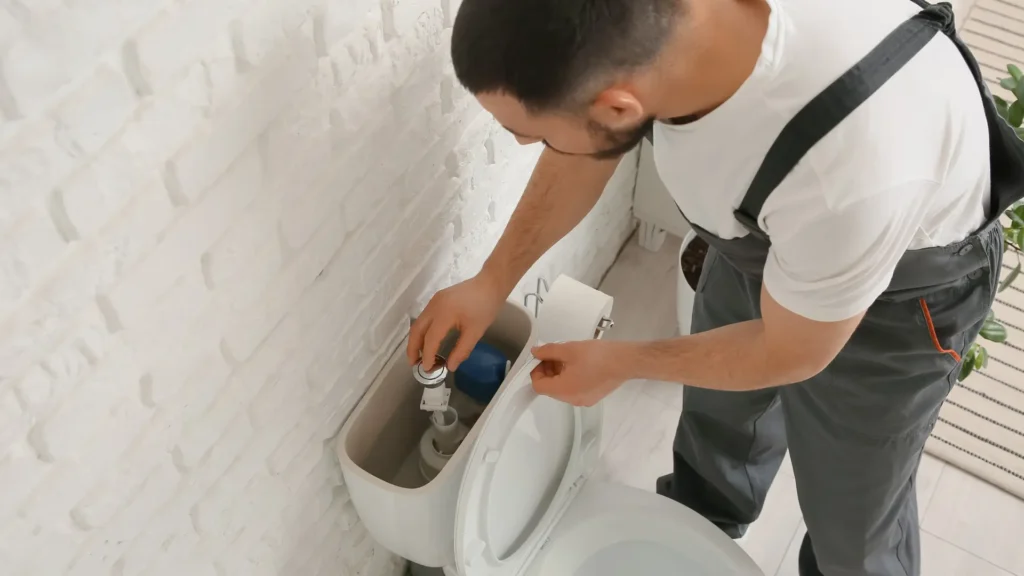
- Remove the Tank Lid Carefully: Lift the lid slowly and place it on a flat, stable surface to avoid cracks or damage.
- Stop The Refill Mechanism: Inside the tank, press down on the flapper or float valve to stop water from flowing into the bowl. This is especially useful if the water level is already high.
- Monitor the Water Level: Give the water a minute to settle. If it begins to drop, you are dealing with a manageable clog that can likely be fixed with simple methods.
Taking these steps first gives you control over the situation and prevents unnecessary cleanup or water damage.
What Not To Do
Knowing what to avoid is just as important as knowing what to do. Many common mistakes can turn a minor clog into a bigger plumbing problem.
- Avoid Repeated Flushing: Flushing multiple times forces more water into an already blocked system, increasing the risk of overflow and making the clog harder to clear.
- Do Not Mix Chemicals: Combining different cleaning agents can create dangerous fumes or reactions. Stick to one safe method at a time to protect both your health and your pipes.
- Avoid Using Sharp Objects: Items like metal rods or tools can scratch the porcelain or damage internal components. This can lead to costly repairs that far exceed the inconvenience of a clog.
- Do Not Panic-Act: Acting too quickly without assessing the situation often leads to poor decisions. A calm, step-by-step approach is far more effective.
Taking a moment to prepare properly can be the difference between a quick fix and a frustrating mess. With the right approach, you can move forward confidently and handle the clog without unnecessary stress.
7 Effective Ways To Unclog A Toilet Without A Plunger
If you’re dealing with a clogged toilet and don’t have a plunger nearby, there are several proven, real-world methods you can use with everyday household items. The key is understanding what type of clog you’re dealing with and choosing the right approach. The methods below are commonly used by homeowners and even plumbers in quick-fix situations, especially for soft blockages or early-stage clogs.
1. Hot Water + Dish Soap Method (Best First Try)
This is often the most reliable and beginner-friendly solution for a soft clog caused by toilet paper or organic waste. It’s simple, safe, and requires items you likely already have at home.
- Why it works: Dish soap acts as a lubricant that reduces friction, while warm water helps soften and break down the clog so it can move through the pipes more easily.
- Step-by-step instructions:
- Add a generous amount of dish soap directly into the toilet bowl.
- Carefully pour warm water from waist height into the bowl to create gentle pressure.
- Let the mixture sit for 10 to 15 minutes.
- Flush once to check if the clog has cleared.
- When it’s most effective: This method works best for fresh, soft clogs where water is still slowly draining rather than completely blocked.
2. Baking Soda + Vinegar Reaction
This natural, chemical-free method uses a well-known reaction to help loosen and break apart organic buildup inside the toilet drain.
- Natural reaction explanation: When baking soda and vinegar combine, they create a fizzing reaction that releases gas and mild pressure, helping to dislodge debris and break down waste.
- How to do it safely:
- Pour about one cup of baking soda into the toilet bowl.
- Add one to two cups of vinegar slowly.
- Allow the mixture to fizz and sit for 20 to 30 minutes.
- Follow with a flush to test the result.
- Best for organic buildup: This method is most effective for clogs caused by waste or paper rather than solid objects.
3. The Bucket Flush Technique
This technique relies on controlled force to push the clog through the pipes using water pressure rather than chemicals or tools.
- How water pressure clears clogs: A strong, steady flow of water can mimic the force of a powerful flush, helping to move blockages that are not tightly lodged.
- Proper pouring technique:
- Fill a bucket with water.
- Pour the water quickly but carefully into the bowl from waist height.
- Aim for a steady stream to create enough force without splashing.
- Risks to consider:
- Splashing risk: Pouring too aggressively can cause water to spill out of the bowl.
- Overflow risk: Avoid this method if the water level is already high.
4. Shampoo Or Liquid Soap Alternative
If you don’t have dish soap available, shampoo or other liquid soap can work as a substitute with similar results.
- Why it works similarly: Like dish soap, shampoo reduces friction and helps loosen the clog by coating the waste material.
- When to use this instead: This is a practical backup when you need a quick fix and only have bathroom products on hand. It works best for light to moderate clogs.
5. Plastic Wrap (DIY Suction Hack)
This creative method uses household plastic wrap to create a seal over the toilet bowl, allowing you to generate pressure similar to a plunger.
- Creating a seal:
- Dry the rim of the toilet bowl.
- Cover the entire opening tightly with plastic wrap, ensuring there are no air gaps.
- Using pressure effectively:
- Press down gently on the plastic surface.
- The trapped air creates downward pressure that can push the clog through the pipe.
- Caution tips:
- Seal quality: A loose seal will reduce effectiveness.
- Hygiene awareness: Avoid contact with contaminated surfaces during the process.
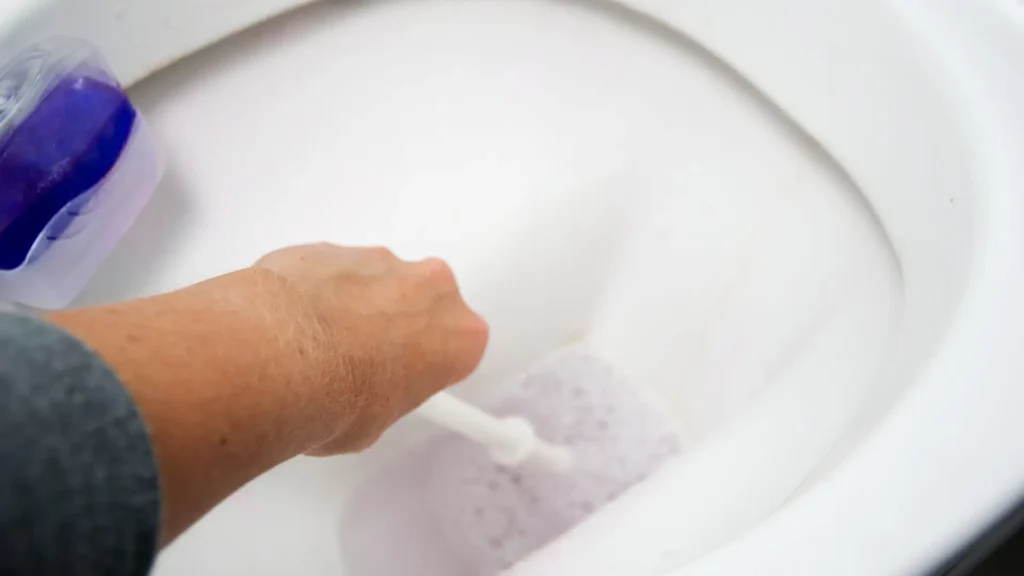
6. Toilet Brush Method (Emergency Hack)
While not ideal, a toilet brush can be used in an emergency to create enough movement and pressure to break up a clog.
- How to use it safely:
- Insert the brush into the drain opening.
- Push and twist gently to loosen the blockage.
- Use controlled motion rather than force to avoid splashing.
- Hygiene precautions:
- Post-use cleaning: Disinfect the brush thoroughly after use.
- Protective measures: Consider wearing gloves to reduce contact with bacteria.
7. Wire Hanger Or DIY Snake (For Deeper Clogs)
For more stubborn or deeper clogs, a straightened wire hanger can act as a basic drain snake to physically break up or pull out the blockage.
- When this is necessary: This method is useful when the clog is beyond the visible drain opening and other techniques have not worked.
- Step-by-step approach:
- Straighten a wire hanger and create a small hook at one end.
- Insert it gently into the drain.
- Move it slowly to locate and break apart the clog.
- Pull out any debris if possible.
- Important warning:
- Surface protection: Wrap the end with a cloth or tape to prevent scratching the porcelain surface.
Most toilet clogs can be cleared quickly with the right method and a bit of patience. By choosing the approach that matches the type of blockage, you can solve the problem efficiently without specialized tools or unnecessary stress.
Common Mistakes That Make Toilet Clogs Worse
Even simple toilet clogs can turn into bigger plumbing problems when handled the wrong way. Many people act quickly out of panic, but certain common mistakes can push the blockage deeper, damage the toilet, or even cause an overflow. Understanding what not to do is just as important as knowing the right unclogging method, especially when you are trying to fix the issue without a plunger.
Using Too Much Force
Applying excessive force is one of the fastest ways to make a minor clog worse. It might feel like pushing harder will break through the blockage, but in reality, it often compacts the material or forces it deeper into the pipe.
- Pipe damage risk: Too much pressure can strain older or weaker pipes, leading to cracks or leaks that are far more expensive to repair than a simple clog.
- Deeper blockages: Forcing the clog downward can move it beyond easy reach, making DIY methods less effective and increasing the need for professional tools.
- Toilet bowl damage: Aggressive handling with tools like a brush or a hanger can scratch or weaken the porcelain surface over time.
A controlled, gentle approach is always more effective than brute force when dealing with a clogged toilet.
Adding Too Many Substances At Once
Mixing multiple unclogging solutions might seem like a smart way to speed things up, but it often creates more problems than it solves. Different substances can interfere with each other or create unwanted reactions.
- Reduced effectiveness: Combining solutions like soap, baking soda, and vinegar all at once can cancel out their individual effects, making the clog harder to clear.
- Chemical reactions: Some mixtures can create excessive pressure or fumes, which may be unsafe in a confined bathroom space.
- Residue buildup: Overloading the bowl with products can leave behind thick residue that adds to the blockage instead of breaking it down.
Stick to one method at a time, give it enough time to work, and only move on to another approach if needed.
Ignoring Early Signs Of Blockage
Toilet clogs rarely happen without warning. Early signs are often subtle, but ignoring them allows the problem to build up until it becomes harder to fix.
- Slow-draining water: If the water level drops slowly after flushing, it is often the first sign of a developing clog.
- Unusual sounds: Gurgling noises can indicate trapped air in the pipes, which usually points to a partial blockage.
- Frequent minor clogs: Repeated small issues suggest a deeper problem forming in the system.
Addressing these signs early can save time and prevent the need for more aggressive unclogging methods later.
Flushing Repeatedly
Repeated flushing is a common reaction when a toilet does not clear on the first try, but it often leads to a messy and avoidable situation. Each flush adds more water to an already blocked system.
- Overflow risk: Water can rise quickly and spill over the bowl, causing damage to floors and creating a sanitation issue.
- Worsening the clog: Additional water pressure can compact the blockage, making it harder to remove.
- Hidden damage: Repeated strain on the system can stress internal components and seals.
Taking a calm, methodical approach can make a big difference when dealing with a clogged toilet. By avoiding these common mistakes, you reduce the risk of turning a simple fix into a costly repair and improve your chances of solving the problem quickly and safely.
When These Methods Won’t Work (And What It Means)
Most household methods can handle minor or moderate toilet clogs, especially those caused by excess toilet paper or soft buildup. However, there are situations where these solutions simply won’t be enough. Recognizing when a clog is more serious helps you avoid wasting time, prevent damage, and take the right next step with confidence.
Signs Of A Serious Clog
Some warning signs indicate that the blockage goes beyond a simple surface-level issue and may require more advanced tools or professional help.
- Water rising quickly: If the water level increases rapidly after a flush or while attempting a fix, it usually means the blockage is tight and preventing normal drainage. This can lead to overflow if not handled carefully, so it is best to stop and reassess before trying again.
- Gurgling sounds: Unusual noises coming from the toilet or nearby drains often signal trapped air in the plumbing system. This can happen when a deeper clog disrupts normal water flow and airflow within the pipes.
- Multiple drains affected: If sinks, showers, or other toilets in your home are draining slowly or backing up at the same time, the issue likely extends beyond a single fixture. This is a strong sign of a larger system-wide blockage rather than a localized clog.
Possible Deeper Plumbing Issues
When standard unclogging methods fail, the problem may be located deeper within your plumbing system. These issues typically require specialized tools or professional diagnosis.
- Pipe blockage: A clog lodged further down the pipe can restrict water flow in ways that surface-level methods cannot reach. This may be caused by compacted debris, foreign objects, or buildup over time that has hardened.
- Sewer line issues: Blockages in the main sewer line are more serious and can affect the entire home. Tree roots, grease buildup, or structural damage to the line can prevent proper drainage and lead to recurring problems across multiple fixtures.
Understanding these signs helps you make a smarter decision about when to stop DIY methods and consider professional assistance, saving you from unnecessary mess, damage, or repeated frustration.
When To Call A Plumber
While many toilet clogs can be resolved with simple, at-home methods, there are situations where calling a licensed plumber is the safest and most effective choice. Knowing when to step back and seek professional help can prevent further damage, reduce long-term costs, and protect your plumbing system from more serious issues.
Situations That Require Professional Help
Some clogs go beyond what DIY methods can handle, especially when the issue is deeper in the system or involves materials that should not be there in the first place. Recognizing these signs early can save you from a messy and potentially expensive situation.
- Recurring clogs: If your toilet keeps clogging even after using multiple methods, it may indicate a deeper blockage in the drain line or a larger plumbing issue that needs professional inspection.
- Foreign objects stuck: Items like toys, sanitary products, or excessive paper buildup can get lodged in the pipes and may require specialized tools to remove safely without causing damage.
- Overflow risks: If water rises quickly or repeatedly threatens to overflow, this is a clear sign that the blockage is severe and immediate professional attention is needed to prevent water damage.
Cost Expectations
Understanding potential costs can help you make an informed decision about when it is worth calling a plumber versus continuing with DIY efforts. While prices vary depending on location and severity, having a general idea helps set realistic expectations.
- Basic unclogging: Simple clogs that require minimal tools or time are usually affordable and can often be resolved quickly during a standard service call.
- Major repair: More complex issues, such as deep pipe blockages or sewer line problems, can be more expensive due to the need for advanced equipment, time, and possibly parts replacement.
Calling a plumber is not a failure, it is a smart decision when the situation goes beyond basic fixes. Acting early can prevent small problems from turning into costly repairs.
How To Prevent Toilet Clogs In The Future
Preventing a clogged toilet is far easier than dealing with one after it happens. Most blockages are caused by everyday habits that seem harmless but slowly build up inside your pipes. By understanding what goes into your toilet and adopting a few simple routines, you can avoid repeat issues, reduce wear on your plumbing system, and save yourself from unnecessary stress.
What You Should Never Flush
Many common household items are labeled as disposable but are not safe for toilets. Even products marketed as flushable can cause long-term buildup or pipe blockages.
- Non-flushable wipes: These do not break down like toilet paper and can accumulate in pipes, leading to stubborn clogs
- Paper towels and tissues: These are thicker and more absorbent than toilet paper, making them difficult to dissolve in water
- Feminine hygiene products: These expand when wet and can quickly block narrow pipes
- Cotton products: Items like cotton balls and swabs do not break down and tend to clump together
- Grease or food waste: These can harden inside pipes and restrict water flow over time
Being mindful of what goes into your toilet is one of the most effective ways to prevent a future clog.
Smart Flushing Habits
Simple, consistent habits can make a noticeable difference in keeping your toilet running smoothly. Many clogs happen not because of one large issue, but because of repeated small mistakes.
- Use moderate toilet paper amounts: Excess paper can overwhelm your toilet’s flushing capacity, especially in low-flow systems
- Flush more than once if needed: For heavier use, flushing midway can prevent buildup from forming
- Avoid rushing the flush: Give the system time to fully clear before adding more material
- Pay attention to slow drainage: If water drains slower than usual, it may signal the start of a developing clog
These small adjustments help maintain proper flow and reduce the risk of sudden blockages.
Maintenance Tips For Households
Regular upkeep plays a key role in preventing plumbing issues. A well-maintained toilet and drainage system will handle everyday use more efficiently.
- Periodic hot water flush: Pouring warm water into the bowl occasionally can help break down minor buildup before it becomes a problem
- Routine cleaning: Keeping the toilet clean reduces residue that can contribute to blockages
- Check water pressure: Weak flushing power can allow waste to linger and accumulate
- Inspect for early warning signs: Gurgling sounds or inconsistent flushing may indicate a developing issue
Taking a proactive approach ensures that minor issues are addressed before they turn into costly repairs.
Tips For Homes With Kids Or Guests
Households with children or frequent guests often face a higher risk of accidental clogs due to unfamiliar or improper use. Setting clear expectations can prevent unnecessary problems.
- Educate on proper use: Teach children what should and should not be flushed in simple terms
- Provide visible reminders: Placing a small sign or note can guide guests without needing direct instruction
- Keep a trash bin nearby: A convenient disposal option encourages proper waste handling
- Supervise when needed: Younger children may require occasional reminders or assistance
A little awareness and consistency go a long way when it comes to preventing toilet clogs. By combining good habits with simple maintenance, you can keep your plumbing system working reliably and avoid the inconvenience of dealing with unexpected blockages.
References
- How to Unclog a Toilet Without a Plunger: 7 Easy Methods
https://www.bobvila.com/articles/how-to-unclog-a-toilet/ (Bob Vila) - How to Unclog a Toilet Without a Plunger | This Old House Guide
https://www.thisoldhouse.com/plumbing/unclog-toilet-without-plunger (This Old House) - How to Unclog a Toilet Without a Plunger: 6 Ways Using Household Items
https://danikaplumbing.com/unclog-toilet-without-plunger/ (Danika Plumbing LLC) - How to Unclog a Toilet Without a Plunger: 7 Methods Explained
https://homeimprovementgeek.com/toilet-without-a-plunger/ (Home Improvement Geek) - How to Unclog a Toilet Without a Plunger: 5 Proven Methods
https://littleplumberboy.com/blog/unclog-toilet-without-plunger.html (littleplumberboy.com)
FAQs: About Unclogging A Toilet Without A Plunger
Conclusion
Dealing with a clogged toilet can feel stressful in the moment, especially when you do not have the right tools on hand, but the reality is that most clogs are simple, surface-level issues that can be resolved with basic, household methods if you stay calm and act methodically. In many cases, soft blockages caused by excess toilet paper or minor buildup respond well to gentle, step-by-step solutions like warm water and soap, which means you can often fix the problem without needing professional help or specialized equipment. The key is to avoid panic-driven actions such as repeated flushing, which can quickly make the situation worse, and instead focus on understanding what caused the clog in the first place. By building a few good habits, such as using the right amount of toilet paper, avoiding non-flushable items, and recognizing early warning signs like slow drainage, you can prevent most issues before they escalate. Taking a thoughtful, preventative approach not only saves time and effort but also protects your plumbing system from unnecessary strain, making future problems far less likely to occur.
Find A Professional Plumbing Company Near You!
- Hot Water Cylinder Installation Auckland
- Hot Water Cylinder Installation Hamilton
- Hot Water Cylinder Installation Napier
- Hot Water Cylinder Installation Wellington
- Hot Water Cylinder Repairs Auckland
- Hot Water Cylinder Repairs Hamilton
- Hot Water Cylinder Repairs Napier
- HydraHeat Hot Water Heat Pump Installation Auckland
- Local Plumbers Auckland
- Local Plumbers Hamilton
- Local Plumbers Hawkes Bay
- Local Plumbers Whangarei
- Plumbers Wanganui
- Septic Tank Installers Hawkes Bay
- Septic Tank Installers Northland
- Shower Installation Services Auckland
- Shower Installation Services Hamilton
- Water Pump Installers Auckland
- Water Tank Installers Auckland
- Water Tank Installers Hawkes Bay
- Water Tank Installers Northland
- Water Tank Repairs Auckland
- Water Tank Repairs Hawkes Bay

About the Author:
Mike Veail is a recognized digital marketing expert with over 6 years of experience in helping tradespeople and small businesses thrive online. A former quantity surveyor, Mike combines deep industry knowledge with hands-on expertise in SEO and Google Ads. His marketing strategies are tailored to the specific needs of the trades sector, helping businesses increase visibility and generate more leads through proven, ethical methods.
Mike has successfully partnered with numerous companies, establishing a track record of delivering measurable results. His work has been featured across various platforms that showcase his expertise in lead generation and online marketing for the trades sector.
Learn more about Mike's experience and services at https://theleadguy.online or follow him on social media: