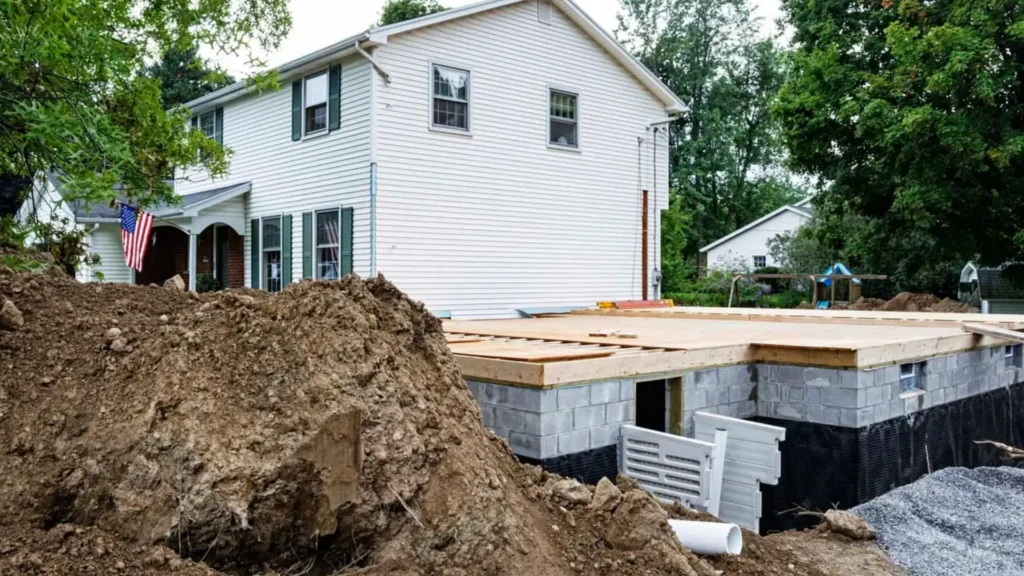
Welcome to your complete guide on excavating a basement under an existing house in Auckland, where we break down everything homeowners need to know before taking on this complex but potentially rewarding project. Whether you are looking to create more living space, add value to your property, or make better use of a sloping site, basement excavation offers a unique solution that comes with important structural, financial, and regulatory considerations. In this guide, you will learn how the process works, what factors determine feasibility, the real costs involved, and how to avoid common mistakes so you can make a confident, well-informed decision about whether this type of renovation is right for your home.
Excavating a basement under an existing house in Auckland is possible but depends on factors like soil conditions, structural integrity, site access, and council requirements. The process typically involves underpinning the home, controlled excavation, and installing proper drainage and waterproofing. Professional engineering, building consent, and careful planning are essential for a safe and successful outcome.
- Can You Excavate A Basement Under An Existing House In Auckland?
- What Is Involved In Excavating A Basement Under An Existing House?
- Key Feasibility Factors Before You Start
- Consents, Engineering, And Compliance In Auckland
- Step-By-Step Process For Excavating A Basement Under An Existing House
- How Much Does It Cost To Excavate A Basement Under An Existing House In Auckland?
- Common Risks And Mistakes To Avoid
- Practical Design Ideas For A Basement Under An Existing House
- References
- FAQs: About Excavating A Basement Under An Existing House In Auckland
- Conclusion
- Find A Professional Earthworks Company Near You!
Can You Excavate A Basement Under An Existing House In Auckland?
Excavating a basement under an existing house in Auckland is possible, but it is never a one-size-fits-all project. Every site comes with its own structural, geological, and regulatory challenges, which means feasibility depends on a careful assessment of multiple factors. Homeowners who approach this process with a clear understanding of these variables are far more likely to avoid costly mistakes and achieve a successful outcome.
The Short Answer: Yes, But It Depends on the Site and Structure
The viability of basement excavation under an existing home is determined by a combination of physical conditions and engineering constraints. Before any work begins, professionals will evaluate several key factors to determine whether the project is practical and safe.
- Existing foundation type: Older homes with shallow foundations or timber piles may require extensive underpinning to support the structure during excavation. Concrete slab foundations can be more complex to modify, often increasing both cost and engineering requirements.
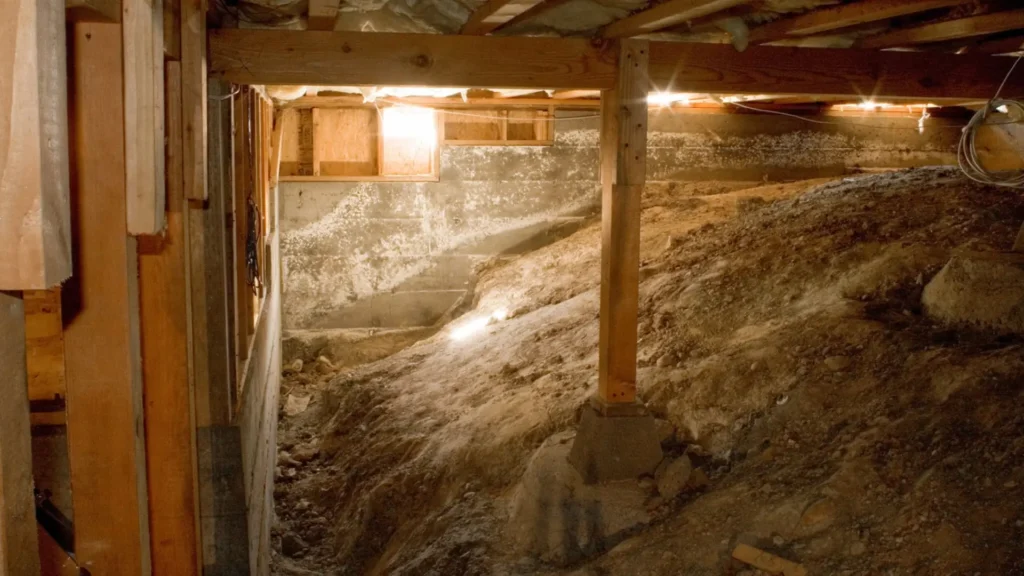
- Ground conditions: Soil composition plays a major role in excavation difficulty. Stable soils are easier to work with, while loose, sandy, or expansive clay soils can increase the risk of collapse or movement.
- Slope and access: Steep sites can be both an advantage and a challenge. While slopes may allow easier entry points for excavation, they can also introduce stability issues and complicate machinery access.
- House construction type: Lightweight timber-framed homes are generally easier to work with than heavy masonry structures, which place greater loads on the foundation and require more robust support systems.
- Drainage and groundwater issues: High water tables or poor drainage conditions can significantly increase the complexity of waterproofing and long-term moisture control, making the project more expensive and technically demanding.
Why Auckland Properties Are Different
Auckland presents unique conditions that directly influence how basement excavation projects are planned and executed. Understanding these local characteristics is essential before moving forward.
- Volcanic ground, clay, mixed soil conditions: Auckland’s geology varies widely, with volcanic rock, clay, and mixed soils often found within the same site. This variability can make excavation unpredictable and requires detailed geotechnical investigation.
- Sloping sections and tight suburban access: Many Auckland properties are built on sloping sections with limited access points. Narrow driveways and close proximity to neighbours can restrict machinery use and increase labour intensity.
- Rainfall, stormwater, and water management concerns: Frequent rainfall and strict stormwater management requirements mean drainage design is critical. Poor planning in this area can lead to long-term issues such as dampness, flooding, or structural damage.
When Basement Excavation Makes Sense
In the right circumstances, excavating a basement can be a highly effective way to increase usable space and improve the functionality of a home.
- Growing families needing more usable space: A basement can provide additional bedrooms, living areas, or storage without altering the home’s footprint, making it ideal for expanding households.
- Sites where extending outward is difficult: Properties with limited yard space, strict boundary setbacks, or planning restrictions often benefit from building downward instead of outward.
- High land values making extra floor area attractive: In areas where land is expensive, increasing floor area within the existing footprint can be a cost-effective way to add value compared to purchasing a larger property.
When It May Not Be Practical
There are situations where basement excavation may not be the best solution, even if it is technically possible. Identifying these early can save significant time and expense.
- Poor ground conditions: Unstable or water-prone soils can make excavation risky and require extensive engineering solutions that may not be financially viable.
- Limited access for machinery: Tight or restricted access can increase labour costs and slow down the project, sometimes making it impractical compared to other renovation options.
- Very high structural risk or cost: Homes with complex structures or significant load-bearing challenges may require extensive underpinning, driving up both risk and cost.
- Low ceiling height gains compared with budget: If the finished basement cannot achieve a comfortable ceiling height, the space may not be practical or worth the investment.
A well-planned basement excavation can unlock valuable space and improve how a home functions, but success depends on understanding the site, working with experienced professionals, and making decisions based on long-term usability rather than short-term gains.
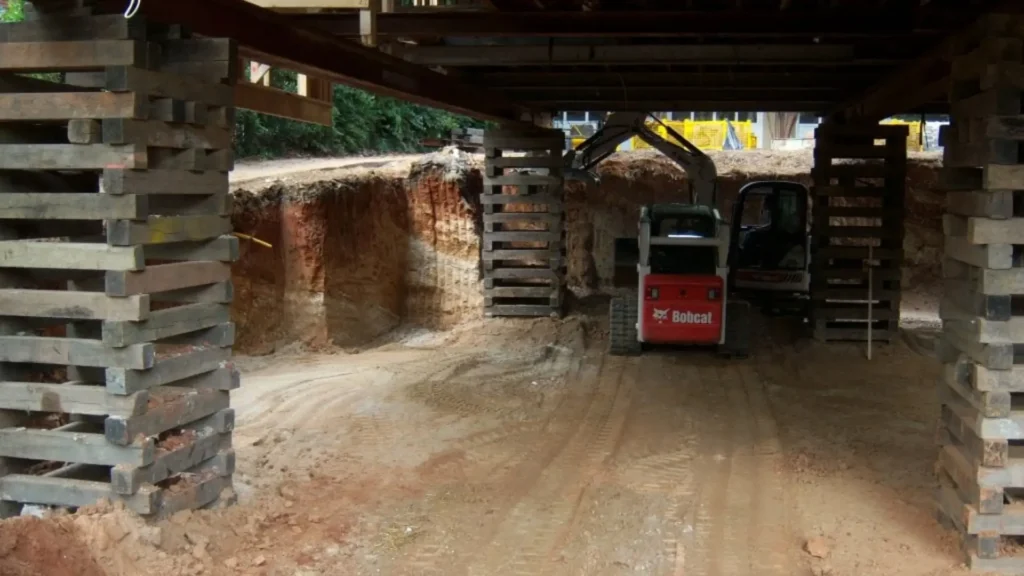
What Is Involved In Excavating A Basement Under An Existing House?
Excavating a basement under an existing house is a multi-stage, engineering-led process that requires careful planning, precise execution, and strict safety controls. It is not simply about digging out space under a home. Every step must protect the structure above while creating a dry, stable, and usable area below. Understanding what is involved helps homeowners set realistic expectations around time, cost, and complexity.
Underpinning and Supporting the Existing Home
Before any excavation begins, the existing house must be safely supported to prevent movement or structural damage. This is where underpinning becomes essential.
Explain the underpinning in simple terms
Underpinning is the process of strengthening or extending the existing foundation so the house remains stable while soil is removed beneath it. In simple terms, it transfers the weight of the house to deeper or more secure ground as excavation progresses. This is usually done in carefully planned stages rather than all at once.
Temporary support systems
While underpinning is underway, temporary supports are installed to hold the house in place. These systems are critical for safety and are designed by structural engineers based on the specific property.
- Steel beams and props: Used to carry loads while sections of the foundation are being worked on
- Staged excavation approach: Small sections are excavated and reinforced one at a time to maintain stability
- Monitoring systems: Movement and settlement are often tracked throughout the process to detect any issues early
Protecting load-bearing walls and foundations
Load-bearing walls and existing foundations must remain intact and properly supported throughout the project. Any compromise in these elements can lead to cracking, settlement, or more serious structural issues.
- Structural reinforcement: Engineers design solutions to redistribute loads safely
- Careful sequencing: Work is carried out in a specific order to avoid stress on weak points
- Quality workmanship: Experienced contractors are essential to ensure the work meets structural standards
Excavation, Spoil Removal, and Site Access
Once the structure is supported, the physical excavation process begins. This stage often presents logistical challenges, especially on tight Auckland sites.
Digging beneath or around the house
Excavation may take place from inside the footprint of the house, from the outside, or a combination of both depending on access and design. The work is usually done in controlled stages to maintain safety and structural integrity.
- Internal excavation: Soil is removed from beneath the house floor
- External excavation: Access from the side of the property where space allows
- Staged digging: Sections are excavated gradually to avoid destabilising the structure
Removing soil from tight sites
One of the most underestimated aspects of basement excavation is how to remove large volumes of soil from confined spaces.
- Manual removal: In very tight sites, soil may need to be carried out by hand
- Machinery use: Small excavators or conveyors may be used where access allows
- Transport logistics: Trucks and disposal must be coordinated to avoid delays
Noise, disruption, and logistics
Excavation work can be disruptive, particularly in residential areas.
- Noise levels: Machinery and drilling can create significant noise during working hours
- Site impact: Limited space can affect neighbours and access ways
- Project coordination: Scheduling deliveries, waste removal, and trades requires careful planning
New Structural Work Below the House
After excavation, the new basement structure is built to ensure long-term stability, durability, and usability. This stage transforms the excavated space into a functional area.
Retaining walls
Retaining walls are constructed to hold back the surrounding soil and prevent collapse into the basement space. These walls must be designed to withstand ground pressure and water loads.
- Engineered design: Tailored to site-specific soil conditions
- Reinforced construction: Often made from reinforced concrete for strength
- Integration with drainage: Designed to work with waterproofing systems
New slab
A new concrete slab forms the base of the basement and provides a stable, level floor.
- Structural foundation: Supports the entire basement structure
- Moisture barrier: Often includes damp-proof layers
- Load distribution: Helps evenly spread weight across the ground
Waterproofing
Keeping water out of the basement is one of the most critical aspects of the project.
- External membranes: Applied to walls to prevent water ingress
- Internal systems: Secondary protection in case of leaks
- Long-term durability: Proper installation reduces future maintenance issues
Drainage systems
Effective drainage ensures water is directed away from the structure.
- Perimeter drains: Installed around the basement to collect groundwater
- Sump systems: Pump water away where natural drainage is limited
- Stormwater integration: Connects to the property’s overall drainage system
Ventilation and moisture control
Without proper airflow, basements can become damp and uncomfortable.
- Mechanical ventilation: Helps regulate air quality
- Moisture management: Reduces condensation and mould risk
- Healthy environment: Essential for both storage and living spaces
Finishing the New Basement Space
Once the structural work is complete, attention turns to making the basement usable and comfortable. This stage depends heavily on how the space will be used.
Storage vs habitable use
The intended purpose of the basement will influence design decisions, cost, and compliance requirements.
- Storage spaces: Simpler finishes and fewer requirements
- Habitable rooms: Must meet building standards for light, ventilation, and safety
- Multi-use design: Flexible layouts can adapt over time
Insulation, lighting, ceiling height, and comfort
Creating a comfortable basement requires thoughtful design choices.
- Insulation: Helps regulate temperature and reduce dampness
- Lighting solutions: Artificial lighting is essential, with options to enhance brightness
- Ceiling height: Determines how practical and comfortable the space feels
- Interior finishes: Materials should be moisture-resistant and durable
Access stairs and layout planning
Access and layout are key to making the basement functional and easy to use.
- Safe stair access: Designed for comfort and compliance
- Efficient layout: Maximises usable space without feeling cramped
- Future usability: Planning ahead ensures the space remains practical over time
Excavating a basement under an existing house is a complex but rewarding project when done correctly. With the right planning, experienced professionals, and attention to detail, it can transform unused space into something highly valuable and functional.
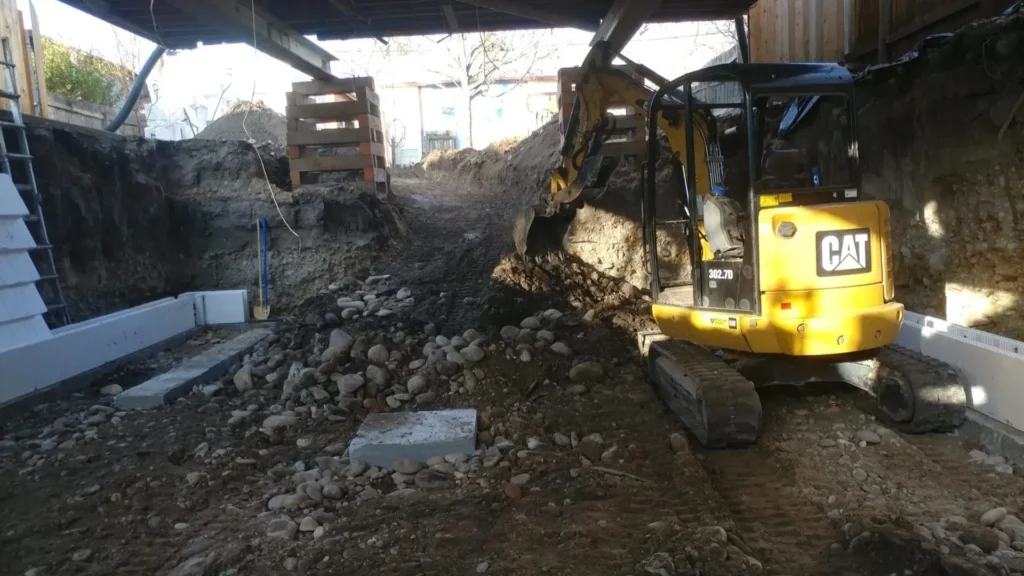
Key Feasibility Factors Before You Start
Before committing to excavating a basement under an existing house in Auckland, it is critical to assess whether the project is actually feasible from a structural, environmental, and practical standpoint. Every site is different, and small oversights early on can lead to major cost increases or construction risks later. Understanding these key factors will help you make informed decisions and avoid costly surprises.
Soil Conditions And Geotechnical Assessment
The ground beneath your home plays a major role in determining whether basement excavation is safe, practical, and cost-effective. Auckland’s varied soil types, including clay-heavy and volcanic soils, can behave very differently during excavation.
Why Ground Investigation Matters
A proper geotechnical investigation provides detailed insight into the soil composition, strength, and behaviour on your site. Without this, you are essentially guessing how the ground will react once excavation begins.
- Soil composition: Determines how stable the excavation will be and what support systems are required
- Load-bearing capacity: Helps engineers understand how much weight the soil can safely support
- Moisture content: Affects how soil expands, contracts, or shifts over time
Settlement, Stability, And Excavation Risk
Excavating beneath an existing structure introduces the risk of ground movement. Even minor settlement can lead to cracking, uneven floors, or long-term structural damage.
- Settlement risk: Occurs when soil shifts or compresses under load changes
- Slope stability: Critical for sloping Auckland sites where soil movement can impact surrounding land
- Excavation safety: Unstable soil may require additional reinforcement or staged excavation
Need For Engineering Input
A structural and geotechnical engineer will assess the site and design solutions to manage risks. Their input ensures the excavation is both safe and compliant.
- Engineering design: Provides tailored solutions based on soil conditions
- Risk mitigation: Identifies potential issues before construction begins
- Compliance support: Ensures the project meets local building requirements
Existing House Condition
The condition of your current home has a direct impact on how complex and risky the excavation process will be. Older homes and certain foundation types often require more careful planning.
Age Of The House
Older properties may not have been built with modern standards or future excavation in mind.
- Material durability: Older materials may be more fragile or degraded
- Construction methods: May differ from modern building practices, affecting how the structure responds to change
- Hidden issues: Older homes are more likely to have undetected structural weaknesses
Foundation Type
The type of foundation your house sits on will determine how easily it can be supported during excavation.
- Shallow foundations: Often require more extensive underpinning
- Pile foundations: May complicate excavation depending on depth and spacing
- Concrete slabs: Can be more challenging to modify compared to raised structures
Cracks, Movement, And Structural Limitations
Pre-existing structural issues can increase the risk of damage during excavation.
- Visible cracks: May indicate existing stress or movement in the structure
- Uneven floors: Suggest possible settlement issues
- Load-bearing limitations: Some structures may not tolerate additional stress during excavation
Water Table, Drainage, And Waterproofing Risk
Water management is one of the most critical and often underestimated aspects of basement construction in Auckland. Poor planning in this area can lead to long-term issues that are expensive to fix.
Groundwater Seepage
If the water table is high, groundwater can enter the excavation area, especially during heavy rainfall.
- Seepage risk: Water entering through walls or floor
- Pressure buildup: Hydrostatic pressure can push against basement walls
- Construction delays: Water issues can slow down excavation progress
Stormwater Management
Auckland’s rainfall patterns mean that managing stormwater effectively is essential.
- Drainage systems: Must be designed to redirect water away from the structure
- Runoff control: Prevents water pooling around the basement
- Compliance: Must align with local drainage requirements
Long-Term Damp And Mould Prevention
A poorly waterproofed basement can quickly become unusable due to moisture problems.
- Waterproof membranes: Essential for keeping water out
- Ventilation systems: Help reduce humidity and condensation
- Material selection: Moisture-resistant materials improve durability
Site Access And Neighbour Proximity
Access constraints and nearby properties can significantly impact both the cost and complexity of excavation work.
Machinery Access
Getting equipment onto the site is not always straightforward, especially in dense urban areas.
- Access width: Determines what machinery can be used
- Site layout: Impacts how excavation and soil removal are managed
- Manual work: Limited access may require more labour-intensive methods
Boundary Issues
Working close to property boundaries introduces additional considerations.
- Legal boundaries: Must be clearly identified before work begins
- Neighbour agreements: May be required depending on proximity
- Working space: Limited room can affect construction methods
Retaining Impacts On Nearby Properties
Excavation can affect the stability of neighbouring land and structures.
- Retaining walls: May be required to support surrounding soil
- Neighbour safety: Ensuring adjacent properties are not impacted
- Vibration and movement: Must be carefully controlled during construction
Ceiling Height And Usable Outcome
One of the most overlooked factors is whether the finished basement will actually be comfortable and functional to use.
Whether The Finished Space Will Feel Practical
Simply creating space is not enough. The outcome needs to be livable and worthwhile.
- Ceiling height: Low ceilings can make the space feel cramped
- Natural light: Limited light can affect usability and comfort
- Access design: Poor stair placement can reduce practicality
Difference Between “Extra Space” And Genuinely Usable Living Area
There is a significant difference between adding square metres and creating valuable space.
- Functional design: The layout should support how the space will be used
- Comfort factors: Lighting, ventilation, and insulation all matter
- Return on investment: A well-designed basement adds more value than a poorly planned one
Taking the time to carefully assess these feasibility factors will give you a clearer picture of what is realistically achievable on your site. A well-informed approach at this stage can save significant time, money, and stress as your project moves forward.
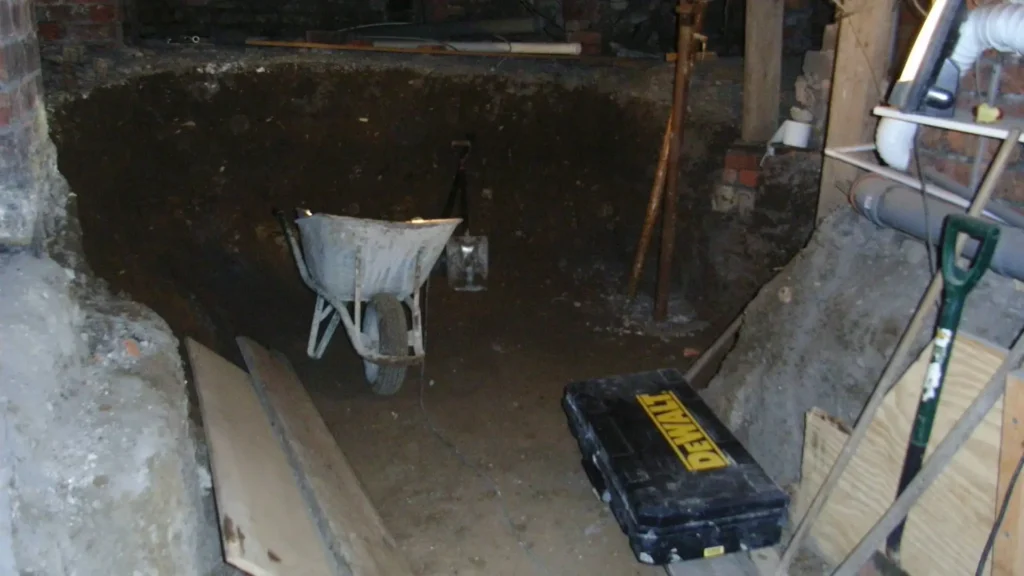
Consents, Engineering, And Compliance In Auckland
Excavating a basement under an existing house in Auckland is not just a construction project, it is a highly regulated, engineering-driven process that requires careful planning and strict compliance with local building requirements. Because you are altering the structural integrity of an existing home and working below ground level, multiple approvals, expert inputs, and inspections are required to ensure the work is safe, durable, and legally compliant.
Why This Is Not a Simple DIY Renovation
Structural complexity
Excavating beneath an existing house involves working around and under load-bearing elements that were never originally designed for this type of modification. You are effectively re-engineering the foundation system while the house remains in place, which requires staged underpinning, temporary supports, and precise sequencing. Even small miscalculations can lead to structural movement, cracking, or long-term instability.
Safety risks
There are significant safety risks involved, both during construction and after completion if the work is not done correctly. Excavation creates potential hazards such as ground collapse, water ingress, and structural failure. These risks increase in Auckland due to variable soil conditions and weather patterns, making professional oversight essential to protect both workers and the property.
Importance of professional design and review
A well-designed basement project starts with detailed plans that account for structural loads, soil behaviour, drainage, and waterproofing. Professional design ensures that all components work together as a system rather than as isolated elements. Independent review by qualified engineers also adds a layer of assurance that the design meets safety and compliance standards before construction begins.
Building Consent And Other Approvals To Check
Building consent considerations
Most basement excavation projects in Auckland require building consent because they involve structural changes, excavation, and below-ground construction. The council will assess whether the proposed work meets the Building Code, including structural stability, moisture control, and durability. Without consent, you risk legal issues, delays, and complications when selling the property.
Engineering documentation
Detailed engineering documentation is a critical part of the approval process. This typically includes structural drawings, calculations, and specifications that outline how the house will be supported and how the new basement will be constructed. These documents must be prepared and signed off by qualified professionals to demonstrate that the design is safe and compliant.
Site-specific council requirements
Every property in Auckland has unique conditions that can affect compliance requirements. Factors such as zoning, land stability, proximity to boundaries, and stormwater management can all influence what approvals are needed. In some cases, additional reports or permissions may be required, particularly if the site has known geotechnical challenges.
Why homeowners should confirm requirements early
Confirming consent requirements at the start of the project helps avoid costly delays and redesigns later. Early engagement with professionals and, where needed, the council ensures that your plans align with local regulations before you commit to construction. This proactive approach saves time, reduces risk, and provides clarity on what is achievable within your site constraints.
Professionals Typically Involved
A successful basement excavation project relies on a coordinated team of specialists, each contributing expertise to ensure the work is safe, compliant, and well-executed.
- Architect or architectural designer: Develops the layout, functionality, and integration of the new basement with the existing home while ensuring the design meets both practical needs and regulatory requirements.
- Structural engineer: Designs the underpinning system and structural supports, ensuring the house remains stable during and after excavation.
- Geotechnical engineer: Assesses soil conditions, ground stability, and groundwater risks, providing recommendations that guide excavation and foundation design.
- Builder: Manages the construction process, coordinates trades, and ensures the work is carried out according to approved plans and standards.
- Waterproofing and drainage specialists: Design and install systems that prevent water ingress and manage moisture, which is critical for long-term durability of any below-ground space.
How To Avoid Compliance Problems Later
Don’t start excavation before approvals
Starting work without the necessary approvals can lead to stop-work orders, fines, and expensive remediation. It can also create complications when trying to obtain certification or sell the property in the future.
Keep documentation organised
Maintaining clear records of plans, approvals, inspections, and changes helps ensure the project stays on track. Well-organised documentation also makes it easier to address any issues that arise during construction or compliance checks.
Use qualified professionals
Working with experienced, qualified professionals reduces the likelihood of mistakes and ensures that all aspects of the project meet required standards. It also provides confidence that the work will be completed safely and to a high level of quality.
Plan inspections from the start
Inspections are a required part of the consent process and must be scheduled at key stages of construction. Planning for these inspections in advance helps avoid delays and ensures that each stage of the work is approved before moving forward.
Excavating a basement under an existing house in Auckland is a complex but achievable project when approached correctly. By understanding the compliance requirements and working with the right professionals from the beginning, you can reduce risk, avoid costly setbacks, and create a space that is both functional and built to last.
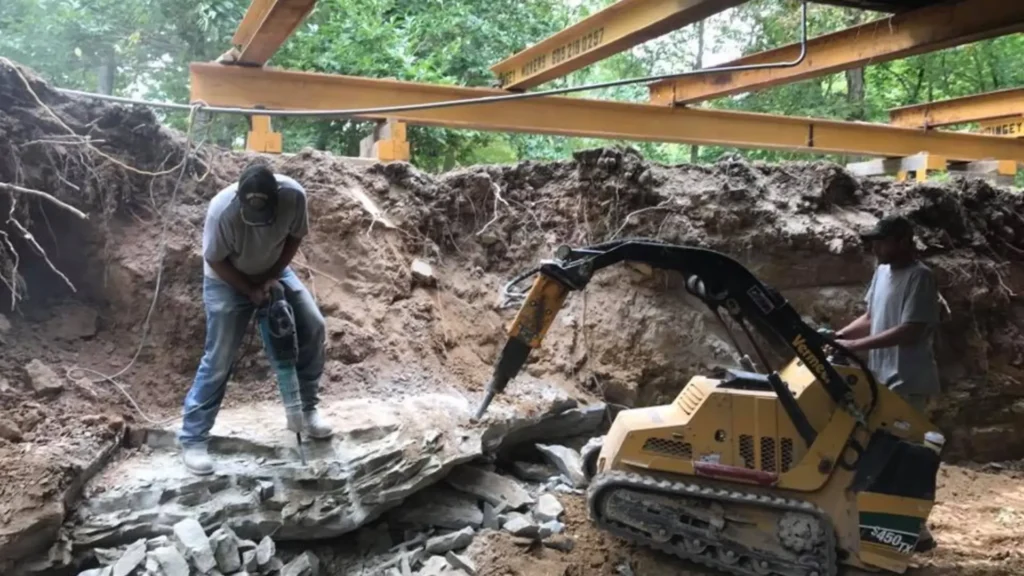
Step-By-Step Process For Excavating A Basement Under An Existing House
Excavating a basement under an existing house in Auckland is a complex, multi-stage process that requires careful coordination between design, engineering, and construction teams. Each stage builds on the previous one, and skipping or rushing any part can lead to costly mistakes or structural risks. Below is a practical, real-world breakdown of how the process typically unfolds so you can understand what to expect from start to finish.
1. Initial Feasibility And Concept Planning
This stage is where you determine whether the idea is worth pursuing before committing significant time or money. It focuses on aligning your goals with what is realistically achievable on your site.
- Project goals: Clarify how you intend to use the basement, whether for storage, living space, or a garage, as this directly impacts design complexity and cost
- Budget range: Establish a realistic, early-stage budget that accounts for engineering, excavation, and finishing work, not just construction
- Scope definition: Outline the approximate size, depth, and level of finish to guide early discussions with professionals
Engaging an architect or structural engineer early can save you from pursuing a design that is not feasible. They can quickly assess whether your house type, site slope, and access conditions make basement excavation viable, and suggest alternative approaches if needed.
2. Site Investigation And Structural Assessment
Once the concept looks promising, the next step is to gather detailed information about the site and the existing structure. This is where many hidden risks are identified.
- Soil testing: A geotechnical engineer conducts tests to understand ground conditions, stability, and how the soil will behave during excavation
- House inspection: The existing foundation, walls, and overall structure are assessed to determine how they will respond to underpinning and excavation
- Risk identification: Potential issues such as groundwater presence, soil movement, or structural weaknesses are documented early
This stage is critical because it informs the entire engineering approach. For example, clay-heavy soil or high water tables in Auckland can significantly change the design and cost of the project.
3. Design, Engineering, And Consent Preparation
With accurate site data, the design team can develop detailed plans that are both structurally sound and compliant with local regulations.
- Structural drawings: Engineers design the underpinning system, load-bearing elements, and overall support strategy for the house
- Retaining and drainage design: Plans are created to manage soil pressure and water flow around the new basement space
- Waterproofing strategy: A long-term solution is designed to prevent moisture ingress, which is one of the most common failure points in basements
At this stage, documentation is prepared for building consent. In Auckland, this process requires clear, well-prepared plans, and working with experienced professionals helps avoid delays or costly revisions.
4. Temporary Support And Staged Excavation
This is where construction begins, and it is often the most technically demanding phase. The house must be supported safely while the ground beneath it is removed.
- Temporary support systems: Sections of the house are carefully supported using underpinning or temporary structural elements to prevent movement
- Controlled excavation: Soil is removed in stages rather than all at once to maintain stability and reduce risk
- Continuous monitoring: Engineers and builders monitor the structure for any signs of movement or stress during the process
This staged approach is essential. Rushing excavation or removing too much material at once can compromise the entire structure, which is why experienced contractors are critical at this stage.
5. New Basement Structure And Waterproofing
Once excavation is complete, the focus shifts to building a durable, long-lasting basement structure that can handle both structural loads and environmental conditions.
- Concrete slab and walls: A new foundation slab and reinforced walls are constructed to support the house above and define the basement space
- Drainage systems: Subsurface drainage is installed to direct water away from the structure and reduce hydrostatic pressure
- Membrane waterproofing: High-quality waterproof membranes are applied to protect against moisture and leaks
Moisture control is especially important in Auckland due to rainfall and soil conditions. A well-designed waterproofing system is not optional, it is essential for long-term usability and durability.
6. Fit-Out And Final Use
The final stage transforms the raw basement into a functional, comfortable space that adds real value to your home.
- Access solutions: Safe and practical stairways or entry points are installed to connect the basement to the rest of the house
- Lighting and ventilation: Proper lighting and airflow are introduced to ensure the space feels usable rather than enclosed
- Insulation and services: Electrical, plumbing, insulation, and interior finishes are completed based on the intended use
This is where thoughtful design makes a big difference. A well-finished basement can feel like a natural extension of the home, while a poorly planned one can end up underused despite the investment.
Excavating a basement under an existing house is not just about digging space, it is about creating a structurally sound, dry, and functional environment that works long-term. Taking the time to follow each step properly will make the difference between a successful project and one that becomes expensive to fix later.
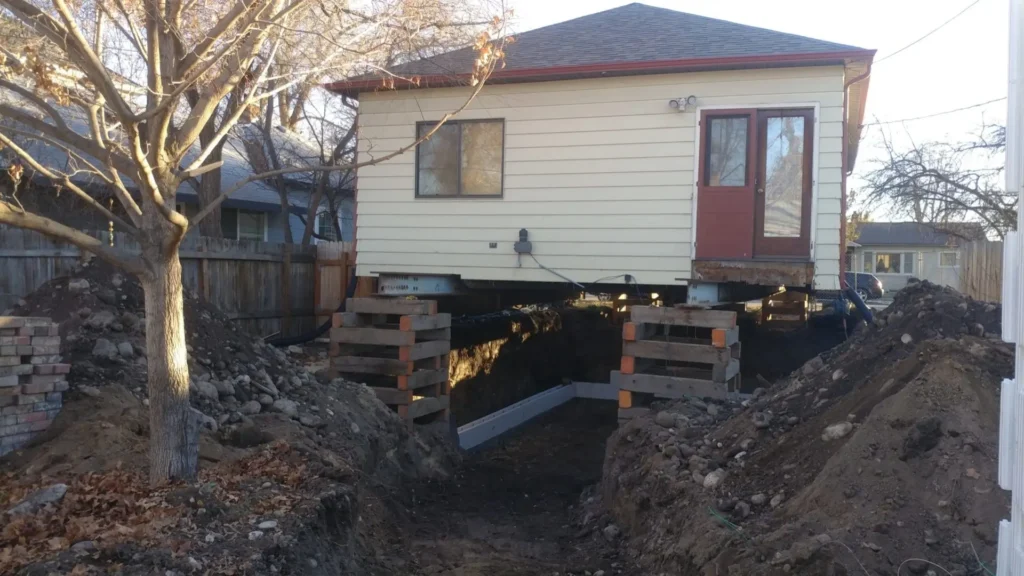
How Much Does It Cost To Excavate A Basement Under An Existing House In Auckland?
Excavating a basement under an existing house in Auckland is one of the more complex and cost-variable renovation projects you can take on. Unlike standard extensions, this type of work involves structural engineering, ground conditions, and site-specific challenges that can significantly influence the final price. Understanding what drives the cost will help you plan realistically and avoid surprises along the way.
Why Costs Vary So Much
There is no one-size-fits-all price for basement excavation because every property presents a unique set of conditions. Even two homes on the same street can have very different cost profiles.
- Site difficulty: Sloping sections, tight urban lots, and limited working space can increase labour time and require specialised equipment, making the project more expensive.
- Soil type: Auckland’s mixed ground conditions, including clay and volcanic soil, can be harder to excavate and may require additional stabilisation or drainage solutions.
- Access constraints: If machinery cannot easily reach the site, excavation may need to be done in smaller stages or with manual labour, which adds time and cost.
- Extent of underpinning: The more structural support your house needs during excavation, the more complex and costly the underpinning process becomes.
- Intended basement finish level: A basic storage space will cost significantly less than a fully finished, habitable basement with insulation, lighting, and ventilation.
Main Cost Categories
To get a realistic picture of your budget, it helps to break the project into its core cost components. Each stage plays a critical role in the overall success of the build.
- Design and engineering: This includes architectural plans, structural calculations, and geotechnical assessments to ensure the excavation is safe and compliant.
- Consents and reports: Building consent fees, council applications, and required technical reports are essential for legal compliance and cannot be skipped.
- Excavation and spoil removal: Digging out the basement and removing soil from the site is often one of the most labour-intensive and costly stages.
- Structural works: This covers underpinning, retaining walls, and new foundation elements needed to support the house above.
- Waterproofing and drainage: Proper moisture-control systems are critical in Auckland’s climate and are a major factor in long-term durability.
- Interior fit-out: Finishing the basement with flooring, lighting, insulation, and services will depend on how you plan to use the space.
Hidden Costs Homeowners Often Miss
Even well-planned projects can run into unexpected expenses if certain factors are overlooked early on. These hidden costs can quickly impact your budget if not accounted for.
- Temporary relocation or disruption: In some cases, you may need to move out during construction, which adds accommodation and logistical costs.
- Unexpected ground conditions: Discovering unstable soil, rock layers, or groundwater issues during excavation can require additional engineering solutions.
- Drainage upgrades: Existing drainage systems may need to be upgraded to handle the new basement, especially to prevent water ingress.
- Boundary or neighbour-related issues: Work close to property lines may involve additional approvals, protection measures, or legal considerations.
- Finishing costs beyond structure: Many budgets focus on excavation and structure but underestimate the cost of making the space functional and comfortable.
Is It Worth It?
Deciding whether basement excavation is worth the investment depends on your goals, your property, and the long-term value you expect to gain.
- Lifestyle value: Creating extra space without extending outward can significantly improve how you use your home, especially for growing families.
- Added usable area: A well-designed basement can provide valuable square metres for storage, living, or work space.
- Potential resale appeal: In high-demand Auckland areas, additional usable space can make your property more attractive to buyers.
- Comparing cost to moving or building an extension: When land is limited or moving is expensive, basement excavation can be a practical alternative, though it should always be compared carefully against other options.
A basement excavation project is a significant investment, but when planned properly, it can deliver long-term benefits that go beyond just extra space. The key is to approach it with a clear understanding of costs, risks, and realistic outcomes so you can make a decision that truly fits your home and lifestyle.
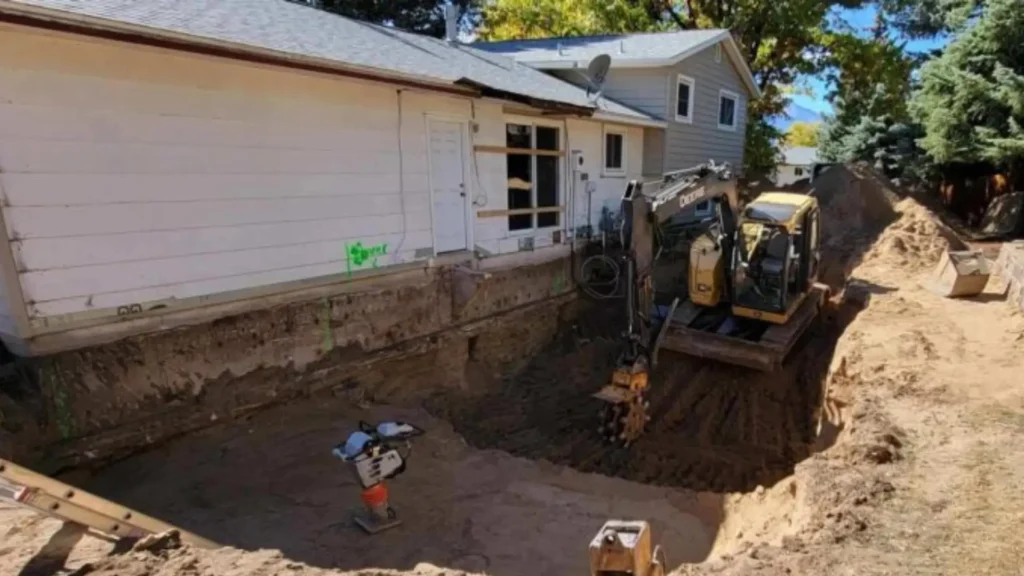
Common Risks And Mistakes To Avoid
Excavating a basement under an existing house in Auckland is a high-impact project where small oversights can lead to costly and long-term issues. Many problems do not come from the excavation itself, but from decisions made early in planning. Understanding the most common risks and mistakes can help you avoid structural damage, budget overruns, and a basement that fails to deliver real value.
Underestimating Structural Complexity
One of the most common mistakes homeowners make is assuming basement excavation is similar to a standard renovation. In reality, this is a structure-critical process that directly affects the stability of your entire home.
Treating it like a standard renovation often leads to shortcuts in planning, where key engineering steps are overlooked or delayed. Excavating beneath an existing structure means working around load-bearing elements, which requires precise sequencing and professional oversight.
Not planning for temporary support is another serious risk. During excavation, parts of the home may need to be supported while soil is removed and new foundations are installed. Without proper temporary support systems, there is a real risk of movement, cracking, or even structural failure.
- Structural load management: Every part of the house above must be accounted for, including walls, floors, and roof loads
- Staged excavation: Work must be carried out in controlled sections to maintain stability at all times
- Engineering oversight: A qualified structural engineer should guide the process from design through construction
Skipping Proper Site Investigation
Rushing into excavation without a thorough site investigation can lead to unexpected challenges that are expensive and difficult to fix once work has started.
Assuming the ground is straightforward is a common but risky mindset. Auckland’s soil conditions can vary significantly, even within the same suburb. Clay, volcanic rock, and mixed ground conditions can all behave differently during excavation.
Discovering issues after work starts often results in delays, redesigns, and additional costs. Problems such as unstable soil, hidden rock layers, or groundwater can quickly change the scope of the project.
- Geotechnical testing: Soil analysis helps determine excavation methods and structural requirements
- Groundwater assessment: Identifies potential drainage and waterproofing challenges early
- Risk planning: Allows you to budget and prepare for site-specific conditions before construction begins
Poor Waterproofing And Drainage Decisions
Many homeowners focus heavily on excavation and structure, but underestimate the importance of keeping the basement dry and usable long-term.
Focusing only on excavation can lead to a basement that looks complete but fails over time due to moisture issues. Water ingress is one of the most common problems in below-ground spaces, especially in areas with significant rainfall like Auckland.
Ignoring long-term moisture problems can result in mould, structural damage, and reduced usability of the space. Proper waterproofing and drainage systems must be integrated into the design from the beginning, not added as an afterthought.
- Comprehensive waterproofing system: Includes membranes, sealants, and protective layers around walls and floors
- Drainage design: Ensures water is directed away from the structure efficiently
- Ventilation planning: Helps manage humidity and prevent damp conditions inside the basement
Chasing The Cheapest Quote
Cost is always a factor, but choosing the lowest quote without understanding what is included can lead to significant problems later.
Low quotes often exclude critical engineering or waterproofing work, making them appear more affordable upfront but more expensive in the long run. Important elements such as proper drainage, structural reinforcement, or high-quality materials may be missing.
The importance of clear scope and specialist experience cannot be overstated. Basement excavation is a niche area that requires experience with underpinning, soil conditions, and structural work.
- Detailed scope of work: Ensure all aspects of the project are clearly outlined and included
- Relevant experience: Choose contractors with proven experience in basement excavation under existing homes
- Transparent pricing: Look for quotes that explain costs rather than just listing a total figure
Designing A Basement That Is Technically Possible But Not Enjoyable
It is entirely possible to complete a basement that meets structural and compliance requirements but falls short in terms of usability and comfort.
Low ceilings can make the space feel cramped and limit how it can be used. Even if technically compliant, a poorly proportioned space may not add real value to your home.
Poor natural light is another common issue. Without thoughtful design, basements can feel dark and uninviting, which reduces their appeal as living spaces.
Awkward access, such as steep or poorly positioned stairs, can make the space inconvenient to use on a daily basis. Accessibility should be considered early in the design process.
An unclear purpose for the space often leads to underutilization. A basement should be designed with a specific function in mind to ensure it delivers practical value.
- Ceiling height planning: Aim for comfortable headroom that supports the intended use
- Lighting strategy: Combine artificial lighting with any available natural light solutions
- Functional layout: Design the space around how it will actually be used
- Ease of access: Ensure stairs and entry points are safe, practical, and well-positioned
Taking the time to plan properly, work with experienced professionals, and think beyond the excavation itself will help you avoid costly mistakes and create a space that truly enhances your home.
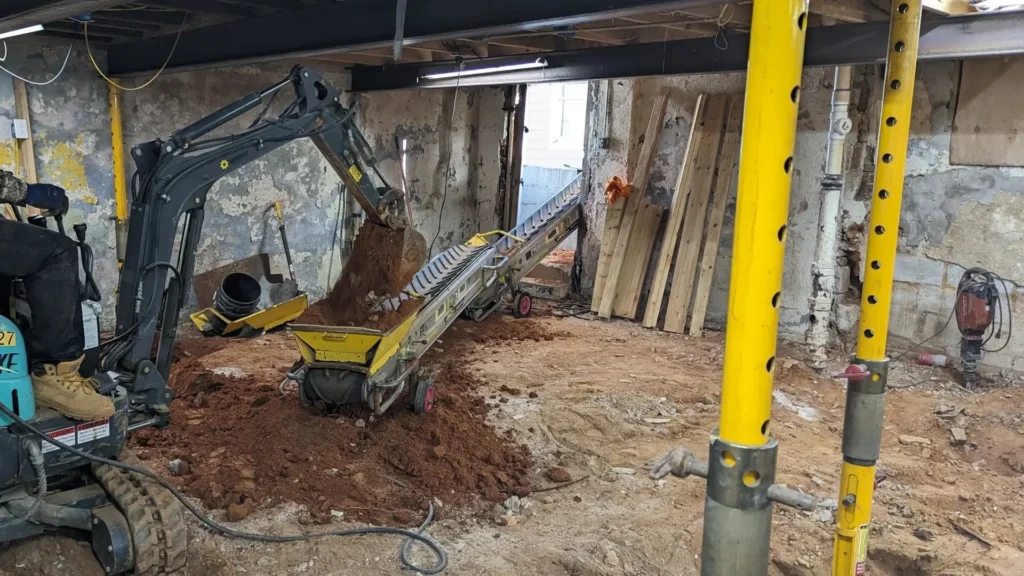
Practical Design Ideas For A Basement Under An Existing House
Designing a basement under an existing house in Auckland is not just about creating extra space, it is about making that space genuinely functional, comfortable, and worth the investment. A well-planned basement can feel like a natural extension of the home rather than an afterthought, but achieving that requires careful consideration of how the space will be used, how it will feel day-to-day, and how it will perform over time.
Best Uses For The Space
Choosing the right purpose for your basement is one of the most important decisions you will make. The design, layout, and level of finish should all reflect how you intend to use the space in real life.
- Storage And Utilities: A basement is ideal for housing hot water systems, laundry areas, and general storage. Keeping these functions below the main living areas frees up valuable space upstairs and helps keep the home more organised.
- Home Office: With more people working remotely, a quiet, separate home-office space can be a major advantage. Basements naturally offer separation from household noise, making them well suited for focused work environments.
- Guest Room: A well-finished basement can provide a comfortable, private area for guests. Adding a bathroom or ensuite can further improve usability and make the space feel more like a self-contained retreat.
- Media Room: Basements are naturally darker and quieter, which makes them perfect for a media-room setup. With the right acoustic treatment and lighting, this can become one of the most enjoyable spaces in the home.
- Garage Or Workshop: On sloping Auckland sites, basements are often used for internal garages or workshops. This can improve street access and provide secure, weather-protected parking or work areas.
- Secondary Living Area Where Appropriate: In some cases, a basement can be designed as an additional living area or even a semi-independent space. This requires careful planning around access, ventilation, and compliance, but it can significantly increase the versatility of the home.
Ways To Make A Basement Feel Less Like A Basement
One of the biggest challenges with basement design is avoiding that typical dark, enclosed feeling. With the right design choices, a basement can feel just as inviting as any other part of the house.
- Better Lighting Strategies: Good lighting is essential. Combine recessed ceiling lights with wall-mounted fixtures and task lighting to create layers of illumination. Where possible, incorporate natural light through light-wells or windows to soften the space.
- Ceiling And Wall Finishes: Light-coloured finishes can make a low-ceiling space feel more open. Smooth wall finishes, clean lines, and well-proportioned ceiling heights all contribute to a more comfortable environment.
- Ventilation: Proper ventilation is critical in below-ground spaces. Mechanical ventilation systems can help maintain fresh air circulation and reduce dampness, especially in Auckland’s humid conditions.
- Moisture-Resistant Materials: Choosing moisture-resistant materials is essential for long-term durability. Flooring, wall linings, and insulation should all be selected with damp-prone environments in mind to prevent mould and deterioration.
- Smart Layout Choices: Open-plan layouts tend to work better in basements, as they reduce the sense of confinement. Avoid unnecessary walls and use furniture or subtle design elements to define different zones within the space.
Planning For Long-Term Functionality
A basement project is a significant investment, so it is important to think beyond immediate needs and design a space that will continue to perform well for years to come.
- Future-Proofing Services: Plan ahead for electrical, plumbing, and data requirements. Even if you do not need certain features now, installing the infrastructure early can save time and cost later.
- Acoustic Comfort: Sound behaves differently in enclosed, below-ground spaces. Adding insulation and acoustic treatments can reduce echo and improve comfort, especially for media rooms or living areas.
- Storage Integration: Built-in storage solutions help maximise usable space and keep the basement organised. This is particularly important in areas with lower ceilings where vertical space is limited.
- Safe And Easy Access: Access should be convenient and safe for everyday use. Well-designed stairs, good lighting, and clear pathways make a big difference in how often and comfortably the space is used.
A thoughtfully designed basement can transform how a home functions, especially in space-constrained Auckland properties. By focusing on usability, comfort, and long-term performance, you can create a space that feels intentional and adds real value to your everyday living.
References
- Basement Excavation Methods and Common Mistakes
https://earthmovingauckland.co.nz/what-is-the-method-of-supporting-basement-excavation/ (earthmovingauckland.co.nz) - Basement Dig Out Contractors Auckland Guide
https://aucklandearthworkscompany.co.nz/basement-dig-out-contractors-auckland/ (Earthworks Auckland) - Underpinning Foundations Explained (Auckland)
https://www.foundations.co.nz/foundation-repair/underpinning/ (Grace Foundation Solutions) - Deep Basement and Foundation Engineering in Auckland
https://www.aosullivan.co.nz/expertise/deep-basements-foundations/ (Andy O’Sullivan) - Excavation Safety and Risk Management in New Zealand
https://www.worksafe.govt.nz/topic-and-industry/excavation/excavation-safety-gpg/ (worksafe.govt.nz)
FAQs: About Excavating A Basement Under An Existing House In Auckland
Conclusion
Excavating a basement under an existing house in Auckland is certainly possible, but it is highly site-specific and should never be approached as a standard renovation project, as the outcome depends heavily on ground conditions, structural integrity, access limitations, and local compliance requirements. Success in this type of work comes down to careful planning, experienced engineering, effective drainage and waterproofing, and a realistic, well-informed budget that accounts for both expected and unforeseen challenges. While the idea of gaining extra space is appealing, the real value lies in whether that space is practical, comfortable, and suited to your long-term needs, rather than simply increasing floor area. Homeowners who take a people-first approach by prioritising feasibility, functionality, and long-term livability over short-term gains are far more likely to achieve a result that not only adds value to the property but also genuinely improves how the home is used and enjoyed.
Find A Professional Earthworks Company Near You!
- Land Clearing Auckland
- Land Clearing Hamilton
- Land Clearing Manawatu
- Land Clearing North Shore
- Land Clearing Waikato

About the Author:
Mike Veail is a recognized digital marketing expert with over 6 years of experience in helping tradespeople and small businesses thrive online. A former quantity surveyor, Mike combines deep industry knowledge with hands-on expertise in SEO and Google Ads. His marketing strategies are tailored to the specific needs of the trades sector, helping businesses increase visibility and generate more leads through proven, ethical methods.
Mike has successfully partnered with numerous companies, establishing a track record of delivering measurable results. His work has been featured across various platforms that showcase his expertise in lead generation and online marketing for the trades sector.
Learn more about Mike's experience and services at https://theleadguy.online or follow him on social media: