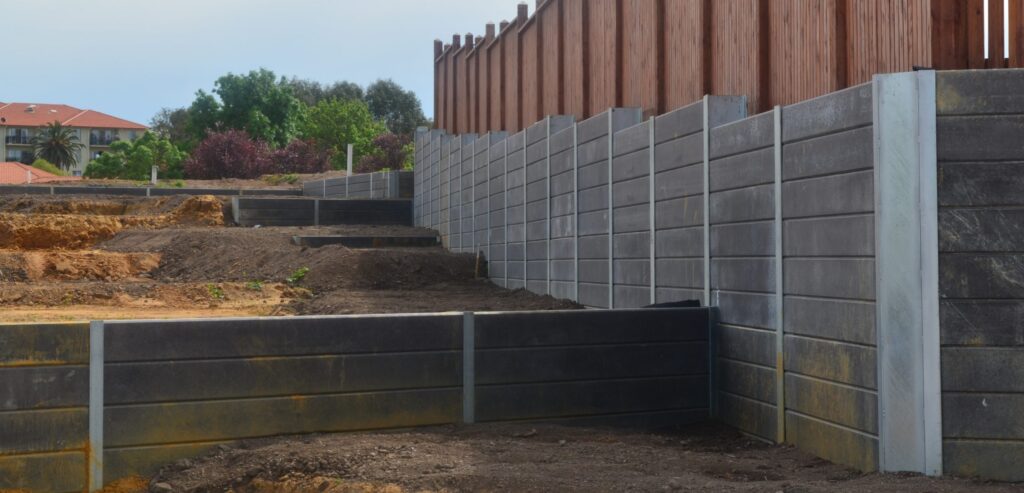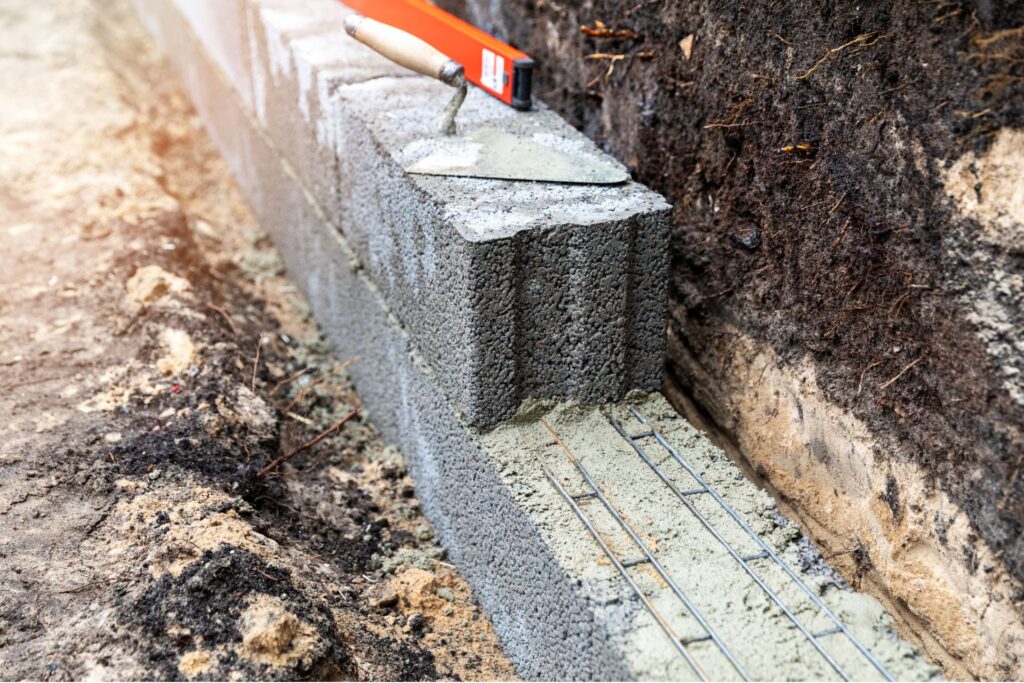
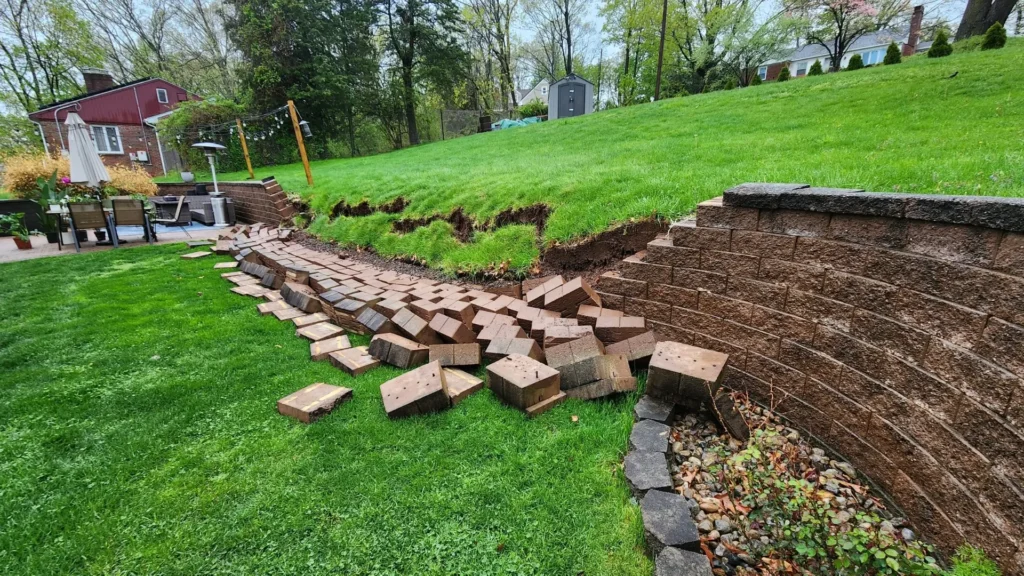
Welcome to your complete guide on retaining wall collapse in Tauranga, where we break down why these failures happen, how to spot early warning signs, and what steps you can take to protect your property and safety. With Tauranga’s sloped landscapes, heavy rainfall, and growing development, retaining walls play a critical role in preventing soil movement and structural damage, yet many homeowners are unaware of the risks until it’s too late. In this guide, you’ll learn the most common causes of retaining wall collapse, practical ways to assess potential issues, what to do in an emergency, and how to approach repairs or replacement with confidence, so you can make informed decisions and avoid costly mistakes.
A retaining wall collapse in Tauranga is typically caused by poor drainage, soil pressure, structural failure, or aging materials. Heavy rainfall and unstable ground conditions increase the risk. Early warning signs include leaning walls, cracks, and water buildup. Addressing issues early and consulting professionals can prevent serious property damage and costly repairs.
- Why Retaining Wall Collapses Are A Growing Concern In Tauranga
- What Causes A Retaining Wall To Collapse?
- Warning Signs Your Retaining Wall May Be Failing
- What To Do If A Retaining Wall Collapses In Tauranga
- Repair Vs Replacement: What Are Your Options?
- Cost Of Retaining Wall Repair Or Replacement In Tauranga
- Tauranga Regulations & Building Requirements
- How To Prevent Retaining Wall Failure
- Common Mistakes That Lead To Retaining Wall Collapse
- When To Call An Expert In Tauranga
- References
- FAQs: About Retaining Wall Collapse In Tauranga
- Conclusion
- Find A Professional Retaining Walls Company Near You!
Why Retaining Wall Collapses Are A Growing Concern In Tauranga
Retaining wall collapse is becoming an increasingly common issue in Tauranga due to a combination of environmental conditions, urban development, and aging infrastructure. Many properties in the region rely on retaining walls to manage sloped land, but without proper design, drainage, and maintenance, these structures can fail over time. Understanding the local factors and the types of walls commonly used helps explain why the risk is growing and what homeowners need to watch for.
Local Factors That Increase Risk (Soil, Rainfall, Slope)
Tauranga’s natural landscape plays a major role in the stability of retaining walls. From coastal influences to hillside construction, several environmental factors can place ongoing pressure on these structures.
- Soil composition: Tauranga soils often include clay-rich and sandy layers, which can expand when wet and shrink when dry. This constant movement creates stress behind the wall, increasing the likelihood of cracking or shifting over time.
- Rainfall patterns: The region experiences periods of heavy rainfall, especially during storm events. Excess water builds up behind retaining walls, creating hydrostatic pressure that pushes against the structure and weakens its integrity.
- Slope intensity: Many properties are built on steep or uneven terrain. The steeper the slope, the greater the load placed on the retaining wall, particularly if the wall was not engineered for that level of pressure.
Tauranga Terrain And Coastal Erosion
Tauranga’s coastal location adds another layer of complexity. Areas near the coastline or waterways are more exposed to erosion, which can gradually remove supporting soil and destabilize retaining walls. Over time, even minor erosion can compromise the foundation, leading to sudden or progressive failure.
- Coastal exposure: Salt-laden air and moisture can accelerate material deterioration, especially in timber or steel components.
- Erosion impact: Soil loss at the base of a wall reduces support and increases the chance of collapse.
- Changing ground conditions: Natural shifts in coastal landforms can alter how pressure is distributed behind the wall.
Heavy Rainfall And Storm Events
Storm-related rainfall is one of the most common triggers for retaining wall collapse in Tauranga. When drainage systems are inadequate or blocked, water accumulates rapidly behind the wall.
- Water pressure buildup: Poor drainage leads to increased hydrostatic pressure, which can push walls outward.
- Saturated soil weight: Wet soil becomes heavier, adding extra load that many walls are not designed to handle.
- Post-storm movement: Even after rainfall stops, the ground may continue shifting, causing delayed structural issues.
Expanding Residential Developments On Slopes
Tauranga’s growth has led to more homes being built on sloped land, often requiring retaining walls to create usable space. While modern construction can be highly effective, rapid development sometimes leads to inconsistent quality or overlooked site-specific risks.
- Increased construction demand: High demand can result in rushed builds or reliance on non-specialist contractors.
- Cut-and-fill practices: Altering natural land contours can destabilize soil if not properly engineered.
- Adjacent property impact: Retaining walls on one property can affect the stability of neighboring land, especially if drainage is not well managed.
Common Types Of Retaining Walls In NZ Homes
The type of retaining wall used on a property significantly influences its durability, maintenance needs, and risk of failure. In Tauranga, several common wall types are widely used, each with its own strengths and limitations.
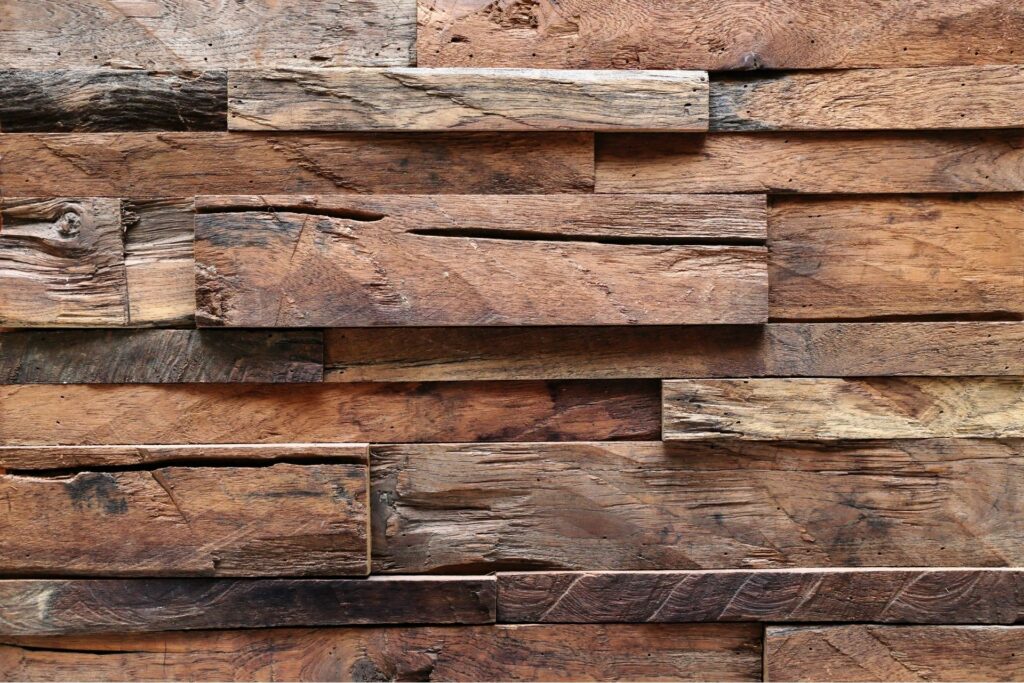
Timber Retaining Walls
Timber retaining walls are one of the most common choices in residential properties due to their affordability and ease of installation. However, they are also more vulnerable to long-term wear.
- Cost-effective option: Timber is generally cheaper upfront, making it attractive for many homeowners.
- Limited lifespan: Exposure to moisture and soil contact can lead to rot and structural weakening over time.
- Maintenance needs: Regular inspection and treatment are required to extend the life of a timber wall.
Concrete And Block Walls
Concrete and block retaining walls offer greater strength and durability compared to timber, making them suitable for larger or higher-load applications.
- High structural strength: These walls can handle significant soil pressure when properly engineered.
- Long-term durability: Concrete is resistant to rot and weather damage, though cracking can occur if drainage is poor.
- Engineering requirements: Proper design and reinforcement are essential to prevent failure.
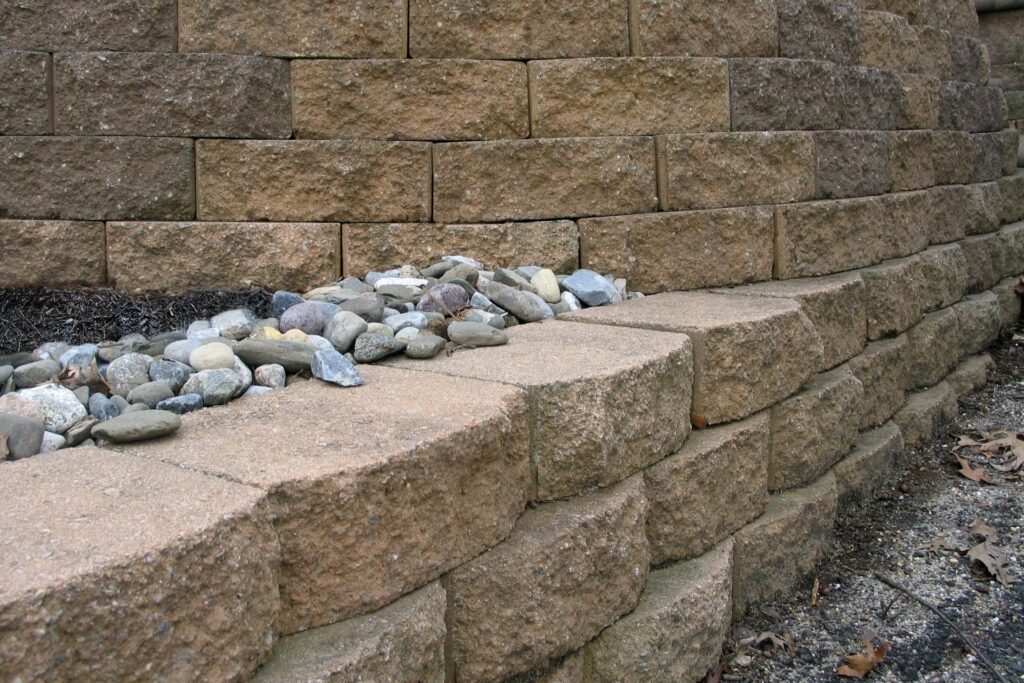
Keystone Or Segmental Systems
Segmental retaining wall systems, often referred to as keystone systems, are designed for flexibility and ease of installation while maintaining structural integrity.
- Modular design: Interlocking blocks allow for controlled movement without immediate failure.
- Improved drainage: Many systems are built with drainage considerations, reducing water pressure behind the wall.
- Versatility: Suitable for both small landscaping projects and larger engineered walls when installed correctly.
Taking the time to understand how your retaining wall interacts with the surrounding environment can make a significant difference. Early awareness and proper care are often the key factors that separate a stable structure from a costly failure.
What Causes A Retaining Wall To Collapse?
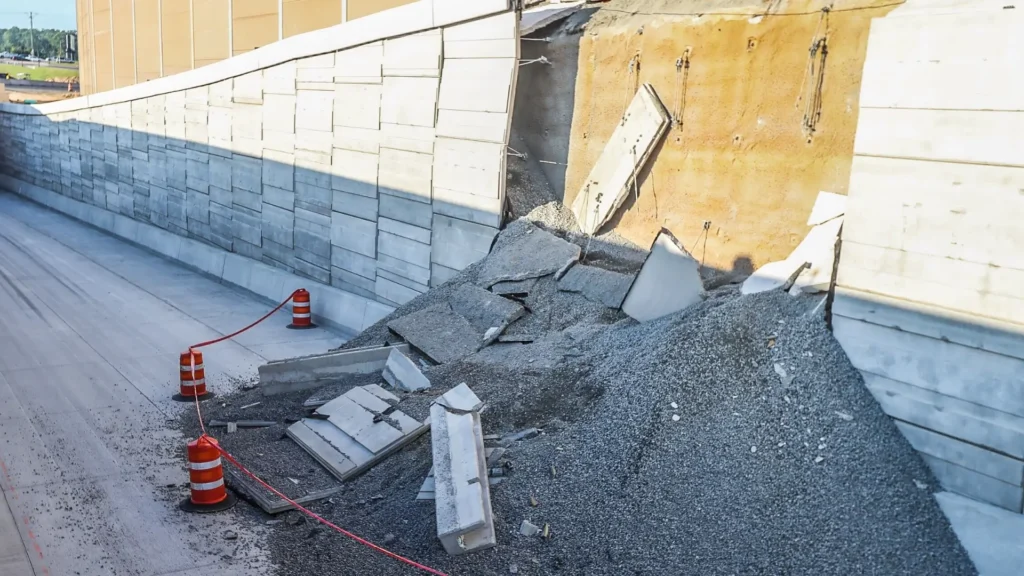
Understanding why a retaining wall fails is the first step in preventing costly damage and ensuring long-term stability. In Tauranga, a combination of environmental factors, construction quality, and ongoing maintenance all play a role. Most collapses are not caused by a single issue but rather a buildup of pressure, weakness, or neglect over time. Below are the most common causes explained in a practical and easy-to-understand way.
Poor Drainage And Water Buildup (Leading Cause)
Water is the number one reason retaining walls fail. When drainage is not properly designed or maintained, pressure builds up behind the wall and eventually forces it to give way.
Hydrostatic pressure explained simply
When rainwater soaks into the soil behind a wall, it creates weight and pressure that push outward. This is known as hydrostatic pressure. Without a way for water to escape, that pressure increases with every rainfall event, especially in high-rainfall areas like Tauranga. Over time, even a well-built wall can begin to lean, crack, or collapse under this constant force.
Lack of drainage systems (weep holes, gravel backfill)
Proper drainage systems are essential for reducing water pressure. Without them, water becomes trapped and accelerates structural failure.
- Weep holes: Small openings in the wall that allow trapped water to drain out instead of building pressure
- Gravel backfill: Free-draining material placed behind the wall to prevent water retention
- Drainage pipes: Subsurface pipes that redirect water away from the structure
If any of these are missing, blocked, or poorly installed, the risk of collapse increases significantly.
Structural Design Or Construction Issues
Even before environmental factors come into play, the way a retaining wall is designed and built has a major impact on its lifespan and strength.
Inadequate engineering
Walls that are not designed with site-specific conditions in mind often fail prematurely. Factors like soil type, slope angle, and wall height must be carefully calculated. Without proper engineering, the wall may not be strong enough to resist pressure over time.
Incorrect materials or installation
Using the wrong materials or cutting corners during installation can weaken the entire structure. Common issues include:
- Low-quality materials: Timber that is not treated or concrete that lacks strength
- Poor installation techniques: Incorrect spacing, weak foundations, or insufficient anchoring
- Lack of reinforcement: Missing structural supports such as geogrid or steel reinforcement
These problems may not be obvious immediately but can lead to failure as stress builds up.
Soil Movement And Ground Instability
The ground behind and beneath a retaining wall is constantly shifting, especially in regions with variable soil conditions.
Clay expansion, erosion, seismic activity
Different types of soil behave in different ways, and some are more problematic than others.
- Clay-heavy soil: Expands when wet and shrinks when dry, creating repeated pressure cycles
- Erosion-prone soil: Gradually washes away, weakening the support behind the wall
- Seismic movement: Even minor ground movement can destabilize poorly built walls
In Tauranga, where weather patterns and terrain vary, soil movement is a common contributor to retaining wall issues.
Aging And Material Deterioration
No retaining wall lasts forever. Over time, materials naturally break down, especially when exposed to moisture and environmental stress.
Timber rot, corrosion, cracking
The type of material used will determine how the wall ages.
- Timber walls: Susceptible to rot, insect damage, and moisture-related decay
- Metal components: Can corrode over time, weakening structural connections
- Concrete walls: May develop cracks that allow water to seep in and worsen damage
Regular inspection is critical because deterioration often starts subtly and worsens if left unaddressed.
Overloading Above The Wall
Retaining walls are designed to hold back soil, not excessive additional weight. Adding load above the wall can quickly exceed its capacity.
Vehicles, structures, landscaping weight
Extra weight placed too close to the wall increases pressure and stress on the structure.
- Vehicles or driveways: Parking near the edge adds significant load
- Buildings or sheds: Structures built above the wall increase downward and outward force
- Heavy landscaping: Large planters, pools, or dense soil layers can contribute to overload
Even a properly built wall can fail if it is subjected to more weight than it was designed to handle.
A retaining wall rarely collapses without warning. In most cases, the signs are there early on, whether it is poor drainage, slight movement, or visible wear. Understanding these causes allows homeowners to take proactive steps, reduce risk, and make informed decisions before a small issue turns into a major structural problem.
Warning Signs Your Retaining Wall May Be Failing
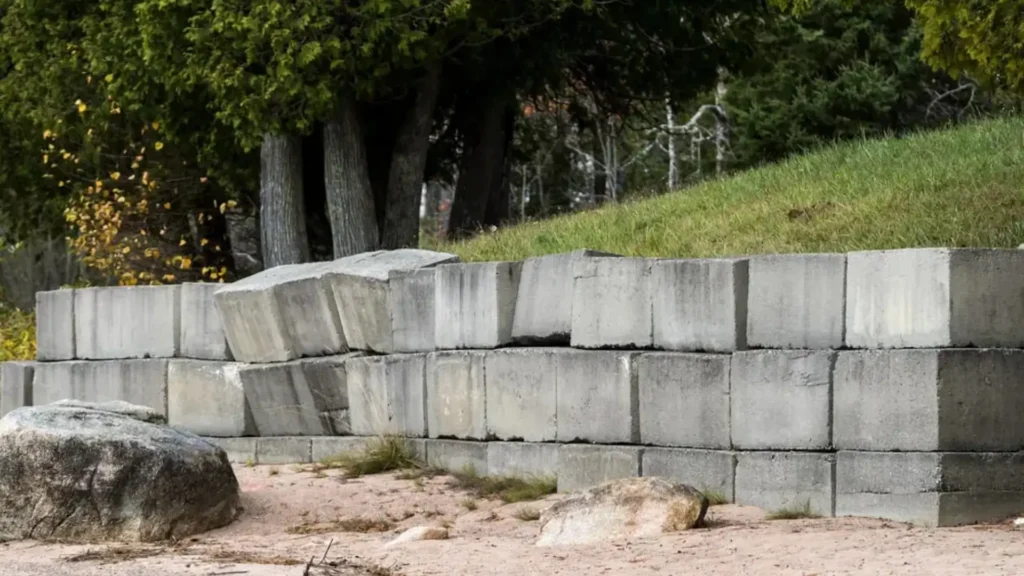
Retaining wall failure rarely happens without warning. In most cases, there are clear signs that develop over time, especially in areas like Tauranga where heavy rainfall and shifting soil conditions are common. Knowing what to look for can help you act early, avoid costly repairs, and reduce safety risks around your property.
Visible Signs
Some of the most obvious indicators of a failing retaining wall can be seen with a quick visual inspection. These signs often point to structural stress or underlying issues that need attention.
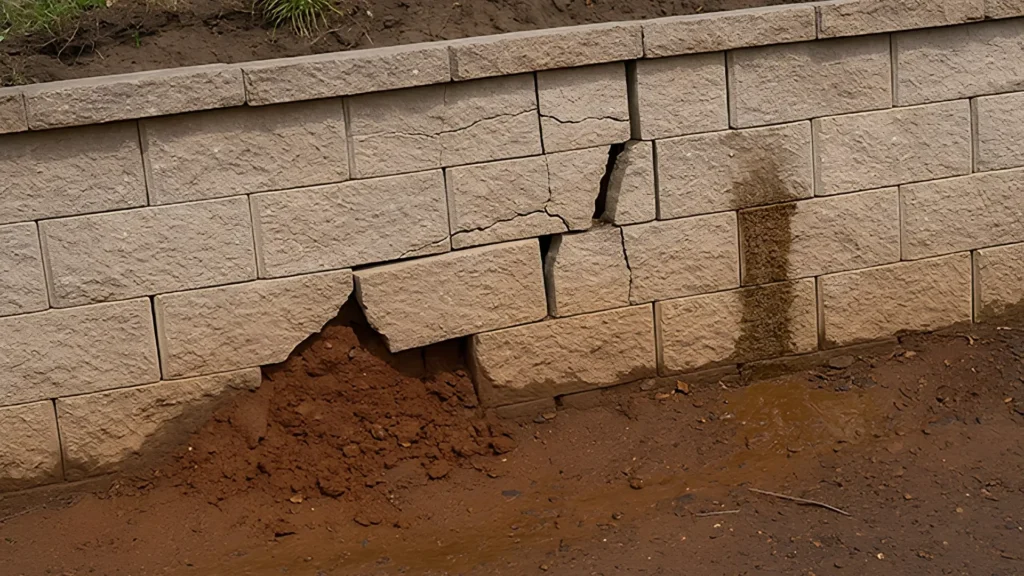
- Leaning or tilting wall: A retaining wall that is no longer upright is one of the clearest signs of structural failure. Even a slight lean can indicate increasing soil pressure or foundation weakness.
- Bulging sections: When part of the wall appears to push outward, it usually means there is excessive pressure building up behind it, often caused by poor drainage.
- Cracks in the wall: Cracks, especially horizontal ones, suggest the wall is under stress and beginning to fail structurally. Vertical cracks may indicate foundation movement.
- Water seepage or pooling: Water escaping through the wall or collecting at the base is a sign of inadequate drainage, which can weaken the structure over time.
Subtle Early Indicators
Not all warning signs are immediately obvious. Some early-stage issues develop gradually and are easy to overlook, but they can signal deeper problems if left unaddressed.
- Soil movement or sinking ground: If the ground above or near the wall begins to shift, settle, or sink, it may indicate that the wall is no longer effectively holding back the soil.
- Gaps forming behind the wall: Spaces appearing between the wall and the soil behind it can suggest movement or separation, often caused by erosion or poor backfill compaction.
When To Act Immediately
Certain situations require urgent attention, as they can quickly escalate into serious safety hazards or property damage.
- Sudden movement after heavy rain: Rapid changes in the wall’s position following rainfall often indicate increased water pressure and a high risk of collapse.
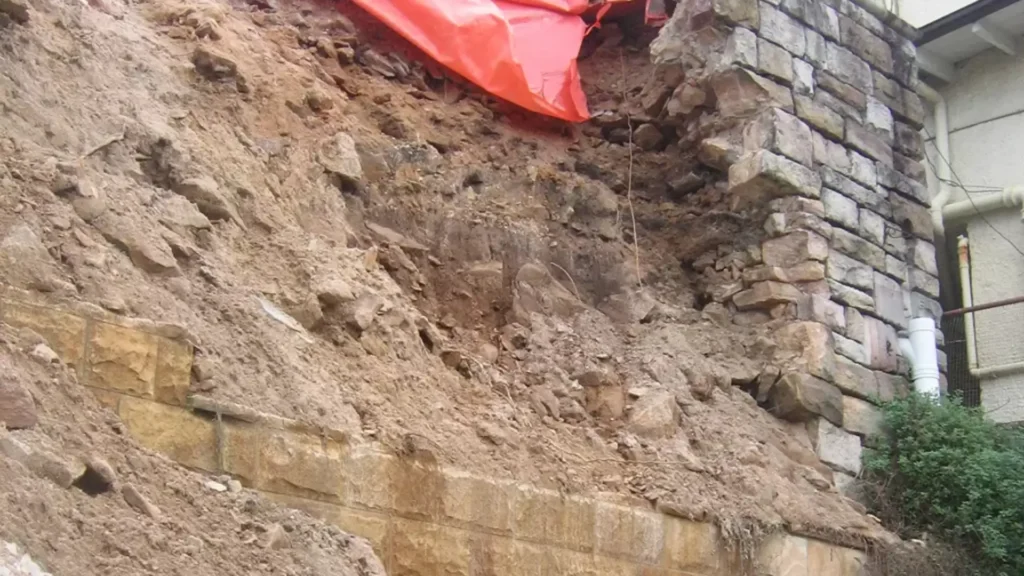
- Partial collapse or falling debris: If any section of the wall has already failed or materials are breaking away, the structure is unstable and should be treated as a safety risk immediately.
Spotting these warning signs early allows you to take action before the problem becomes more severe. In many cases, a professional inspection can identify the root cause and help you determine whether repairs or replacement are needed.
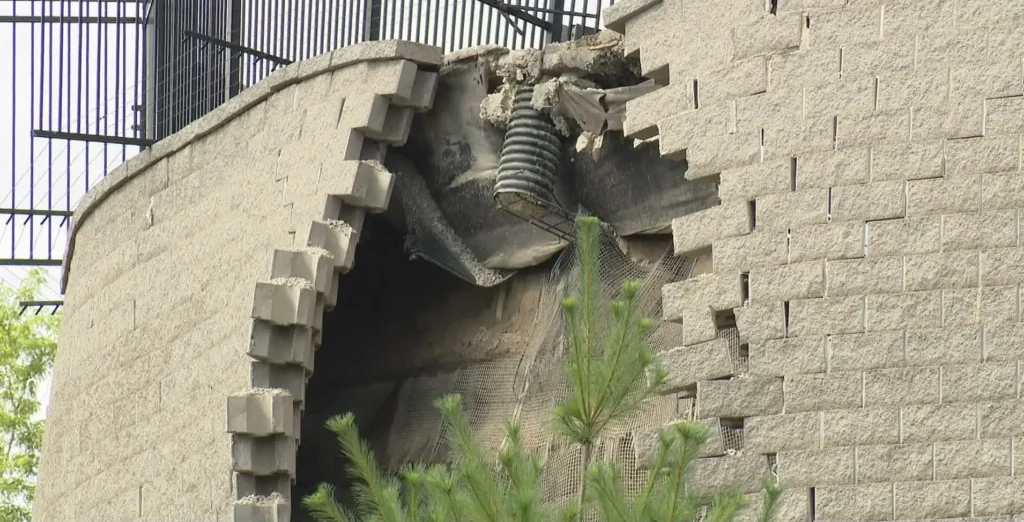
What To Do If A Retaining Wall Collapses In Tauranga
A retaining wall collapse can be sudden, stressful, and potentially dangerous, especially in Tauranga where sloped terrain and heavy rainfall can quickly worsen the situation. Knowing exactly what to do in the immediate aftermath can help protect people, reduce further damage, and put you in a stronger position when dealing with repairs, insurance, and local requirements. Taking calm, well-informed steps early on is critical for both safety and long-term outcomes.
Immediate Safety Steps
Your first priority should always be safety. A failed retaining wall can lead to unstable ground, falling debris, or additional collapse if the underlying issue is not addressed quickly.
- Restrict access: Keep family members, neighbours, and pets away from the affected area to prevent injury from loose soil or falling materials
- Stabilise the surroundings: Avoid walking or placing weight near the collapsed section, as the ground may be unstable or prone to further movement
- Remove added pressure: If possible, reduce any extra load above the wall such as vehicles, heavy equipment, or stored materials that could worsen the failure
In many cases, what looks like a single collapse can actually be part of a larger structural issue, so it is important to treat the entire area as potentially unstable until assessed by a professional.
Document The Damage
Proper documentation is essential, particularly if you plan to file an insurance claim or need to demonstrate the extent of the damage to contractors or council authorities.
- Take clear photos: Capture wide-angle and close-up images of the collapse, surrounding land, and any visible contributing factors like drainage issues or cracks
- Record timelines: Note when the collapse occurred, recent weather conditions, and any prior warning signs such as leaning or water buildup
- Keep detailed notes: Document conversations, observations, and any temporary actions you take, as these can support insurance assessments or engineering reports
Thorough documentation helps establish whether the damage was sudden or gradual, which can significantly affect insurance outcomes in New Zealand.
Contact The Right Professionals
Once the area is secure and documented, the next step is to involve qualified professionals who can assess the situation accurately and recommend safe, compliant solutions.
- Engage a structural engineer: A qualified engineer can evaluate the cause of the retaining wall failure and provide a design for repair or replacement that meets safety standards
- Consult experienced contractors: Local retaining wall specialists understand Tauranga’s soil conditions and can carry out repairs based on engineered plans
- Notify Tauranga City Council if required: If the collapse affects neighbouring properties, public land, or involves a large structure, council involvement may be necessary to ensure compliance and safety
Working with the right experts early helps prevent costly mistakes and ensures the repair process meets both legal and structural requirements.
Check Insurance Coverage
Understanding your insurance position is an important step, as not all retaining wall collapses are covered under standard policies in New Zealand.
- Review your policy details: Coverage often depends on the cause of the collapse, with sudden events like storms more likely to be included than gradual deterioration
- Contact your insurer promptly: Early notification allows the insurer to guide you on next steps, including inspections or claim requirements
- Understand exclusions: Many policies exclude damage caused by poor maintenance, design defects, or long-term wear, so clarity here is essential before proceeding with repairs
Taking the right steps immediately after a retaining wall collapse can make a significant difference in both safety and cost. Acting quickly, documenting thoroughly, and involving qualified professionals will help you regain control of the situation and move toward a safe, long-term solution.
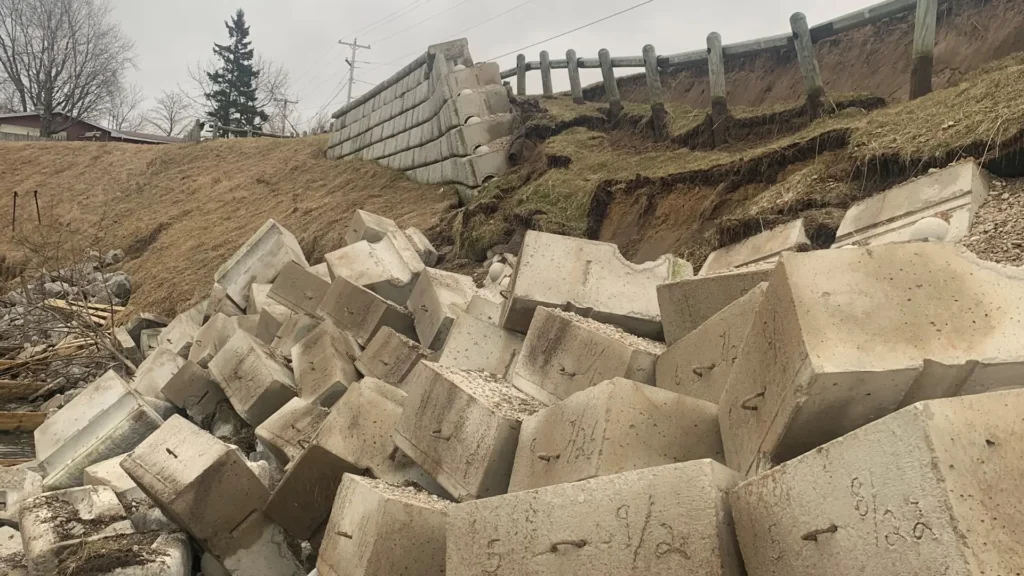
Repair Vs Replacement: What Are Your Options?
When a retaining wall shows signs of failure, one of the most important decisions you will face is whether to repair the existing structure or invest in a full replacement. This choice depends on the severity of the damage, the original construction quality, and the long-term stability of the site. Making the right call early can save significant costs and prevent recurring issues, especially in areas like Tauranga where soil movement and water pressure are common challenges.
When Repairs Are Possible
In some cases, a retaining wall can be restored without the need for a complete rebuild. Repairs are typically suitable when the damage is minor and the underlying structure remains sound. Addressing these issues early can extend the life of the wall and prevent more serious failure.
- Minor leaning: A slight tilt can often be corrected if the foundation is still stable and the movement has not progressed significantly
- Drainage issues: Poor water drainage is a leading cause of pressure buildup, and installing proper drainage systems such as gravel backfill or perforated pipes can relieve stress on the wall
- Surface damage: Cracks, small gaps, or localized deterioration can often be repaired without compromising the overall structure
- Early-stage movement: If detected early, soil shifting behind the wall can sometimes be stabilized with reinforcement techniques
The key factor is whether the wall still has structural integrity. A professional inspection is essential to confirm that repairs will be effective and not just a short-term fix.
When Full Replacement Is Required
There are situations where repairing a retaining wall is no longer safe or cost-effective. When the structure has failed at a fundamental level, replacement becomes the only reliable solution. While this may involve a higher upfront cost, it provides long-term stability and peace of mind.
- Structural failure: Walls that have collapsed, severely bulged, or shifted significantly usually cannot be repaired safely
- Poor original design: If the wall was not properly engineered or built with inadequate materials, repairs may only delay another failure
- Foundation instability: Movement at the base of the wall indicates deeper ground issues that require a complete rebuild
- Extensive material deterioration: Rotting timber, corroded reinforcements, or widespread cracking weaken the entire structure
In these cases, rebuilding allows for proper engineering, improved drainage systems, and materials better suited to Tauranga’s environment. A well-designed replacement wall will not only restore safety but also add long-term value to the property.
Temporary Fixes Vs Long-Term Solutions
When facing a retaining wall issue, it can be tempting to apply quick fixes to reduce immediate costs. However, these temporary measures often fail to address the root cause and can lead to more expensive repairs in the future.
- Short-term patching: Filling cracks or straightening sections without fixing drainage or structural problems often results in recurring damage
- Ignoring underlying causes: Water pressure, soil movement, and poor construction must be addressed to prevent repeat failures
- Increased long-term cost: Repeated minor repairs can quickly add up and may exceed the cost of a proper rebuild
- Safety risks: Temporary fixes can create a false sense of security while the structure continues to weaken
A long-term solution focuses on correcting the underlying issues, including proper drainage design, adequate structural support, and the use of durable materials. Investing in a well-built retaining wall from the start is almost always more cost-effective and safer over time.
Choosing between repair and replacement is not just about cost but about ensuring the safety and stability of your property. A qualified professional can assess the condition of your wall and recommend the most appropriate solution based on your specific situation.
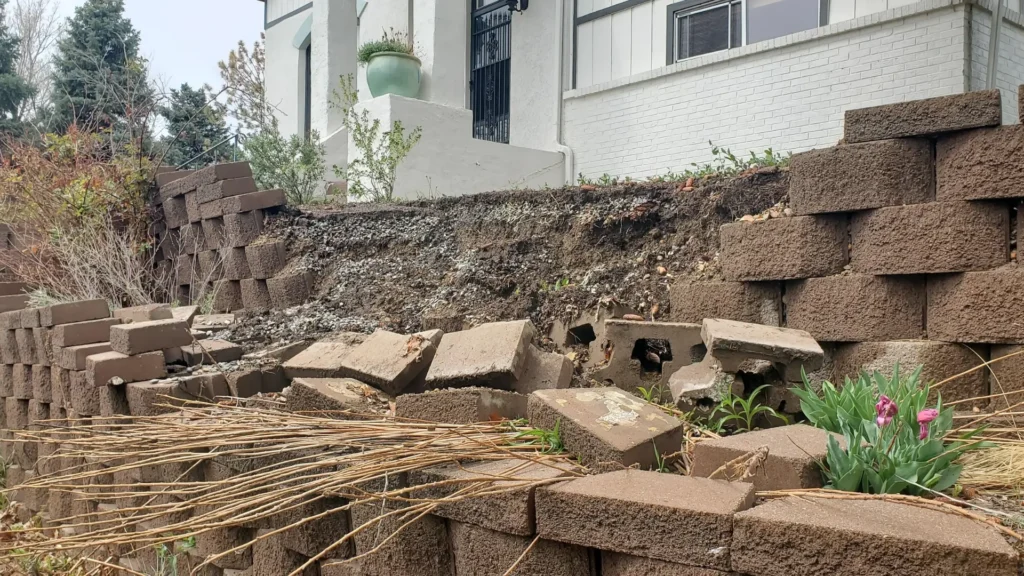
Cost Of Retaining Wall Repair Or Replacement In Tauranga
Understanding the cost of repairing or replacing a retaining wall in Tauranga helps you plan ahead and avoid unexpected expenses. Prices can vary widely depending on the type of wall, the extent of the damage, and the complexity of the site. While it may be tempting to look for quick fixes, investing in a properly designed and well-built solution is often more cost-effective in the long run, especially in areas with challenging soil conditions and frequent rainfall.
Typical Price Ranges (NZ Context)
The cost of retaining wall work in Tauranga largely depends on the material used and whether the wall is a simple repair or a full replacement. Timber walls are generally the most affordable option, but they have a shorter lifespan compared to more durable alternatives. Concrete and engineered systems tend to cost more upfront but offer better long-term performance and structural reliability.
- Timber retaining walls: Typically range from $300 to $600 per square metre, depending on timber quality and treatment. These are common in residential properties but may require replacement sooner due to moisture exposure.
- Concrete or block walls: Usually fall between $600 and $1,200 per square metre. These provide greater strength and durability, making them suitable for higher-load or long-term applications.
- Engineered retaining walls: Can range from $1,000 to $2,000+ per square metre, especially for complex or load-bearing structures. These systems are designed by engineers and are often required for taller or high-risk installations.
It is important to note that these are general estimates, and actual costs can vary based on site-specific conditions and contractor expertise.
Factors That Affect Cost
Several variables influence the final cost of a retaining wall project, and understanding these can help you make informed decisions when comparing quotes or planning a budget.
- Wall height and size: Taller and longer walls require more materials, deeper foundations, and often engineering approval, all of which increase costs. A small garden wall will be significantly cheaper than a large load-bearing structure.
- Site accessibility: Properties with limited access, steep terrain, or tight working spaces may require specialised equipment or additional labour. This can increase both time and cost for construction or repairs.
- Engineering requirements: Walls above certain height thresholds or those supporting significant loads often require a structural engineer’s design and inspection. While this adds to upfront costs, it ensures safety and compliance with local building standards.
Hidden Costs To Consider
Beyond the visible construction expenses, there are several additional costs that homeowners often overlook when budgeting for retaining wall repairs or replacement.
- Drainage upgrades: Proper drainage is critical for preventing future failure. Installing gravel backfill, drainage pipes, and weep holes may add to the cost but significantly improves the wall’s lifespan and performance.
- Consent and compliance: Depending on the wall height and location, you may need council consent and inspections. Fees for permits, documentation, and approvals can add to the overall project cost.
A well-planned retaining wall project is not just about fixing a problem but about protecting your property for years to come. By understanding the true cost and investing in the right solution, you can reduce long-term risks and avoid repeated repairs.
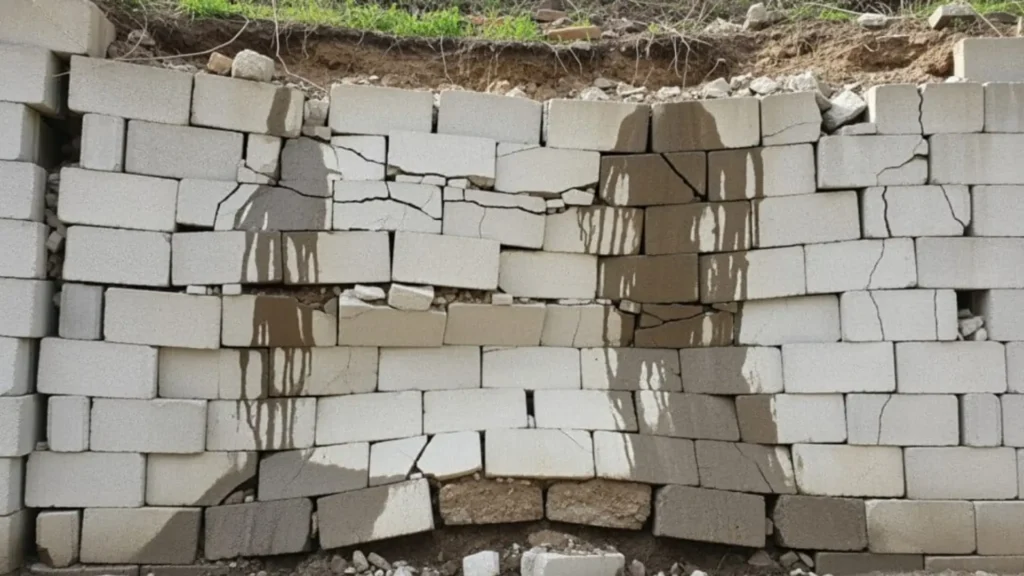
Tauranga Regulations & Building Requirements
Understanding the regulatory landscape around retaining walls in Tauranga is essential before starting any repair or construction work. Local rules are designed to ensure structural safety, protect neighboring properties, and reduce long-term risks. Failing to follow these requirements can lead to fines, project delays, or even forced removal of non-compliant structures.
When You Need Council Consent
Council consent is often required depending on the height, location, and impact of the retaining wall. In Tauranga, retaining walls that exceed certain thresholds or affect nearby structures typically fall under building consent requirements.
- Height threshold rules: Retaining walls higher than 1.5 meters usually require building consent, especially if they support additional loads such as driveways, buildings, or fences
- Load-bearing considerations: Even walls under 1.5 meters may need approval if they are supporting significant weight or are close to property boundaries
- Boundary proximity: Walls built near neighboring properties may require additional approvals to ensure they do not compromise adjacent land stability
It is always best to confirm requirements directly with Tauranga City Council or consult a professional before starting any work, as site-specific factors can influence consent requirements.
Importance Of Engineering Approval
Engineering approval plays a critical role in ensuring that a retaining wall is structurally sound and built to withstand environmental pressures over time. This is especially important in areas like Tauranga where soil conditions and weather patterns can increase the risk of failure.
- Structural integrity assurance: A qualified engineer evaluates soil conditions, drainage needs, and load factors to design a wall that will perform safely
- Compliance with NZ standards: Engineering plans ensure the wall meets New Zealand building codes and safety regulations
- Risk reduction: Proper design reduces the likelihood of collapse, protecting both property and personal safety
Skipping this step may save money upfront, but it often leads to costly repairs, compliance issues, or dangerous structural failures later.
Working With Qualified Professionals
Hiring experienced and licensed professionals is one of the most important decisions you can make when dealing with retaining walls. In New Zealand, certain types of work must be carried out or supervised by Licensed Building Practitioners to meet legal and safety standards.
- Licensed Building Practitioners: These professionals are certified to carry out restricted building work and ensure compliance with national regulations
- Qualified engineers: Structural or geotechnical engineers provide the technical expertise needed for safe design and construction
- Local experience advantage: Contractors familiar with Tauranga’s soil conditions, weather patterns, and council processes can help avoid common issues and delays
Understanding and following Tauranga’s building requirements is not just about ticking boxes, it is about protecting your property, your investment, and the safety of those around you. Taking the time to get it right from the start can prevent costly mistakes and provide long-term peace of mind.
How To Prevent Retaining Wall Failure
Preventing a retaining wall from failing is far more cost-effective and less stressful than dealing with a collapse after it happens. In a place like Tauranga, where heavy rainfall and sloped properties are common, long-term performance depends on proper design, quality materials, and consistent maintenance. By understanding how these elements work together, homeowners can significantly reduce the risk of structural issues and extend the lifespan of their retaining wall.
Proper Drainage Installation
Drainage is the single most important factor in preventing retaining wall failure. When water builds up behind a wall, it creates hydrostatic pressure that can push the structure forward or cause it to crack and collapse. A well-designed drainage system allows water to flow away safely rather than accumulate.
- Gravel backfill: This layer sits behind the wall and allows water to drain freely instead of being trapped in dense soil. It also reduces pressure by preventing soil saturation.
- Drainage pipes: Perforated pipes installed at the base of the wall collect and redirect water away from the structure. These pipes should lead to a safe outlet to prevent pooling.
- Weep holes: Small openings in the wall allow water to escape, reducing internal pressure and preventing long-term damage.
- Proper slope management: Ensuring the ground above the wall slopes away helps minimize water flowing directly toward the structure during heavy rain.
Without these elements, even a well-built retaining wall can fail prematurely, especially in high-rainfall areas like Tauranga.
Choosing The Right Materials
The materials used in a retaining wall play a major role in how well it withstands environmental conditions over time. Selecting climate-appropriate and site-specific materials ensures durability and reduces the need for frequent repairs.
- Treated timber: Common in residential properties, but must be properly treated to resist moisture and rot. Best suited for lower-height walls with good drainage.
- Concrete blocks or poured concrete: Highly durable and suitable for larger, load-bearing walls. These options provide long-term stability when properly engineered.
- Segmental retaining wall systems: Interlocking blocks designed for flexibility and strength, making them effective in areas with soil movement.
- Corrosion-resistant components: Metal reinforcements and fixings should be resistant to moisture to prevent weakening over time.
Choosing the wrong material for the environment or wall height can lead to early deterioration and structural failure, even if the initial construction appears sound.
Regular Inspection And Maintenance
Routine inspection is essential for identifying small issues before they develop into major structural problems. A proactive approach to maintenance can significantly extend the life of a retaining wall and reduce repair costs.
- Check for movement: Look for signs of leaning, bulging, or shifting, especially after heavy rainfall.
- Inspect drainage performance: Ensure water is not pooling behind or around the wall and that drainage systems remain clear.
- Examine surface condition: Watch for cracks, rot in timber, or erosion around the base of the wall.
- Monitor surrounding soil: Changes in ground level or soft, saturated soil can indicate underlying issues.
Annual inspections, along with additional checks after storms, help catch early warning signs and allow for timely intervention.
Avoiding Common Homeowner Mistakes
Many retaining wall failures are preventable and often result from simple oversights. Understanding these common mistakes helps homeowners make better decisions and avoid unnecessary risks.
- Ignoring early warning signs: Small cracks or slight leaning may seem minor, but they often indicate deeper structural problems that will worsen over time.
- Adding extra load unknowingly: Placing heavy objects, building structures, or parking vehicles near the top of a wall increases pressure and can lead to failure.
- Poor DIY construction: Without proper design and engineering, DIY walls may lack the strength and drainage needed for long-term performance.
- Neglecting maintenance: Failing to clean drainage systems or inspect the wall regularly can allow small issues to escalate quickly.
Taking the time to invest in proper drainage, quality materials, and regular maintenance not only protects your retaining wall but also safeguards your entire property. A well-maintained wall is a long-term asset, while a neglected one can quickly become a serious liability.
Common Mistakes That Lead To Retaining Wall Collapse
Many retaining wall failures are not caused by extreme events alone, but by avoidable mistakes made during planning, construction, or maintenance. In Tauranga, where soil conditions and rainfall can place added pressure on structures, these errors can quickly turn a small issue into a serious and costly problem. Understanding these common pitfalls can help homeowners make better decisions and protect their property long term.
DIY Construction 3Without Proper Design
Taking a do-it-yourself approach may seem cost-effective at first, but retaining walls are structural elements that require proper engineering and site-specific planning. Without the right design, even a well-built wall can fail under pressure.
- Lack of structural calculations: Many DIY builds do not account for soil load, water pressure, or slope stability, leading to under-designed walls
- Incorrect wall height and footing depth: Walls that are too tall or poorly anchored are more likely to lean or collapse over time
- No allowance for local conditions: Tauranga’s soil types and rainfall patterns require tailored solutions, not generic designs
Poor Drainage Planning
Drainage is one of the most critical factors in retaining wall performance, yet it is often overlooked or poorly implemented. Water buildup behind the wall creates hydrostatic pressure, which can push the wall outward.
- Missing drainage systems: Lack of gravel backfill, drainage pipes, or weep holes prevents water from escaping
- Clogged or poorly maintained drainage: Even a well-designed system can fail if it becomes blocked with soil or debris
- Surface water mismanagement: Water flowing from above the wall can saturate the soil and increase pressure
Using Low-Quality Materials
The materials used in a retaining wall directly affect its strength, durability, and lifespan. Choosing cheaper or unsuitable materials can compromise the entire structure.
- Untreated or low-grade timber: Timber that is not properly treated will rot faster, especially in damp conditions
- Substandard concrete or blocks: Weak materials can crack under pressure and fail prematurely
- Incompatible material choices: Using materials not suited to the environment can lead to faster deterioration
Skipping Inspections
Regular inspection is essential for identifying early warning signs before they develop into major structural issues. Many homeowners only notice a problem once visible damage has already occurred.
- Ignoring small cracks or movement: Minor issues often signal deeper structural problems that need attention
- No routine maintenance checks: Annual inspections can help catch drainage issues, soil movement, or material wear
- Delaying professional assessments: Waiting too long to consult an expert can increase repair costs and risk
Hiring Unqualified Contractors
Choosing the wrong contractor can result in poor workmanship, non-compliant construction, and long-term structural issues. Not all builders have the expertise required for retaining wall construction.
- Lack of relevant experience: Contractors without retaining wall experience may not understand load-bearing requirements
- No engineering input: Complex or high walls require input from a qualified engineer to ensure safety and compliance
- Failure to meet local regulations: Non-compliant work can lead to legal issues and additional costs for corrections
A retaining wall is a long-term investment in your property’s safety and stability, and avoiding these common mistakes can make a significant difference. By prioritizing proper design, quality materials, and professional expertise, you reduce the risk of failure and ensure your wall performs as intended for years to come.
When To Call An Expert In Tauranga
Knowing when to bring in a qualified professional can make the difference between a manageable repair and a serious, high-cost structural issue. While some minor concerns may seem harmless at first, retaining wall problems often worsen quickly, especially in Tauranga’s weather-prone and slope-heavy environments. Acting early not only protects your property but also ensures safety for everyone around the affected area.
Situations That Require Immediate Professional Help
Certain warning signs should never be ignored, as they indicate a high-risk situation that requires expert evaluation and intervention.
- Structural instability: If your retaining wall is visibly leaning, bulging, or showing large cracks, this suggests that the structure is no longer able to handle the pressure behind it. In these cases, the risk of sudden collapse increases significantly, especially after heavy rainfall or ground movement.
- Property damage risk: When a failing wall begins to affect nearby structures such as driveways, fences, or the foundation of your home, the situation becomes more urgent. Soil movement and water pressure can quickly spread damage beyond the wall itself, leading to more complex and costly repairs.
In both scenarios, delaying action can escalate the problem. A qualified expert can assess the severity and recommend immediate steps to stabilize the area and prevent further damage.
What to Expect From a Professional Assessment
Bringing in a retaining wall specialist or structural engineer provides clarity and a clear path forward. A professional assessment is not just about identifying the problem but also about ensuring the right solution is applied.
- Site inspection: The expert will conduct a detailed, on-site evaluation of the wall, surrounding soil, drainage systems, and any visible damage. This helps identify both the obvious issues and underlying causes that may not be immediately visible.
- Engineering recommendations: Based on the findings, you will receive tailored advice on whether the wall can be repaired or needs full replacement. This may include design improvements, drainage upgrades, or reinforcement strategies to ensure long-term stability.
- Cost estimates: A professional will provide a realistic breakdown of expected costs, taking into account materials, labour, site conditions, and compliance requirements. This helps you plan effectively and avoid unexpected expenses later in the process.
Working with an experienced professional ensures that any solution is safe, compliant with local regulations, and built to withstand Tauranga’s environmental conditions. It also gives you confidence that the issue has been addressed correctly the first time.
References
- What Causes a Retaining Wall to Collapse?
https://engineerfix.com/what-causes-a-retaining-wall-to-collapse/ (Engineer Fix) - Retaining Wall Failure: Causes and Solutions
https://www.goldenstateshoring.com/post/retaining-wall-failure-causes-and-solutions (Golden State Shoring) - Retaining Wall Failures: Causes, Prevention, and Repair Solutions
https://vestafoundationsolutions.com/technical-papers/retaining-wall-failures-causes-prevention-and-repair-solutions/ (vestafoundationsolutions.com) - Retaining Wall Drainage: Why It Matters and How To Do It Right
https://www.mmconcrete.com/ConcreteWebsite/post-retaining-wall-drainage-why-it-matters-and-how-to-do-it-right (mmconcrete.com) - Retaining Wall Failure After Rain & Storms: Causes Guide
https://www.erwalls.com/retaining-wall-failure-after-rain-storm (erwalls.com)
FAQs: About Retaining Wall Collapse In Tauranga
Conclusion
Retaining wall failures are rarely sudden events without warning, and in most cases, they can be avoided through early detection, proper construction, and ongoing maintenance that reflects the demands of Tauranga’s environment. By paying attention to early warning signs such as minor cracks, slight leaning, or poor drainage, homeowners can address issues before they escalate into costly and potentially dangerous structural failures. Investing in a well-designed, properly engineered retaining wall from the start not only ensures compliance with local requirements but also provides long-term stability and peace of mind. Ultimately, taking a proactive, safety-first approach and viewing your retaining wall as a long-term investment rather than a short-term fix will help protect your property, maintain its value, and prevent avoidable damage in the years ahead.
Find A Professional Retaining Walls Company Near You!
- Retaining Wall Builders Hastings
- Retaining Wall Builders Hawkes Bay
- Retaining Wall Builders Kapiti
- Retaining Wall Builders Levin
- Retaining Wall Builders Lower Hutt
- Retaining Wall Builders Manawatu
- Retaining Wall Builders Napier
- Retaining Wall Builders Palmerston North
- Retaining Wall Builders Porirua
- Retaining Wall Builders Upper Hutt
- Retaining Wall Builders Wellington
- Retaining Wall Installation Manawatu
- Retaining Walls Nelson
- Retaining Walls Tauranga
- Gabion and Timber Retaining Walls Kapiti
- Retaining Wall Builders Auckland
- Retaining Wall Builders Hamilton
- Retaining Wall Builders Northland
- Retaining Wall Builders Tauranga
- Retaining Wall Builders Waikato
- Retaining Wall Builders Whangarei
- Retaining Walls Christchurch
- Retaining Walls Coromandel, Waihi, and Paeroa
- Retaining Walls Dannevirke
- Retaining Walls Kerikeri
- Retaining Walls Mangawhai
- Retaining Walls Paihia
- Retaining Walls Rotorua
- Retaining Walls Warkworth

About the Author:
Mike Veail is a recognized digital marketing expert with over 6 years of experience in helping tradespeople and small businesses thrive online. A former quantity surveyor, Mike combines deep industry knowledge with hands-on expertise in SEO and Google Ads. His marketing strategies are tailored to the specific needs of the trades sector, helping businesses increase visibility and generate more leads through proven, ethical methods.
Mike has successfully partnered with numerous companies, establishing a track record of delivering measurable results. His work has been featured across various platforms that showcase his expertise in lead generation and online marketing for the trades sector.
Learn more about Mike's experience and services at https://theleadguy.online or follow him on social media: