Welcome to our comprehensive guide on choosing the best superplasticizer for concrete. Whether you’re a contractor, builder, or DIY enthusiast, understanding the right superplasticizer can significantly improve the quality and workability of your concrete mixes. Superplasticizers enhance the flow and reduce the water content in concrete, allowing for stronger, more durable results, especially in complex or large-scale projects. In this article, we’ll explore the different types of superplasticizers, how they work, and what factors to consider when selecting the right one for your needs. By the end, you’ll have a clear understanding of how to make informed decisions that will elevate the performance of your concrete and ensure your projects meet the highest standards of strength and durability.
The best superplasticizer for concrete depends on your project’s specific needs. Polycarboxylate-based superplasticizers are ideal for high-strength, self-compacting concrete, while naphthalene-based superplasticizers offer a cost-effective solution for general applications. Choose a superplasticizer based on workability, curing time, and compatibility with other additives to achieve optimal concrete performance.
- What Is A Superplasticizer?
- How Superplasticizers Work: The Science Behind The Magic
- Why You Need The Best Superplasticizer For Concrete
- Top Factors To Consider When Choosing A Superplasticizer
- Best Superplasticizers For Concrete
- Practical Application: How To Use Superplasticizers Effectively
- Common Mistakes When Using Superplasticizers
- Expert Insights: How To Choose The Right Superplasticizer For Your Concrete Project
- References
- FAQs: About Best Superplasticizer For Concrete
- Conclusion
- Find A Professional Concrete Company Near You!
What Is A Superplasticizer?
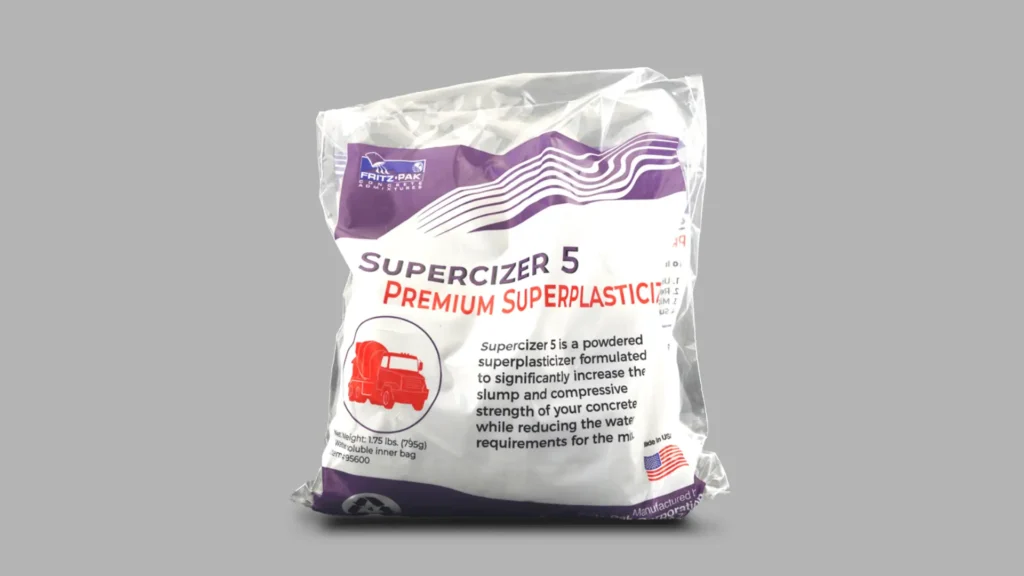
A superplasticizer is a type of chemical admixture used in concrete to enhance its flowability without compromising its strength. It is classified as a high-range water reducer, which means that it helps reduce the water-to-cement ratio in concrete mixtures while maintaining or improving workability. Superplasticizers are particularly useful for producing high-performance concrete with a smooth, workable consistency, even at lower water contents.
These additives improve the flow of concrete, making it easier to mix, pour, and shape, while also increasing the strength of the finished product. By reducing the need for excess water, superplasticizers help create denser, more durable concrete that can withstand harsh environmental conditions. As a result, they are essential in applications like self-compacting concrete, high-strength concrete, and complex architectural designs.
Definition and Purpose
Superplasticizers are chemical additives specifically designed to increase the fluidity of concrete without adding extra water. They are commonly referred to as high-range water reducers, and their primary purpose is to improve the workability of concrete without sacrificing its strength or durability.
- Improved Flowability: Superplasticizers disperse the cement particles in the mix, preventing clumping, which results in a smoother, more fluid concrete mix. This makes it easier to pour and finish concrete, especially in intricate molds or tight spaces.
- Strength Retention: One of the key advantages of using superplasticizers is that they allow for a lower water-to-cement ratio, which helps to increase the strength of the cured concrete. The reduced water content prevents excessive porosity, leading to denser, more durable concrete with better compressive strength.
- Enhanced Performance: In addition to improving the ease of handling and placing concrete, superplasticizers contribute to a more uniform distribution of materials within the mix, ensuring a more consistent, high-quality result across large projects.
Types of Superplasticizers
There are several types of superplasticizers available, each with specific characteristics that make them suitable for different types of concrete mixes and construction needs. The three most common types are sulfonated naphthalene formaldehyde, melamine formaldehyde, and polycarboxylate-based superplasticizers. Let’s explore the differences and when to use each type.
- Sulfonated Naphthalene Formaldehyde:
- Description: This type of superplasticizer is one of the oldest and most widely used. It is known for its ability to significantly reduce water content in the mix, often by up to 30%.
- Performance: Naphthalene-based superplasticizers are effective for high-strength concrete applications, as they provide a good balance of workability and compressive strength.
- Cost: They tend to be less expensive than other types of superplasticizers, making them an economical option for standard concrete mixes.
- Best Use: Ideal for large-scale construction projects where cost efficiency is essential without sacrificing concrete quality.
- Melamine Formaldehyde:
- Description: Melamine-based superplasticizers are similar to naphthalene-based ones but offer better dispersion, which results in higher performance.
- Performance: These superplasticizers provide improved flow and workability while reducing the water content. They also tend to increase early-age strength.
- Cost: Typically, melamine-based superplasticizers are more expensive than naphthalene-based ones due to their enhanced performance.
- Best Use: Suitable for high-performance concrete, where improved workability and early strength gain are critical, such as in precast concrete or fast-paced construction projects.
- Polycarboxylate-Based:
- Description: Polycarboxylate-based superplasticizers are the most advanced and effective type. They offer excellent performance in terms of workability, setting time, and final strength.
- Performance: These superplasticizers are highly effective in low-water-content mixes and are known for their superior dispersion of cement particles. They also have a longer-lasting effect, which means the concrete remains workable for longer periods without setting prematurely.
- Cost: Polycarboxylate-based superplasticizers are typically the most expensive of the three options, but their superior performance justifies the higher cost in many cases.
- Best Use: They are ideal for demanding applications such as self-compacting concrete, high-performance concrete, and projects that require superior durability and long-term strength.
Each of these superplasticizers serves a different purpose depending on the needs of the concrete mix and the specific requirements of the construction project. The right choice will depend on factors like cost constraints, desired performance characteristics, and the complexity of the project.
How Superplasticizers Work: The Science Behind The Magic
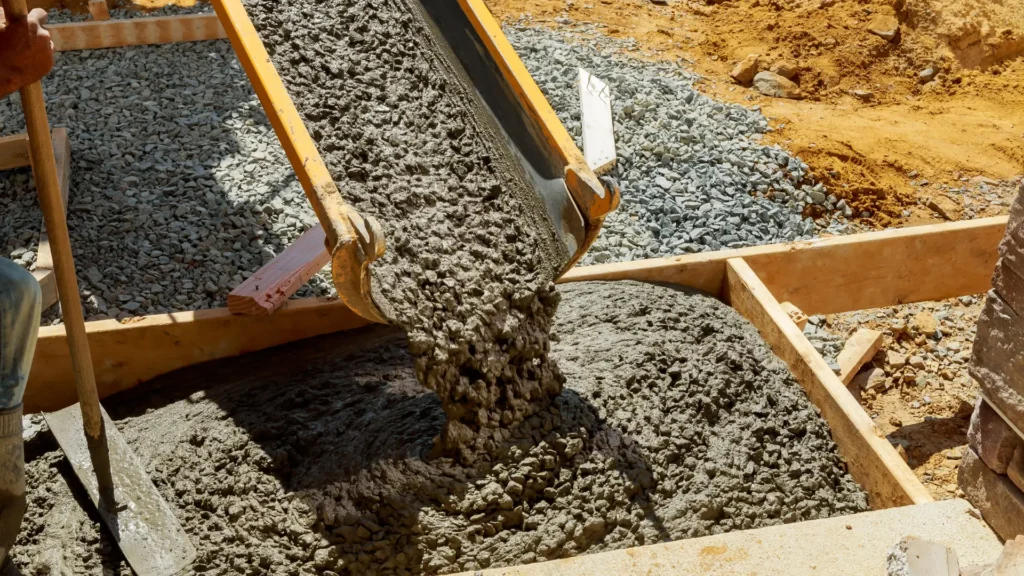
Superplasticizers are one of the most valuable admixtures in modern concrete, offering a range of benefits that can enhance the quality and performance of concrete mixes. By improving the flowability and reducing the water content, they help create stronger, more durable concrete without compromising workability. Let’s dive into the science behind superplasticizers and explore how they achieve their impressive results.
Chemical Mechanism
Superplasticizers work through a chemical process that reduces the friction between cement particles in the mix, allowing for better dispersion and fluidity. This is critical because cement particles tend to clump together, creating lumps and inconsistencies in the mix. By dispersing the particles, superplasticizers ensure that the mix remains smooth and workable, even with lower water content.
- Dispersing Cement Particles: Superplasticizers act as dispersing agents. They coat the surface of cement particles with a negative charge, which causes the particles to repel each other. This repulsion prevents clumping and ensures that the cement is evenly distributed throughout the mix.
- Reducing Water Demand: By improving the dispersion of cement particles, superplasticizers reduce the need for excess water to achieve a workable mix. With less water, the concrete mix maintains its desired consistency while achieving higher strength.
- Increasing Water Retention: In addition to improving dispersion, superplasticizers also help retain water within the mix. This water retention improves hydration, which is essential for the chemical reactions that make concrete strong. The result is a mix that flows more easily without sacrificing strength.
This combination of particle dispersion and water retention is what gives superplasticizers their “magic” in concrete formulations, allowing contractors to create high-strength concrete with less water, which ultimately results in a more durable end product.
Impact on Concrete Properties
The use of superplasticizers in concrete mixes brings several key benefits, particularly in terms of workability, setting time, and overall strength. By controlling the flowability and water content, superplasticizers improve the ease of handling and the long-term performance of the concrete. Here’s how superplasticizers impact the different properties of concrete:
Workability
- Improved Flowability: Superplasticizers significantly improve the flowability of concrete, making it easier to place, pump, and finish. This is especially beneficial when working with complex forms or when producing high-performance concrete that must maintain consistency over long distances.
- Reduced Segregation: One of the major challenges with high-slump concrete is segregation, where the heavier components settle while the water rises to the top. Superplasticizers reduce this problem by improving the homogeneity of the mix, ensuring that the concrete remains evenly distributed and does not separate during transportation or placement.
- Easier Handling: Concrete mixes with superplasticizers can be worked with more easily. Whether you’re placing concrete in tight spaces, finishing floors, or working on intricate designs, the enhanced workability of superplasticized concrete makes these tasks much smoother and less labor-intensive.
Setting Time
- Faster or Slower Setting Times: Depending on the type of superplasticizer used, the setting time of concrete can be adjusted. Some superplasticizers accelerate setting time, which is useful when rapid curing is necessary, such as in cold weather or during urgent construction projects. Others may retard the setting time, allowing the concrete to remain workable for a longer period, which is helpful in hot weather or large pours.
- Consistency Over Time: Superplasticizers help maintain a consistent setting time throughout the life of the mix. This consistency ensures that the concrete behaves predictably during placement and curing, making it easier for contractors to manage the timing and workflow of their projects.
Strength
- Increased Compressive Strength: By reducing the water-to-cement ratio, superplasticizers contribute to stronger concrete. Less water in the mix leads to a denser, more tightly packed structure, which improves the overall compressive strength of the concrete once it cures.
- Improved Durability: The reduction in water content also enhances the durability of concrete. With lower water-to-cement ratios, the concrete is less prone to shrinkage cracks and the effects of freezing and thawing cycles. This makes the concrete more resistant to environmental stressors, ensuring that structures last longer and perform better over time.
- High-Performance Concrete: Superplasticizers are particularly useful in high-performance concrete (HPC) applications, where high strength and low permeability are essential. In these cases, the use of superplasticizers allows for the creation of concrete that can withstand heavy loads, extreme temperatures, and other challenging conditions.
Benefits in High-Strength, High-Performance, and Self-Compacting Concrete Mixes
- High-Strength Concrete: Superplasticizers are essential for producing high-strength concrete (HSC). They allow the concrete to achieve the desired strength while reducing the water content, which is critical for achieving the high compressive strength required in demanding applications such as skyscrapers, bridges, and other large-scale structures.
- High-Performance Concrete: Superplasticizers are also used to produce high-performance concrete (HPC), which is designed to offer superior durability and resistance to environmental factors. This type of concrete is ideal for projects exposed to harsh conditions, like marine environments, chemical plants, or high-traffic infrastructure.
- Self-Compacting Concrete: Self-compacting concrete (SCC) is a type of concrete that flows easily and fills molds or forms without the need for mechanical vibration. Superplasticizers are a key component in the formulation of SCC, as they help achieve the necessary fluidity and cohesion while maintaining strength and durability.
By improving workability, controlling setting times, and enhancing strength, they are essential in a wide range of concrete applications, from everyday construction to specialized high-performance mixes. Superplasticizers offer an effective solution to create concrete that is not only easier to work with but also stronger, more durable, and better suited to challenging environments.
Why You Need The Best Superplasticizer For Concrete
When it comes to concrete construction, choosing the right superplasticizer can make all the difference in the quality and durability of your finished product. Superplasticizers are chemical additives that increase the fluidity of concrete without adding extra water, improving its workability and strength. Whether you’re working on a structural project, decorative concrete, or a specialized mix like precast, the best superplasticizer will ensure optimal results, saving time, reducing costs, and enhancing the performance of your concrete. In this section, we’ll explore how superplasticizers can be optimized for different applications and the importance of balancing cost with performance.
Optimizing Concrete Mixes for Different Applications
Superplasticizers are versatile tools in the concrete mix process, but the right one will depend on the specific requirements of your project. Whether you’re working on structural concrete, decorative concrete, or precast, each application requires its own considerations for selecting the best superplasticizer.
- Superplasticizers for Structural Concrete:
Structural concrete is primarily designed for strength and durability, especially in large-scale projects such as bridges, buildings, or highways. When choosing a superplasticizer for these applications, it’s essential to focus on options that enhance the compressive strength of the concrete while ensuring ease of workability during the pour. Polycarboxylate-based superplasticizers are often the best choice here due to their ability to significantly improve strength without compromising the mix’s workability. - Superplasticizers for Decorative Concrete:
For decorative concrete, aesthetics play a significant role alongside strength and durability. Concrete used for decorative applications like countertops, stamped concrete, or flooring needs to flow easily to achieve intricate patterns and finishes. A superplasticizer that enhances workability without affecting the mix’s visual appeal is critical. Here, naphthalene-based superplasticizers, which are cost-effective and provide good workability, may be more suitable. - Use in Precast Concrete:
Precast concrete elements, such as walls, beams, and pipes, require a superplasticizer that allows for easy molding and curing. In these applications, the best superplasticizers help reduce the water-cement ratio without compromising the formwork’s stability. Polycarboxylate-based superplasticizers are ideal here due to their superior performance in high-density mixes and quick setting times, ensuring the pieces maintain their shape and strength throughout the curing process. - Use in Ready-Mix Concrete:
Ready-mix concrete often needs to be delivered over long distances before being poured, which can affect its workability. A superplasticizer that maintains the mix’s fluidity without compromising strength over time is necessary. For ready-mix applications, high-performance superplasticizers like polycarboxylate-based additives work well as they ensure ease of transport and placement while helping to meet strength specifications when the mix reaches the job site. - Use in In-Situ Concrete:
In-situ concrete refers to concrete that is poured and set on-site, directly into its final form. When dealing with in-situ concrete, factors such as the pouring environment, the required strength, and the flowability of the mix must all be taken into account. Superplasticizers can improve the mix’s flowability, reduce segregation, and help it achieve high early-strength gains, making it more suitable for rapid construction timelines.
Cost-Efficiency vs. Performance
While the best superplasticizer can significantly improve the quality of concrete, it’s also important to find a balance between cost and performance. The ideal superplasticizer will not only enhance the workability and strength of your concrete but also provide a cost-effective solution for your project.
- Balancing Quality and Cost When Choosing the Right Superplasticizer:
The cost of superplasticizers can vary depending on the type and brand. High-end superplasticizers like polycarboxylate-based products tend to be more expensive but offer superior performance, especially in demanding projects requiring high-strength concrete. On the other hand, naphthalene-based superplasticizers are more affordable and can be sufficient for less demanding applications like decorative concrete or general-use mixes.
When choosing a superplasticizer, it’s crucial to evaluate your project’s specific requirements, including the desired workability, strength, and setting time. By carefully selecting the right type, you can ensure that you’re not overspending on performance you don’t need while still achieving the desired results. - How the Best Superplasticizer Can Reduce Water Content and Improve Long-Term Concrete Strength:
One of the primary benefits of using the best superplasticizer is its ability to reduce the water-to-cement ratio in the mix. A lower water content leads to higher concrete density and improved strength over time. In the long term, this means less shrinkage and cracking, resulting in more durable and resilient structures.
For example, in structural concrete applications, reducing the water content while maintaining the necessary workability can significantly increase compressive strength, contributing to the overall durability and lifespan of the concrete. By improving the water-cement ratio, a high-performance superplasticizer can not only strengthen the concrete immediately after curing but also enhance its long-term resistance to environmental stresses such as freeze-thaw cycles or chemical exposure.
Whether it’s structural, decorative, or precast concrete, the right superplasticizer enhances workability, strength, and durability while helping to balance cost-effectiveness and performance. By making an informed decision, you ensure that your concrete mix meets both short-term and long-term expectations.
Top Factors To Consider When Choosing A Superplasticizer
Choosing the right superplasticizer for your concrete mix requires more than just selecting a product off the shelf. Various factors, such as the composition of the concrete, environmental conditions, and compatibility with other additives, all play a critical role in achieving the desired results. Here are the top factors to consider when selecting a superplasticizer that will ensure your concrete mix performs at its best.
Concrete Composition and Desired Strength
The composition of your concrete mix, including the type of cement and aggregates, directly influences how a superplasticizer will perform. It’s essential to understand your concrete mix requirements in detail to choose the right superplasticizer for the job.
- Cement Type: Different types of cement react differently to superplasticizers. For example, Portland cement typically works well with many superplasticizers, but blends containing pozzolans or other specialty materials may require specific additives to maintain workability and strength.
- Aggregate Type: The type of aggregate used in your concrete can affect the mix’s workability and the superplasticizer’s effectiveness. Coarse aggregates with rough surfaces or angular shapes may require higher dosages of superplasticizers to achieve the same workability as mixes with finer aggregates.
- Desired Strength: If you’re aiming for high-strength concrete, you’ll likely need a superplasticizer that can reduce water content without compromising the mix’s strength. Polycarboxylate-based superplasticizers are excellent for this purpose because they provide superior water reduction and improve concrete strength, making them ideal for high-performance applications.
- Water-to-Cement Ratio: One of the key roles of superplasticizers is to improve the flow of concrete without increasing water content. By lowering the water-to-cement ratio, a superplasticizer can enhance both strength and durability. Understanding how your mix behaves with various superplasticizers helps you optimize the water-to-cement ratio for better results.
Environmental Factors
Environmental conditions are a critical consideration when choosing a superplasticizer, as they can significantly affect both the setting time and long-term performance of the concrete.
- Hot Weather: In hot weather conditions, the rapid evaporation of water can cause premature setting and affect the strength of the concrete. Superplasticizers that are specifically designed for hot weather can help control setting time by extending the workability of the mix. These superplasticizers slow down the hydration process and allow for more time to place and finish the concrete.
- Cold Weather: Conversely, cold weather can delay hydration and extend curing times. In cold environments, you may need a superplasticizer that accelerates the setting time to prevent freezing during the curing process. Look for superplasticizers with retarders or those designed to provide higher early strength in cold conditions.
- Humidity: In humid climates, excess moisture in the air can cause issues like delayed setting or surface water accumulation. Superplasticizers that help reduce water content can mitigate some of these issues by improving the efficiency of water use in the mix, reducing the risk of surface defects.
- Curing Time and Durability: Whether in hot or cold weather, curing time plays a significant role in the durability of concrete. Superplasticizers can influence the curing process by improving the mix’s initial strength and promoting more consistent curing. Understanding the effects of environmental factors on the curing rate will help ensure the concrete achieves its intended strength and durability.
Compatibility with Other Additives
Concrete mixes often require the use of multiple additives to achieve specific performance characteristics, such as air-entraining agents, retarders, or accelerators. When choosing a superplasticizer, it’s essential to consider how it will interact with these other ingredients to ensure compatibility and avoid potential issues.
- Air-Entraining Agents: These additives are used to improve the durability of concrete, especially in freeze-thaw conditions. However, they can reduce the workability of concrete. Superplasticizers designed to improve workability can offset this effect, allowing the concrete to retain both the necessary air content and the desired flowability. Always check the compatibility of the air-entraining agent with the superplasticizer you’re using.
- Retarders: Retarders are used to delay the setting time of concrete, which can be beneficial in hot weather or when a longer working time is required. Some superplasticizers have built-in retardation properties, which can be advantageous for long pours or when working in warmer climates. However, certain superplasticizers may not mix well with other retarders, so compatibility tests should be performed to ensure the mix performs as expected.
- Accelerators: Accelerators are used to speed up the curing process, which can be crucial in cold weather or for projects with tight deadlines. In these cases, superplasticizers with accelerating properties can be particularly useful. However, superplasticizers that delay setting may not work well with accelerators, so it’s important to choose a superplasticizer that either includes accelerating properties or is compatible with external accelerators.
- Testing for Compatibility: It’s always recommended to test different additives in combination to check for any negative reactions, such as excessive air loss, segregation, or inconsistent setting times. Before committing to a specific superplasticizer, performing small-scale tests with your chosen admixtures will help avoid costly mistakes on-site.
Understanding how superplasticizers interact with other admixtures will ensure that your concrete mix performs as intended, delivering the required workability, strength, and durability under various conditions. Always consult with manufacturers for compatibility guidelines and perform tests if needed to ensure a smooth, high-quality result.
Best Superplasticizers For Concrete
Choosing the right superplasticizer for your concrete mix can make a significant difference in the strength, workability, and overall quality of your finished project. Superplasticizers are a type of high-range water-reducing admixture that improves the flow and reduces the water content in concrete, allowing for a stronger and more durable mixture. Below, we’ll explore the three most popular types of superplasticizers: polycarboxylate-based, naphthalene-based, and melamine-based. We’ll provide insights on key features, benefits, and when to use each type, as well as a comparison of their price ranges and performance.
Superplasticizer #1: Polycarboxylate-Based Superplasticizers
Polycarboxylate-based superplasticizers (PCEs) are the most advanced and widely used type of superplasticizer for high-performance concrete applications. They offer significant benefits in improving the workability and strength of concrete, making them ideal for both large-scale and precision-focused projects.
Key Features, Benefits, and Best Use Cases
- Improved Workability: Polycarboxylate superplasticizers provide superior flowability with less water, resulting in easier mixing and placement of concrete.
- High Strength: They are excellent for creating high-strength concrete that is durable, which is essential for infrastructure and demanding construction projects.
- Extended Retention: Polycarboxylate-based superplasticizers maintain workability for extended periods, making them perfect for projects that require a longer set time.
- Best Use Cases: These superplasticizers are highly recommended for use in high-performance concrete (HPC), self-compacting concrete (SCC), and precast concrete. They’re especially useful in projects requiring high compressive strength, such as bridges, high-rise buildings, and large infrastructure projects.
Examples of Leading Brands or Products
- Sika ViscoCrete: A widely respected brand known for its high-performance polycarboxylate-based superplasticizers.
- BASF MasterGlenium: Another leading product that provides outstanding flowability and retention, especially in high-strength concrete mixes.
Price Range and Performance Comparisons
- Price Range: Polycarboxylate superplasticizers tend to be the more expensive option, with costs varying from $1.50 to $3.00 per liter depending on the manufacturer and the performance grade.
- Performance Comparison: In terms of performance, polycarboxylate-based superplasticizers outshine other types by offering the best balance of workability and strength. However, their cost may not be justified for every project, particularly smaller or more standard concrete pours.
Superplasticizer #2: Naphthalene-Based Superplasticizers
Naphthalene-based superplasticizers are a more cost-effective option compared to polycarboxylate superplasticizers while still offering excellent performance. These are one of the most widely used types in construction due to their affordability and reliability.
Key Features, Benefits, and Best Use Cases
- Affordability: Naphthalene-based superplasticizers are more cost-effective than polycarboxylate-based ones, making them a go-to choice for general construction applications.
- Good Flowability: They significantly improve the workability of concrete, making it easier to mix and handle, though their retention time is not as long as polycarboxylate superplasticizers.
- Increased Strength: These superplasticizers reduce the water-to-cement ratio, improving the compressive strength of the concrete mix, although not to the level of polycarboxylates.
- Best Use Cases: Naphthalene-based superplasticizers are ideal for use in standard concrete applications where high strength is not a primary concern. They are well-suited for ready-mix concrete, paving, and precast elements where cost-effectiveness is essential.
Comparison to Polycarboxylate-Based Superplasticizers
- Cost: Naphthalene-based superplasticizers are typically 20%-30% cheaper than polycarboxylate-based superplasticizers, making them the preferred choice for less demanding projects.
- Performance: While they do not perform as well as polycarboxylates in terms of retaining workability over time, they are more than adequate for most general construction needs. Their strength enhancement and workability improvements make them a solid option for projects where performance needs are moderate.
Industry Examples and Price Points
- Sika Superplasticizer: A highly recommended naphthalene-based product known for delivering great value in large-scale pours.
- BASF Glenium: A popular product that strikes a balance between cost and performance for standard concrete applications.
- Price Range: Naphthalene-based superplasticizers typically cost between $1.00 to $2.50 per liter, depending on the supplier and batch size.
Superplasticizer #3: Melamine-Based Superplasticizers
Melamine-based superplasticizers offer a unique combination of cost-efficiency and strong performance, especially when high early strength is required. These superplasticizers are ideal for projects where the concrete needs to set quickly or when workability is crucial in tight spaces.
Key Features, Benefits, and Common Applications
- Fast Setting: Melamine-based superplasticizers speed up the setting time of concrete, which can be beneficial in applications where early strength is critical.
- Good for Precast Concrete: They are often used in the production of precast concrete elements like pipes, slabs, and blocks, where quick turnaround times are essential.
- Moderate Workability: While they improve the flow of concrete, their effect is generally less pronounced than polycarboxylate and naphthalene superplasticizers, but they are still useful for many types of concrete projects.
- Best Use Cases: These superplasticizers are perfect for precast concrete, early-strength concrete, and projects where fast setting time is important. They’re commonly used in applications like tunnel linings, road pavement, and large-scale construction where quick-forming is needed.
Overview of Performance for Specific Project Types
- Precast Concrete: Melamine-based superplasticizers are ideal for precast elements due to their quick-setting properties, allowing for fast production cycles.
- Early-Strength Concrete: Projects requiring rapid strength development, such as emergency repairs or cold-weather construction, benefit from the fast-setting characteristics of melamine-based superplasticizers.
Performance Comparison
- Strength: Melamine-based superplasticizers offer solid strength development, though typically not as high as polycarboxylate-based superplasticizers.
- Setting Time: They have a faster setting time than polycarboxylates and naphthalene-based superplasticizers, making them ideal for quick-turnaround applications.
Price Range
- Price Range: Melamine-based superplasticizers are often priced between $1.00 to $2.00 per liter, making them one of the most affordable options for projects that require quick setting without compromising too much on strength.
Selecting the best superplasticizer for your concrete project depends largely on your specific needs, such as the desired strength, workability, and cost considerations. Polycarboxylate-based superplasticizers offer the best performance for high-strength and high-performance concrete, while naphthalene-based and melamine-based superplasticizers provide cost-effective solutions for general construction and quick-setting needs. Each type has its strengths, and choosing the right one will ensure that your concrete mix meets both your budget and performance requirements.
Practical Application: How To Use Superplasticizers Effectively
Superplasticizers play a key role in enhancing the workability and strength of concrete. However, to maximize their benefits, they must be used correctly. From understanding dosage guidelines to adapting for varying weather conditions, effective use of superplasticizers can ensure that your concrete mix performs optimally. This section will cover how to incorporate superplasticizers into your mix, adjust for environmental conditions, and troubleshoot common issues to ensure the best results.
Dosage and Mixing Guidelines
Proper dosage and correct mixing techniques are critical for getting the most out of superplasticizers. Too much or too little can affect both the performance of the concrete and the overall quality of the mix.
- Recommended Dosage Based on Concrete Mix Size and Type:
The amount of superplasticizer to use typically ranges from 0.5% to 2% of the cement weight. For example:- For a standard mix, a dosage of around 1% is common.
- In high-performance or self-compacting mixes, the dosage may increase to 1.5% or higher.
- High-strength concrete: For concrete intended to achieve very high strength, a higher dosage of superplasticizer can help reduce the water-cement ratio without compromising workability.
- Self-compacting concrete: A slightly higher dosage of superplasticizer (around 1.5% to 2%) is often required for these mixes, as they need to flow without vibration or excessive compaction.
- How to Incorporate Superplasticizers Into the Mix for Optimal Results:
Incorporating superplasticizers should be done carefully to ensure the mixture is consistent and fully blended.- Add at the right time: Superplasticizers should be added after the dry ingredients have been mixed, but before the final water addition. This allows for even dispersion throughout the mix.
- Avoid adding to dry mix: Adding superplasticizers to a dry mix can cause clumping and uneven distribution, which reduces its effectiveness.
- Use water control: While superplasticizers reduce the need for water, they should be used in conjunction with proper water management practices. Always ensure the water-to-cement ratio is adjusted appropriately for the desired concrete strength.
Adjusting for Weather and Other Conditions
Extreme temperatures and environmental factors can impact how superplasticizers work in your concrete mix. Understanding how to adjust your usage based on these conditions can help maintain the desired concrete properties.
- How to Modify Usage in Extreme Temperatures (Hot/Cold Weather):
Concrete performance can vary greatly under extreme weather conditions, so adjustments to your superplasticizer usage may be necessary.- Hot Weather:
- Increased evaporation: In hot conditions, evaporation of water from the mix is faster, which can lead to a quicker setting time. Superplasticizers can help maintain workability by delaying the setting time and reducing the risk of premature drying.
- Dosage adjustment: In hot weather, it may be necessary to increase the dosage of superplasticizer slightly to account for increased evaporation and maintain workability during placement.
- Cold Weather:
- Delayed setting time: In cold temperatures, the chemical reactions in the concrete slow down, resulting in a delayed setting time. Superplasticizers can help counteract this by improving flowability and reducing the need for excessive water, which can freeze.
- Dosage adjustment: Reduce the dosage slightly in cold weather. Adding too much superplasticizer can cause excessive slump, which may not set properly in low temperatures.
- Hot Weather:
- Potential Adjustments for Humidity and Curing Conditions:
Humidity levels and curing practices also play a role in the performance of concrete.- High humidity: When humidity is high, the concrete mix will retain more water, potentially leading to a slower curing process. In such conditions, slightly reducing the superplasticizer dosage may be helpful to prevent an overly wet mix.
- Curing conditions: Proper curing conditions are essential, as inadequate curing can lead to cracks and lower concrete strength. Ensure that the concrete mix, enhanced with superplasticizers, is kept in a controlled environment to cure properly, especially when additives are used to delay setting.
Troubleshooting Common Issues
Even when used correctly, there are situations where issues with superplasticizers can arise. Understanding common problems and how to address them can help prevent delays or subpar results.
- Excessive Slump:
- Cause: Excessive slump is often caused by an overuse of superplasticizers, leading to an overly fluid mix that doesn’t hold its shape.
- Solution: To avoid excessive slump, ensure that the dosage is accurately measured and adjust the mix to the appropriate consistency. If the mix becomes too runny, consider reducing the superplasticizer content or adjusting the water content to bring the mix back to a workable level.
- Mix Segregation:
- Cause: Segregation occurs when the heavy particles in the concrete settle at the bottom, leaving the water and lighter particles at the top. This can be exacerbated by too much superplasticizer, especially in mixes with high workability.
- Solution: To prevent segregation, ensure the mix is well proportioned and that the superplasticizer dosage is appropriate for the mix’s intended workability. You may also need to adjust the mixing time or add a stabilizer to help the components stay properly blended.
- Delayed Setting Time:
- Cause: Superplasticizers, particularly in higher dosages, can delay the setting time of concrete, especially in colder conditions or when too much is used.
- Solution: In cases of delayed setting time, it’s essential to evaluate the ambient temperature and adjust the dosage accordingly. You may also use accelerators in combination with superplasticizers if quicker setting is needed. Ensure that the dosage is tailored to the specific project requirements.
By following these guidelines for proper dosage, mixing, weather adjustments, and troubleshooting common issues, you can ensure that your concrete mix with superplasticizer performs to the highest standards, providing the desired strength, workability, and durability.
Common Mistakes When Using Superplasticizers
Superplasticizers are valuable additives that improve the workability and performance of concrete, but they need to be used correctly to achieve the best results. When misused, superplasticizers can lead to a range of issues, including poor concrete performance, stability issues, and wasted materials. In this section, we will explore some of the most common mistakes when using superplasticizers and how to avoid them, ensuring your concrete mixes meet the desired strength, durability, and workability.
Overuse or Underuse of Superplasticizers
One of the most common mistakes in using superplasticizers is either overusing or underusing them. Both scenarios can negatively impact the final concrete mix, compromising the project’s quality and increasing costs. It’s crucial to follow correct dosage guidelines to avoid these issues.
Overuse of Superplasticizers:
- Impact on Stability: Excessive use of superplasticizer can make the concrete too fluid, increasing the likelihood of segregation, where the heavier particles settle, and the water rises to the surface. This instability can compromise the concrete’s strength and durability over time.
- Extended Setting Time: Overuse can delay the setting time of the concrete, making it harder to manage during pouring or finishing. The mix may remain workable for too long, which can lead to difficulties in achieving the desired surface finish.
Underuse of Superplasticizers:
- Poor Workability: Insufficient superplasticizer reduces the concrete’s workability, making it difficult to handle, pour, and finish, particularly in complex molds or detailed structures. The concrete might also be less cohesive, which can cause issues like air pockets or voids within the mix.
- Increased Water Requirement: Without enough superplasticizer, more water is needed to achieve the same flowability, which increases the water-to-cement ratio and can lead to weaker concrete that is more susceptible to cracking, shrinkage, and reduced long-term strength.
Correct Dosage Guidelines:
- General Dosage Range: Superplasticizers are typically used at 0.5% to 2% of the cement weight. However, this can vary based on the type of superplasticizer and the specific project requirements.
- Polycarboxylate-Based Superplasticizers: For high-strength or self-compacting concrete, polycarboxylate-based superplasticizers might require lower doses, usually around 0.5%–1%.
- Naphthalene-Based Superplasticizers: These may need slightly higher doses to achieve similar results, typically around 1%–2%, depending on the specific mix and the desired workability.
Ignoring Environmental Conditions
Environmental conditions have a significant impact on how superplasticizers interact with concrete. Extreme weather conditions or fluctuating humidity levels can alter the behavior of the superplasticizer, potentially undermining the concrete’s performance and complicating the mixing process.
Extreme Cold Weather:
- Delayed Hydration: In cold weather, concrete hydration slows down, and overuse of superplasticizer can exacerbate this delay. The slower setting times can make it difficult to finish the concrete before it starts to freeze.
- Risk of Freezing: Concrete poured in sub-zero temperatures can freeze before it sets, resulting in weak spots or even complete failure. While superplasticizers can help improve flow in cold weather, it’s essential to manage the mix carefully and consider additional additives like accelerators for cold weather.
Hot Weather:
- Increased Water Evaporation: Hot weather accelerates the evaporation of water from the concrete mix, which can result in a higher risk of cracking and shrinkage. Superplasticizers can help maintain workability, but if used excessively, they can cause an increase in water retention, affecting the final strength of the concrete.
- Faster Setting Time: In hot conditions, the setting time of concrete is shortened. Using too much superplasticizer can prolong the setting time, leading to potential delays in finishing work. Conversely, not using enough superplasticizer can make the concrete too stiff, making it hard to work with.
Unpredictable Humidity:
- Mix Inconsistencies: High humidity can make it harder to control the mix consistency, leading to variations in concrete strength and finish. It’s important to monitor humidity levels and adjust the use of superplasticizers to achieve consistent performance. For example, in high-humidity conditions, less superplasticizer may be needed to avoid overly fluid mixes that lead to instability.
Not Considering Compatibility with Other Additives
Concrete mixes often include multiple additives to achieve specific performance characteristics. One of the most critical factors when using superplasticizers is ensuring compatibility with other admixtures, such as accelerators, retarders, air-entraining agents, or anti-freeze compounds. If these materials are not compatible, it can lead to poor concrete performance, material wastage, or unexpected issues during mixing or curing.
How Compatibility Affects Performance:
- Chemical Reactions: Some superplasticizers can react with other additives in the mix, leading to reduced effectiveness or the formation of undesirable byproducts. For example, some accelerators may counteract the effects of a superplasticizer, making it difficult to achieve the desired workability.
- Decreased Strength: If incompatible additives are used together, the concrete mix may suffer from reduced strength, poor bonding, or premature setting. This is particularly concerning for high-strength concrete or specialized mixes where performance is critical.
Steps to Ensure Compatibility:
- Consult Manufacturer Guidelines: Always refer to the manufacturer’s recommendations for both the superplasticizer and any other additives in use. These guidelines often provide specific information on compatibility, dosages, and performance expectations.
- Perform Pre-Mix Testing: If you are using a combination of additives, conduct small-scale trials to test the performance of the mix before full-scale application. This can help identify any issues with compatibility, such as changes in workability, setting time, or strength.
- Adjust Additive Ratios: If there are issues with compatibility, adjusting the ratio of superplasticizer or other additives can help balance the effects. In some cases, choosing a different superplasticizer or modifying the dosage of other admixtures may resolve the issue.
By avoiding these common mistakes when using superplasticizers, you can ensure that your concrete mixes are effective, durable, and suited to your specific project needs. Proper dosing, awareness of environmental factors, and careful consideration of additive compatibility are all crucial elements in achieving high-quality concrete that meets your performance and workability goals.
Expert Insights: How To Choose The Right Superplasticizer For Your Concrete Project
Choosing the right superplasticizer for your concrete project requires a deep understanding of both the materials involved and the desired performance outcomes. Superplasticizers, as high-range water reducers, can significantly enhance the workability and strength of your concrete mix, but selecting the right type and dosage is crucial. In this section, we’ll dive into expert insights on how to choose the right superplasticizer based on mix design, project requirements, and real-world testing.
Understanding the Concrete Mix Design
The concrete mix design is the foundation for determining how much superplasticizer to use and which type will be most effective. A well-balanced mix of water, cement, and superplasticizer is essential for achieving optimal performance. Here’s how to approach the mix design to ensure success:
- Water-to-Cement Ratio: The water-to-cement ratio plays a significant role in the strength and durability of concrete. A lower water-to-cement ratio results in stronger, more durable concrete but can reduce workability. Superplasticizers help strike the balance by increasing the workability without adding more water. Understanding the optimal water-to-cement ratio for your specific project ensures that the superplasticizer enhances the concrete mix rather than compromises its strength.
- Cement Type and Properties: Different types of cement, such as Ordinary Portland Cement (OPC) or High-Strength Cement (HSC), may respond differently to superplasticizers. It’s essential to understand the characteristics of the cement you’re using to ensure compatibility with the superplasticizer. Some superplasticizers work better with specific cement types, and selecting the wrong one could affect setting time or strength development.
- Aggregates and Admixtures: The type of aggregates (sand, gravel, etc.) and any additional admixtures (like retarders or accelerators) in your mix can impact how the superplasticizer behaves. For example, large aggregates may require higher superplasticizer dosages to maintain workability. If you’re using other additives, such as air-entraining agents or accelerators, it’s crucial to test their compatibility with the chosen superplasticizer to avoid negative interactions.
Key Differences Between Commercial and DIY Superplasticizers
When deciding on a superplasticizer for your concrete project, it’s important to distinguish between high-end commercial products and more affordable DIY alternatives. While both types can achieve similar results, the context of your project determines which option is best for you.
- Commercial Superplasticizers: These are typically high-performance products used for large-scale or specialized concrete applications, such as in the construction of high-rise buildings, bridges, or highways. Commercial superplasticizers are often more expensive but offer superior workability, durability, and strength, especially for demanding projects. They are designed to meet the stringent requirements of the construction industry, offering enhanced efficiency and longer-lasting results.
- DIY Superplasticizers: These are cost-effective alternatives more suited to smaller, residential projects. For instance, if you’re working on a DIY patio or sidewalk, a DIY superplasticizer might be more than sufficient. While they may not provide the same level of performance as commercial superplasticizers, DIY options can still significantly improve workability and mix quality without the higher cost.
- When to Choose One Over the Other: For smaller-scale residential or DIY projects, a commercial superplasticizer may be unnecessary unless you’re aiming for high-strength concrete or have specific performance needs. For most standard projects, DIY superplasticizers offer a good balance of cost and performance. However, for projects that require precise control over workability, setting time, or durability—especially in commercial or industrial settings—opting for a commercial product is often the best choice.
How to Test Your Concrete Mix for Superplasticizer Efficiency
Once you’ve selected the right superplasticizer for your concrete project, it’s essential to test the mix to ensure it achieves the desired performance. Testing your concrete mix allows you to fine-tune the mix and verify that the superplasticizer is working as intended.
- Slump Test: The slump test measures the workability of concrete by determining how much it settles after being molded into a cone shape. A slump test is an excellent initial indicator of whether the superplasticizer has improved workability without compromising the concrete’s strength. Ensure that the slump is within the desired range, as too much slump may indicate excess water or an ineffective superplasticizer dosage.
- Compressive Strength Test: While slump tests focus on workability, compressive strength tests evaluate the actual performance of the concrete in terms of load-bearing capacity. To ensure that the superplasticizer is enhancing the concrete mix, take samples of the mix at various stages of curing and measure their compressive strength. This will help you confirm that the superplasticizer is improving the mix’s strength rather than weakening it.
- Setting Time Observation: Some superplasticizers can affect the setting time of the concrete, either speeding it up or slowing it down. To evaluate this, monitor the concrete as it sets, especially if you’re working in extreme weather conditions. If the setting time is too short or too long, you may need to adjust the dosage or switch to a different type of superplasticizer.
- Adjusting Dosage: If the initial tests show that the superplasticizer is either too strong (causing segregation or excessive slump) or too weak (resulting in poor workability), adjusting the dosage may be necessary. Start by reducing or increasing the superplasticizer content in small increments and testing again. This iterative process helps ensure that the concrete mix meets the required specifications for workability and strength.
- Environmental Factors: Always account for environmental conditions like temperature and humidity when testing your concrete mix. Superplasticizers can behave differently in hot or cold weather, which may impact the mix’s workability and strength. It’s essential to conduct tests that reflect these conditions for more accurate results.
Choosing the right superplasticizer for your concrete project involves careful consideration of your concrete mix design, understanding the differences between commercial and DIY options, and conducting thorough on-site testing. By applying expert insights and adjusting based on real-world feedback, you’ll be able to select and fine-tune the ideal superplasticizer for your project, ensuring optimal performance and lasting results.
References
- Superplasticizers in Concrete: Types, Dosage, and Benefits
https://www.celotech.com/news/superplasticizers-types-dosage-concrete/ - Comprehensive Guide to Concrete Superplasticizer Admixtures
https://www.concrene.com/technical-insights/blog-post-title-two-wfxze - Superplasticizer in Concrete: How It Works and Why It Matters
https://hs-pca.com/superplasticizer-in-concrete-benefits-applications/ - What Are Superplasticizers and How Do They Improve Workability?
https://www.howengineeringworks.com/questions/what-are-superplasticizers-and-how-do-they-improve-concrete-workability/ - Concrete Admixtures: A Comprehensive Guide to Superplasticizers
https://www.isstories.com/2026/01/14/concrete-admixtures-a-comprehensive-guide-to-superplasticizers-and-their-game-changing-roles-in-construction/
FAQs: About Best Superplasticizer For Concrete
Conclusion
In conclusion, selecting the best superplasticizer for your concrete project is crucial for achieving the desired strength, durability, and workability. It’s important to consider factors such as the specific strength requirements, budget constraints, environmental conditions, and compatibility with other additives to make the right choice. Whether you’re working on a high-performance structure or a standard mix, choosing the right superplasticizer will enhance the overall quality and longevity of your concrete. We recommend consulting with experts or local suppliers to get tailored advice for your project needs. Explore trusted superplasticizer products from reputable brands to ensure your concrete mixes are optimized for performance and cost-effectiveness.
Find A Professional Concrete Company Near You!
- Asphalt Carpark Construction Wairarapa
- Asphalt Contractors Auckland
- Asphalt Contractors Hawkes Bay
- Asphalt Dannevirke
- Asphalt Driveways Tauranga
- Christchurch Concrete Services
- Concrete Contractors Nelson
- Concrete Contractors Tauranga
- Concrete Dannevirke
- Concrete Driveways Lower Hutt
- Concrete Driveways Upper Hutt
- Concrete Floor Slabs Kapiti Coast
- Concrete Foundations Kapiti
- Concrete Layers Auckland
- Concrete Layers Cambridge
- Concrete Layers Hamilton
- Concrete Layers Invercargill
- Concrete Layers Kapiti
- Concrete Layers Levin
- Concrete Layers Lower Hutt
- Concrete Layers North Shore
- Concrete Layers Northland
- Concrete Layers Pukekohe
- Concrete Layers Te Awamutu
- Concrete Layers Upper Hutt
- Concrete Layers Waikato
- Concrete Layers Wellington
- Concrete Manuwatu
- Concrete Services Rotorua
- Concrete Whangarei
- Hastings Concrete Company
- Hawkes Bay Concrete Company
- Napier Concrete Company

About the Author:
Mike Veail is a recognized digital marketing expert with over 6 years of experience in helping tradespeople and small businesses thrive online. A former quantity surveyor, Mike combines deep industry knowledge with hands-on expertise in SEO and Google Ads. His marketing strategies are tailored to the specific needs of the trades sector, helping businesses increase visibility and generate more leads through proven, ethical methods.
Mike has successfully partnered with numerous companies, establishing a track record of delivering measurable results. His work has been featured across various platforms that showcase his expertise in lead generation and online marketing for the trades sector.
Learn more about Mike's experience and services at https://theleadguy.online or follow him on social media: