Welcome to your complete guide to the best home builders in Auckland, designed to help you confidently navigate one of the most important financial and lifestyle decisions you will ever make. Whether you are building your first home, upgrading to a custom architectural design, or investing in a long-term family property, choosing the right builder can determine not only the quality of your home but also the experience you have along the way. In a market like Auckland, where council regulations, land conditions, pricing structures, and construction standards vary widely, knowing what to look for is essential. This guide breaks down how to evaluate builders, compare costs, avoid common mistakes, and ultimately select a company that aligns with your budget, timeline, and vision so you can move forward with clarity and confidence.
The best home builders in Auckland are companies with proven local experience, transparent pricing, strong client reviews, and a portfolio of quality builds. Top builders understand Auckland Council regulations, offer clear contracts, communicate effectively throughout the project, and demonstrate consistent workmanship across custom, architectural, and design-and-build homes.
- What Makes a Home Builder “The Best” In Auckland?
- Types Of Home Builders In Auckland (Which One Is Right For You?)
- 5 Best Home Builders In Auckland (Researched & Reviewed)
- How Much Does It Cost To Build A Home In Auckland?
- Step-By-Step Process Of Building A Home In Auckland
- Common Mistakes To Avoid When Choosing a Builder
- Questions To Ask Before Hiring A Home Builder
- Should You Use A Project Manager Or Go Direct To A Builder?
- References
- FAQs: About Best Home Builders In Auckland
- Conclusion
- Find A Professional Builders Company Near You!
What Makes a Home Builder “The Best” In Auckland?
Choosing the best home builder in Auckland requires more than scrolling through online reviews or comparing headline prices. A truly top-tier builder combines technical competence, regulatory knowledge, financial transparency, and strong communication systems. In a market like Auckland, where land conditions, council requirements, and construction costs vary significantly from suburb to suburb, the difference between an average builder and an exceptional one becomes very clear over time. The following evaluation criteria will help you assess builders based on substance rather than marketing.
Local Experience With Auckland Council Regulations
Auckland’s regulatory environment is detailed and highly structured. Builders who understand local compliance processes can prevent delays, reduce unexpected costs, and keep projects moving efficiently.
- Building consents: A high-quality builder understands how to prepare documentation that meets Auckland Council standards the first time. This includes detailed plans, engineering documentation, energy-efficiency compliance, and proper specifications. Poorly prepared submissions often lead to costly back-and-forth revisions.
- Resource consents: Not all projects require resource consent, but properties affected by zoning rules, boundary constraints, or site-coverage limitations often do. An experienced Auckland-based builder knows when a project may trigger resource consent requirements and works closely with planners to avoid surprises.
- Unitary Plan awareness: The Auckland Unitary Plan controls height restrictions, setbacks, density, and subdivision potential. A builder who understands these controls can help you design a home that complies while maximizing site value.
- Coastal and flood-zone considerations: Many Auckland properties sit near coastal areas or flood-prone land. Builders with genuine local experience account for foundation design, drainage planning, and material durability specific to high-moisture or salt-air environments.
A builder who navigates these regulations confidently reduces stress and protects your investment from compliance-related setbacks.
Proven Track Record And Portfolio Quality
Experience is not measured in years alone but in the quality and diversity of completed projects. Reviewing a builder’s portfolio offers insight into workmanship, attention to detail, and design capability.
- Completed projects: Ask to see recently finished homes, not just concept renders. A strong portfolio should include interior finishes, structural details, and external landscaping, demonstrating consistent quality from foundation to final handover.
- Architectural vs. standard builds: Architectural builds demand greater coordination, higher-spec materials, and detailed execution. If you are planning a design-led home, choose a builder experienced in architectural-level construction rather than standard plan-based builds.
- Renovations vs. new builds: Renovations require problem-solving skills and structural adaptability. A builder who specializes in new builds may not be the right fit for complex extensions or structural modifications.
- Design-build capability: Some companies offer integrated design-build services, meaning design and construction are managed under one contract. This approach can streamline communication and reduce misalignment between architect and builder.
A builder’s track record should align closely with the type of home you plan to build. Relevance matters more than volume.
Transparency In Pricing And Contracts
One of the clearest indicators of a trustworthy home builder is how they present pricing and contractual terms. Transparent documentation protects both parties and prevents disputes.
- Fixed-price vs. cost-plus contracts: A fixed-price contract provides budget certainty when plans and specifications are clearly defined. A cost-plus contract offers flexibility but requires strong cost monitoring. The best choice depends on project complexity and your risk tolerance.
- Prime cost items and provisional sums: These allowances cover items not yet selected at contract signing. A reliable builder uses realistic allowances based on current market rates. Unusually low allowances can artificially reduce the initial quote but lead to higher final costs.
- Variation policies: Changes during construction are common. The contract should clearly outline how variations are approved, priced, and documented. A structured variation process prevents misunderstandings and budget blowouts.
Clear pricing structures demonstrate financial integrity and protect homeowners from avoidable stress.
Communication And Project Management Systems
Even well-designed homes can become stressful projects if communication breaks down. The best home builders in Auckland operate with structured project-management systems that keep clients informed and confident.
- Dedicated project manager: A single point of contact improves accountability. You should know exactly who is responsible for overseeing your build and coordinating subcontractors.
- Build timeline clarity: A detailed construction schedule should outline key milestones such as foundation completion, framing, roofing, and interior fit-out. Realistic timelines include contingency for weather and supply delays.
- Client updates and reporting systems: Professional builders use structured communication methods such as scheduled site meetings, progress reports, and digital project-tracking tools. Consistent updates reduce uncertainty and build trust.
Strong communication systems are often the difference between a smooth building experience and a frustrating one. When evaluating Auckland home builders, pay close attention not only to what they build but how they manage the process.
Types Of Home Builders In Auckland (Which One Is Right For You?)
Choosing the right builder is one of the most important decisions you will make during your home-building journey. In Auckland, the construction market is diverse, with different types of builders offering distinct strengths, pricing models, and levels of flexibility. Understanding these differences helps you align your budget, expectations, and design goals with the right type of professional. The best home builders in Auckland are not one-size-fits-all. The right fit depends on whether you value customization, speed, cost-efficiency, or specialist expertise.
Architectural / Custom Home Builders
Architectural or custom home builders focus on one-of-a-kind homes designed specifically around your lifestyle, land, and long-term vision. These builders typically work alongside architects or in-house design teams to create fully tailored homes rather than modifying pre-designed plans.
Custom builders are ideal if you are building on a challenging site, such as a sloped section, coastal property, or narrow urban lot. They are also well-suited for homeowners who want high-spec finishes, unique layouts, or energy-efficient features that require technical precision.
- Design flexibility: Every element is tailored to your requirements, from layout and ceiling heights to material selection and bespoke joinery.
- Site-specific expertise: Custom builders are experienced in adapting designs to Auckland’s diverse land conditions, including flood-prone zones and complex foundation requirements.
- Higher investment level: Because designs are created from scratch and often include premium finishes, build costs are typically higher per-square-metre compared to volume-built homes.
- Longer planning phase: Architectural builds involve more detailed design development and council documentation before construction begins.
If you want a distinctive, long-term home that reflects your personal style and maximizes land value, a custom builder provides the flexibility and craftsmanship required.
Design-And-Build Companies
Design-and-build companies combine architectural design and construction under one contract. Instead of hiring a separate architect and builder, you work with a single team responsible for the entire process.
This integrated approach reduces miscommunication and streamlines project management. It is particularly beneficial for homeowners who want a guided, step-by-step experience without coordinating multiple professionals independently.
- Single point of contact: One team manages design development, council submissions, budgeting, and construction, simplifying communication.
- Cost alignment early on: Because the builder is involved during the design stage, plans are shaped around realistic construction budgets from the beginning.
- Time efficiency: Overlapping design and pricing discussions often reduce delays between planning and building phases.
- Balanced customization: While not as unlimited as fully architectural builds, design-and-build projects still allow meaningful personalization.
For many Auckland homeowners, this model offers the best balance between flexibility, cost control, and simplicity. It reduces the risk of budget blowouts caused by designs that exceed construction allowances.
Group / Volume Builders
Group or volume builders focus on delivering pre-designed homes efficiently and at scale. These companies offer a catalogue of floor plans that can be adapted to suit your section, making them a cost-effective option for standard residential builds.
Volume builders are often well-suited to subdivisions and new developments across Auckland where site conditions are relatively straightforward.
- Pre-designed plans: Buyers choose from proven layouts that have already been engineered and priced.
- Cost-efficiency: Bulk purchasing of materials and streamlined processes help reduce per-square-metre build costs.
- Faster timelines: Standardized systems allow for quicker approvals and construction schedules.
- Limited structural changes: Major alterations to floor plans may increase costs and reduce efficiency.
If your priority is affordability and predictable timelines rather than fully bespoke architecture, a reputable volume builder can deliver strong value. However, it is important to review specifications carefully to understand what is included versus considered an upgrade.
Boutique / Specialist Builders
Boutique or specialist builders focus on niche areas of construction rather than high-volume new builds. These companies often take on a smaller number of projects at a time, allowing for more hands-on involvement from senior team members.
They are particularly valuable for renovation-heavy projects or complex structural changes to existing homes.
- Renovation expertise: Specialists understand how to integrate new construction with existing structures while meeting updated building-code standards.
- Extension capability: Adding extra rooms, second-storey additions, or reconfiguring layouts requires careful structural planning and compliance management.
- High attention to detail: Smaller project loads often mean more direct communication with the builder or owner.
- Problem-solving skills: Renovations frequently uncover hidden structural issues, so experience is critical for managing unexpected challenges.
If you are extending a character home, modernizing an older property, or undertaking a structural renovation in Auckland’s established suburbs, a specialist builder can provide the focused expertise needed.
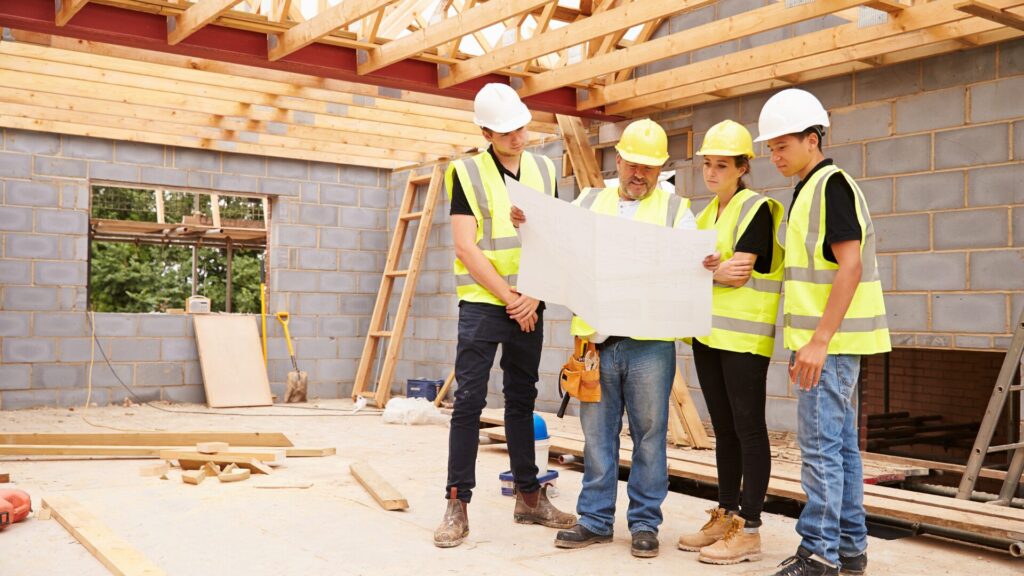
5 Best Home Builders In Auckland (Researched & Reviewed)
Choosing the right builder is one of the most important decisions when planning a new home in Auckland. The quality of the builder you choose directly affects construction quality, project timelines, long term durability, and your overall building experience. The companies listed below are recognized for strong local experience, consistent build quality, transparent communication, and reliable project delivery. Each builder brings a slightly different specialization, making them suitable for different types of homeowners and budgets.
BuilderConnect – Find Builders In Auckland
BuilderConnect stands out as one of the most trusted platforms for connecting homeowners with verified builders in Auckland. Rather than operating as a traditional construction company, BuilderConnect works as a builder matching and project guidance service that helps homeowners identify the right construction professionals for their specific project requirements. This approach allows clients to compare experienced builders while receiving guidance throughout the early planning stages.
- Years In Business: BuilderConnect has spent several years building a strong network of licensed and vetted home builders throughout Auckland, helping homeowners simplify the process of finding qualified professionals.
- Types Of Homes Built: Through its builder network, BuilderConnect supports a wide variety of residential projects including custom homes, architectural homes, renovation projects, townhouse developments, and design-build homes.
- Strengths: The main advantage of BuilderConnect is its builder-matching system which pairs homeowners with builders who specialize in their project type, budget range, and location. This reduces the risk of hiring an unsuitable builder and saves homeowners significant research time.
- Ideal Client Type: BuilderConnect works particularly well for first-time home builders, homeowners exploring custom designs, and property investors who want access to multiple reputable builders without managing the entire search process themselves.
- Areas Served In Auckland: BuilderConnect connects homeowners with builders across the wider Auckland region including North Shore, West Auckland, East Auckland, South Auckland, and central suburbs.
- Notable Differentiators: BuilderConnect focuses on verified builders, transparent comparisons, and homeowner guidance rather than promoting a single construction company. This unbiased approach allows homeowners to make informed decisions while reducing common builder-selection risks.
G.J. Gardner Homes Auckland
G.J. Gardner Homes is one of New Zealand’s most recognizable residential building companies. The brand operates through locally owned franchises, which means homeowners benefit from a national reputation while still working with teams that understand Auckland’s local building environment and council requirements.
- Years In Business: G.J. Gardner Homes has been operating in New Zealand for more than 25 years, with multiple franchise locations throughout Auckland.
- Types Of Homes Built: The company focuses primarily on new-build homes including house-and-land packages, pre-designed plans, and customized variations of existing designs.
- Strengths: G.J. Gardner Homes is known for streamlined build processes, predictable pricing models, and a large library of pre-designed home plans that simplify the design stage.
- Ideal Client Type: This builder is well suited for families, first-time home builders, and buyers looking for a structured design-build process with clear pricing and faster build timelines.
- Areas Served In Auckland: The company operates throughout Auckland including North Shore, Rodney, Franklin, and surrounding residential growth areas.
- Notable Differentiators: One key advantage is the company’s nationwide support network combined with localized project teams that understand regional building regulations.
Signature Homes Auckland
Signature Homes has built a strong reputation for high-quality residential construction combined with design flexibility. Their approach focuses on delivering both custom-designed homes and pre-designed homes while maintaining strong client communication throughout the build.
- Years In Business: Signature Homes has been operating in New Zealand for more than 40 years, making it one of the longest-running residential building brands in the country.
- Types Of Homes Built: The company builds architectural homes, family homes, duplex homes, and house-and-land packages across Auckland.
- Strengths: Signature Homes is recognized for strong design support, high-quality finishes, and an end-to-end design-build process that simplifies project coordination.
- Ideal Client Type: This builder is particularly suitable for homeowners who want some customization without navigating the full complexity of working with an independent architect.
- Areas Served In Auckland: Signature Homes builds across Auckland including North Shore, Central Auckland, South Auckland, and surrounding growth corridors.
- Notable Differentiators: Their design-build model integrates architectural design, cost planning, and construction management into a single process which helps reduce communication issues during the project.
Jennian Homes Auckland
Jennian Homes is another highly respected residential construction company in New Zealand known for reliability, warranties, and consistent build standards. Their Auckland teams work closely with homeowners to create homes that balance customization and cost control.
- Years In Business: Jennian Homes has been operating for more than 40 years and has delivered thousands of homes across New Zealand.
- Types Of Homes Built: The company builds family homes, architectural homes, custom designs, and house-and-land packages.
- Strengths: Jennian Homes is widely recognized for build-quality consistency, structured project management, and strong warranty coverage that provides additional peace of mind.
- Ideal Client Type: This builder works well for homeowners seeking a dependable building partner with clear project processes and well-documented build standards.
- Areas Served In Auckland: Jennian Homes serves homeowners across the greater Auckland region including North Shore, West Auckland, and South Auckland.
- Notable Differentiators: The company is known for its comprehensive build warranty and quality assurance processes that continue even after project completion.
Landmark Homes Auckland
Landmark Homes specializes in premium custom-built homes and architectural projects. Their projects often involve unique designs, high-end finishes, and homes built on complex or premium sites throughout Auckland.
- Years In Business: Landmark Homes has more than 45 years of experience building high-quality residential properties across New Zealand.
- Types Of Homes Built: The company focuses primarily on architectural homes, luxury homes, lifestyle-property homes, and fully customized residential projects.
- Strengths: Landmark Homes excels in custom-home construction where design flexibility and architectural creativity are priorities.
- Ideal Client Type: This builder is best suited for homeowners seeking a high-end custom-designed home with detailed architectural features and premium finishes.
- Areas Served In Auckland: Landmark Homes builds across Auckland including coastal areas, lifestyle blocks, and high-value suburban developments.
- Notable Differentiators: Their team works closely with architects and designers to create distinctive homes that reflect each client’s personal design vision.
Comparison Overview Of The Top Home Builders
While every builder has unique strengths, comparing their general focus areas can help homeowners identify which company aligns best with their goals and budget.
- BuilderConnect: Builder matching platform that connects homeowners with verified builders across Auckland.
- G.J. Gardner Homes: Large-scale builder offering efficient design-build homes and structured building processes.
- Signature Homes: Flexible design-build company offering both custom designs and ready-to-build plans.
- Jennian Homes: Well-established builder known for strong warranties and consistent build quality.
- Landmark Homes: Premium custom-home builder specializing in architectural and luxury homes.
Choosing between these builders depends on several factors including your design preferences, project complexity, and budget expectations. Taking the time to compare multiple builders and reviewing completed projects can help ensure you select the right construction partner for your Auckland home build.
How Much Does It Cost To Build A Home In Auckland?
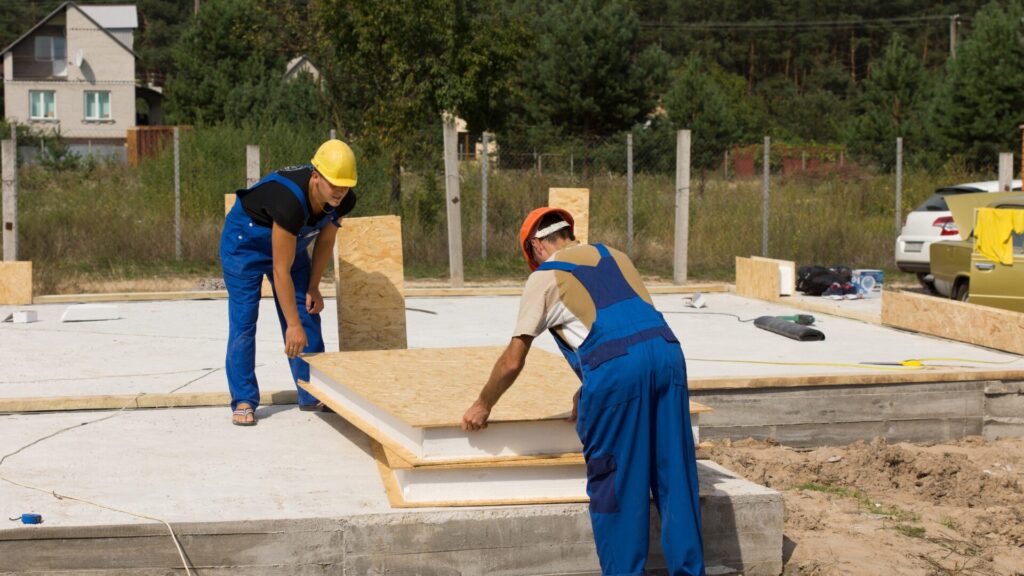
Understanding the cost of building a home in Auckland is one of the most important steps in planning a successful project. Construction prices can vary significantly depending on the size of the home, the level of customization, the quality of materials, and the complexity of the site. Auckland’s building environment also includes factors such as council compliance, labour availability, and land conditions that can influence overall pricing. While no two projects are exactly the same, looking at typical cost ranges and understanding what drives those costs can help homeowners set realistic expectations and avoid budget surprises during the building process.
Average Cost Per Square Metre In 2026
One of the most widely used benchmarks for estimating build costs in New Zealand is the price per square metre. This figure provides a general guideline for comparing different types of homes, although final costs will depend on design complexity, specifications, and site conditions. In Auckland, construction costs remain among the highest in the country due to demand, labour constraints, and regulatory requirements.
Entry-Level Range
Entry-level homes typically focus on practical layouts, efficient designs, and cost-conscious material choices. These homes often use standardised building plans and straightforward construction methods to keep costs manageable.
- Typical cost range: Entry-level builds generally fall between approximately NZD $2,500 and $3,200 per square metre depending on the builder and the level of specification.
- Common features: These homes often include standard fixtures, simplified rooflines, and efficient floor plans that reduce construction complexity.
- Ideal homeowners: Entry-level builds are well-suited to first-time homeowners, investors, or buyers who prioritise affordability and functionality over custom design.
Mid-Range
Mid-range homes represent the most common category in Auckland’s residential construction market. These homes often include more flexible layouts, higher-quality finishes, and modest architectural features that improve both appearance and long-term value.
- Typical cost range: Mid-range homes typically range from about NZD $3,200 to $4,500 per square metre depending on the design and specification level.
- Common features: Homeowners often choose upgraded kitchens, improved insulation systems, enhanced cladding materials, and better-quality fixtures.
- Ideal homeowners: Families seeking a balance between quality, design flexibility, and long-term durability often fall into this category.
High-End Builds
High-end builds include architect-designed homes, luxury materials, and complex construction elements that require specialised skills. These projects often involve custom designs tailored to the homeowner’s lifestyle, land characteristics, and aesthetic preferences.
- Typical cost range: High-end homes in Auckland often start around NZD $4,500 per square metre and can exceed NZD $7,000 per square metre depending on the design and materials selected.
- Common features: Premium finishes, bespoke cabinetry, large glass panels, advanced home-automation systems, and complex structural elements are common in high-end builds.
- Ideal homeowners: These builds appeal to homeowners who prioritise architectural uniqueness, premium craftsmanship, and long-term property value.
Factors That Influence Build Costs
While square-metre estimates provide a helpful starting point, several variables can significantly influence the final construction price. Understanding these factors allows homeowners to make informed decisions during the planning phase and manage costs more effectively.
Land Slope And Site Access
The physical characteristics of the land can dramatically affect construction costs. Building on a flat, easily accessible site is typically far less expensive than building on steep or difficult terrain.
- Excavation requirements: Sloping sections may require additional earthworks, retaining walls, or engineered foundations.
- Construction logistics: Limited access can increase labour time and equipment costs if machinery cannot easily reach the building site.
- Foundation design: Challenging soil conditions or uneven ground may require specialised foundation systems.
Materials And Finishes
Material choices play a significant role in the overall cost of a home. While structural components account for a large portion of the budget, finishes and fixtures can significantly affect the final price.
- Exterior materials: Cladding options such as brick, cedar, or architectural panels vary widely in cost and installation complexity.
- Interior finishes: Flooring, cabinetry, bathroom fixtures, and kitchen appliances can range from basic to luxury-grade.
- Energy efficiency upgrades: High-performance insulation, double-glazing, and energy-efficient systems can increase upfront costs but often improve long-term efficiency.
Architectural Complexity
The complexity of the home’s design directly impacts construction time and labour requirements. Simpler designs are typically faster and more cost-effective to build.
- Structural elements: Large spans, cantilevered sections, or multi-level layouts often require additional engineering.
- Roof design: Complex rooflines with multiple angles increase labour and material requirements.
- Custom details: Unique design features often require specialised trades and careful coordination.
Council Fees And Compliance
Building in Auckland requires compliance with local council regulations and building codes. These compliance requirements ensure safety and structural integrity but can also add to the project cost.
- Building consent fees: Homeowners must obtain council approval before construction begins.
- Inspection costs: Multiple inspections occur throughout the building process to confirm compliance.
- Documentation requirements: Architectural drawings, engineering reports, and compliance documentation may require professional services.
Labour Shortages
Labour availability can influence both the cost and timeline of a construction project. Skilled trades such as electricians, plumbers, and carpenters are essential for residential construction.
- Trade availability: When demand for skilled workers increases, labour rates often rise.
- Project scheduling: Limited trade availability can lead to longer build timelines.
- Specialised skills: High-end projects may require specialised trades with higher hourly rates.
Hidden Costs Many Homeowners Miss
One of the most common budgeting mistakes homeowners make is focusing only on the base construction price. Several additional costs often arise during the building process that can significantly impact the final budget if they are not planned for early.
Landscaping
Landscaping is often excluded from initial building contracts but can add significant value to the finished property.
- Outdoor preparation: Leveling the ground, planting gardens, and installing lawns often require professional landscaping services.
- Outdoor features: Decking, patios, and outdoor living spaces can increase both enjoyment and property value.
- Drainage considerations: Proper drainage systems may be required to prevent water pooling around the property.
Driveways And Fencing
Driveways and boundary fencing are essential components of a completed property but are often treated as separate projects from the main build.
- Driveway construction: Materials such as concrete, asphalt, or decorative paving vary in cost and durability.
- Boundary fencing: Privacy fencing, security fencing, or decorative fencing can increase both cost and installation time.
- Access requirements: Certain neighbourhoods or subdivisions may require specific driveway designs.
Utility Connections
Connecting a home to essential services is another cost that many homeowners underestimate.
- Water and wastewater: Connection to council systems may involve installation fees and infrastructure costs.
- Electricity supply: Electrical connection fees can vary depending on proximity to existing infrastructure.
- Telecommunications: Internet and communication services may require additional installation work.
Consent Amendments
During construction, homeowners sometimes decide to change aspects of the design. While changes are possible, they often require council approval and additional documentation.
- Design changes: Modifying layouts or structural elements may require revised plans and engineering input.
- Processing time: Consent amendments can slow down construction timelines.
- Additional fees: Councils may charge additional review fees for design modifications.
Interior Upgrades
Many homeowners choose to upgrade finishes during the building process once they see design options in person.
- Kitchen enhancements: Premium cabinetry, stone benchtops, and upgraded appliances can increase costs quickly.
- Bathroom fixtures: High-end tapware, custom vanities, and luxury tiles often exceed the original allowances.
- Lighting and automation: Smart-home systems, feature lighting, and upgraded electrical layouts can add convenience but also increase the budget.
Planning for these additional costs early helps homeowners maintain better control over their budget and ensures that the finished home meets both functional needs and lifestyle expectations. A well-informed approach to budgeting also makes it easier to work collaboratively with builders, architects, and project managers throughout the construction process.
Step-By-Step Process Of Building A Home In Auckland
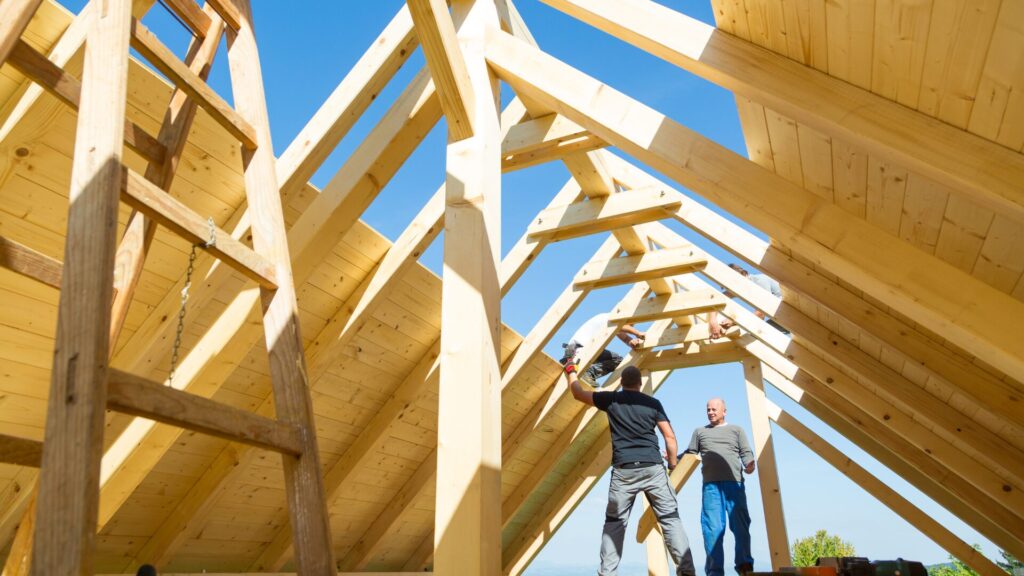
Building a new home in Auckland involves more than simply hiring a builder and starting construction. The process requires careful planning, compliance with council regulations, and clear coordination between designers, engineers, builders, and local authorities. Understanding each stage of the build helps homeowners make informed decisions, manage expectations, and avoid unnecessary delays or cost overruns. The following step-by-step guide outlines how a typical Auckland home-build project progresses, including estimated timelines, common challenges, and practical advice from experienced professionals.
Step 1 – Feasibility & Budget Planning
The feasibility and budget-planning stage is where every successful home-build project begins. Before design work starts, homeowners must determine whether their ideas are realistic based on the site conditions, council regulations, and available budget. This step often involves early discussions with builders, architects, designers, and sometimes surveyors or engineers.
A feasibility review evaluates whether the land can support the intended home design and identifies potential risks such as steep terrain, drainage challenges, or zoning restrictions under the Auckland Unitary Plan. At the same time, a well-structured budget ensures that the design aligns with what can realistically be built.
Typical timeline for this stage ranges from two to six weeks depending on the complexity of the project and how quickly professional advice is obtained.
Common issues can arise if homeowners underestimate site preparation costs or overlook council-related fees early in the planning process.
- Site analysis: Assess soil conditions, slope, access for construction vehicles, and potential environmental constraints that could influence build costs.
- Preliminary budget estimate: Work with a builder or quantity surveyor to develop a realistic cost estimate that includes design, materials, labour, consents, and contingency allowances.
- Financial preparation: Secure mortgage pre-approval or construction financing before committing to design work.
- Feasibility advice: Consult experienced Auckland builders who understand local building standards and council expectations.
Expert tip: A well-researched feasibility stage prevents expensive redesigns later in the project and helps ensure the build remains financially sustainable.
Step 2 – Design & Concept Development
Once feasibility has been confirmed, the design and concept-development stage begins. This phase transforms the homeowner’s vision into a practical architectural plan that meets both aesthetic goals and regulatory requirements.
Homeowners typically work with either an architect, architectural designer, or a design-and-build company during this stage. Together they develop the layout, structural design, and overall appearance of the home while balancing budget constraints.
For a standard residential project, the design phase typically takes four to twelve weeks depending on revisions and complexity.
Common delays during this stage often occur when homeowners change design requirements frequently or when the design must be modified to meet council guidelines.
- Concept design: Initial floor plans and exterior designs are created to establish the general layout and style of the home.
- Design refinement: The concept evolves into detailed drawings that include room dimensions, elevations, materials, and structural elements.
- Engineering input: Structural engineers may be required for foundation design, especially on sloping or challenging sites.
- Cost alignment: Builders review the design to confirm it fits within the planned budget.
Expert tip: Early collaboration between designers and builders helps identify cost-effective solutions and prevents impractical design features that could delay council approval.
Step 3 – Consents & Approvals
Before construction can begin, the proposed design must receive approval from Auckland Council through the building-consent process. In some situations, resource consent may also be required if the design does not fully comply with zoning or planning regulations.
The consent stage ensures that the home meets national building-code requirements and local planning rules. While this step is essential for safety and compliance, it is also one of the most common sources of delay in residential construction projects.
The building-consent process typically takes four to eight weeks, although complex projects may require additional time if council requests further information.
- Building consent application: Detailed architectural drawings and engineering reports are submitted to Auckland Council for review.
- Resource consent requirements: Certain projects require additional approval due to zoning limits, site coverage rules, or environmental considerations.
- Compliance checks: Council reviewers verify that the design meets structural, safety, and building-code standards.
- Consent approval: Once approved, construction can legally begin.
Common delays often occur when plans lack required documentation or when council requests additional clarification.
Expert tip: Working with experienced designers and builders who regularly submit consent applications in Auckland significantly improves approval timelines and reduces the likelihood of revisions.
Step 4 – Construction Phase
After all consents are approved, the construction phase begins. This is the most visible stage of the project and involves turning the approved plans into a completed home.
Construction timelines vary widely depending on the size and complexity of the home. A standard single-family home in Auckland typically takes six to twelve months to complete, although larger architectural homes may take longer.
During construction, the builder coordinates tradespeople such as electricians, plumbers, roofers, and interior finishers while ensuring each stage meets required inspections.
- Site preparation: Clearing the land, setting foundations, and preparing access points for construction equipment.
- Structural framework: Building the house frame, installing roofing, and completing exterior walls.
- Interior systems: Installing plumbing, electrical wiring, insulation, and ventilation systems.
- Interior finishing: Completing plastering, painting, flooring, cabinetry, and fixtures.
Common delays during construction include material shortages, severe weather conditions, and unexpected site issues such as underground drainage problems.
Expert tip: Regular communication with the builder and scheduled site visits help homeowners stay informed about progress and address any concerns before they become larger problems.
Step 5 – Final Inspection & Handover
The final inspection and handover stage marks the completion of the construction process. Before the homeowner receives the keys, the property must pass several inspections to confirm that the build meets safety and compliance standards.
This stage usually takes one to three weeks depending on how quickly final inspections and documentation are completed.
During this stage, the builder and homeowner review the completed property to identify any minor defects or finishing details that require adjustment.
- Final council inspection: Auckland Council confirms that the home complies with the approved building consent.
- Code compliance certificate: This official document verifies that construction meets the national building-code requirements.
- Defect inspection: A walkthrough ensures small issues such as paint touch-ups or fixture adjustments are corrected.
- Homeowner handover: Documentation, warranties, and maintenance guidance are provided to the new owner.
Expert tip: Consider hiring an independent building inspector before final handover to provide an additional layer of quality assurance.
By understanding each step of the home-building process in Auckland, homeowners can approach their project with greater confidence and preparation. Clear planning, experienced professionals, and proactive communication play a crucial role in ensuring the build progresses smoothly from the first concept to the final handover.
Common Mistakes To Avoid When Choosing a Builder
Selecting the right home builder in Auckland is one of the most important decisions in the entire home-building process. A well-chosen builder can deliver a high-quality home on schedule, while the wrong choice can lead to delays, unexpected costs, and long-term structural problems. Many homeowners make avoidable mistakes during the selection stage because they focus on short-term savings instead of long-term value. Understanding these common pitfalls helps you evaluate builders more carefully and protect both your investment and your peace of mind.
Choosing Based on Price Alone
Price is naturally one of the first factors homeowners consider, but choosing a builder purely because they provide the lowest quote can create serious problems later in the project. Construction costs vary for legitimate reasons such as build quality, project management systems, material standards, and the builder’s experience level.
When a quote appears significantly cheaper than others, it often means important elements have been excluded or underestimated.
- Incomplete scope of work: A low quote may exclude items like landscaping, driveway installation, or interior finishes that will later appear as additional charges.
- Lower material standards: Some builders reduce costs by using entry-level materials or simplified construction methods that may not provide long-term durability.
- Provisional allowances: A quote may include low allowances for fixtures, flooring, or cabinetry, which can increase the final cost once real selections are made.
- Limited project oversight: Builders operating with minimal management structure may offer cheaper pricing but lack the systems needed to manage timelines and subcontractors effectively.
A more reliable approach is to compare builders using a like-for-like quote comparison. Request detailed breakdowns and evaluate value, experience, communication style, and build quality rather than focusing solely on the bottom-line number.
Not Checking Recent References
Many homeowners review online testimonials but fail to speak directly with recent clients who have completed a build with the company. Builder performance can change over time due to staff turnover, workload pressure, or changes in subcontractor teams, which means older reviews may not reflect current service quality.
Speaking with recent clients provides valuable real-world insight into how the builder operates throughout the entire construction process.
- Communication quality: Ask whether the builder responded quickly to questions and kept clients informed throughout the build.
- Problem resolution: Every project encounters unexpected issues, so it is important to learn how the builder handled challenges or delays.
- Timeline reliability: Recent clients can confirm whether the project finished close to the original timeline or experienced significant delays.
- Post-build support: A reliable builder remains responsive after project completion to address any defects or warranty issues.
Whenever possible, visit a recently completed home or a construction site. Seeing the builder’s work in person often reveals the true level of craftsmanship and attention to detail.
Ignoring Contract Details
A building contract is one of the most important documents in a home-building project, yet many homeowners sign agreements without fully understanding the details. A well-structured contract protects both parties and clearly defines expectations, responsibilities, and financial terms.
Important areas within the contract deserve careful attention.
- Scope of work: The contract should clearly list what is included in the project, including materials, finishes, and construction specifications.
- Payment schedule: Payment stages should align with completed construction milestones rather than arbitrary dates.
- Variation process: Changes during construction are common, so the contract should explain how variations are approved and priced.
- Timeline expectations: A contract should provide a realistic build timeline and outline procedures if delays occur.
If any part of the contract feels unclear, it is wise to seek independent advice before signing. Understanding the agreement fully helps prevent disputes and ensures both parties share the same expectations.
Underestimating Contingency Budget
Even the most carefully planned building project can encounter unexpected costs. Soil conditions, weather delays, material shortages, or design adjustments can all affect the final cost of a build. Homeowners who budget only for the quoted construction price may struggle financially when unexpected expenses arise.
A contingency fund provides a financial safety net that allows the project to continue smoothly without unnecessary stress.
- Site-related surprises: Ground conditions, drainage issues, or additional excavation can increase costs during early construction stages.
- Design changes: Homeowners often adjust layouts, materials, or fixtures during construction once they see the space taking shape.
- Material price fluctuations: Construction material costs can change due to supply chain factors or market demand.
- Compliance requirements: Additional council requirements or engineering adjustments can occasionally increase costs.
A common recommendation is to allocate around ten percent of the total project budget as a contingency reserve. This simple step provides flexibility and helps keep the project financially manageable.
Skipping Independent Inspections
Independent inspections provide an additional layer of protection during the construction process, yet many homeowners rely entirely on the builder’s internal quality control. While most professional builders follow strict construction standards, independent inspections ensure that work meets building-code requirements and industry best practices.
Third-party inspections can identify potential issues before they become costly problems.
- Structural verification: Inspectors confirm that framing, foundations, and structural components meet engineering and safety standards.
- Code compliance: Independent checks ensure construction aligns with local building regulations and consent documentation.
- Workmanship quality: Experienced inspectors often identify small defects or installation errors that may otherwise go unnoticed.
- Pre-handover review: A final inspection helps identify incomplete work before the homeowner accepts the finished property.
Investing in independent inspections provides peace of mind and helps ensure your new home meets the quality standards expected from a professional Auckland home builder.

Questions To Ask Before Hiring A Home Builder
Choosing the right builder is one of the most important decisions you will make when building a home. A well-qualified builder does more than construct walls and install finishes. They manage timelines, coordinate trades, navigate council requirements, and guide you through a complex process that involves both financial and lifestyle decisions. Asking thoughtful, well-structured questions before signing a contract helps you understand how a builder operates, how transparent they are, and whether their working style matches your expectations. The following questions help homeowners evaluate reliability, communication, project management capability, and long-term accountability before committing to a build.
How Many Projects Are You Currently Managing?
This question helps you understand the builder’s workload and whether they have the capacity to properly focus on your project. A builder who is managing too many projects at once may struggle to maintain consistent oversight, which can lead to delays, communication gaps, or reduced quality control.
When discussing current workload, pay attention to the details of how the builder structures project management.
- Project Management Structure: Ask whether each build has a dedicated project manager or site supervisor. A well-managed project usually has one person responsible for daily coordination, scheduling trades, and communicating progress.
- Build Capacity: Experienced builders typically limit the number of active projects so they can maintain quality control and consistent site visits. If a builder is managing a very high number of builds simultaneously, it may indicate limited supervision.
- Communication Systems: Professional builders often use project-management software or structured update systems to keep clients informed about milestones, inspections, and upcoming decisions.
Understanding how a builder balances their workload gives insight into how much attention your home build will realistically receive.
What Is Your Average Build Time?
Build timelines vary depending on the design complexity, weather conditions, council approvals, and trade availability. However, experienced builders should be able to provide a realistic average timeframe based on past projects.
A clear timeline discussion should include the following considerations.
- Typical Construction Timeline: Ask how long similar homes have taken to complete from site preparation to final handover. This provides a baseline expectation for your project.
- Planning And Consent Timeframes: In Auckland, consent approvals can influence project schedules. A knowledgeable builder should be able to explain how design approvals and inspections affect overall timing.
- Delay Management: Even well-planned projects can encounter delays due to weather conditions, material supply issues, or site challenges. Reliable builders explain how they adjust schedules and keep clients informed when timelines shift.
A builder who provides honest, experience-based time estimates demonstrates planning discipline and realistic expectations.
Can I Speak To Recent Clients?
Speaking with previous clients provides valuable insight that marketing materials cannot always reveal. A reputable builder should be comfortable providing references from homeowners whose projects were completed recently.
When contacting past clients, consider asking about their experience throughout the entire building process.
- Communication Quality: Ask whether the builder responded quickly to questions and kept them informed about project progress.
- Build Quality And Finishing: Former clients can share whether the final workmanship met expectations and whether any issues appeared after moving in.
- Problem Resolution: Every project encounters small challenges. What matters is how the builder handled those situations and whether solutions were delivered professionally.
- Post Build Support: Reliable builders continue assisting clients after handover if minor adjustments or warranty work is needed.
Real-world feedback from homeowners who recently completed builds offers one of the most trustworthy indicators of a builder’s professionalism.
What Happens If There Are Delays?
Construction projects occasionally encounter unexpected changes. Weather events, supply disruptions, and site conditions can affect timelines even with careful planning. Understanding how a builder manages delays helps prevent frustration later in the project.
During this discussion, ask builders to explain their delay-management process.
- Communication Protocol: A professional builder should notify clients quickly when delays occur and explain the cause along with revised scheduling.
- Contingency Planning: Experienced builders often plan additional time buffers to accommodate weather interruptions or inspection scheduling.
- Contract Transparency: Building contracts should outline how delays are handled and whether they affect project milestones or payment schedules.
A builder who openly explains how delays are addressed demonstrates professionalism and realistic project planning.
How Do You Handle Cost Variations?
Cost variations are one of the most common sources of confusion during residential construction. Even with fixed-price contracts, certain elements such as material upgrades or unforeseen site issues may require adjustments. Clear conversations about variation management help homeowners avoid financial surprises.
When discussing cost changes, look for clarity in the builder’s explanation.
- Variation Approval Process: Ask whether all changes require written approval before work continues. This protects both the builder and the homeowner.
- Transparent Pricing Adjustments: A reputable builder should provide detailed breakdowns that show how variations affect the total project cost.
- Prime Cost And Provisional Sums: These allowances represent estimated costs for items not finalized during contract signing. Understanding how they work helps homeowners manage their overall budget more effectively.
Builders who maintain transparent documentation and clear approval procedures demonstrate strong financial accountability.
Optional Builder Comparison Checklist
Many homeowners find it helpful to document answers when speaking with several builders. Creating a simple comparison checklist allows you to evaluate multiple companies based on consistent criteria rather than relying on memory alone.
A practical builder-comparison checklist may include:
- Experience Level: Years in business and number of completed homes in Auckland.
- Project Capacity: Number of builds currently under management.
- Client References: Availability of recent homeowner contacts.
- Timeline Expectations: Estimated build duration and scheduling process.
- Variation Policy: How contract changes and cost adjustments are documented.
Using a structured checklist helps homeowners compare builders objectively and make a confident decision based on transparency, experience, and long-term reliability.

Should You Use A Project Manager Or Go Direct To A Builder?
When planning a new home build in Auckland, one of the most important decisions you will make is whether to hire a project manager or work directly with a builder. Both approaches can produce excellent results, but the right option depends on your budget, experience, and how involved you want to be throughout the construction process. Some homeowners prefer the structured oversight of a project manager, while others choose a direct builder relationship for simplicity and cost efficiency. Understanding how each approach works will help you choose the path that best supports your project goals.
Cost Implications
Cost is often the first factor homeowners consider when deciding between a project manager and working directly with a builder. Each option affects the overall budget differently depending on how responsibilities are structured.
- Project Manager Fees: A project manager typically charges a percentage of the total build cost or a fixed management fee. While this increases the upfront budget, their oversight can sometimes reduce costly mistakes and prevent budget overruns during construction.
- Direct Builder Pricing: Working directly with a builder often reduces management costs because the builder handles scheduling, coordination, and site supervision. This approach can make budgeting simpler, especially when using a fixed-price contract.
- Cost Control Advantages: A project manager may help negotiate with contractors, review quotes, and monitor expenses closely. This independent oversight can sometimes lead to more efficient spending across the project lifecycle.
- Potential Hidden Costs: Without a project manager, homeowners may need to spend additional time reviewing invoices, monitoring variations, and coordinating subcontractors. If problems arise, resolving them independently may increase costs or delays.
For many homeowners, the decision comes down to balancing upfront savings with long-term financial oversight.
Control vs. Simplicity
Another major difference between the two approaches is how much control the homeowner maintains during the building process. Some people want a hands-on role, while others prefer a streamlined experience.
- Higher Control With a Project Manager: A project manager acts as the homeowner’s representative, ensuring that the builder and subcontractors follow the agreed plan. This provides an additional layer of accountability and allows homeowners to stay informed without managing day-to-day tasks themselves.
- Simplified Communication With Builders: When working directly with a builder, communication is typically more straightforward because there are fewer parties involved. The homeowner deals directly with the construction team, which can make decisions faster and reduce administrative complexity.
- Decision-Making Flexibility: A project manager can help evaluate design changes, material options, and schedule adjustments from an independent perspective. This can be helpful when homeowners want professional guidance before approving major changes.
- Hands-On Involvement: Some homeowners enjoy being actively involved in decisions related to finishes, layout adjustments, and material selection. Working directly with a builder may offer more immediate involvement in those decisions.
Ultimately, the choice between control and simplicity depends on how much time and energy you want to dedicate to overseeing the build.
Risk Management
Construction projects involve many moving parts, from regulatory approvals to subcontractor coordination. Managing these risks effectively is essential for keeping a build on schedule and within budget.
- Independent Oversight: A project manager provides an independent layer of supervision that focuses on protecting the homeowner’s interests. They monitor quality standards, check progress milestones, and address issues before they become costly problems.
- Contract and Compliance Monitoring: Project managers often review contracts, track consent requirements, and ensure that building work aligns with Auckland Council regulations. This helps reduce the risk of compliance delays or inspection issues.
- Builder-Led Management: When working directly with a builder, the builder typically manages subcontractors, scheduling, and site supervision. Many experienced Auckland builders have strong systems in place to manage these responsibilities efficiently.
- Issue Resolution: If challenges arise during construction such as material shortages, design adjustments, or unexpected site conditions, a project manager can act as a mediator between the homeowner and contractor. This can help resolve issues faster and maintain professional communication.
In many cases, homeowners building a straightforward home with a reputable builder may not need a dedicated project manager. However, complex architectural builds, large renovations, or multi-contractor projects often benefit from professional project management to maintain oversight and reduce stress throughout the process.
References
- Real Cost To Build a New House in Auckland (2026 Guide)
https://jraconstruction.co.nz/cost-to-build-new-house-auckland/ (jraconstruction.co.nz) - Auckland Home Building Guide: Costs, Timeline and Tips
https://stonewood.co.nz/news/auckland-home-building-guide-costs-timeline-tips-for-custom-builds/ (Stonewood Homes NZ) - The Best Builders in Auckland – Complete Guide
https://www.moneyhub.co.nz/best-builders-auckland.html (MoneyHub NZ) - Building Consent Auckland: Complete Guide To Council Approval
https://www.bugdenbuilding.co.nz/guides/building-consent-auckland-guide/ (Bugden Building) - Average Building Cost Per Square Metre in New Zealand
https://www.moneyhub.co.nz/building-costs-per-square-metre.html (MoneyHub NZ)
FAQs: About Best Home Builders In Auckland
Conclusion
Choosing the right home builder in Auckland is ultimately about finding the company that best aligns with your specific circumstances rather than simply selecting the one that appears most popular or widely recommended. The best builder for your project will depend on several key factors including your budget, the complexity of your design goals, the timeline you hope to achieve, and your personal risk tolerance when it comes to pricing structures and construction processes. A builder who excels at high-end architectural homes may not be the right fit for a cost-conscious family seeking an efficient design-and-build solution, just as a volume-focused builder may not deliver the customization required for a fully bespoke home. This is why careful comparison and thorough due diligence are essential before making a final decision. Take the time to review past projects, verify credentials, speak directly with recent clients, and evaluate how transparent each builder is about costs, timelines, and communication practices. While it can be tempting to choose the lowest quote, experienced homeowners and industry professionals understand that long-term value almost always outweighs short-term savings. A well-managed project, high-quality workmanship, and reliable post-build support can make a significant difference in both the durability of your home and the overall building experience. By focusing on builders who demonstrate proven expertise, clear communication, and a commitment to quality, you significantly increase the likelihood of achieving a smooth build process and a home that delivers lasting value for years to come.
Find A Professional Builders Company Near You!
- Auckland Builders For Small Jobs
- Builders Alexandra
- Builders Ashburton
- Builders Auckland
- Builders Blenheim
- Builders Cambridge
- Builders Central Otago
- Builders Christchurch
- Builders Clyde
- Builders Cromwell
- Builders Dunedin
- Builders Feilding
- Builders Gisborne
- Builders Hamilton
- Builders Hastings
- Builders Havelock North
- Builders Hawkes Bay
- Builders Hibiscus Coast
- Builders Invercargill
- Builders Johnsonville
- Builders Kapiti
- Builders Kerikeri
- Builders Levin
- Builders Lower Hutt
- Builders Manawatu
- Builders Masterton
- Builders Mosgiel
- Builders Napier
- Builders Nelson
- Builders New Plymouth
- Builders Oamaru
- Builders Paihia
- Builders Palmerston North
- Builders Paraparaumu
- Builders Porirua
- Builders Pukekohe
- Builders Queenstown
- Builders Rangiora
- Builders Rolleston
- Builders Taupo
- Builders Tauranga
- Builders Te Awamutu
- Builders Timaru
- Builders Tokoroa
- Builders Upper Hutt
- Builders Waikanae
- Builders Wanaka
- Builders Warkworth
- Builders Wellington
- Builders West Auckland
- Builders Whakatane
- Builders Whanganui
- Builders Whangarei
- Handyman Wellington
- Home Builders Rotorua
- Kitchen Removal Service Auckland
- Wellington Builders For Small Jobs

About the Author:
Mike Veail is a recognized digital marketing expert with over 6 years of experience in helping tradespeople and small businesses thrive online. A former quantity surveyor, Mike combines deep industry knowledge with hands-on expertise in SEO and Google Ads. His marketing strategies are tailored to the specific needs of the trades sector, helping businesses increase visibility and generate more leads through proven, ethical methods.
Mike has successfully partnered with numerous companies, establishing a track record of delivering measurable results. His work has been featured across various platforms that showcase his expertise in lead generation and online marketing for the trades sector.
Learn more about Mike's experience and services at https://theleadguy.online or follow him on social media: