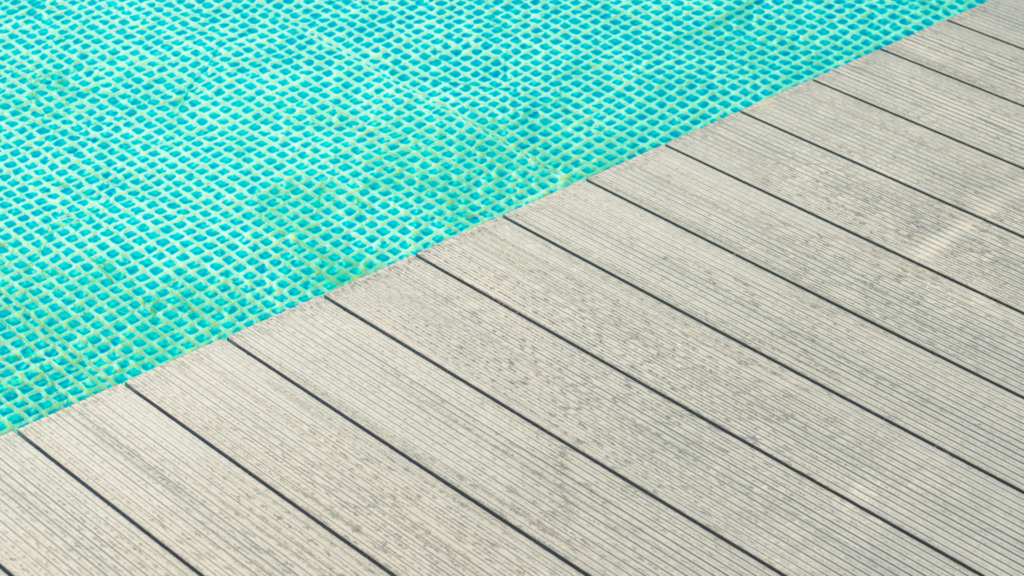
Welcome to your complete guide to finding the best composite decking in NZ, where we break down everything you need to know to choose a durable, low-maintenance decking solution that suits your home, budget, and lifestyle. Whether you are upgrading an outdoor space or building a new deck, this guide will help you compare top brands, understand costs, and make a confident decision based on New Zealand’s unique climate conditions. By the end, you will know exactly what to look for, what to avoid, and how to invest in a decking solution that delivers long-term value and performance.
The best composite decking in NZ combines durability, low maintenance, and resistance to moisture, UV, and coastal conditions. Top brands like Trex, Millboard, ModWood, and Futurewood offer high-quality options suited to different budgets and styles. The right choice depends on your climate exposure, budget, design preference, and installation requirements.
- What Is Composite Decking And Why Is It Popular In NZ?
- Benefits Of Composite Decking (Pros & Cons)
- Best Composite Decking Brands In NZ
- How To Choose The Best Composite Decking In NZ
- Composite Decking Cost In NZ (What To Expect)
- Composite Decking Vs Timber Decking: Which Is Better?
- Common Mistakes To Avoid When Choosing Composite Decking
- Expert Tips For Getting The Best Results
- References
- FAQs: About Best Composite Decking In NZ
- Conclusion
- Find A Professional Decking Company Near You!
What Is Composite Decking And Why Is It Popular In NZ?
Composite decking has become a go-to choice for many New Zealand homeowners looking for a durable, low-maintenance alternative to traditional timber decks. Designed to handle the country’s harsh UV levels, coastal conditions, and frequent rainfall, composite decking offers a long-lasting outdoor solution without the ongoing upkeep that timber requires. Understanding how it works and why it continues to grow in popularity can help you decide if it is the right fit for your space.
How Composite Decking Works
Composite decking is engineered by combining wood fibres with recycled plastics to create a strong, weather-resistant material that mimics the look of natural timber while improving performance. The structure and composition of the board play a key role in how it performs over time, especially in New Zealand’s varied climate.
- Wood-plastic composition (WPC vs capped composite): WPC decking blends wood fibres with plastic polymers to create a solid, uniform board. Capped composite takes this a step further by adding a protective outer layer that shields the board from moisture, stains, and UV exposure. This capped layer is especially useful in high-exposure areas such as coastal homes or decks that receive full sun throughout the day.
- Difference from traditional timber decking: Unlike timber, composite decking does not rely on natural wood structure, which means it is less prone to warping, cracking, or splintering over time. Timber decks require regular oiling, staining, or sealing to maintain their appearance and durability, while composite boards are designed to retain their colour and structural integrity with minimal upkeep. This makes composite a more stable and predictable option for long-term use.
Why More NZ Homeowners Are Switching
The shift toward composite decking in New Zealand is largely driven by practical benefits that align with modern lifestyles. Homeowners are increasingly prioritising convenience, durability, and long-term value when investing in outdoor spaces.
- Low maintenance vs timber: One of the biggest advantages of composite decking is its low-maintenance nature unlike timber, which requires regular sanding, staining, and sealing, composite decking only needs occasional cleaning with water and mild detergent. This makes it ideal for busy homeowners who want a great-looking deck without ongoing upkeep.
- Resistance to moisture, rot, and insects: New Zealand’s climate can be tough on outdoor materials, particularly in regions with high rainfall or coastal humidity. Composite decking is designed to resist moisture absorption, which helps prevent rot, mould growth, and insect damage. This added durability makes it a reliable choice for long-term outdoor use.
- Long-term cost savings: While the upfront cost of composite decking is typically higher than timber, it often proves more cost-effective over time. With minimal maintenance requirements and a longer lifespan, homeowners save on ongoing treatment costs, repairs, and replacements. Over the life of the deck, these savings can outweigh the initial investment, making composite decking a smart long-term solution.
Composite decking offers a practical, long-lasting solution for modern outdoor living in New Zealand. By understanding how it works and why it outperforms traditional timber in many conditions, you can make a more informed decision that suits both your lifestyle and your environment.

Benefits Of Composite Decking (Pros & Cons)
Composite decking offers a well-balanced mix of durability, convenience, and long-term value, which is why it continues to gain traction across New Zealand. However, like any building material, it comes with both strengths and limitations. Understanding the full picture helps you make a more informed decision based on your needs, environment, and budget.
Key Advantages
Composite decking is designed to solve many of the common problems associated with traditional timber, particularly in New Zealand’s high-UV and moisture-prone conditions. Its engineered structure delivers consistent performance with minimal upkeep.
- No staining or sealing required: Unlike timber decking, composite boards do not need regular oiling, staining, or sealing to maintain their appearance. A simple clean with water and mild detergent is usually enough to keep the surface looking fresh, which significantly reduces ongoing maintenance time and costs.
- Fade and UV resistance: High-quality composite decking, especially capped composite products, is built to withstand prolonged sun exposure. This is particularly important in New Zealand, where UV levels are among the highest in the world. The protective outer layer helps preserve colour consistency and prevents the rapid fading often seen in untreated timber decks.
- Slip resistance and safety: Many composite decking products are manufactured with textured, slip-resistant surfaces that improve grip underfoot. This makes them a safer option for families, especially around pool areas or in regions that experience frequent rain. The splinter-free finish also reduces the risk of injury compared to ageing timber boards.
- Eco-friendly options: A large portion of composite decking is made from recycled materials, including reclaimed wood fibres and plastics. This reduces the demand for new timber and helps divert waste from landfills. For environmentally conscious homeowners, this makes composite decking a more sustainable choice without compromising performance.
Potential Downsides To Consider
While composite decking offers many advantages, it is important to weigh these against a few practical limitations. Being aware of these factors upfront can help you avoid unexpected issues and choose the right product for your situation.
- Higher upfront cost: Composite decking typically costs more initially than standard timber decking. This includes both material and installation expenses. However, when viewed over the lifespan of the deck, the reduced maintenance and longer durability often balance out the higher initial investment.
- Heat retention in summer: Composite boards can absorb and retain heat, especially darker-coloured options exposed to direct sunlight. In peak summer conditions, this can make the surface uncomfortable to walk on barefoot. Choosing lighter colours or incorporating shaded areas can help minimise this effect.
- Limited structural use: Composite decking is not designed to be load-bearing and must be installed on a properly constructed subframe, usually made from timber or aluminium. This means it cannot replace structural components and requires careful planning during installation to ensure long-term stability and safety.
Composite decking delivers a strong combination of durability, safety, and low-maintenance performance, making it a practical choice for many NZ homes. By weighing both the advantages and limitations, you can confidently decide whether it aligns with your lifestyle, budget, and long-term outdoor goals.
Best Composite Decking Brands In NZ
Choosing the best composite decking in NZ often comes down to selecting a brand that aligns with your budget, design preferences, and environmental conditions. Each brand offers different strengths, from premium aesthetics to cost-effective performance, so understanding how they compare will help you make a more confident and informed decision.
1. Trex Decking NZ
Trex is one of the most recognised names in the global composite decking market and has built a strong reputation in New Zealand for reliability and long-term performance.
- Overview and reputation: Trex is widely known for its consistent quality and industry-leading warranties. It is often considered a trusted choice for homeowners who want a proven product with a strong track record in both residential and commercial projects.
- Key features: Trex uses capped-composite technology, which means each board has a protective outer layer that resists fading, staining, and moisture damage. This makes it particularly well-suited for NZ’s high-UV and coastal environments.
- Ideal use cases: Trex is a solid option for homeowners looking for a low-maintenance, long-lasting deck with a clean, modern finish. It works well for family homes, outdoor entertaining areas, and properties exposed to harsh weather conditions.
2. Millboard Decking
Millboard stands out as a premium composite decking option that focuses heavily on aesthetics and craftsmanship.
- Premium look and realistic wood finish: Millboard boards are designed to closely replicate the texture and appearance of natural timber, often featuring hand-moulded finishes that create a highly realistic wood-grain effect. This makes it a popular choice for design-focused projects.
- High-end positioning: As a premium-priced product, Millboard is typically chosen for high-end residential builds or architectural projects where visual appeal is a top priority. It offers excellent durability alongside its refined appearance, making it a long-term investment in both style and performance.
3. Outdure (QwickBuild + Decking Systems)
Outdure is a New Zealand-focused brand known for its innovative approach to decking systems and installation efficiency.
- NZ relevance and innovation: Outdure products are designed with local conditions in mind, including coastal exposure and variable weather. The brand is well-regarded for combining decking materials with integrated subframe solutions.
- Installation advantages: One of Outdure’s standout features is its QwickBuild system, an aluminium subframe that simplifies installation and improves structural consistency. This system is particularly useful for rooftop decks, uneven surfaces, or projects requiring precise levelling.
4. ModWood
ModWood is a popular composite decking brand in NZ that offers a balance between affordability and environmentally-conscious manufacturing.
- Eco-friendly positioning: ModWood is made using recycled wood fibres and plastic, making it an appealing choice for homeowners who want a more sustainable decking option without compromising on durability.
- Budget to mid-range option: Positioned in the budget-to-mid-range category, ModWood provides good overall performance at a more accessible price point. It is a practical option for homeowners who want the benefits of composite decking without stepping into premium pricing.
5. Futurewood
Futurewood is known for delivering value-focused composite decking that performs well in everyday residential settings.
- Value-focused composite decking: Futurewood offers a cost-effective solution for those looking to upgrade from timber without a significant increase in budget. It provides a range of colours and finishes that suit a variety of home styles.
- Performance vs price: While it may not offer the same premium finishes as higher-end brands, Futurewood delivers reliable durability and low-maintenance benefits. It is well-suited for standard outdoor spaces where functionality and affordability are the main priorities.
How To Compare Decking Brands
With several strong options available, comparing composite decking brands in NZ requires looking beyond surface-level features. A more detailed evaluation will help you choose a product that performs well over time and suits your specific needs.
- Warranty differences: Warranty coverage can vary significantly between brands, ranging from 10 to 25 years or more. A longer warranty often reflects greater confidence in the product’s durability, but it is important to review what is actually covered, including fade, stain, and structural guarantees.
- Material quality (capped vs uncapped): Capped-composite boards include a protective outer layer that improves resistance to moisture, UV exposure, and staining. Uncapped options are typically more affordable but may require more care over time. For most NZ conditions, capped-composite decking offers better long-term performance.
- Texture, colour range, and finish: The visual finish of the decking plays a major role in the final look of your outdoor space. Some brands focus on natural timber-like textures, while others offer a more uniform, modern appearance. Reviewing samples in person can help you assess colour consistency and surface feel before making a final decision.
Choosing the best composite decking brand in NZ ultimately comes down to balancing performance, aesthetics, and budget. By comparing key features and understanding how each option fits your specific needs, you can invest in a decking solution that delivers both long-term durability and visual appeal.
How To Choose The Best Composite Decking In NZ
Choosing the best composite decking in NZ is not just about picking a popular brand or the lowest price. It involves understanding how different materials perform in local conditions, how they fit your budget over time, and how they align with your design goals. Taking a practical, well-informed approach will help you avoid costly mistakes and ensure your deck performs well for years to come.
Consider NZ Climate Conditions
New Zealand’s environment can be demanding on outdoor materials, so selecting decking that is built to handle these conditions is essential for long-term performance.
- Coastal salt exposure: If your property is near the coast, salt-laden air can accelerate wear on standard materials. High-quality composite decking with a protective capped layer is better suited for coastal environments, as it resists corrosion, moisture absorption, and surface degradation.
- High UV levels: New Zealand experiences some of the highest UV levels globally, which can cause fading and material breakdown in lower-quality products. Choosing UV-resistant composite boards helps maintain colour consistency and structural integrity over time, especially in exposed outdoor areas.
- Rain and humidity: Frequent rainfall and high humidity levels can lead to swelling, rot, and mould in traditional timber. Composite decking is designed to resist moisture absorption, making it a more reliable option for wet or humid regions. Proper spacing and ventilation during installation further improve performance.
Budget Vs Long-Term Value
While cost is always a key consideration, it is important to look beyond the initial price and evaluate the long-term financial impact of your decking choice.
- Initial cost vs maintenance savings: Composite decking typically has a higher upfront cost than timber, but it requires significantly less maintenance. There is no need for ongoing staining, sealing, or sanding, which reduces both time and long-term expenses.
- Cost per year of ownership: A more useful way to assess value is by calculating the cost over the lifespan of the deck. A higher-quality composite product may last 20 to 30 years with minimal upkeep, making it more cost-effective per year compared to timber that requires regular maintenance and potential replacement.
Aesthetic Preferences
Your deck should complement the overall look of your home, so choosing the right style, texture, and colour is just as important as performance.
- Wood-look vs modern finishes: Composite decking is available in a wide range of finishes, from realistic wood-look textures to clean, modern styles. If you prefer a natural appearance without the maintenance of timber, wood-grain composite boards are a strong option. For contemporary homes, smoother finishes with uniform colouring can create a more refined look.
- Colour matching with home exterior: Consider how the decking colour will work with your home’s exterior, landscaping, and outdoor furniture. Lighter tones can help reduce heat absorption and create an open feel, while darker shades offer a more dramatic, high-end appearance but may retain more heat.
Installation Requirements
Proper installation is critical to ensuring the performance and longevity of composite decking, so understanding the structural requirements upfront can prevent issues later.
- Subframe compatibility (timber vs aluminium): Composite decking must be installed on a solid subframe, typically made from treated timber or aluminium. Timber subframes are more common and cost-effective, while aluminium systems offer greater durability and resistance to moisture, making them ideal for long-term or high-moisture environments.
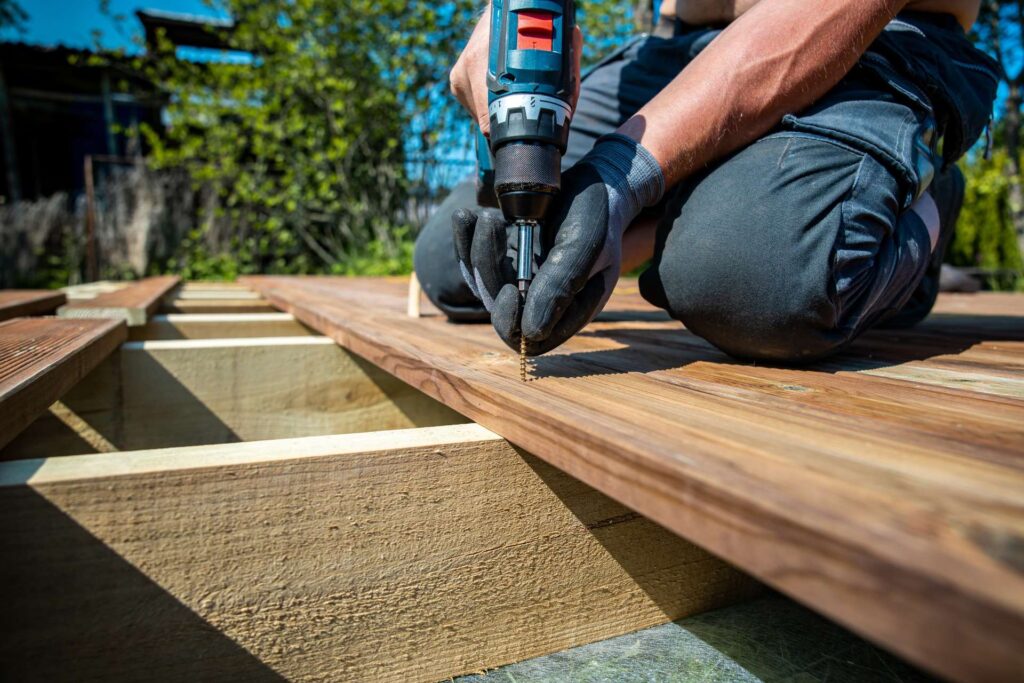
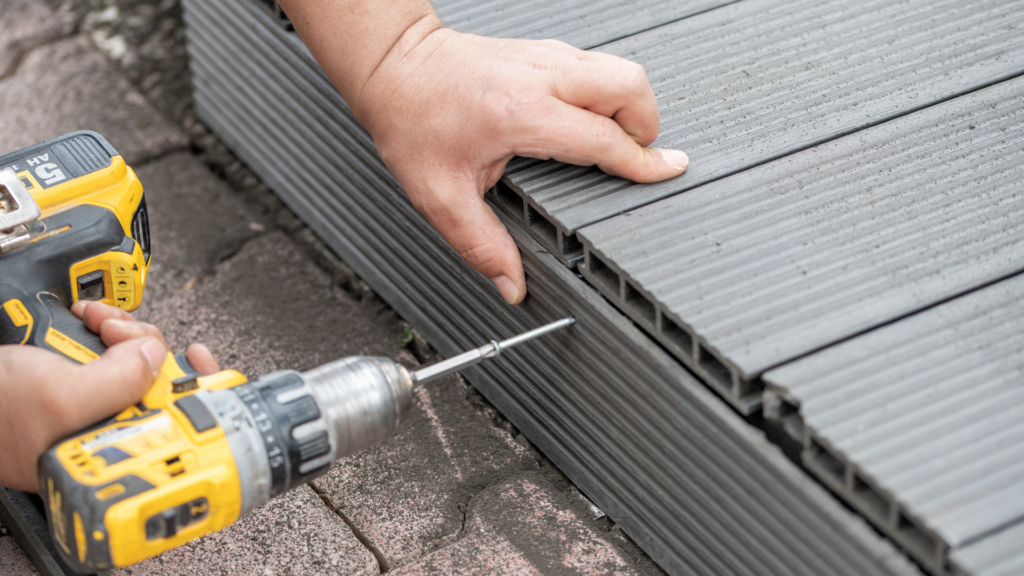
- DIY vs professional installation: Some homeowners choose a DIY installation to reduce costs, especially for simple deck designs. However, professional installation is often recommended for larger or more complex projects to ensure correct spacing, ventilation, and fastening systems. Proper installation directly impacts the deck’s lifespan and warranty compliance.
By carefully considering climate conditions, long-term value, design preferences, and installation requirements, you can choose composite decking that not only looks great but also performs reliably in New Zealand’s unique environment.
Composite Decking Cost In NZ (What To Expect)
Understanding the cost of composite decking in NZ is essential before starting any outdoor project. While it is often seen as a premium option compared to timber, the total value becomes clearer when you consider durability, maintenance savings, and long-term performance. Breaking down the costs into materials, installation, and overall return helps you make a more informed decision.
Average Price Per m²
Composite decking prices in New Zealand can vary significantly depending on the brand, material quality, and finish. Knowing the difference between entry-level and premium options will help you align your budget with your expectations.
- Entry-level range: Basic composite decking typically starts at a lower price point and offers a simple wood-look finish with standard durability. These products are suitable for smaller projects or areas with moderate use, but may have shorter warranties and less advanced UV-resistant features.
- Mid-to-premium range: Higher-quality composite decking usually includes capped composite boards with enhanced protection against fading, staining, and moisture. These products often feature more realistic wood-grain textures and a wider colour selection, making them a better choice for long-term, high-traffic outdoor spaces.
- Premium range: Top-tier decking products sit at the higher end of the price spectrum and are designed for maximum durability and aesthetic appeal. They often come with extended warranties and superior performance in coastal or high-UV environments, which are common across many parts of NZ.
Installation Costs
Installation is a key part of your overall decking investment and can vary depending on the complexity of the project and the materials used. While some homeowners opt for a DIY approach, professional installation is often recommended for a long-lasting and structurally sound result.
- Labour costs in NZ: Labour rates can differ depending on location, builder experience, and project size. More complex deck designs, such as multi-level or custom-shaped decks, will typically increase labour costs. Choosing an experienced installer ensures proper spacing, ventilation, and compliance with local building standards.
- Hidden costs: Beyond the decking boards themselves, several additional components can impact your total budget. These are often overlooked during initial planning but are essential for a durable, well-built deck.
- Subframe materials: The supporting structure, often made from treated timber or aluminium, is critical for stability and longevity.
- Fasteners and fixings: Hidden clip systems, screws, and connectors add to the cost but improve the overall finish and durability.
- Site preparation: Ground levelling, drainage considerations, and removal of existing materials can increase upfront expenses.
Is Composite Decking Worth The Investment?
While the initial cost of composite decking is higher than timber, the long-term value often makes it a worthwhile investment for many NZ homeowners. The key is to look beyond upfront pricing and consider total cost of ownership.
- Long-term savings vs timber maintenance: Timber decks require regular oiling, staining, and repairs, which add ongoing costs over time. Composite decking eliminates most of these expenses, reducing both maintenance effort and long-term spending.
- Return on investment for homeowners: A well-built, low-maintenance deck can enhance property appeal and usability, which may contribute to overall home value. Buyers are increasingly drawn to durable, ready-to-use outdoor spaces that do not require immediate work.
- Lifestyle value: Beyond financial return, composite decking offers convenience and peace of mind. Homeowners can enjoy their outdoor space without worrying about constant upkeep, which is a significant benefit for busy households.
Composite decking may require a higher upfront investment, but when you factor in durability, reduced maintenance, and long-term performance, it often delivers better overall value. Taking the time to plan your budget carefully ensures you get the most out of your decking project.
Composite Decking Vs Timber Decking: Which Is Better?
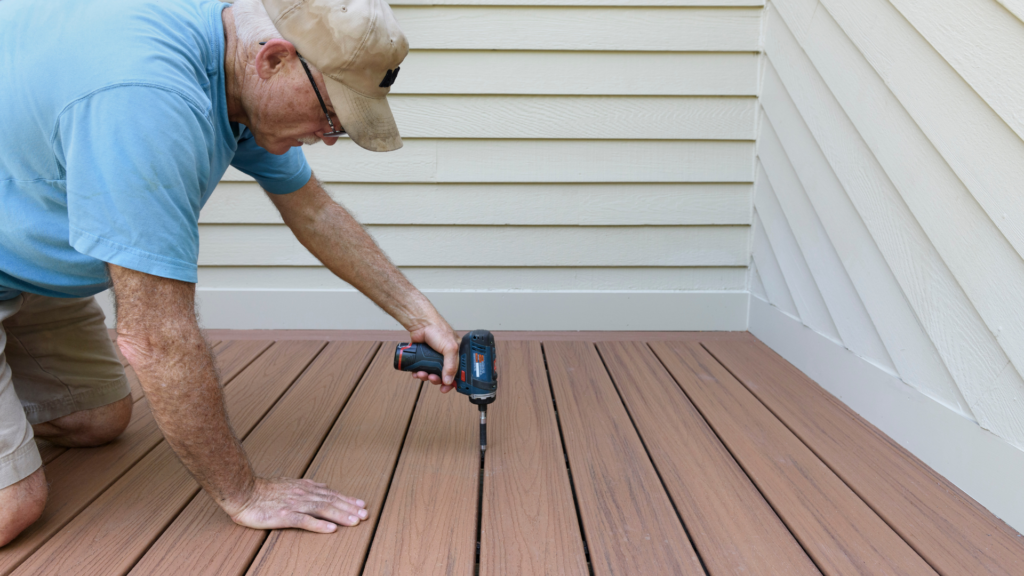
Choosing between composite decking and timber decking is one of the most common decisions homeowners face when planning an outdoor space in New Zealand. Both options have their strengths, but the right choice depends on your priorities, whether that is low-maintenance convenience, natural aesthetics, or long-term value. A side-by-side comparison makes it easier to understand how each material performs in real-world conditions.
Maintenance Comparison
One of the biggest differences between composite decking and timber decking comes down to how much ongoing work is required to keep the deck looking and performing at its best.
- Composite decking maintenance: Composite decking is designed to be low-maintenance, requiring only occasional cleaning with water and mild detergent. There is no need for sanding, staining, or sealing, which makes it ideal for homeowners who want a hassle-free outdoor space.
- Timber decking maintenance: Timber decking requires regular upkeep to prevent weather-related damage. This includes annual or biannual oiling, staining, and sometimes sanding to maintain appearance and protect against moisture. Without consistent care, timber can quickly lose its finish and structural integrity.
- Time and effort difference: Over several years, the time investment required for timber maintenance can add up significantly. Composite decking reduces this burden, allowing you to spend more time enjoying your deck rather than maintaining it.
Durability And Lifespan
Durability is especially important in New Zealand, where decks are exposed to strong UV rays, moisture, and temperature changes throughout the year.
- Composite decking durability: Composite boards are engineered to resist common issues like warping, cracking, and splintering. Many capped composite products also provide enhanced protection against moisture and UV exposure, helping maintain both structure and appearance over time.
- Timber decking durability: Timber is naturally strong but more vulnerable to environmental factors. Exposure to sun and moisture can lead to fading, cracking, and rot if not properly maintained. Even with regular care, timber typically has a shorter lifespan compared to high-quality composite decking.
- Expected lifespan: Composite decking often lasts 20 to 30 years or more, depending on the product and installation quality. Timber decking lifespan can vary widely but generally falls within a shorter range, especially if maintenance is inconsistent.
Cost Over Time
While upfront pricing often drives initial decisions, it is important to consider the long-term financial impact of each option.
- Initial investment: Timber decking is usually more affordable upfront, making it attractive for budget-conscious projects. Composite decking has a higher initial cost due to material quality and manufacturing processes.
- Ongoing maintenance costs: Timber decking requires regular investment in oils, stains, and potential repairs. Over time, these costs can accumulate and significantly increase the total cost of ownership.
- Long-term value: Composite decking tends to offer better long-term value because of its minimal maintenance requirements and extended lifespan. When calculated over 10 to 20 years, it often becomes a more cost-effective solution despite the higher initial price.
Environmental Impact
Sustainability is becoming an increasingly important factor for homeowners when choosing building materials.
- Composite decking sustainability: Many composite decking products are made using recycled plastics and reclaimed wood fibres. This reduces waste and decreases the demand for new timber resources, making it a more environmentally-conscious option.
- Timber decking sustainability: Timber is a natural material and can be sustainable if sourced from responsibly managed forests. However, ongoing maintenance products such as oils and stains can have environmental impacts over time.
- Lifecycle impact: Composite decking typically has a longer usable life and lower maintenance requirements, which can reduce its overall environmental footprint when considered across its full lifecycle.
Composite decking and timber decking both have their place, but the better option depends on what matters most to you. If you value low-maintenance convenience, durability, and long-term cost savings, composite decking is often the stronger choice. If you prefer a natural look and do not mind ongoing upkeep, timber can still be a suitable option.
Common Mistakes To Avoid When Choosing Composite Decking
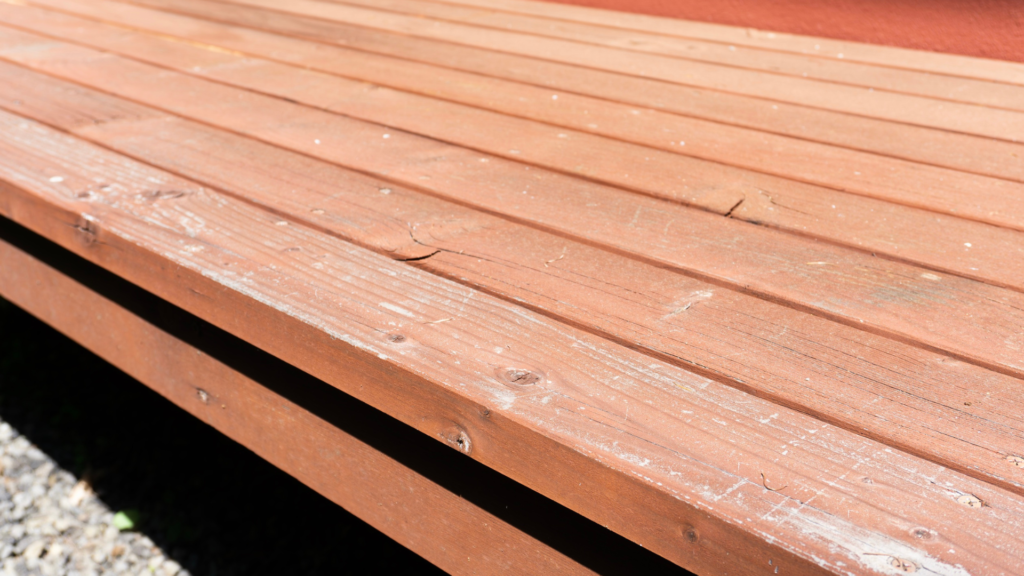
Choosing the right composite decking in NZ involves more than just picking a colour or comparing prices. Many issues homeowners face later can often be traced back to early decisions that overlooked important factors. By understanding these common mistakes, you can avoid costly setbacks and ensure your deck performs well in New Zealand’s demanding outdoor conditions.
Choosing Based On Price Alone
Focusing only on the lowest price can lead to compromises in quality, durability, and long-term performance. While budget is always a consideration, composite decking should be viewed as a long-term investment rather than a short-term cost.
- Short-term savings vs long-term cost: Lower-cost boards may lack a protective capped layer, making them more vulnerable to fading, staining, and moisture damage over time. This often leads to earlier replacement or repairs.
- Material quality differences: Not all composite decking is made the same. Higher-quality products typically include better UV stabilisers and more durable outer coatings, which are essential in high-UV NZ environments.
- Performance in harsh conditions: Budget options may not perform well in coastal or high-rainfall areas, where exposure to salt and moisture can accelerate wear.
Ignoring Installation System Compatibility
Composite decking is only as good as the system it is installed on. Overlooking compatibility between the decking boards and the subframe or fixing system can lead to structural issues and reduced lifespan.
- Subframe requirements: Composite decking requires a properly designed subframe, often made from treated timber or aluminium. Incorrect spacing or unsuitable materials can cause sagging or movement over time.
- Hidden fixing systems: Many modern composite boards use clip-based fixing systems that require precise installation. Using incompatible fasteners can affect board stability and appearance.
- Ventilation and drainage: Adequate airflow beneath the deck is essential to prevent moisture buildup. Poor ventilation can reduce the lifespan of both the decking and the supporting structure.
Not Checking Warranty Details
Warranties can vary significantly between brands, and not all coverage is equal. Overlooking the fine print can leave you unprotected if issues arise later.
- Coverage limitations: Some warranties only cover structural defects and not fading, staining, or surface wear. It is important to understand exactly what is included.
- Pro-rated terms: Many warranties decrease in value over time, meaning the level of coverage reduces as the product ages.
- Installation conditions: Certain warranties require professional installation or adherence to specific guidelines. Failing to meet these conditions can void the warranty entirely.
Overlooking Heat And Sun Exposure
New Zealand’s strong sun can have a noticeable impact on decking performance, particularly with darker composite boards.
- Surface temperature: Composite decking can become warm under direct sunlight, which may affect comfort in barefoot areas such as patios or pool surrounds.
- Colour selection impact: Darker colours tend to absorb more heat, while lighter shades reflect sunlight and stay cooler underfoot.
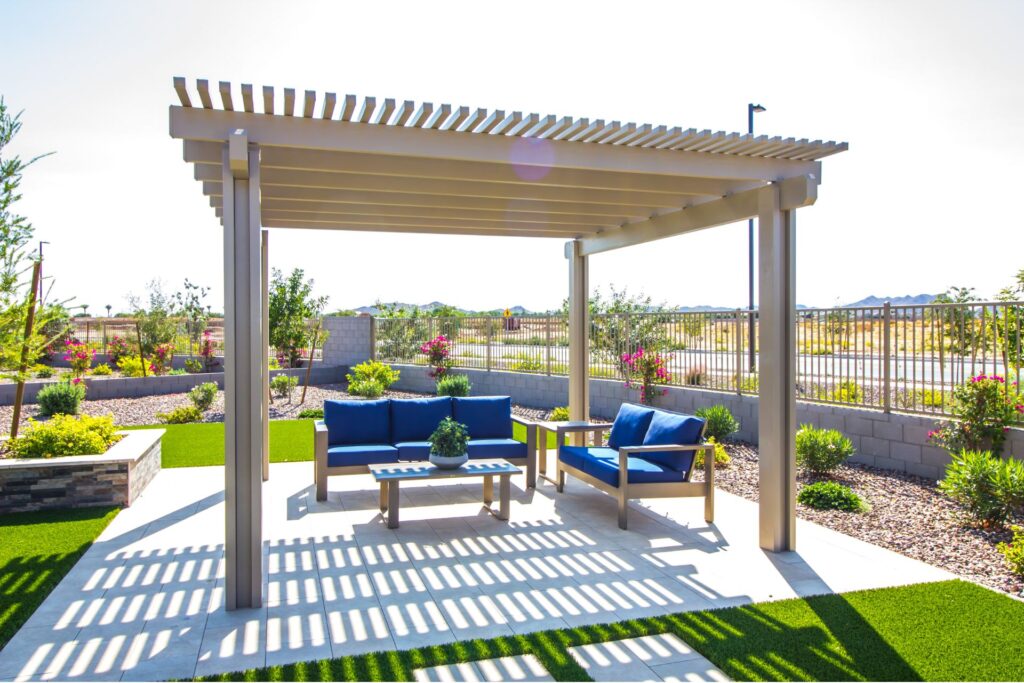
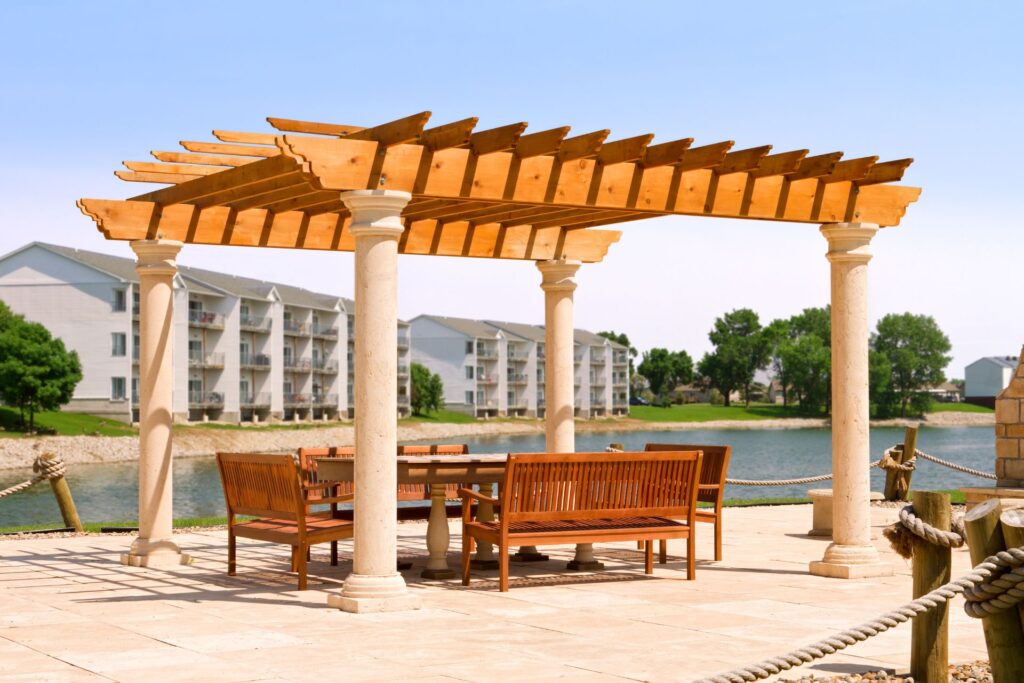
- Placement and design: Incorporating shade elements such as pergolas, umbrellas, or strategic landscaping can significantly improve usability during peak summer months.
Taking the time to consider these factors upfront can save you from avoidable problems and ensure your decking performs as expected. A well-informed choice leads to a more durable, comfortable, and visually appealing outdoor space that stands up to New Zealand’s unique conditions.
Expert Tips For Getting The Best Results
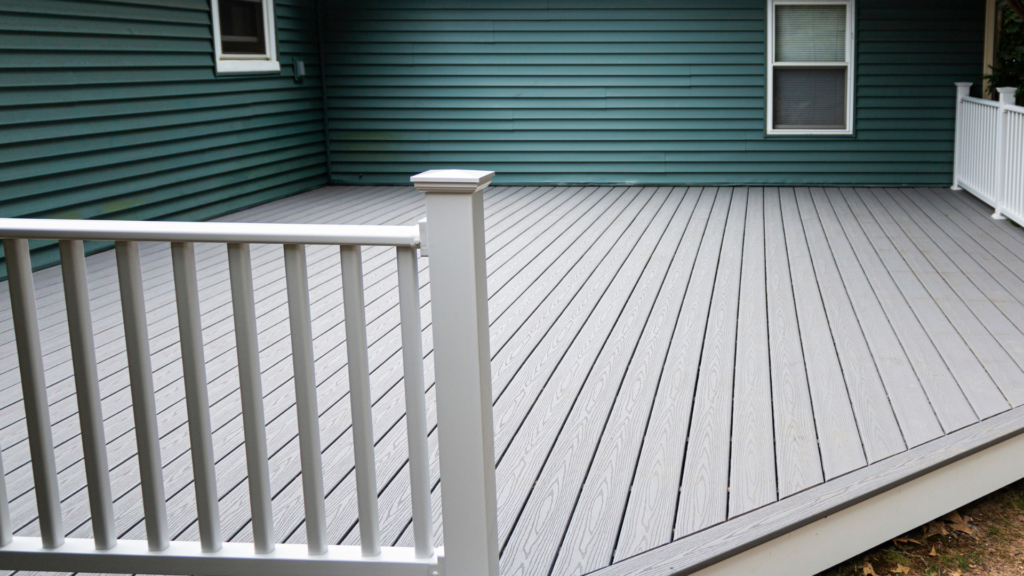
Choosing the best composite decking in NZ goes beyond selecting a brand or colour. The real difference in performance and longevity often comes down to how the decking is selected, installed, and evaluated before purchase. These expert-backed tips are based on real-world installation practices and long-term performance considerations, helping you avoid common pitfalls and get the most value from your investment.
Choose Capped Composite For Longevity
Not all composite decking is built the same, and one of the most important distinctions is whether the board is capped or uncapped. Capped composite decking includes a protective outer layer that significantly improves durability and resistance to environmental damage.
- Moisture protection: The outer shell prevents water absorption, reducing the risk of swelling, mould growth, and long-term structural degradation, especially in high-moisture or coastal areas.
- UV resistance: A capped surface helps maintain colour stability under New Zealand’s intense sun exposure, preventing premature fading and weathering.
- Stain resistance: Spills from food, drinks, or outdoor use are less likely to penetrate the surface, making cleaning easier and preserving the deck’s appearance over time.
For most homeowners, especially those investing in a long-term outdoor solution, capped composite offers a more reliable and low-maintenance performance compared to standard wood-plastic boards.
Use Proper Ventilation And Spacing
Even though composite decking is more stable than timber, it still requires correct installation practices to perform at its best. Ventilation and spacing are critical for preventing moisture buildup and allowing for natural expansion and contraction.
- Airflow underneath the deck: Adequate ventilation beneath the decking boards helps prevent trapped moisture, which can lead to mould or odour issues over time.
- Expansion gaps: Composite boards expand and contract with temperature changes, so leaving the correct spacing between boards ensures structural stability and prevents warping.
- Drainage considerations: A well-designed subframe should allow water to drain freely, avoiding pooling that can affect both the decking and the supporting structure.
Ignoring these details can lead to avoidable performance issues, even with high-quality materials.
Work With Certified Installers
While composite decking can be installed as a DIY project, working with experienced or certified installers often leads to better long-term results. Proper installation directly impacts the lifespan, safety, and overall finish of your deck.
- Technical expertise: Certified installers understand manufacturer-specific requirements, including fixing systems, spacing guidelines, and subframe compatibility.
- Warranty protection: Many decking brands require professional installation to maintain warranty coverage, which protects your investment in the long run.
- Quality finish: An experienced installer can ensure clean lines, consistent spacing, and a polished end result that enhances the overall look of your outdoor space.
For larger or more complex projects, professional installation is usually the safer and more cost-effective option over time.
Request Samples Before Buying
Choosing composite decking based on online images alone can be misleading, as colour, texture, and finish can vary significantly in real-life conditions. Requesting samples allows you to make a more confident and informed decision.
- Colour accuracy: Viewing samples in natural light helps you see how the colour interacts with your home’s exterior and surrounding environment.
- Surface texture: Feeling the board gives you a better sense of grip, finish, and overall quality, which is important for both aesthetics and safety.
- Heat performance: Testing samples in direct sunlight can give you a realistic idea of how hot the surface may get during summer.
By focusing on material quality, correct installation, and informed decision-making, you can maximise the lifespan and performance of your composite decking. These practical steps help ensure your deck not only looks great on day one but continues to perform reliably for years to come.
References
- Composite Decking NZ: A Complete Guide To Durable, Low-Maintenance Outdoor Solutions
https://builderconnect.co.nz/blog/composite-decking-nz/ - Composite Decking In NZ: The Durable, Low-Maintenance Solution For New Zealand Homes
https://fencinghawkesbay.co.nz/composite-decking-nz/ - Ultimate Guide To Composite Decking In New Zealand: Benefits And Installation Tips
https://deckbuildersnelson.co.nz/composite-decking-nz/ - ModWood Composite Decking NZ (CodeMark Certified WPC Decking)
https://modwood.co.nz/ - Trex Composite Decking NZ Product Information
https://hurfords.co.nz/product/trex-transcend-lineage/

FAQs: About Best Composite Decking In NZ
Conclusion
Choosing the best composite decking in NZ comes down to understanding what matters most for your home and how your deck will perform over time in local conditions. From selecting a trusted brand to evaluating durability, UV resistance, and maintenance requirements, the right decision is one that balances upfront cost with long-term value. Composite decking stands out for its ability to handle New Zealand’s demanding climate while reducing ongoing upkeep, making it a smart investment for homeowners who want both performance and peace of mind. To move forward with confidence, it is worth comparing product options carefully, speaking with experienced installers, and reviewing warranties to ensure you are getting a high-quality solution. Getting quotes from local suppliers and requesting product samples can also help you visualise the final result and avoid costly mistakes. If you are ready to take the next step, compare top NZ decking brands today or talk to a decking expert to find the best fit for your project and lifestyle.
Find A Professional Decking Company Near You!
- Balcony Construction Christchurch
- Deck Builders Alexandra
- Deck Builders Alexandra, Clyde & Cromwell
- Deck Builders Auckland
- Deck Builders Central Otago
- Deck Builders Christchurch
- Deck Builders Clyde
- Deck Builders Cromwell
- Deck Builders Hamilton
- Deck Builders Hawkes Bay
- Deck Builders Invercargill
- Deck Builders Kapiti Coast
- Deck Builders Kerikeri
- Deck Builders Lower Hutt
- Deck Builders Manawatu–Whanganui
- Deck Builders Nelson
- Deck Builders New Plymouth
- Deck Builders Paihia
- Deck Builders Palmerston North
- Deck Builders Porirua
- Deck Builders Queenstown
- Deck Builders Taupo
- Deck Builders Tauranga
- Deck Builders Upper Hutt
- Deck Builders Wanaka
- Deck Builders Warkworth
- Deck Builders Wellington
- Deck Builders West Auckland
- Deck Staining Palmerston North
- Pro Deck Builders Christchurch

About the Author:
Mike Veail is a recognized digital marketing expert with over 6 years of experience in helping tradespeople and small businesses thrive online. A former quantity surveyor, Mike combines deep industry knowledge with hands-on expertise in SEO and Google Ads. His marketing strategies are tailored to the specific needs of the trades sector, helping businesses increase visibility and generate more leads through proven, ethical methods.
Mike has successfully partnered with numerous companies, establishing a track record of delivering measurable results. His work has been featured across various platforms that showcase his expertise in lead generation and online marketing for the trades sector.
Learn more about Mike's experience and services at https://theleadguy.online or follow him on social media: