Welcome to your complete guide on adding an extra room to your house in Auckland. Whether you’re craving more space for your growing family, need a quiet home office, or want to boost your property’s value, building an extra room is a smart move. This guide walks you through everything — from understanding council rules to estimating costs and hiring the right professionals — so you can make confident, informed decisions and turn your home expansion plans into reality. Consider working with concrete-contractors-nz/concrete-floor-slabs-kapiti-coast/”>concrete-contractors-nz/concrete-layers-lower-hutt/”>concrete services for professional results. For professional help, contact experienced building contractors in your area.
Adding an extra room to your house in Auckland typically involves planning, council consent, and professional help. Costs range between $40,000 and $100,000, depending on size and design. Most homeowners add rooms to gain space, increase property value, or avoid moving. Always check Auckland Council building and resource consent requirements before starting construction.
- Why Add An Extra Room To Your House?
- What Are Your Options For Adding A Room
- Council Rules And Building Consents In Auckland
- Costs Of Adding An Extra Room In Auckland
- Choosing The Right Professionals
- Step-By-Step Process Of Adding A Room
- Common Mistakes To Avoid
- FAQs: About Adding An Extra Room In Auckland
- Conclusion
- Find A Professional Builders Company Near You!
Why Add An Extra Room To Your House?
Adding an extra room to your house in Auckland gives you practical space that fits your life today and tomorrow. If your family is growing, you work from home, or guests visit often, a well planned room solves daily friction. More floor area means better furniture placement, smarter storage, and clearer zones for living, working, and resting. You gain comfort because everyone has room to breathe. You gain functionality because the layout supports real routines like homework, zoom calls, or a quiet retreat. You gain privacy because you can close a door and focus without noise traveling through the house.
The right room makes your home work harder for you. A bedroom creates separation for teens or aging parents. A home office removes distractions so you can protect your time. A small lounge or media room pulls activity away from the kitchen, which reduces clutter and stress. Insulation, glazing, and lighting design lift the quality of the whole home, not just the new area. When the project respects sun, airflow, and storage, the space feels natural, not tacked on.
There is also a strong financial case. Auckland buyers pay attention to bedroom count, flexible spaces, and consented improvements. A compliant addition can raise appraised value, widen your pool of buyers, and shorten days on market. While every property is unique, a thoughtful room addition often compares well to the cost of selling and upgrading to a larger house. You avoid agent fees, moving costs, and the risk of buying at the wrong time.
The emotional value is real. Staying in the same neighborhood keeps you close to friends, schools, and daily habits that matter. You keep your morning walk, your favorite cafe, and your support network. Kids do not need to change schools. Commutes stay predictable. You grow your home around your life rather than starting over somewhere else.
Here is a common pattern in the city: “Many Auckland homeowners choose to expand rather than face rising house prices.” They decide on a clear purpose for the new room, invest in quality design, and end up with a home that fits better and feels calmer.
What Are Your Options For Adding A Room
When you’re planning to add an extra room to your house in Auckland, you have three main choices: internal conversions, extensions, and sleepouts or minor dwellings. Each option suits different budgets, spaces, and goals. The key is to choose one that fits your home layout and your long-term plans.
Internal Conversions
An internal conversion means transforming an existing space like a garage, attic, or basement into a livable room. It’s one of the most cost-effective ways to add space without extending your home’s footprint.
Pros:
- More affordable than a full build since the structure already exists.
- Faster completion time compared to building new rooms.
- Ideal for adding a bedroom, home office, or studio.
- Minimal impact on outdoor space.
Cons:
- Limited to the size and shape of your current structure.
- May need insulation, waterproofing, and ventilation upgrades.
- Might not add as much resale value as a full extension.
Average Cost In Auckland:
Expect to spend between $25,000 and $50,000, depending on design, finishes, and council requirements.
Extensions
An extension involves building outward or upward to create entirely new space. This option is popular among Auckland homeowners who want more living area without relocating.
Pros:
- Increases floor area and home value significantly.
- Flexible design options to match your lifestyle.
- Perfect for adding multiple rooms or open-plan spaces.
Cons:
- Higher costs due to construction, materials, and permits.
- Longer project timelines and possible disruption during building.
- May require both building and resource consents.
Average Cost In Auckland:
Single-story extensions generally range from $40,000 to $80,000, while second-story additions can exceed $100,000, depending on materials and design complexity.
Sleepouts Or Minor Dwellings
A sleepout or minor dwelling is a separate small structure built on your property. It can serve as a guest room, home office, or rental unit.
Pros:
- Offers privacy and flexibility for extended family or guests.
- Can generate rental income if permitted.
- Adds functionality without altering your main house.
Cons:
- Requires enough outdoor space for construction.
- May need full building consent and separate utilities.
- More expensive than internal conversions.
Average Cost In Auckland:
Typically costs between $60,000 and $120,000, depending on size, design, and plumbing or kitchen additions.
Choosing The Right Option
Your choice depends on your budget, available space, and purpose. If you need a quick and affordable upgrade, internal conversion works best. If you want long-term value and flexibility, a full extension might be worth it. And if you need independence or extra income potential, a minor dwelling could be the ideal choice.
Adding a room to your Auckland home doesn’t have to be complicated. Whether it’s converting an unused area or building something new, each option offers unique benefits. The key is to plan carefully, consult trusted professionals, and choose the solution that fits your lifestyle and future goals.
Council Rules And Building Consents In Auckland
When you plan to add an extra room to your house in Auckland, the first and most important step is understanding the council rules. The Auckland Council has strict building and zoning requirements designed to keep homes safe, compliant, and consistent with local planning standards. Whether you are extending your home, converting a garage, or building a new space above an existing area, you’ll almost always need official approval before starting construction.
Why You Need Auckland Council Consent
Most home additions change the structure, size, or layout of your property. Because of that, the council must confirm that your project follows New Zealand Building Code standards. This process ensures the room addition is safe, weatherproof, energy efficient, and structurally sound. Without consent, you risk penalties, delays, and problems when selling your property later.
Key Building Rules To Follow
When applying for consent, you’ll need to consider several important regulations:
- Floor Area Limits: There are restrictions on how large your extension can be based on the total site area. For example, you can only build up to a certain percentage of your land depending on zoning.
- Distance From Boundaries: The council requires specific setbacks from property boundaries to maintain privacy and safety. You usually need a minimum distance between your new room and your neighbor’s fence.
- Height Restrictions: Height controls vary by area. In many residential zones, your structure can only reach a certain height before it requires resource consent. This prevents shading or privacy issues with nearby properties.
These rules are part of Auckland’s Unitary Plan, which defines what you can and cannot build on your property.
Resource Consent Vs Building Consent
These two types of consents often confuse homeowners, but they serve different purposes:
- Building Consent focuses on how the room will be built. It checks the technical and safety details such as structure, foundations, insulation, drainage, and fire protection.
- Resource Consent deals with how your project affects the environment or neighborhood. You’ll need it if your plan exceeds zoning limits, changes land use, or impacts neighboring properties.
To make it simple, if your project stays within the council’s standard rules, you might only need building consent. But if you’re planning something more complex, like a second-story extension or a boundary adjustment, you’ll likely need both.
Verifying Information
For accurate and updated information, visit the official Auckland Council websites:
- Auckland Council – Building and Renovation Guide
- Auckland Unitary Plan
These resources explain zoning maps, consent fees, and the full step-by-step process for home extensions.
Practical Example
Let’s say you want to add a room over your garage to create an extra bedroom or office. Because this changes the structure and height of your home, it almost always requires both building and resource consents. Your designer or builder will help you prepare the drawings and documents needed for approval.
It might sound complicated, but the process becomes much smoother when you work with a licensed designer or builder familiar with Auckland Council’s rules. Taking the time to secure the right consents upfront ensures your project runs legally, safely, and without unexpected issues later on. With the proper guidance, your home addition can move from paperwork to progress with confidence.
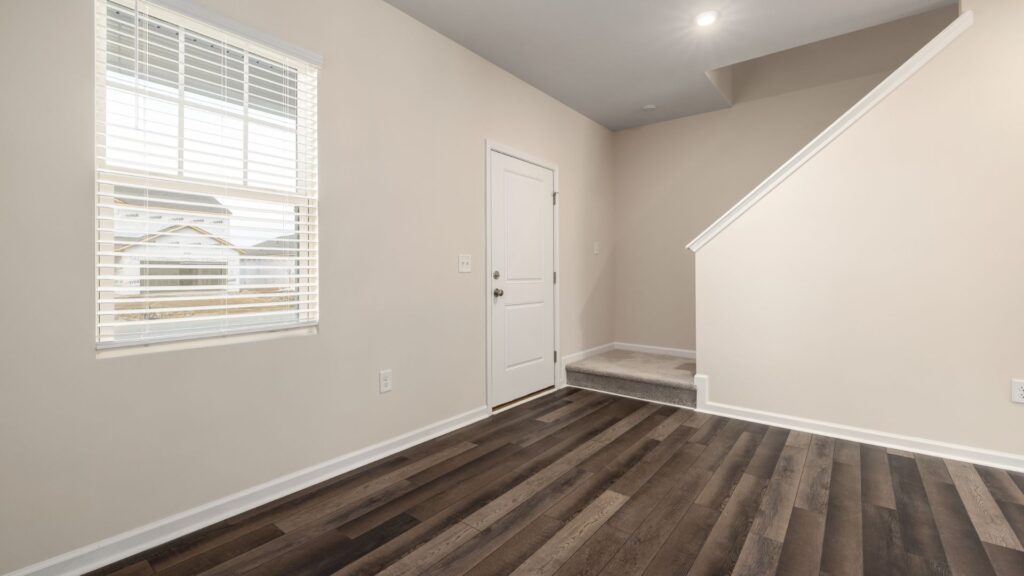
Costs Of Adding An Extra Room In Auckland
Adding an extra room to your house in Auckland is a smart investment, but it’s important to understand what drives the total cost. Prices can vary widely depending on the type of room, materials, and the amount of work required. On average, Auckland homeowners spend between $40,000 and $100,000 for a well-planned home addition.
A basic single-room addition typically ranges from $40,000 to $80,000. This cost usually covers standard building materials, flooring, electrical work, and finishing. The price may increase if you choose premium fittings or need additional structural support.
A two-storey addition often exceeds $100,000 because of the extra engineering, roofing, and foundation adjustments required. While more expensive, it can dramatically increase living space and property value, especially in Auckland’s high-demand housing market.
For homeowners looking for a budget-friendly option, a garage conversion can cost between $25,000 and $50,000. Converting an existing space reduces the need for new foundations and walls, making it one of the most practical ways to add usable space without overspending.
Several factors influence the total cost of your project:
- Materials: High-end timber, insulation, and finishes raise the price.
- Design complexity: Custom layouts and architectural features increase labor and design fees.
- Consent fees: Auckland Council building and resource consents can add a few thousand dollars depending on project size.
- Site conditions: Sloped or restricted-access sites require more groundwork and equipment.
If you want to manage costs effectively, compare quotes from multiple licensed builders. Early planning helps prevent unexpected delays and allows time to secure council approvals. Reusing existing structures like garages or basements can also cut expenses significantly.
Tip: Ask for itemized quotes to see where your money really goes. This helps you identify unnecessary charges and ensures transparency with your contractor.
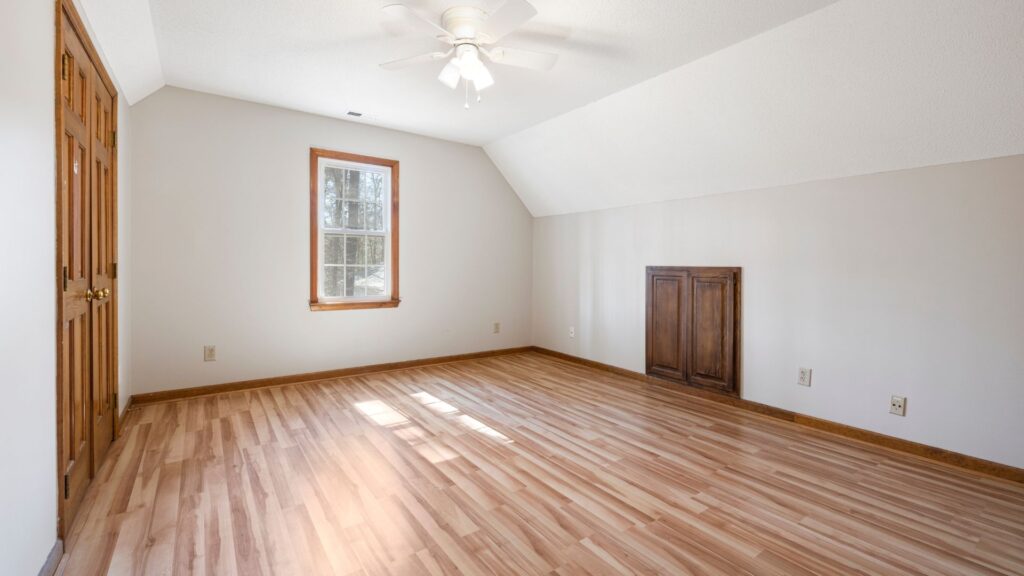
Choosing The Right Professionals
Adding an extra room to your Auckland home is a major investment, and the right professionals can make or break your project. Choosing skilled experts ensures your build runs smoothly, stays within budget, and meets all council requirements. Here’s what you need to know before hiring your team.
Architect Or Designer
An architect or designer is your first point of contact when planning a home extension. They help you turn your ideas into a functional and attractive design that fits your home’s structure and style. In Auckland, an experienced architect will also make sure your design complies with building and zoning rules set by the Auckland Council. Look for professionals who have handled similar residential projects and can provide drawings ready for council submission. Always check their registration and ask for examples of past work.
Builder
Once your plans are approved, you’ll need a reliable builder to bring your vision to life. A licensed builder with local experience is essential because they understand Auckland’s building codes, consent processes, and weather conditions that affect materials and timelines. Before hiring, request quotes from several builders and compare them carefully. Choose one who communicates clearly, provides detailed contracts, and offers realistic project timelines. Checking online reviews and previous client feedback can help you avoid unexpected surprises later.
Engineer
Depending on your design, you might need a structural or civil engineer. Engineers ensure your new room addition is structurally sound and safe for long-term use. They review your building plans, assess foundations, and confirm the structural integrity of walls and roofs. In Auckland, an engineer’s report may also be required for your building consent application, especially for complex or multi-story additions.
How To Choose The Right Team
When selecting professionals, focus on three things: licensing, local experience, and transparency. Only work with tradespeople who hold current New Zealand licenses. Confirm they have completed projects in Auckland, where local building rules can differ from other regions. Ask questions about their process for handling building consent applications. A trustworthy professional will explain every step clearly instead of making vague promises.
Also, take the time to review their portfolio or visit completed projects if possible. This gives you a clear idea of their craftsmanship and attention to detail. Checking online reviews on Google or trade directories can also reveal how well they manage timelines and budgets.
The best teams don’t just build; they guide you through every step of the process. Good builders and designers will help you understand consent requirements, recommend reliable subcontractors, and ensure each stage meets Auckland Council standards.
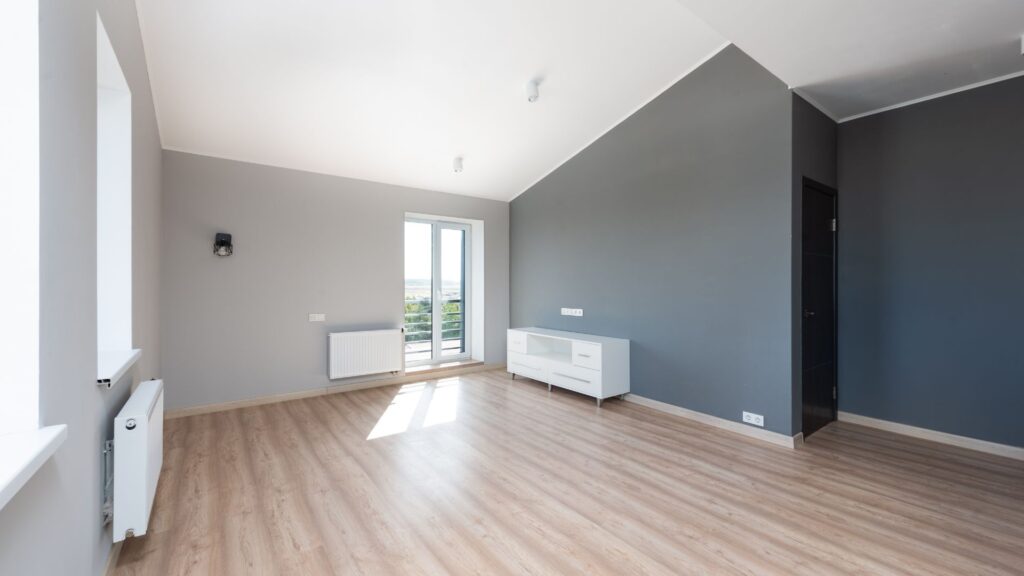
Step-By-Step Process Of Adding A Room
Adding an extra room to your house in Auckland is an exciting project that can improve your lifestyle and boost your property’s value. To make the process smooth and stress-free, it’s important to understand each step clearly. Here’s how to move from idea to completion with confidence.
1. Decide The Purpose Of The Room
Start by defining why you need the new space. Is it for a bedroom, a home office, or a guest suite? Knowing the purpose helps you make the right design choices. Think about natural light, privacy, and accessibility. A clear purpose also guides your budget and layout decisions, making the design process easier.
2. Get The Site Measured And Design Drawn
Once you know what you want, contact a professional designer or architect. They will measure your property, check existing structures, and prepare detailed plans. Accurate measurements prevent costly mistakes later on. It’s also wise to discuss materials, insulation, and energy efficiency at this stage.
3. Apply For Council Consent
Before any construction begins, you must get the required approvals from Auckland Council. Most room additions need Building Consent, and sometimes Resource Consent if your project affects zoning or boundaries. Submit your plans, structural details, and specifications for review. It may take several weeks for approval, so plan accordingly.
4. Hire A Licensed Builder
Choose a qualified builder who has experience with Auckland home extensions. Check references, previous projects, and licensing details. A good builder will help manage council inspections and keep your project within budget. Make sure your contract includes timelines, materials, and payment terms to avoid surprises.
5. Construction Phase
Once everything is approved, construction begins. The builder will prepare the foundation, frame the structure, and install roofing, walls, and utilities. Regular site visits help you stay informed about progress. This phase usually takes a few months, depending on the size and complexity of your project. Clear communication with your builder ensures everything stays on track.
6. Final Inspection And Code Compliance Certificate
When construction is complete, Auckland Council will carry out a final inspection. If your new room meets all building standards, you’ll receive a Code Compliance Certificate (CCC). This document confirms that the work was done safely and legally. Keep it safe, as it’s important for insurance and future property sales.
From planning to completion, expect about three to six months for the entire process. By taking each step carefully and working with the right professionals, you’ll create a beautiful, functional space that adds comfort and long-term value to your Auckland home.
Common Mistakes To Avoid
Adding an extra room to your house in Auckland can be exciting, but simple mistakes can quickly turn your dream project into a stressful experience. Avoiding these common pitfalls will save you time, money, and frustration while keeping your project fully compliant with Auckland Council requirements.
Skipping Council Approval
Many homeowners make the mistake of starting construction without getting proper council approval. This can lead to heavy fines, delays, or even the need to demolish non-compliant work. Every room addition, no matter how small, usually needs building consent, and sometimes resource consent. These approvals ensure your project meets local building codes, safety standards, and zoning rules. Always check with the Auckland Council before any work begins. Getting professional advice from a licensed builder or designer familiar with local regulations can also help you avoid compliance issues later.
Underestimating Costs
Another common mistake is underestimating how much the project will actually cost. The initial quote might look affordable, but many homeowners forget to factor in design fees, consent charges, and unexpected construction challenges like ground leveling or structural reinforcements. Always include a 10–20% buffer in your budget for unexpected expenses. A realistic financial plan ensures your project doesn’t stop halfway through due to cost overruns.
Hiring Unlicensed Tradespeople
Choosing unlicensed or inexperienced builders to cut costs can backfire quickly. Unlicensed tradespeople may skip important safety steps, use substandard materials, or fail to meet Auckland Council’s building code standards. When this happens, you may end up paying double to fix the mistakes. That “cheap quote” may seem attractive now, but it could cost you far more once inspection time comes. Always verify that your builder holds a current license and has experience with home extensions in Auckland.
Ignoring Natural Light, Ventilation, Or Insulation
Designing a new room without considering light, airflow, and insulation is a major comfort mistake. A poorly lit or stuffy space will feel cramped and uninviting, reducing your home’s livability. Proper insulation also matters for energy efficiency and temperature control. Work with your designer to position windows strategically, choose suitable materials, and comply with energy efficiency standards. The goal is to create a room that feels like a natural part of your home, not an afterthought.
A small oversight can cause big problems during construction or inspection, but careful planning and professional guidance can help you avoid them. Stay informed, work with trusted experts, and your Auckland room addition will be safe, compliant, and comfortable for years to come.
FAQs: About Adding An Extra Room In Auckland
Conclusion
Planning ahead is the key to a smooth and successful home extension project in Auckland. Before you start drawing up designs or requesting quotes, take time to understand your space, set a clear budget, and research local building regulations. Consulting with experienced professionals, such as licensed builders and designers, can save you from costly mistakes and ensure your project meets Auckland Council requirements. With the right guidance, adding an extra room becomes a straightforward process that enhances both your home’s comfort and value. Don’t let uncertainty hold you back—start by talking to a trusted local builder or designer about your ideas today and take the first confident step toward creating the space your family needs.
Find A Professional Builders Company Near You!
- Auckland Builders For Small Jobs
- Builders Alexandra
- Builders Ashburton
- Builders Auckland
- Builders Blenheim
- Builders Cambridge
- Builders Central Otago
- Builders Christchurch
- Builders Clyde
- Builders Cromwell
- Builders Dunedin
- Builders Feilding
- Builders Gisborne
- Builders Hamilton
- Builders Hastings
- Builders Havelock North
- Builders Hawkes Bay
- Builders Hibiscus Coast
- Builders Invercargill
- Builders Johnsonville
- Builders Kapiti
- Builders Kerikeri
- Builders Levin
- Builders Lower Hutt
- Builders Manawatu
- Builders Masterton
- Builders Mosgiel
- Builders Napier
- Builders Nelson
- Builders New Plymouth
- Builders Oamaru
- Builders Paihia
- Builders Palmerston North
- Builders Paraparaumu
- Builders Porirua
- Builders Pukekohe
- Builders Queenstown
- Builders Rangiora
- Builders Rolleston
- Builders Taupo
- Builders Tauranga
- Builders Te Awamutu
- Builders Timaru
- Builders Tokoroa
- Builders Upper Hutt
- Builders Waikanae
- Builders Wanaka
- Builders Warkworth
- Builders Wellington
- Builders West Auckland
- Builders Whakatane
- Builders Whanganui
- Builders Whangarei
- Handyman Wellington
- Home Builders Rotorua
- Kitchen Removal Service Auckland
- Wellington Builders For Small Jobs

About the Author:
Mike Veail is a recognized digital marketing expert with over 6 years of experience in helping tradespeople and small businesses thrive online. A former quantity surveyor, Mike combines deep industry knowledge with hands-on expertise in SEO and Google Ads. His marketing strategies are tailored to the specific needs of the trades sector, helping businesses increase visibility and generate more leads through proven, ethical methods.
Mike has successfully partnered with numerous companies, establishing a track record of delivering measurable results. His work has been featured across various platforms that showcase his expertise in lead generation and online marketing for the trades sector.
Learn more about Mike's experience and services at https://theleadguy.online or follow him on social media: