Welcome to our guide on the best home upgrades that bring the most value to your property. Whether you’re looking to sell soon or simply enhance your living space, knowing which upgrades offer the highest return on investment is crucial. In this article, we’ll explore the top home improvements that can significantly boost your home’s value, from kitchen remodels to energy-efficient features. By the end, you’ll have the knowledge to make smart, cost-effective decisions that will not only increase your property’s appeal but also provide long-term financial benefits.
The home upgrades that bring the most value include kitchen remodels, bathroom renovations, energy-efficient windows, and curb appeal improvements like landscaping and new exterior paint. Additionally, adding smart home features and converting basements or attics into livable spaces can also offer high returns, often yielding an ROI of 70% to 100%.
- Understanding The Value Of Home Upgrades
- Top Home Upgrades That Deliver The Best Value
- Kitchen Remodel – The Heart of the Home
- Bathroom Renovations – Small Space, Big Impact
- Energy-Efficient Windows – Save Money and the Planet
- Curb Appeal Enhancements – First Impressions Matter
- Finished Basements and Attics – Expanding Livable Space
- Smart Home Features – The Modern Touch
- New Roofing and Siding – Protecting Your Investment
- Beginner’s Guide: How To Choose The Right Upgrades For Your Home
- Common Mistakes To Avoid When Upgrading Your Home
- Expert Insights: Maximizing Value Without Overspending
- References
- FAQs: About Best Home Upgrades For Increasing Property Value
- Conclusion
- Find A Professional Renovator’s Company Near You!
Understanding The Value Of Home Upgrades
When considering home upgrades, it’s important to understand how they influence the overall value of your property. Whether you’re planning to sell soon or simply enhance your living space, the right upgrades can significantly impact your home’s appeal and market value. This section will dive into why home upgrades matter and what factors determine the return on investment (ROI) for various renovations.
Why Home Upgrades Matter
Home upgrades are a strategic way to increase the attractiveness of your property, whether you’re selling or simply improving your living experience. The right improvements not only make your home more appealing to potential buyers but also help you stand out in a competitive real estate market.
- Increased Buyer Appeal: Buyers often have a list of “must-haves” when looking for a home, and upgrades can help your property tick off more boxes. For example, updated kitchens and bathrooms are typically at the top of buyers’ lists. When they walk into a home with modern finishes and functional spaces, they are more likely to picture themselves living there.
- Enhanced Home Value: Certain home upgrades, especially those that enhance functionality or aesthetics, can directly increase the value of your home. For instance, adding energy-efficient windows or upgrading to smart home features may not only save the homeowner money in the long run but also make the property more attractive on the market.
- Shortened Time on the Market: Homes with modern finishes and desirable upgrades often sell faster than those in need of repairs or outdated features. By investing in key upgrades, you can ensure that your home is move-in ready, attracting more buyers and potentially leading to a quicker sale.
- Market Trends: Homebuyers are increasingly seeking homes that are energy-efficient, technologically advanced, and visually appealing. By staying ahead of these trends with your upgrades, you position your property to appeal to the current market.
What Determines the ROI of a Home Upgrade?
Understanding the ROI (return on investment) of home upgrades is essential before deciding where to allocate your resources. Not all upgrades offer the same level of return, and the financial benefit of a renovation depends on a variety of factors.
- Location:
- Impact of Local Market: The location of your home plays a significant role in the value that upgrades bring. For example, in high-demand urban areas, upgrading the kitchen or adding a bathroom may offer higher ROI than in rural areas where buyers may prioritize other features.
- Neighborhood Comparisons: Upgrades should be aligned with the value of homes in your neighborhood. If you invest in high-end finishes in an area where most homes are modest, you may not see the full financial return on your investment. Understanding local market standards is key to making the right upgrades.
- Market Conditions:
- Seller’s vs. Buyer’s Market: The state of the real estate market can significantly influence your ROI. In a seller’s market, where demand outpaces supply, buyers may overlook minor flaws or opt for homes with smaller upgrades, making it easier to sell without heavy renovations. In a buyer’s market, where there is more inventory and competition, making strategic upgrades can help your home stand out and achieve a higher price.
- Trends in Home Preferences: The preferences of homebuyers evolve over time. Right now, for example, many buyers are looking for homes with energy-efficient features, such as solar panels, energy-saving appliances, or electric vehicle charging stations. Keeping up with these trends ensures your upgrades remain relevant.
- Cost of the Upgrade:
- Initial Investment vs. Long-Term Value: When evaluating an upgrade, consider both the initial cost and the potential long-term value. Some upgrades, such as replacing an old HVAC system or installing energy-efficient windows, may have higher upfront costs but save homeowners significant amounts on energy bills over time, making them worthwhile in the long run.
- Avoid Over-Improvement: While it’s tempting to make luxury upgrades, they may not always yield a proportionate return. Over-improving your home relative to others in the neighborhood can result in a smaller ROI because you may price yourself out of the local market. For instance, adding a swimming pool in an area where buyers aren’t typically interested in pools might not provide the ROI you’re hoping for.
- Buyer Preferences:
- Desirable Features: Understanding what buyers in your area want most is critical to making successful upgrades. Some buyers prioritize open floor plans and updated kitchens, while others may be drawn to outdoor living spaces or energy-efficient upgrades. Research your local market to find out what potential buyers value most.
- Target Demographics: Consider the demographic of potential buyers. Younger buyers, for example, may be more interested in smart home technology, while families with young children might place higher importance on safety features and space for play.
- Your Home’s Current Value:
- Starting Point: Before undertaking any upgrades, it’s important to know the current market value of your home. Understanding your home’s baseline value helps you evaluate which improvements will provide the most impact and which upgrades may not justify the expense.
- Assessing Existing Features: Take stock of your home’s current condition. Are there any structural issues that need to be addressed before aesthetic upgrades? For example, fixing a leaky roof or outdated plumbing could significantly enhance the value of more cosmetic upgrades like new countertops or flooring.
Understanding the local market, cost-to-value ratio, and buyer preferences ensures you make the right upgrades that will offer the highest return on investment. Always balance the cost of upgrades with the potential increase in home value to make informed decisions that align with both your budget and long-term goals.
Top Home Upgrades That Deliver The Best Value
When it comes to increasing the value of your home, not all upgrades are created equal. Some renovations provide a significant return on investment (ROI), making them worthwhile for homeowners looking to boost their property’s appeal and market value. Here, we’ll take an in-depth look at the top home upgrades that offer the best value, examining their costs, ROI, and the most effective improvements to consider.
Kitchen Remodel – The Heart of the Home
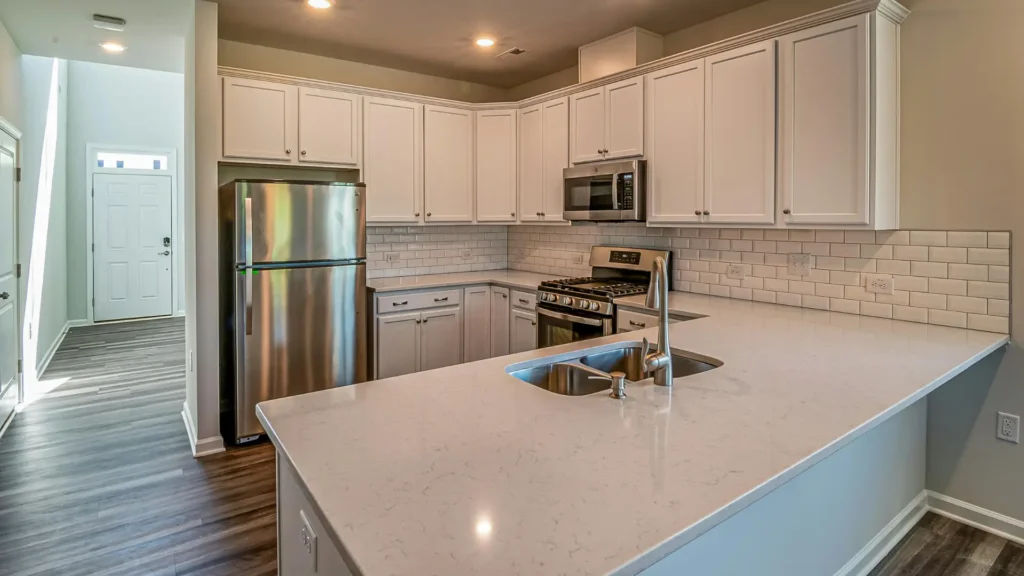
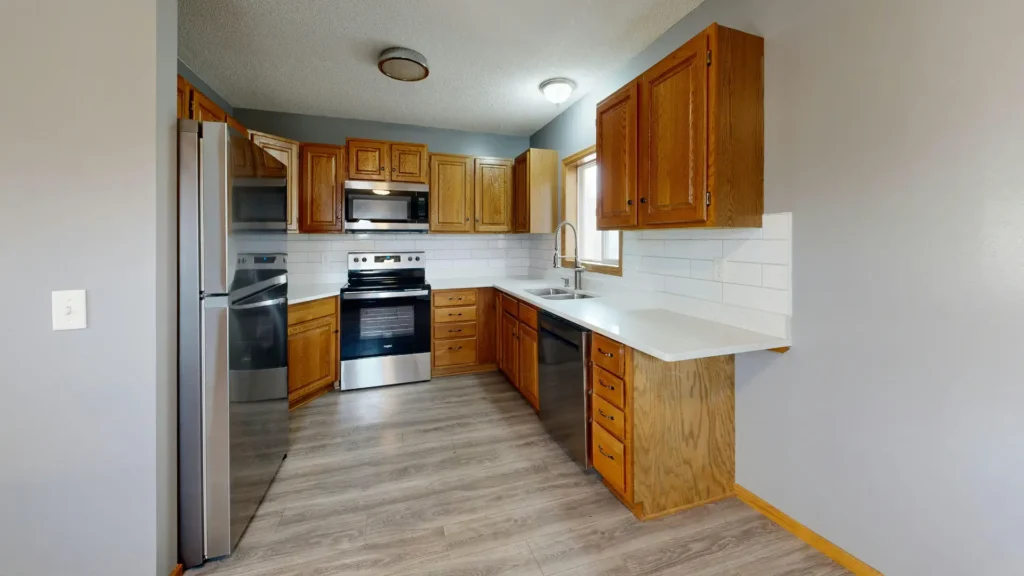
The kitchen is often considered the most important room in the house, and for good reason. It’s a central gathering space, and buyers are quick to notice its functionality, aesthetics, and overall condition. A well-executed kitchen remodel can significantly increase your home’s value and appeal, particularly if you’re looking to sell.
- Why the kitchen is a focal point for buyers: Buyers tend to see the kitchen as the heart of the home, and they’re willing to invest in a kitchen that is both visually appealing and practical. A modern, updated kitchen can make your home feel fresh and well-maintained.
- Best upgrades:
- New Countertops: Upgrading to high-end materials like granite or quartz can immediately elevate the kitchen’s look and feel.
- Updated Appliances: Energy-efficient, stainless steel appliances not only improve the kitchen’s functionality but also appeal to eco-conscious buyers.
- Modern Lighting: Adding under-cabinet lighting or pendant lights can create a more inviting and bright kitchen environment.
- ROI: A kitchen remodel typically offers one of the highest returns on investment. In many cases, homeowners can see an ROI of 80% to 100%, meaning the money spent on renovations could be recouped in the home’s increased market value.
- Common mistakes to avoid:
- Over-customizing: While personal style is important, it’s essential to remember that potential buyers may not share your preferences. Stick to neutral colors and materials that have broad appeal.
- Skipping proper planning: Always design the space to be functional, with smart storage and flow. Don’t sacrifice functionality for aesthetics.
Bathroom Renovations – Small Space, Big Impact
Bathrooms are the second most important spaces for buyers after kitchens. Even minor upgrades in a bathroom can transform the space and make it feel fresh, modern, and more appealing.
- Essential upgrades:
- Updated Fixtures: Replacing old faucets, showerheads, and cabinet hardware with modern, sleek designs can give your bathroom an immediate facelift.
- Modern Vanities: A stylish vanity with good storage can make a small bathroom feel larger and more organized.
- Eco-Friendly Options: Low-flow toilets, water-saving showerheads, and energy-efficient lighting not only appeal to eco-conscious buyers but can also reduce water bills.
- ROI: A well-executed bathroom remodel can yield a return on investment of around 70% to 80%. While the space is smaller, these upgrades can significantly enhance both function and appearance.
- Tips for upgrading without over-investing:
- Prioritize key updates: Instead of gutting the entire bathroom, focus on replacing the fixtures, tiles, and cabinetry. This approach is cost-effective while still delivering big results.
- Avoid luxury finishes that don’t match the rest of the home: It’s easy to get carried away with expensive materials, but be mindful of the overall value of the home. Don’t go overboard on high-end features that may not match the rest of the property.
Energy-Efficient Windows – Save Money and the Planet
Energy-efficient windows are one of the most effective ways to improve both your home’s value and its energy efficiency. Not only do they help reduce your utility bills, but they also contribute to a more sustainable lifestyle.
- The benefits of energy-efficient windows for reducing utility bills: These windows are designed to prevent heat loss in the winter and reduce heat gain in the summer, which makes it easier to maintain a comfortable indoor temperature year-round. This, in turn, lowers heating and cooling costs.
- ROI: Installing energy-efficient windows can yield an ROI of up to 80%, depending on the quality and type of windows selected. Many buyers today value sustainability, so they’re more likely to be drawn to homes with energy-efficient features.
- Bonus: The appeal of energy-efficient features extends beyond utility savings. Homes with energy-efficient upgrades often attract a broader pool of buyers who are looking to reduce their environmental footprint, making these upgrades a valuable selling point.
Curb Appeal Enhancements – First Impressions Matter
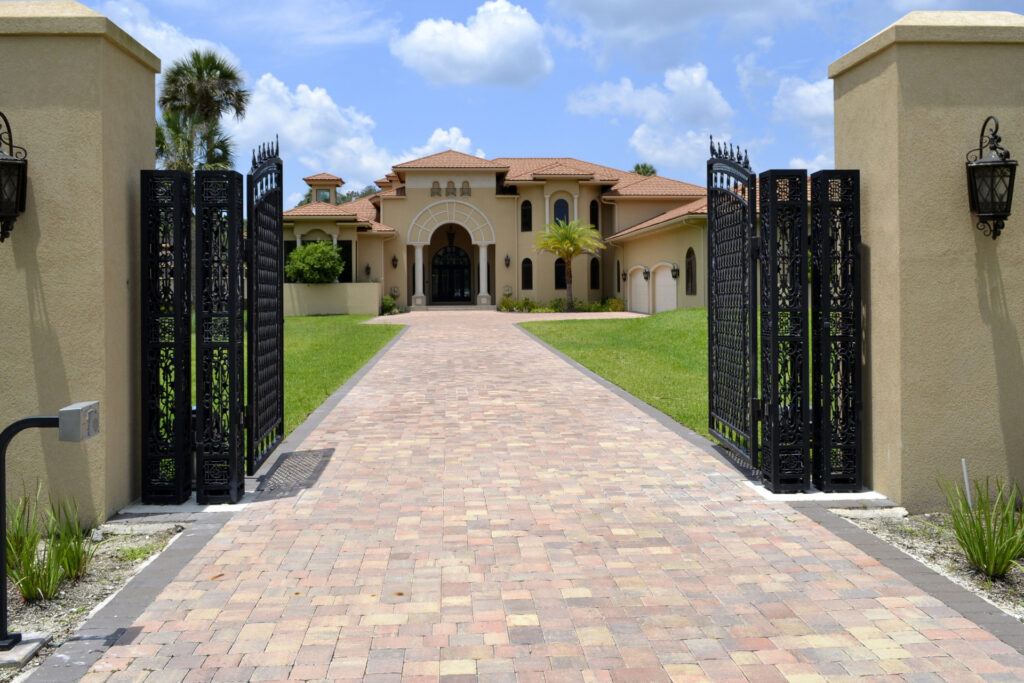
First impressions matter when selling a home, and the exterior is the first thing potential buyers will see. Improving your home’s curb appeal can go a long way in attracting interest, and the best part is that many curb appeal enhancements are relatively low-cost and easy to implement.
- Upgrades that boost curb appeal:
- Landscaping: Freshening up your yard with vibrant plants, manicured lawns, and well-maintained shrubs can make a huge difference.
- Exterior Paint: A fresh coat of paint on the exterior of your home can make it look newer and more inviting.
- New Front Door: The front door is the focal point of your home’s exterior. A new door can instantly give your home a more modern and welcoming appearance.
- ROI: Aesthetic upgrades like these can yield an ROI of 70% to 80%, making them some of the most cost-effective ways to increase your home’s value.
- Easy and cost-effective upgrades for beginners:
- Plant colorful flowers: This simple upgrade adds vibrancy to the front yard and can easily be done on a weekend.
- Power wash the driveway and siding: Dirt and grime can make your home look aged, but a power wash can quickly restore its appeal.
Finished Basements and Attics – Expanding Livable Space
Converting unused spaces like basements and attics into livable areas can add both value and functionality to your home. Homebuyers love extra space for a home office, entertainment room, or additional bedrooms.
- Converting unused space into livable areas:
- Home Office: With the rise of remote work, a dedicated office space is a highly desirable feature.
- Additional Bedroom: Adding a bedroom in a basement or attic can significantly increase your home’s appeal, especially for larger families.
- Entertainment Space: A finished basement or attic can also be used for an entertainment room or home gym, offering great flexibility.
- ROI: You can see up to a 75% return on investment when converting basements or attics, especially if the space is fully functional and adds usable square footage.
- Steps to maximize value:
- Ensure proper insulation: A finished basement or attic needs to be properly insulated to maintain comfortable temperatures and avoid mold issues.
- Install adequate lighting: Basements and attics can be dark spaces, so adding plenty of lighting will help create a welcoming environment.
Smart Home Features – The Modern Touch
Smart home technology has become increasingly popular in recent years. Many buyers now seek homes with smart devices that can help them control everything from temperature to security with ease.
- Popular smart home additions:
- Thermostats: Programmable or smart thermostats allow homeowners to manage energy consumption and save on heating and cooling costs.
- Lighting: Smart lighting systems that can be controlled via an app or voice commands add convenience and efficiency.
- Security Cameras: Smart security systems with cameras provide peace of mind and improve the home’s overall security.
- ROI: Smart home upgrades generally provide around 70% to 80% return on investment. They are especially appealing to younger buyers, who prioritize convenience and tech features.
- Expert insights on smart upgrades:
- Focus on essentials: Rather than investing in every possible smart device, prioritize upgrades that make everyday life more convenient and energy-efficient.
- Avoid over-customizing: Stick to features that will appeal to a wide range of buyers, such as smart thermostats and lighting.
New Roofing and Siding – Protecting Your Investment
A new roof and siding do more than just improve the appearance of your home. They protect your property from the elements and prevent potential damage, which is a major concern for homebuyers.
- How new roofs and siding improve both aesthetics and home protection: A new roof ensures that your home is protected from water damage, leaks, and the wear-and-tear of weather conditions. New siding can also increase curb appeal while offering better insulation and protection from the elements.
- ROI: Installing a new roof or siding can provide an ROI of 60% to 70%, depending on the quality of the materials used. While these may not offer the same immediate return as other upgrades, they can increase your home’s value by reducing future maintenance concerns.
- Long-term benefits of investing in durable materials: Choosing high-quality materials like asphalt shingles for roofing or fiber cement siding ensures durability and longevity, which appeals to buyers looking for a low-maintenance home.
In short, smart home upgrades can greatly boost your property’s value. Focus on high-return improvements like kitchen remodels, energy-efficient windows, and smart home features to increase appeal and maximize ROI.

Beginner’s Guide: How To Choose The Right Upgrades For Your Home
Choosing the right upgrades for your home is a big decision that can impact both your lifestyle and your property’s market value. Whether you’re planning to sell in the near future or simply want to improve your living space, it’s crucial to approach home upgrades strategically. In this section, we’ll walk you through the essential steps for making informed decisions that will enhance your home’s value and ensure that your investments pay off in the long run.
Assessing Your Home’s Value Before You Begin
Before diving into any upgrades, it’s important to first evaluate your home’s current value and identify areas that may benefit from improvements. This process not only helps you make more informed decisions but also ensures that you invest in areas that will yield the best return.
- Home Inspection: A Must-Have First Step:
A home inspection provides a comprehensive assessment of your property’s condition. By hiring a professional inspector, you can identify any hidden issues such as structural problems, plumbing leaks, or outdated electrical systems that may need attention before focusing on upgrades. Addressing these foundational concerns first ensures that you won’t invest in cosmetic upgrades while ignoring critical repairs. - Evaluate the Local Market:
Understand the market trends in your area to help guide your upgrade decisions. Research comparable homes (comps) in your neighborhood to see what features buyers are looking for and which upgrades are trending. For instance, if many homes in your area have modern kitchens or energy-efficient features, upgrading these aspects in your home can make your property more competitive. - Prioritize Areas That Add Value:
Focus on upgrading areas of your home that will provide the most value for the least amount of money. Kitchens and bathrooms typically offer the best return on investment (ROI), but sometimes smaller updates—like replacing old flooring or refreshing landscaping—can also make a big impact without breaking the bank.
Setting a Realistic Budget and Expectations
Upgrades can quickly become expensive, so it’s important to set a budget that aligns with your financial situation and goals. Understanding what you can realistically afford will help you avoid overspending and ensure you get the most value for your money.
- Determine Your Budget:
Calculate how much you are willing to spend on upgrades based on your overall financial situation. Consider other financial commitments, such as mortgage payments, savings, and emergency funds. Setting a budget for your home upgrades will help you stay within your means and prevent unnecessary financial stress. - Consider the ROI of Each Upgrade:
Not all home upgrades provide the same return on investment. Before committing to any renovation, calculate the potential ROI for each upgrade. For example, a kitchen remodel can typically return around 80% of its cost, while installing new windows might offer a 75% return. Prioritize high ROI projects that align with your goals, whether they are increasing home value or improving livability. - Account for Unexpected Costs:
When planning upgrades, always allocate a portion of your budget for unexpected costs. Home renovations often uncover unforeseen issues (e.g., hidden plumbing problems), so it’s wise to set aside an additional 10-15% of your budget to handle these contingencies.
Finding the Right Contractors and Professionals
Hiring the right professionals is crucial for ensuring your home upgrades are done correctly and efficiently. The quality of workmanship can significantly impact the final outcome of your project, so it’s worth taking the time to find reputable contractors.
- Do Thorough Research:
When selecting contractors, start by researching local professionals who specialize in the type of work you need. Look for those with good reviews and a proven track record in your area. Websites like Angi (formerly Angie’s List), Yelp, and Google Reviews can provide valuable insights from past clients. - Get Multiple Quotes:
Never settle for the first estimate you receive. Contact at least three contractors to get a range of quotes. This will help you compare prices and understand the market rates for the services you need. Be wary of estimates that seem too low, as they may indicate subpar materials or workmanship. - Check Credentials and References:
Ensure that the contractor you hire is licensed, insured, and bonded. This protects you in case of accidents or damage during the project. Additionally, ask for references from previous clients to gauge the contractor’s reliability and quality of work. A trustworthy contractor will be happy to provide references and answer any questions about their experience. - Read the Fine Print:
Always review the contract carefully before signing. Ensure that it includes a detailed scope of work, timelines, payment terms, and warranties. Clear agreements help prevent misunderstandings down the road and hold contractors accountable for delivering the agreed-upon services.
By following these steps, you can make informed decisions about which upgrades will enhance your home’s value, create a budget that suits your financial situation, and hire qualified professionals who can execute your vision. Careful planning and execution are key to maximizing the return on your home improvements.
Common Mistakes To Avoid When Upgrading Your Home
Upgrading your home can significantly increase its value, but it’s easy to make mistakes that can hurt your investment. Whether you’re planning to sell or just want to improve your living space, understanding the potential pitfalls can help you make smarter decisions. In this section, we’ll cover three key mistakes homeowners often make when upgrading their homes, and how you can avoid them to maximize your ROI.
Over-Improving for the Neighborhood
One of the biggest mistakes you can make when upgrading your home is over-investing in renovations that don’t align with the local market. While it’s tempting to create a high-end home, you need to consider whether your neighborhood can support such an investment. Over-improving for your area can result in an inflated price that potential buyers may be unwilling to pay.
- Exceeding Neighborhood Standards: Every neighborhood has a price ceiling, and if your home’s value significantly exceeds the average in your area, you might struggle to find buyers willing to pay that premium. For example, if the majority of homes in your neighborhood are valued at $300,000, but you invest in luxury finishes that push your home’s value to $500,000, it’s unlikely you’ll recoup that cost, even if your home is beautiful.
- Case Study Example – Home Values vs. Neighborhood Comps: Imagine a family in a suburban neighborhood where the average home price is around $350,000. They decide to install a luxury pool, state-of-the-art kitchen, and high-end marble countertops. After the renovations, their home is now worth $500,000. While the home may be stunning, potential buyers may be hesitant to pay that much in a neighborhood where the typical price is much lower. A better approach would be to make modest but appealing upgrades that bring the home in line with the neighborhood’s standards, ensuring a more balanced return on investment.
Ignoring the Importance of Quality Craftsmanship
When it comes to home upgrades, cutting corners to save money can end up costing you more in the long run. Many homeowners opt for DIY projects or cheap materials to reduce upfront costs, but this approach can backfire. Poor-quality work and materials can hurt your home’s value and increase maintenance costs over time, making it less appealing to potential buyers.
- Why Cutting Corners Can Hurt Your Home’s Value: Quality craftsmanship is essential for ensuring that your home’s upgrades are both durable and attractive. Low-quality renovations, whether it’s poorly installed flooring or shoddy plumbing, can lead to costly repairs in the future. Buyers are often hesitant to purchase a home that may require significant repairs shortly after moving in, which can lower the selling price.
- The Long-Term Benefits of Professional-Grade Renovations: Investing in professional-grade materials and craftsmanship offers long-term value. Not only do these upgrades improve the aesthetic and functionality of your home, but they also ensure that the improvements will last. For example, a professional kitchen remodel with quality cabinetry and appliances will not only enhance the kitchen’s appeal but will also withstand wear and tear better than a DIY project. These high-quality improvements are more likely to attract buyers and deliver higher returns when you decide to sell.
Not Considering the Buyer’s Perspective
One of the most common mistakes homeowners make is not considering what potential buyers actually want when upgrading their home. It’s easy to focus on personal preferences and select finishes or features that appeal to you, but this may not align with the desires of the broader buyer pool. To avoid this mistake, it’s important to keep an eye on buyer trends and make sure your upgrades will appeal to as many people as possible.
- Overly Personalized Finishes: Personal touches like bold paint colors, unique customizations, or specialized rooms (e.g., a themed home theater) might be appealing to you, but they can limit your pool of potential buyers. For instance, if you install a custom-designed mural in the living room or paint the walls in vibrant hues, you risk alienating buyers who may find these choices difficult to work with. Instead, consider neutral tones and timeless designs that can easily be adapted to different tastes.
- Understanding Buyer Trends and Preferences: Different markets have different preferences. In some areas, buyers may prefer open-concept spaces, while in others, traditional layouts may be more desirable. Researching the most common buyer preferences in your area can help you make upgrades that are more likely to resonate with the target audience. For example, energy-efficient features are highly sought after in eco-conscious markets, while outdoor living spaces might be more important in warm climates. By understanding these trends, you can make upgrades that add value without over-personalizing your home.
Avoiding these common mistakes when upgrading your home can help you make smarter investments and ensure that your renovations align with both your personal goals and the expectations of potential buyers. With careful planning and consideration of your neighborhood, quality craftsmanship, and buyer preferences, you can maximize the value of your home and achieve a higher return on investment.
Expert Insights: Maximizing Value Without Overspending
When upgrading your home, it’s crucial to find a balance between enhancing value and staying within budget. Some upgrades can offer significant returns, while others may not be worth the investment if not timed correctly or executed wisely. In this section, we’ll explore how to maximize your home’s value without overspending, focusing on when to invest, the power of simple cosmetic changes, and eco-friendly upgrades that appeal to today’s homebuyers.
When to Invest vs. When to Wait
Understanding the right time to invest in home upgrades can make all the difference in terms of return on investment (ROI). There are specific market conditions that will either make upgrading your home a smart financial decision or suggest that waiting for the right opportunity is a better choice.
- Seller’s Market:
- Timing Consideration: A seller’s market, where there’s a high demand for homes and low inventory, presents a great opportunity to invest in upgrades. Buyers are more willing to pay a premium for homes that are move-in ready or feature modern finishes.
- Upgrades to Prioritize: Focus on high-impact, buyer-focused upgrades like kitchen or bathroom remodels, curb appeal enhancements, and fresh interior paint. These improvements make your home more competitive without overspending.
- Strategic Advantage: In a seller’s market, you can recover most, if not all, of your investment. Buyers are often less concerned with negotiating prices when inventory is scarce.
- Buyer’s Market:
- Timing Consideration: In a buyer’s market, where there’s more inventory and less competition, it may be worth waiting before committing to major upgrades. Buyers are more selective and may prioritize lower prices over premium features.
- Upgrades to Consider: In this market, smaller cosmetic upgrades are better investments. Things like new light fixtures, fresh paint, or landscaping can make a home look more appealing without the need for extensive renovations.
- Strategic Advantage: Focus on simple improvements that increase the home’s appeal without over-investing. This approach allows you to make your property stand out without sinking too much money into a market that may not give you a return.
The Power of Simple Cosmetic Changes
You don’t always need to invest in large-scale renovations to increase your home’s value. Simple, low-cost cosmetic changes can make a significant difference in both the appeal and functionality of your home. These upgrades are often overlooked but can have a high impact without breaking the bank.
- Fresh Paint:
- Why It Works: A fresh coat of paint can completely transform the look and feel of a room. It makes the space feel cleaner, more modern, and well-maintained.
- Best Areas to Paint: Focus on high-traffic areas such as the living room, kitchen, and bathrooms. Neutral tones appeal to a wider audience, but don’t be afraid to add accent walls in key spaces for added character.
- Cost Efficiency: Painting is one of the most cost-effective ways to refresh your home, and it’s something you can do yourself, saving on labor costs.
- New Lighting Fixtures:
- Why It Works: Lighting plays a major role in setting the mood of a space. Swapping out dated fixtures for modern, stylish ones can add sophistication and brightness to your home.
- Where to Update: Focus on key areas such as the entryway, dining room, and bathrooms. Even small changes like under-cabinet lighting or pendant lights in the kitchen can make a big difference.
- Cost Efficiency: New light fixtures are relatively inexpensive, especially if you shop smart. Many options are available for a range of budgets, and the installation is simple.
- Updated Hardware:
- Why It Works: Small hardware updates, such as new doorknobs, cabinet handles, and faucets, can give your space an updated look without a full renovation.
- Best Areas to Update: Start with the kitchen and bathroom—two areas that are often the most scrutinized by potential buyers.
- Cost Efficiency: Hardware updates are generally inexpensive but provide a big visual upgrade. You can find stylish options in various price ranges to suit your budget.
Sustainable and Eco-Friendly Upgrades That Add Value
Eco-friendly upgrades are increasingly popular among homebuyers, particularly those who value sustainability and energy efficiency. These upgrades can save you money in the long run, reduce your environmental impact, and make your home more attractive to environmentally-conscious buyers.
- Solar Panels:
- Why It Works: Solar panels are a high-impact green upgrade that can significantly reduce energy bills and appeal to buyers looking to save on long-term costs.
- Benefits: They can increase your home’s value by making it more energy-efficient. Buyers in regions with high electricity costs are more likely to be drawn to homes with solar panels.
- ROI: While the initial investment can be substantial, you’ll see long-term savings on energy bills, and many buyers are willing to pay a premium for homes with solar energy.
- Water-Saving Appliances:
- Why It Works: Low-flow faucets, showerheads, and water-efficient toilets are simple upgrades that reduce water usage and lower utility costs. These upgrades are appealing to buyers who want to conserve water and reduce their environmental footprint.
- Benefits: These appliances are often eligible for tax incentives or rebates, making them even more attractive financially. Additionally, homes with eco-friendly features are in demand as the market shifts toward sustainable living.
- ROI: The investment is typically modest, and the impact on utility savings is immediate. Water-saving appliances provide an appealing selling point without a major upfront cost.
- Sustainable Flooring:
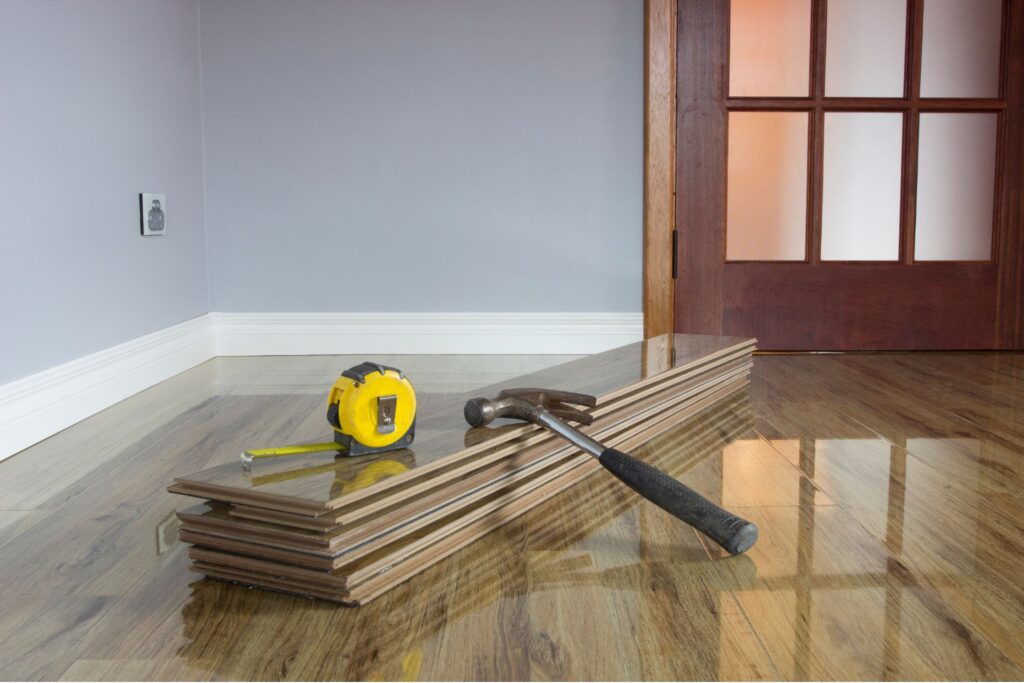
- Why It Works: Materials like bamboo, cork, and reclaimed wood are renewable resources that are both stylish and eco-friendly. Sustainable flooring options are durable and can give your home a unique, high-end look.
- Benefits: These materials not only contribute to a greener environment but also appeal to buyers who are looking for natural, sustainable features in their homes.
- ROI: Sustainable flooring can increase home value, especially in high-demand markets that prioritize green living. The initial cost is higher than traditional flooring, but it often pays off by attracting buyers willing to pay more for eco-conscious homes.
By focusing on these sustainable upgrades, you’re not only enhancing your home’s appeal but also aligning it with the growing trend toward environmental responsibility. Eco-friendly upgrades are smart investments that provide value both for the homeowner and the planet.
References
- Best Home Improvements to Increase Value – Zillow
https://www.zillow.com/learn/best-home-improvements-to-increase-value/ - Cost vs Value 2025: Top Home Improvement Projects Ranked – Fixr.com
https://www.fixr.com/articles/cost-vs-value - What Upgrades Increase Home Value? 25 High‑ROI Improvements – HomeLight
https://www.homelight.com/blog/what-upgrades-increase-home-value/ - Home Improvement ROI Guide 2025 | Resale Value Tips – WestshoreHome
https://westshorehome.com/home-improvement-resources/educational-guides/home-resale-value-guide/ - Home Improvements That Add Value (2026) – HomeGuide
https://homeguide.com/costs/home-improvements-that-add-value
FAQs: About Best Home Upgrades For Increasing Property Value
Conclusion
In conclusion, the most valuable home upgrades for increasing property value include kitchen remodels, bathroom renovations, and the installation of energy-efficient windows. These upgrades typically offer the highest return on investment while enhancing the overall appeal of your home. As you assess your home’s needs, start with small upgrades that fit your budget and gradually build from there. For larger projects, it’s always a good idea to consult a professional to ensure you’re making the most impactful decisions. Remember, smart home improvements don’t just increase the value of your property—they also improve your quality of life by making your living space more comfortable, efficient, and enjoyable.
Find A Professional Renovator’s Company Near You!
- Home Renovations Kapiti
- Home Renovations Clyde
- Home Renovations Central Otago
- Home Renovations Queenstown
- Home Renovations Wanaka
- Home Renovations Cromwell
- Home Renovations Alexandra
- Home Renovations Hamilton
- Renovations Christchurch

About the Author:
Mike Veail is a recognized digital marketing expert with over 6 years of experience in helping tradespeople and small businesses thrive online. A former quantity surveyor, Mike combines deep industry knowledge with hands-on expertise in SEO and Google Ads. His marketing strategies are tailored to the specific needs of the trades sector, helping businesses increase visibility and generate more leads through proven, ethical methods.
Mike has successfully partnered with numerous companies, establishing a track record of delivering measurable results. His work has been featured across various platforms that showcase his expertise in lead generation and online marketing for the trades sector.
Learn more about Mike's experience and services at https://theleadguy.online or follow him on social media: