Welcome to your go-to guide on trenchless pipe installation cost in NZ, where we break down what homeowners really need to know before committing to this modern plumbing solution. If you’re dealing with damaged or ageing pipes and want to avoid ripping up your driveway, lawn, or floors, trenchless pipe installation is likely already on your radar—but the cost can feel unclear or confusing. In this guide, we’ll walk you through realistic price ranges in New Zealand, what factors affect the final cost, and whether trenchless installation is worth it for your property, so you can make an informed decision without the guesswork. For professional help, contact experienced plumbing experts in your area.
Trenchless pipe installation cost in NZ usually ranges between $300 and $800 per metre, depending on factors such as pipe length, diameter, condition, access, and the trenchless method used. Common methods like pipe relining or pipe bursting can affect pricing, as can property layout and regional labour costs. While trenchless installation may have a higher upfront cost than traditional digging, it often saves money overall by avoiding damage to driveways, landscaping, and concrete-contractors-nz/concrete-floor-slabs-kapiti-coast/”>concrete-contractors-nz/concrete-layers-lower-hutt/”>concrete areas.
- What Is Trenchless Pipe Installation?
- Trenchless Pipe Installation Cost in NZ – Average Price Ranges
- What Affects Trenchless Pipe Installation Cost In New Zealand?
- Trenchless Pipe Installation vs Traditional Digging Cost Comparison
- Is Trenchless Pipe Installation Worth the Cost?
- How Long Does Trenchless Pipe Installation Take?
- Does Insurance Cover Trenchless Pipe Installation In NZ?
- How To Get An Accurate Trenchless Pipe Installation Quote In NZ
- Choosing The Right Trenchless Pipe Installation Specialist
- References
- FAQs: About Trenchless Pipe Installation Cost In NZ
- Conclusion
- Find A Professional Earthworks Company Near You!
What Is Trenchless Pipe Installation?
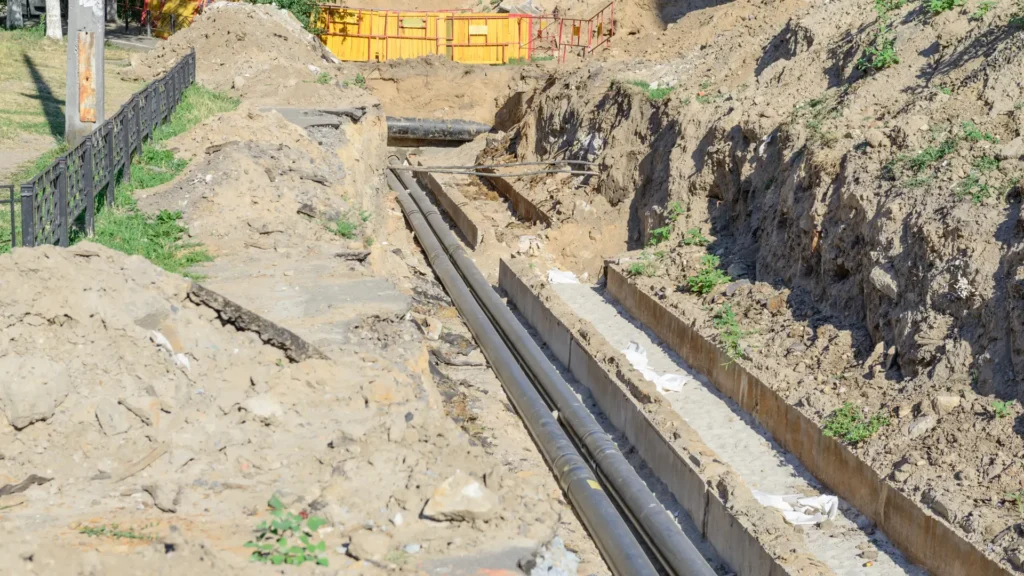
Trenchless pipe installation is a modern plumbing method that allows damaged or ageing pipes to be repaired or replaced without digging long trenches across your property. Instead of excavating the entire pipe run, technicians work through small access points to fix the problem underground. For many homeowners in New Zealand, this approach offers a practical alternative to traditional pipe replacement, especially when pipes run beneath driveways, gardens, patios, or even the house itself.
The main appeal of trenchless pipe installation is that it reduces disruption. Lawns stay intact, concrete doesn’t need to be broken up, and the job is often completed much faster than conventional digging. While trenchless pipe installation cost in NZ can vary, many people choose it because it avoids the hidden expenses that come with restoring landscaping or hard surfaces after excavation.
How Trenchless Pipe Installation Works
At its core, trenchless pipe installation is about accessing and repairing pipes from the inside or replacing them along the same underground path, rather than removing soil from above. The process usually begins with a CCTV pipe inspection. A small camera is fed through the pipe to identify cracks, blockages, corrosion, or collapsed sections. This inspection helps determine whether trenchless methods are suitable and which approach will work best.
Once the issue is clearly identified, technicians create one or two small access points, usually at the beginning and end of the damaged pipe. From there, specialised equipment is used to either repair the existing pipe internally or replace it entirely without disturbing the ground above.
Because the work happens below the surface, there is minimal digging involved. In many cases, only small holes are needed to insert tools or materials. This is why trenchless pipe installation is often recommended for properties with established landscaping or hard-to-access pipe runs.
Common Trenchless Methods Used In New Zealand
There are several trenchless methods used across New Zealand, and the right option depends on the condition of the existing pipe, its material, and how badly it has been damaged.
- Pipe Relining is one of the most common trenchless techniques. This method involves inserting a flexible liner coated with a special resin into the damaged pipe. Once in place, the liner is inflated so it fits tightly against the inner walls of the existing pipe. The resin then cures and hardens, creating a new pipe within the old one. Pipe relining is often used for cracked, leaking, or root-damaged pipes that are still structurally sound. It is a popular option because it restores pipe function without removing the original pipe and can significantly extend the pipe’s lifespan.
- Pipe Bursting is typically used when the existing pipe is too damaged to be relined or needs to be replaced entirely. In this method, a bursting head is pulled through the old pipe, breaking it apart while simultaneously pulling a new pipe into place. The new pipe follows the same underground path, which means there is no need to dig a trench along the full length. Pipe bursting is commonly used for sewer or drainage pipes that have collapsed or are made from outdated materials such as clay or concrete.
- Directional Drilling is less common for residential repairs but is sometimes mentioned for context, particularly in larger installations or new pipe runs. This method uses specialised drilling equipment to create a precise underground path for new pipes without open trenching. In New Zealand, directional drilling is more often used for infrastructure projects or when installing new services rather than repairing existing household pipes.
Each of these methods has its own advantages and cost considerations. Understanding how trenchless pipe installation works and which methods are available can help homeowners make informed decisions when comparing options and evaluating trenchless pipe installation cost in NZ.
Trenchless Pipe Installation Cost in NZ – Average Price Ranges
Understanding the trenchless pipe installation cost in NZ starts with knowing how pricing is usually calculated and why costs can vary so widely from one property to another. While trenchless methods often reduce disruption and restoration costs, the final price still depends on several practical factors such as pipe length, condition, access, and the method used. Below is a realistic breakdown to help set clear expectations for New Zealand homeowners.
Typical Cost Per Metre in NZ
In New Zealand, trenchless pipe installation is commonly priced on a per-metre basis, particularly for residential pipe relining or pipe bursting projects.
Typical cost ranges per metre in NZ generally fall between:
- $300 to $800 per metre for most residential trenchless pipe installations
- Lower end pricing usually applies to straight, easily accessible pipes in good condition
- Higher end pricing is more common for damaged pipes, larger diameters, or difficult access areas
These figures are indicative only and are meant to provide a general guide rather than a fixed price. A professional inspection is always required for accurate costing.
New Zealand prices often differ from overseas estimates for several reasons:
- Labour costs in NZ are generally higher than in many overseas markets
- Strict local compliance and safety standards can add to overall costs
- Many online estimates are based on larger-scale markets that benefit from economies of scale not always available in NZ
- Regional availability of trenchless specialists and equipment can influence pricing
Because of these factors, relying on overseas pricing guides can be misleading for New Zealand homeowners.
Total Project Cost Examples
While per-metre pricing is useful, most homeowners want to understand what a full project might realistically cost. The examples below provide general NZ-specific ranges without guaranteeing exact figures.
For a small residential repair involving a short pipe run, such as a damaged section of drainage pipe:
- Total costs may range from $2,000 to $4,500
- These projects usually involve minimal preparation and straightforward access
- Completion is often possible within a single day
For a standard home drainage or sewer line replacement or repair:
- Total costs often fall between $5,000 and $12,000
- This typically includes inspection, preparation, installation, and testing
- Costs vary based on pipe length, diameter, and overall condition
For larger or more complex installations, such as longer pipe runs or pipes located under driveways, concrete slabs, or buildings:
- Total costs can range from $12,000 to $25,000 or more
- These projects may require specialised equipment, additional preparation, or more complex trenchless methods
- Difficult access and severe pipe damage are common cost drivers at this level
It’s important to remember that trenchless pipe installation cost in NZ is influenced by the specific conditions of each property. While trenchless methods can appear expensive at first glance, they often reduce or eliminate the need for costly reinstatement work, making them a practical long-term solution for many homeowners.
What Affects Trenchless Pipe Installation Cost In New Zealand?
The cost of trenchless pipe installation in New Zealand is not a one-size-fits-all figure. While per-metre pricing can give a rough idea, the final cost depends on several practical factors related to your property, the condition of the pipes, and how the work needs to be carried out. Understanding these factors helps explain why quotes can vary and why a proper inspection is essential before any accurate pricing is given.
Pipe Length And Diameter
One of the biggest influences on trenchless pipe installation cost in NZ is the length and diameter of the pipe being repaired or replaced.
Longer pipe runs increase costs because:
- More lining material or replacement pipe is required
- Installation time increases, raising labour costs
- Additional preparation and curing time may be needed for relining
Wider pipes also cost more because:
- Larger diameter liners or pipes are more expensive to manufacture
- Specialised equipment may be required for installation
- Handling and setup time increases compared to smaller residential pipes
Even a small increase in diameter can have a noticeable impact on the overall price, especially for sewer or stormwater lines.
Pipe Condition And Material
The existing pipe material and its condition play a major role in determining both suitability and cost.
Common pipe materials found in New Zealand include:
- Clay pipes, often found in older homes
- PVC pipes, common in newer installations
- Concrete pipes, typically used for larger drainage systems
- Cast iron pipes, found in some older properties
Heavily damaged pipes can increase costs because:
- Collapsed or misshapen pipes may need preparation before relining
- Severe root intrusion can require extensive cleaning
- Cracks, offsets, or corrosion can limit which trenchless method is suitable
In some cases, pipes that are too badly damaged may require pipe bursting instead of relining, which can change the overall price.
Access And Property Layout
How easily contractors can access the pipe has a direct effect on trenchless pipe installation cost in New Zealand.
Factors that can increase costs include:
- Pipes running under driveways or concrete slabs
- Limited access points requiring additional setup work
- Tight spaces around buildings or fences
Property layout also matters:
- Urban properties often have restricted access and shared boundaries
- Suburban properties may allow easier equipment placement and access
Although trenchless methods avoid large-scale digging, some excavation is still required for entry and exit points. The harder these areas are to reach, the more labour and time is involved.
Chosen Trenchless Method
The trenchless method used will significantly influence the final cost.
Pipe relining:
- Typically more cost-effective for pipes that are structurally intact
- Involves installing a resin liner inside the existing pipe
- Often completed faster with minimal disruption
Pipe bursting:
- Used when pipes are collapsed or beyond repair
- Involves breaking the old pipe and pulling a new one through
- Generally, more expensive due to materials, machinery, and labour involved
The choice between relining and bursting is based on pipe condition, not just budget, which is why a professional assessment is essential.
Location Within NZ
Where your property is located also affects trenchless pipe installation cost in NZ.
Regional pricing differences can be influenced by:
- Local labour rates
- Travel time and availability of trenchless specialists
- Regional demand for drainage services
Labour and compliance costs also vary:
- Councils may have different permitting or compliance requirements
- Some regions require additional inspections or approvals
- Health and safety standards must be met regardless of location
These regional factors mean that pricing in major centres may differ from smaller towns, even for similar jobs.
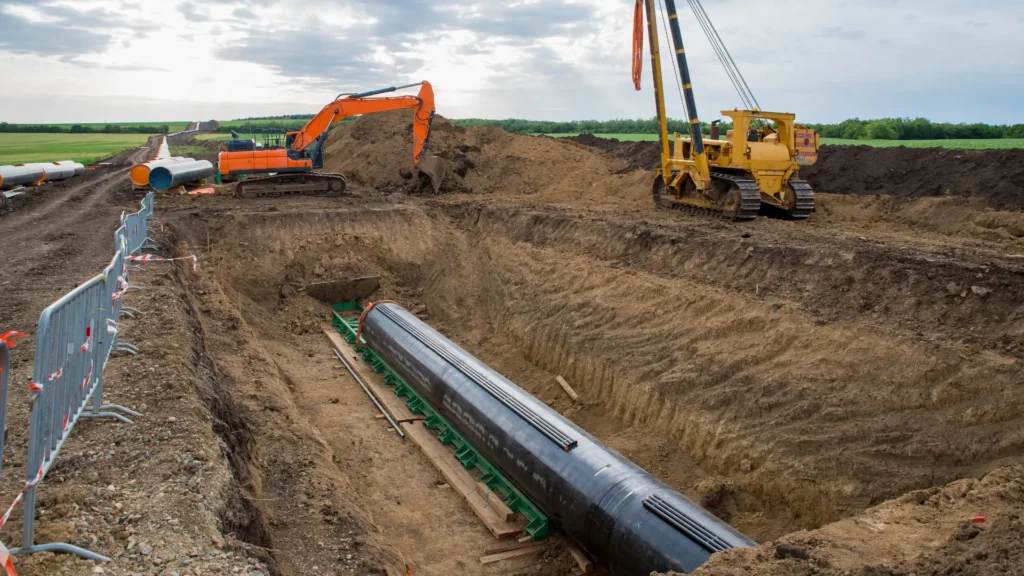
Trenchless Pipe Installation vs Traditional Digging Cost Comparison
When homeowners compare trenchless pipe installation with traditional digging, the first question is usually about cost. While both methods solve the same problem, the way costs are structured and where the money is actually spent can be very different. Understanding these differences helps set realistic expectations and prevents surprises later on.
Upfront Cost Comparison
At first glance, trenchless pipe installation often looks more expensive than traditional digging. This is mainly because of the specialised equipment, materials, and expertise required to complete the job without extensive excavation.
Why trenchless can appear more expensive initially:
- Trenchless methods rely on advanced technology such as CCTV inspections, pipe relining systems, or pipe bursting equipment
- Fewer contractors offer trenchless services, which can affect pricing compared to standard excavation
- Materials used in trenchless systems are designed for long-term durability and higher performance
Traditional digging may seem cheaper upfront because it uses more basic tools and familiar methods. However, this initial quote often only covers excavation and pipe replacement, not the full scope of restoration work that follows.
Long-Term Cost Savings
Although trenchless pipe installation may have a higher upfront price, it often delivers better value over time. The biggest savings usually come from what does not need to be repaired or rebuilt after the job is done.
Reduced landscaping repairs:
- No need to re-lay driveways, paths, or concrete slabs
- Gardens, lawns, and outdoor features remain largely intact
- Fewer additional trades are required after the plumbing work is completed
Faster completion:
- Most trenchless projects are completed within one to two days
- Less labour time helps control overall costs
- Shorter project timelines reduce disruption to daily routines
Less disruption:
- Minimal digging means fewer access issues around the property
- Homes remain usable during most of the work
- Reduced noise and mess compared to open trench excavation
Traditional digging often leads to extra costs that are not always included in the initial quote, such as reinstating landscaping, replacing damaged surfaces, and extended labour time.
Which Option Is Cheaper Overall?
When comparing total project costs, trenchless pipe installation is often the more cost-effective option for many New Zealand homeowners. While traditional digging may start with a lower base price, the added expenses of restoration, longer timelines, and disruption can quickly add up.
For pipes located under driveways, concrete, or established landscaping, trenchless methods usually provide better overall value. Traditional digging may still be suitable for short, easily accessible pipe runs where restoration costs are minimal. The right choice depends on the specific property, pipe condition, and long-term priorities.
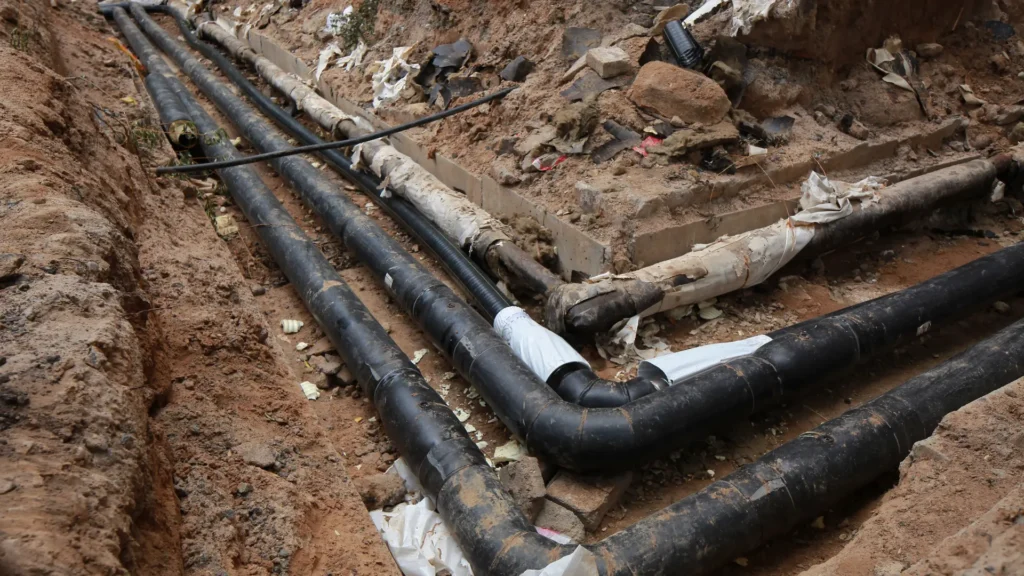
Is Trenchless Pipe Installation Worth the Cost?
For many New Zealand homeowners, the decision comes down to balancing upfront cost with long-term value. Trenchless pipe installation often costs more initially than traditional digging, but it can deliver significant savings, convenience, and peace of mind depending on your situation.
When Trenchless Is the Best Option
Trenchless pipe installation is usually worth the cost when excavation would cause major disruption or additional repair expenses. It is particularly well-suited to properties where pipes run beneath hard-to-access or sensitive areas.
Common scenarios where trenchless is the better choice include:
- Pipes under driveways, houses, or landscaping: Digging through concrete driveways, foundations, or established gardens can dramatically increase overall repair costs. Trenchless methods allow pipes to be repaired or replaced with minimal surface damage.
- Older properties with fragile infrastructure: Many older New Zealand homes still rely on clay or concrete pipes that run close to foundations or under the home. Trenchless installation reduces the risk of structural damage while restoring pipe integrity.
In these situations, trenchless solutions often end up being more cost-effective once reinstatement and repair work are factored in.
When Traditional Digging Might Be More Suitable
While trenchless technology offers clear advantages, it is not always the most practical or economical option. In some cases, traditional excavation may still make sense.
Traditional digging may be more suitable when:
- Completely collapsed pipes: If a pipe has fully collapsed and no longer has a clear path, trenchless methods may not be viable and excavation may be required to remove and replace the damaged section.
- Extremely short, accessible runs: When pipes are shallow, short, and easy to reach, traditional digging can sometimes be quicker and cheaper without causing significant disruption.
A professional inspection is essential to determine which approach is most appropriate for your specific pipe condition.
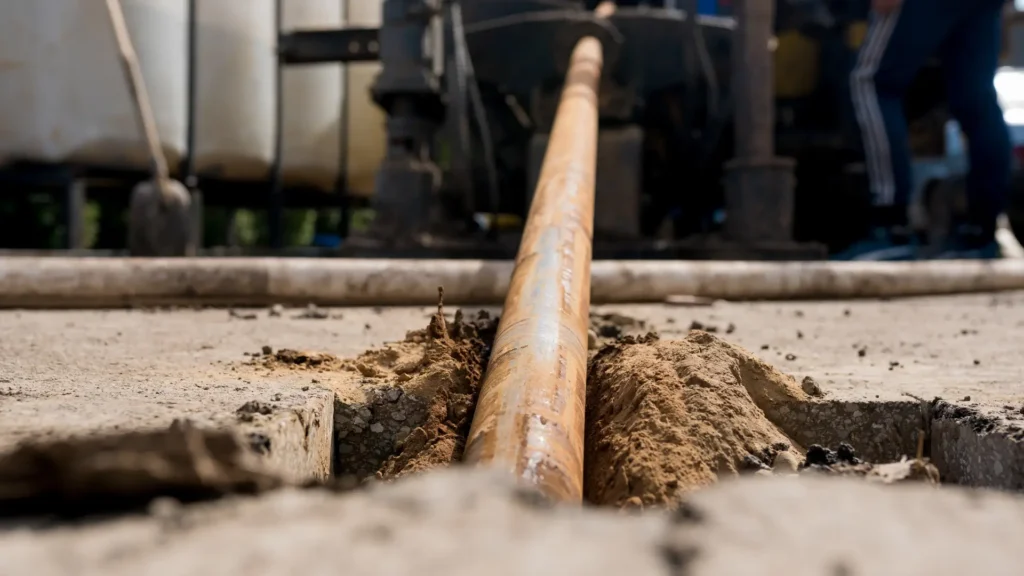
How Long Does Trenchless Pipe Installation Take?
Trenchless pipe installation is often chosen because it significantly reduces disruption and project time compared to traditional excavation methods. Knowing how long the process usually takes helps homeowners in New Zealand plan ahead and understand what to expect before work begins.
Typical Project Timelines
Project timelines vary based on the condition of the existing pipes, the length of the pipe run, and the trenchless method used. After a CCTV inspection, most contractors can provide a clear and reliable timeframe.
- One-day jobs: Smaller residential projects with short pipe lengths and good access are commonly completed within a single day. This typically includes setup, installation, and curing time for pipe relining.
- Multi-day jobs: Larger or more complex projects may take two to three days, especially if pipe bursting is required or access points are limited. Additional time may be needed when multiple pipe sections are being repaired or replaced.
Because trenchless methods avoid large-scale digging, delays caused by soil conditions or surface reinstatement are usually minimal.
How Time Impacts Overall Cost
The speed of trenchless pipe installation plays an important role in determining the total project cost. Shorter timelines often result in financial and practical benefits for property owners.
- Reduced labour hours: Completing the job faster means fewer labour hours compared to traditional excavation, which often involves digging, pipe replacement, and extensive reinstatement work.
- Less property downtime: With minimal disruption, homes and businesses can return to normal use sooner, reducing inconvenience and avoiding additional costs linked to prolonged downtime.
Overall, the shorter installation timeframe is one of the key reasons trenchless pipe installation is considered a cost-effective solution, even when the upfront price appears higher. Understanding the time involved allows homeowners to plan confidently and choose a solution that balances speed, cost, and long-term reliability.
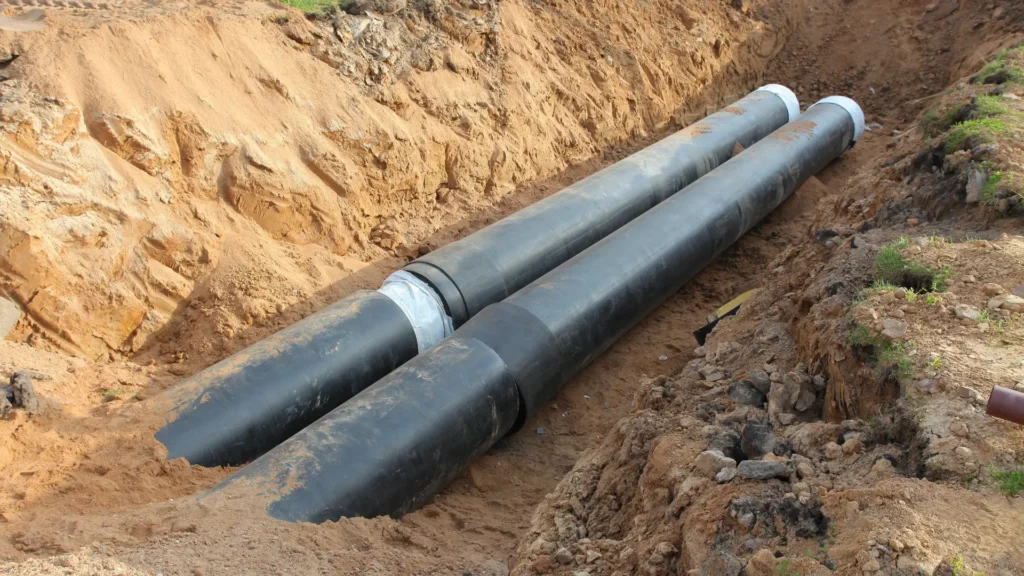
Does Insurance Cover Trenchless Pipe Installation In NZ?
Insurance cover for trenchless pipe installation in New Zealand depends largely on the cause of the pipe damage rather than the repair method itself. Most insurers focus on whether the issue was sudden and accidental or the result of gradual deterioration, so understanding how policies are assessed can help set realistic expectations before you lodge a claim.
What Home Insurance May Cover
In certain situations, home insurance may contribute toward trenchless pipe installation costs when the damage meets specific criteria outlined in the policy. Insurers are generally more receptive when the problem is unexpected and unavoidable.
- Sudden pipe damage: Pipes that fail due to unexpected events such as ground movement, tree root intrusion causing immediate collapse, or accidental impact during construction work may be eligible for cover.
- Accidental failures: Burst pipes caused by sudden pressure changes or unforeseen faults can sometimes be covered, particularly if there is no evidence of long-term neglect.
In these cases, trenchless pipe installation may be accepted as a suitable repair method if it restores the pipe to its original function.
What’s Usually Not Covered
Many homeowners are surprised to learn that a large number of pipe issues fall outside standard insurance cover. Policies typically exclude damage that develops slowly over time.
- Wear and tear: Age-related deterioration, corrosion, and gradual cracking are commonly excluded, even if trenchless pipe installation is the recommended repair option.
- Pre-existing issues: Problems that existed before the policy began or were present but undiscovered are usually not covered, especially if there are signs the damage developed over several years.
Understanding these exclusions can help avoid frustration when comparing trenchless pipe installation cost in NZ against potential insurance support.
How To Improve Your Chances Of A Successful Claim
While insurance approval is never guaranteed, there are practical steps you can take to strengthen your claim and demonstrate that the damage qualifies under your policy.
- CCTV inspections: A professional CCTV pipe inspection provides clear visual evidence of the pipe’s condition and helps establish whether the damage was sudden or ongoing.
- Documentation: Detailed reports, photos, repair recommendations, and timelines from qualified professionals can support your case and show that trenchless pipe installation is necessary and appropriate.
Providing accurate, well-documented information makes it easier for insurers to assess claims fairly and efficiently.

How To Get An Accurate Trenchless Pipe Installation Quote In NZ
Getting an accurate trenchless pipe installation quote in New Zealand starts with understanding that no two properties or pipe systems are the same. While online estimates can provide a general idea, a reliable quote should always be based on the actual condition of your pipes, site access, and the most suitable trenchless method for your situation. Taking the time to gather the right information upfront helps reduce uncertainty and avoids unnecessary costs later on.
Why CCTV Pipe Inspections Matter
A CCTV pipe inspection plays a key role in ensuring your trenchless pipe installation quote is accurate and realistic. It allows contractors to see exactly what is happening inside your pipes rather than relying on assumptions or guesswork.
- Accurate diagnosis: A CCTV inspection identifies cracks, collapses, tree root intrusion, misaligned joints, and the existing pipe material. This information helps determine whether pipe relining or pipe bursting is the most appropriate solution and ensures the quote reflects the actual scope of work.
- Prevents surprise costs: By uncovering hidden issues before work begins, CCTV inspections reduce the risk of unexpected problems being discovered during installation. This helps prevent additional charges and ensures the quoted price remains as close as possible to the final cost.
Most reputable contractors in New Zealand will require a CCTV inspection before providing a confirmed quote, as it protects both the homeowner and the installer from inaccurate pricing.
Questions To Ask Before Hiring A Contractor
Before accepting a trenchless pipe installation quote, it is important to ask a few key questions to confirm the contractor’s experience, reliability, and compliance with local standards.
- Experience with trenchless methods: Ask how long the contractor has been using trenchless pipe installation techniques and which methods they specialise in. Experience with New Zealand pipe systems and ground conditions can make a significant difference in the quality of the work.
- Guarantees and warranties: A trustworthy contractor should clearly explain the warranties offered on both materials and workmanship, including how long the trenchless pipes are expected to last and what is covered if issues arise.
- Compliance with NZ standards: Confirm that the contractor follows New Zealand plumbing and drainage regulations and holds the appropriate licences or certifications required to carry out trenchless pipe installation work.
Asking these questions helps ensure the quote you receive is based on proper assessment, professional expertise, and compliant practices. By doing so, you can move forward with confidence, knowing the pricing and solution are right for your property.
Choosing The Right Trenchless Pipe Installation Specialist
Choosing the right trenchless pipe installation specialist is one of the most important decisions you can make when planning this type of work. The quality of the contractor directly affects the lifespan of the pipes, the accuracy of the pricing, and whether the installation complies with New Zealand standards. A qualified specialist will not only deliver better results but also help you avoid costly mistakes and unnecessary disruptions.
Certifications And Experience To Look For
A reliable trenchless pipe installation specialist should have the right qualifications and hands-on experience to safely and effectively complete the work. Trenchless methods require specialised skills beyond standard plumbing, so it is important to verify credentials before proceeding.
Licensed Drainlayers:
- The contractor should be a licensed drainlayer recognised in New Zealand
- Licensing ensures the work meets local council regulations and building standards
- Licensed professionals are more likely to follow correct safety and compliance procedures
Proven Trenchless Expertise:
- Look for specialists with documented experience in pipe relining and pipe bursting
- Ask how many trenchless projects they have completed in New Zealand conditions
- Experienced providers can better assess soil types, pipe materials, and access limitations
- A proven track record reduces the risk of failed installations or premature pipe issues
Red Flags To Avoid
While price and availability matter, certain warning signs can indicate that a contractor may not be suitable for trenchless pipe installation. Being aware of these red flags can help protect you from poor workmanship and unexpected costs.
Overly cheap quotes:
- Quotes that are significantly lower than others may indicate shortcuts or inferior materials
- Trenchless pipe installation cost in NZ reflects specialised equipment and expertise
- Extremely low pricing often leads to additional charges later or reduced pipe lifespan
No inspection before pricing:
- Reputable specialists will always carry out a CCTV pipe inspection before quoting
- Pricing without an inspection often means the contractor is guessing
- Skipping inspections increases the risk of incorrect methods being used or costs escalating during the job
Choosing a qualified trenchless pipe installation specialist takes a little extra time, but it pays off in long-term reliability and peace of mind. By focusing on proper licensing, real trenchless experience, and transparent pricing practices, homeowners in New Zealand can ensure their investment delivers lasting value and minimal disruption.
References
- Understanding Trenchless Pipe Installation Costs – NZ Pipelining
https://nzpipelining.co.nz/blog/tpost/5vmo2xtux1-understanding-trenchless-pipe-installati NZ Pipelining Supplies - Trenchless Pipe Installation and Pipe Ramming Services – CT Civil Limited NZ
https://ctcivil.co.nz/our-services/ CT Civil - Trenchless Pipeline Rehabilitation Services in NZ – TDG Environmental
https://tdgenvironmental.com/services/relining/ TDG Environmental
- Trenchless Relining and Pipe Repair Solutions in Auckland
https://www.pipeliningsupplies.co.nz/blocked-drain/trenchless-relining-auckland.html Pipe Lining Supplies
FAQs: About Trenchless Pipe Installation Cost In NZ
Conclusion
When budgeting for trenchless pipe installation in New Zealand, it’s important to understand that pricing depends on several practical factors rather than a single fixed cost, including the length and diameter of the pipe, the material and condition of the existing line, how accessible the pipe is on your property, and the trenchless method required, such as pipe relining or pipe bursting. While it can be tempting to choose the lowest quote, focusing on value and long-term reliability often leads to better results, as trenchless solutions minimise disruption, reduce property damage, and provide durable outcomes that can prevent future repair costs. For this reason, professional inspections and detailed quotes are essential, as they allow specialists to assess your specific situation accurately and recommend the most suitable approach. Speaking with a qualified trenchless pipe specialist before making a decision will help you budget with confidence and ensure you receive clear, realistic pricing tailored to your property’s needs.
Find A Professional Earthworks Company Near You!
- Land Clearing Auckland

About the Author:
Mike Veail is a recognized digital marketing expert with over 6 years of experience in helping tradespeople and small businesses thrive online. A former quantity surveyor, Mike combines deep industry knowledge with hands-on expertise in SEO and Google Ads. His marketing strategies are tailored to the specific needs of the trades sector, helping businesses increase visibility and generate more leads through proven, ethical methods.
Mike has successfully partnered with numerous companies, establishing a track record of delivering measurable results. His work has been featured across various platforms that showcase his expertise in lead generation and online marketing for the trades sector.
Learn more about Mike's experience and services at https://theleadguy.online or follow him on social media: