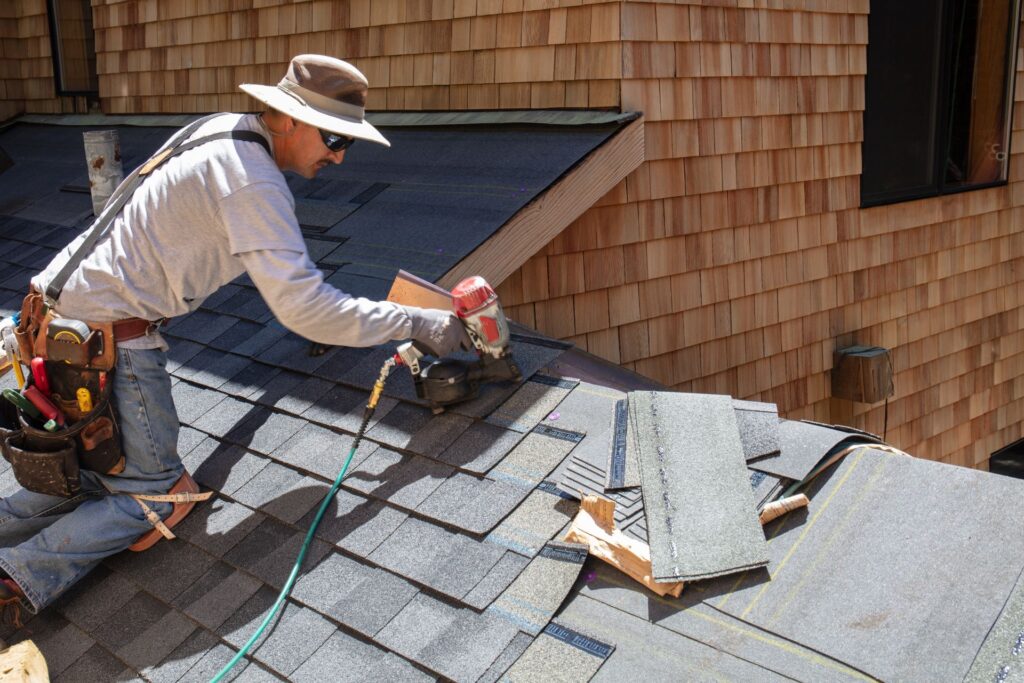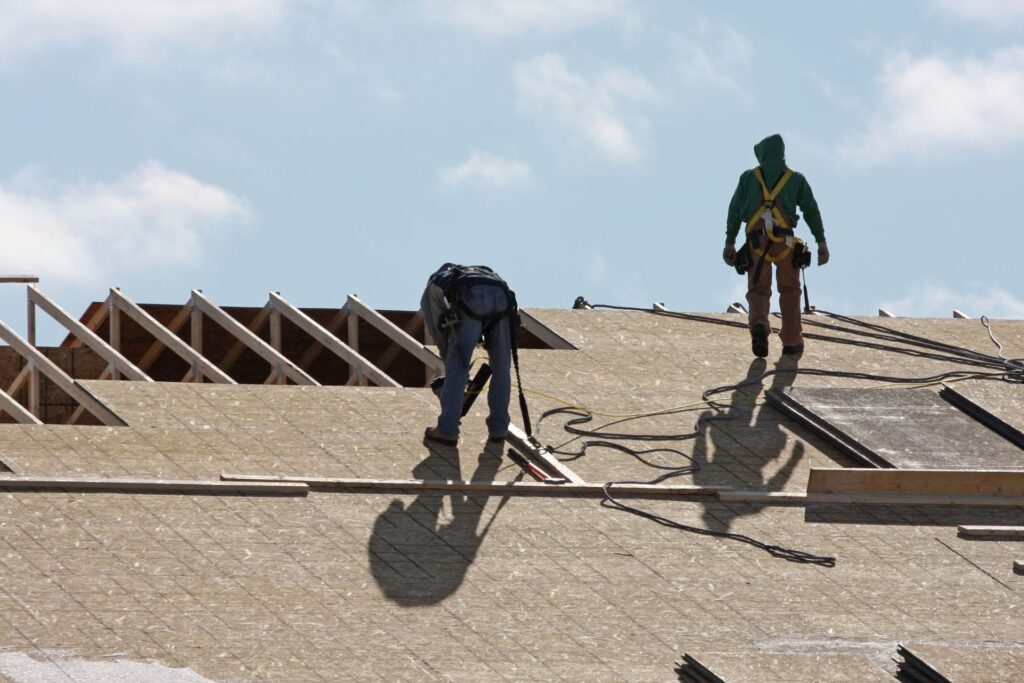
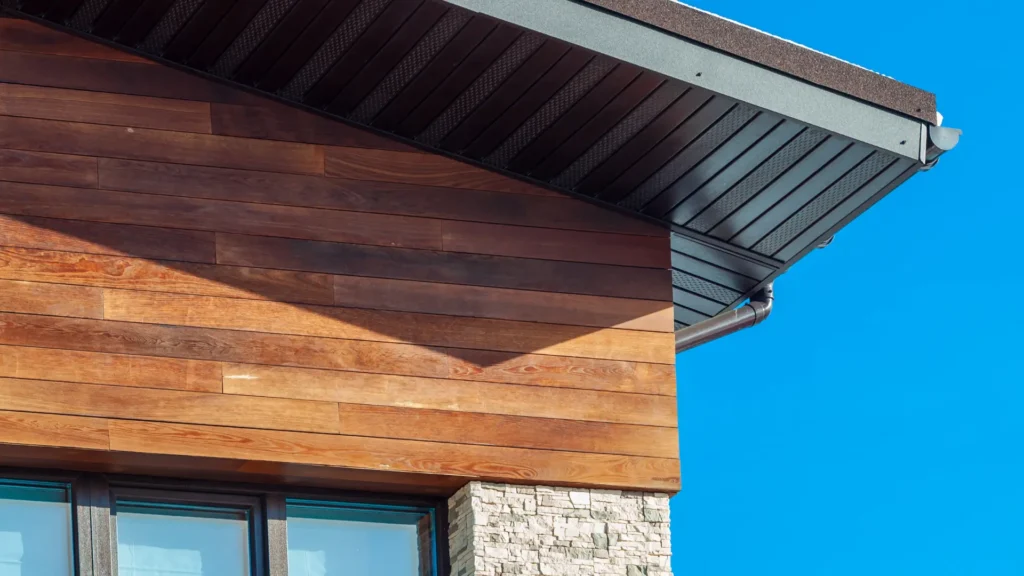
Welcome to this guide on recladding costs in Auckland, where you’ll learn what influences the price, how the process works, and what you should expect as a homeowner planning an exterior upgrade in today’s market; this overview walks you through common cost ranges, material choices, hidden factors that change the final bill, and simple steps that help you budget with confidence, giving you a clear, human explanation of what recladding involves so you can make informed decisions about your home and avoid surprises along the way. For professional help, contact experienced roofing contractors in your area.
Recladding costs in Auckland vary based on home size, materials, labour, and the condition of the existing cladding. Most projects fall into a broad range that includes removal of old cladding, installation of new materials, insulation upgrades, and compliance work. Prices rise when access is difficult, structural repairs are needed, or premium materials are chosen. Getting detailed quotes and allowing a contingency helps homeowners plan accurately.
- Why Recladding Matters In Auckland
- Overview Of Typical Recladding Costs In Auckland
- Key Factors That Affect Recladding Cost In Auckland
- How To Budget And Plan For Recladding
- Tips To Keep Recladding Costs Manageable
- Choose Cladding Materials That Balance Cost And Quality
- Combine Recladding With Other Renovations To Save On Mobilization Costs
- Repair Only What’s Needed And Avoid Over Spec’ing
- Work With Experienced, Licensed Contractors With Good Reviews
- Compare Quotes Carefully And Don’t Choose The Cheapest Blindly
- Plan Work During Better Weather Months To Avoid Delays
- What Residents Should Watch Out For
- Real-World Example / Case Study
- References
- FAQs: About Recladding Costs In Auckland
- Conclusion
- Find A Professional Cladding Company Near You!
Why Recladding Matters In Auckland
Recladding plays a major role in keeping Auckland homes safe, healthy, and structurally sound. Many properties across the region deal with ageing cladding, harsh coastal weather, and evolving building standards, which makes exterior maintenance more than a cosmetic decision. This section gives you a clear look at why recladding is worth considering and how it helps protect your home over the long term.
What Is Recladding
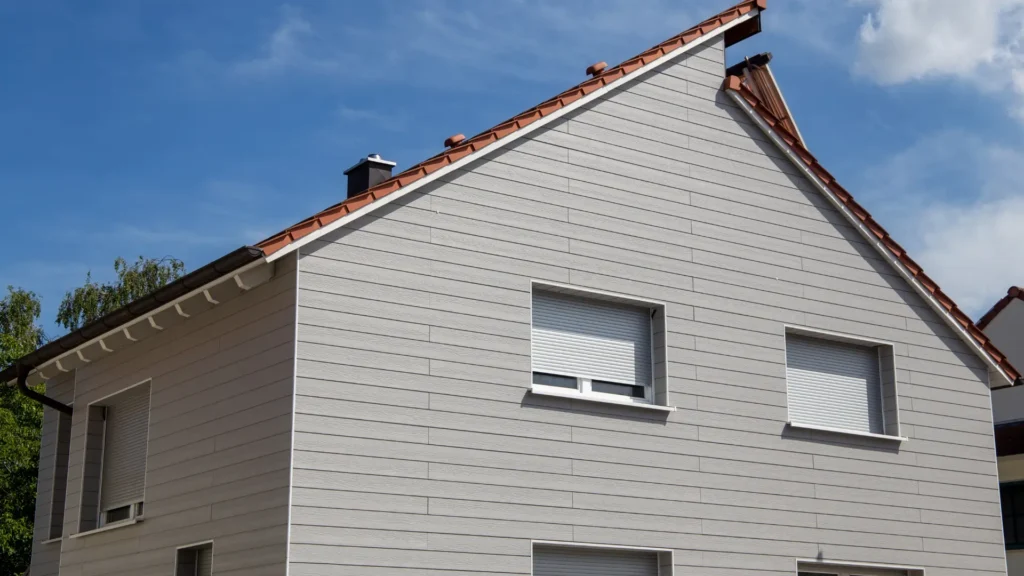
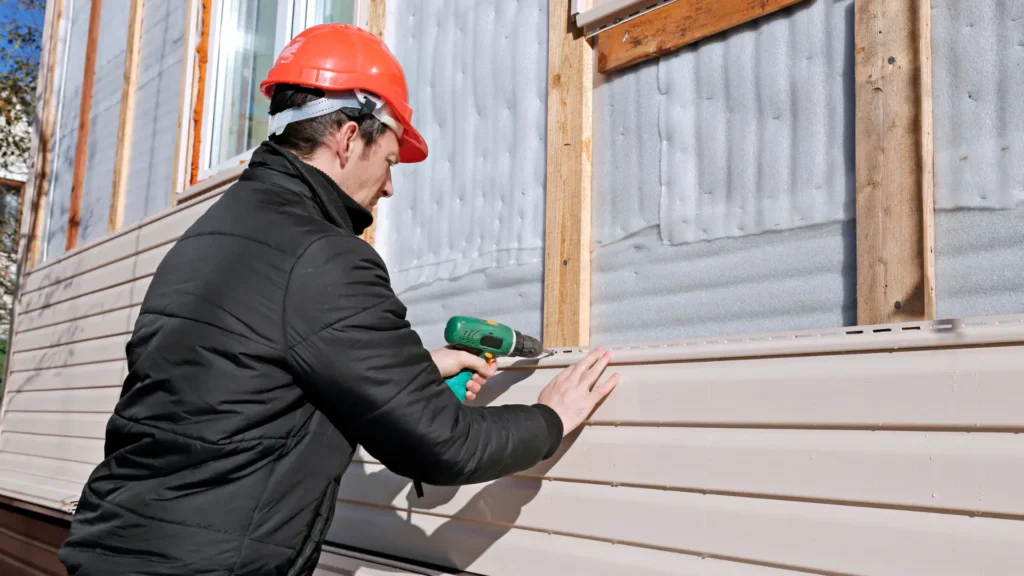
Recladding means removing the existing exterior cladding on a home and replacing it with new, compliant materials. The goal is to restore the building envelope so it can protect the home from moisture, wind, and structural decay. Homeowners often choose recladding when their current cladding is old, cracked, or showing early signs of failure. Leaks are one of the most common reasons for starting the process, especially in homes built during periods when cladding systems did not meet today’s performance expectations. Some people also choose to reclad to refresh the appearance of their home, improve compliance, or fix issues discovered during renovations or inspections.
Common Issues In Auckland Homes
Auckland’s climate brings high rainfall, steady humidity, and regular coastal winds. These conditions put pressure on exterior cladding, especially when it is not designed to handle constant moisture. Over time, older materials can absorb water, swell, or break down, leading to leaks and hidden decay. Many Auckland homes built in earlier decades also used systems that no longer meet the latest building codes. As standards have strengthened, more homeowners are discovering that their cladding does not provide the level of protection required for weather-tight performance. This combination of outdated materials, moisture exposure, and regulatory requirements creates a strong need for recladding in many parts of the region.
Benefits Of Recladding
Recladding brings several improvements that go beyond surface appearance. New cladding systems offer better insulation, which can help reduce heating costs and create a more comfortable indoor environment. Modern materials also deliver improved durability by resisting moisture, pests, and weather damage more effectively than older products. When the building envelope is restored, the home becomes safer and more structurally secure. Another major advantage is the potential increase in property value. Buyers are more confident when a home has updated cladding, especially in areas where moisture concerns are common. This makes recladding both a protective measure and a long-term investment.
Recladding gives Auckland homeowners a clear path to a safer, stronger, and more valuable home. Understanding these points helps you make informed decisions as you plan your next steps.
Overview Of Typical Recladding Costs In Auckland
Understanding recladding costs in Auckland helps you plan with confidence and avoid unexpected budget pressure. Prices shift from home to home because no two properties have the same condition, layout, or material needs. This section walks you through common cost ranges, how expenses are divided, and what real homeowners can expect based on project size and complexity.
Broad Cost Ranges
Recladding costs in Auckland vary widely, and most homeowners see quotes that fall within a broad range depending on the type of project. A modest reclad with simple materials may sit at the lower end, while a full exterior overhaul with premium finishes reaches the top of the scale. These figures serve as general estimates, and actual costs change based on the requirements of each property.
Total pricing is shaped by home size, chosen cladding materials, site conditions, design complexity, labour needs, and any repair work uncovered once the old cladding is removed.
What Influences the Range
- Home size and shape
- Material selection and finish level
- Accessibility and scaffolding requirements
- Permits, inspections, and compliance work
- Condition of the existing exterior
Cost Breakdown
Every recladding project includes several cost layers. Looking at each part separately gives you a clearer view of where your money goes and helps you compare quotes more accurately.
Materials
Materials make up a large portion of the total bill. This includes the cladding itself, insulation upgrades, vapour barriers, wraps, flashings, trims, and exterior finishes such as paint or stain. Higher quality products cost more but often give better performance and longevity.
Labour
Labour covers the removal of old cladding, installation of the new system, and detailed finishing work. Homes with complex layouts or multiple storeys require more time. Homes with hidden damage can also extend labour hours.
Extras
Additional costs appear in most projects. Scaffolding is often required for safety and access. Permits and inspections are part of local compliance. Waste disposal adds to the final number. Some homes need moisture repairs, framing replacement, or weatherproofing-palmerston-north/”>roofing upgrades once the walls are opened.
Example Scenarios
Recladding costs become clearer when you compare different home types. Each example below shows how size and complexity influence the final price bracket.
Small Bungalow
A small single level home with straightforward access and simple cladding often sits in the lower bracket. The smaller wall area and reduced scaffolding needs keep costs down. Material use is limited and labour hours are lower.
Mid-Sized House
A mid-sized home that requires structural adjustments or moisture repairs moves into a higher bracket. More wall area increases material use, and the extra work adds labour time. These projects often uncover hidden issues once the existing cladding is removed.
Large Or Complex Build
Large homes or properties with multiple storeys, architectural features, or custom finishes land in the top bracket. Scaffolding remains in place longer, material use increases, and labour becomes more intensive due to detail work around windows, balconies, and design elements.
A clear understanding of these cost ranges helps you approach your recladding project with realistic expectations. When you know how size, materials, and site conditions shape the final number, planning becomes easier and more reliable.
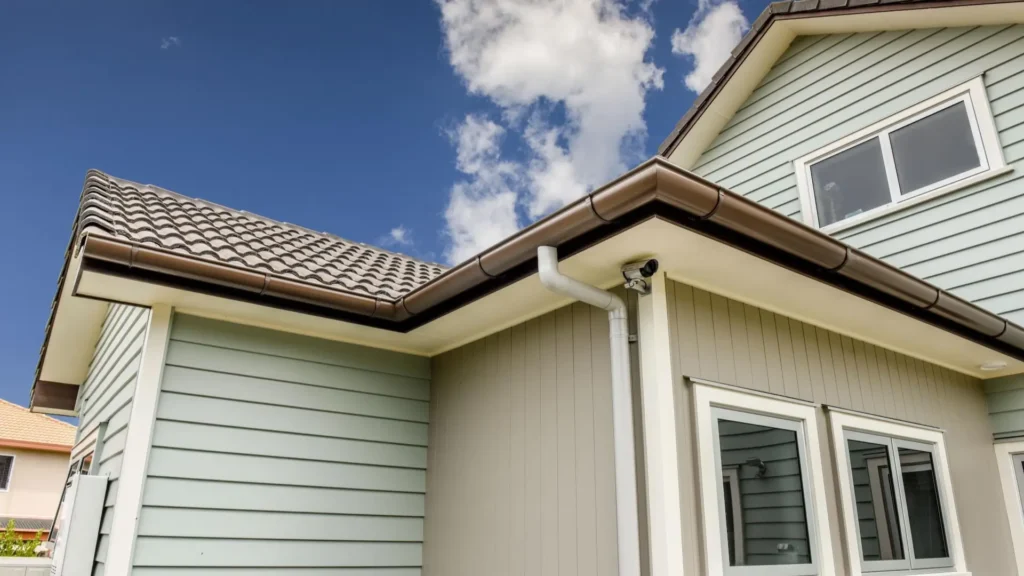
Key Factors That Affect Recladding Cost In Auckland
Understanding what drives recladding prices helps you plan with confidence. Each home has its own set of conditions, and these details shape how much time, labour, and material a contractor needs. Below is a clear explanation of the main factors that influence overall cost in Auckland.
Home Size And Shape
The size of your home has a direct effect on cost because larger homes require more cladding, more labour hours, and longer setup time. Multi-storey homes also increase expenses due to added scaffolding and safety requirements. Complex rooflines or difficult angles can extend installation time, which raises labour costs.
Existing Cladding Removal Complexity
Removing old cladding can be simple or highly involved. Homes with hazardous materials, such as certain older fibre cement products, require specialized handling and disposal. If access is tight or the cladding is attached in a way that makes removal slow, the labour bill rises. Damage hidden behind the old cladding can also increase cost once exposed.
Choice Of Materials
Material selection affects both the upfront price and long-term maintenance. Basic weatherboard sits at the lower end of the scale, while premium cladding systems cost more due to higher durability or aesthetic appeal. Insulation quality also influences the total because higher-grade products require more investment but often deliver better performance.
Quality Of Finishes
Finishes shape the final look of the home and the protective layer that keeps moisture out. Higher quality paint, advanced weatherproofing systems, upgraded trim, and detailed edge work all add cost. These elements take time to install and require careful workmanship to meet Auckland’s climate demands.
Compliance With Building And Fire Code Standards
Meeting code requirements is a crucial part of recladding in Auckland. Your contractor must follow strict rules around moisture control, fire resistance, and structural performance. Some homes need improvements to framing, insulation, or cavity systems to pass inspection. Each upgrade influences the final cost.
Accessibility And Site Conditions
Limited space around the home, steep land, or tight boundaries can make the job harder. Scaffolding may need special design or extra safety features. Weather conditions also play a role because heavy rain or strong wind can delay work, leading to longer project timelines and higher labour costs.
Labour Rates And Contractor Experience
Skilled contractors charge rates that reflect their expertise, training, and track record. Experienced teams often finish work more efficiently and with fewer mistakes, which can reduce long-term risk. Labour rates also vary across Auckland, and premium providers may cost more but deliver stronger results.
Permits, Inspection Fees, And Disposal Costs
Recladding almost always requires official consent. Permit fees, engineering reviews, and inspection appointments all come with costs. Waste removal and disposal of the old cladding add another layer, especially when the material needs careful handling or transport.
This section brings together the main details that impact recladding costs in Auckland, giving you a clearer sense of what to expect as you plan your project.
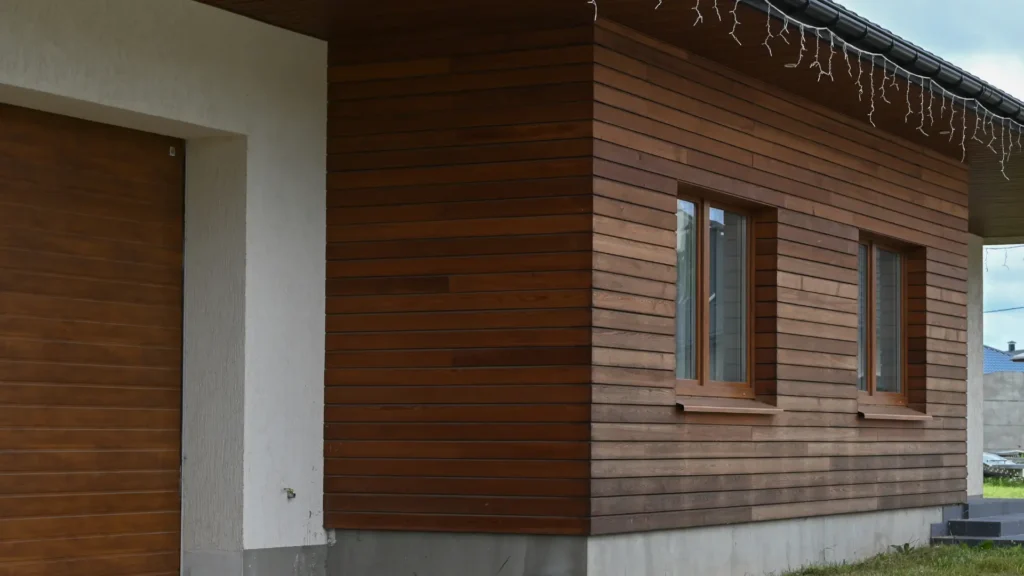
How To Budget And Plan For Recladding
Planning your recladding project with a clear budget gives you control over costs and helps you avoid stress later. Homeowners in Auckland often face different conditions once the old cladding is removed, so building a solid plan early makes the entire process smoother. The steps below guide you through quoting, timing, and financial preparation so you can move forward with confidence.
Steps To Get An Accurate Quote
Request quotes from two or three reputable contractors so you can compare pricing, scope, and timelines. Each contractor may approach the project differently, so multiple quotes help you see what is reasonable for your home. Ask for an itemized breakdown that separates materials, labour, removal, disposal, finishing work, and any optional upgrades. Itemization stops guesswork and prevents hidden fees. Clarify what is included in the quoted price, such as scaffolding, waste removal, weatherproofing layers, paint, and compliance checks. Clear communication at this stage reduces surprises later.
Include Contingency
Set aside ten to fifteen percent of your total budget to cover unexpected costs. Once cladding is removed, contractors may uncover moisture damage, timber rot, or structural issues that require repair. Weather delays can also extend project time and increase labour charges. A contingency protects your budget and keeps the project moving without financial pressure.
Timing And Scheduling Advice
Auckland’s weather plays a major role in the success of a recladding project. Warmer, drier months offer better conditions, fewer delays, and more predictable timelines. Planning ahead also ensures your contractor has availability during these preferred seasons. Allow time for permitting and inspections because approval processes can take longer than expected. Scheduling these steps early prevents your project from stalling.
Financing Options
Decide whether to pay in cash or use financing, such as a home improvement loan or mortgage top up. Loans allow you to spread the cost over time, which may be helpful for larger homes or projects that require extensive repairs. Consider the long term impact on property value because a completed reclad can make your home more attractive and potentially lift resale value. Good financial planning strengthens both your budget and your return on investment.
Taking time to plan your budget gives you clarity before work begins. With accurate quotes, a safety buffer, and the right timing, you can approach your reclad with confidence and avoid unnecessary stress.
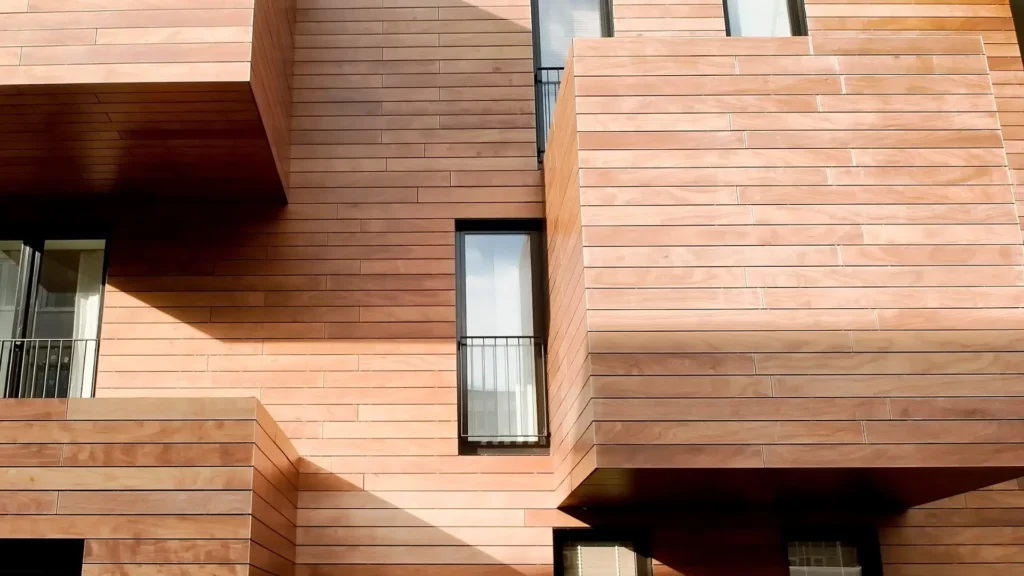
Tips To Keep Recladding Costs Manageable
Managing the cost of a recladding project in Auckland starts with smart planning. A few practical decisions can prevent your budget from blowing out and help you get long-lasting results without sacrificing quality. Use the points below as a guide while preparing for your project.
Choose Cladding Materials That Balance Cost And Quality
Your choice of cladding has a major influence on the final price. Some materials are more affordable upfront while others offer better durability and lower long-term maintenance. Look at how each option performs in Auckland’s weather, how often it needs upkeep, and whether it fits your budget. A balanced approach gives you good protection without committing to premium materials you may not need.
Combine Recladding With Other Renovations To Save On Mobilization Costs
Recladding already requires scaffolding, site setup, and a full team on your property. Adding other exterior tasks at the same time can reduce repeated labour and setup costs. Projects such as repainting, window upgrades, insulation improvements, or exterior repairs often cost less when completed alongside a reclad. This approach keeps the project contained and reduces disruption to your home.
Repair Only What’s Needed And Avoid Over Spec’ing
It’s easy to get carried away when planning upgrades. Focus on issues that genuinely affect your home’s safety, weatherproofing, or structure. Over-spec’ing materials, finishes, or design features increases cost without offering meaningful benefits. Ask contractors to show which repairs are essential and which are optional so you can make confident decisions.
Work With Experienced, Licensed Contractors With Good Reviews
Your contractor plays a major role in the quality of your reclad. Look for licensed builders who have completed similar Auckland projects and can provide references. Skilled professionals spot problems early, prevent compliance issues, and help you avoid unnecessary expenses. Quality workmanship reduces the risk of future repairs and keeps your project on track.
Compare Quotes Carefully And Don’t Choose The Cheapest Blindly
Gather detailed quotes from several contractors. Check what is included, what may be excluded, and how each provider approaches timelines and materials. A very low price can signal shortcuts or missing items that become extra costs later. A well-detailed quote gives you clarity and helps you select the contractor that offers the best balance of price and value.
Plan Work During Better Weather Months To Avoid Delays
Weather conditions have a direct impact on recladding timelines in Auckland. Heavy rain or strong wind can delay progress and increase labour costs. Scheduling your project during drier months reduces downtime and helps the team maintain steady progress. A smoother schedule often keeps the budget under control.
A little planning goes a long way. When you choose the right materials, work with reputable experts, and time your project well, you strengthen your home without stretching your budget.

What Residents Should Watch Out For
Every homeowner planning a reclad should understand the risks that can affect costs, timelines, and long-term performance. This section helps you spot common pitfalls before they turn into expensive surprises.
Cheap Quotes With Poor Materials or Workmanship
A low price can look appealing, but it often hides reduced material quality or rushed installation. Cheap cladding options may fail faster, absorb moisture, or require early replacement. Poor workmanship also creates issues such as uneven surfaces, weak fixings, and gaps that allow water to enter the building envelope. Always compare quotes line by line, ask about material brands, and check past projects to confirm the contractor delivers consistent quality.
Hidden Structural Damage or Moisture Issues
Once old cladding is removed, contractors sometimes uncover problems that were not visible from the outside. Common discoveries include rotten framing, trapped moisture, outdated building wrap, or missing insulation. These issues increase cost because they require immediate repair to meet standards. While no one wants extra expenses, addressing them protects your home from future leaks and ensures long-term durability. A realistic budget should include some allowance for these findings.
Delays From Weather or Permit Backlogs
Recladding in Auckland depends heavily on weather conditions. Rain, high winds, or long wet periods slow down installation and extend project timelines. You may also face delays from building consent approvals or inspection queues, especially during busy seasons. Planning ahead helps reduce risk. Ask your contractor about typical timelines and how they manage disruptions so you understand what to expect.
Incomplete Scope Leading to Leaks or Noncompliance
Some contractors only include basic cladding replacement and leave out important elements such as flashings, insulation upgrades, or internal moisture barriers. Missing steps can lead to water entry, mould growth, or failed council inspections. A clear scope is essential. Always confirm what is included, ask for a full list of steps, and make sure the quote covers all work needed to meet code requirements.
Overcapitalizing On A Recladding Project
Recladding improves value, but spending too much can reduce your return. High-end materials, overly complex design upgrades, or unnecessary changes can push your costs beyond what the market supports. Before committing, check recent sales of similar homes, talk to a local agent, and balance your choices with the long-term value you expect.
A careful review of these risks helps you plan a smoother recladding project and avoid problems that catch many homeowners off guard. If you prepare early and choose the right team, you’ll protect both your budget and your home’s long-term performance.
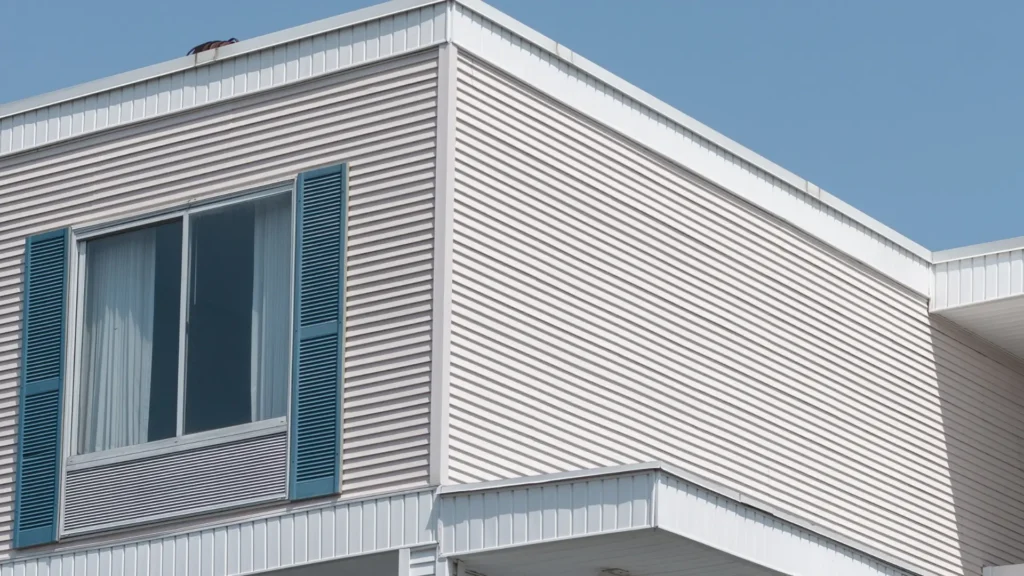
Real-World Example / Case Study
Here is a clear example of how recladding can reshape the condition and long-term value of an Auckland home. This scenario reflects what many homeowners experience when they discover issues with their exterior cladding and want a practical, future-proof solution.
The Home Before Recladding
The property was a 1980s weatherboard house in a coastal suburb. The owners had noticed small areas of swelling near the windows, minor leaks during heavy rain, and rising energy bills during winter. A building inspection confirmed moisture intrusion behind several panels and ageing insulation that no longer performed well. The exterior paint had faded, and parts of the cladding had become brittle from years of exposure to Auckland’s changing weather.
A contractor’s assessment outlined the expected work. The home needed full cladding removal, repair of damp timber in a few wall sections, and installation of new insulation to meet current standards. The total projected cost for the reclad was placed in a range that covered labour, materials, scaffolding, disposal, and building consent.
Material And Design Choices
The owners compared multiple material options and selected a modern fibre cement system for its durability, low maintenance, and clean look. It offered a balance between upfront cost and long-term value. They chose a light coastal colour to brighten the exterior and reduce heat absorption during summer. Updated flashings and a new moisture barrier were included to strengthen weather protection. The contractor also recommended minor layout adjustments around the windows to reduce water entry risks.
The Home After Recladding
Once the work was completed, the difference was visible immediately. The home gained sharper lines, a fresh finish, and stronger visual appeal. The insulation upgrade made indoor temperatures more stable, and the owners noticed lower heating costs within the first few months. Moisture readings showed dry, healthy walls with no signs of leaks. A registered valuation later indicated an increase in property value, supported by improved compliance, better street presence, and reduced future maintenance needs.
This type of result is common for Auckland homeowners who choose a well-planned reclad. By selecting the right materials and working with an experienced contractor, many achieve a safer, warmer, and more appealing home that performs far better than before.
References
- How Much Does House Recladding Cost in New Zealand (2025)?
https://yasenconstruction.co.nz/how-much-does-house-recladding-cost-in-new-zealand-2025/ (Yasen Construction) - Recladding Costs in NZ: What to Expect & How to Budget (2025 Guide)
https://www.seamlessbuilders.co.nz/latest-project-and-news/cost-of-recladding-in-nz-what-to-expect-and-how-to-budget (Seamless Builders) - Recladding a House Guide 2024 – Plus Recladding Costs in NZ
https://www.platinumpacificgroup.co.nz/recladding-guide-in-nz/ (Platinum Pacific Group) - Cost To Reclad A Plaster House NZ: Full Guide For Homeowners
https://builderconnect.co.nz/blog/cost-of-recladding-a-plaster-house/ (builderconnect.co.nz) - Cost Of Recladding A House in Auckland (2024 Cost Guide)
https://superiorrenovations.co.nz/cost-for-recladding-a-house-in-nz/ (superiorrenovations.co.nz)
FAQs: About Recladding Costs In Auckland
Conclusion
Planning your recladding project with clear expectations and a realistic budget gives you more control over the entire process, and taking the time to compare quotes, check inclusions, and understand the fine print helps you avoid cost surprises while choosing the right team for your home; when you look at the long-term benefits such as reduced maintenance, stronger weather protection, higher property value, and the peace of mind that comes from knowing your exterior is sound, it becomes easier to see recladding as a smart investment rather than a simple repair, so use the information in this guide to move forward with confidence and take the next step toward a safer, better performing home.
Find A Professional Cladding Company Near You!
Cladding Paihia
Cladding Kerikeri
Cladding Waikato
Cladding Warkworth
Cladding Christchurch
Leaky Home Repairs Auckland

About the Author:
Mike Veail is a recognized digital marketing expert with over 6 years of experience in helping tradespeople and small businesses thrive online. A former quantity surveyor, Mike combines deep industry knowledge with hands-on expertise in SEO and Google Ads. His marketing strategies are tailored to the specific needs of the trades sector, helping businesses increase visibility and generate more leads through proven, ethical methods.
Mike has successfully partnered with numerous companies, establishing a track record of delivering measurable results. His work has been featured across various platforms that showcase his expertise in lead generation and online marketing for the trades sector.
Learn more about Mike's experience and services at https://theleadguy.online or follow him on social media: