Cladding Cost Calculator NZ
Total Estimated Cost: NZD $0.00
Welcome to a full breakdown of cladding costs in New Zealand that walks you through what shapes the price of materials, labour, site needs, and extra features so you can plan your build with confidence and use a cladding cost calculator NZ homeowners trust for early budgeting; this guide helps you understand how different cladding types compare, why cost ranges shift between regions, what details you should gather before using any calculator, and how to read the results in a way that supports clear decisions, giving you a simple path to map out your project, avoid surprises, and feel prepared before talking to a builder or requesting quotes.
A cladding cost calculator NZ tool gives you a fast estimate of how much your cladding project may cost by combining material prices, labour rates, and square metre measurements, helping you plan your budget before requesting quotes.
- Cladding Cost Calculator NZ
- Regional Price Differences
- Labour Factors
- Material Choices
- Supply Conditions
- Project Size And Scope
- How Builders Quote Cladding Work
- How Calculators Give Ballpark Figures
- How Calculators Support Early Budgeting And Planning
- Why A Calculator Is Not A Final Quote
- Example Of A Homeowner Checking Cost Ranges
- Typical Inputs You Will Need
- How The Calculator Produces Results
- A Question To Guide You
- Timber Cladding
- Brick Cladding
- Vinyl Cladding
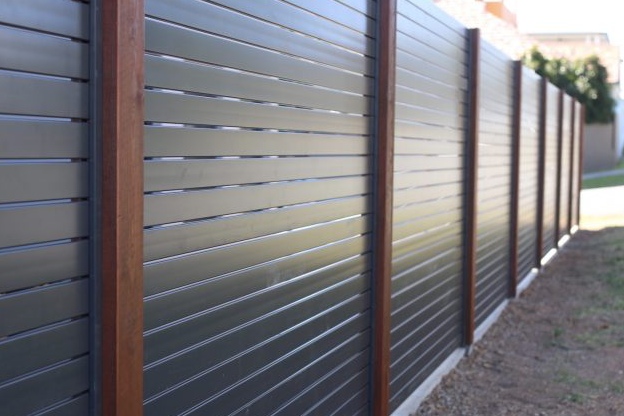
- Metal Cladding
- Fibre Cement Cladding
- Choosing The Right Material
- Materials
- Labour
- Site Prep
- Extra Features
- A Simple Scenario
- Key Fields You Need To Enter
- Enter Your Project Size
- Choose Your Cladding Material
- Add Labour Rates
- Include Extras
- Adjust Figures For Accuracy
- Save Multiple Versions For Comparison
- Think About Your Timeline And Budget
- Choosing The Wrong Cladding Type
- Forgetting Site Conditions
- Ignoring Labour Variations Across Regions
- Not Adding A Margin For Unexpected Changes
- Compare Quotes From Several Installers
- Choose Materials That Offer A Balance Of Price And Durability
- Plan Work During A Builder’s Available Window
- Reduce Extras Where Possible
- Ask Yourself Which Part Of Your Build Has The Most Room For Savings
- Signs You Need Expert Input
- Key Compliance Checks To Consider
- Weather Tightness And Structural Concerns
- Council Rules And Local Approvals
- Bring Your Calculator Results To Your Builder
What Drives Cladding Costs In NZ
Cladding prices shift across New Zealand for several reasons, and each project comes with its own set of variables. Costs change between regions because builders work with different labour rates, material access varies, and transport can add extra charges for remote areas. Your home’s size, design, and condition also shape the final figure, which is why two similar projects can still land on different totals.
Regional Price Differences
Cladding rates are not the same across the country because each region faces unique conditions:
- Labour availability and average trade rates
- Distance from suppliers and transport needs
- Material stock levels in local stores
- Weather conditions that affect timelines
Shorter supply chains often lead to lower overall costs. Areas with higher demand for trades may see higher labour rates.
Labour Factors
Labour is one of the biggest parts of the budget. Builders look at:
- Time needed to prep the site
- Number of workers required
- Access issues around the home
- Complexity of the cladding material
Skilled installers charge more for detailed or time-heavy materials. Simple designs often cost less because they take less time.
Material Choices
Material selection affects both upfront price and installation time. Common options include:
- Timber
- Fibre cement
- Metal
- Brick
- Vinyl
Each option has its own price range based on style, durability, and local availability. Materials that need special handling or longer install steps usually cost more.
Supply Conditions
Supply levels change throughout the year. Stock shortages can raise the price of some materials, especially imported ones. When demand is high, lead times can get longer, which may push your project back and increase labour costs.
Project Size And Scope
Bigger homes and full reclads need more labour and materials. Factors that raise the total include:
- Larger wall areas
- Extra trims or insulation
- Removal of old cladding
- Structural repairs
Even small design features such as corners, windows, and custom trims can increase labour time.
How Builders Quote Cladding Work
Builders look at the whole project rather than one number. Their quotes reflect:
- Site inspection findings
- Chosen materials
- Estimated labour hours
- Extra tasks such as repair work
- Travel time and transport
A good builder will walk you through these details so you know what each part of the quote covers.
Why Homeowners Use A Cladding Cost Calculator
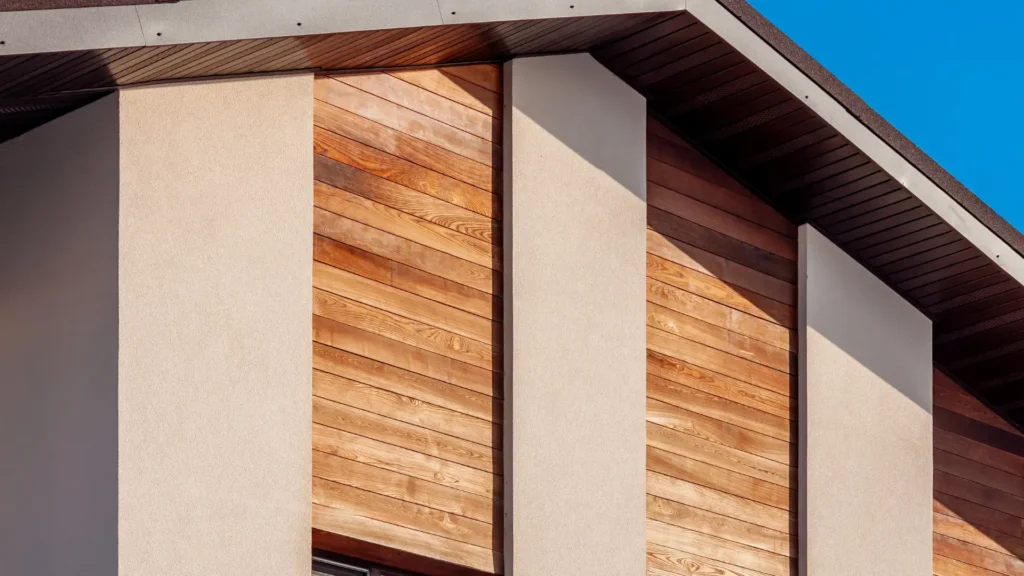
A cladding cost calculator helps homeowners understand what their project may cost before they reach out to a builder. It gives fast estimates based on material choices, labour rates, and the size of the home. This early clarity helps people decide whether their plans match their budget and what adjustments they may need to make.
How Calculators Give Ballpark Figures
A calculator works by combining a few basic details to produce a rough cost range.
Key inputs often include:
- Cladding type
- Square metre measurements
- Labour pricing
- Extra features such as insulation or trims
These inputs guide the tool to generate numbers that reflect common pricing patterns in New Zealand. While the estimate is not perfect, it gives you a practical snapshot of what your project might cost.
How Calculators Support Early Budgeting And Planning
Many homeowners rely on these tools to set realistic expectations before moving forward. A quick estimate helps you decide whether to adjust your cladding type, plan for staged work, or explore more cost-effective options. It also gives you time to organise savings, compare materials, or prepare questions for a future consultation with a builder.
Why A Calculator Is Not A Final Quote
A calculator only works with the information you provide, so it cannot account for every detail of your property. Factors such as weather tightness issues, structural repairs, site access, and council requirements often influence the final price. Because of this, builders still need to inspect your home before giving a firm quote. The calculator simply helps you walk into that conversation with a clearer sense of direction.
Example Of A Homeowner Checking Cost Ranges
Consider a homeowner planning to reclad a small section of their house. They enter the measurements, choose a cladding style, and review the estimate the calculator provides. The numbers show the project may cost more than expected, so they decide to compare two other materials and run the calculator again. When they finally speak with a builder, they already understand the general price range and feel more confident asking about options that fit their budget.
A calculator gives you a simple way to prepare, explore choices, and understand the financial side of your project before taking the next step.
How A Cladding Cost Calculator Works
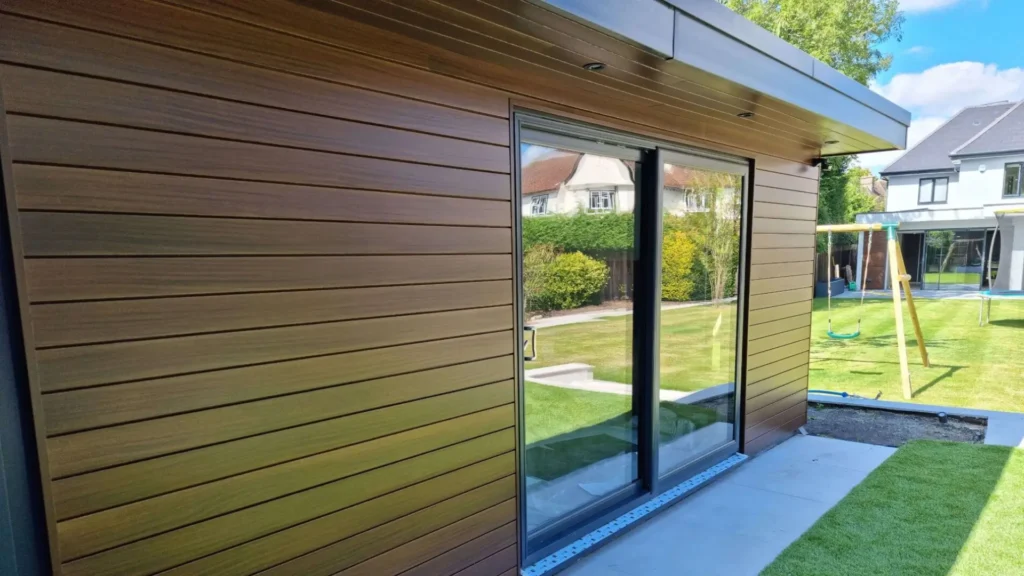
A cladding cost calculator gives you a quick way to understand how much your project may cost based on a few details you enter. It helps you see price ranges before talking to an installer, which makes planning easier and avoids early guesswork. You get a fast estimate because the tool uses set formulas that combine material prices, labour figures, and project size.
Typical Inputs You Will Need
Cladding type
- Timber
- Brick
- Vinyl
- Metal
- Fibre cement
Square metres
- Total exterior surface area
- Extra sections that need covering
Labour rates
- Installer pricing in your region
- Time needed for prep and fitting
Extra features like insulation or trims
- Insulation upgrades
- Flashings
- Corners, joints, and finishing pieces
How The Calculator Produces Results
The tool takes each detail you enter and matches it with current average prices. It multiplies your square metres by the chosen cladding type, adds expected labour costs, and includes any extras you select. This creates a clear estimate in seconds without needing a site visit. You get a starting point that helps with budgeting and planning your next steps.
A Question To Guide You
What details do you already know about your project?
A clear estimate often starts with simple information you already have, and entering it into a calculator can help you see your options with more confidence.
Common Cladding Types Used In NZ
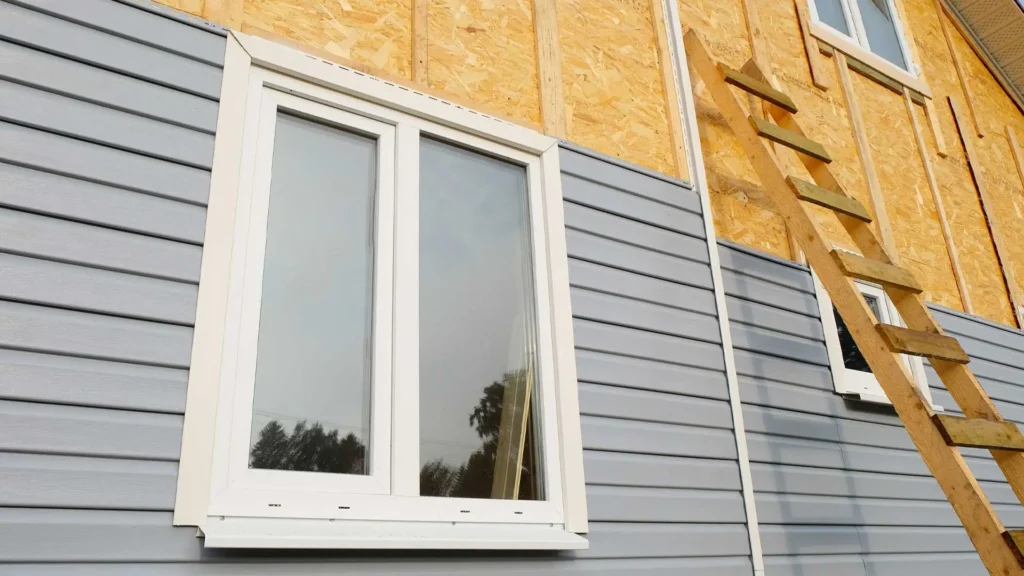
Homeowners across New Zealand choose from several cladding options, each with different costs, strengths, and style outcomes. The sections below outline the most common materials, their price ranges, and simple pros and cons to help you compare choices with confidence.
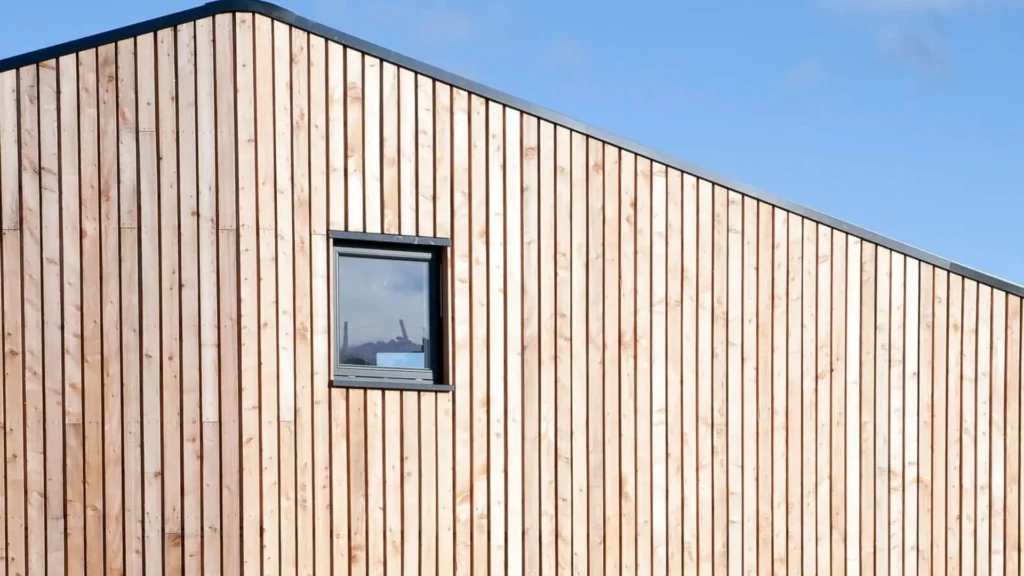
Timber Cladding
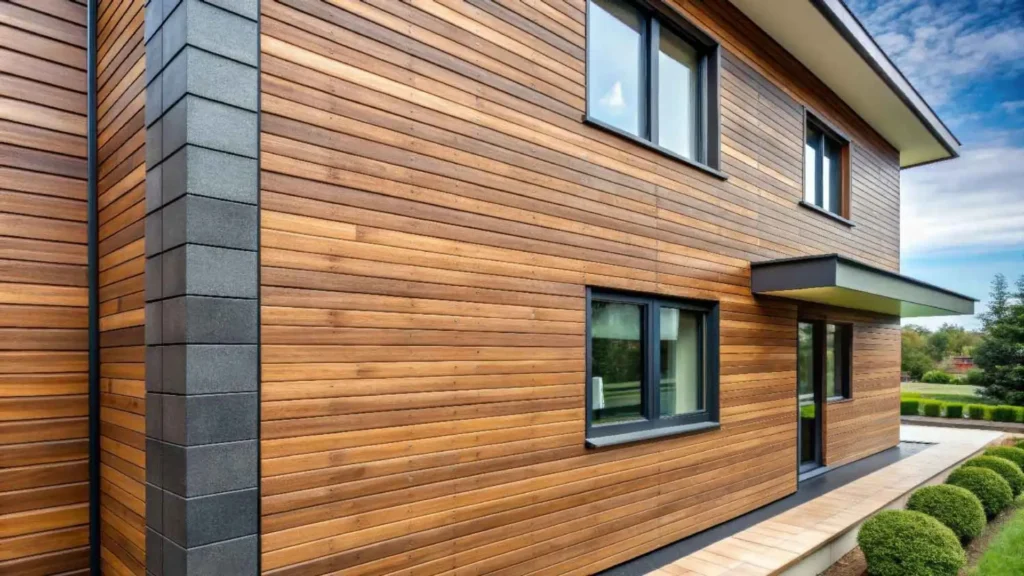
Timber remains popular for its warm appearance and flexibility.
- Typical cost range: moderate to high depending on species.
- Pros: natural look, easy to repair, suits modern and classic homes.
- Cons: regular maintenance, can weather quickly in harsher climates.
A homeowner wanting a natural finish for a rural build may choose timber because it blends well with the surroundings while still allowing for design freedom.
Brick Cladding
Brick offers strength and consistent performance across seasons.
- Typical cost range: high due to material and labour needs.
- Pros: strong, long-lasting, low maintenance.
- Cons: heavier installation, higher upfront cost.
Someone planning a long-term family home may choose brick to avoid ongoing upkeep and get reliable protection.
Vinyl Cladding
Vinyl appeals to homeowners wanting an affordable and clean look.
- Typical cost range: low to moderate.
- Pros: budget-friendly, low maintenance, wide colour choices.
- Cons: less durable than heavier materials, not suited to every style.
A family updating an older property on a tight budget may pick vinyl to keep costs under control while improving appearance.
Metal Cladding
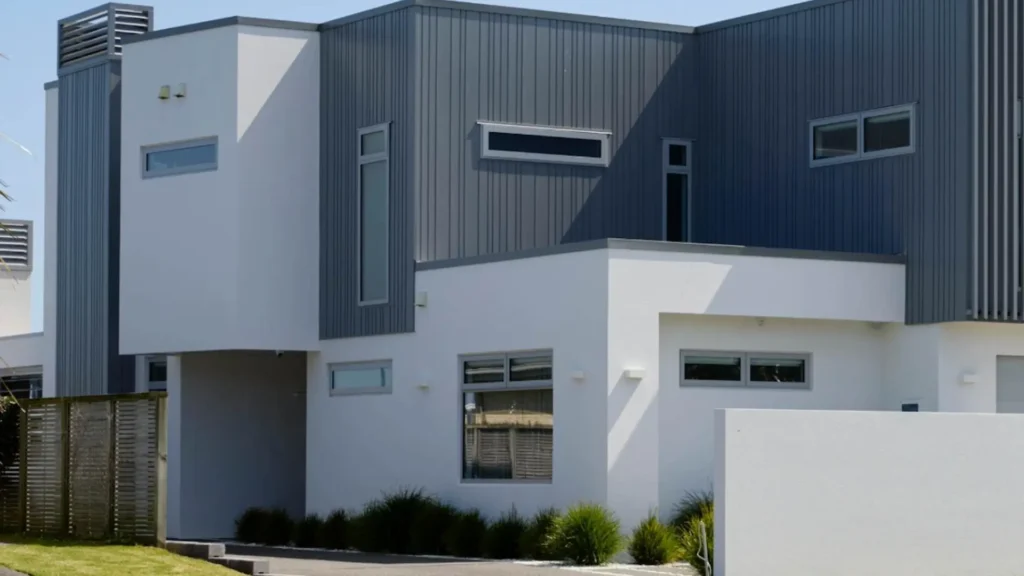
Metal gives homes a sharp, contemporary look that stands out.
- Typical cost range: moderate to high, depending on profile and coating.
- Pros: durable, resistant to pests, modern aesthetic.
- Cons: can dent, may require sound considerations in heavy rain.
A homeowner designing a modern build may choose metal to achieve a crisp architectural style without complex detailing.
Fibre Cement Cladding
Fibre cement blends strength with a clean finish.
- Typical cost range: moderate.
- Pros: durable, fire resistant, accepts paint well.
- Cons: heavier to install, may need repainting over time.
A buyer wanting a balanced option might choose fibre cement to get durability without stretching the budget too far.
Choosing The Right Material
Each cladding type suits different goals. A homeowner focused on style may choose timber or metal, while someone on a tight budget may lean toward vinyl. If durability matters most, brick or fibre cement often turns out to be the steady choice.
Choosing the right cladding comes down to how you want your home to look, how much maintenance you are willing to take on, and the level of investment you are ready to make. Let this overview guide you as you compare materials and plan your project.
Cost Ranges You Can Expect In NZ
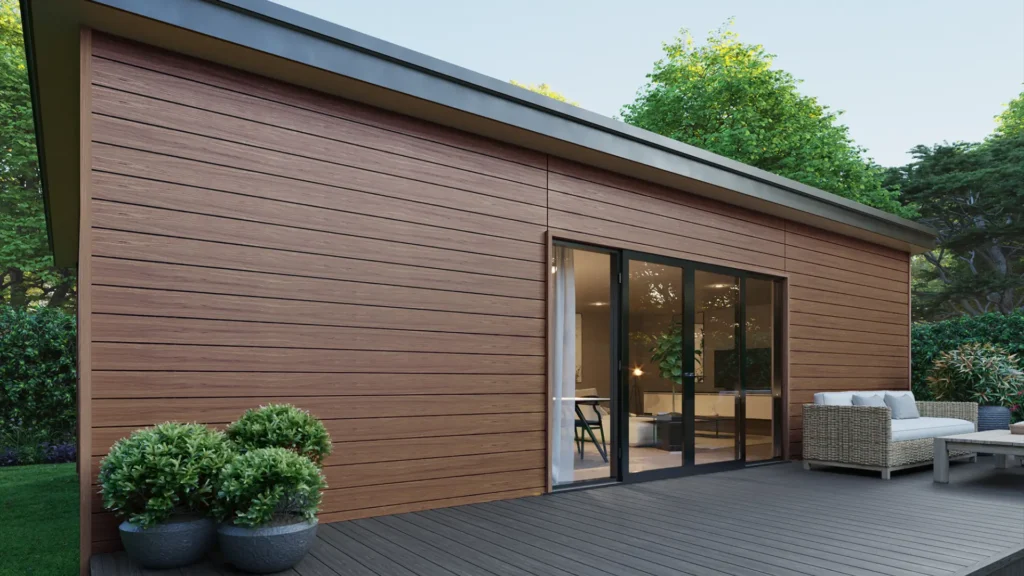
Cladding costs change based on the material you pick, the size of your home, the condition of your site, and the work your installer needs to complete. You get a clearer idea of your budget when you break the price into simple parts.
Materials
Common averages per square metre:
- Timber: mid to high range depending on species
- Fibre cement: steady mid range
- Vinyl: lower range and often the least costly
- Metal panels: mid to high range
- Brick: higher range due to material weight and handling
These ranges shift with supply, quality, and design needs.
Labour
Typical labour rates vary by region and skill level.
- Basic installs
- Complex layouts
- Weather tightness needs
- Removal of old cladding
Labour often makes up a large share of your budget because it depends on time, access, and installer demand.
Site Prep
Site prep can change your total more than you expect.
- Scaffolding
- Removal of old material
- Repairs to framing
- Access challenges
Homes with tight spaces or older structures often need extra prep.
Extra Features
Extra features influence the final total.
- Insulation upgrades
- Flashings
- Architectural trims
- Paint or finish coats
These add value but also widen the cost range.
A Simple Scenario
A small renovation on one wall of a single level home may only need light site prep and a short install window. This keeps material use low and labour hours modest. A full reclad on a two level home requires full removal, repairs, scaffolding, and longer labour time. This pushes the cost into a higher bracket because every part of the job grows in scale.
A clear view of these ranges helps you plan with more confidence and choose the right path for your project.
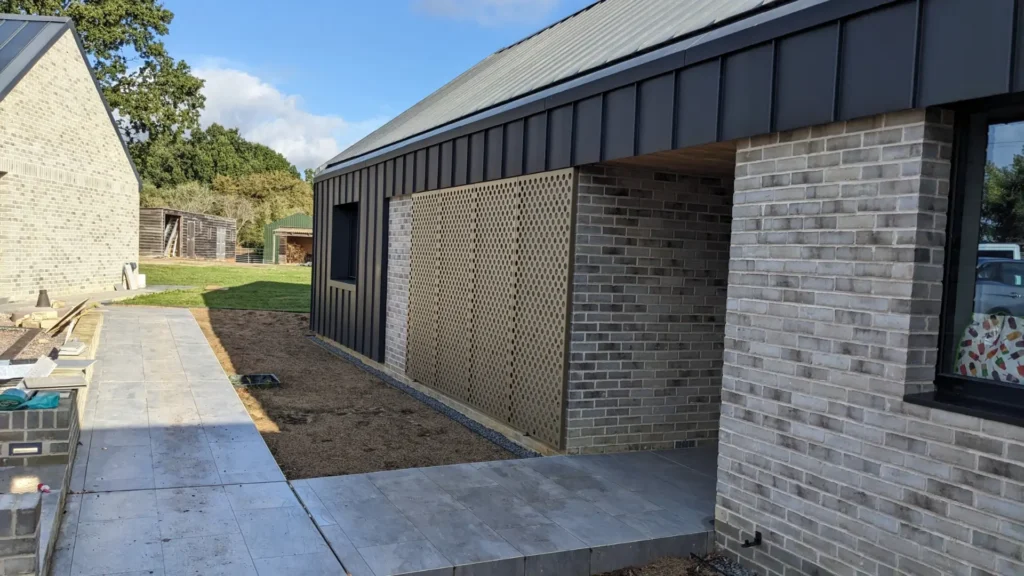
How To Use A Cladding Cost Calculator Step By Step
A cladding cost calculator helps you understand what your project might cost before speaking with a builder. You enter a few details about your home, choose your preferred cladding type, and review the estimate that appears on the screen. Each field matters because it shapes the final figure, so taking a moment to enter accurate numbers gives you a clearer picture of your budget.
Key Fields You Need To Enter
- Project size in square metres
- Preferred cladding material
- Labour rate based on your region
- Extra features such as insulation, trims, or finishes
Enter Your Project Size
Start by adding the wall area you want to clad. If you have exact measurements, use them. If not, make a close estimate so the calculator can produce a helpful number. Accurate measurements lead to better budgeting, especially when material prices vary.
Choose Your Cladding Material
Select the cladding type you want for your home. Each material carries a different price range because of durability, installation difficulty, and supply costs. Picking the right option here helps you compare choices and see which one aligns with your goals.
Add Labour Rates
Labour costs vary between regions, so enter a labour rate that reflects your location. This step matters because labour often makes up a large part of the total price. If your area has high demand for builders, adjust the numbers slightly upward.
Include Extras
If your project needs extras, add them to the calculator. These may include:
- Insulation
- Trim details
- Moisture barriers
- Custom finishes
Adjust Figures For Accuracy
Take a moment to refine your inputs. If you expect site challenges or want higher quality finishes, increase the estimated numbers. If your project is small or simple, you may be able to lower certain fields. Adjusting each part helps you create a more realistic budget.
Save Multiple Versions For Comparison
Create several versions of your estimate. Change the material type, labour rate, or extra features to see how the total shifts. This helps you visualise the cost differences between your top choices and find a balance between quality and price.
Think About Your Timeline And Budget
Ask yourself which option works best for your goals. Do you want the most affordable path, or are you aiming for long-term durability? Use the calculator results to compare these angles and decide what fits your timeline and budget.
A cladding cost calculator gives you a simple way to explore your options before making any commitments. It helps you plan ahead, understand your project better, and step into conversations with builders feeling prepared.
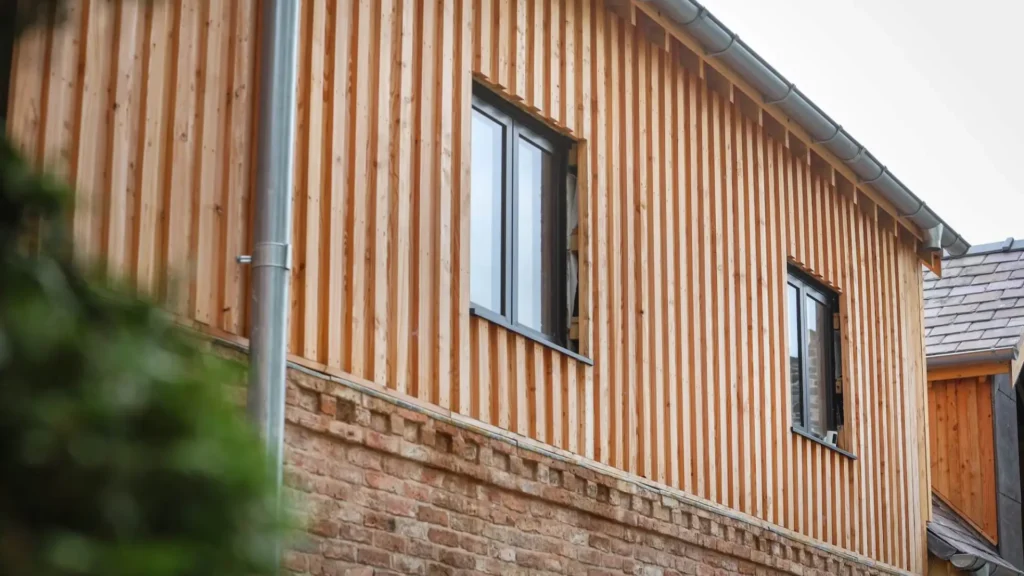
Mistakes People Make When Estimating Cladding Costs
Many homeowners run into the same issues when they first try to estimate their cladding budget. A few small errors can lead to numbers that look realistic at first but fall apart once a builder inspects the site. The points below highlight where miscalculations often happen and how you can avoid them.
Choosing The Wrong Cladding Type
Picking a cladding material without comparing price, durability, and long-term care can push your project over budget. Some materials look affordable at the start but require more labour or extra preparation. Others cost more upfront yet save money later because they last longer or need less maintenance. You want a material that fits your design goals and supports your budget.
Key reasons people choose the wrong material:
- They focus only on the upfront material cost
- They skip comparing maintenance needs
- They overlook installation difficulty
Forgetting Site Conditions
Site conditions can change the total cost more than most homeowners expect. Sloped land, tight access, and older framing can all increase labour time. Builders may need extra equipment or more hands on deck to complete the job safely. A calculator can give a starting point, but only a site check reveals the full picture.
Common site details people overlook:
- Hard-to-reach walls
- Access limits for scaffolding
- Structural issues in older homes
Ignoring Labour Variations Across Regions
Labour rates across New Zealand vary from place to place. A calculator usually provides an average, but your region may sit above or below that range. Areas with high building activity often have higher rates because demand outweighs available labour. If you base your estimate on a nationwide average, you may underestimate your real cost.
Why labour rates change:
- Local demand for trades
- Travel time for installers
- Skill level needed for specific cladding types
Not Adding A Margin For Unexpected Changes
Even well-planned projects face surprises. Hidden damage under old cladding, extra materials, or weather delays can all add to your final bill. Adding a small margin helps you avoid stress later. Most homeowners feel more confident when they set aside a buffer for anything that comes up during installation.
Helpful buffer ideas:
- Allocate a percentage of your budget for surprises
- Keep a list of optional upgrades you can remove if needed
A little care during estimation goes a long way. When you manage these common mistakes, your numbers become clearer, and your project feels easier to plan.
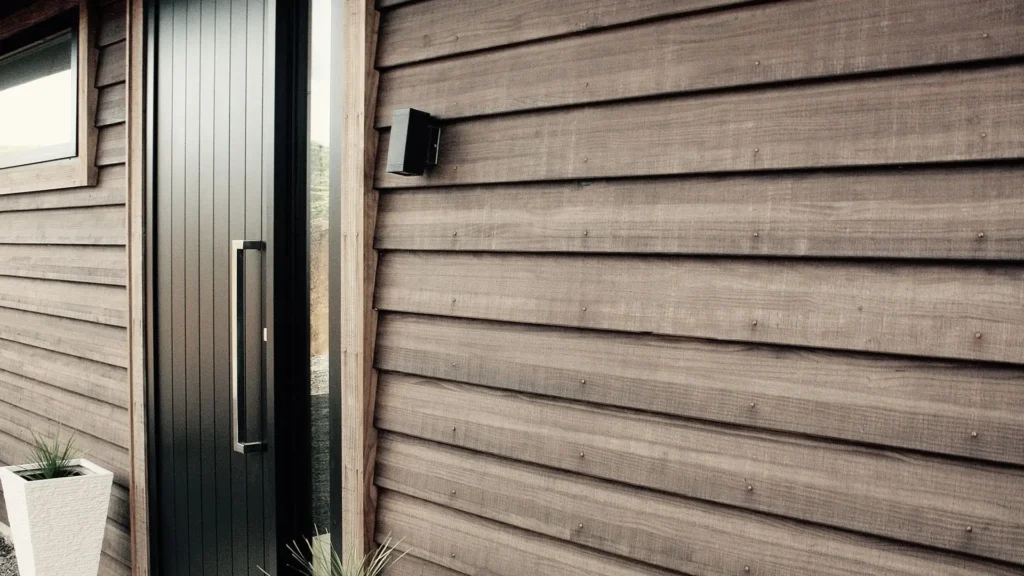
How To Lower Your Cladding Project Cost
Lowering the cost of a cladding project starts with understanding where your money goes and how small decisions shape the final price. You can make meaningful changes without cutting quality by looking closely at installer quotes, material choices, and timing. Each step gives you more control over your budget and helps you plan with confidence.
Compare Quotes From Several Installers
Gathering multiple quotes helps you see the real price range in your area. Each installer works with different suppliers, schedules, and labour costs, so a single quote rarely shows the full picture. When you compare several options, you spot patterns, outliers, and opportunities to negotiate. Ask each installer for a clear breakdown so you know what you are paying for and where you might adjust costs later.
Choose Materials That Offer A Balance Of Price And Durability
Material choice shapes long-term cost more than many homeowners expect. Some cladding options cost less upfront but need more upkeep, while others cost more at installation but last longer with minimal maintenance. Look at how each material performs in your climate, how often it needs repainting or sealing, and whether it affects your home’s energy use. A balanced choice protects your budget now and keeps future expenses manageable.
Plan Work During A Builder’s Available Window
Timing can influence price because labour availability shifts through the year. Builders often offer better rates when work is scheduled during quieter periods. When you plan ahead and book early, you give your installer room to fit your job into their schedule without premium charges. Ask your builder about their next open window and see whether shifting your timeline could help keep costs down.
Reduce Extras Where Possible
Extras add up quickly, especially when you include trims, decorative features, or premium finishes. Look at your list and decide which items add real value and which are optional. Reducing or simplifying these extras can drop the total cost without affecting the quality of the installation. It also helps you stay focused on the essentials and avoid surprise expenses.
Ask Yourself Which Part Of Your Build Has The Most Room For Savings
Every project has one or two areas where costs can be reshaped without affecting the outcome. It might be material upgrades, custom design changes, or site preparation. Take a moment to review your plan and ask where adjustments make sense. This question often leads to clear savings and better decision-making.
Lowering cladding costs does not mean compromising the look or performance of your home. Small, thoughtful choices give you room to save and help you move forward with a clear budget.
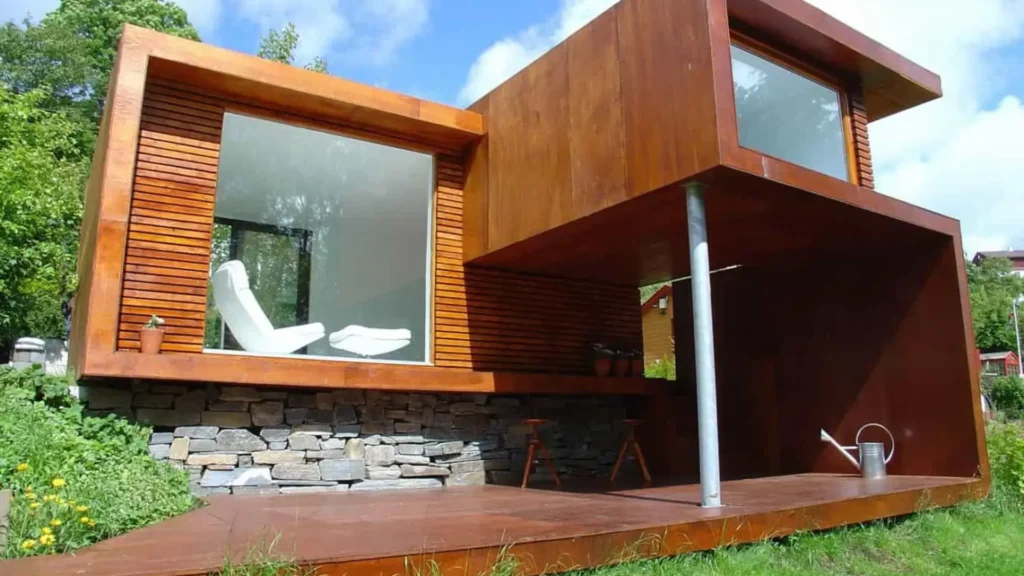
When To Move From Calculator To Professional Quote
A calculator gives you a starting point, but there comes a stage when you need a builder or cladding specialist to look at your project directly. A trained professional can spot details the calculator cannot, especially when your home has unique features, older materials, or structural concerns. This step helps you avoid surprises during the build and sets a clear path for accurate budgeting.
Signs You Need Expert Input
- Your home has uneven surfaces, complex shapes, or hard-to-access areas.
- You plan to change materials and want to check how they interact with existing structures.
- You are unsure whether your chosen cladding type fits your climate or region.
- Your calculator estimate changes too much when you adjust measurements or labour rates.
- You want a timeline that aligns with contractor availability.
Key Compliance Checks To Consider
Every cladding project must meet local rules that protect your home from damage. A professional can review the requirements related to:
- Building code standards for your region
- Weather tightness performance and moisture control
- Fixing methods and material suitability
- Inspections required before and after installation
- Any limits on cladding changes for older homes or protected properties
Weather Tightness And Structural Concerns
Cladding affects how your home handles wind, rain, and temperature changes. A calculator cannot judge the condition of your framing, moisture levels, or existing damage. A specialist can check:
- Current weather tightness issues
- Areas that may need extra sealing or flashing
- Whether your chosen material supports long-term durability
- Potential risks that increase overall cost
Council Rules And Local Approvals
Some projects require approval before any work starts, especially if you are recladding due to damage or updating the exterior of an older home. A professional can guide you through:
- Local council requirements
- Documentation needed for compliance
- Any inspections tied to the cladding process
- Steps for approvals that affect your timeline
Bring Your Calculator Results To Your Builder
Your estimate is still helpful even if it’s not final. Sharing it with your builder gives them a clear picture of your expectations and helps them explain where costs may differ. This conversation can highlight savings, material changes, or steps you may not have considered.
Moving from a calculator to a professional quote brings accuracy and clarity to your project. It turns early numbers into a reliable plan and prepares you for the choices ahead
References
- Ultimate Guide To Cladding Costs Per Square Meter NZ
https://builderconnect.co.nz/blog/cladding-costs-per-square-meter-nz/ - Wall Cladding Types & Prices – Choosing a Cladding in NZ
https://arcline.co.nz/wall-cladding-types-prices/ - Your Guide to Wall Cladding Choices & Costs in New Zealand 2025
https://www.cndla.co.nz/knowledge-insight/your-guide-to-wall-cladding-choices-and-costs-in-new-zealand-2025 - How Much Does Exterior Cladding Cost in New Zealand
https://forte.co.nz/articles/how-much-does-exterior-cladding-cost-in-new-zealand - Exterior Cladding Cost Calculator – LMA Timber
https://lmatimber.co.nz/exterior-cladding-calculator/
FAQs: About Cladding Cost Calculator In NZ
Conclusion
Cladding calculators give you quick clarity at the planning stage because they turn early questions about cost into simple numbers you can work with, help you compare materials with confidence, and show how small changes in size or style shift your overall budget; you can use these tools to explore different cladding options, test a few scenarios, and understand which choices fit your goals before speaking with a builder, giving you a stronger starting point for any project. So try a calculator now, look at the options that match your home, and ask yourself what your next step is in estimating your cladding project.
Find A Professional Cladding Company Near You!
Cladding Paihia
Cladding Kerikeri
Cladding Waikato
Cladding Warkworth
Cladding Christchurch
Leaky Home Repairs Auckland

About the Author:
Mike Veail is a recognized digital marketing expert with over 6 years of experience in helping tradespeople and small businesses thrive online. A former quantity surveyor, Mike combines deep industry knowledge with hands-on expertise in SEO and Google Ads. His marketing strategies are tailored to the specific needs of the trades sector, helping businesses increase visibility and generate more leads through proven, ethical methods.
Mike has successfully partnered with numerous companies, establishing a track record of delivering measurable results. His work has been featured across various platforms that showcase his expertise in lead generation and online marketing for the trades sector.
Learn more about Mike's experience and services at https://theleadguy.online or follow him on social media: