Choosing between renovating your current home or building a new one is one of the biggest decisions a Kiwi family can make. Both options can significantly improve your lifestyle, but the right choice depends on your goals, your budget, and what you hope to achieve long-term. Consider working with plumbers-whangarei/”>plumbers-wanganui/”>plumbers for professional results. For professional help, contact experienced building contractors in your area.
Many families start by getting clarity on their borrowing power. Mortgage adviser Eddie Biesenbach from Best Mortgages helps homeowners understand what they can comfortably afford before deciding whether a renovation or a new build makes more financial sense.
- 1. Start With Your Long-Term Goals
- 2. Renovation: Pros and Cons
- 3. New Build: Pros and Cons
- 4. Financial Comparison: Renovation vs New Build
- 5. Timeframes and Lifestyle Impact
- 6. Risk and Unexpected Challenges
- 7. Consider the Future Value
- 8. Combining Both Approaches
- 9. Getting Professional Guidance
- 10. Conclusion
1. Start With Your Long-Term Goals
Before comparing costs or timelines, step back and think about your long-term lifestyle goals.
Consider:
- Do you want to stay in your current neighbourhood?
- Does your existing home have the space or layout you need?
- Is your section suitable for major renovation or a rebuild?
- Are you planning to grow your family?
Your goals will guide whether upgrading your current home or starting fresh is the better option.
2. Renovation: Pros and Cons
Renovating can breathe new life into your home and improve comfort without the cost of moving.
Pros:
- You keep your location, neighbours, and school zone.
- You can improve rooms step-by-step.
- Often quicker than building new.
- You may be able to live in the home during parts of the renovation.
Cons:
- Older homes may reveal hidden issues.
- Limited by the structure of your existing home.
- Renovations can be disruptive if you live onsite.
- Risk of overcapitalising if nearby homes have lower values.
Renovations suit families who love their neighbourhood and want to maintain the character of their home while improving comfort and functionality.
3. New Build: Pros and Cons
Building a brand new home gives you full control over the layout and design.
Pros:
- Everything is new, efficient, and up to modern building standards.
- Better insulation, energy efficiency, and long-term durability.
- Custom floor plans designed exactly for your needs.
- Fewer maintenance costs in the early years.
Cons:
- Longer planning and build timelines.
- You may need to rent elsewhere during construction.
- Some areas have limited sections or high land prices.
- Requires more decisions upfront and often more paperwork.
New builds suit families wanting a completely fresh start with a layout designed specifically for how they live.
4. Financial Comparison: Renovation vs New Build
A financial comparison isn’t just about upfront costs—each option affects your long-term financial position differently.
Renovation considerations:
- Smaller projects can be completed in stages.
- Allows you to use existing structure and avoid land costs.
- Can add strong value when improvements match the neighbourhood.
- Financing can be more flexible with top-ups or revolving credit.
New build considerations:
- Higher upfront investment.
- Potentially greater long-term value due to modern design.
- Often more predictable once contracts are signed.
- Strong appeal to future buyers.
As mortgage adviser Eddie Biesenbach explains, the financial decision comes down to comparing the long-term value gain with the upfront cost, plus considering your household cashflow.
5. Timeframes and Lifestyle Impact
Renovations can range from a few weeks to several months, depending on size and complexity. Living onsite can reduce costs but increase disruption.
New builds require more time due to design, consent, and full construction. Families usually need temporary accommodation during this period.
Ask yourself:
- Can you manage living through noise, dust, and disruption?
- Are you prepared for a longer, more structured building timeline?
6. Risk and Unexpected Challenges
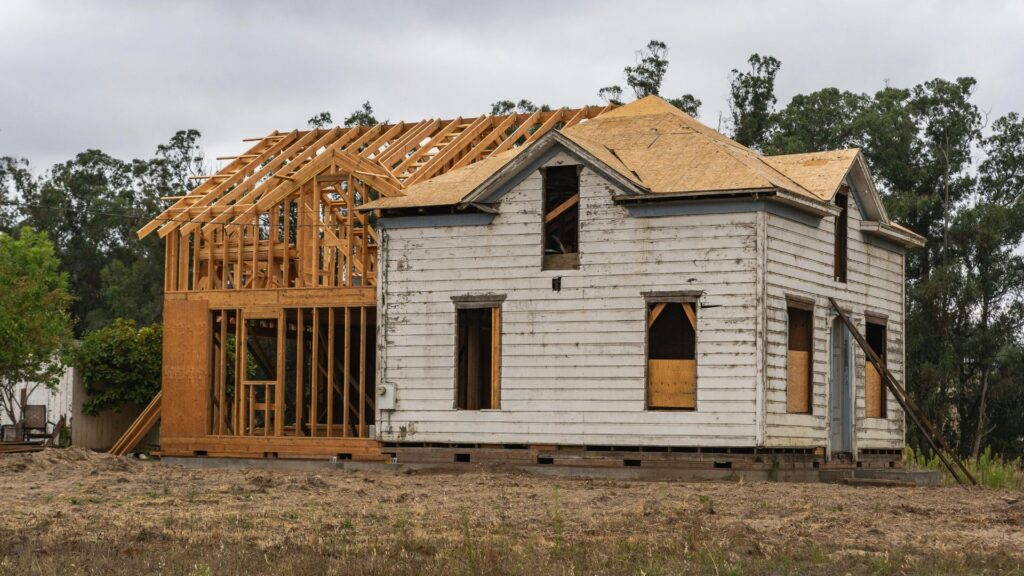
Renovations often come with surprises—hidden damage, outdated wiring, or changes required to meet current building standards.
New builds avoid many unknowns but still carry risks such as:
- Delays in supply chains
- Weather setbacks
- Council approval timing
Both paths require patience and a realistic plan.
7. Consider the Future Value
A well-planned renovation can significantly increase the value of your home, especially with kitchen, bathroom, or extension improvements.
New builds often have strong resale appeal because buyers love modern, warm, efficient homes.
Value factors to consider:
- Local market trends
- Type of improvements
- Size of the home compared to neighbouring properties
- Energy efficiency and modern features
8. Combining Both Approaches
Some families choose a hybrid approach: partial renovation now and a rebuild later. Others add extensions or make strategic improvements to support future goals.
If your current home can’t quite become what you need but you’re not ready for a new build, staged upgrades can bridge the gap.
9. Getting Professional Guidance
This decision affects your finances and lifestyle for years. Speaking with a builder, architect, and mortgage adviser can help you understand the true cost, value, and feasibility of each option.
Professionals can outline:
- Whether your home structure can support major changes
- Expected timeframes
- Lending options
- What adds the most value in your area
10. Conclusion
There is no one-size-fits-all answer. Renovation may be better if you love your location and your home has good bones. A new build may be better if your house can’t be transformed into what you need—especially if you want a fully modern, efficient layout.
By understanding your goals and comparing both options carefully, you can make the choice that fits your family and your long-term financial plans.
Smart planning today helps you create the home you’ll love tomorrow.

About the Author:
Mike Veail is a recognized digital marketing expert with over 6 years of experience in helping tradespeople and small businesses thrive online. A former quantity surveyor, Mike combines deep industry knowledge with hands-on expertise in SEO and Google Ads. His marketing strategies are tailored to the specific needs of the trades sector, helping businesses increase visibility and generate more leads through proven, ethical methods.
Mike has successfully partnered with numerous companies, establishing a track record of delivering measurable results. His work has been featured across various platforms that showcase his expertise in lead generation and online marketing for the trades sector.
Learn more about Mike's experience and services at https://theleadguy.online or follow him on social media: